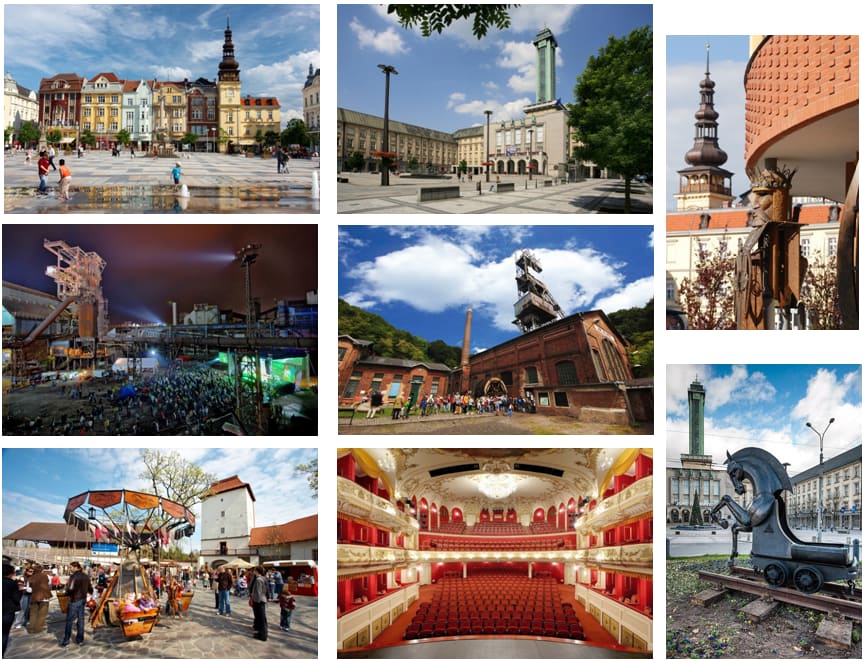
landmark
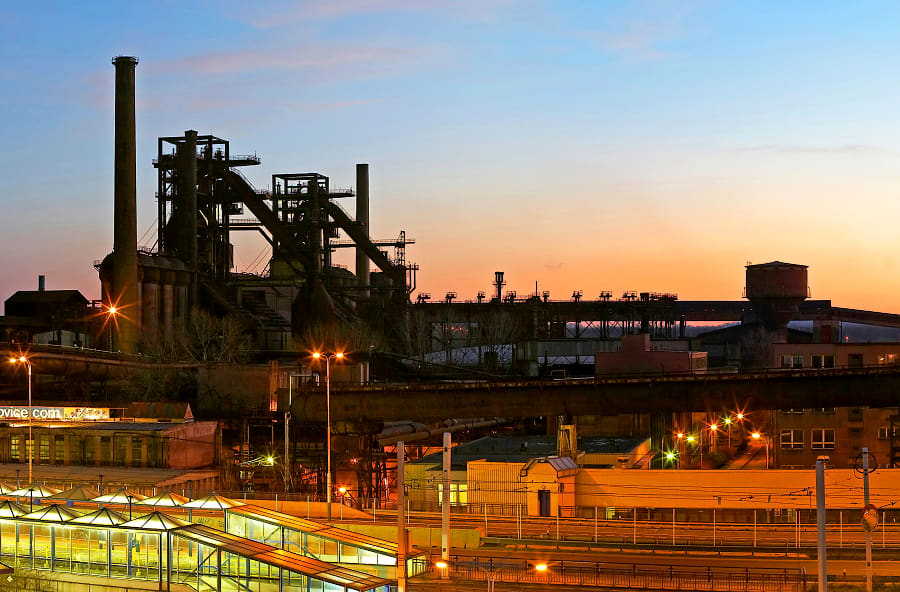
Dolní Vítkovice
A former ironworks complex turned cultural center. Take the elevator up Bolt Tower for panoramic views over the steel frame.
Спросить ParleyЧехия
Heavy industry turned cultural engine on the Polish border.
introduction
Ostrava is Czechia's third-largest city, shaped by coal mining and steel mills rather than gothic spires. Trams connect the compact center with massive industrial sites now converted into concert halls and museums. Expect raw architectural contrasts, unpretentious pubs, and easy transit access. You come here to see post-industrial transformation in real time.
Arrival rail station choice
Trains from Prague serve Ostrava-Svinov and Hlavní Nádraží. Svinov sits closer to Poruba, while Hlavní Nádraží connects directly to the center.
Industrial heritage status
Dolní Vítkovice holds European Heritage status. Its blast furnaces operated from 1828 to 1998 before converting into a public cultural venue.
Transit ticket cap
Tap your contactless card when boarding and exiting any tram. System algorithms automatically charge you the cheapest rate for your journeys.
Ostrava
Petr Infodad from Ostrava-Poruba 8, Czech Republic · CC BY-SA 2.0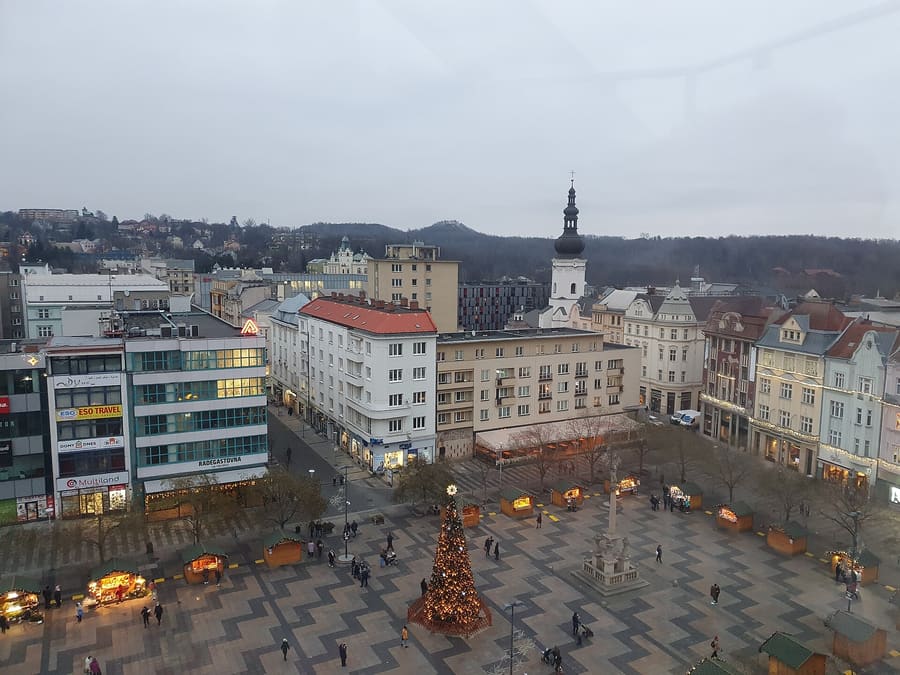
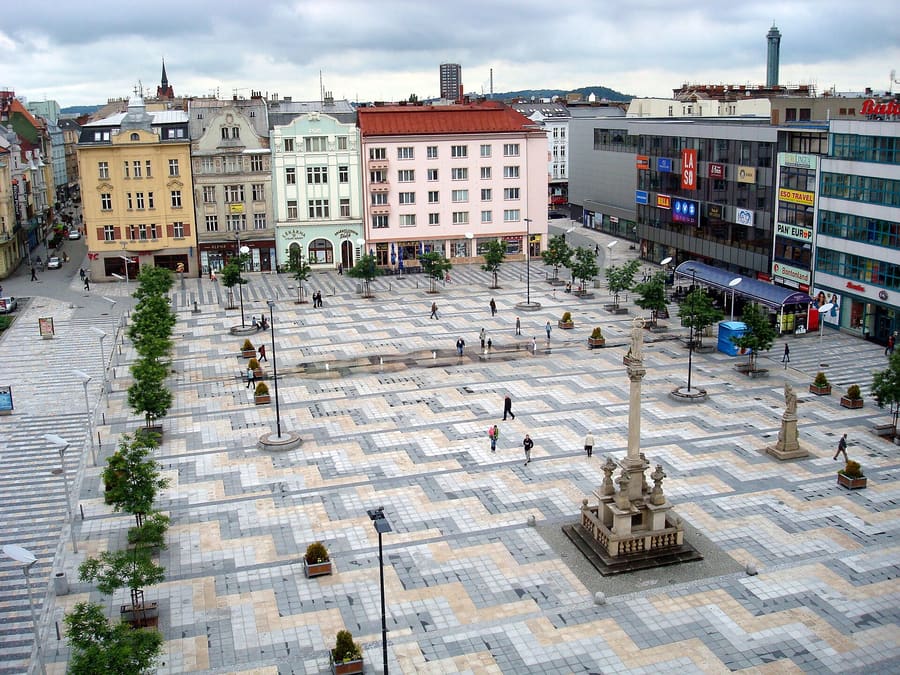
Moravská Ostrava — Walkable city core with main squares, late 19th-century architecture, and easy tram links.
Qasinka · CC0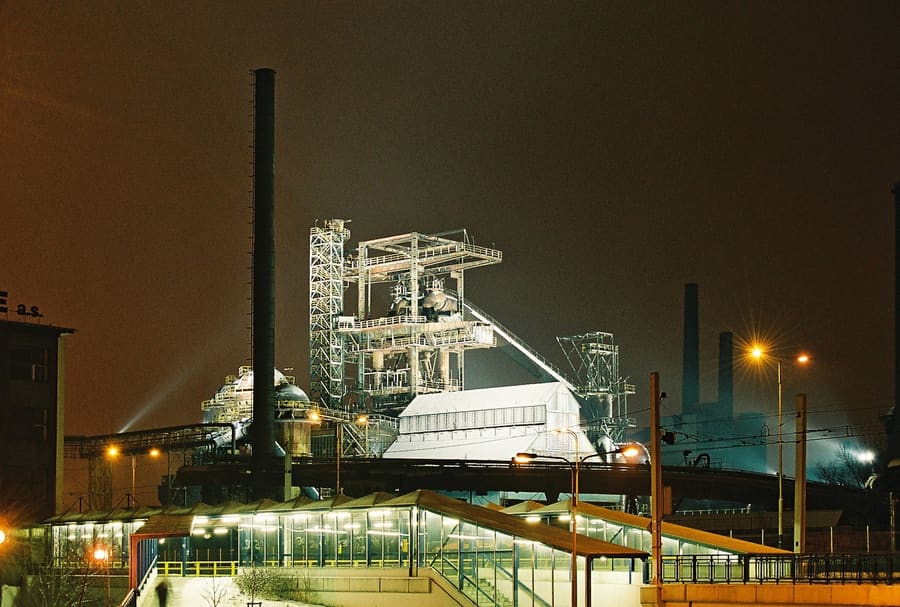
Vítkovice — Red-brick worker housing surrounding vast rusted blast furnaces and cultural venues.
Petr Štefek · CC BY 1.0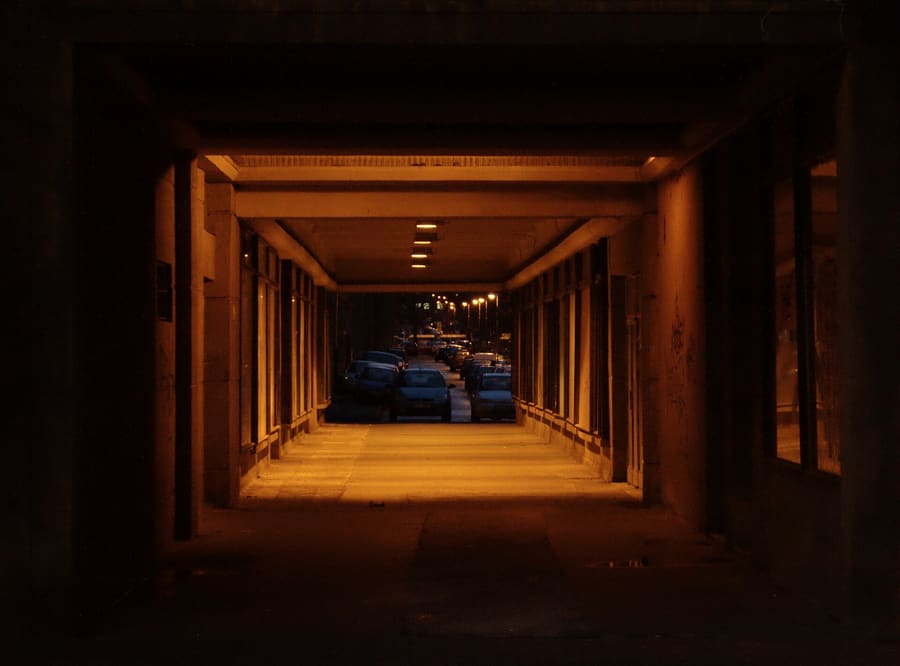
Poruba — Grand Socialist Realist avenues built in the 1950s with wide green courtyards.
I would appreciate being notified if you use my work outside Wikimedia. More of my work can be found in my personal gall · CC BY 3.0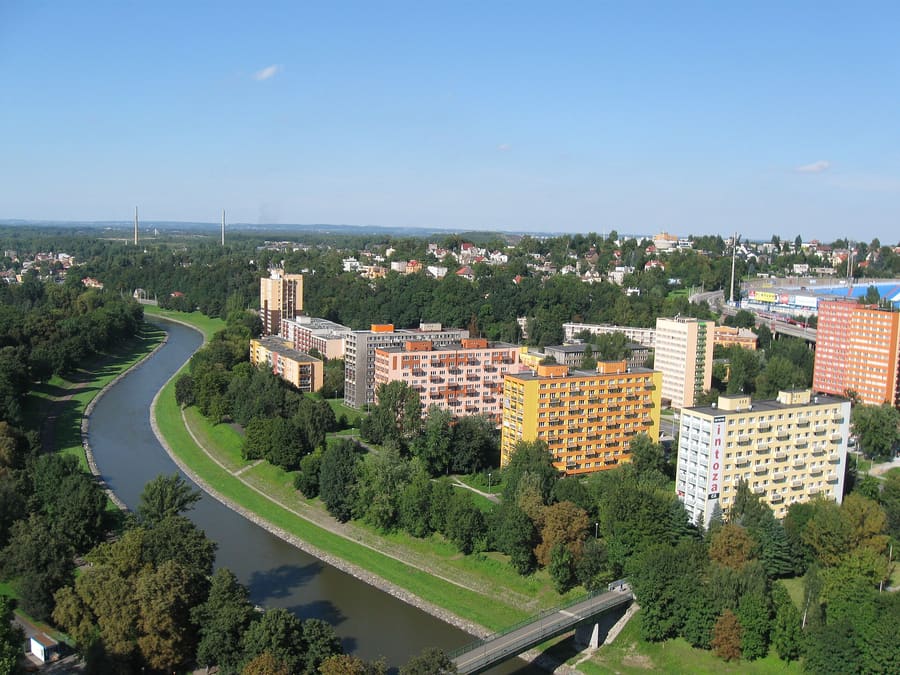
Slezská Ostrava — Hilly district across the Ostravice river with slag heaps and castle ruins.
Lukáš Mižoch · CC BY 3.0highlights
landmark
A former ironworks complex turned cultural center. Take the elevator up Bolt Tower for panoramic views over the steel frame.
Спросить Parley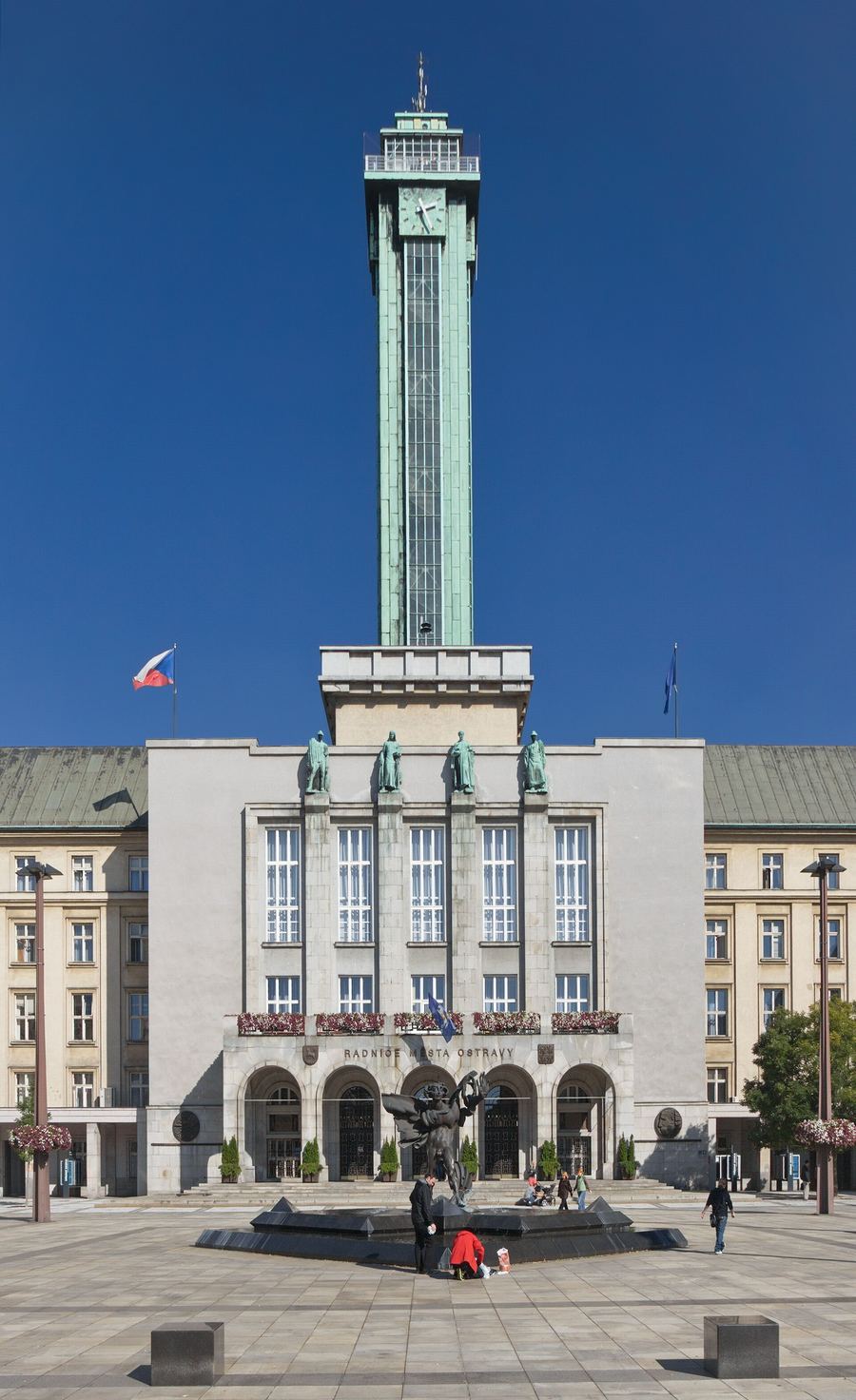
landmark
Czechia's tallest town hall lookout at 85 meters. An elevator takes you straight to the deck for views across to Poland.
Спросить Parley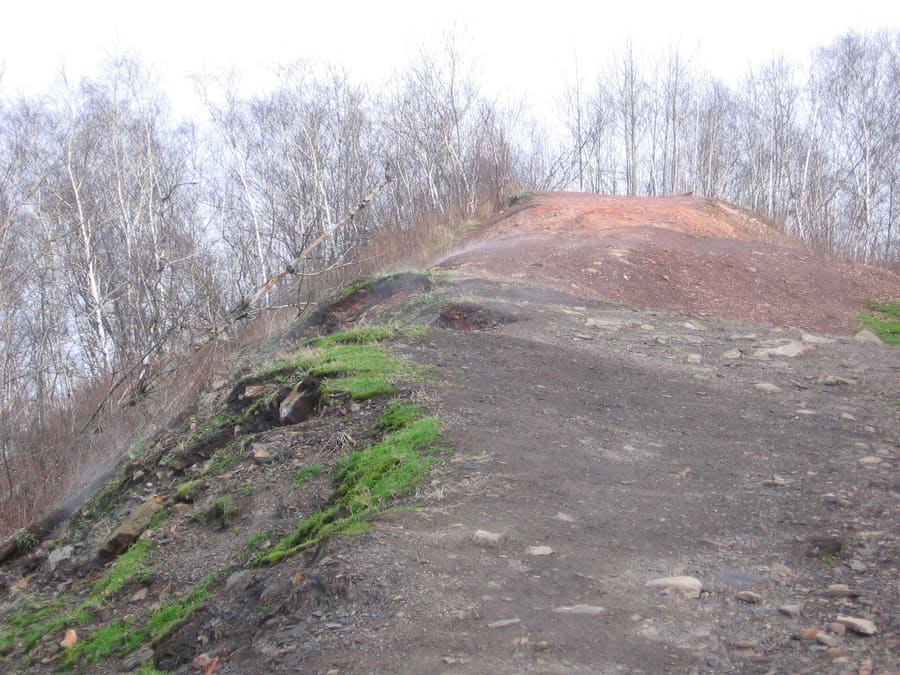
landmark
A burning slag heap that stays warm year-round due to internal coal fires. Wear sturdy boots for the steep gravel trail.
Спросить Parley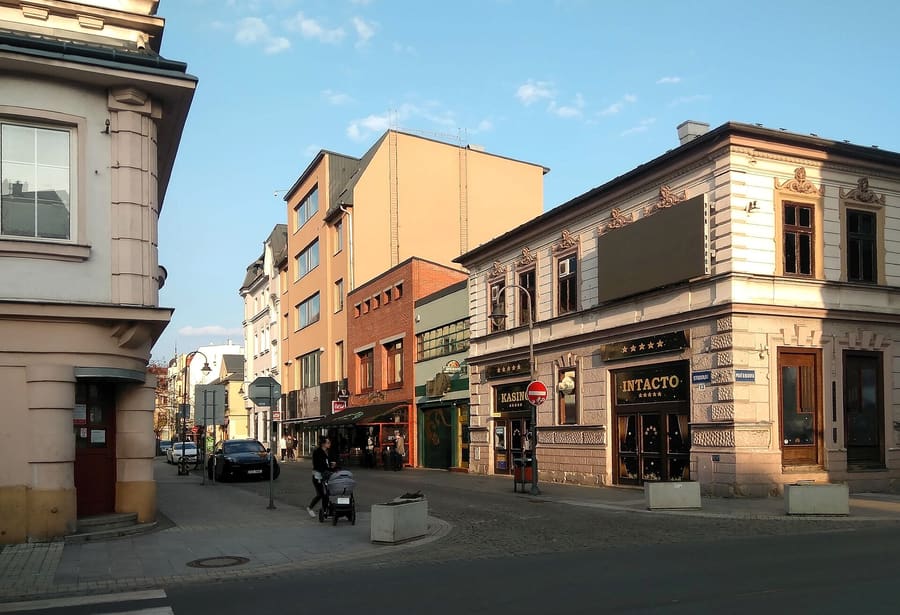
landmark
A pedestrian block packed with dozens of bars and clubs. Quiet by day, loud and crowded on Friday and Saturday nights.
Спросить Parley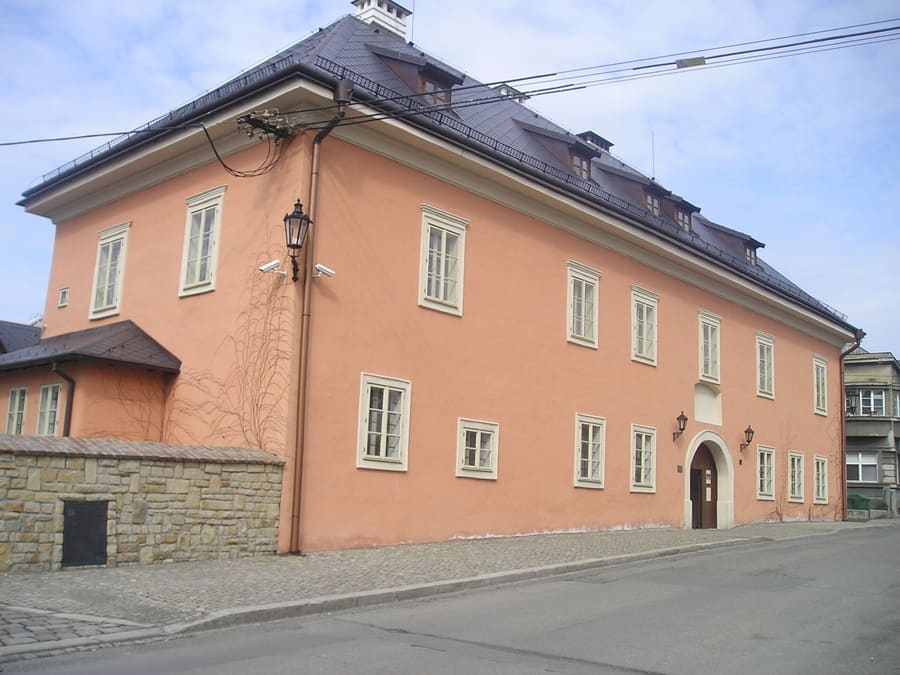
landmark
A restored 16th-century chateau featuring a craft microbrewery. Order the dark house beer served alongside local roast pork.
Спросить Parleyattractions
areas
Walkable city core with main squares, late 19th-century architecture, and easy tram links.
РядомNew Town Hall and main train station
Спросить ParleyRed-brick worker housing surrounding vast rusted blast furnaces and cultural venues.
РядомDolní Vítkovice complex and Gong hall
Спросить ParleyGrand Socialist Realist avenues built in the 1950s with wide green courtyards.
РядомOstrava-Svinov train station
Спросить ParleyHilly district across the Ostravice river with slag heaps and castle ruins.
РядомHalda Ema and Silesian Ostrava Castle
Спросить Parleyfood
Ostrava's kitchen reflects its mining past with hearty, high-energy dishes. Pubs serve thick cuts of pork, dumplings, and potato pancakes cooked in lard. Beer flows from traditional, large commercial breweries like Ostravar and Radegast. Expect direct service and substantial portions everywhere you sit.
Industrial pubs across the city serve grilled sausages with mustard and horseradish directly from small heated display cases.
Restaurants offer fixed lunch menus between 11:00 and 14:00 at roughly half the normal dinner prices.
Modern restaurants accept cards everywhere, but small neighborhood pubs often remain cash-only.
history
Ostrava grew from a quiet border outpost into the industrial engine of the Habsburg Empire after coal was discovered in 1763. Massive ironworks followed, transforming countryside villages into dense worker districts. Steel production dominated the 20th century until mines closed in the 1990s, forcing the city to repurpose its vast steel structures into spaces for art and music.
Coal discovered
Coal deposits found in Slezská Ostrava initiate the region's industrial transformation.
Ironworks founded
Archduke Rudolf establishes the Vítkovice ironworks, creating a massive industrial complex.
Gong opens
A former gasometer at Dolní Vítkovice reopens as a modern concert hall and conference facility.
where to stay
Choose your location based on transit links and noise tolerance. Moravská Ostrava puts you steps from restaurants and nightlife, while Poruba offers quieter streets lined with Socialist Realist architecture. Vítkovice suits travellers attending events at Dolní Vítkovice or Gong.
transport
Ostrava features a clean, frequent public transit network operated by DPO. Trams serve all primary districts, while buses reach outer slag heaps and suburban centers. You can pay for single trips by tapping your contactless payment card on board.
Из Ostrava Hlavní Nádraží (hl.n.)
Board tram 1, 2, or 8 from Hlavní Nádraží directly to the city center.
Use Bolt app to avoid inflated fares from unofficial taxis outside the station.
Tap your payment card on the door validator when entering and exiting any tram to register short-distance fares.
Trams run all night on key lines like line 2 and 8, running every 30 minutes after midnight.
DPO transit automatically caps your total daily charges at the price of a 24-hour pass.
Tram doors do not open automatically. Press the green door-open button on the outside or inside handle.
cost
Ostrava costs significantly less than Prague or Brno for food, transport, and accommodation. You can comfortably explore on a modest budget, provided you avoid high-surge festival weeks in July.
Covers unlimited tram, bus, and regional train rides across Ostrava transit zones.
Local lagers like Ostravar and Radegast cost half the price charged in central Prague.
Includes soup and a heavy main dish at downtown Czech pubs on weekdays.
Ticket for the New Town Hall observation deck with elevator access.
seasonality
MAR – MAY
Mild weather and low crowd numbers. Ideal for exploring industrial ruins and hiking Halda Ema.
JUN – AUG
Peak season driven by Colours of Ostrava festival. Hotel prices triple and advance booking is mandatory.
SEP – NOV
Crisp autumn days with fewer visitors. Good conditions for walking Poruba's grand boulevards.
DEC – FEB
Cold and often grey. Winter markets fill Masaryk Square while indoor venues host live music.
practicalities
Shops and smaller grocery stores close early on Sunday evenings, though large supermarkets remain open.
Katowice sits just one hour away by train, making cross-border day trips simple and inexpensive.
Contactless card payment works on virtually all transit vehicles, parking meters, and restaurants.
Halda Ema burns internally. Stay on marked paths because ground temperatures below the surface reach several hundred degrees.
Distances between attractions are large. Walking between Vítkovice and the center takes over 40 minutes, so rely on trams.