landmark
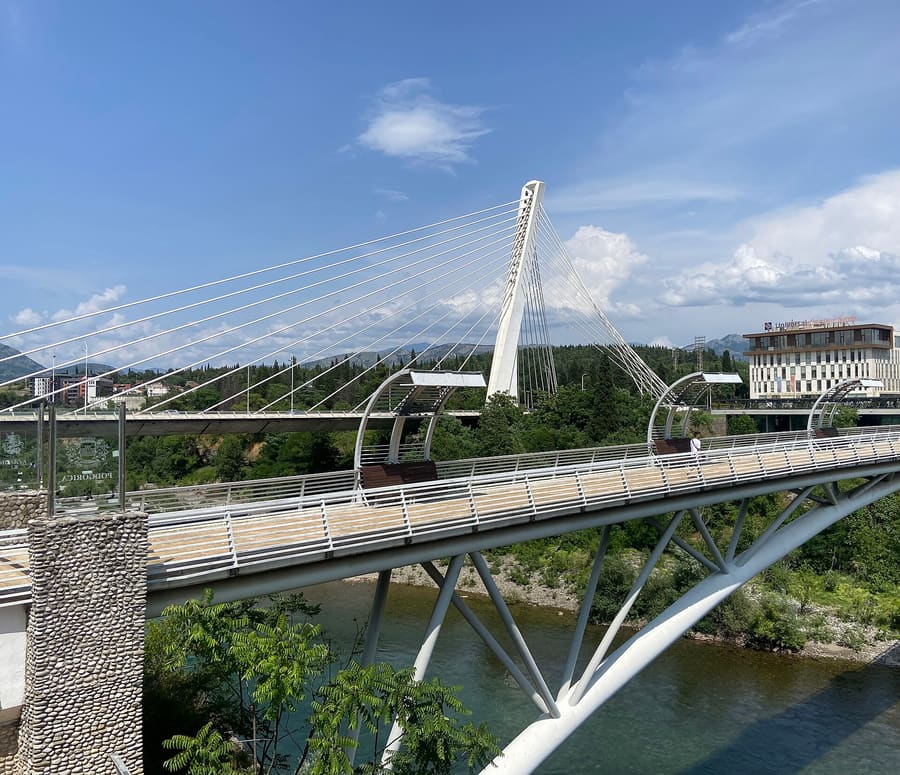
Millennium Bridge
Cable-stayed bridge spanning the Morača river, lit up at night and best viewed from the adjacent Moscow pedestrian bridge.
Спросить ParleyЧерногория
Concrete modernism, river canyons, and brutalist character.
introduction
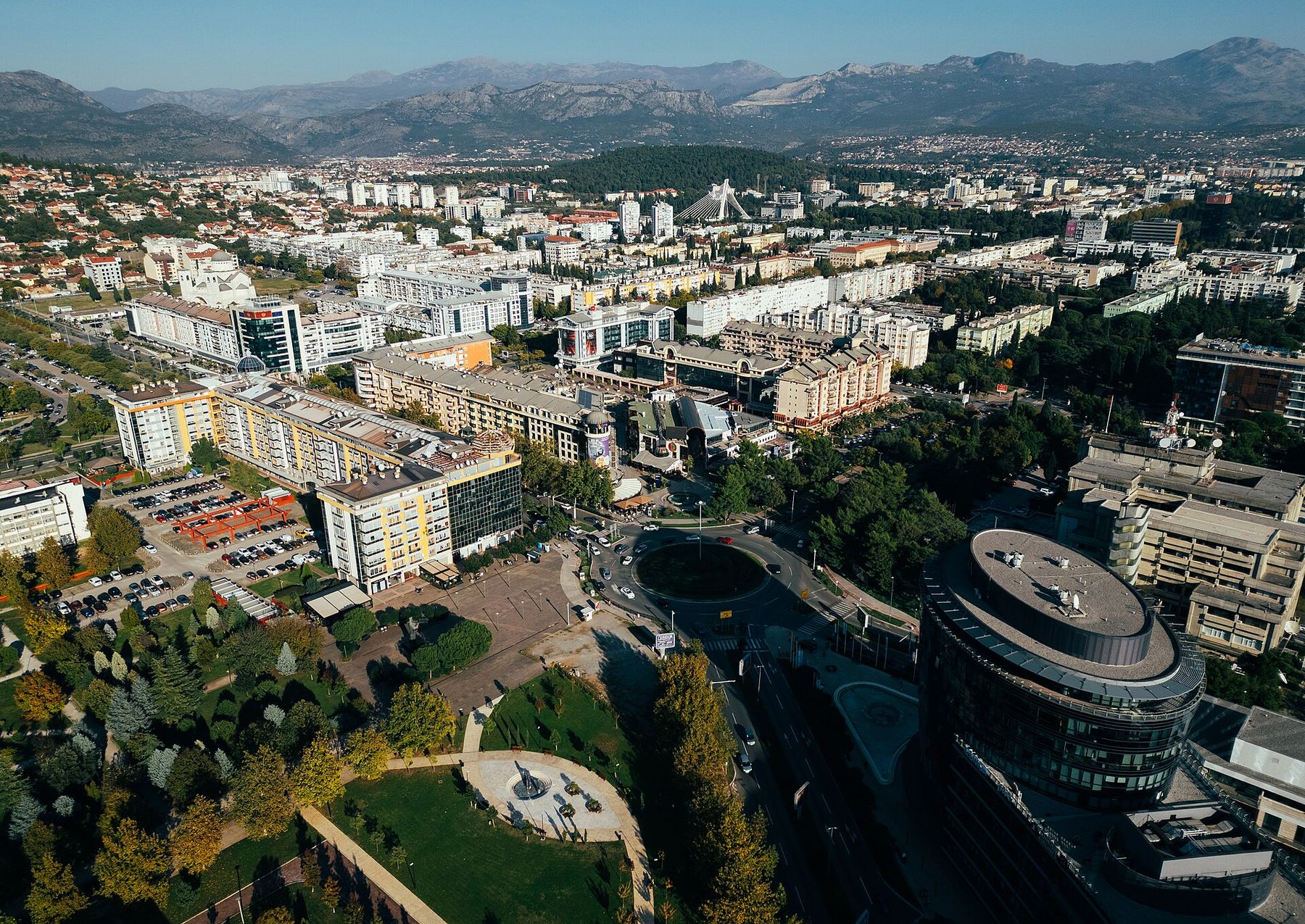
Podgorica sits at the confluence of two rivers, the Morača and the Ribnica, rebuilt almost entirely after heavy bombing in World War II. It is an unpretentious capital where Ottoman watchtowers stand alongside Yugoslav brutalist towers and glass commercial complexes. You navigate the town easily on foot or with brief two-euro taxi rides between distinct neighbourhoods. Expect low costs, quiet streets during hot summer afternoons, and lively evening cafes along Njegoševa.
Airport taxicabs
Official airport taxis charge a fixed rate of €12 to the centre. Ignore unmetered drivers inside the terminal arrivals hall.
Brutalist architecture capital
Podgorica contains one of Europe's densest concentrations of late-20th-century Yugoslav brutalist housing blocks, best seen in Blok 5.
Summer heat escape
July and August temperatures often top 40°C. Schedule outdoor walks before 10:00 or after 19:00, when locals gather in Gorica Park.
Podgorica
Desemeus · CC BY-SA 4.0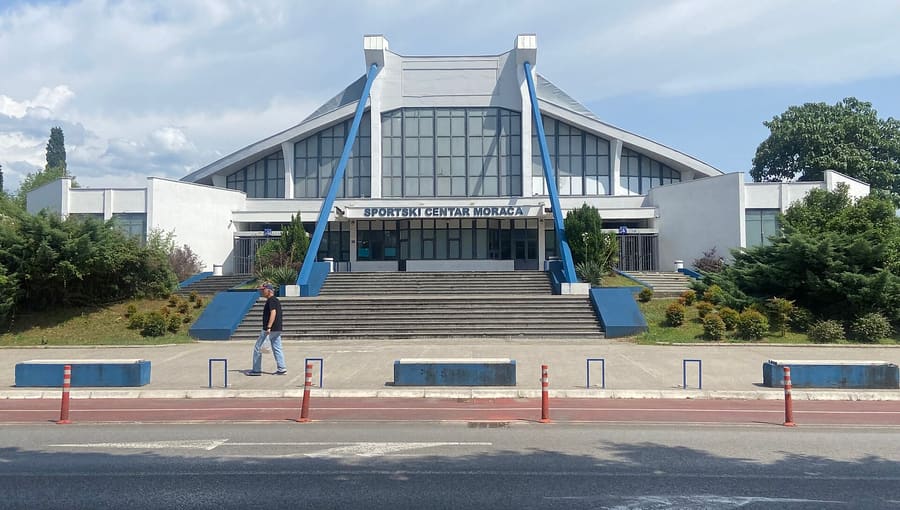
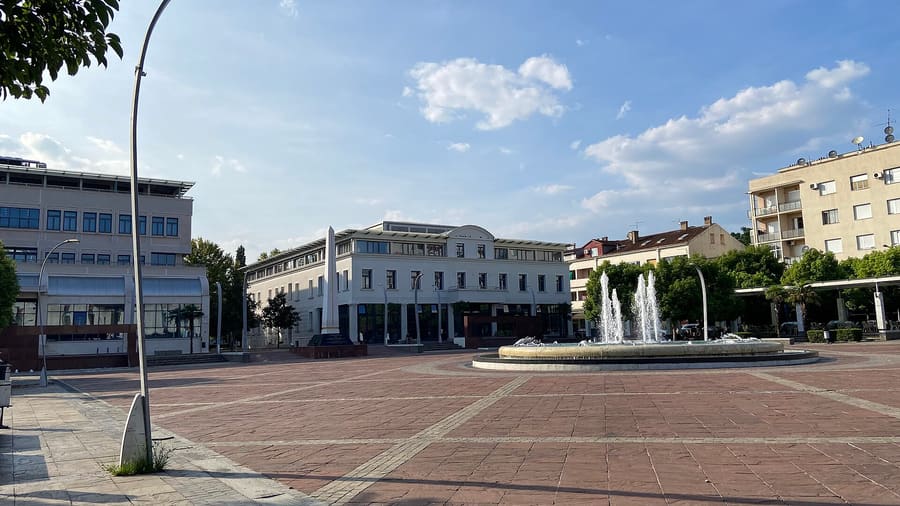
Preko Morače — Spacious modernist neighbourhood across the river with government offices, leafy boulevards, and quiet dining.
Desemeus · CC BY-SA 4.0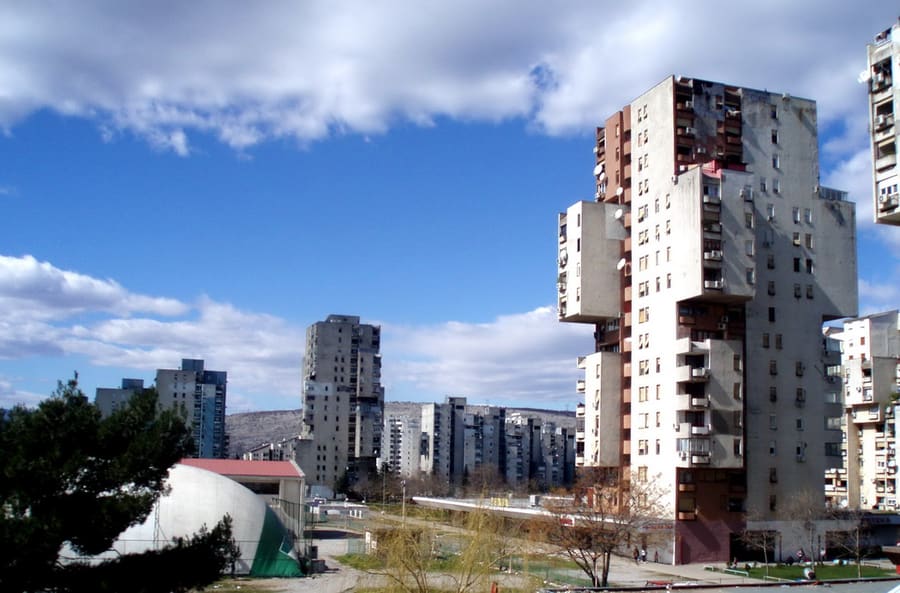
Blok 5 — Striking 1970s Yugoslav brutalist residential complex designed with open pedestrian plazas and green lawns.
Bratislav · Public domain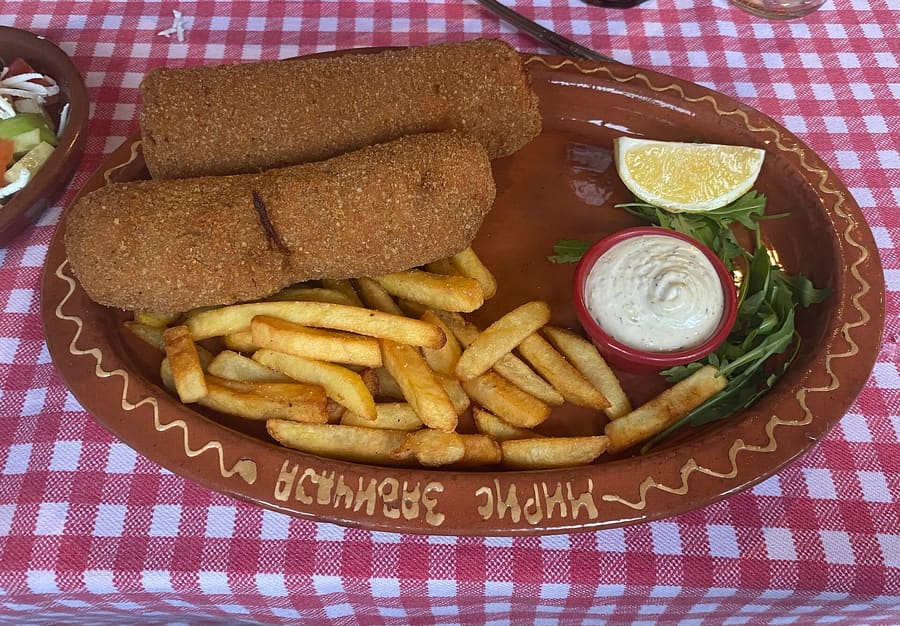
Podgorički popeci served with French fries and tartar sauce.
Vacant0 · CC BY 4.0highlights
landmark
Cable-stayed bridge spanning the Morača river, lit up at night and best viewed from the adjacent Moscow pedestrian bridge.
Спросить Parley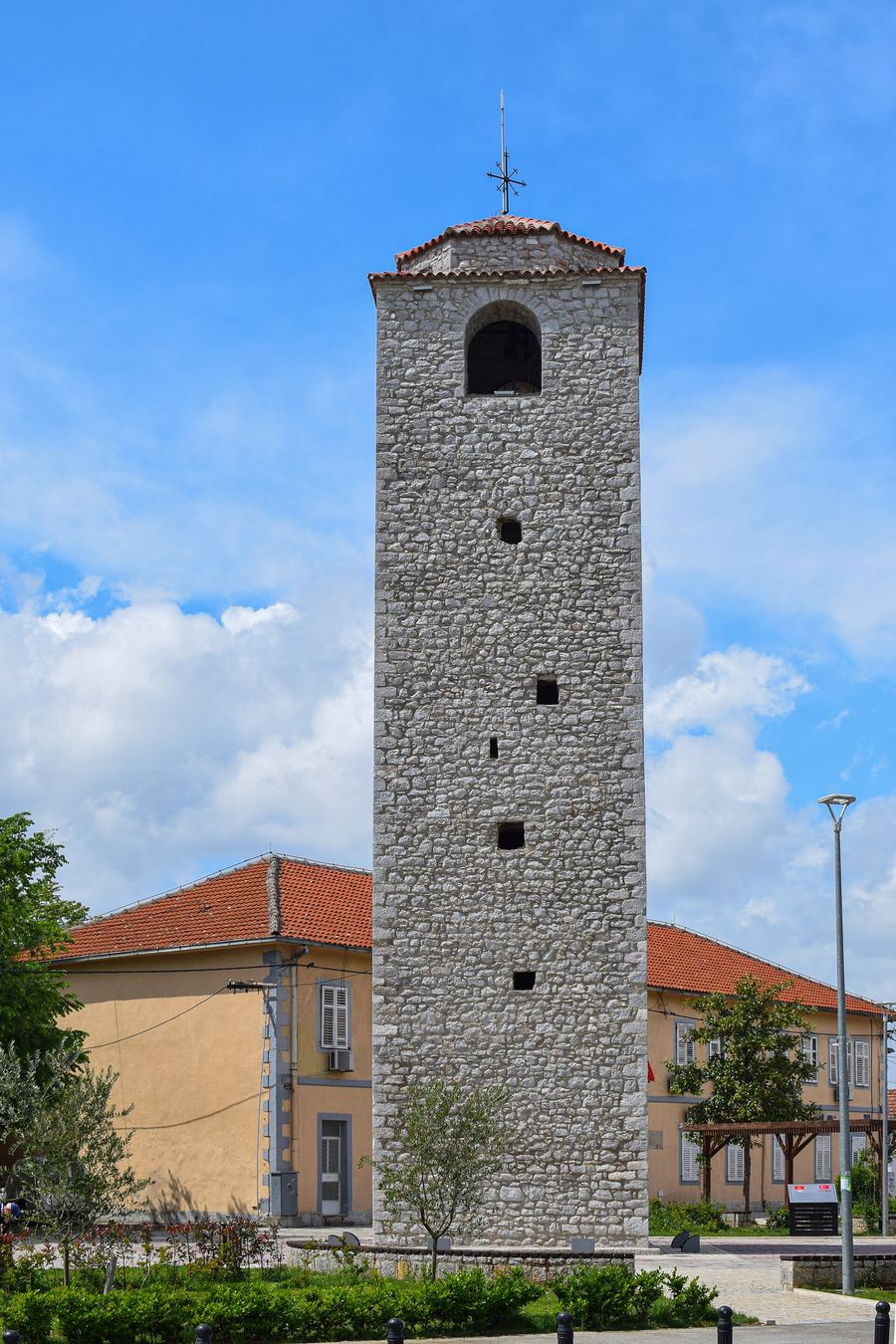
landmark
17th-century Ottoman clock tower standing at the entrance to Podgorica's oldest surviving residential quarter.
Спросить Parley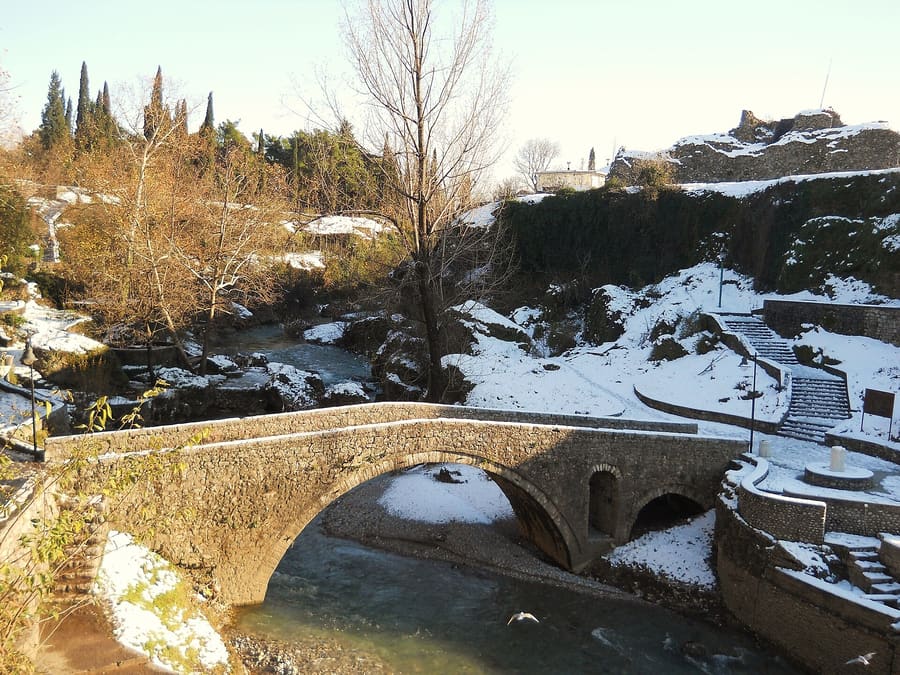
landmark
Single-arch stone Ottoman bridge over the Ribnica river near where it empties into the Morača.
Спросить Parleyattractions
areas
Spacious modernist neighbourhood across the river with government offices, leafy boulevards, and quiet dining.
РядомMillennium Bridge and Cathedral
Спросить ParleyStriking 1970s Yugoslav brutalist residential complex designed with open pedestrian plazas and green lawns.
РядомTološi Forest Park
Спросить Parley19th-century grid system packed with outdoor cafe terraces, cocktail bars, and central pedestrian avenues.
РядомIndependence Square and Gorica Hill Park
Спросить ParleyContemporary high-density district built around modern shopping malls, fitness centres, and craft beer spots.
РядомBig Fashion Podgorica mall
Спросить Parleyfood
Podgorica cuisine reflects its position between mountain pastures and Lake Skadar. Local menus focus heavily on grilled meats, freshwater carp, and slow-cooked veal. Portions are generous and prices remain lower than on the Montenegrin coast.Order podgorički popeci, a dish created in the city: veal steak rolled with kajmak and prosciutto, breaded and deep-fried. Near the rivers, traditional taverns serve carp baked with dried plums and apples (krap u tavu).
Podgorički popeci served with French fries and tartar sauce.
Vacant0 · CC BY 4.0This local fried veal roll filled with kajmak and prosciutto was invented in Podgorica kitchens.
Fresh Lake Skadar carp is best from autumn through spring at traditional taverns along the Morača river.
Most sit-down restaurants accept major credit cards, but small bakeries on Slobode require cash.
history
Podgorica was established near the ancient Roman settlement of Doclea. Ottoman forces conquered the town in 1474, building fortresses and walls that defined Stara Varoš for four centuries.Incorporated into Montenegro in 1878, the city was renamed Titograd in 1946 during Yugoslav reconstruction. Renamed Podgorica in 1992, it became the capital of independent Montenegro in 2006.
Montenegrin control
The Congress of Berlin assigns Podgorica to Montenegro, ending four centuries of Ottoman administration.
Renamed Titograd
Rebuilt after World War II bombing destroys most historic buildings, the city becomes the industrial capital Titograd.
Name restored
The city officially reclaims its historic name Podgorica following the breakup of Yugoslavia.
where to stay
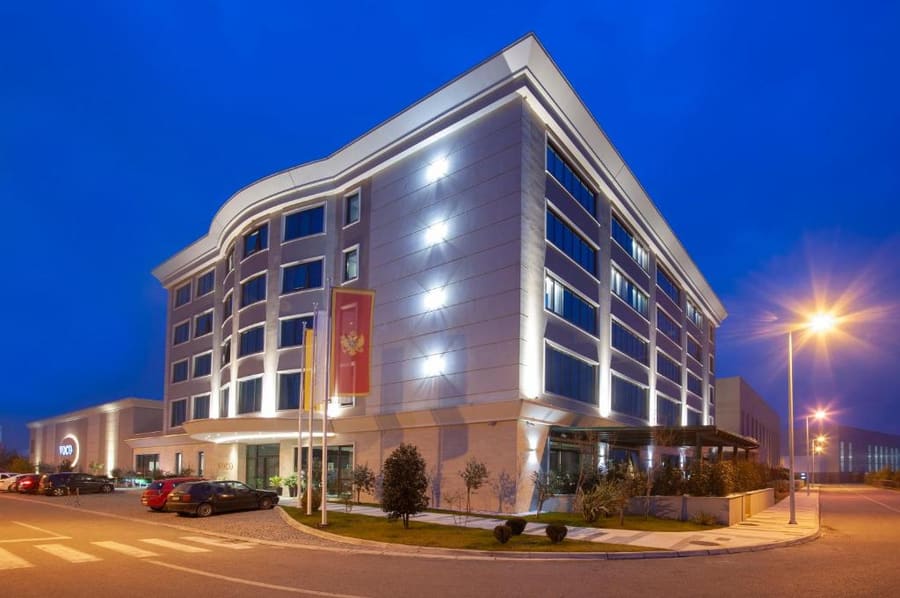
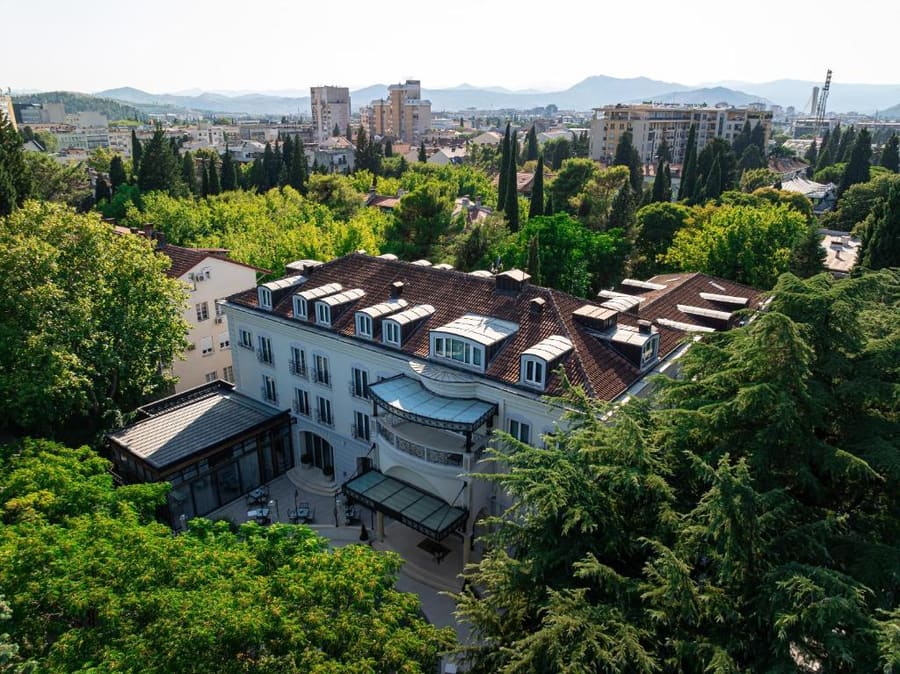
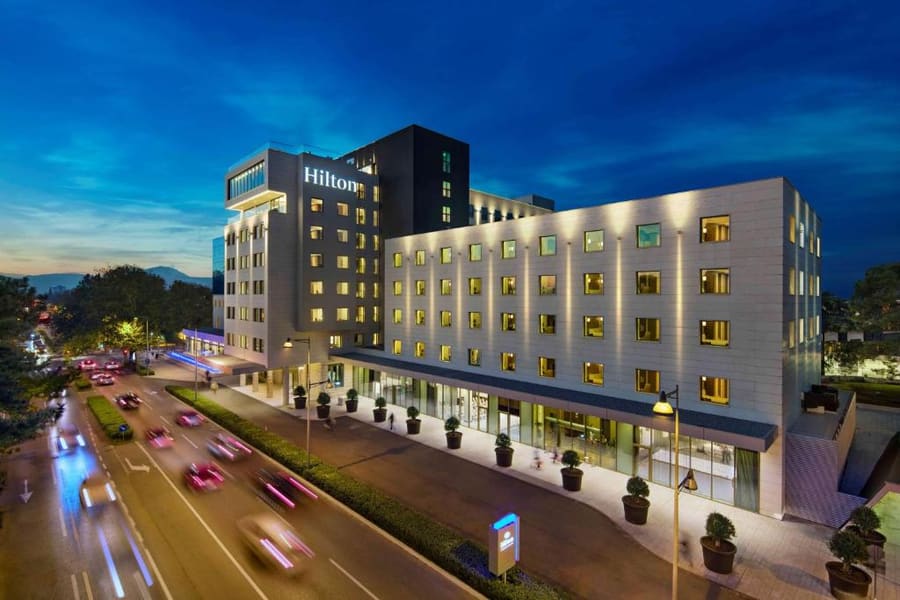
Choose your neighbourhood by your daily rhythm. Mirkova Varoš puts pedestrian dining and cafes on your doorstep. Preko Morače offers wider avenues, green parks, and direct access to administrative offices. City Kvart suits those who want modern apartment stays next to shopping centres.
Live rates, matched to the areas above.
transport
Podgorica is compact and mostly flat. Most visitors walk within the central area and take short, metered taxis to outlying neighbourhoods like City Kvart or Blok 5.
Из Podgorica Airport (TGD)
Fixed rate to central hotels when booked at the official airport taxi counter inside.
Pre-arranged driver waiting in arrival hall with a name board.
Single tickets cost €0.90 when bought directly from the driver on city buses.
Call local taxi numbers like 19711 to dispatch metered rides across town for €2–3.
Most Podgorica taxis accept cash only; confirm card acceptance before getting in.
Mirkova Varoš is completely flat; walking between main sights takes under 20 minutes.
cost
Podgorica is significantly cheaper than Montenegrin coastal resorts like Budva or Kotor. Transport, dining, and daily coffee cost less than half of western European capital averages.
Standard price at outdoor cafes along Njegoševa Street.
Plentiful portion served with fried potatoes at traditional local restaurants.
Metered fare for rides within central Podgorica urban limits.
Local Vranac red wine ordered with dinner at mid-range restaurants.
seasonality
MAR – MAY
Mild temperatures between 15°C and 22°C. Excellent for walking tours and outdoor wine tasting.
JUN – AUG
Extreme heat often exceeding 40°C. Streets empty during afternoon hours; locals retreat to river banks.
SEP – OCT
Pleasant warm days around 22–26°C. Grape harvest season at nearby Šipčanik vineyards.
NOV – FEB
Cool, wet winter with frequent rainfall. Indoor dining and museum visits remain comfortable.
practicalities
Retail stores and supermarkets in Podgorica are closed on Sundays by national regulation.
Locals swim at the Morača river beach beneath the suspension bridges during summer peak heat.
Local bank ATMs charge network fees up to €5 for foreign card withdrawals; stick to official bank branches.
Montenegrin/Serbian is the main language, but younger hospitality staff in downtown venues speak clear English.
Gorica Park offers shaded asphalt loops closed to vehicular traffic, ideal for morning exercise.