landmark
Uros Floating Islands
Totora reed platforms built by the Uru people. Early morning departures avoid the heaviest group tours.
Спросить ParleyПеру
High-altitude lake port anchored by Aymara and Quechua roots.
introduction
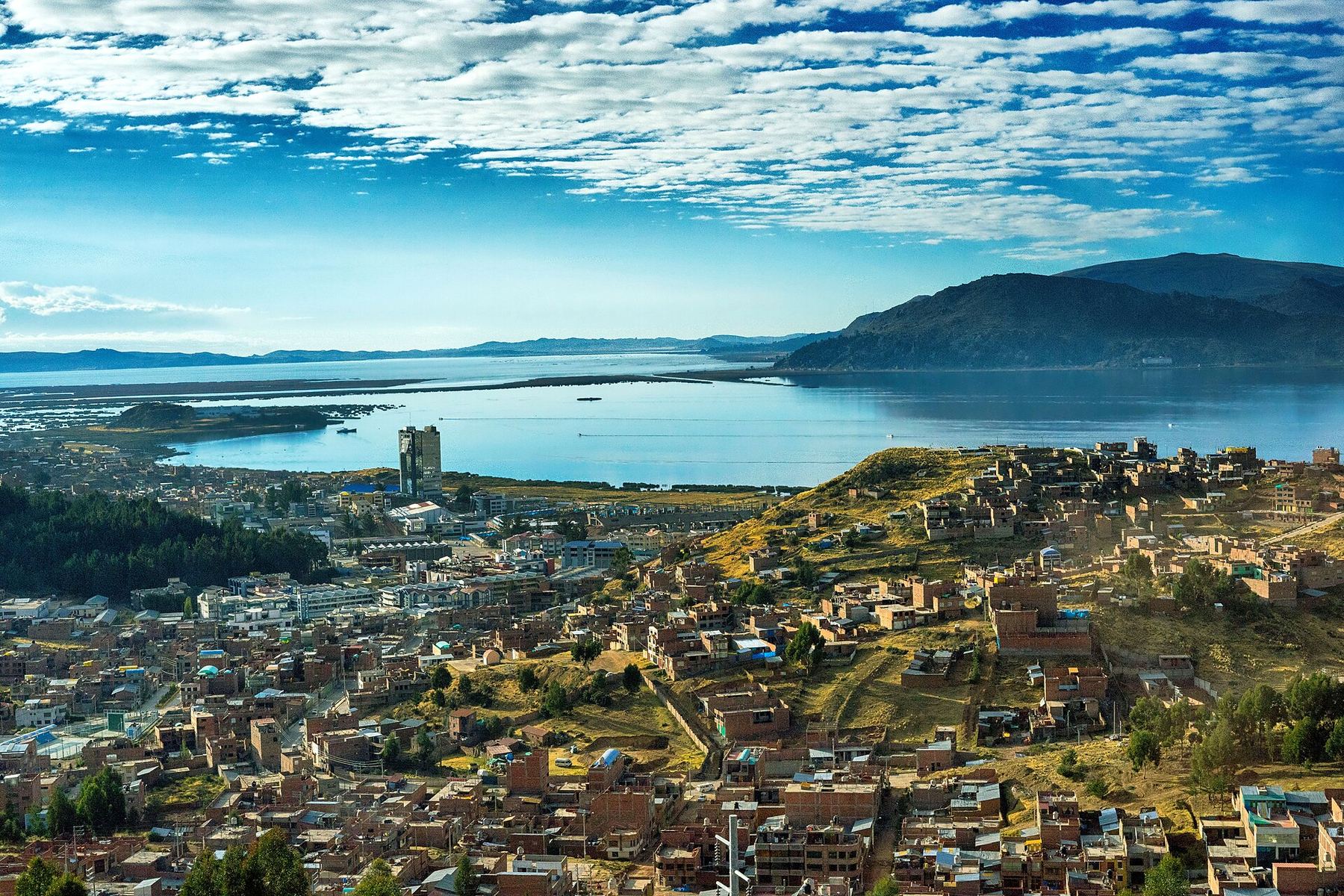
Puno sits at 3,827 meters on the cold edge of Lake Titicaca. The city works as the launch point for boats reaching the floating Uros reeds and the high terraced islands of Taquile and Amantaní. Life centers on Calle Lima, a pedestrian strip running between the main square and the central market. Prepare for freezing nights, steep cobblestone steps, and thin air that slows your pace.
Airport minivan transfer
Juliaca Airport sits 50 km north of Puno. Shared minivans meet every flight and drop you at your hotel door for S/20.
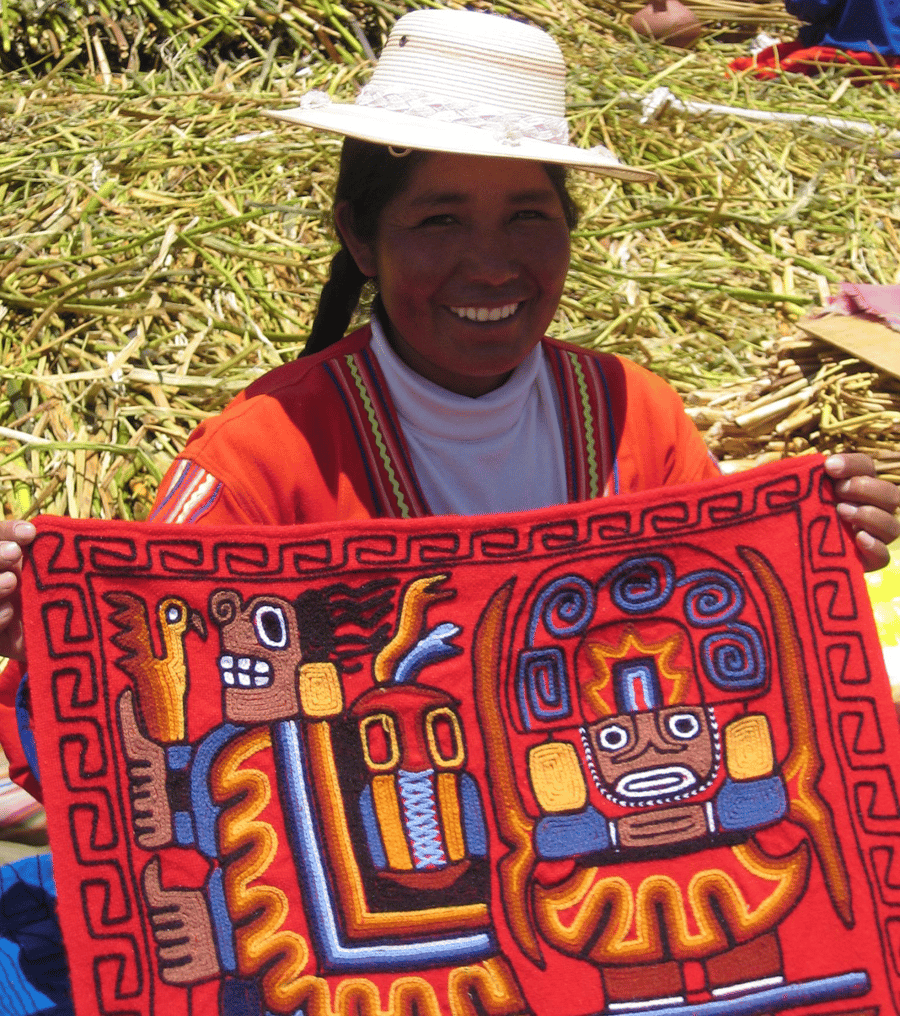
UNESCO textile heritage
UNESCO recognized Taquile Island's hand-weaving tradition in 2008. Men do the knitting using techniques passed down since Incan times.
Altitude preparation
Puno sits at 3,827 meters above sea level. Spend two nights in Cusco or Arequipa first to acclimate before arriving.
Puno
EEJCC · CC BY-SA 4.0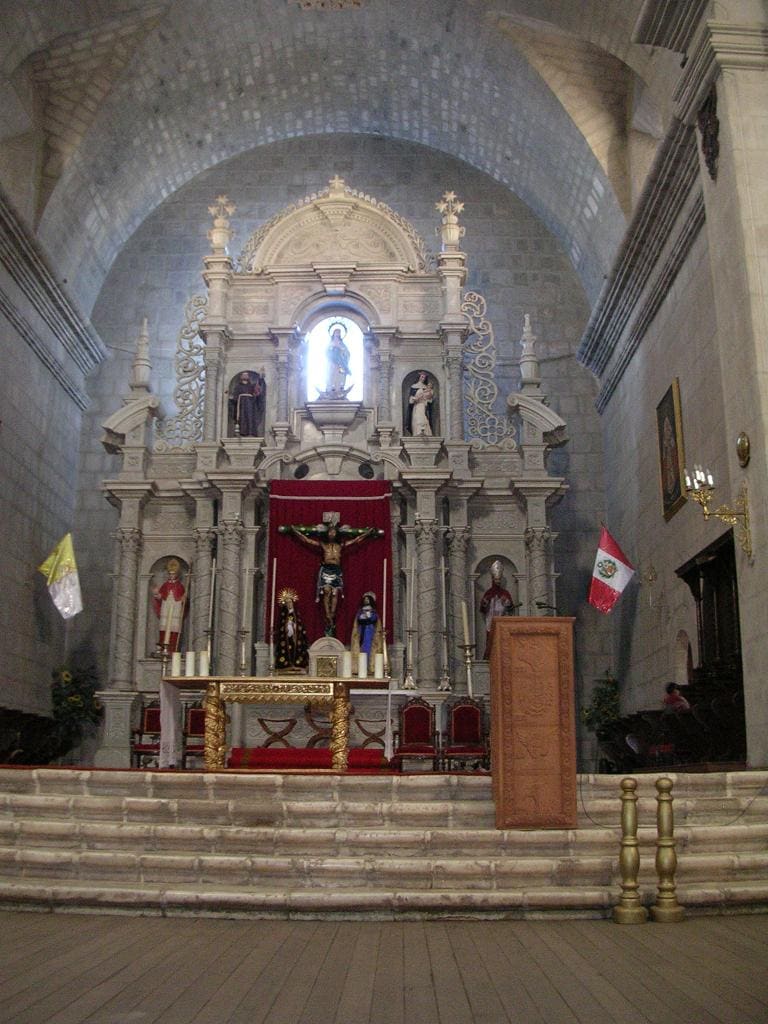
Centro Histórico — Pedestrian streets lined with alpaca shops, tour agencies, and simple pizzerias.
Elemaki · CC BY 2.5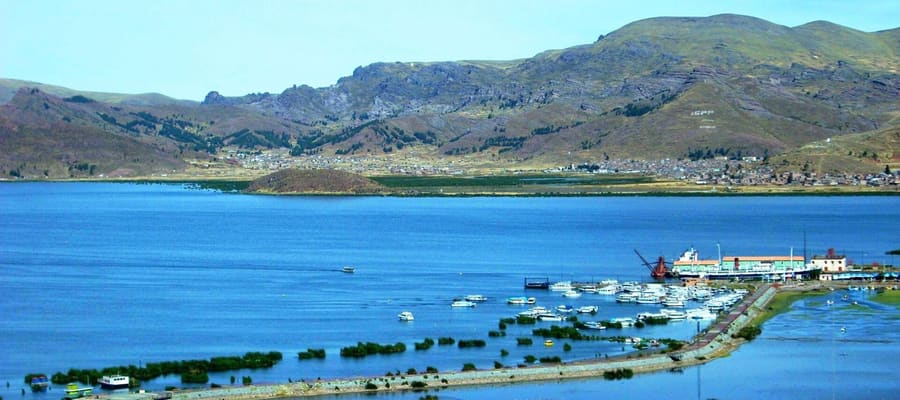
Puerto de Puno — Lakeside harbor zone filled with craft stalls, piers, and boat operators.
Kala Chuymani · CC BY-SA 4.0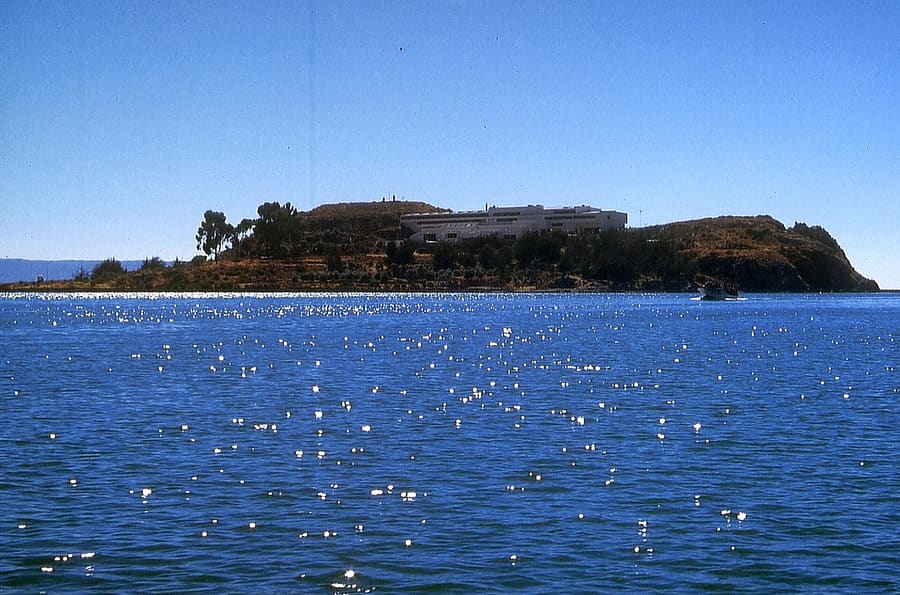
Isla Esteves — Isolated island connected by a causeway, home to upscale waterside resorts.
Dr. Eugen Lehle · CC BY-SA 3.0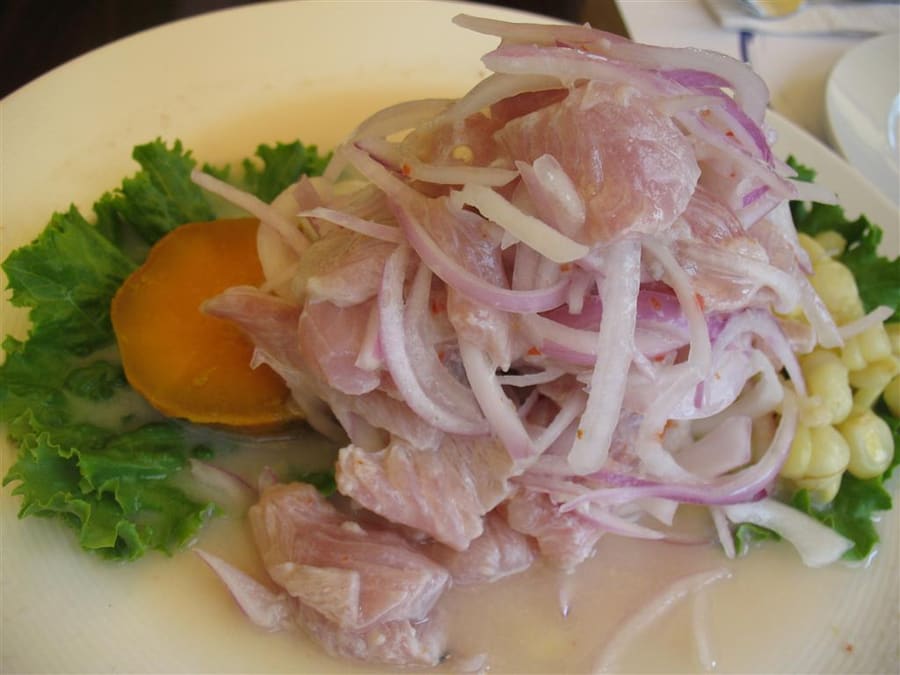
Fresh Lake Titicaca trout served fried with native potatoes and rice.
ProjectManhattan · CC0highlights
landmark
Totora reed platforms built by the Uru people. Early morning departures avoid the heaviest group tours.
Спросить Parley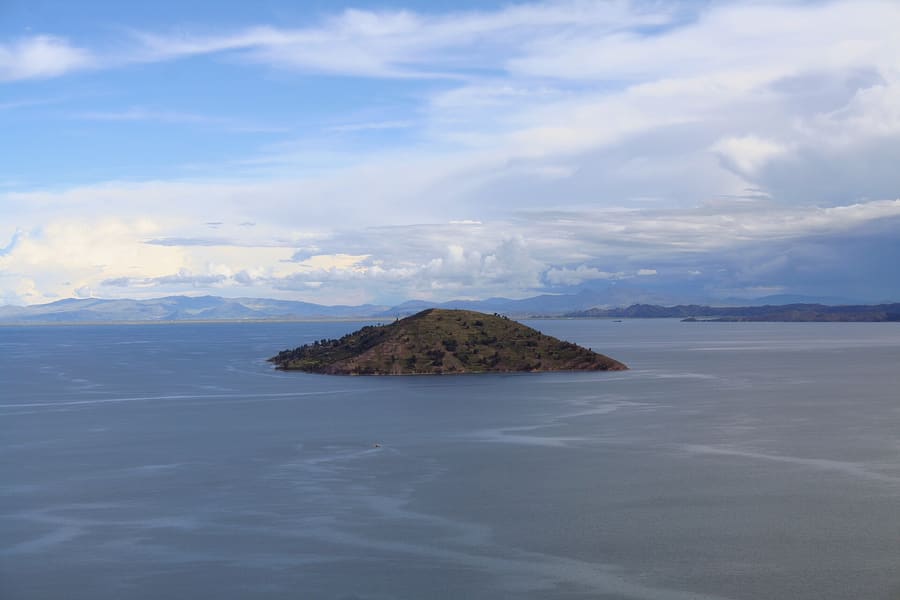
landmark
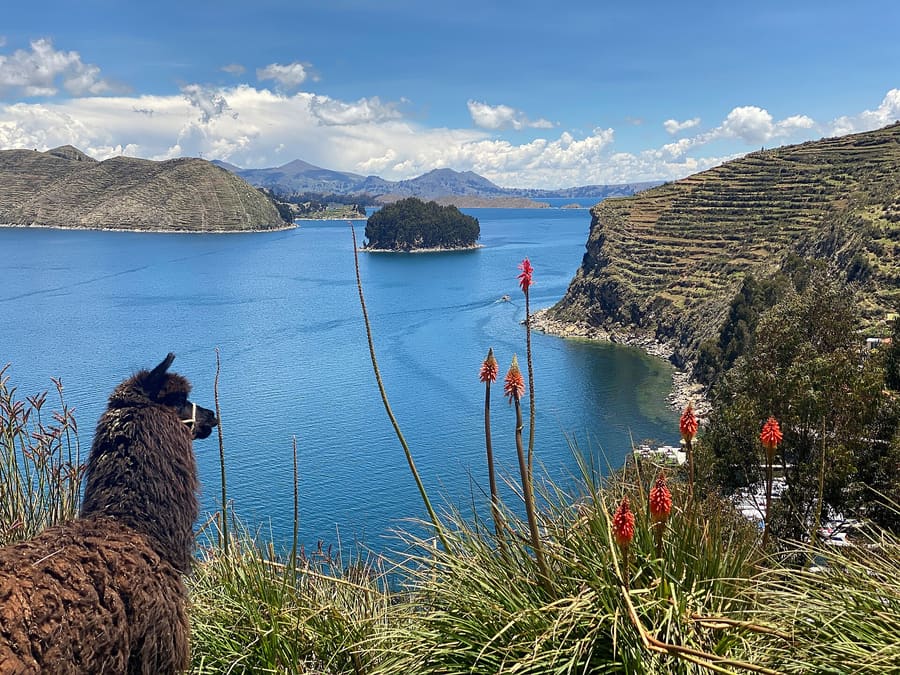
Steep, motorless island known for fine textile weaving. Climb the 500 stone steps to the main plaza for trout lunch.
Спросить Parley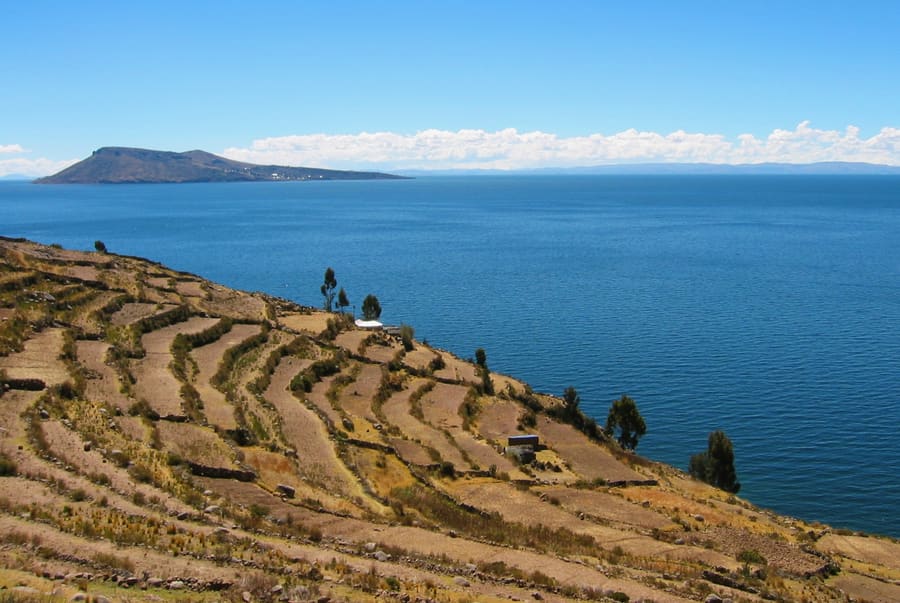
landmark
Quiet island offering rustic family homestays. Hike up to the Pachatata or Pachamama ruins for sunset views.
Спросить Parley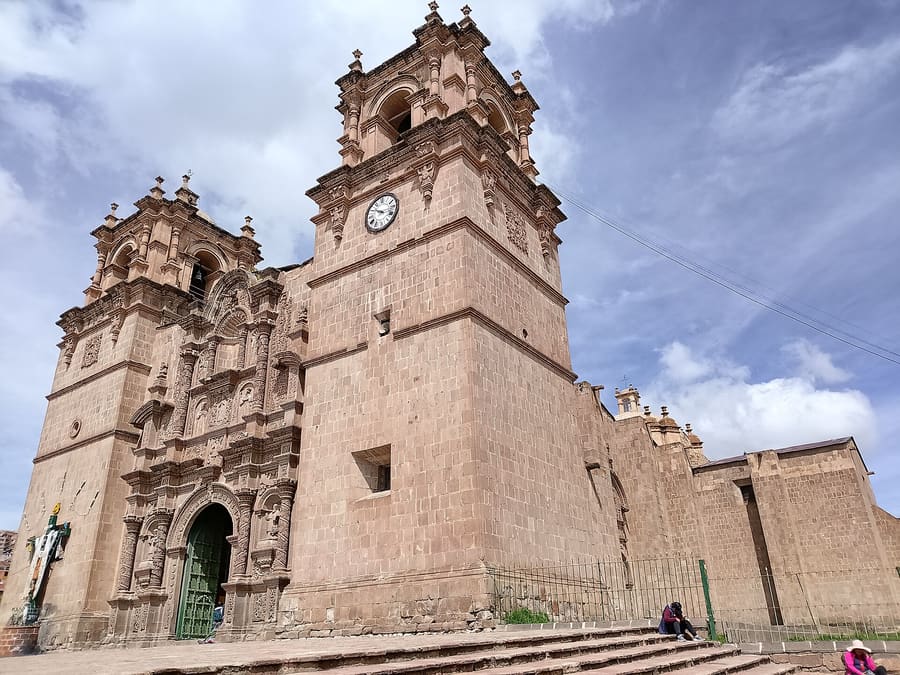
landmark
18th-century Andean Baroque stone cathedral on Plaza de Armas. Carvings blend Catholic icons with indigenous fauna.
Спросить Parley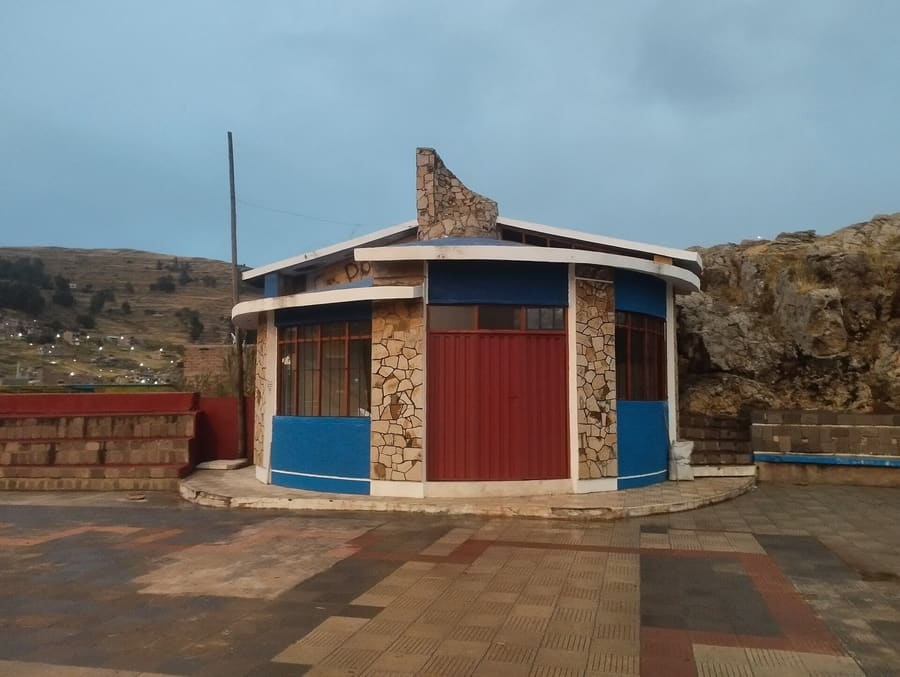
landmark
Natural limestone hill topped with a statue of Manco Cápac. Walk up before dusk for panoramic views across the bay.
Спросить Parleyattractions
areas
Pedestrian streets lined with alpaca shops, tour agencies, and simple pizzerias.
РядомPlaza de Armas and Calle Lima.
Спросить ParleyLakeside harbor zone filled with craft stalls, piers, and boat operators.
РядомFerries to Uros, Taquile, and Amantaní.
Спросить ParleyIsolated island connected by a causeway, home to upscale waterside resorts.
РядомLake Titicaca bay and bird habitats.
Спросить ParleyResidential district surrounding Mercado Laykakota and local eateries.
РядомMercado Laykakota and Central Market.
Спросить Parleyfood
Puno eats to survive the biting cold of the altiplano. Dining here relies on freeze-dried potatoes called chuño, native quinoa, and fresh lake fish. Most traditional lunch spots sit along Calle Jr. Libertad and near Mercado Central.
Fresh Lake Titicaca trout served fried with native potatoes and rice.
ProjectManhattan · CC0A breakfast staple made of whipped quinoa cooked with butter, fresh cheese, and milk. Grab a warm bowl at Mercado Laykakota for S/5.
Roast lamb seasoned with ají panca pepper and beer. Eat it on Sunday mornings at traditional spots near Parque Pino.
Thick, steaming broth loaded with chuño, beef, lamb, and sweet potato. Locals drink it at lunch to combat high-altitude fatigue.
Pan-fried Lake Titicaca trout served with rice, potato, and criolla onion salad. Order it at harbor restaurants near the main pier.
history
Puno developed as a Spanish mining town in 1668 near the silver mines of Laykakota. Long before the colony, the region was controlled by the Kolla and Lupaca cultures, who left behind stone burial towers. Today, Puno remains the focal point of Peruvian Aymara culture.
Kolla Civilization
Kolla rulers build stone chullpas at Sillustani to bury their elites overlooking Lake Umayo.
Founding of Puno
Viceroy Pedro Antonio Fernández de Castro establishes San Carlos de Puno following silver mining disputes.
Uros Reserve Established
Peru establishes the Titicaca National Reserve to protect the lake ecosystem and native marshlands.
where to stay
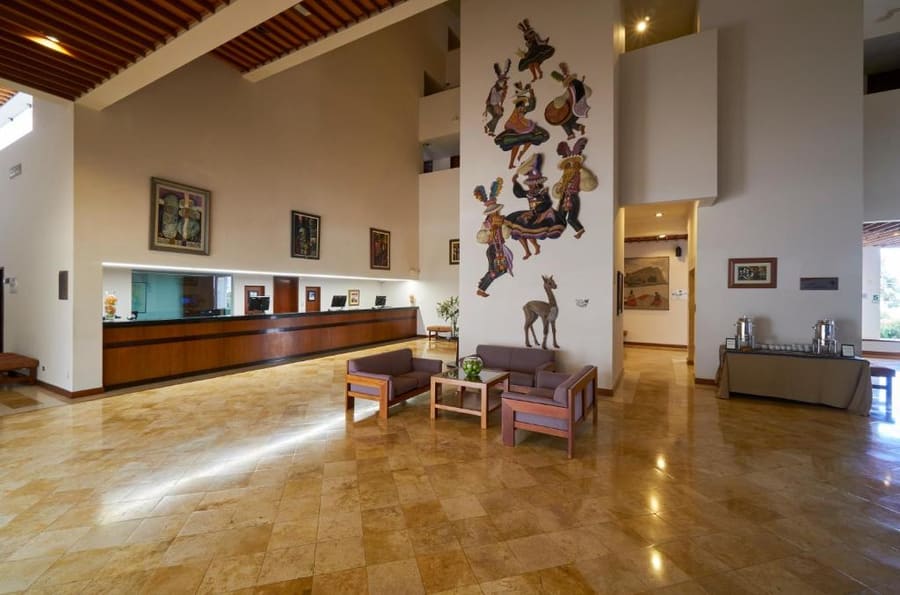
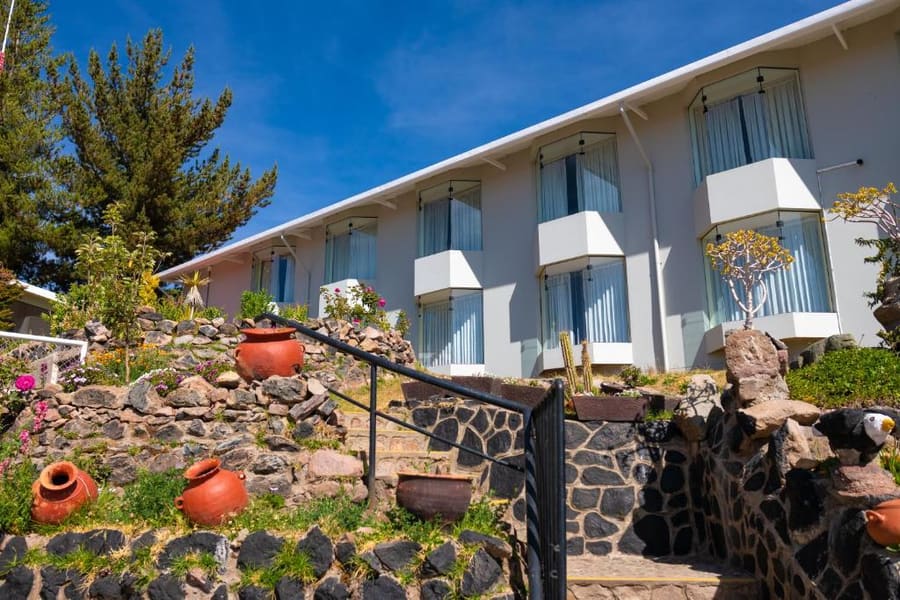
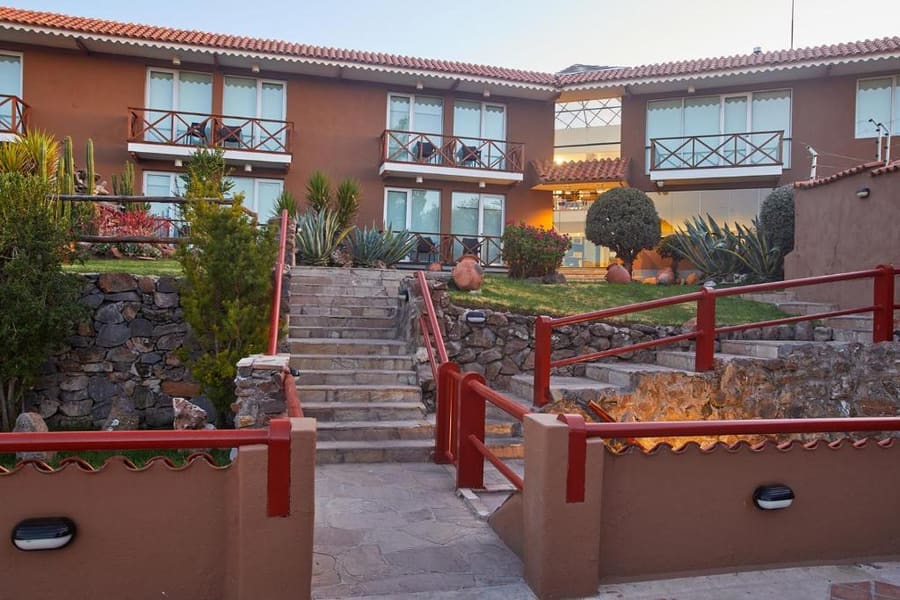
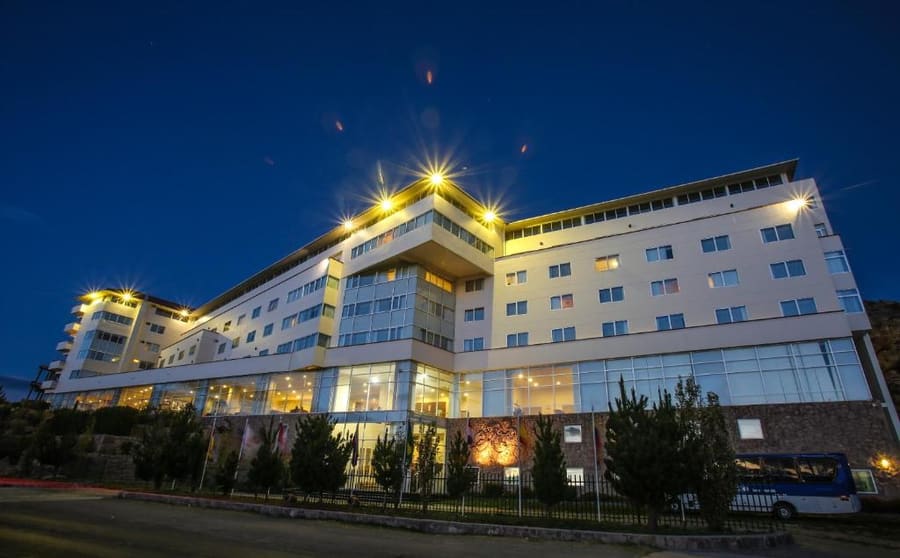
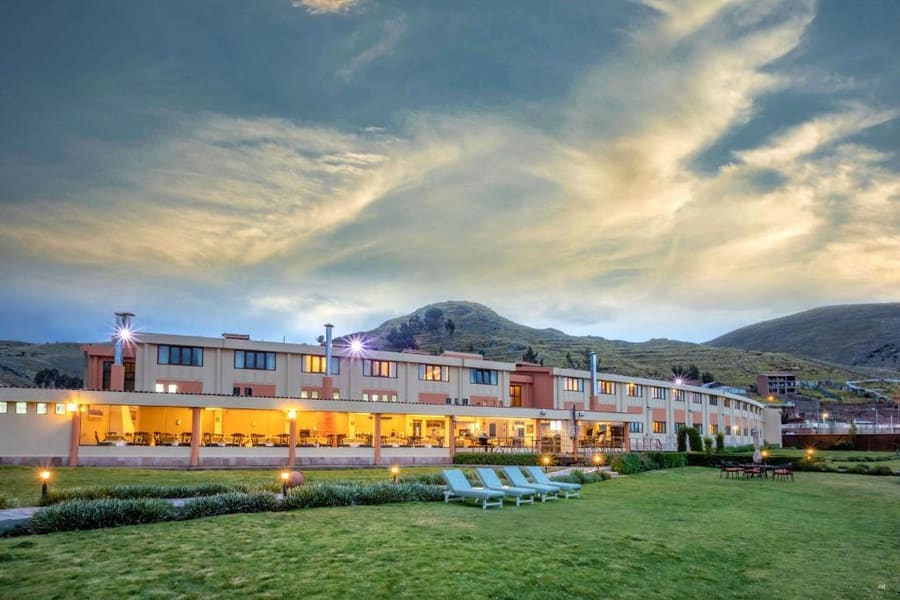
Choose your stay based on altitude comfort and lake access. Staying in Centro Histórico keeps you within walking distance of tour departure points and heated dining rooms. Resort properties on Isla Esteves or along the southern bay offer quiet lake views but require taxis for every trip into town.
Live rates, matched to the areas above.
transport
Puno is compact enough to walk, but the 3,827-meter altitude makes steep street climbs challenging. Mototaxis handle flat short hops between downtown and the port. Long-distance transport relies on the Juliaca airport and the central bus terminal.
Из Juliaca Airport (JUL)
Shared vans run directly from JUL arrival terminal to Puno hotel drop-offs.
Private cab from JUL airport to central Puno. Set rate before entering cab.
Three-wheeled mototaxis operate throughout town flatlands. Expect to pay S/3 to S/5 for rides between Calle Lima and Puerto de Puno.
Shared public ferries to Uros cost S/15 return from Puerto Principal. Pay at the official ticket booth on the pier.
Regular city taxis wait outside the main bus station. A ride to Plaza de Armas costs S/7 to S/10.
Distances look short on maps, but altitude makes uphill climbs exhausting. Walk down from Huajsapata hill rather than up.
cost
Puno is cheaper than Cusco or Lima. Food and local transport costs remain modest, though private boat charters on Lake Titicaca add up quickly.
Two-course lunch including soup and a main dish at local restaurants around Parque Pino.
Full-day boat trip covering Uros and Taquile Island, including guide fees.
Standard fare for a ride across central Puno during daytime hours.
Includes round-trip bus transport from Puno and entry ticket to the archaeological site.
seasonality
MAY – SEP
Dry winter months bring clear blue skies and sharp night freezes down to -5°C. Pack thermal layers.
OCT – NOV
Slightly warmer days with moderate rainfall. Good balance of mild weather and manageable tour groups.
DEC – FEB
Heavy rain season. The Fiesta de la Candelaria in early February fills every hotel months in advance.
MAR – APR
Rains taper off and surrounding hills turn green. Lake boat trips face fewer afternoon storms.
practicalities
Soroche hits quickly at 3,827m. Drink coca tea, avoid heavy meals on night one, and rest after arriving.
Thin air amplifies sun exposure. Wear SPF 50 sunscreen and polarized sunglasses even on overcast days.
Temperatures plummet as soon as the sun drops at 17:30. Unheated rooms feel very cold at night.
Market stalls, mototaxis, and island vendors do not take cards. Carry small PEN bills under S/20.
Lake Titicaca stays near 10°C year-round. Do not swim without wetsuit gear.