landmark
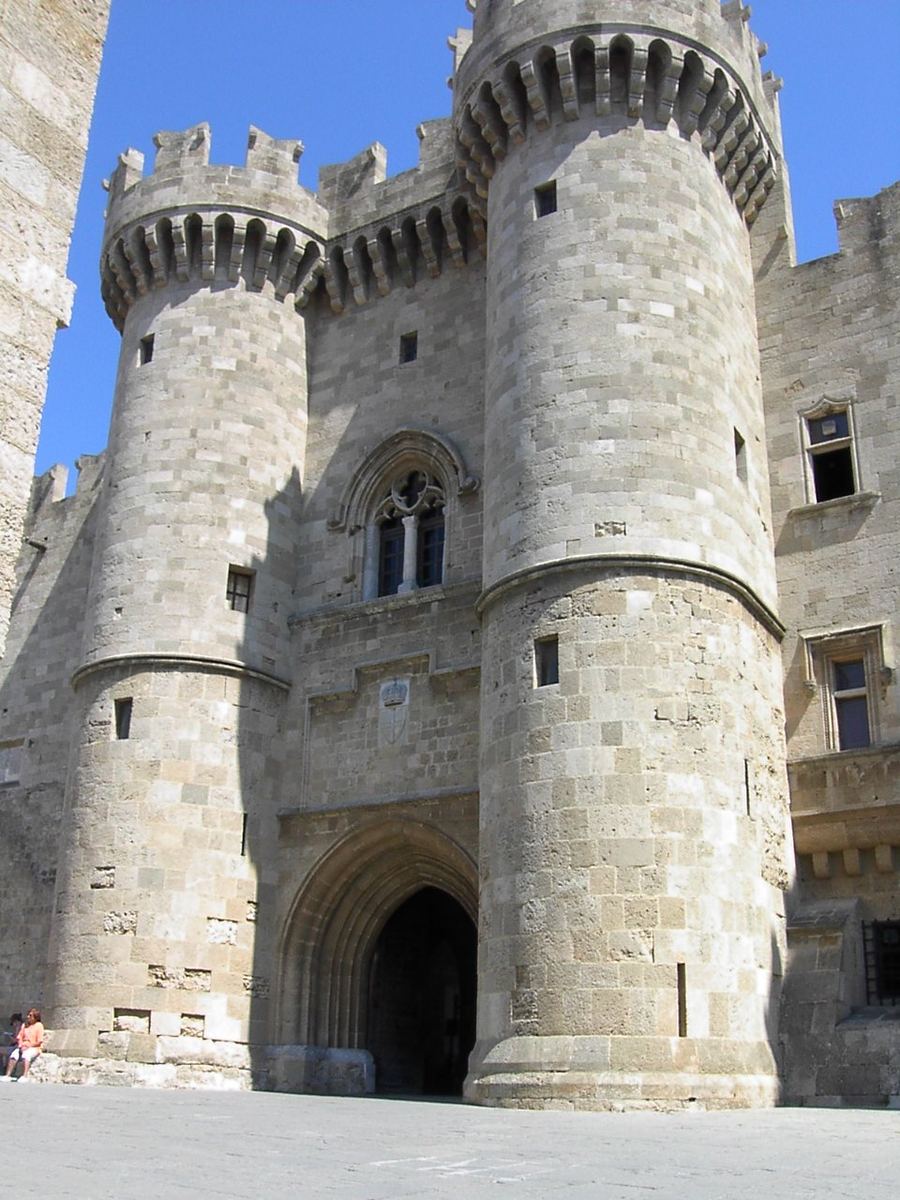
Palace of the Grand Master
Fourteenth-century fortress built by Knights Hospitaller. Arrive at opening at 08:00 to tour the mosaic floors before tour buses land.
Спросить ParleyГреция
Gothic fortifications meet Aegean coastal trade routes.
introduction
Rhodes combines massive Crusader fortifications, ancient Greek acropolises, and a dry Mediterranean climate. Moving through the island requires understanding its division between the walled medieval city in the north and coastal villages further south. Expect heavy tourism in July and August, but reliable sunshine and quiet inland roads outside peak months.
Airport to town transit
The DES RODA bus connects Diagoras Airport to the central bus station in 35 minutes for €3. Taxis charge a flat rate of €30.
UNESCO World Heritage site
The Medieval City of Rhodes earned UNESCO World Heritage status in 1988 for its preserved Hospitaller fortifications.
Rhodes
Olbertz 18:42, 20. Dez. 2010 (CET) · CC BY-SA 3.0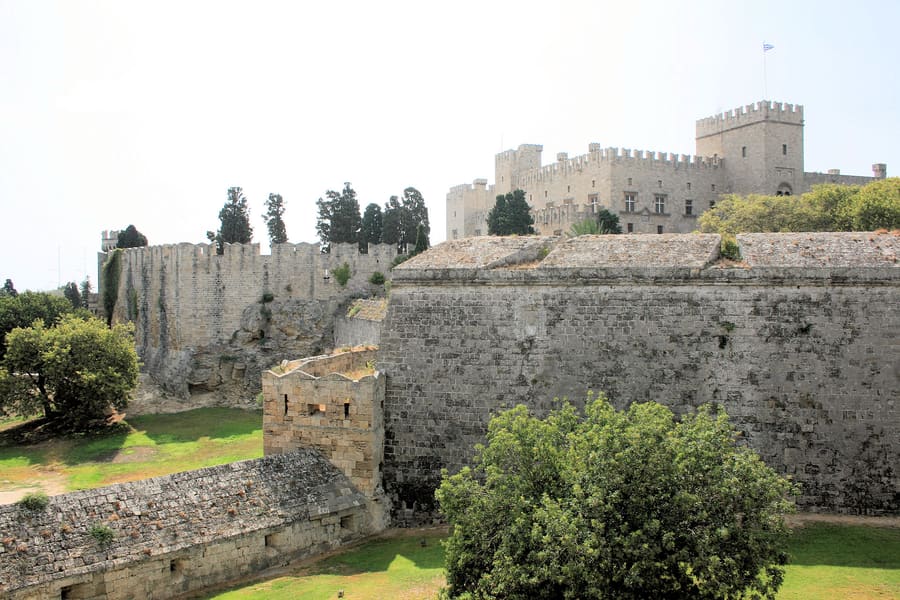
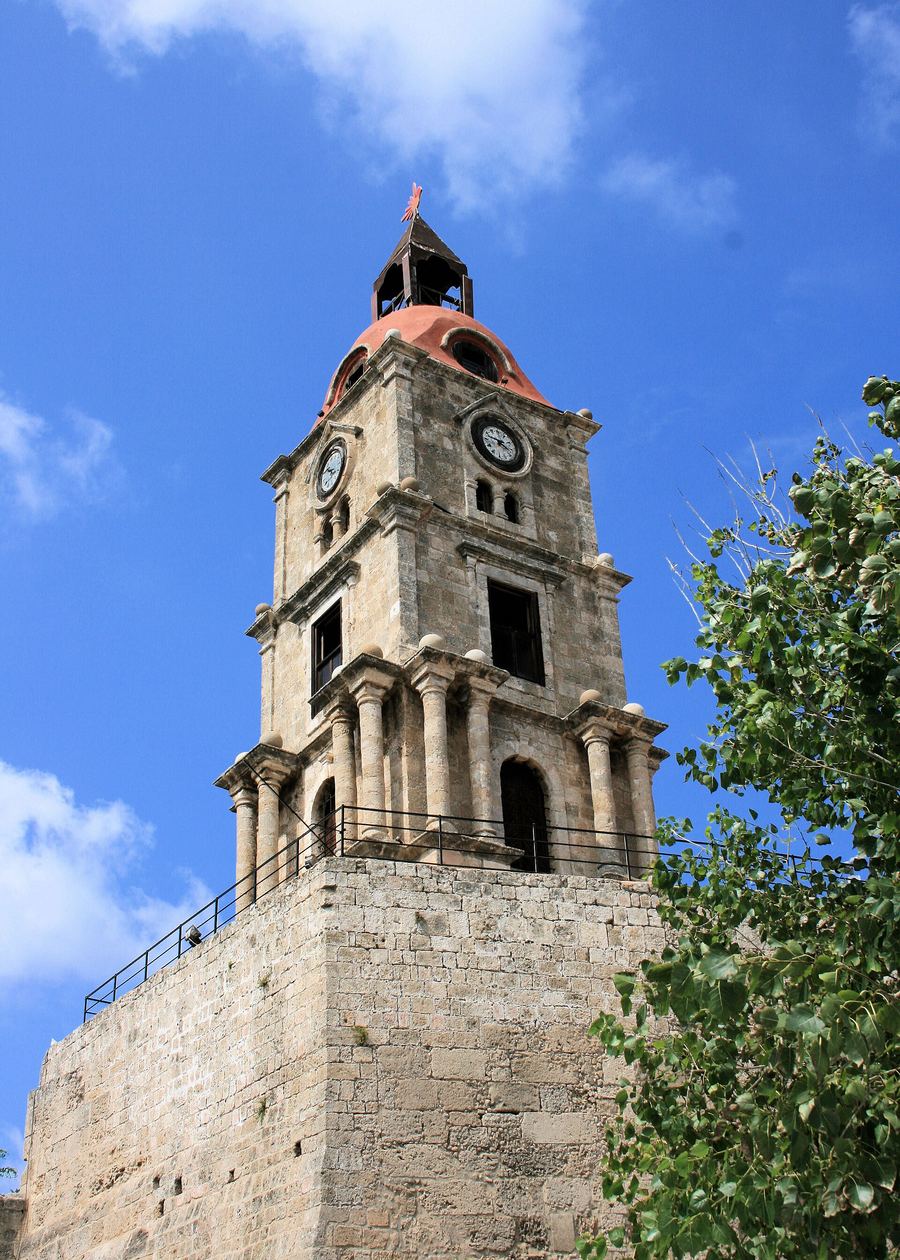
Old Town — Car-free medieval stone labyrinth with Gothic arches, Ottoman domes, and thick ramparts.
Olbertz 23:14, 21. Dez. 2010 (CET) · CC BY-SA 3.0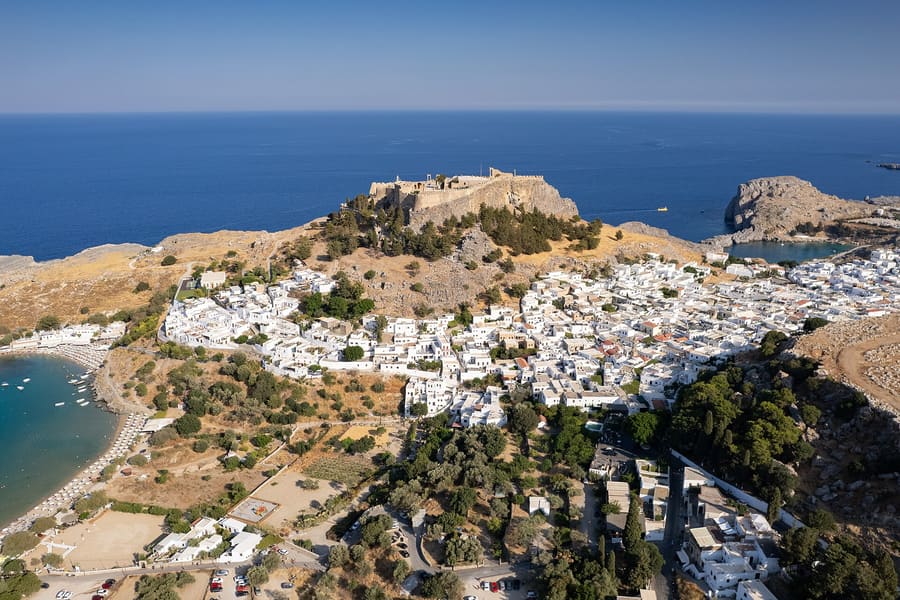
Lindos — Sugar-cube whitewashed village set around twin bays below an ancient citadel.
Thomas Berwing · CC BY-SA 4.0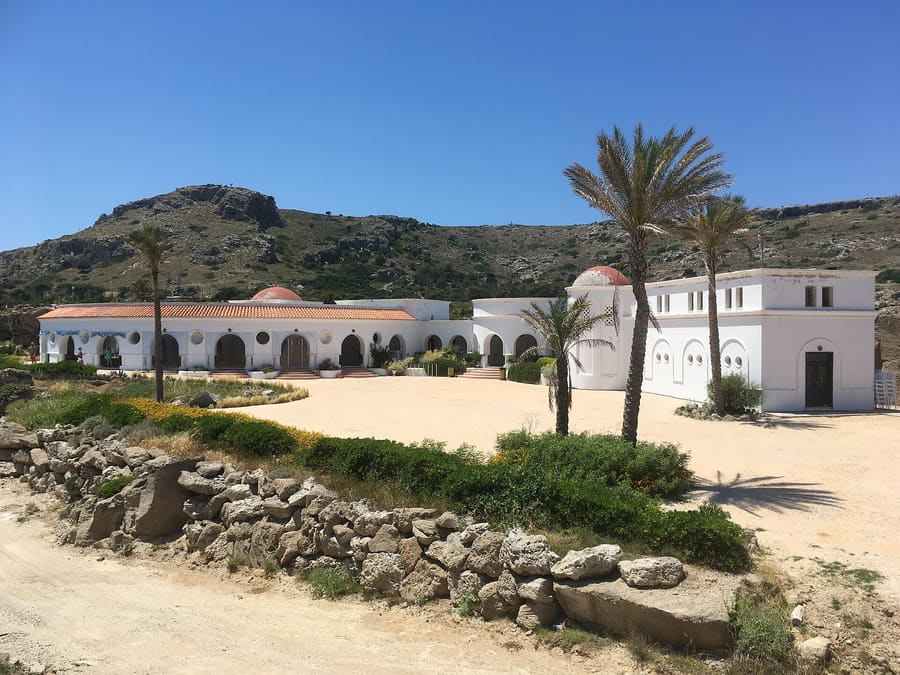
Kallithea & Faliraki — Resort coast with wide sand stretches, restored Italian thermal baths, and water sports.
Paul Davids · CC BY-SA 4.0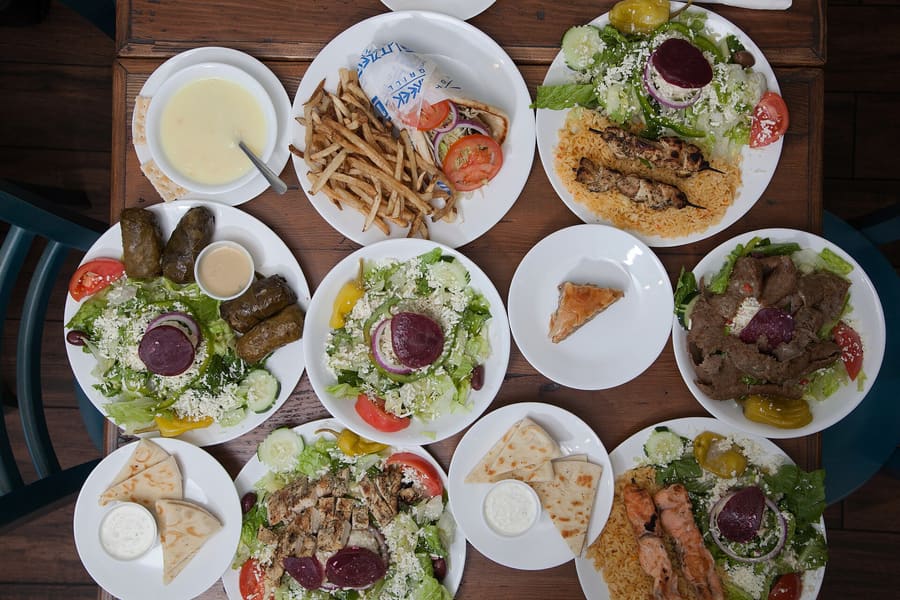
Freshly fried pitaroudia served with local goat yogurt and lemon wedges.
LIttleGreekFreshGrill · CC BY-SA 4.0highlights
landmark
Fourteenth-century fortress built by Knights Hospitaller. Arrive at opening at 08:00 to tour the mosaic floors before tour buses land.
Спросить Parley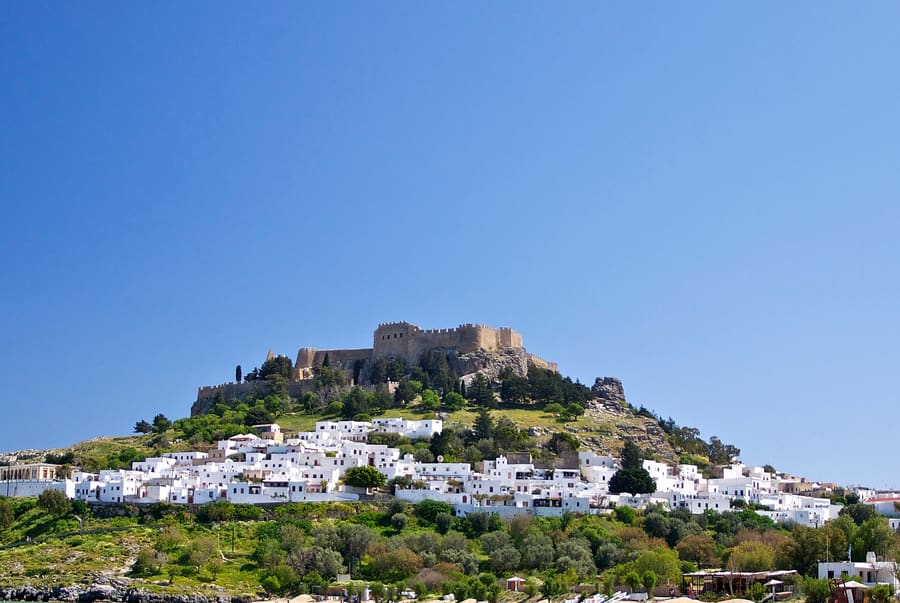
landmark
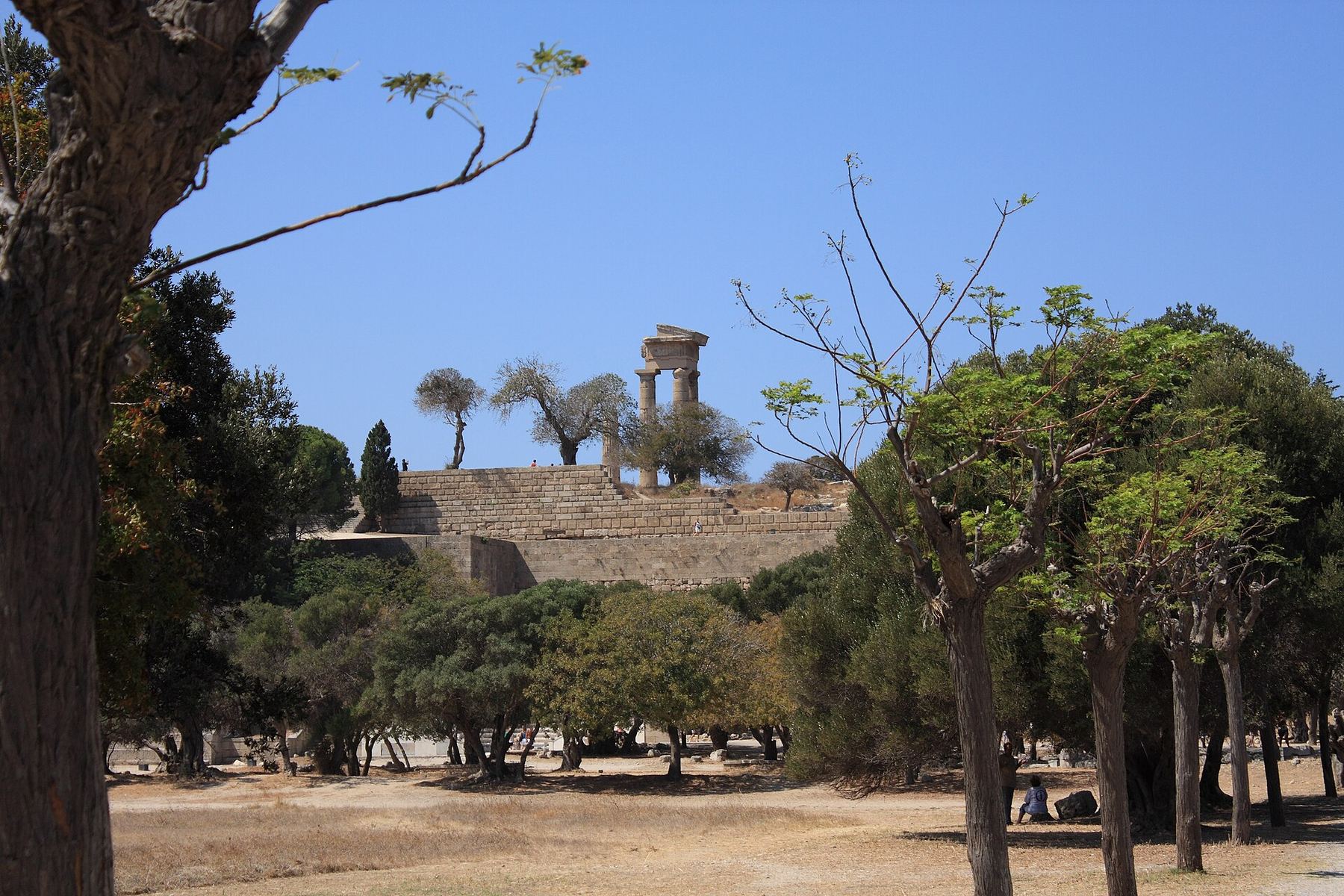
Doric temple sitting high above sea cliffs. Take the stairs before 10:00 to avoid the midday sun and steep donkey queues.
Спросить Parley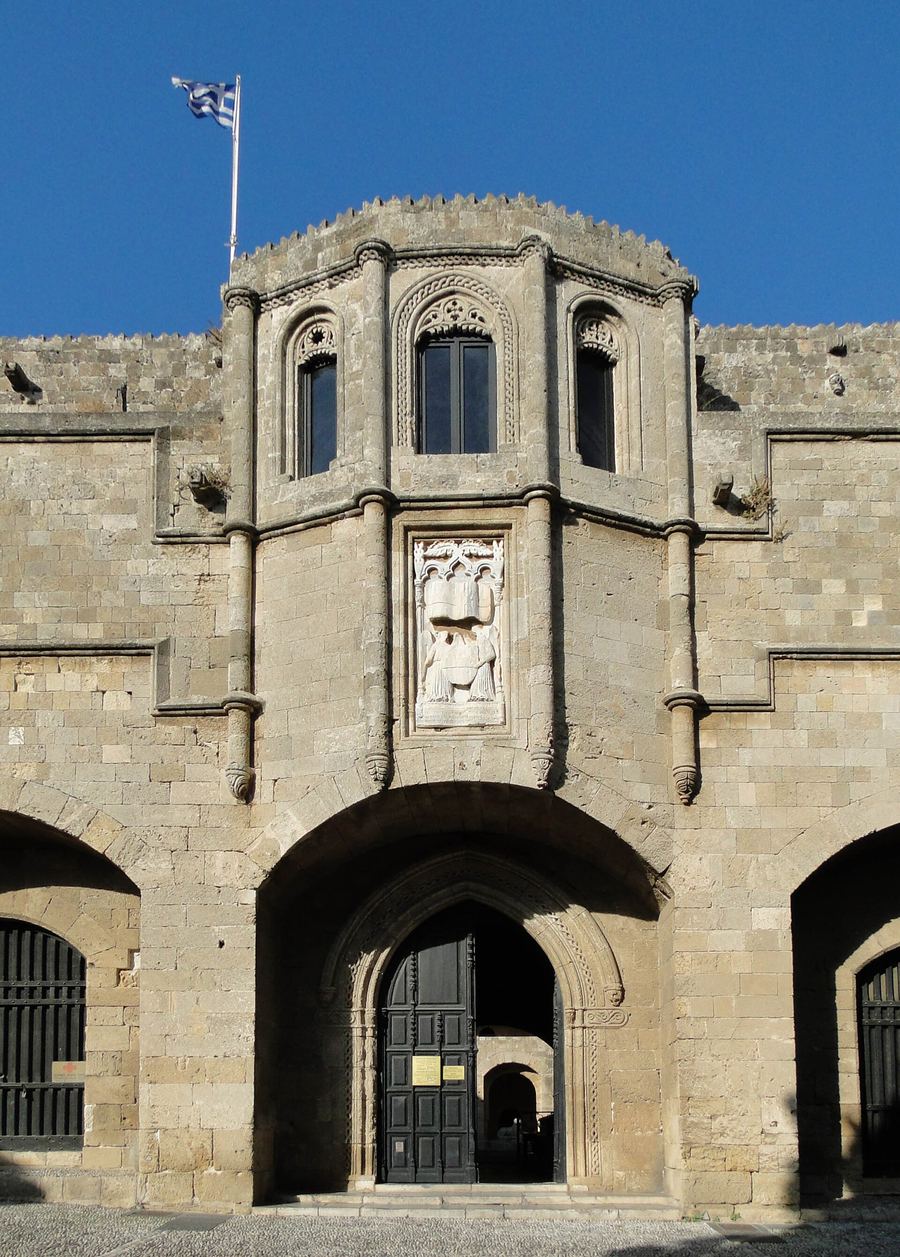
landmark
Housed in the 15th-century Hospital of the Knights. The interior courtyard garden holds classical marble statues and mosaic fragments.
Спросить Parley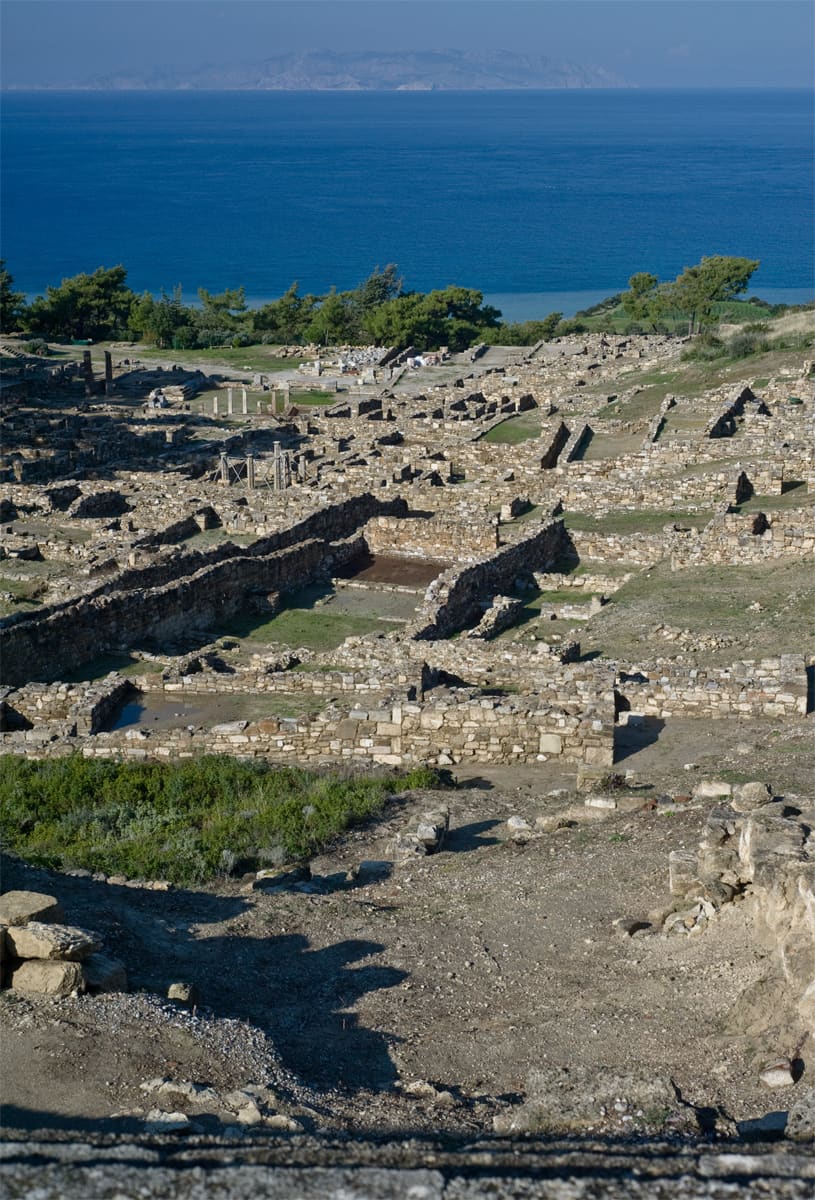
landmark
Extensive Hellenistic city layout preserved on the northwest coast. Combine with a drive through Mount Attavyros villages for lunch.
Спросить Parleyattractions
areas
Car-free medieval stone labyrinth with Gothic arches, Ottoman domes, and thick ramparts.
РядомPalace of the Grand Master and Archaeological Museum.
Спросить ParleySugar-cube whitewashed village set around twin bays below an ancient citadel.
РядомAcropolis of Lindos and St. Paul's Bay.
Спросить ParleyResort coast with wide sand stretches, restored Italian thermal baths, and water sports.
РядомKallithea Springs and Anthony Quinn Bay.
Спросить Parleyfood
Rhodian cuisine sits apart from mainland Greece through its Ottoman and Italian influences combined with Aegean staples. Local dishes rely on legumes, sesame, and spices like cumin and cinnamon. You will encounter pitaroudia—chickpea fritters packed with mint and tomato—at traditional inland tavernas rather than tourist beach clubs.
Freshly fried pitaroudia served with local goat yogurt and lemon wedges.
LIttleGreekFreshGrill · CC BY-SA 4.0Order pitaroudia fritters in villages like Archangelos or Apollona, where kitchens fry them with wild mountain mint.
Traditional tavernas do not fill up before 21:00. Arriving at 19:30 usually means sitting in an empty dining room.
Rhodes produces notable white wines from the Athiri grape on Mount Attavyros slopes. Ask for regional bottles over house carafes.
history
Rhodes built its fortune on Mediterranean maritime trade. The island evolved from an ancient naval powerhouse into a fortified Crusader outpost, followed by four centuries under Ottoman rule and an Italian occupation that reshaped its modern civic layout.
City of Rhodes founded
Three ancient city-states merge to build the capital at the northern tip of the island.
Siege of Rhodes and Colossus
Defeat of Demetrius Poliorcetes funds the construction of the giant bronze Colossus at the harbour.
Arrival of the Knights Hospitaller
The Order transforms the Byzantine town into a formidable Gothic fortress city.
Ottoman conquest
Suleiman the Magnificent takes the island after a six-month siege, starting 390 years of Ottoman rule.
Italian rule and Greek union
Italy rebuilds medieval monuments and constructs modern infrastructure before Rhodes joins Greece in 1947.
where to stay
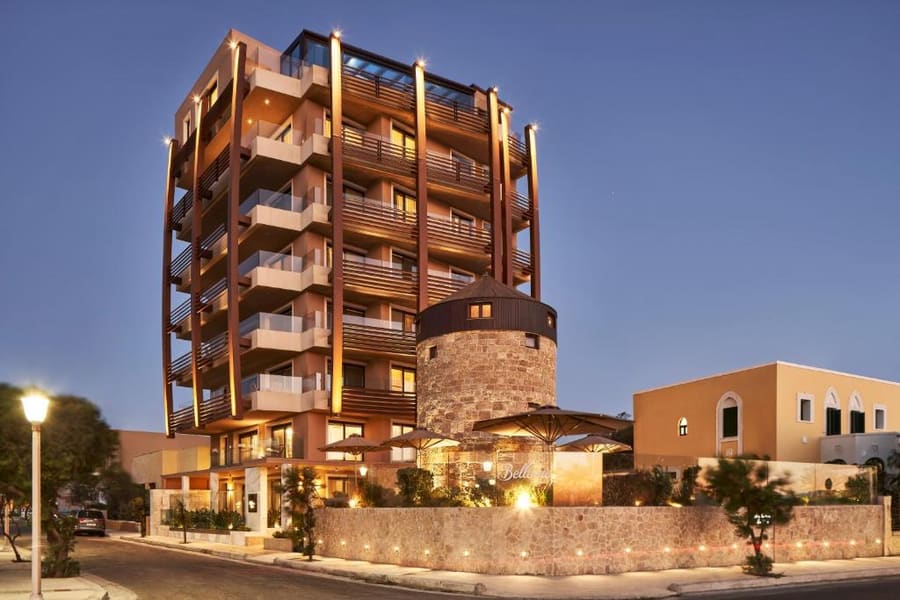
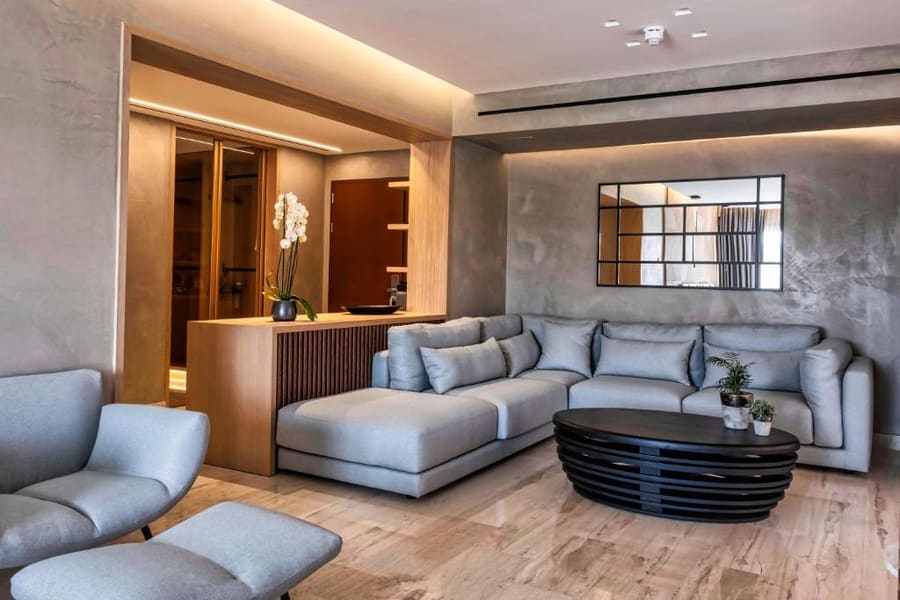
Choose your base based on whether you want historical atmosphere, immediate beach access, or regional connectivity. Staying inside the Old Town offers evening charm when day-trippers leave, but requires carrying bags from the gates. Outside the walls, Neochori provides modern hotel amenities and easy parking.
Live rates, matched to the areas above.
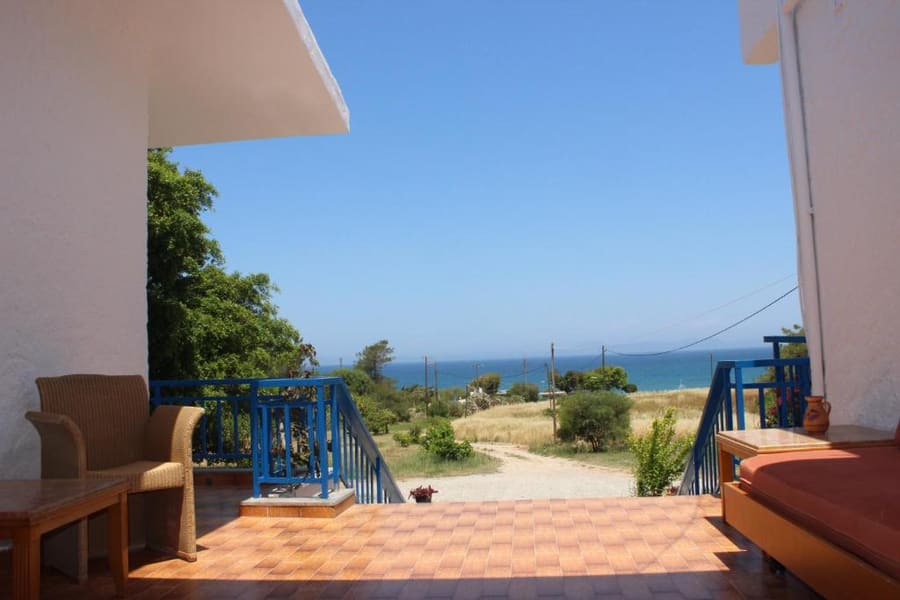
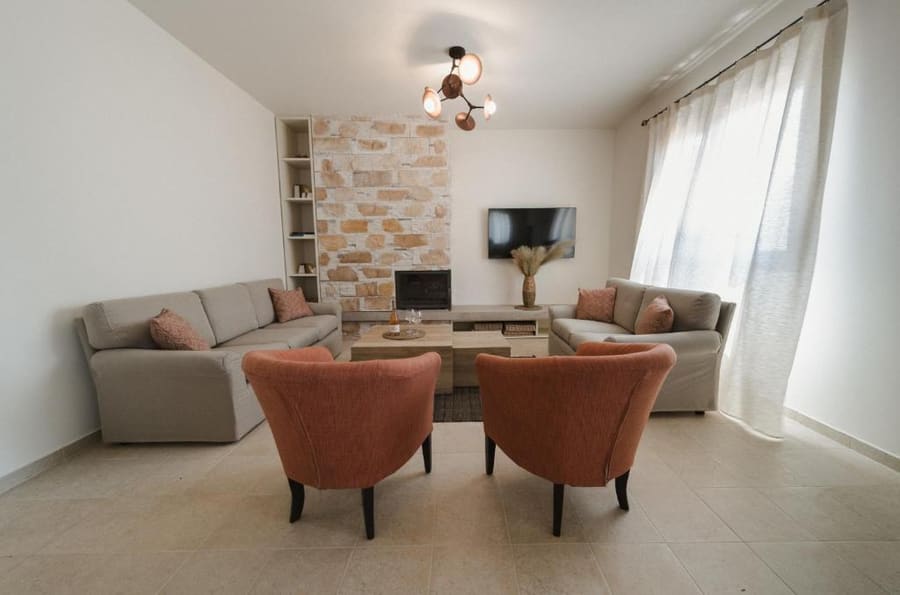
transport
Public transit in Rhodes operates via two distinct bus providers originating from adjacent stations near Mandraki Harbour. KTEL serves the eastern coast down to Lindos and Prasonisi, while DES RODA handles the west coast, airport routes, and city buses. Renting a car is necessary if you intend to explore southern beaches and inland mountain villages.
Из Rhodes International Airport (RHO)
Board outside terminal. Arrives at Platia Eleftherias. Buy at kiosk to avoid surcharge.
Fixed fares posted at airport rank. Cars cannot enter Old Town; drop-off is at city gates.
Dispatches licensed taxis and private drivers. Drop-off outside Old Town walls.
Pre-booking required. Drops off at main hotel hubs and city gates.
KTEL buses leave from Averof Street for east coast spots. DES RODA buses serve the west coast from Platia Eleftherias.
Buy intercity bus tickets at station kiosks before boarding to avoid small surcharge fees on the bus.
Cars cannot enter the Old Town. Arrange rental pickups at Mandraki Harbour or outside Amboise Gate.
Taxis use meters within Rhodes town, but fixed fares apply for island-wide routes posted at airport and port ranks.
cost
Rhodes is moderately priced compared to Cycladic islands like Mykonos or Santorini. Eating in inland villages costs significantly less than at seafood tavernas in Lindos or along Mandraki Harbour.
Served at inland tavernas across Apollona and Salakos.
Operated by KTEL from Mandraki central station.
Includes house wine, two mains, and shared appetizers at a standard taverna.
seasonality
MAR – MAY
Spring flowers cover ancient ruins and temperatures remain around 20°C. High season ferry schedules begin in late April.
JUN – AUG
Temperatures regularly exceed 35°C. Old Town streets fill with cruise passengers; book accommodation months in advance.
SEP – OCT
Sea temperatures stay above 24°C while summer crowds diminish. High season bus schedules operate through October.
NOV – FEB
Mild winters with occasional heavy rain. Most resort hotels and coastal tavernas close, though Old Town remains active.
practicalities
D'Amboise Gate and Marine Gate are the best entry points when walking with luggage into the medieval city.
The Acropolis of Lindos has no shade. Visit before 10:00 or after 17:00 and bring drinking water.
The west coast suffers constant meltemi winds and choppy seas, making it ideal for windsurfing but less suited for swimming.
ATM transaction fees inside the Old Town tourist strips are higher than major bank branches located in Neochori.
Active Orthodox churches require covered shoulders and knees. Keep a light scarf in your daylight bag.