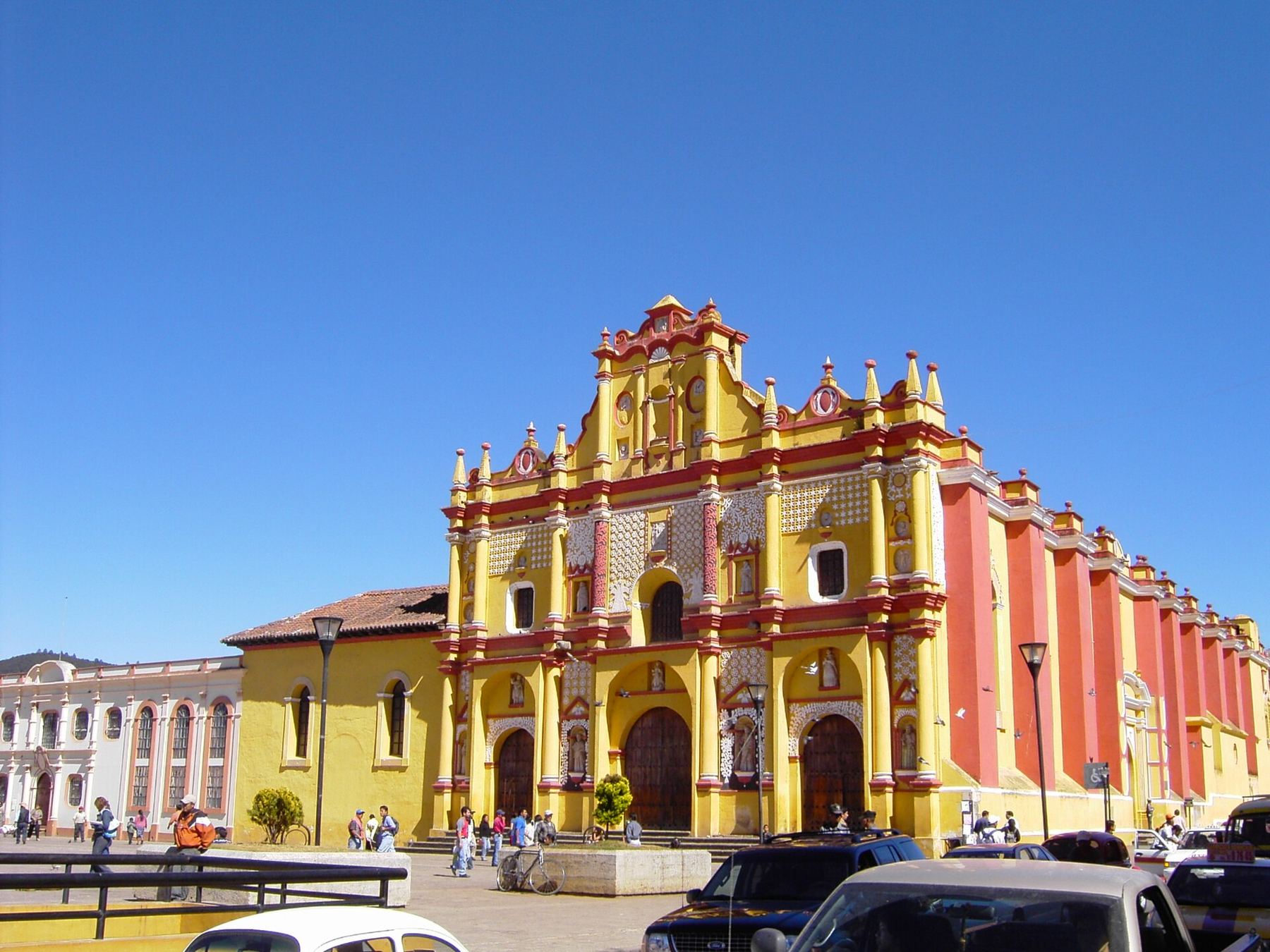
landmark
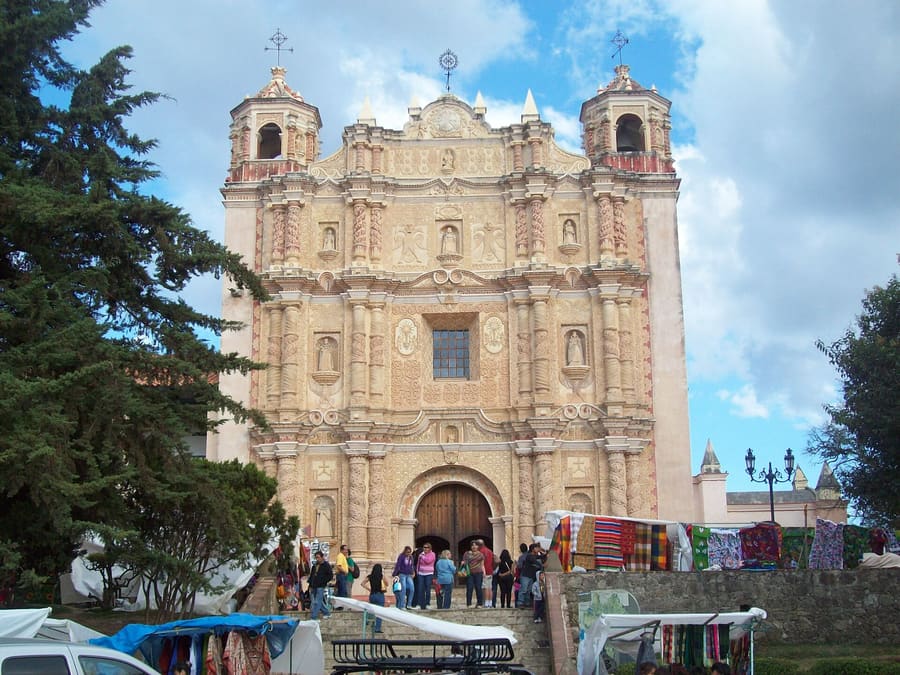
Templo de Santo Domingo
Intricate pink mortar carving outside; hand-woven Tsotsil textiles fill the surrounding courtyard market.
Спросить ParleyМексика
Highland Chiapas culture, cobbles, and cold nights.
introduction
San Cristóbal sits in a valley 2,200 metres above sea level in the Chiapas highlands. You navigate the city on foot along two crossing pedestrian walkways lined with yellow plaster walls and tile roofs. Tsotsil and Tseltal vendors from surrounding mountain villages bring hand-loomed textiles to the central plazas daily. Expect warm highland sunshine by noon and sharp mountain chill as soon as the sun drops.
Tuxtla airport shared van trick
Shared vans from TGZ airport drop you directly at your hotel for 250 MXN. Buy your ticket at the transport counter inside the terminal before exiting.
UNESCO Creative City of Crafts
San Cristóbal holds UNESCO status for Folk Art and Crafts. Highland Tsotsil weavers bring textiles directly to the Santo Domingo courtyard every morning.
Nighttime temperature drop
At 2,200 metres altitude, temperatures drop sharply after sunset. Pack layers even during summer months because few budget hotels offer heating.
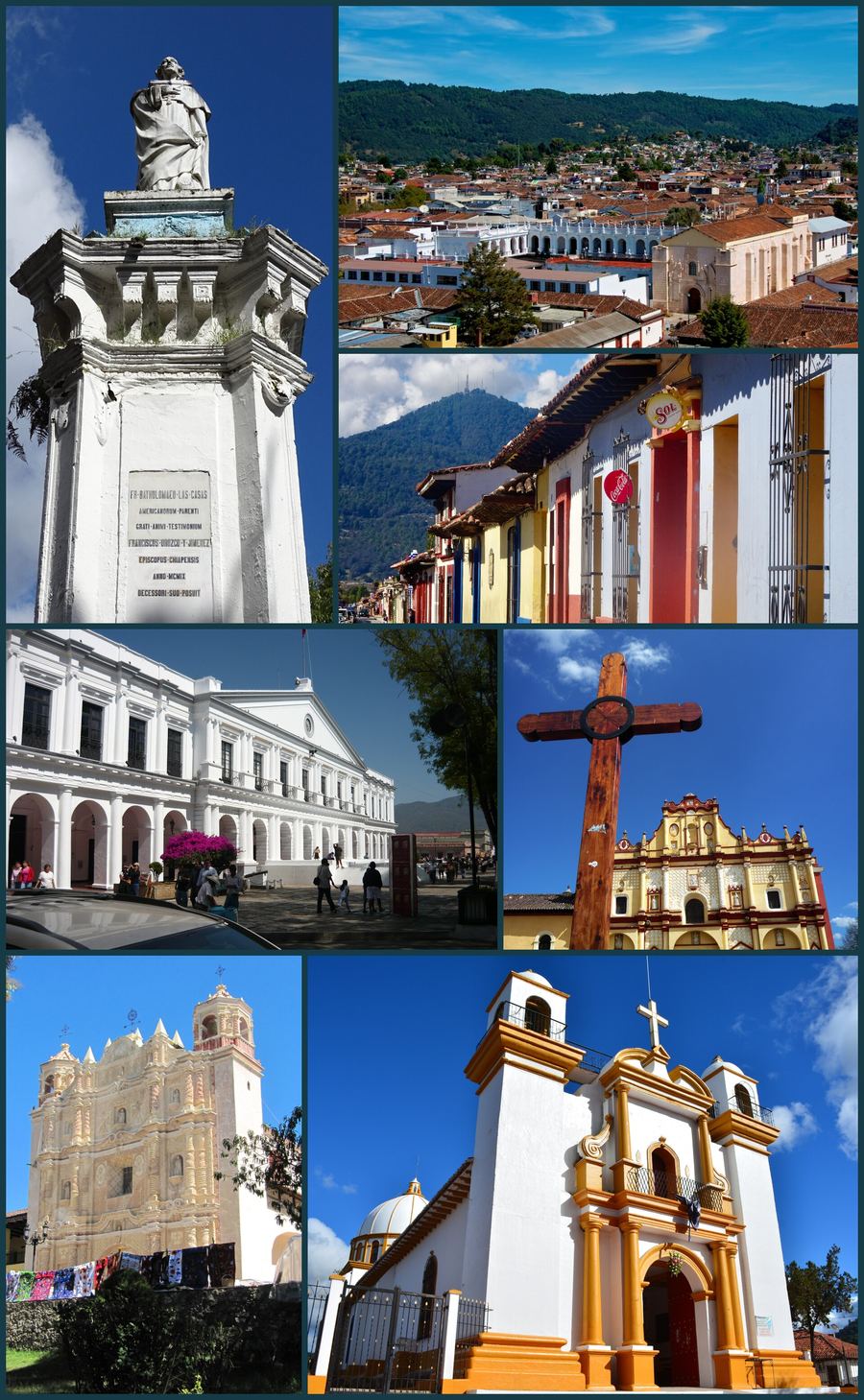
San Cristóbal de Las Casas
self. · CC BY-SA 4.0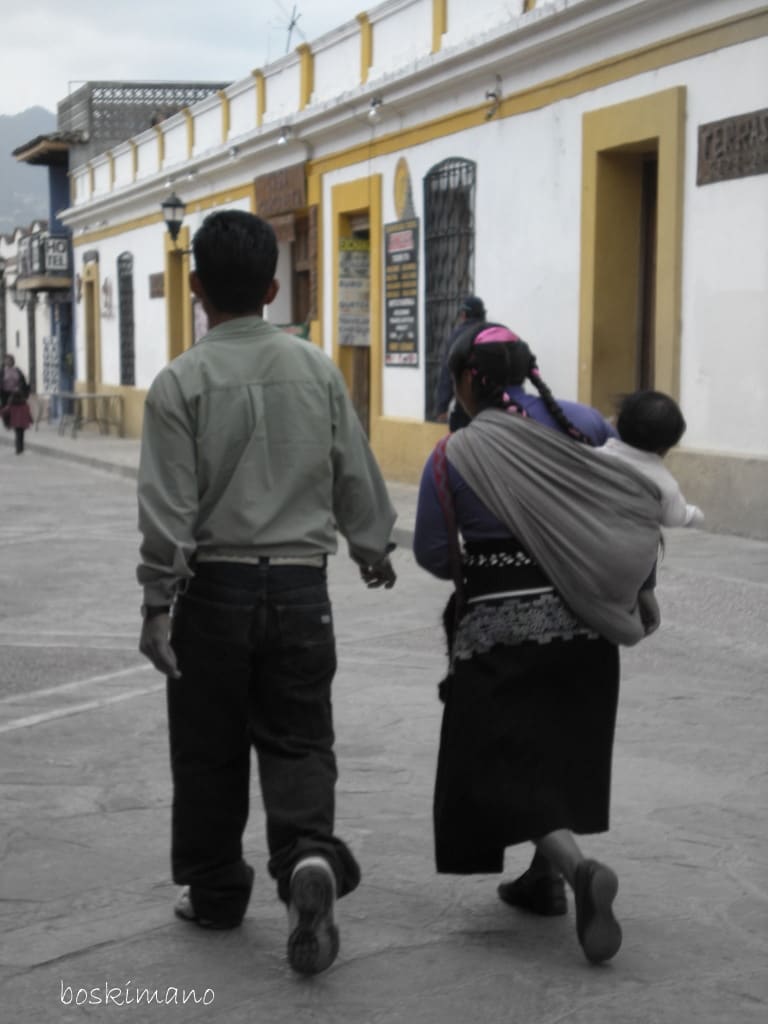
Guadalupe — Pedestrian artery filled with coffee roasters, bakeries, international diners, and evening crowds.
boskimano · CC BY-SA 3.0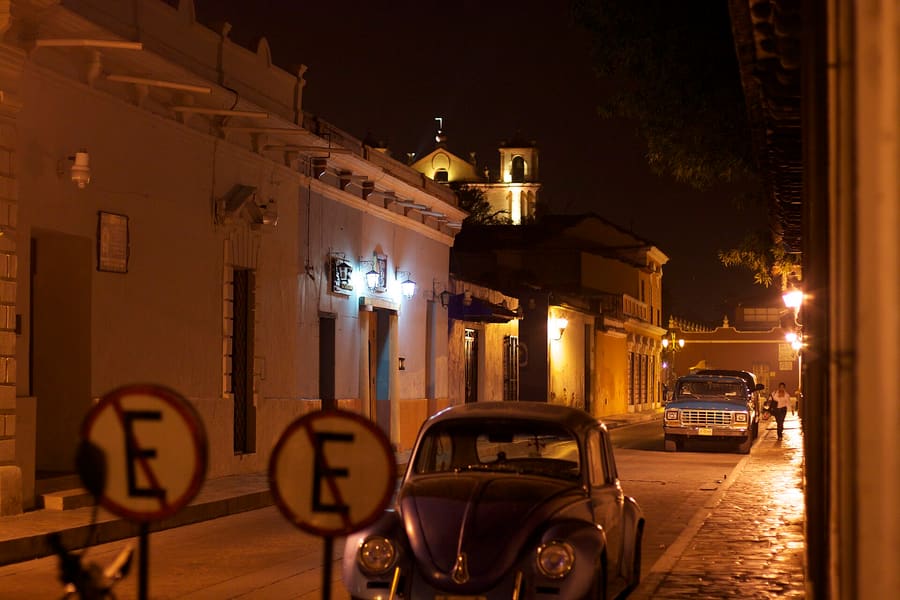
El Carmen — Cultural district centred around the brick Mudejar arch, hosting art spaces and mid-century hotels.
cesar.ruiz · CC BY-SA 3.0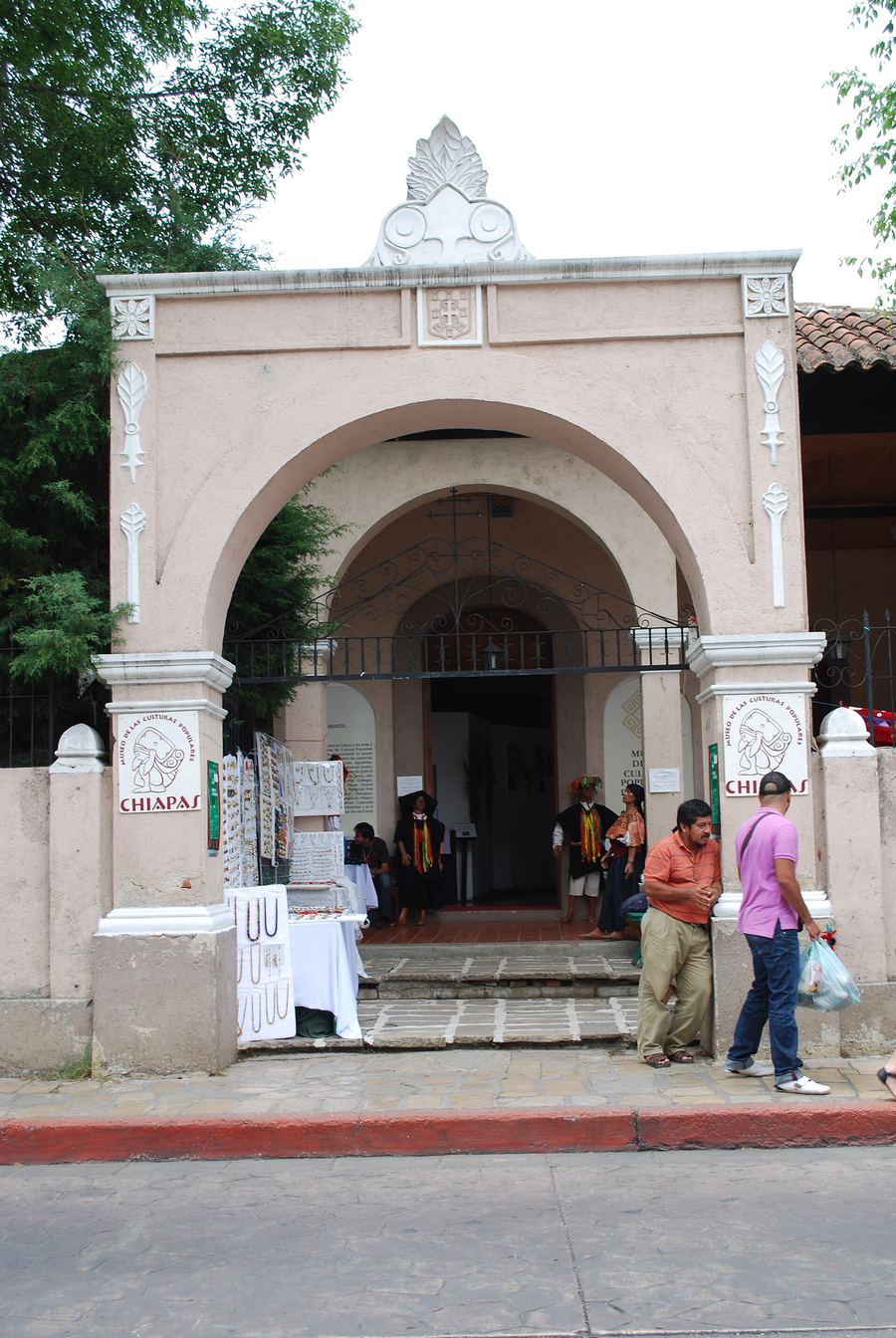
La Merced — West-side neighbourhood known for amber workshops, local bakeries, and views up to El Cerrito.
AlejandroLinaresGarcia · CC BY-SA 4.0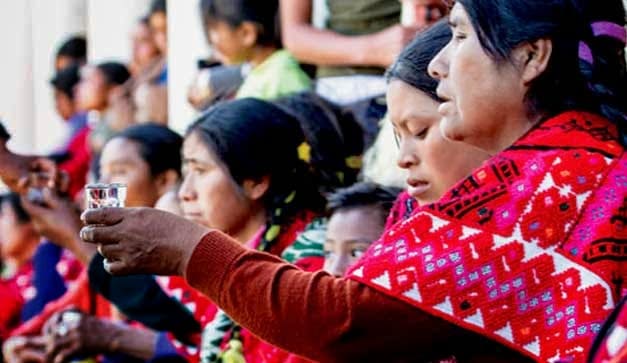
Pox tasting flight served with orange slices and spiced salt.
Flyoveroz · CC BY-SA 4.0highlights
landmark
Intricate pink mortar carving outside; hand-woven Tsotsil textiles fill the surrounding courtyard market.
Спросить Parleylandmark
Climb 280 stone steps up El Cerrito for a clear view over the entire valley. Visit early before morning mist clears.
Спросить Parley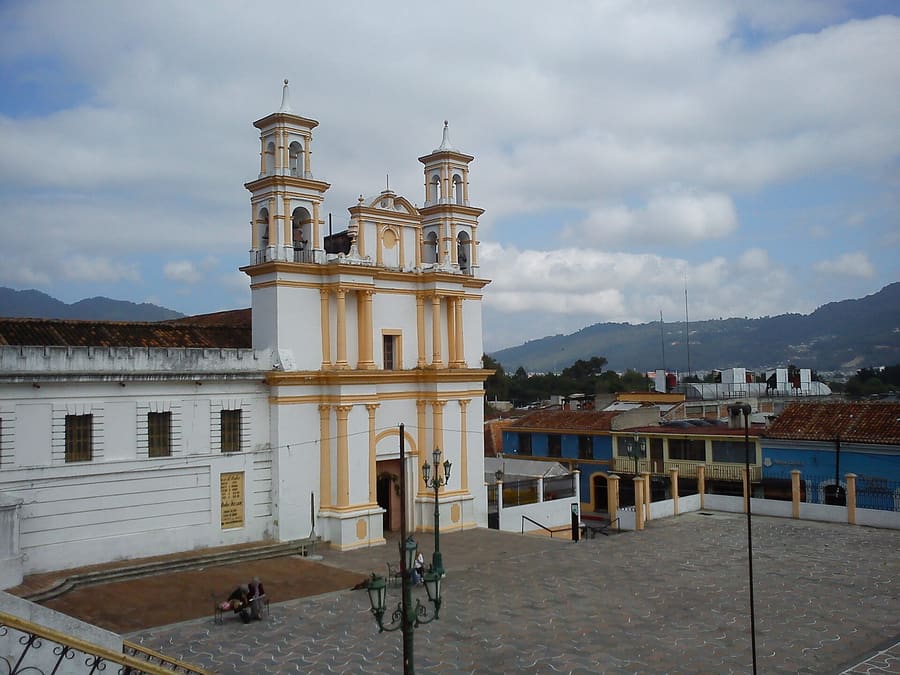
landmark
Set in a former convent, detailing local fossilized resin extraction. Learn to identify fake plastic resin sold on streets.
Спросить Parley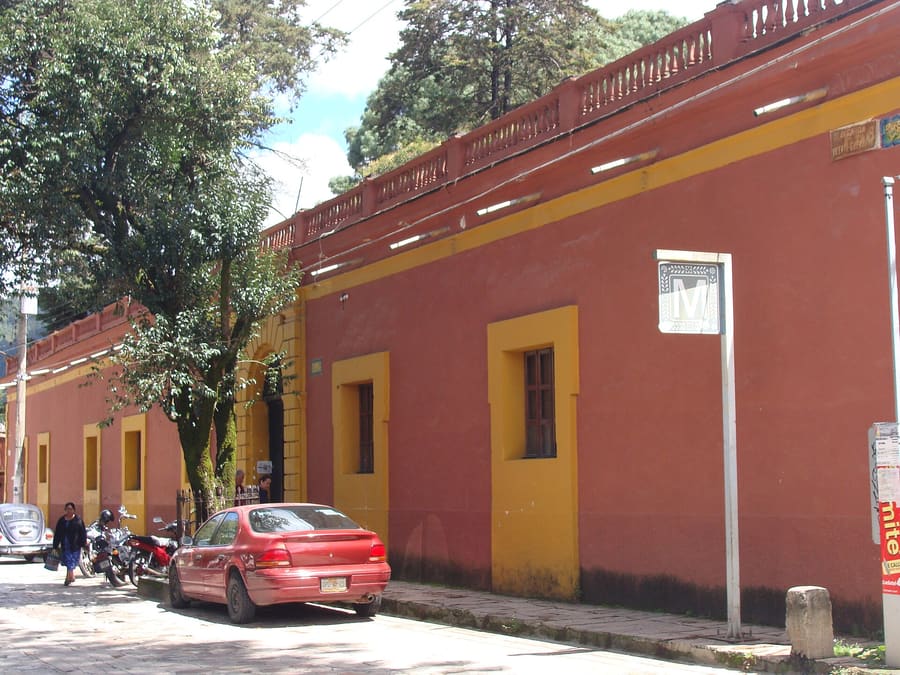
landmark
Former home of archaeologist Frans Blom and photojournalist Gertrude Duby. Dedicated to Lacandon Maya research and forest conservation.
Спросить Parleyattractions
areas
Pedestrian artery filled with coffee roasters, bakeries, international diners, and evening crowds.
РядомPlaza de la Paz and Church of Guadalupe
Спросить ParleyCultural district centred around the brick Mudejar arch, hosting art spaces and mid-century hotels.
РядомArco del Carmen and Hermanos Domínguez park
Спросить ParleyWest-side neighbourhood known for amber workshops, local bakeries, and views up to El Cerrito.
РядомAmber Museum and El Cerrito stair steps
Спросить ParleyHistoric artisan quarter with steep cobblestone alleys, traditional blacksmiths, and quiet guesthouses.
РядомSanto Domingo market and Na Bolom
Спросить Parleyfood
San Cristóbal cooking relies on mountain ingredients: smoked pork, ball-shaped tamales, and wild herbs like chipilín. Cold highland evenings created a tradition of hearty soups, most notably Sopa de Pan, which bakes white bread layers with vegetables, hard-boiled eggs, and broth.For beverages, high-altitude coffee from Soconusco growers on the far southern Pacific coast of Chiapas dominates morning routines along Real de Guadalupe. By night, traditional bars serve Pox, a liquor distilled from corn, sugar cane, and wheat that originated in Tsotsil ceremonial life.
Pox tasting flight served with orange slices and spiced salt.
Flyoveroz · CC BY-SA 4.0Order this traditional vegetable and bread soup at small family restaurants around Mercado Cerrillo during lunch hours.
Visit specialized poxerías along Calle Real de Guadalupe to sample infused versions made with herbs or fruit.
Look for local grocery stores selling this hard-shelled regional cheese filled with cream, harvested in nearby valleys.
history
Spanish forces founded the town in 1528 as a highland stronghold in the Jovel valley. Friar Bartolomé de las Casas served as bishop here in the 1540s, advocating for indigenous rights against colonial exploitation. His legacy remains attached to the city's full name.The town served as the state capital until political power shifted to Tuxtla Gutiérrez in 1892. In January 1994, San Cristóbal drew world attention when the Zapatista Army (EZLN) occupied the municipal palace, launching a political movement for indigenous autonomy across Chiapas.
Town founded
Diego de Mazariegos establishes Villa Real de Chiapa in the high altitude Jovel Valley.
Bishop Bartolomé arrives
Dominican friar Bartolomé de Las Casas takes up his seat, defending native Chiapancan peoples.
Capital city shifts
Chiapas transfers its state capital from San Cristóbal to warmer Tuxtla Gutiérrez.
Zapatista Uprising
EZLN forces enter the central plaza on New Year's Day, declaring indigenous territorial rights.
where to stay
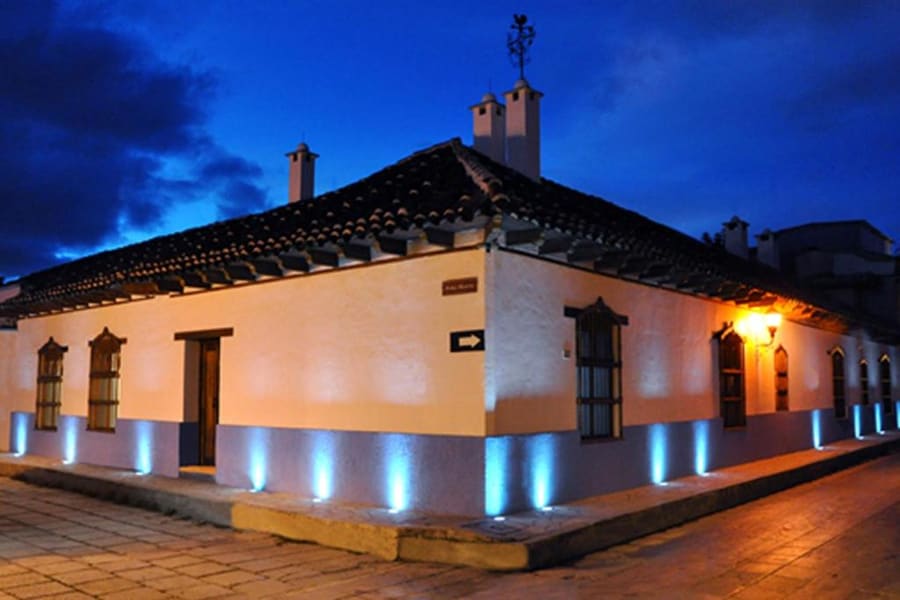
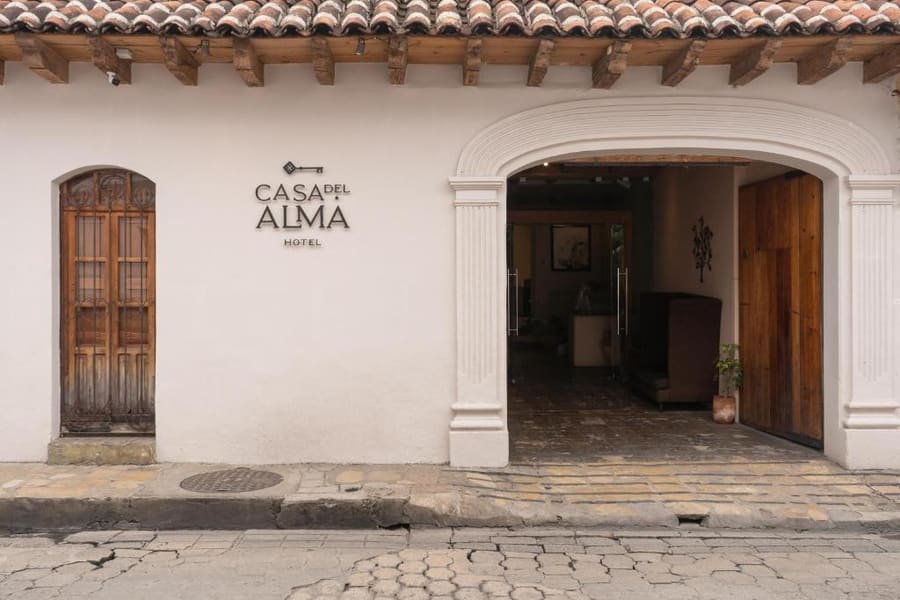
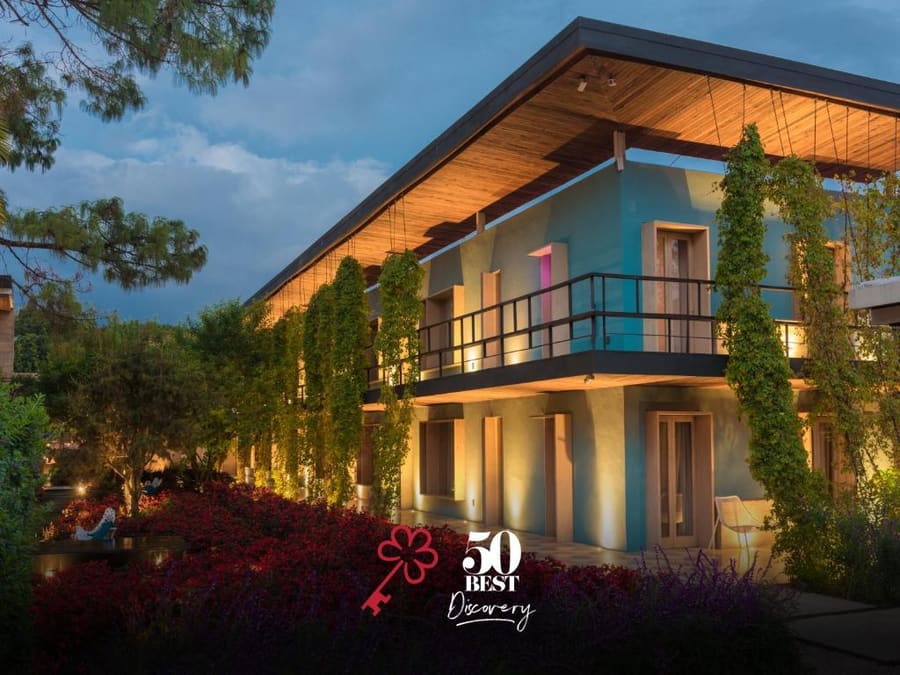
Choose your base by your noise tolerance and daily walking plans. Guadalupe puts you directly on the main café corridor but stays lively until late. El Cerrillo and La Merced offer quieter colonial courtyards and easy access to working markets, though nights get pitch black on quiet side streets.
Live rates, matched to the areas above.
transport
The historic centre is entirely walkable. Pedestrian walkways (Andadores) keep cars off Real de Guadalupe and Calle Miguel Hidalgo. For trips to outer neighbourhoods or neighboring villages like Chamula, white collectivo vans depart continuously from the main market terminal.
Из Angel Albino Corzo International Airport (TGZ)
Shared vans depart after flight arrivals. Purchase tickets at official counters inside the terminal.
Fixed prepaid rate from airport dispatch desks. Avoid unmetered street cabs.
ADO buses connect TGZ terminal directly to San Cristóbal bus station.
Wear sturdy flat shoes. Sidewalks are narrow, uneven, and slippery after afternoon rain showers.
Catch vans to San Juan Chamula near the main market on Avenida 16 de Septiembre for 25 MXN.
Taxis within central neighbourhoods operate on flat rates around 45–60 MXN. Agree on the price before boarding.
The main ADO bus terminal sits at the southern end of Insurgentes, an easy 10-minute walk to the main plaza.
cost
San Cristóbal remains one of Mexico's most affordable cultural destinations. Street food and market meals cost very little, while high-end regional dining runs significantly lower than in Mexico City or Oaxaca. Keep cash on hand because small shops and artisan markets standardly reject card payments.
Traditional Chiapancan soup with baked bread, vegetables, and plantain served at lunch spots.
Sampling flight of ceremonial liquor distilled from corn and sugarcane.
Fixed fare minibuses connecting central plazas with outlying neighbourhoods.
Round-trip cab fare with driver waiting while you visit nearby indigenous highland villages.
seasonality
NOV – FEB
Dry and sunny days with clear blue skies. Nighttime temperatures drop near freezing, requiring thick jacket layers.
MAR – MAY
Warmest period of the year in the valley. Easter week brings heavy domestic crowds and booked-out central hotels.
JUN – OCT
Rainy season bringing heavy afternoon downpours. Morning weather remains clear for walking and sightseeing.
practicalities
Never take photographs inside the church or of official rituals in neighboring San Juan Chamula or Zinacantán. Enforcement is strict.
ATMs along the main plaza frequently run out of bills on Sunday afternoons. Withdraw cash earlier in the weekend.
At 2,200 metres, mountain sunlight burns quickly even when air feels cool. Wear sunscreen during daytime walks.
Public restrooms near markets charge 5–10 MXN cash entry. Carry small coins at all times.
Tap water is not drinkable. Use filtered water provided by hotels even for brushing teeth.