landmark
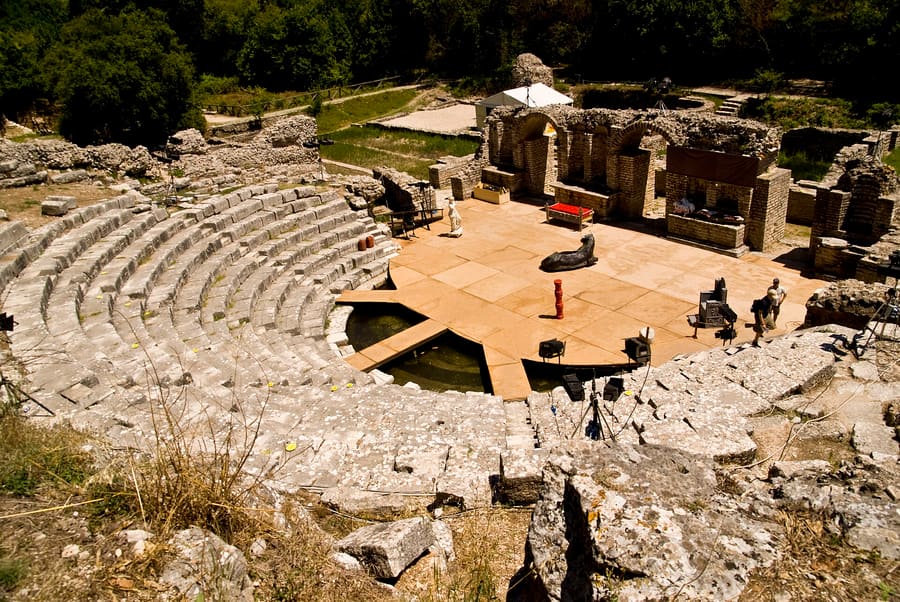
Butrint National Park
Explore Greco-Roman ruins surrounded by saltwater lagoons. Take the 08:00 municipal bus from the port to arrive before tour buses.
Спросить ParleyАлбания
Concrete towers, Ionian blue, and direct ferries to Greece.
introduction
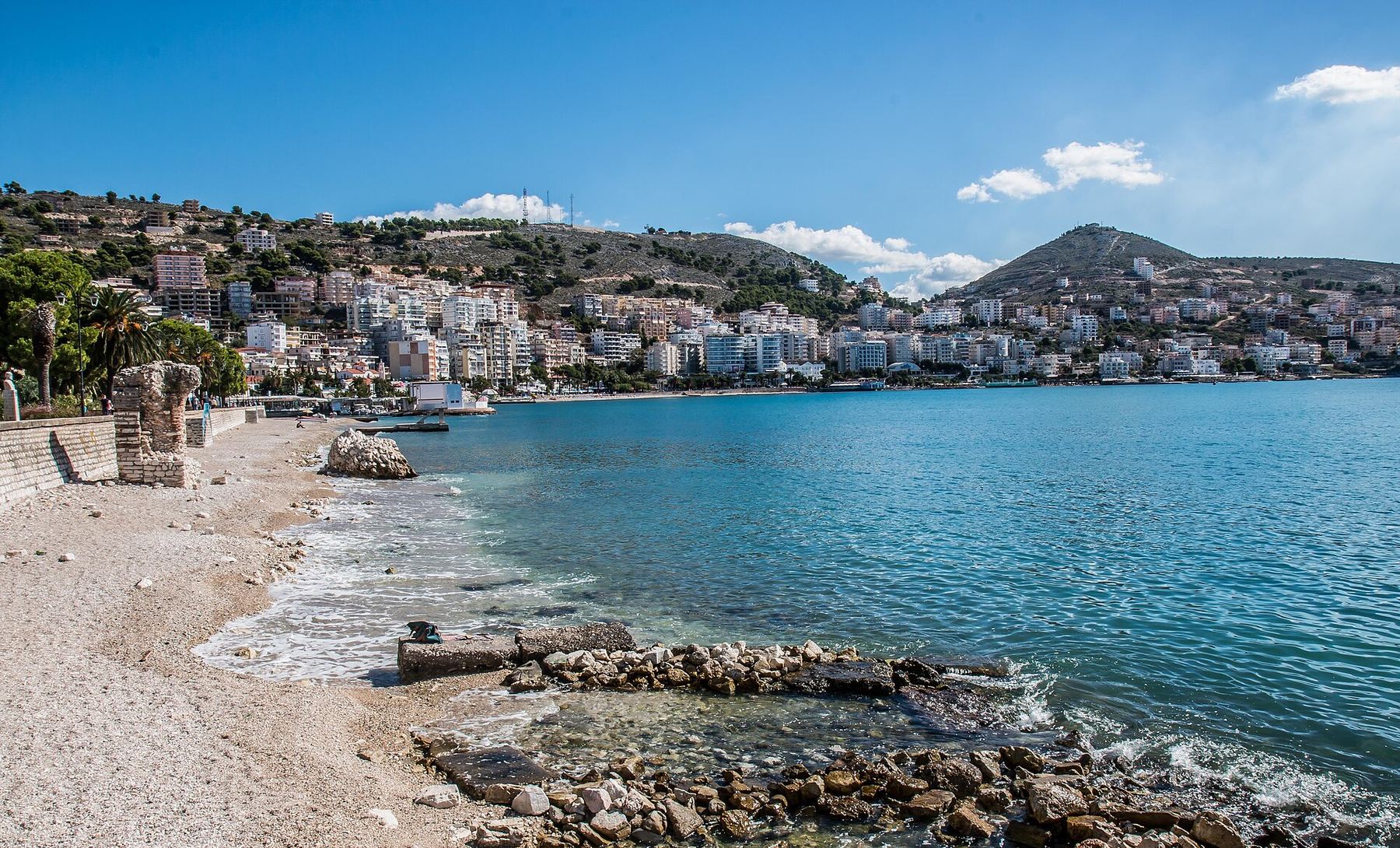
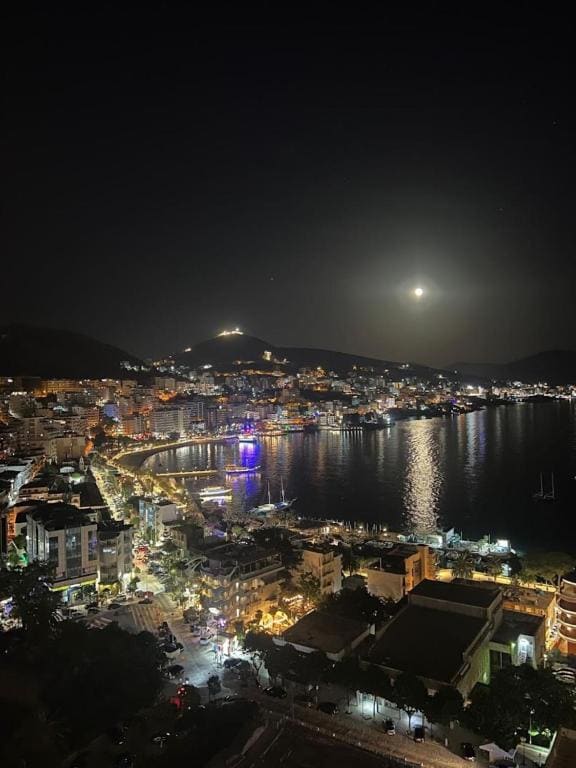
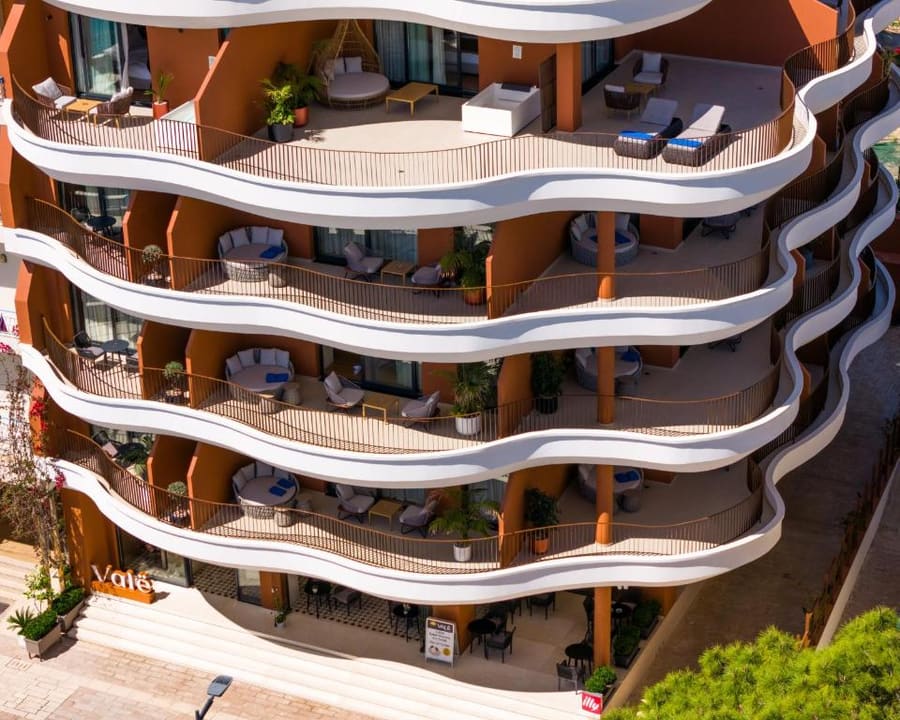
Saranda sits in an amphitheatre of hills facing the Greek island of Corfu across a narrow strait. High-rise concrete apartment blocks dominate the bay, reflecting a rapid construction boom driven by summer tourism. You move through the city on foot along the seaside promenade or by local buses following Rruga Butrinti toward southern beaches. Expect intense crowds and loud nightlife from July through August, with quiet coastal routines returning by October.
Arrival shortcut
Fly into Corfu (CFU) and take the 30-minute hydrofoil ferry across to Saranda port. This cuts out the four-hour drive from Tirana.
Heritage site
Butrint National Park sits 18 kilometres south and holds UNESCO World Heritage status for its Greek and Roman ruins.
Payment reality
Carry local Lek or Euros in cash for daily purchases. Most seafood taverns and beach clubs do not accept card payments.
Saranda
Artur Malinowski - @Flickr: https://www.flickr.com/photos/am1974/ · CC BY 2.0
Center & Port — Central, lively, and fully pedestrianized along the water.
Gary Bembridge · CC BY 2.0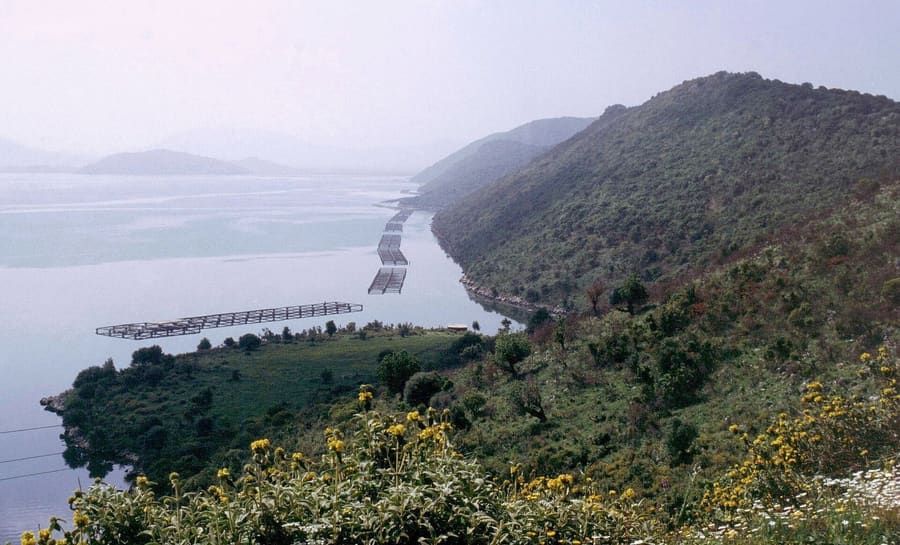
Lake Butrint mussels served at a Saranda seafood tavern.
Prof. emeritus Hans Schneider (Geyersberg) · CC BY 3.0highlights
landmark
Explore Greco-Roman ruins surrounded by saltwater lagoons. Take the 08:00 municipal bus from the port to arrive before tour buses.
Спросить Parley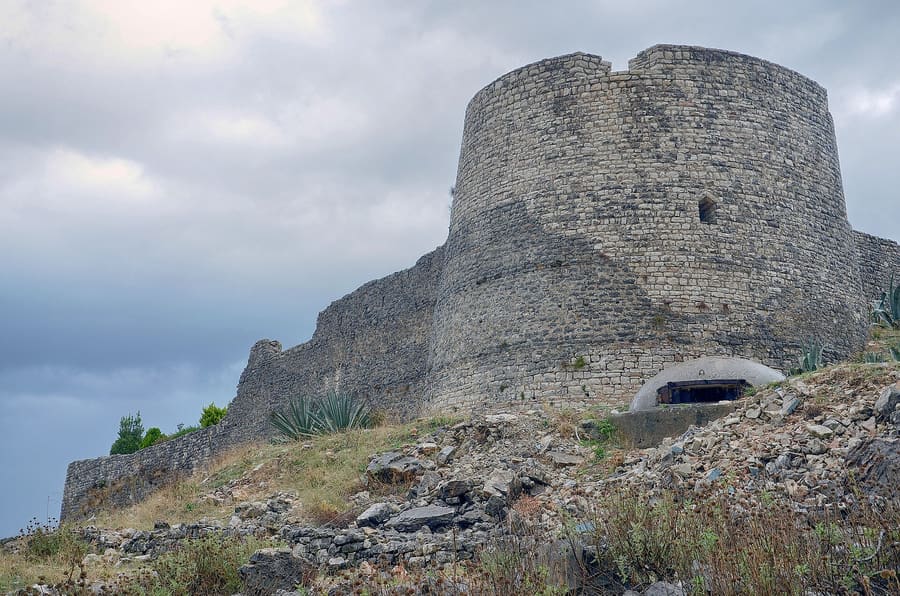
landmark
Watch sunset over Saranda bay from a hilltop Ottoman fortress. Taxis charge around 1,000 ALL each way as the steep climb lacks shade.
Спросить Parley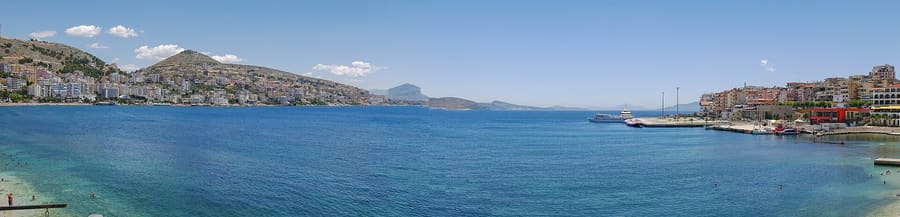
landmark
A wide pedestrian boulevard stretching along the horseshoe bay. Local life centers here during the evening xhiro stroll.
Спросить Parley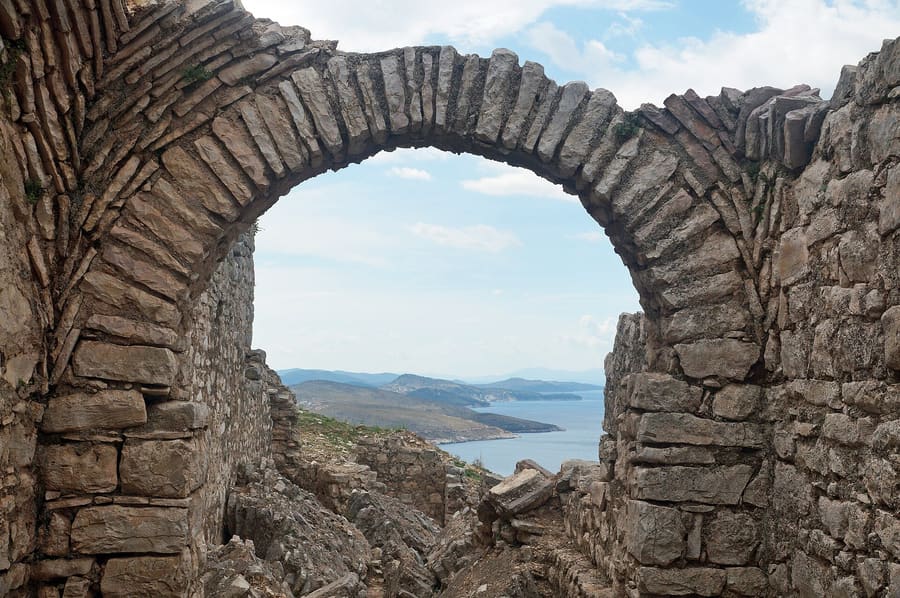
landmark
Atmospheric 6th-century Byzantine ruins overlooking eastern hills. The dirt access road requires sturdy shoes and careful footwork.
Спросить Parleyattractions
areas
Central, lively, and fully pedestrianized along the water.
РядомCorfu ferry terminal and main promenade
Спросить ParleyResidential waterfront west of the ferry terminal with private beach decks.
РядомPort terminal and western cove beaches
Спросить ParleyCommercial strip connecting Saranda to southern beaches.
РядомMango Beach and Ksamil road
Спросить ParleyElevated residential area offering panoramic bay views.
РядомLëkurësi Castle access road
Спросить Parleyfood
Saranda relies on its immediate maritime surroundings for food. Lake Butrint produces famous mussels served in white wine, garlic, or baked with cheese across local fish taverns. Fresh octopus, sea bass, and squid arrive daily at the harbour pier near the ferry station. Restaurants along Rruga Jonianë pair these catches with cold local Korça beer or Albanian raki.
Lake Butrint mussels served at a Saranda seafood tavern.
Prof. emeritus Hans Schneider (Geyersberg) · CC BY 3.0Local restaurants get daily deliveries from the brackish lagoon south of town. Expect to pay 500–800 ALL for a large bowl.
Taverns situated near the port end of the promenade source fish straight off small wooden boats returning at dawn.
While upscale dining spots near the port take cards, traditional seafood joints along Rruga Butrinti only take cash.
history
Saranda began as Onchesmos, the ancient port for the inland city of Phoenice during the Chaonian Greek era. It served as a key naval trade post under the Romans and Byzantines due to its location opposite Corfu. The city took its modern name from the Byzantine monastery dedicated to the Forty Martyrs of Sebaste. High-rise development transformed the small fishing village after 1990 into southern Albania's busiest coastal transit centre.
Port of Onchesmos
Onchesmos functions as a vital Roman trade link connecting the Ionian coast with Italian ports across the Adriatic.
Monastery Construction
Byzantine builders construct the Monastery of the Forty Saints, giving the settlement its enduring medieval name.
Albanian Independence
Saranda becomes part of newly independent Albania following the collapse of Ottoman rule in the Balkans.
Tourism Boom
Post-communist privatization triggers massive coastal construction, turning agricultural land into resort towers.
where to stay
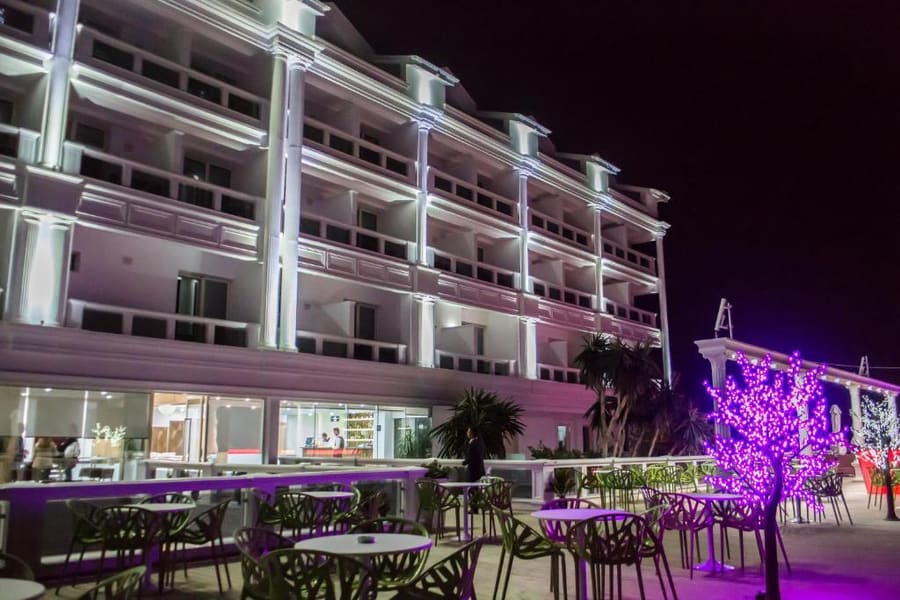
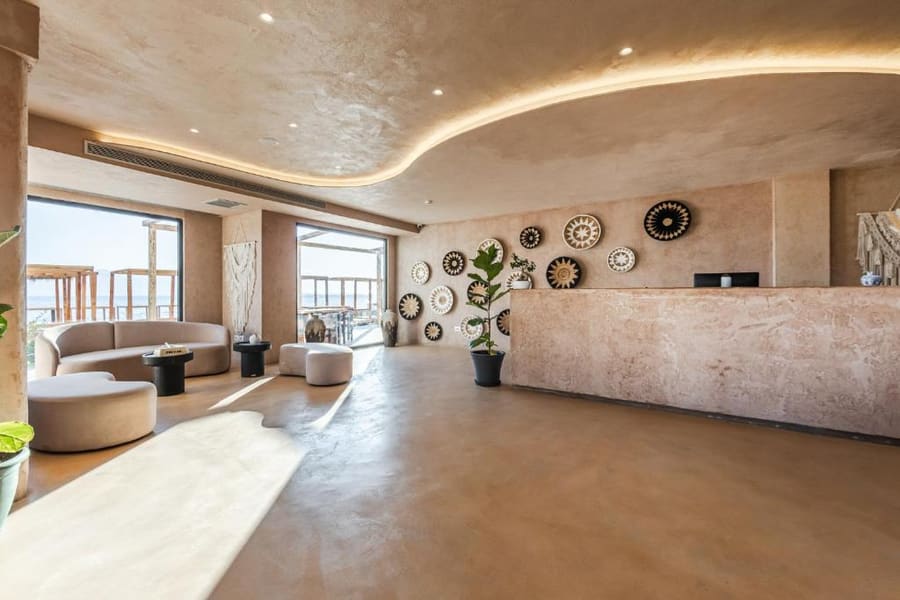
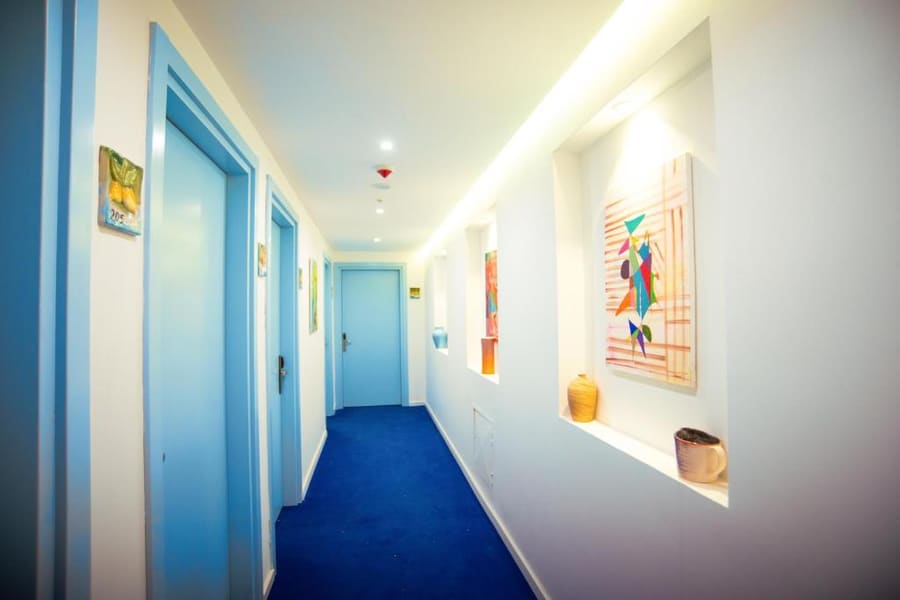
Choose your area based on mobility and noise tolerance. Staying along the Promenade puts you steps from ferry connections and nightlife, though sleep requires earplugs in July. Kodra offers better boutique hotels with private beach platforms west of the harbour. Rruga Butrinti suits travellers planning daily trips south to Ksamil or Butrint by bus.
Live rates, matched to the areas above.
transport
Saranda is compact enough to navigate on foot within the downtown bay area. Public transport relies on a single main bus line that runs back and forth along the coast between Saranda port and Butrint. Car rentals help for inland excursions to the Blue Eye or Gjirokastër, but driving inside Saranda in summer involves long traffic jams.
Buses depart hourly from near the port tree square. Tickets cost 150 ALL paid in cash to the conductor on board.
Bus drivers do not accept card payments or large banknotes. Keep exact change in Albanian Lek or small Euro coins.
Saranda taxis rarely use meters. Establish a fixed price in Lek before closing the door for trips to Lëkurësi or beaches.
Passport queues for Corfu hydrofoils lengthen rapidly in peak summer. Arrive at Saranda port 45 minutes before departure.
cost
Saranda uses the Albanian Lek (ALL), though many tourism operators state prices in Euros. Converting Euros at seaside restaurants often comes with a poor exchange rate, so paying in Lek keeps costs lower. Prices jump dramatically between June and August.
Daily rental for two sunbeds and an umbrella on Saranda central beaches or Ksamil coves.
Standard portion size at local taverns around the city port and Rruga Butrinti.
One-way ticket on the green public bus running from Saranda port south.
Standard short taxi fare from the town center up to the hilltop fortress.
seasonality
MAR – MAY
Mild weather with calm streets. Sea temperatures are brisk, but sightseeing at Butrint is comfortable.
JUN – AUG
Peak summer heat and intense nightlife. Traffic along Rruga Butrinti crawls and sunbeds sell out early.
SEP – OCT
Warm sea water and dwindling summer crowds. Most seasonal restaurants remain open through mid-October.
NOV – FEB
Quiet rainy season. Ferries to Corfu drop to minimal sailings and coastal beach venues shut down entirely.
practicalities
Passport checks apply when arriving from Corfu. Ensure your passport has at least three months validity remaining.
Local bank ATMs charge high withdrawal fees for international cards. Credins and OTP often feature lower transaction rates.
Summer temperatures exceed 35°C with very little shade along the main seaside promenade between 12:00 and 16:00.
Many beaches around Saranda feature sharp limestone shingle and sea urchins. Water shoes make swimming much safer.
Supermarket chains along Rruga Butrinti stock imported groceries and fixed-price bottled water.