landmark
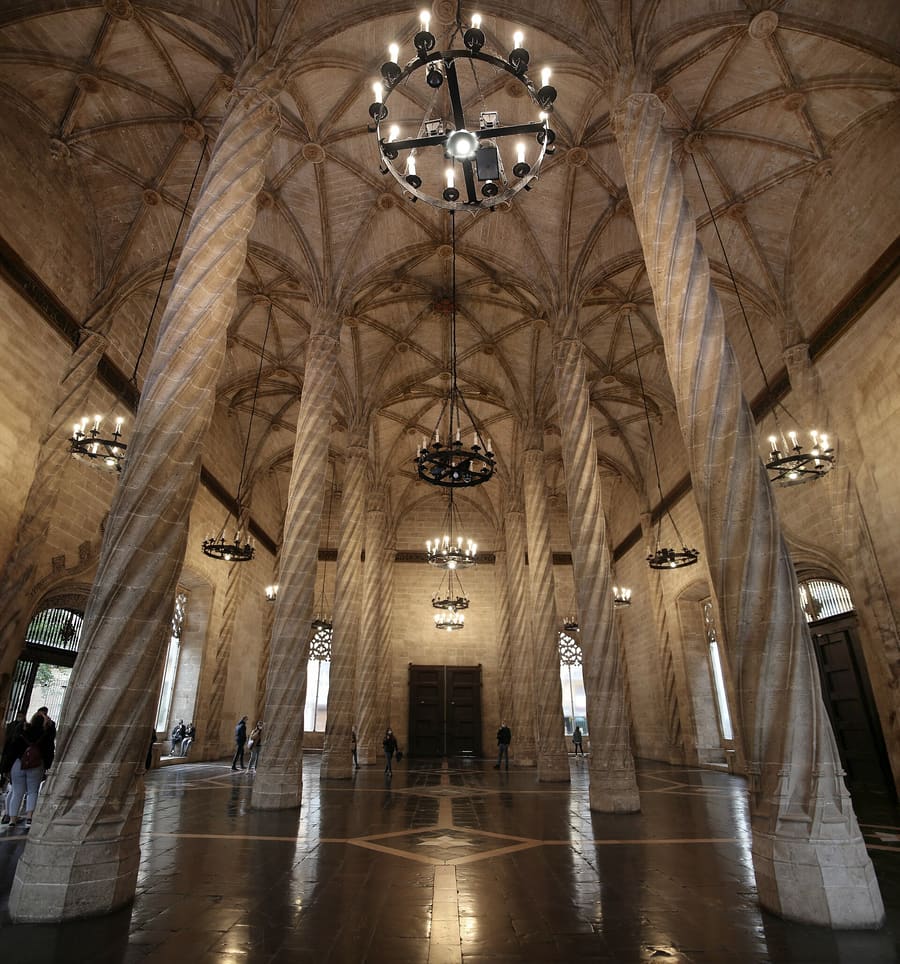
La Lonja de la Seda
This 15th-century silk exchange features twisted stone columns. Visit before 11:00 to avoid tour groups.
Спросить ParleyИспания
Spain's Mediterranean hub of modernism, rice, and humid, muggy heat due to its coastal location on the Mediterranean.
introduction
Valencia built its modern identity after draining a flood-prone river and turning the riverbed into a nine-kilometer park. You navigate the city by moving along this green axis between the medieval core and the Mediterranean shoreline. High-speed trains link the city to Madrid in under two hours, making it a lower-density alternative to Spain's main tourist hubs.
Airport metro fare trick
Metro lines 3 and 5 connect VLC airport to Xàtiva station in 20 minutes. Buy a SUMA 10-trip card at the station machine to save on subsequent city tram transfers.
UNESCO silk market
La Lonja de la Seda holds UNESCO status for its 15th-century Gothic civil architecture. Entry costs €2, or free on Sundays.
Valencia
Demiannnn · CC BY-SA 2.5
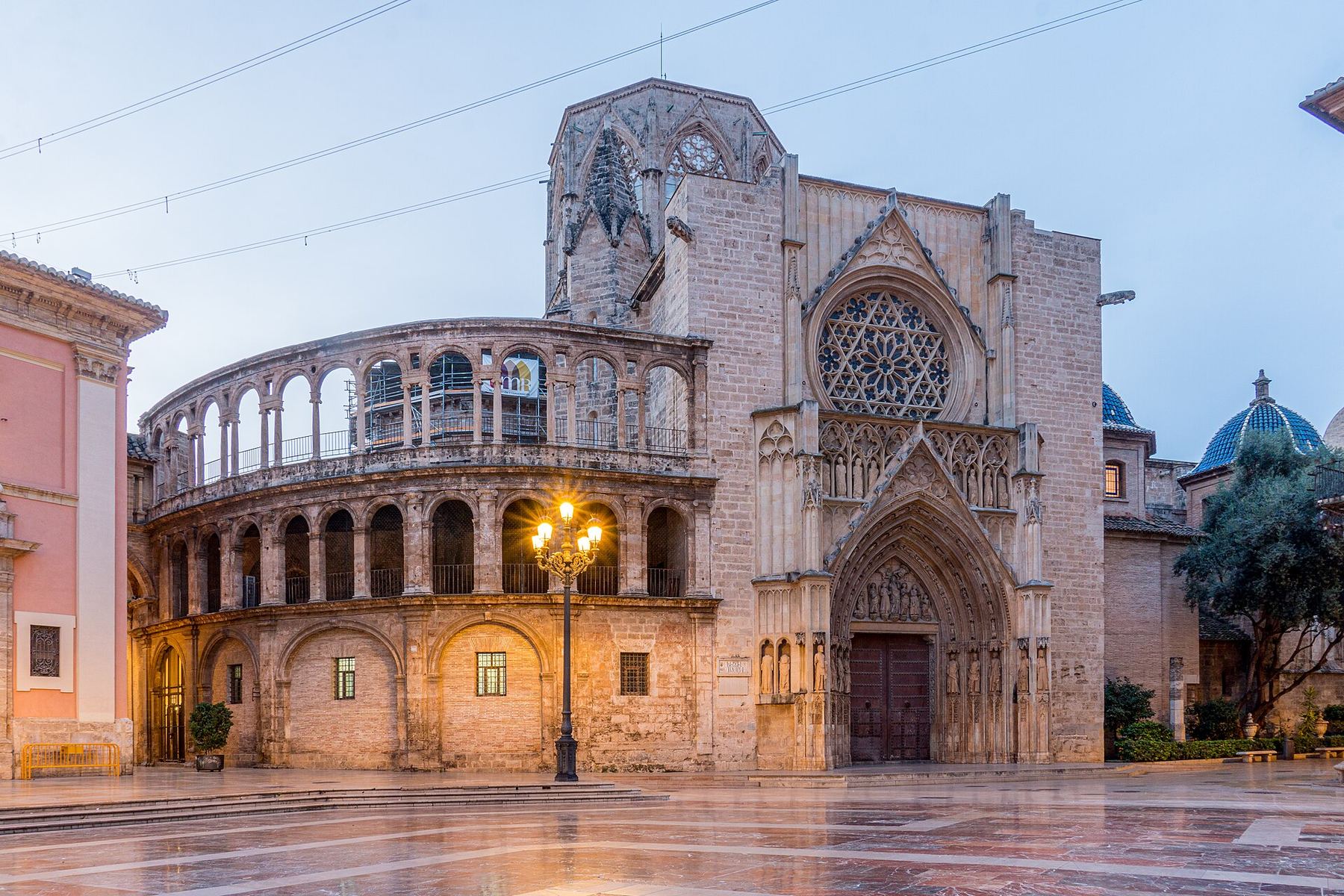
Ciutat Vella — Medieval alleys, historic squares, and quiet residential courtyards inside the former city walls.
CARLOS TEIXIDOR CADENAS · CC BY-SA 3.0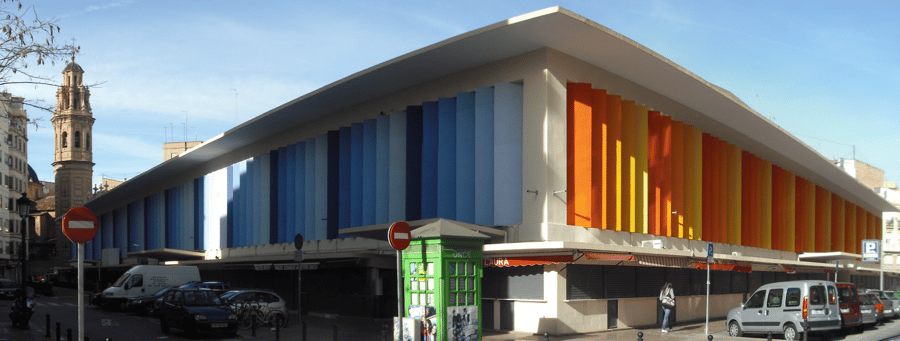
Ruzafa — Grid-pattern district full of specialty coffee shops, art galleries, and late-night tapas bars.
Enrique Íñiguez Rodríguez (Qoan) · CC BY-SA 3.0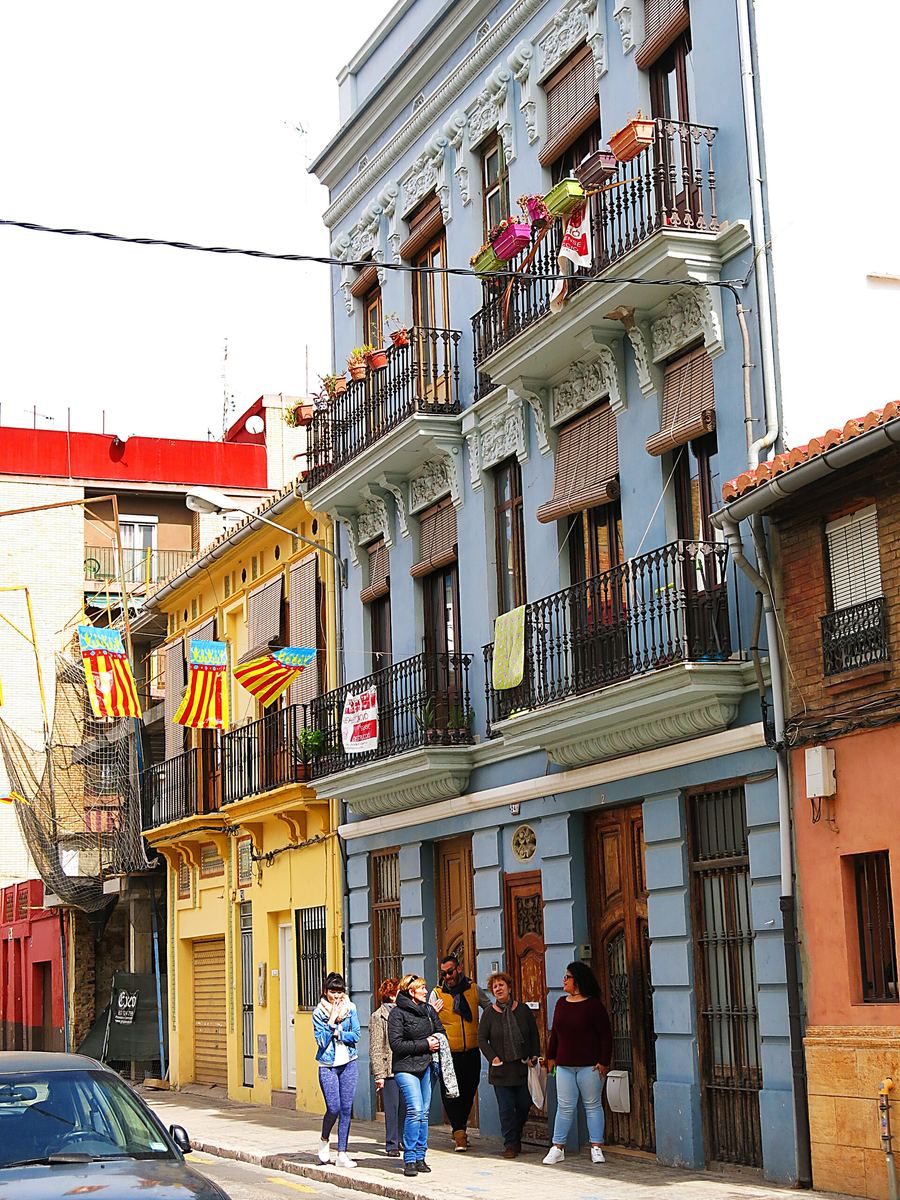
El Cabanyal — Former fishermen's quarter with tiled facades, grid streets, and direct access to Las Arenas beach.
Enric · CC BY-SA 4.0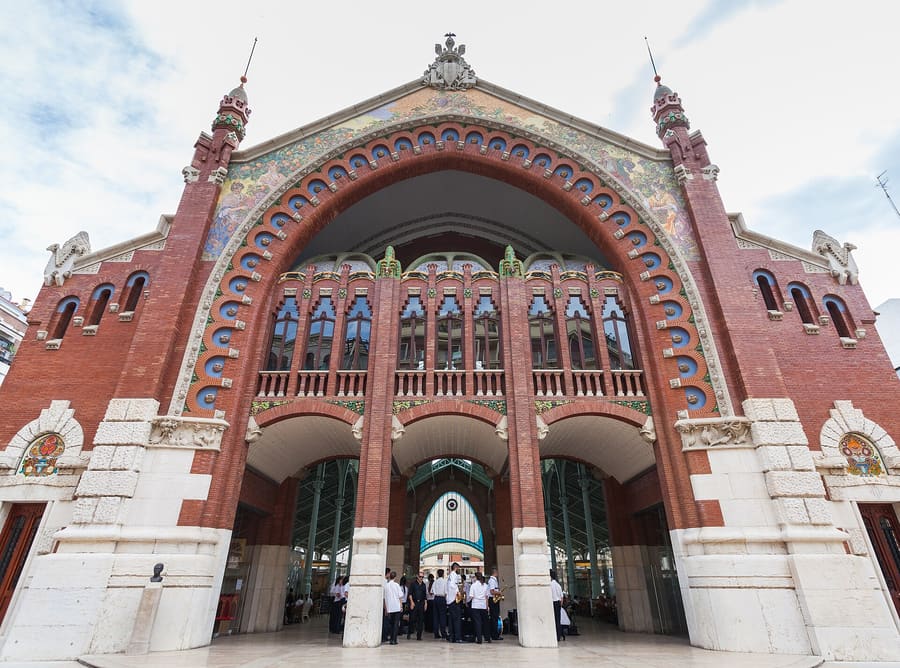
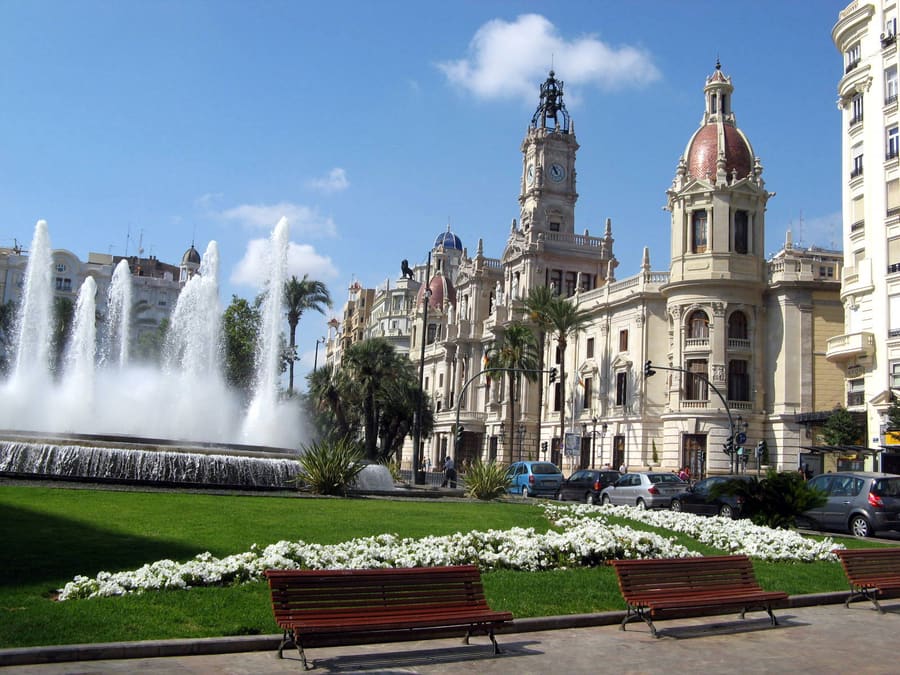
Eixample — 19th-century wide avenues, upscale boutiques, and modernist residential blocks.
Diego Delso · CC BY-SA 3.0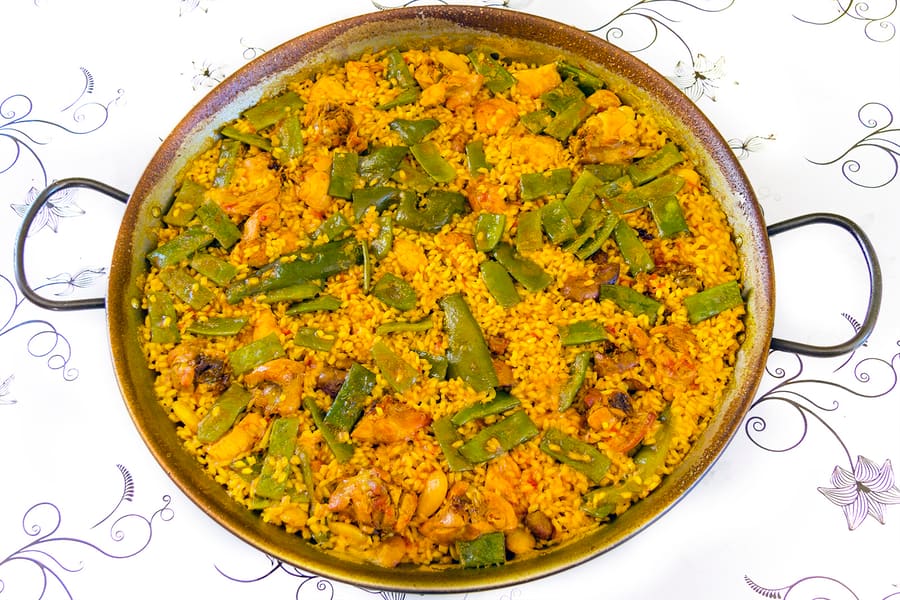
Traditional paella valenciana cooked over orange wood in flat pan.
Jan Harenburg · CC BY-SA 4.0highlights
landmark
This 15th-century silk exchange features twisted stone columns. Visit before 11:00 to avoid tour groups.
Спросить Parley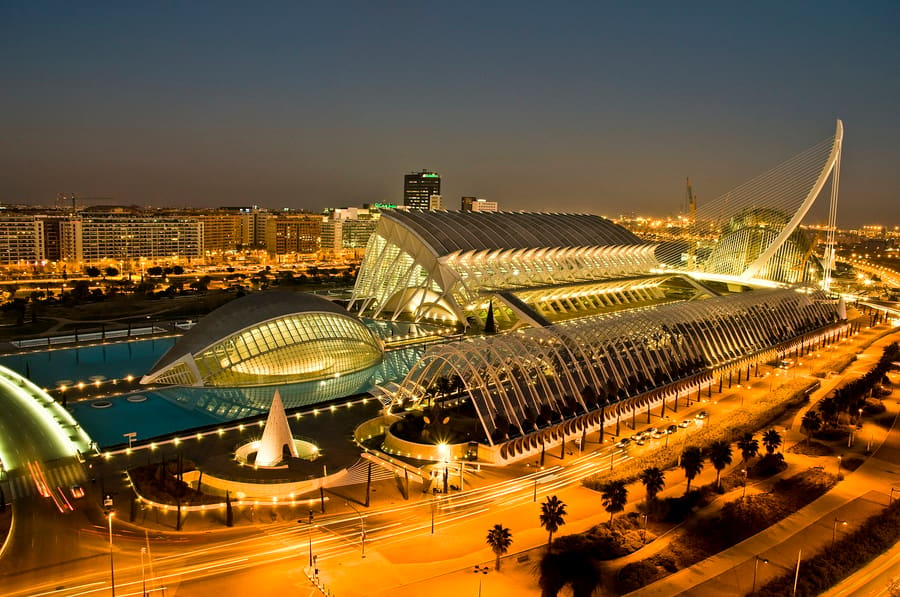
landmark
Santiago Calatrava designed this futuristic complex. Walk the grounds for free; buy separate tickets for the Oceanogràfic.
Спросить Parley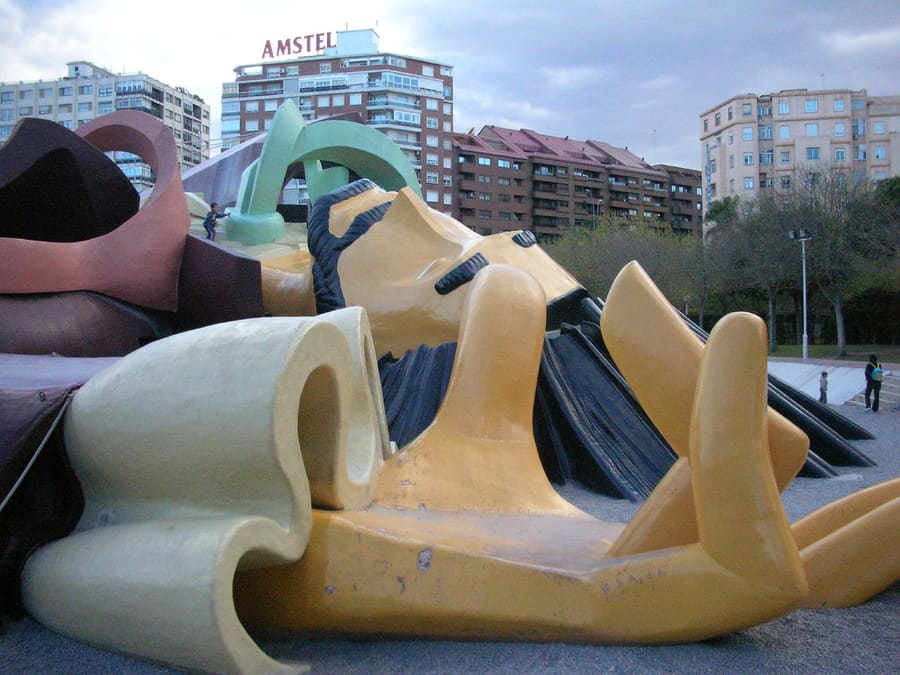
landmark
A drained riverbed converted into a nine-kilometer park. Rent a bike near Pont de Fusta to ride end to end without traffic.
Спросить Parley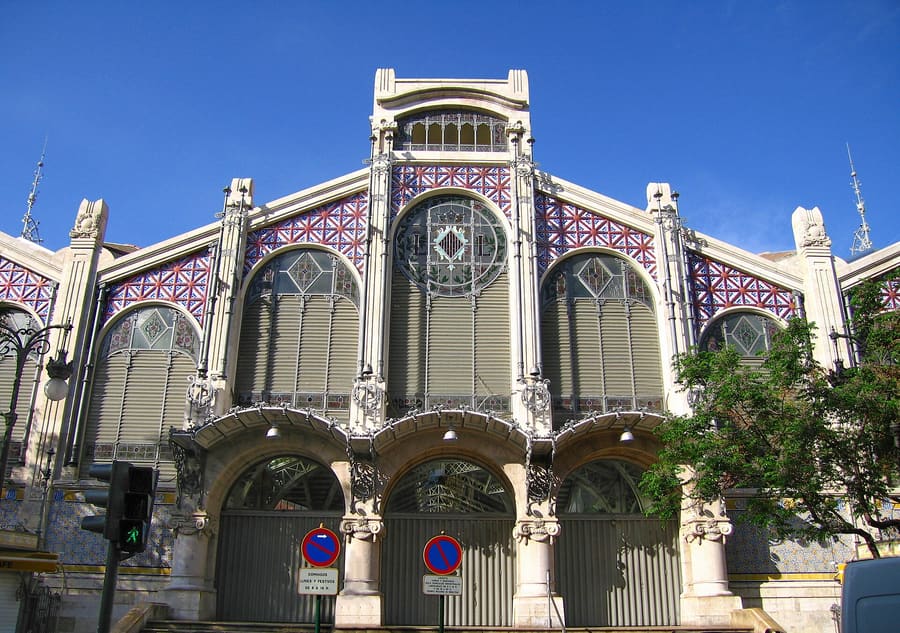
landmark
One of Europe's largest fresh food markets inside a modernist dome structure. Closed Sundays; arrive before 14:00.
Спросить Parleyattractions
areas
Medieval alleys, historic squares, and quiet residential courtyards inside the former city walls.
РядомMercat Central and Torres de Serranos
Спросить ParleyGrid-pattern district full of specialty coffee shops, art galleries, and late-night tapas bars.
РядомEstació del Nord and Gran Vía
Спросить ParleyFormer fishermen's quarter with tiled facades, grid streets, and direct access to Las Arenas beach.
РядомPlaya de las Arenas and Marina de Valencia
Спросить Parley19th-century wide avenues, upscale boutiques, and modernist residential blocks.
РядомMercado de Colón and Turia Gardens
Спросить Parleyfood
Valencia's culinary output centers on rice grown in the nearby Albufera wetlands. True paella valenciana contains chicken, rabbit, green beans, and garrofó white beans, never seafood and chorizo together. Restaurants in the city center often cater to tourists with yellow-colored rice mixtures, so real rice meals require advance booking at specialized spots.
Traditional paella valenciana cooked over orange wood in flat pan.
Jan Harenburg · CC BY-SA 4.0Locals only eat paella for lunch between 14:00 and 16:00. Kitchens take 40 minutes to make a fresh pan from scratch.
Authentic Paella Valenciana uses rabbit, chicken, green beans, and garrofó beans. Seafood paella is ordered separately as Arroz a Banda.
Order cold horchata made from tiger nuts at historic horchaterías like Santa Catalina. Pair it with warm fartons pastries for dipping.
history
Valencia transformed from a Roman outpost into a major Silk Road trading center during the Middle Ages. A catastrophic flood in 1957 led the city to redirect the Turia River south of the urban core, creating a massive park in its former bed that shaped modern Valencia.
Roman settlement
Romans founded Valentia Edetanorum along a strategic river crossing near the coast.
Christian Reconquest
King James I of Aragon conquered Valencia, establishing the Kingdom of Valencia with custom legal codes.
The Great Flood
Overflowing Turia waters devastated the city, prompting the Plan Sur river diversion project.
Cultural renaissance
The inauguration of the City of Arts and Sciences repositioned Valencia as a modern design hub.
where to stay
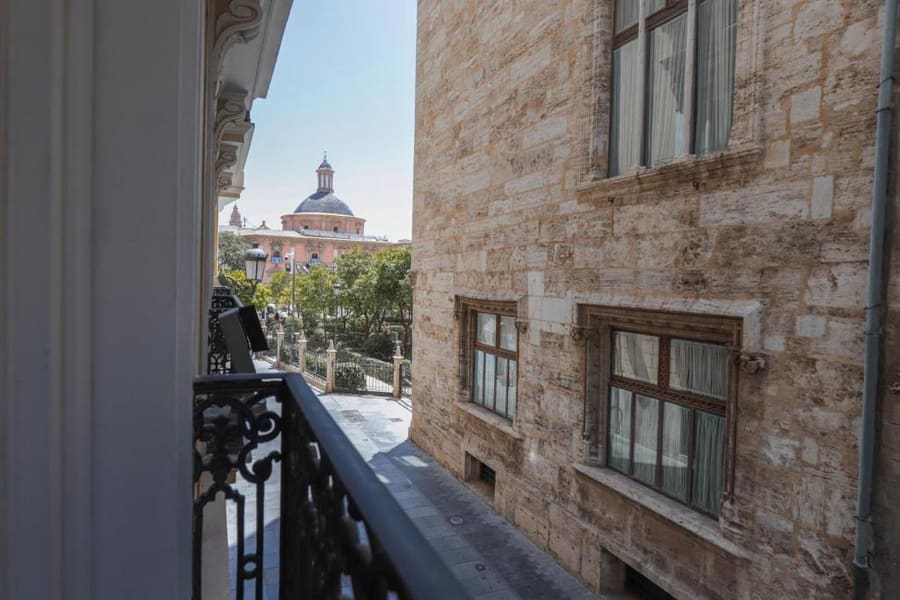
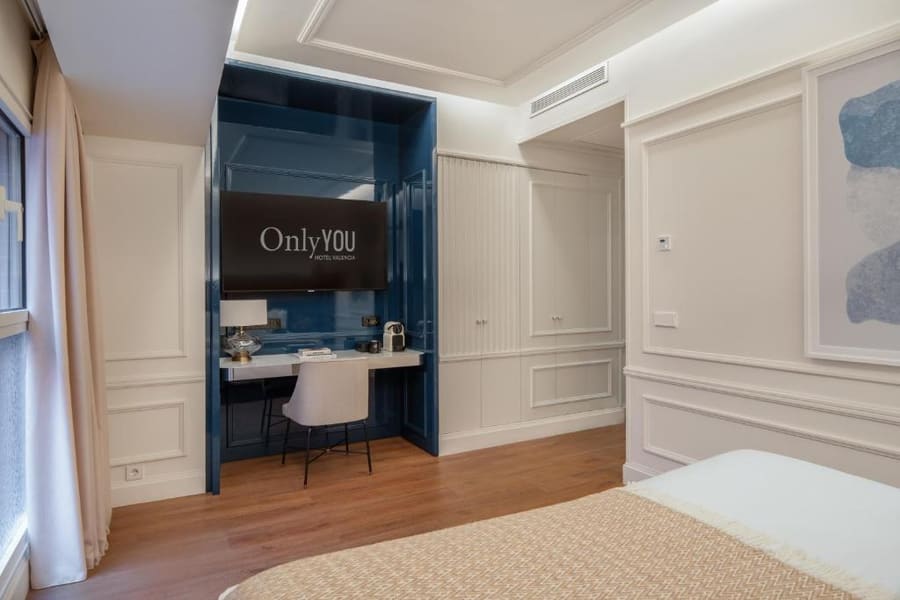
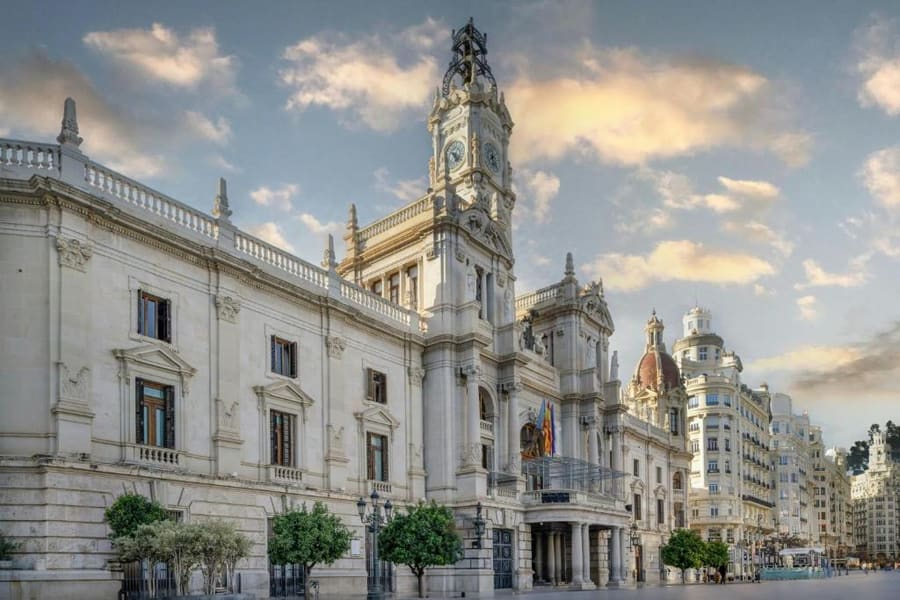
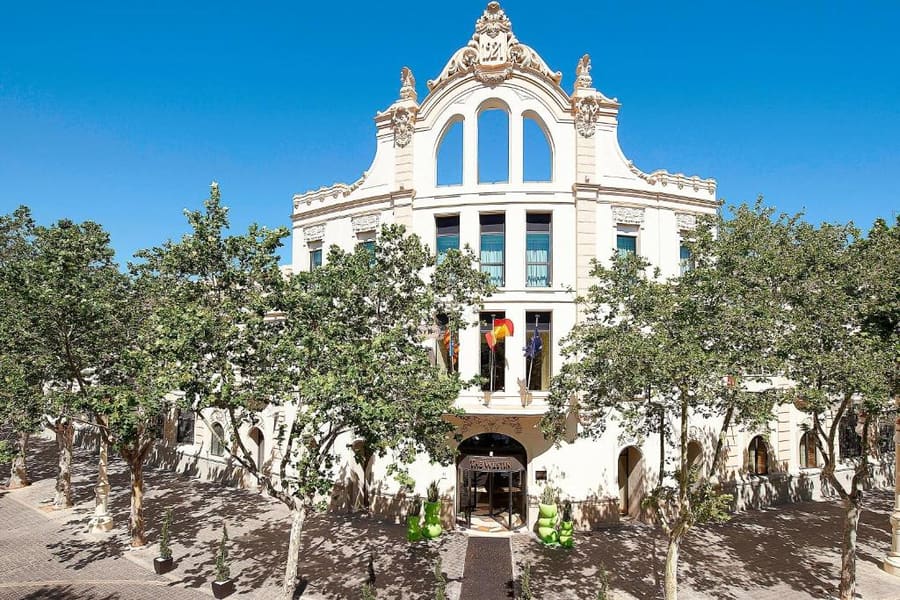
Choose your base depending on whether you want historical walkability, night dining options, or immediate beach access. Valencia's transit network connects these zones efficiently via metro and tram lines.
Live rates, matched to the areas above.
transport
Valencia is flat and compact, making walking and cycling the easiest options. The Metrovalencia network links distant suburbs, the airport, and the Mediterranean beaches.
Из Valencia Airport (VLC)
Metro Line 3 or 5 direct from lower level of airport terminal to Xàtiva station.
Official taxi rank outside arrivals. Minimum airport tariff applies.
Line 150 connects airport to central bus station; runs less frequently on weekends.
The SUMA card combines metro, bus, and tram trips on a single rechargeable card for €8 for 10 trips.
Line 4 runs directly from Pont de Fusta near the old town to Las Arenas beach in 20 minutes.
Weekly bike-share passes cost around €13.30 and give free 30-minute trips between stations across town.
Regular metro services end around 23:00 from Sunday to Thursday, with extended night service on weekends.
cost
Valencia remains more affordable than Madrid or Barcelona. Dining costs stay reasonable if you take advantage of lunch menus of the day.
Three-course lunch menu including drink and bread offered on weekdays across most neighborhoods.
Per person price for authentic paella in traditional rice restaurants.
Standard price for a café con leche at neighborhood counters.
Valid for Zone A metro, tram, and EMT urban buses.
seasonality
MAR – MAY
Warm spring weather ideal for sightseeing. Las Fallas festival in mid-March brings massive street crowds and noise.
JUN – AUG
High summer heat exceeding 30°C with humidity. Beach is crowded; local shops close for August holidays.
SEP – NOV
Warm sea temperatures through October. Good balance of pleasant weather and reduced tourist queues.
DEC – FEB
Mild winter days with clear skies. Crisp mornings with temperatures around 12–16°C.
practicalities
Independent shops in non-tourist quarters close between 14:00 and 17:00 for lunch hours.
The Las Fallas festival runs March 15–19. Firecrackers start at 08:00 daily across all city neighborhoods.
Contactless card payment is standard even for single coffees or market stalls.
Tap water is fully safe to drink, though high mineral content makes filtered or bottled water popular.
Cycling on sidewalks is illegal and fined; always stick to marked green Turia paths and road bike lanes.