landmark
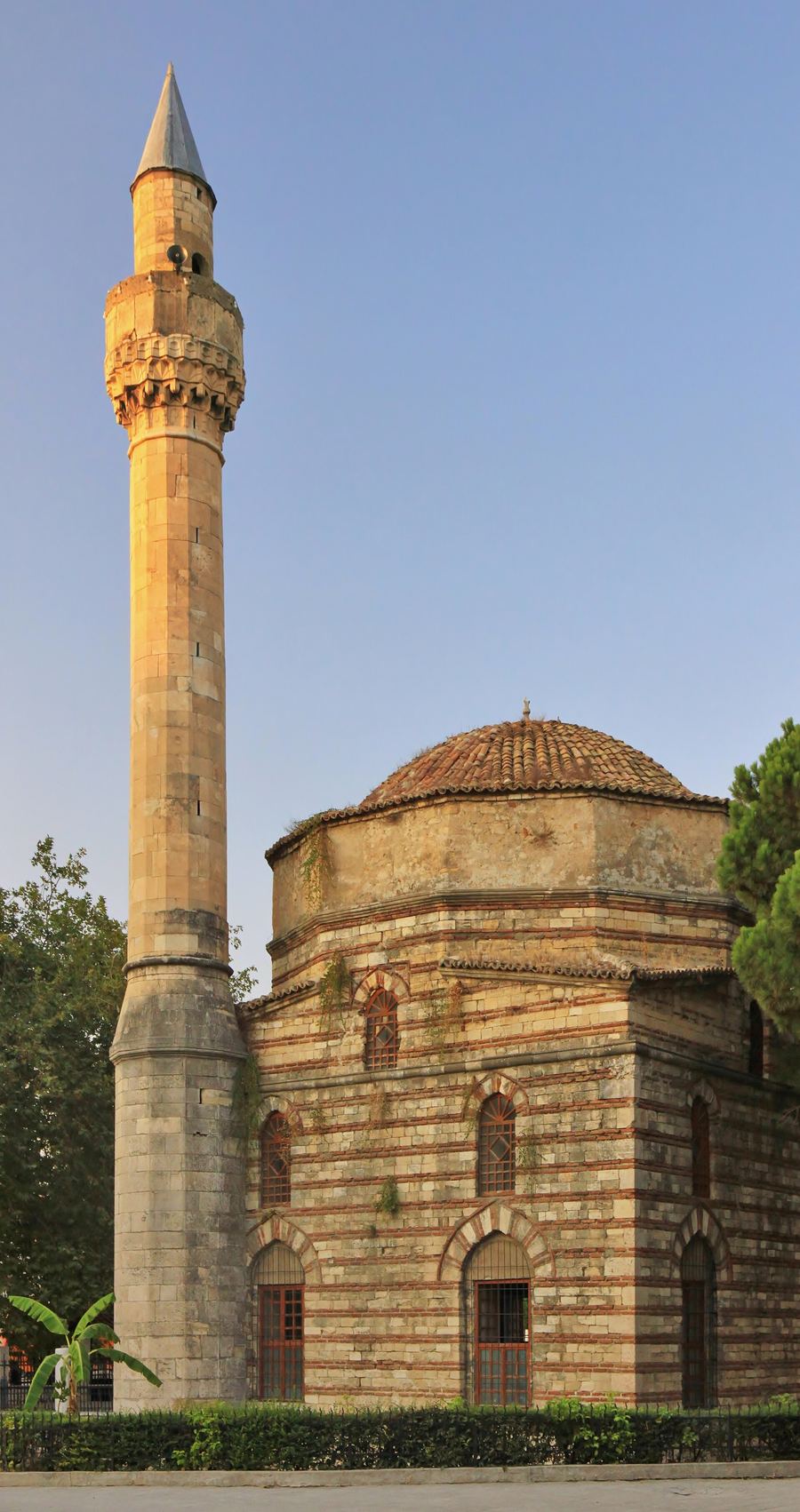
Muradie Mosque
Built in 1542 by Ottoman architect Mimar Sinan. Look up at the carved stone work before quiet afternoon prayers.
Спросить ParleyАлбания
Where the Adriatic meets the Ionian coast.
introduction
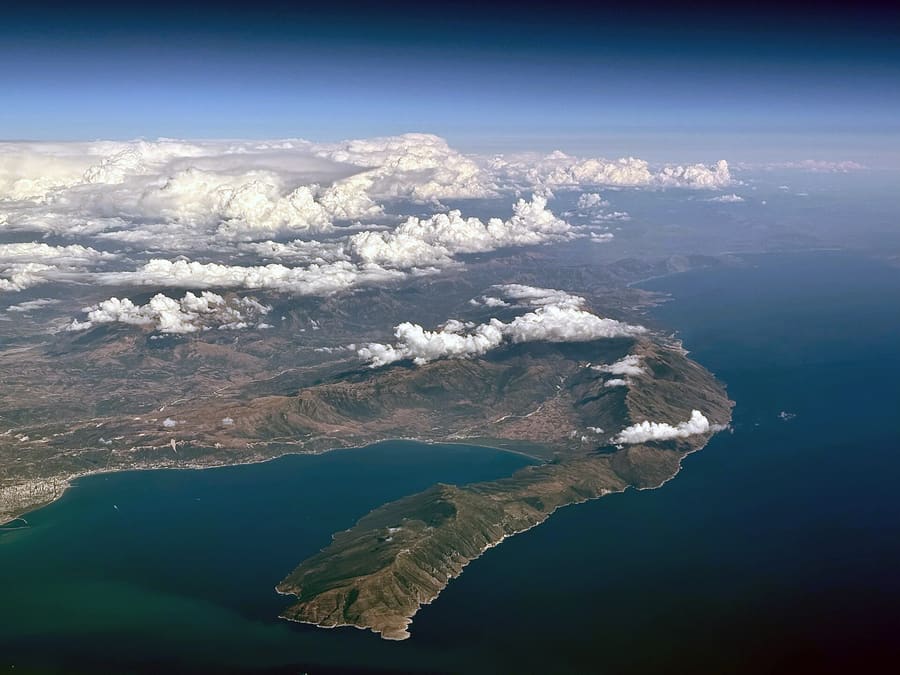
Vlora marks the exact point where Albania's Adriatic shallows yield to the deep blue Ionian Sea. Modern high-rises and seafood taverns line its five-kilometer promenade, while Ottoman monuments anchor the old inland core. You visit to eat fresh marine catches, trace modern statehood origins, and reach the isolated coves of the Karaburun peninsula.
Tirana Airport transit
Direct buses connect Tirana Airport (TIA) to Vlora terminal in two hours. Ticket costs 1,200 LEK.
Albanian independence site
Ismail Qemali declared Albanian independence here in 1912. The original flag square marks the city center.
Ferry connection to Italy
Overnight ferries link Brindisi directly to Vlora port. Sailings run daily during summer months.
Vlora
kallerna · CC BY-SA 4.0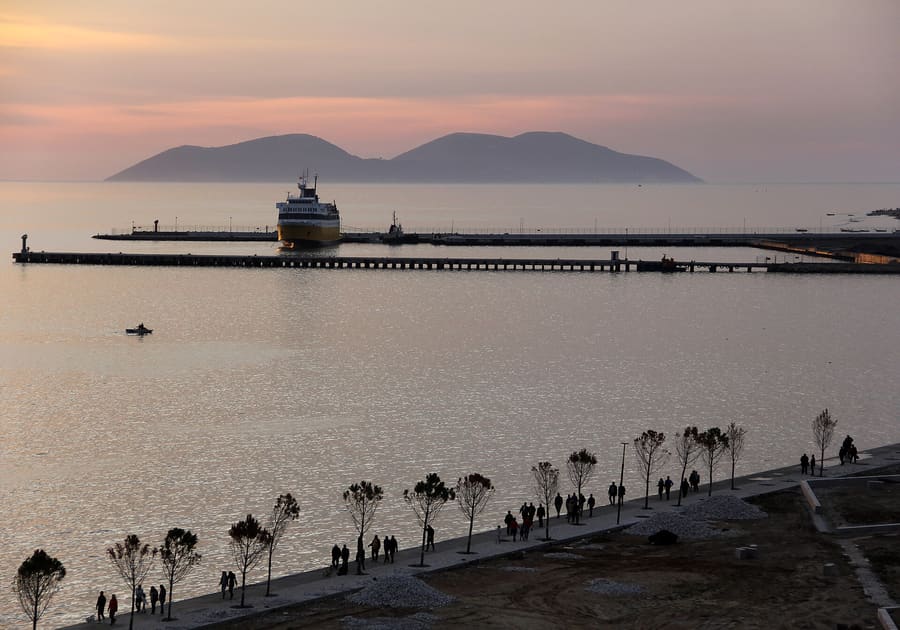
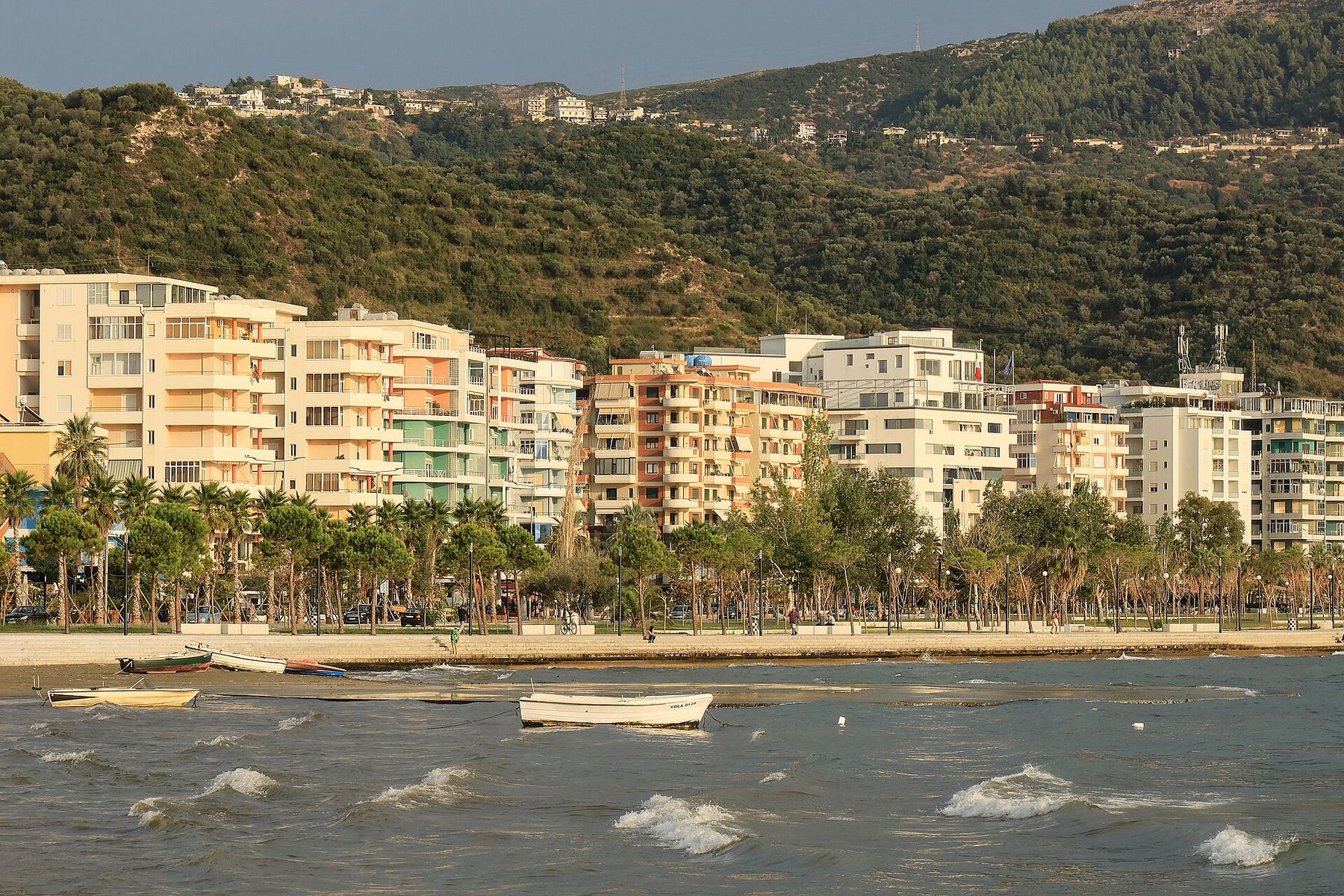
Lungomare — Modern palm-lined boulevard dominated by seafood restaurants and beach bars.
Anila amataj · CC BY-SA 4.0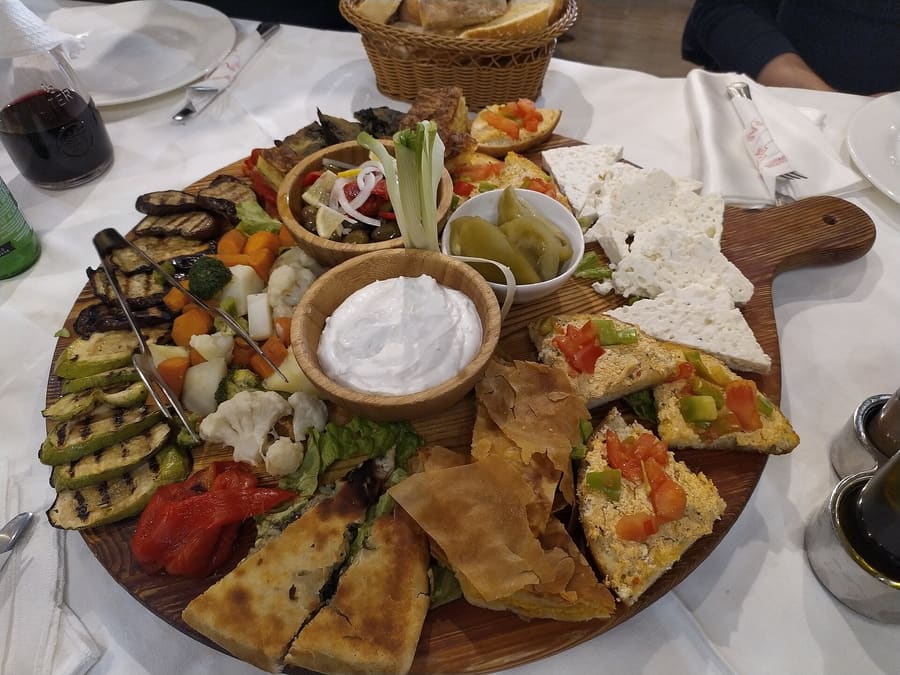
Grilled sea bream served along the waterfront.
Leeturtle · CC BY-SA 4.0highlights
landmark
Built in 1542 by Ottoman architect Mimar Sinan. Look up at the carved stone work before quiet afternoon prayers.
Спросить Parley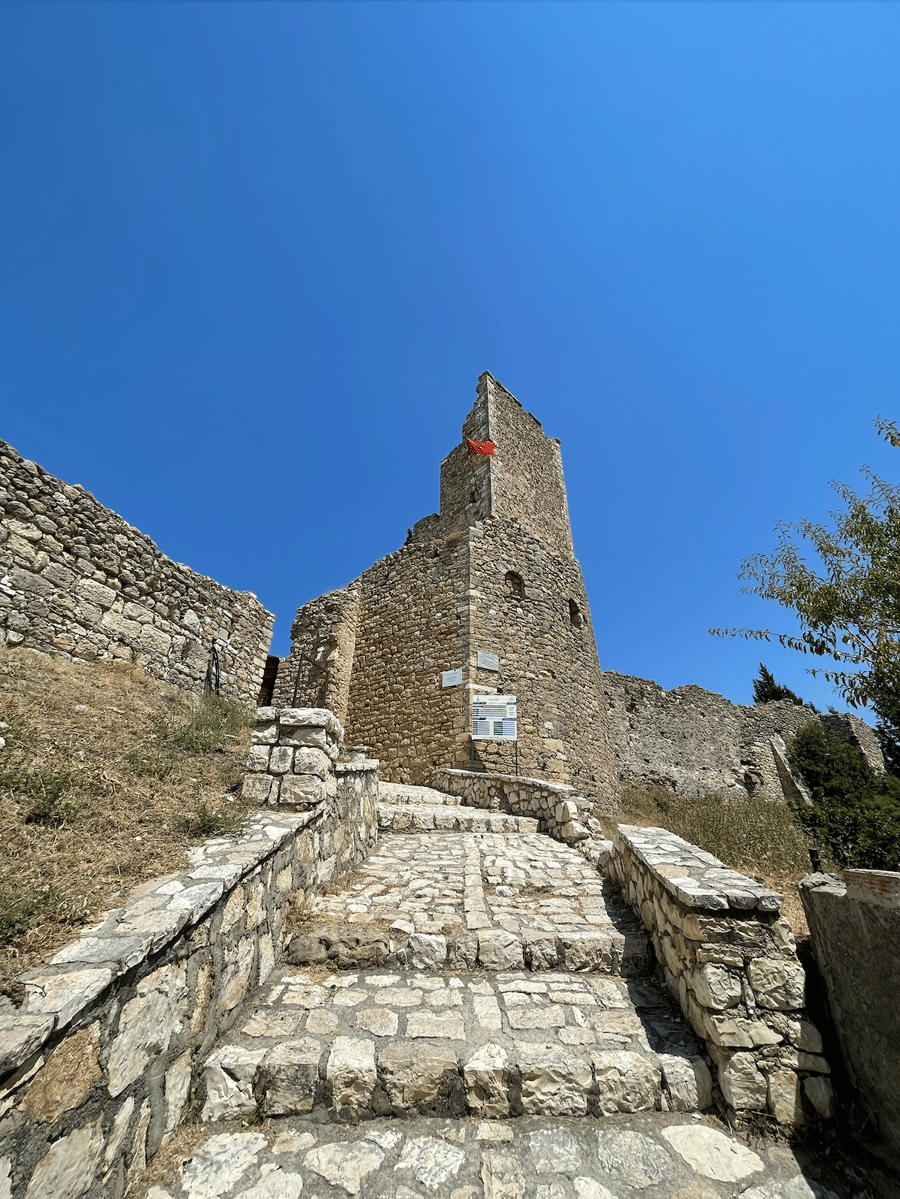
landmark
A Byzantine hilltop fortress six kilometers inland. Take a local minibus from the center to bypass the steep uphill walk.
Спросить Parley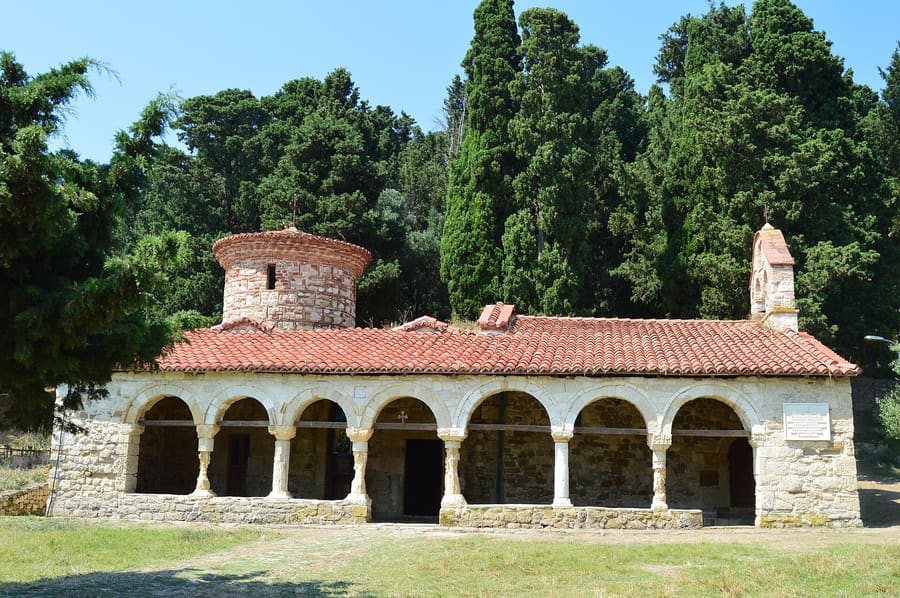
landmark
A 13th-century Byzantine monastery set on a wooden island in Narta Lagoon. Cross the timber footbridge early to avoid tour vans.
Спросить Parleyattractions
areas
Modern palm-lined boulevard dominated by seafood restaurants and beach bars.
РядомVlora Port and urban public beaches
Спросить ParleyRestored Ottoman facades, pedestrian plazas, and government buildings.
РядомFlag Square and Muradie Mosque
Спросить ParleyResidential coastal hillside where cold freshwater springs enter the sea.
РядомTunnel of Vlora and southern coves
Спросить ParleyPebble beach corridor stretched along the coastal highway south of town.
РядомOrikum Marina and Karaburun boat launches
Спросить Parleyfood
Vlora marks the boundary where the Adriatic Sea meets the Ionian Sea. This ecological intersection delivers exceptional seafood, particularly deep-water red shrimp and sea bass caught off Karaburun Peninsula. Inland pastures provide milk for salted sheep cheeses and tender mountain lamb cooked in clay pots. Restaurants near the port serve daily catches without fuss, charged strictly by weight.
Grilled sea bream served along the waterfront.
Leeturtle · CC BY-SA 4.0Inspect the fresh catch display at portside taverns. You pick the exact fish, which staff weigh in front of you before grilling.
Order baked lamb with rice and sour goat milk yogurt at traditional taverns behind Flag Square.
Coastal seafood places serve heavy lunches between 13:30 and 15:30. Dinner service rarely begins before 20:30.
history
Founded as Aulon in the sixth century BC by Greek colonists, Vlora became an important Roman port for trade across the Strait of Otranto. Norman, Venetian, and Ottoman forces fought for control of its strategic bay across centuries. Modern Albania was born here in 1912 when Ismail Qemali raised the national flag and declared independence from the Ottoman Empire.
Illyrian Aulon
Greek settlers establish a trading post named Aulon along the Illyrian coast.
Ottoman Rule
Ottoman forces capture the port, expanding its fortifications to secure the Adriatic gateway.
Declaration of Independence
Ismail Qemali proclaims Albanian statehood in Vlora, establishing the nation's first government.
Civil Unrest Origin
Financial collapse triggers widespread civil disorder originating in Vlora's banking crisis.
where to stay
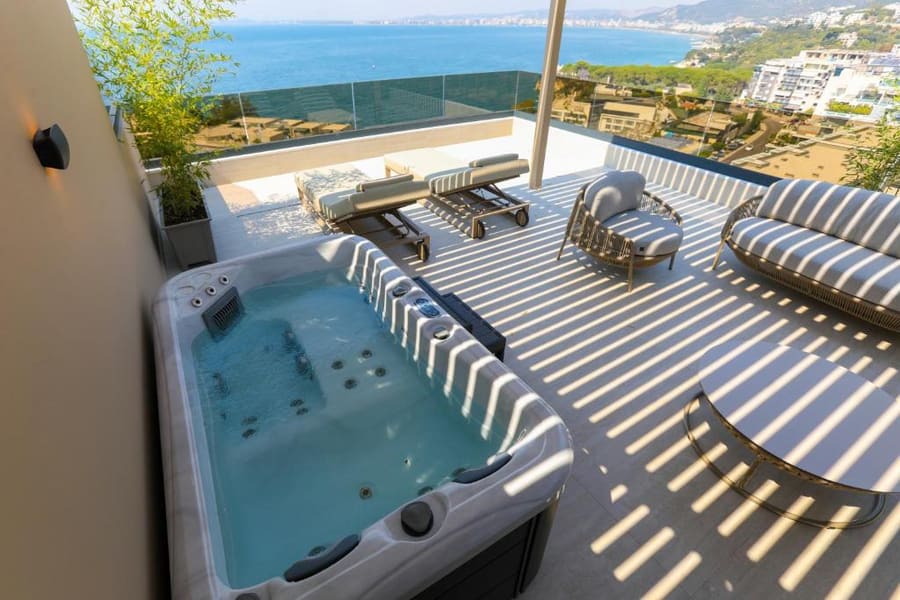
Choose your base based on your transit plans. Stay near Qendra if you rely on regional buses and prefer historical architecture. Book along Lungomare or Uji i Ftohtë if your trip focuses on beach days and evening dining.
Live rates, matched to the areas above.
transport
Vlora has no open passenger train service. Most travellers arrive via bus from Tirana or ferry from Italy. Within town, yellow city buses run a single continuous route along the main boulevard from the city center down to Uji i Ftohtë.
Из Tirana International Airport (TIA)
Direct Hermes airport buses depart TIA every two hours straight to Vlora center.
Fixed-rate official airport taxis operate 24/7 outside the main arrivals hall.
Pay 40 LEK in cash directly to the conductor onboard the city bus line.
Always agree on the total price in LEK with the driver before placing your luggage in the trunk.
Intercity minibuses gather near the main train station ruins in the city center.
Bus conductors and local taxi drivers do not accept credit card payments.
cost
Prices in Vlora increase substantially during July and August along the beach strip. Winter and shoulder seasons bring steep discounts on accommodation and dining. Local currency is the Albanian Lek (ALL or LEK), though many hotels quote rates in Euros.
Prices depend on row position and month; Radhimë beach clubs charge premium rates.
Fresh sea bass or grilled squid at port taverns.
Flat rate anywhere between Flag Square and Uji i Ftohtë.
Standard price along Lungomare promenade.
seasonality
MAR – MAY
Spring temperatures average 20°C. Ideal for exploring inland castles before sea water warms up.
JUN – AUG
Peak Mediterranean summer heat above 32°C. Expect slow coastal traffic and crowded beach clubs.
SEP – OCT
Warm sea temperatures remain above 22°C. Lower lodging rates and relaxed evening dining.
NOV – FEB
Cool, rainy coastal weather. Waterfront seasonal businesses close or run reduced winter hours.
practicalities
Credins and OTP ATMs charge lower foreign transaction fees than other local bank branches.
Southern beaches consist of coarse pebbles; bring rubber water shoes to enter the sea comfortably.
Smaller independent shops in Qendra shut down between 14:00 and 17:00.
Daily boat tours to Haxhi Ali Cave depart from Vlora Port at 09:00 during summer.
Italian is widely spoken across all generations due to regional television broadcasts and migration history.