landmark
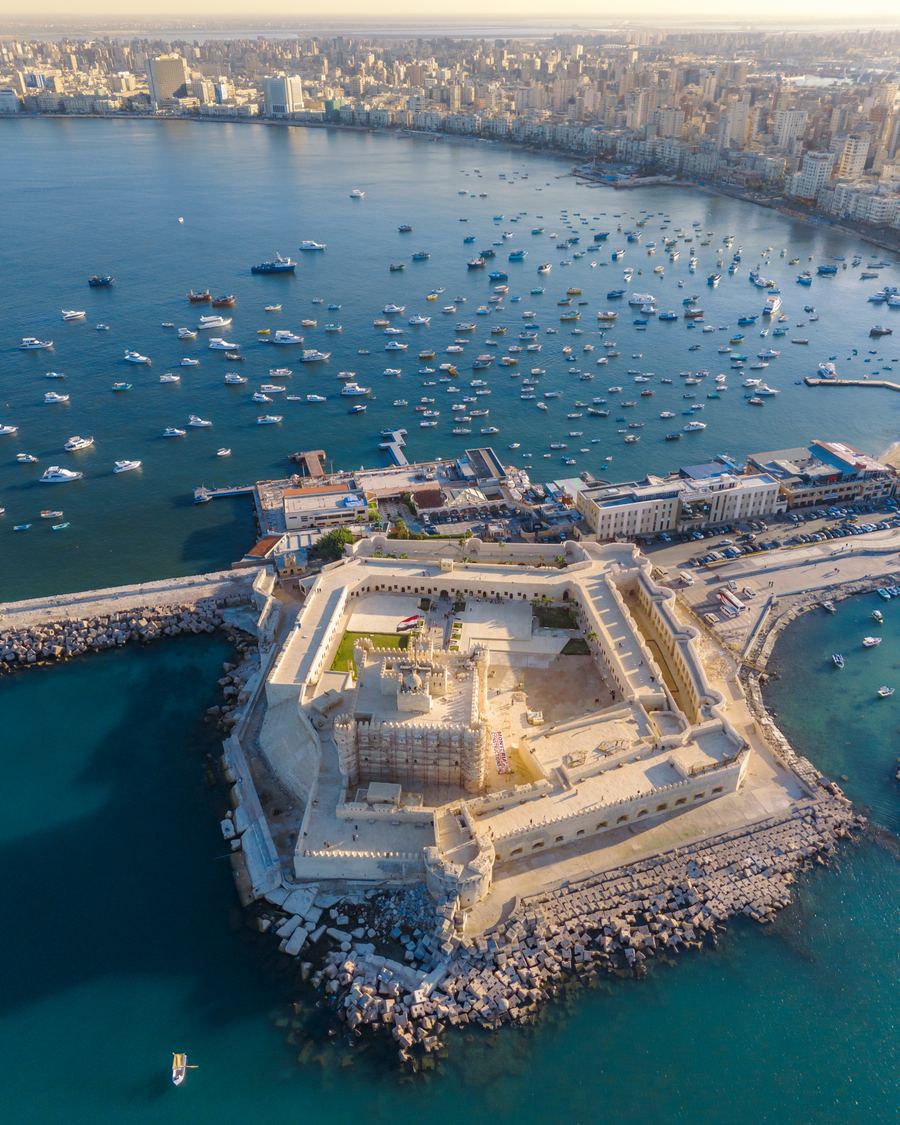
Citadel of Qaitbay
A 15th-century fortress built on the Pharos site. Go early to beat the sea mist and tourist buses.
问问 Parley埃及
Faded Greco-Roman grandeur along Egypt's northern coast.
introduction
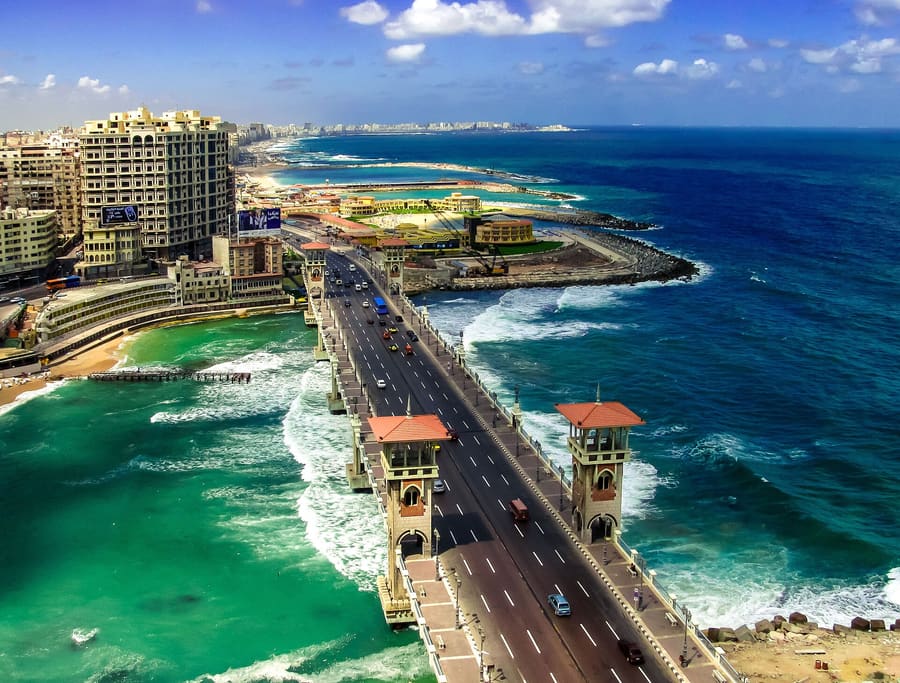
Alexandria stretches twenty miles along the Mediterranean shore. It looks north toward Europe rather than south toward Cairo. You come here for seafood, sea air, and fragments of ancient empires buried under 19th-century European facades. Expect traffic, salty sea breezes, and an unhurried coastal rhythm.
Lighthouse foundations
The Citadel of Qaitbay sits directly on the foundations of the ancient Pharos Lighthouse, built using salvaged granite blocks.
Alexandria
Mohamed Hassan Mohamed Hassan · CC BY-SA 4.0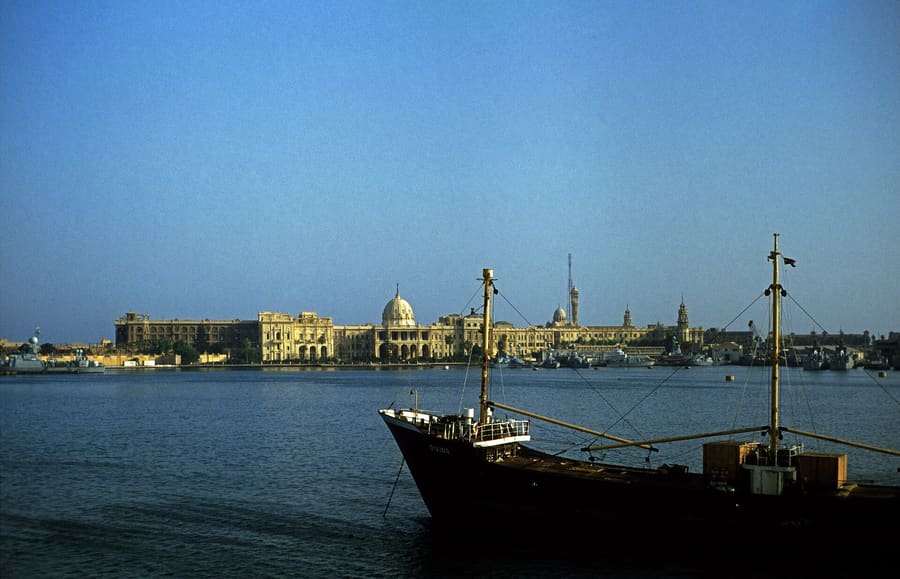
Bahary — Salty, noisy, and traditional. The heart of the city's fishing industry and boatyards.
Rüdiger Stehn from Kiel, Deutschland · CC BY-SA 2.0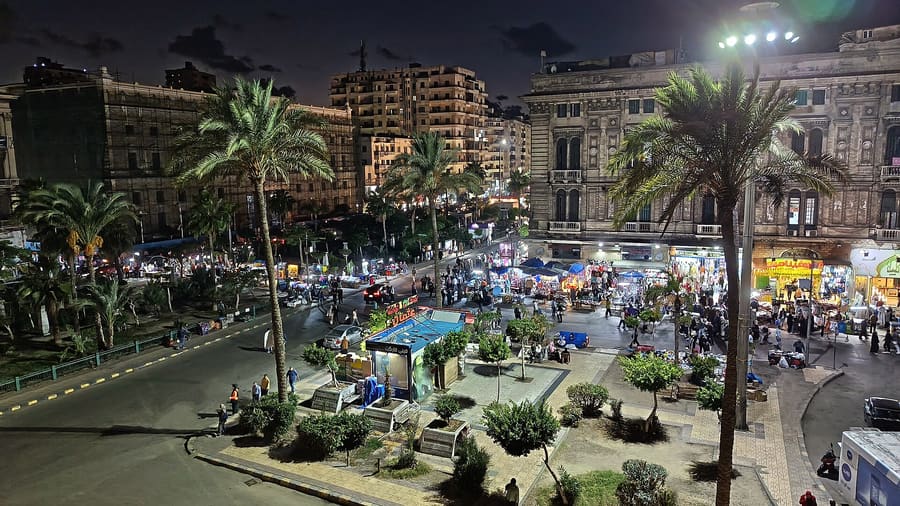
Manshiya — Commercial hub with French-built squares, spice markets, and tailors.
Abdelrhman 1990 · CC BY-SA 4.0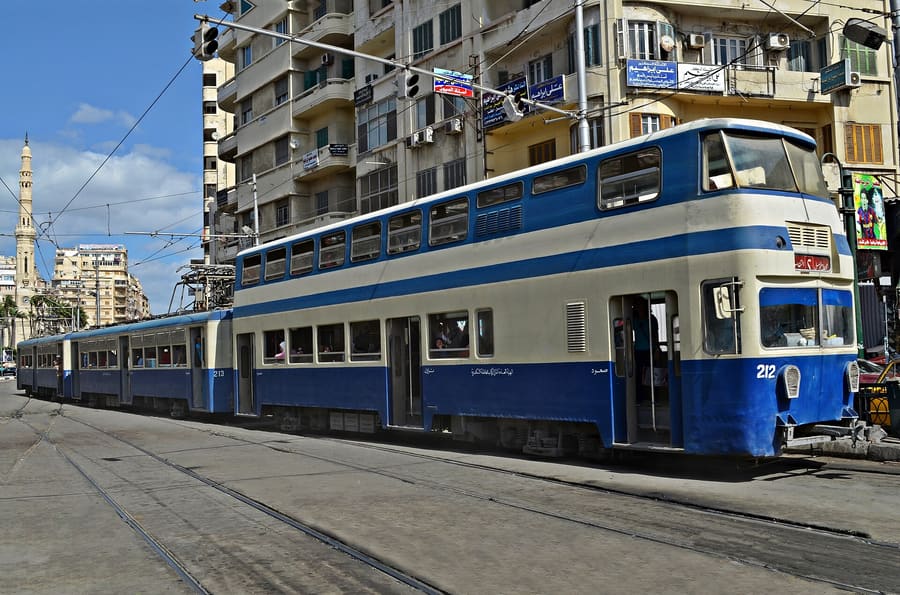
Ramleh — Central transit hub filled with historic patisseries and shipping offices.
Faris El-Gwely · CC BY-SA 3.0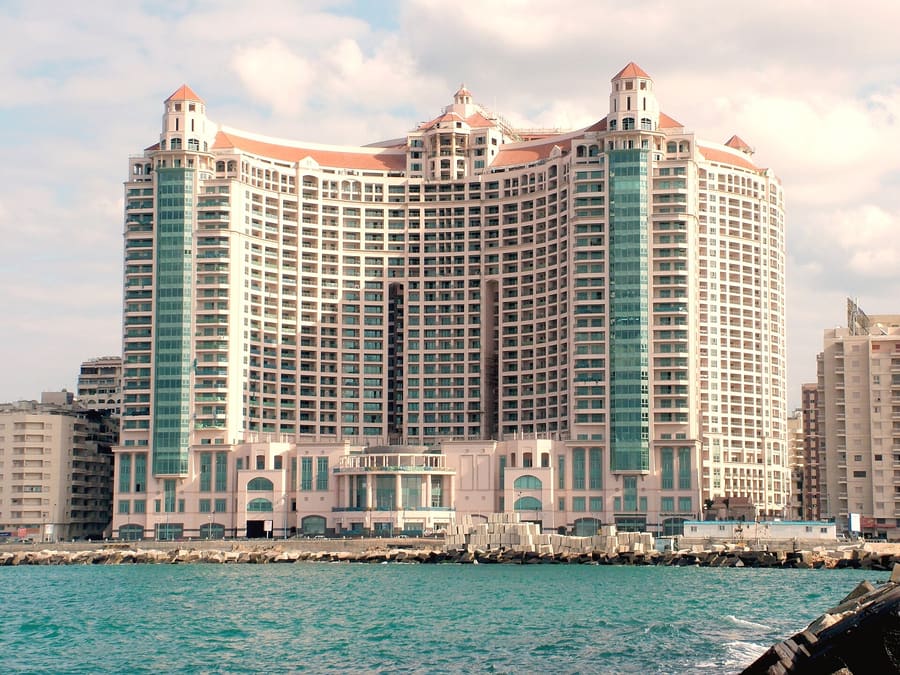
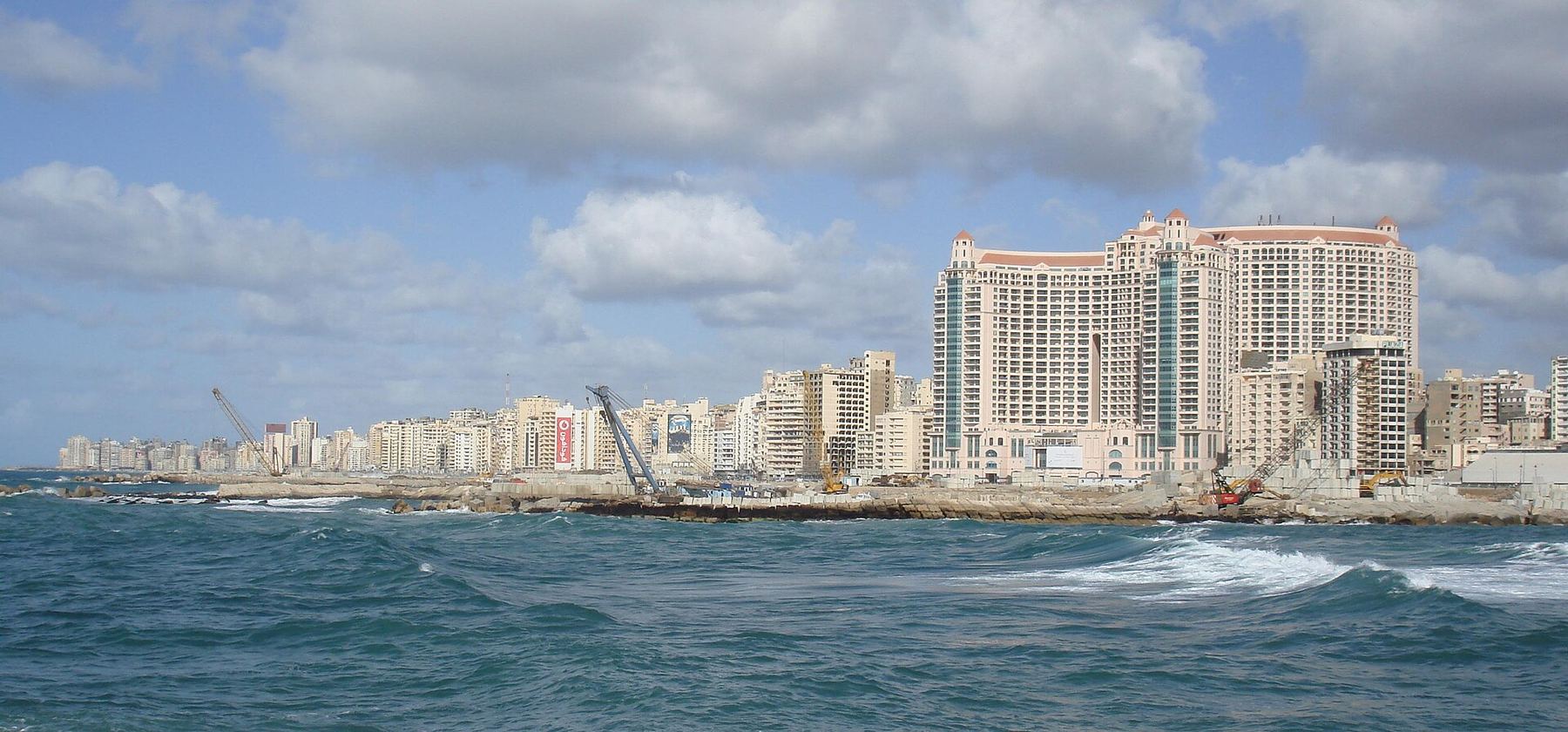
Miami & Sidi Bishr — Modern residential coast with high-rise apartment blocks and public beaches.
Sowr · CC BY 2.0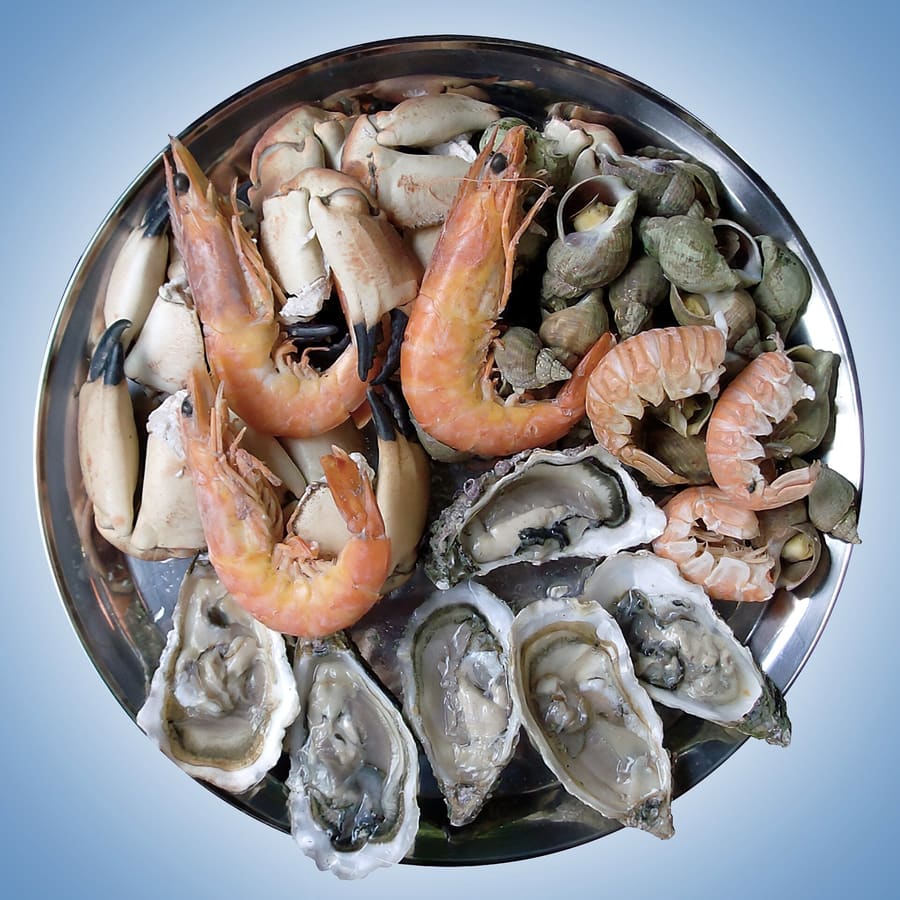
Fresh Mediterranean fish grilled with garlic, lemon, and herbs in Bahary.
Frits Hoogesteger at nl.wikibooks · CC BY-SA 3.0highlights
landmark
A 15th-century fortress built on the Pharos site. Go early to beat the sea mist and tourist buses.
问问 Parley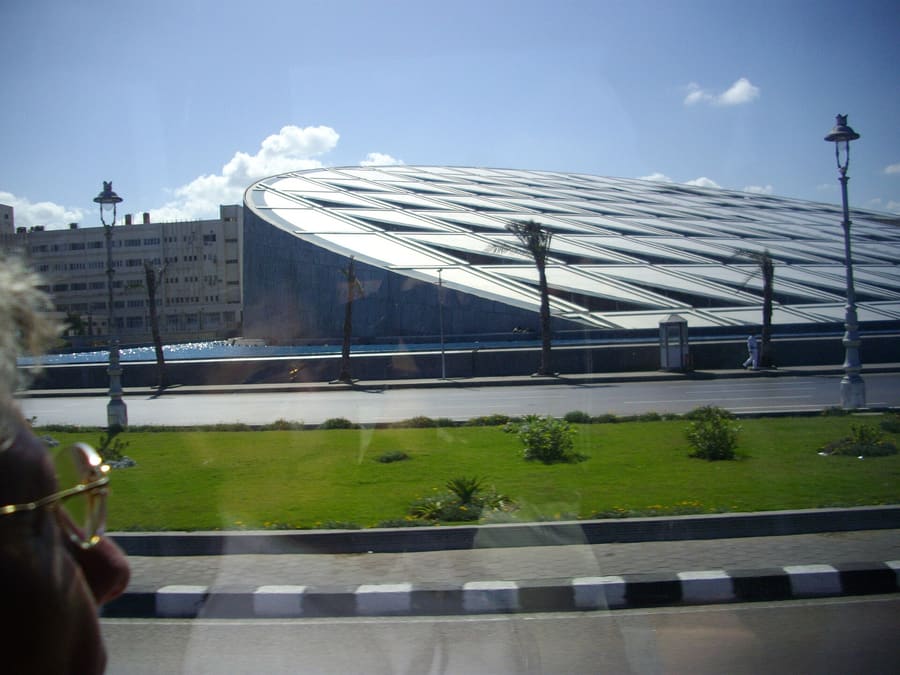
landmark
A modern 11-story cultural center housing millions of books. Buy the main reading room ticket for entry.
问问 Parley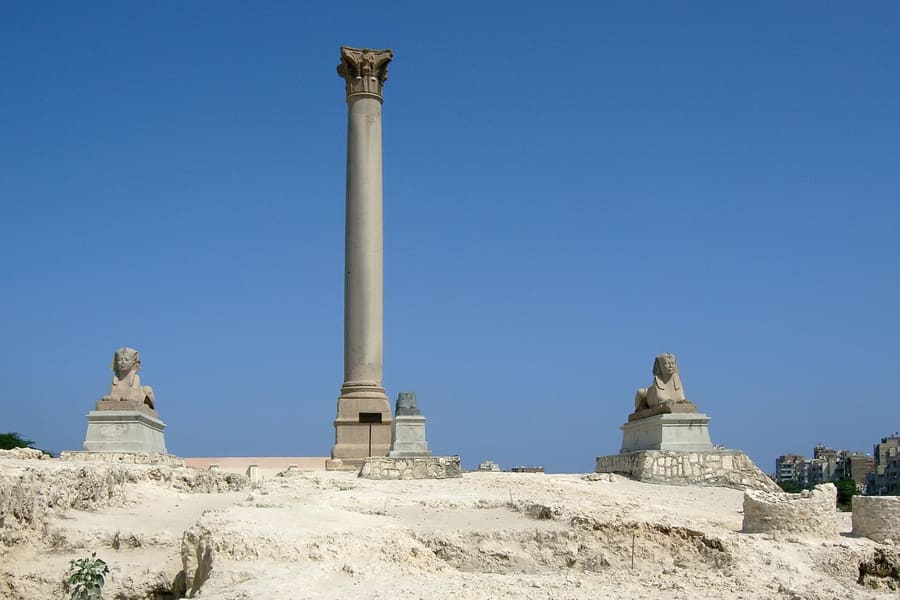
landmark
A 27-meter red Aswan granite column standing over the Serapeum temple ruins. Ticket covers the underground galleries.
问问 Parley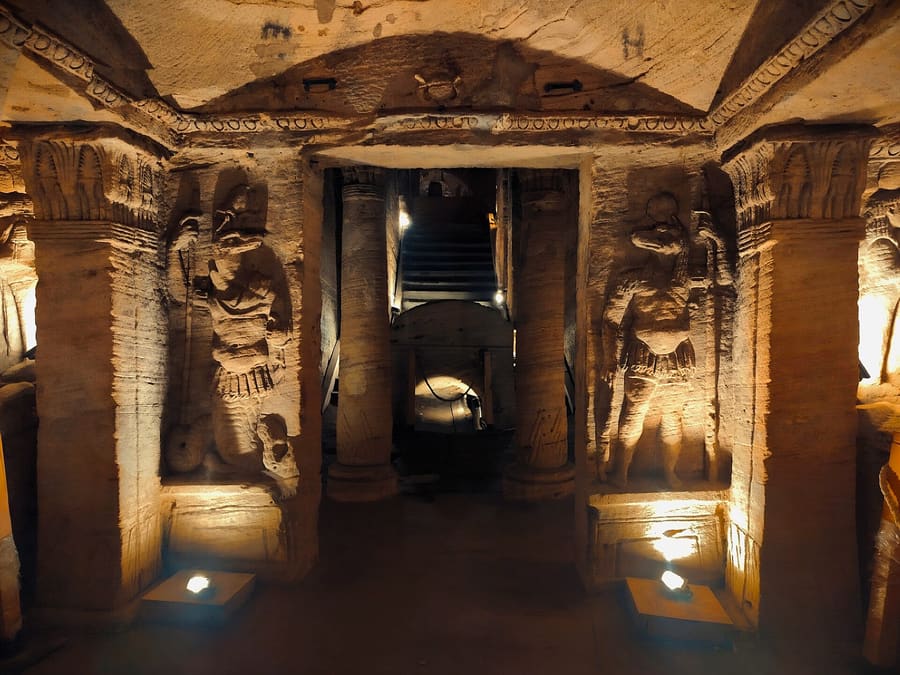
landmark
Three tiers of subterranean tombs blending Egyptian and Roman art. Wear shoes with reliable grip on damp stone stairs.
问问 Parley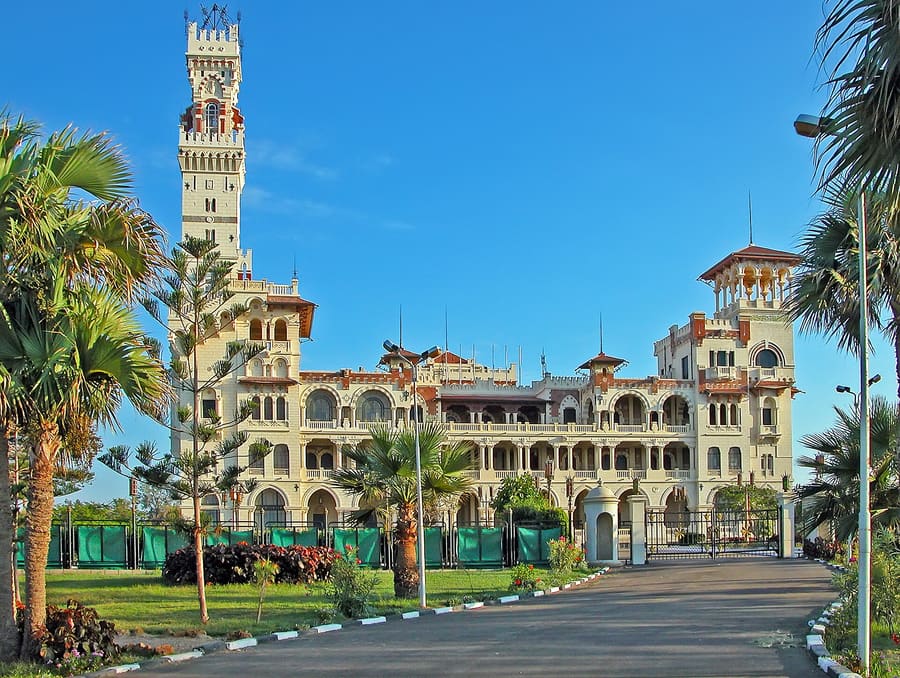
landmark
Former royal coastal gardens surrounded by pine and palm trees. Entrance fees apply at the outer security gate.
问问 Parley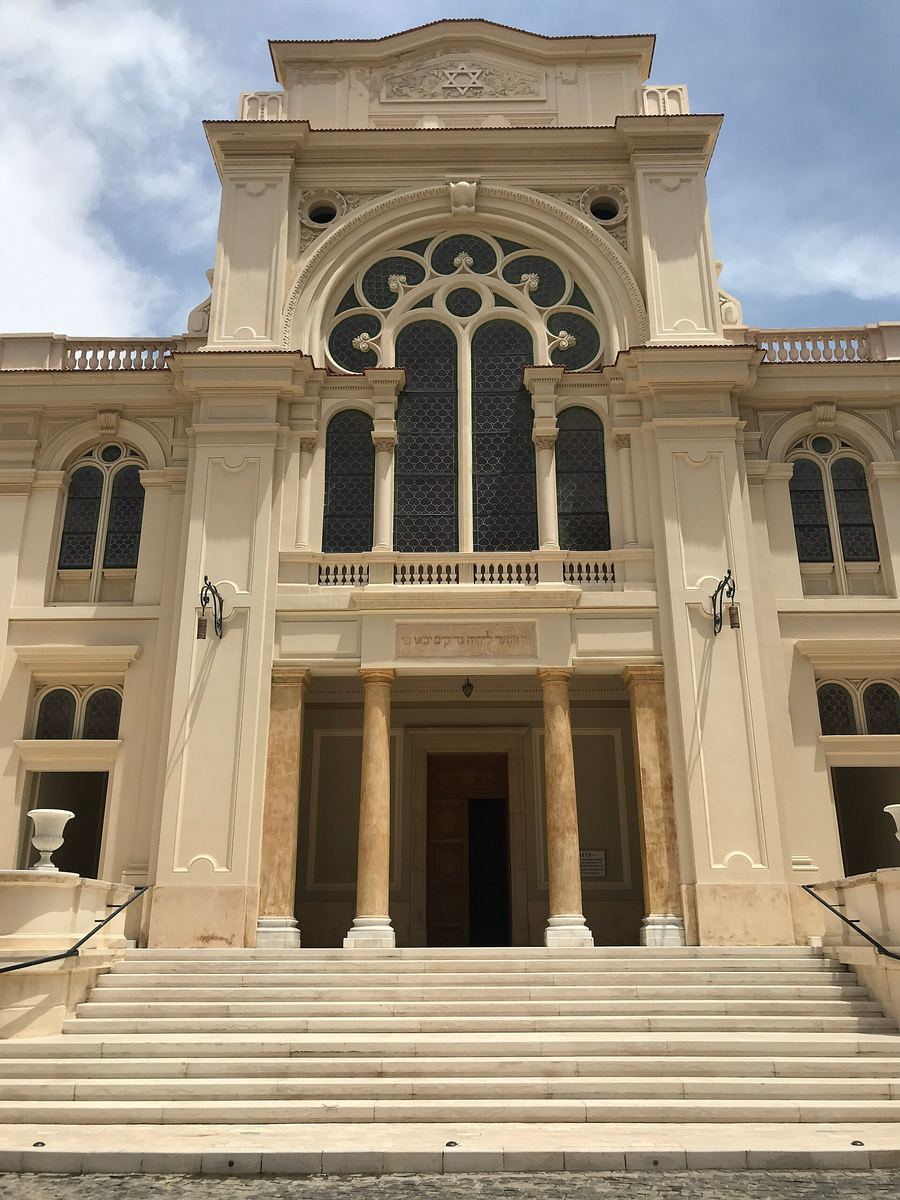
landmark
A restored 1850s Italianate synagogue in the old city. Passport verification is required at the outer gate.
问问 Parleyattractions
areas
Salty, noisy, and traditional. The heart of the city's fishing industry and boatyards.
附近Citadel of Qaitbay and Abu al-Abbas al-Mursi Mosque
问问 ParleyCommercial hub with French-built squares, spice markets, and tailors.
附近Eliyahu Hanavi Synagogue and Souq el-Attarine
问问 ParleyCentral transit hub filled with historic patisseries and shipping offices.
附近Bibliotheca Alexandrina and Raml Station
问问 ParleyModern residential coast with high-rise apartment blocks and public beaches.
附近Montaza Palace and San Stefano Mall
问问 Parleyfood
Alexandria eats differently from Cairo. Seafood dominates local menus, bought fresh at the morning markets in Bahary and prepared to order. You select raw fish, shrimp, or squid from ice display trays, pay by weight, and specify the cooking method: split open and baked or grilled with seasoned chopped vegetables (singari), prepared with oil and lemon (zeit wa lamoon), or fried.
Fresh Mediterranean fish grilled with garlic, lemon, and herbs in Bahary.
Frits Hoogesteger at nl.wikibooks · CC BY-SA 3.0Traditional fish restaurants charge per kilogram based on the day's catch. Price includes basic side salads and pita bread.
Local street stalls serve Alexandrian liver cooked with green chili, garlic, and cumin in small bread rolls. Order it fresh off the hot plate.
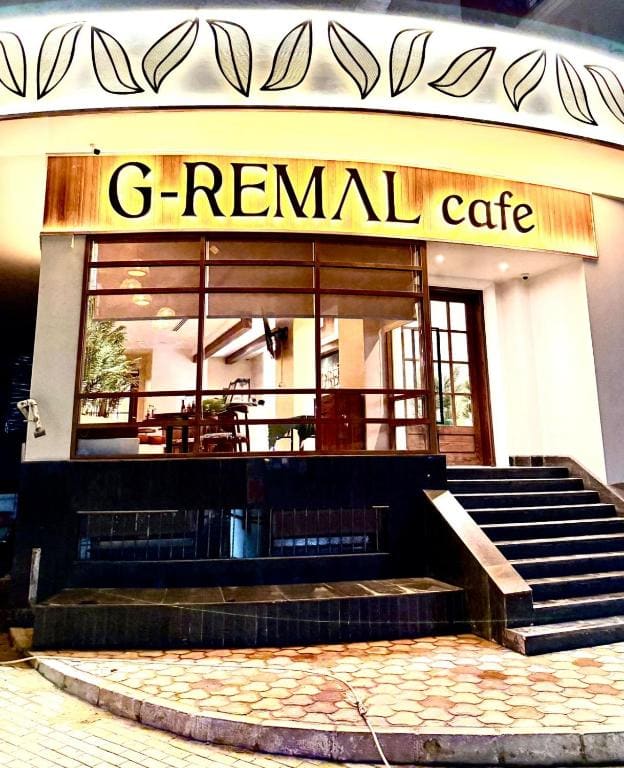
Grand mid-century cafes around Raml Station serve Greek and Italian-style pastries alongside espresso and Turkish coffee.
history
Alexander the Great founded the city in 331 BC to link Macedonia with the Nile Valley. Under Ptolemaic rule, it became the intellectual capital of the Mediterranean basin before falling to Rome. Earthquakes and coastal subsidence eventually sank much of the ancient royal quarters into the harbor.
City foundation
Alexander the Great orders Dinocrates to lay out a grid city between the Mediterranean and Lake Mareotis.
Roman annexation
Octavian takes Alexandria after the deaths of Cleopatra VII and Mark Antony, making Egypt a private Roman province.
Citadel construction
Mamluk Sultan Al-Ashraf Qaitbay builds a defensive fortress over the ruins of the collapsed Pharos Lighthouse.
British bombardment
Royal Navy ships shell the city's fortifications, initiating seven decades of British military presence.
Bibliotheca opens
The Bibliotheca Alexandrina opens near the ancient library's original location.
where to stay
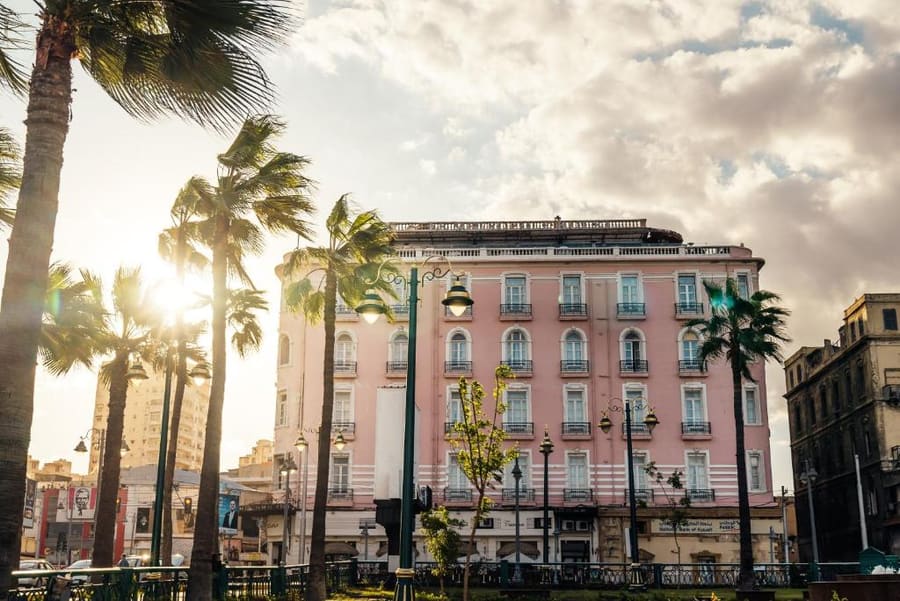
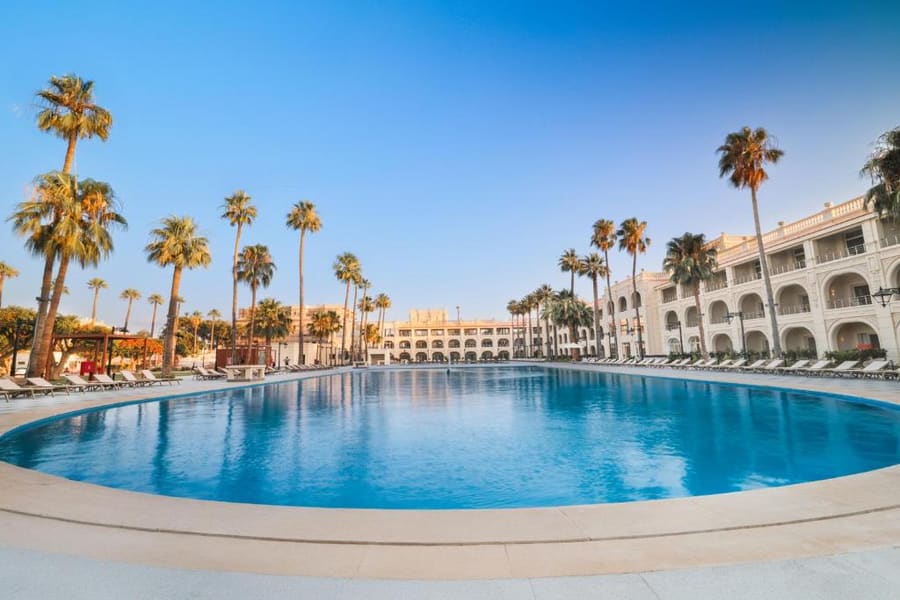
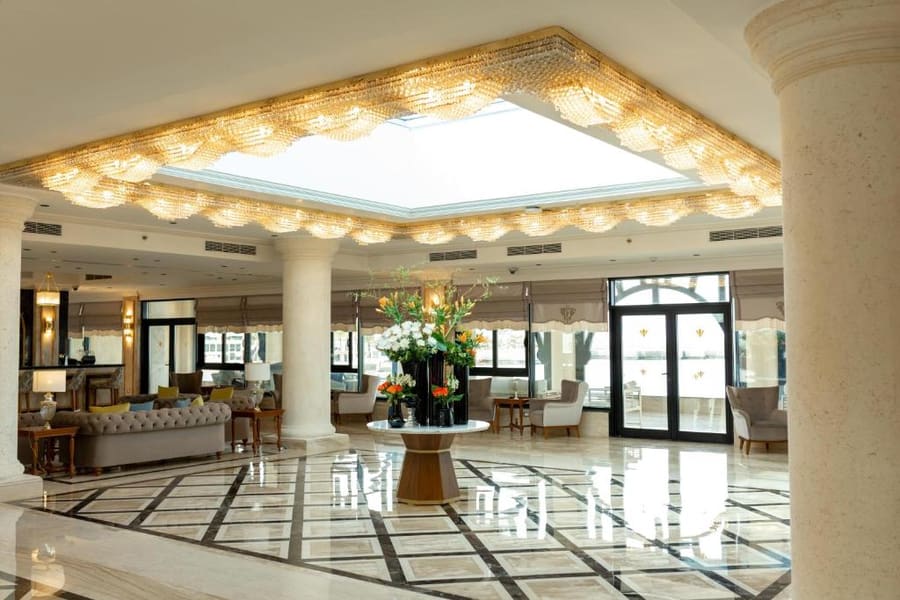
Choose your accommodation based on how far you want to be from the historic sights. Central stays put you within walking distance of museums and old cafes, but traffic noise is continuous. Eastern stays offer modern luxury towers and private sea access, but require 30-minute rides to reach historical landmarks.
transport
Alexandria runs horizontally along the coast. The primary transit axis follows the Corniche highway and parallel inner avenues. Hail rideshare cars for reliable fares, or ride the historic tramway for slow, cheap travel through central neighbourhoods.
The Alexandrian tram system is one of the world's oldest. Line 1 and Line 2 run east-west; buy physical paper tickets from conductors onboard.
Street taxis lack meters. App-based rideshare avoids fare disputes, especially during late hours.
Use pedestrian underpasses where available. Driver speeds along the seafront highway are fast and unpredictable.
Eastbound coastal traffic backs up severely between 14:00 and 17:00 when schools and offices finish.
cost
Daily costs in Alexandria run lower than in Cairo or Red Sea resorts. Seafood prices depend on weight and market availability. Always carry physical Egyptian pounds in small bills for local transport and small markets.
Includes fresh grilled fish, rice, salads, and tea at seafood joints.
One-way ride anywhere on the central blue or yellow network.
Standard entry rate for non-Egyptian visitors at state archaeological sites.
Covers a 5km route along the central Corniche.
seasonality
MAR – MAY
Mild spring temperatures and clear skies. Ideal for walking around outdoor ruins and central avenues.
JUN – SEP
Domestic beach rush fills the city. Hotel prices peak and traffic jams stretch along the seafront.
OCT – NOV
Warm sea temperatures with light crowds. Mediterranean weather stays pleasant into late autumn.
DEC – FEB
Cold sea winds and winter storms (Nawa). Lower hotel rates, but outdoor sightseeing gets damp.
practicalities
State ticket counters require credit or debit cards for monument entry. Cash is rejected at site ticket boxes.
Public beaches require modest swimwear. Hotel private beaches maintain relaxed international dress codes.
Coastal air humidity stays high year-round. Pack breathable cotton clothes for summer walking.
Winter brings sudden downpours known as Nawa. Check marine forecasts if taking harbor boat tours.