landmark
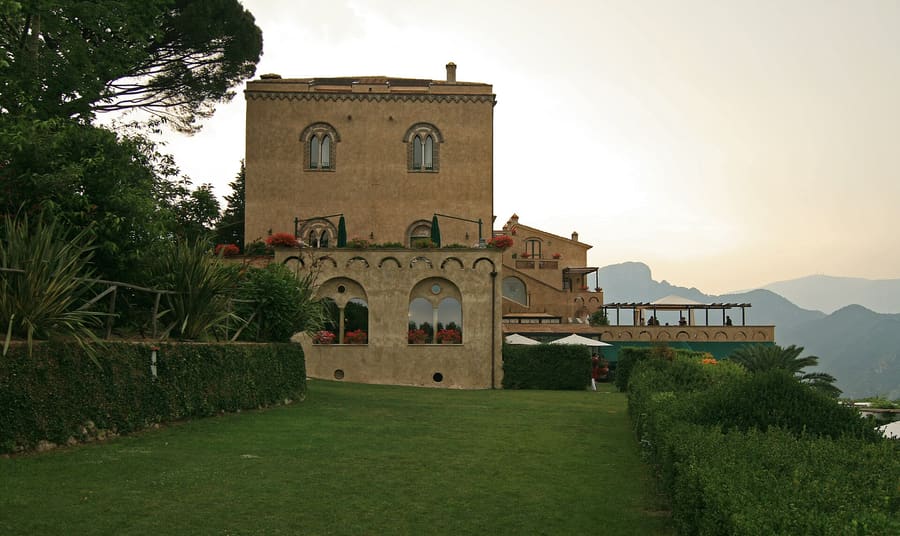
Villa Cimbrone
Cliffside estate featuring marble busts along the Infinity Terrace. Visit early at 09:00 to bypass tour groups.
问问 Parley意大利
Vertical cliffs, ancient trade routes, and marine transit.
introduction
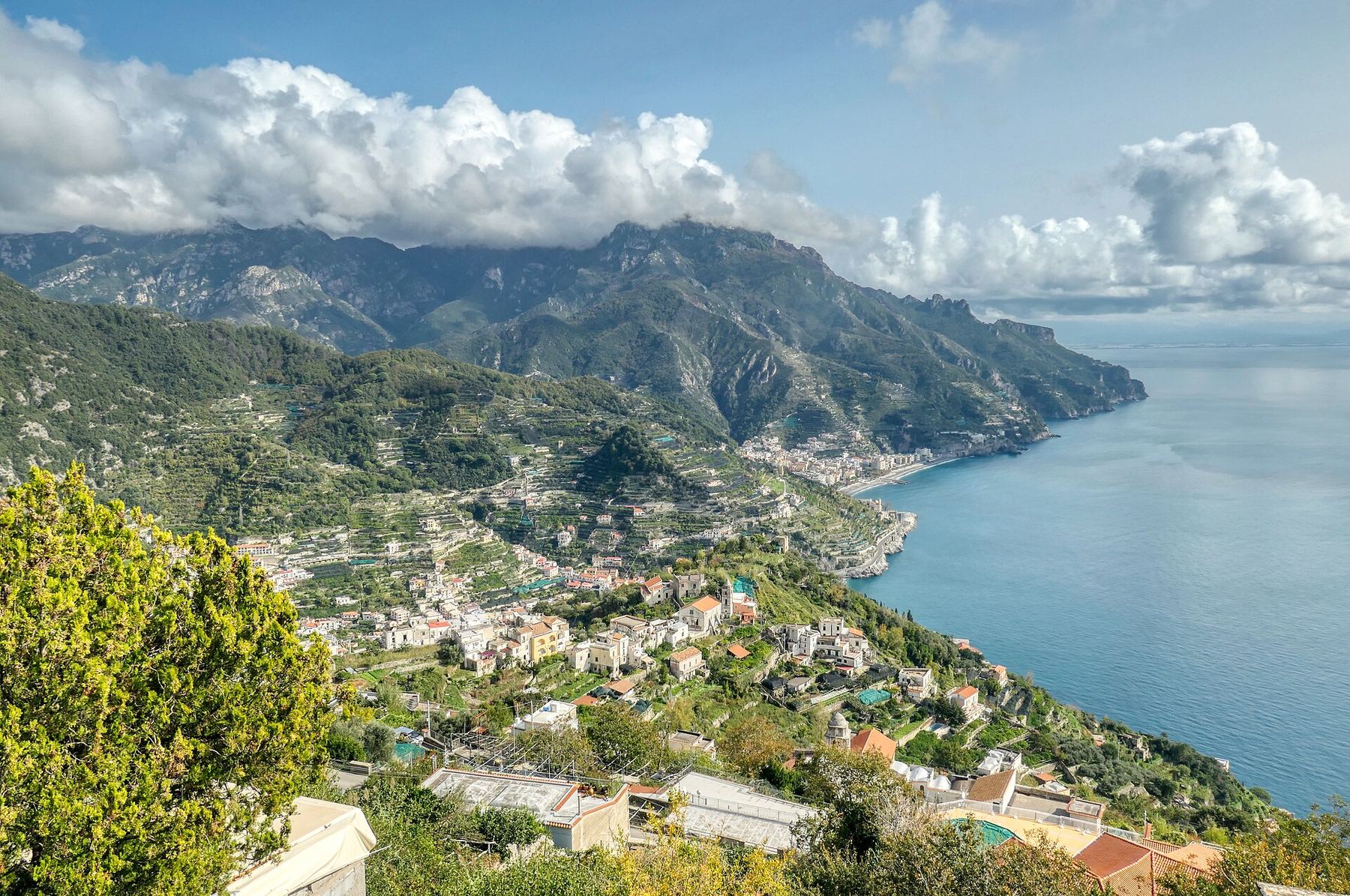
The Amalfi Coast is a 50-kilometer stretch of steep limestone cliffs along Italy's Sorrentine Peninsula. Roads are narrow and heavily congested, making water travel the efficient choice between coastal towns. Each village trades vertical real estate for distinct access to harbors, hiking trails, or elevated mountain vistas.
Arrival vector
Take the Travelmar ferry from Salerno train station instead of the bus. You bypass the narrow SS163 coastal road traffic entirely.
UNESCO landscape status
UNESCO designated the coastline a World Heritage site in 1997. The award recognizes its terraced agricultural slopes and historical towns.
Bus ticket rule
Buy SITA bus tickets at tobacco shops or newsstands before boarding. Drivers do not sell tickets on the bus.
Amalfi Coast
Donar Reiskoffer · CC BY 3.0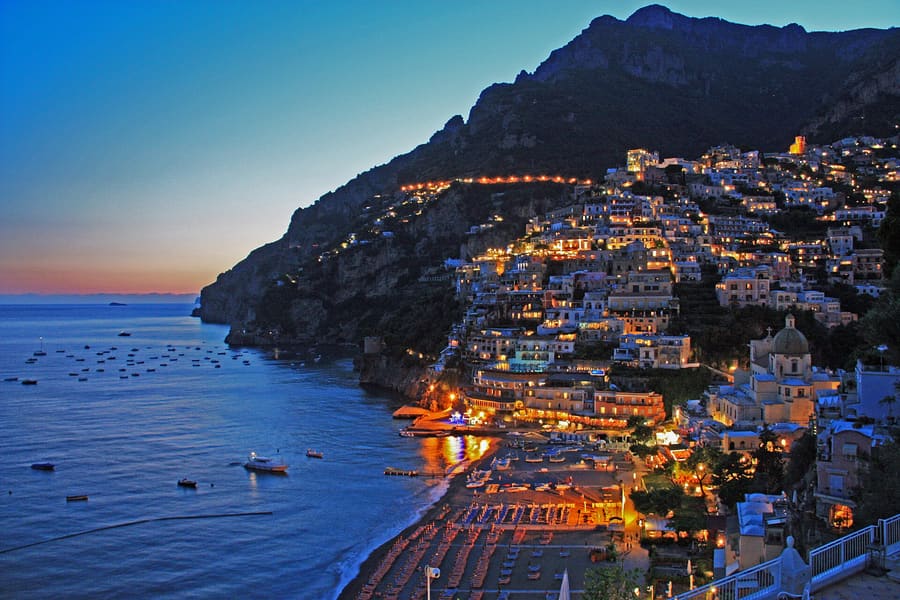
Positano — Vertical village filled with luxury boutiques, steep pedestrian staircases, and direct ferry links.
JeCCo · CC BY 4.0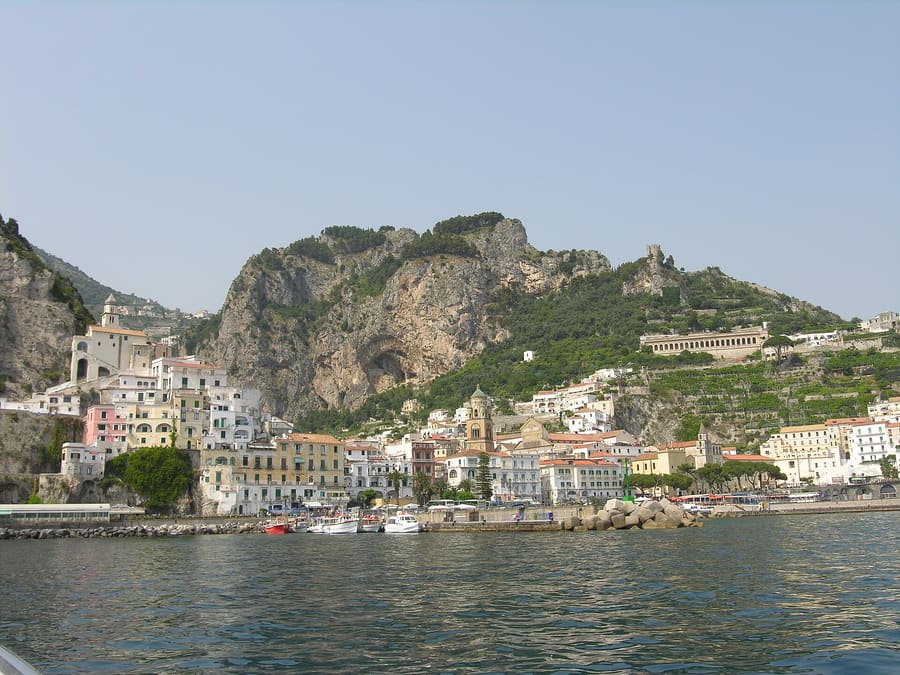
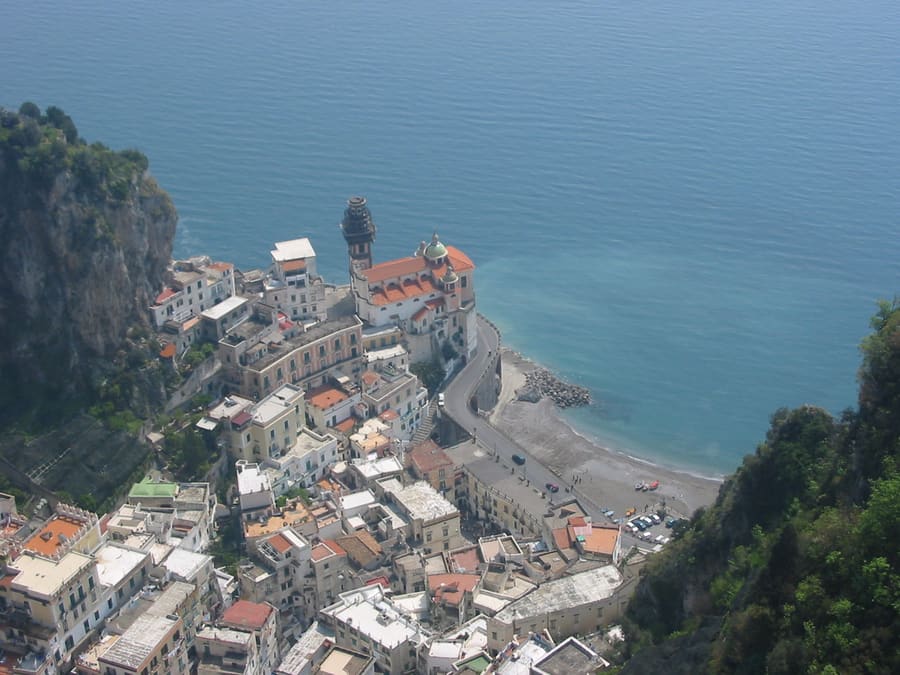
Amalfi — Central transport hub featuring flat central plazas, major boat docks, and historic trade routes.
No machine-readable author provided. Sudodana2048 assumed (based on copyright claims). · CC BY-SA 3.0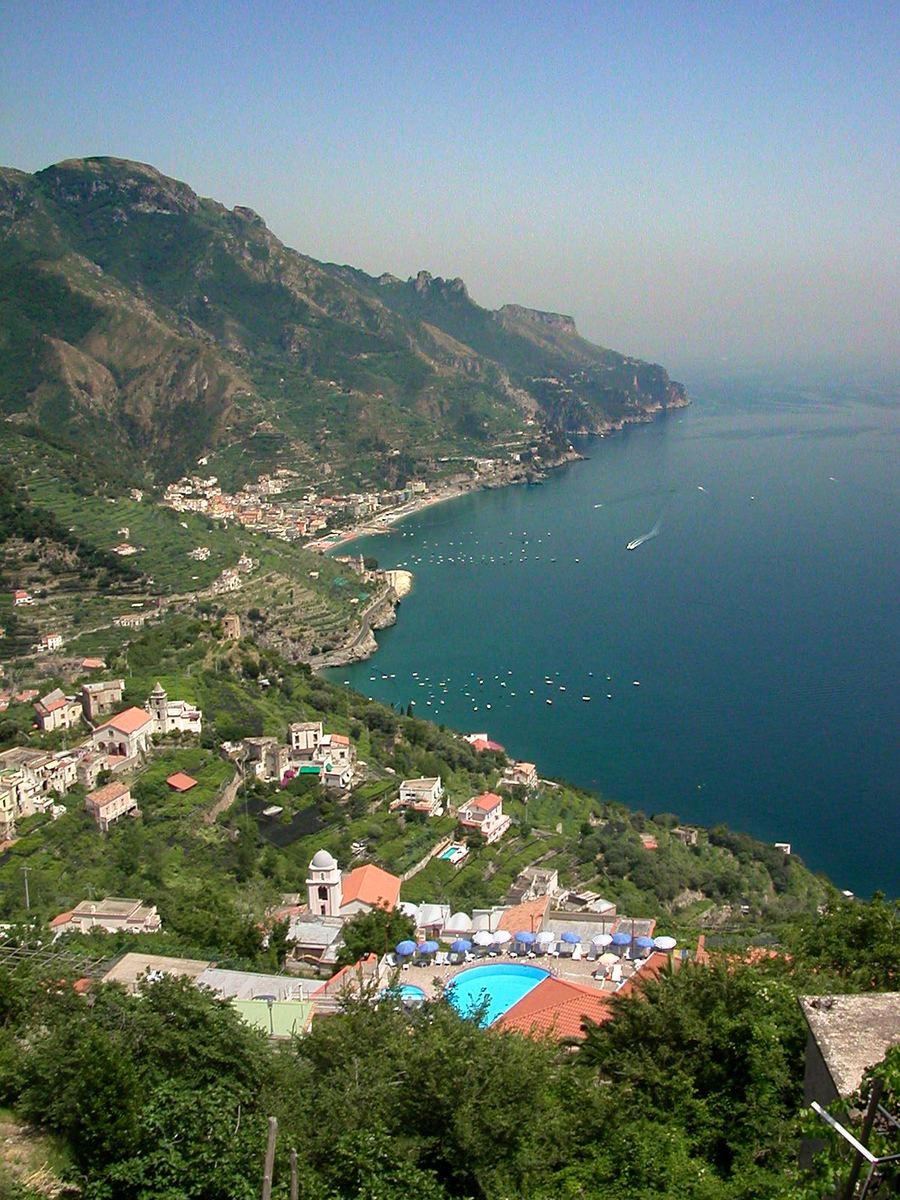
Ravello — Quiet hill town situated 350 meters above sea level, known for historic villas and garden terraces.
Matt c j486 at English Wikipedia · CC BY-SA 3.0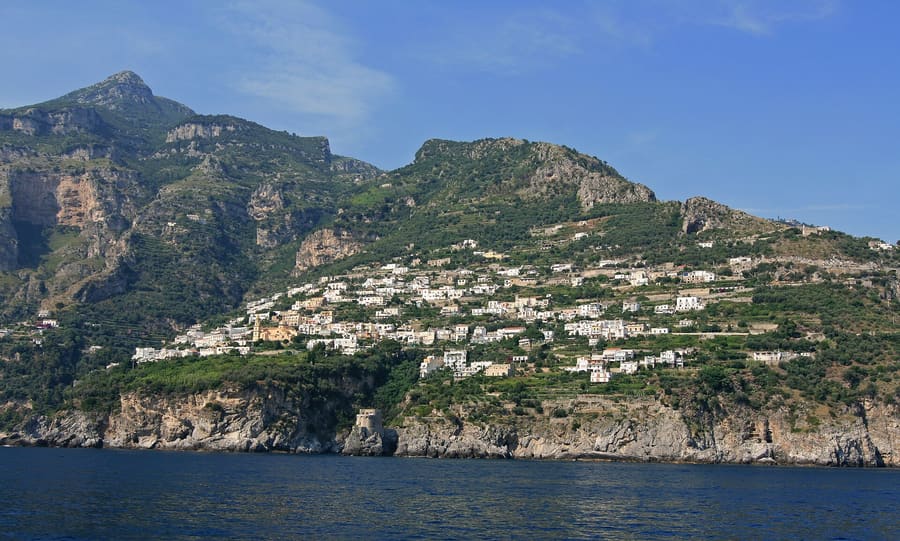
Praiano — Residential cliffside town facing south, offering late evening sun and local seafood restaurants.
Jensens · Public domain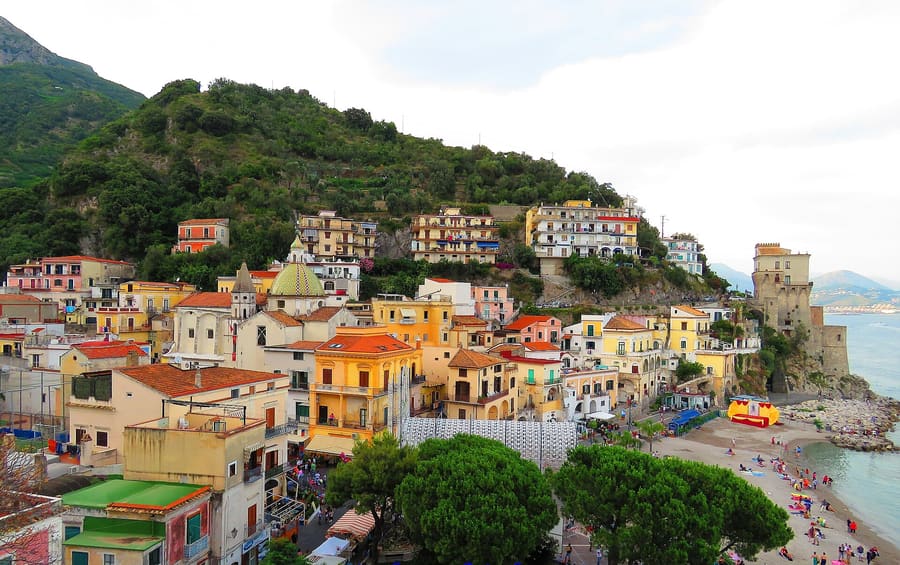
The harbor at Cetara, the historical center of the region's anchovy fishing industry.
Gianfranco Vitolo · CC BY 2.0highlights
landmark
Cliffside estate featuring marble busts along the Infinity Terrace. Visit early at 09:00 to bypass tour groups.
问问 Parley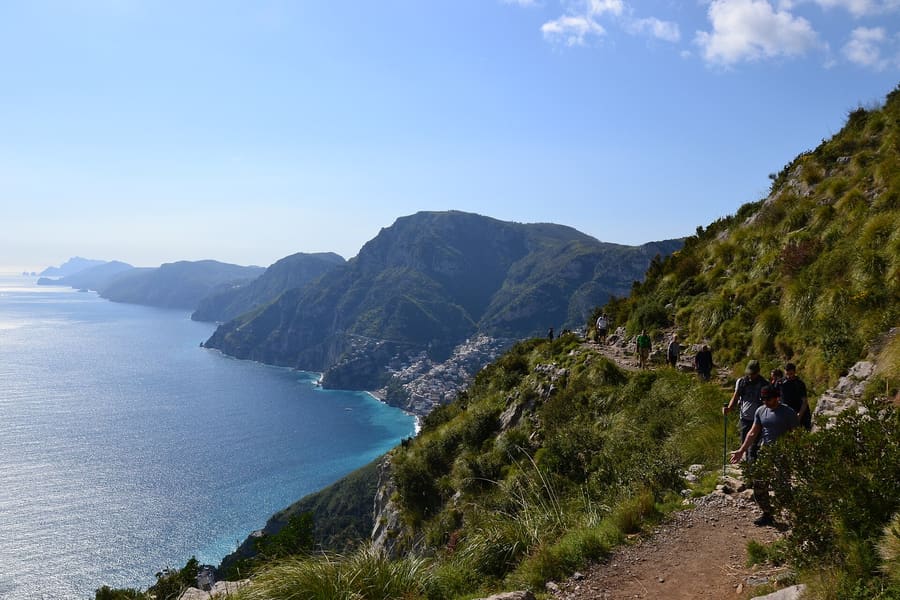
landmark
A 7.8-kilometer ridge trail from Bomerano to Nocelle. Hike downhill west to keep the sea view in front of you.
问问 Parley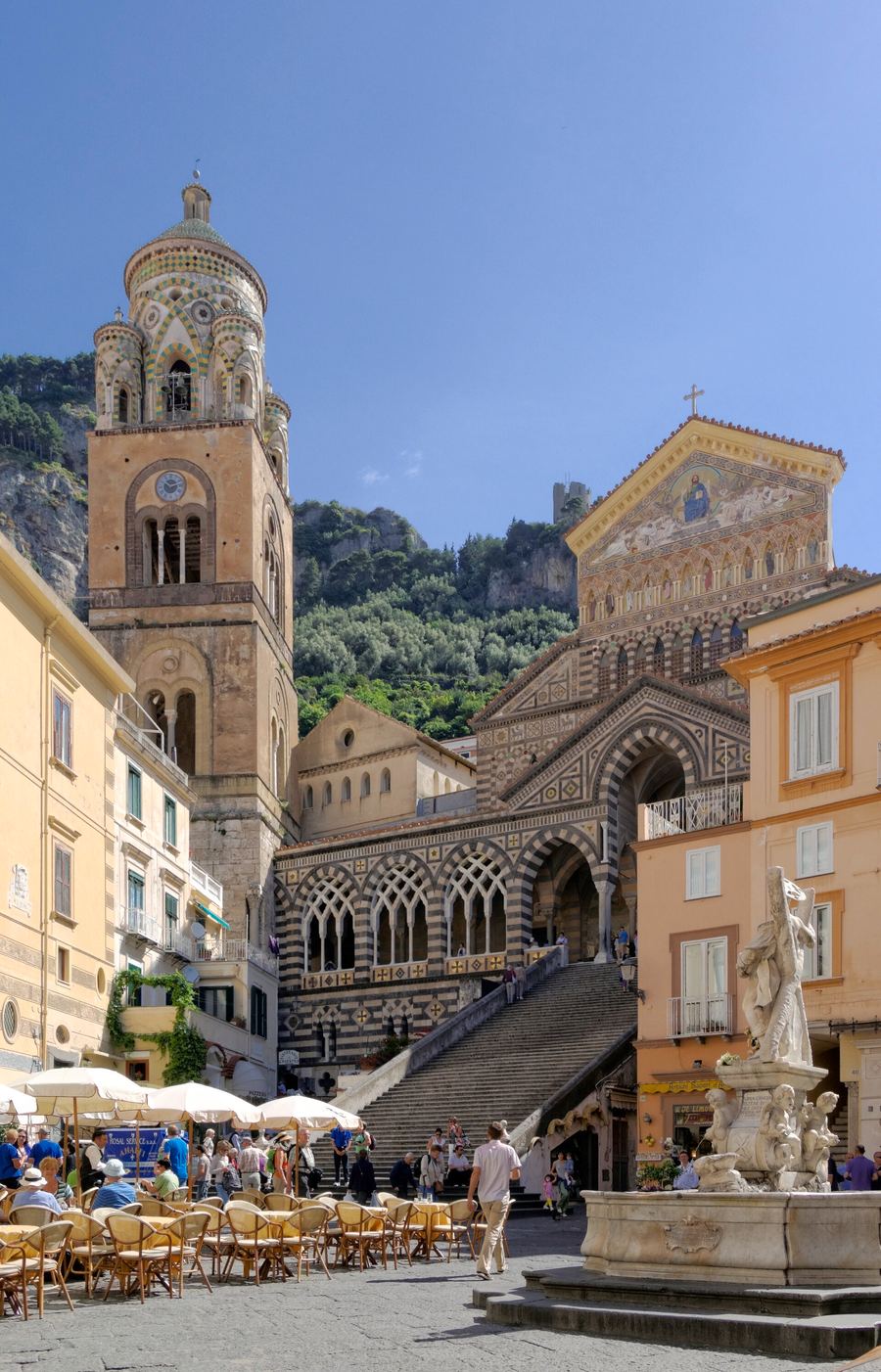
landmark
A 9th-century cathedral with Arab-Norman arches and bronze doors cast in Constantinople. Entry includes the Cloister of Paradise.
问问 Parley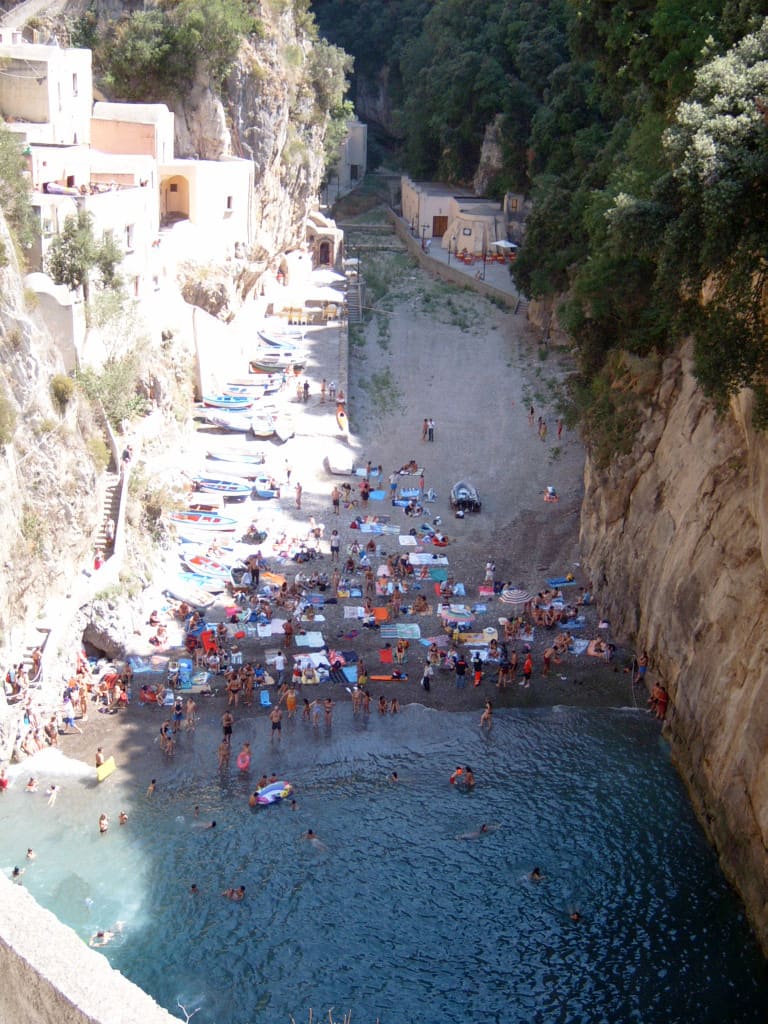
landmark
A narrow coastal gorge spanned by a 30-meter bridge. Parking is impossible, so arrive via local bus.
问问 Parley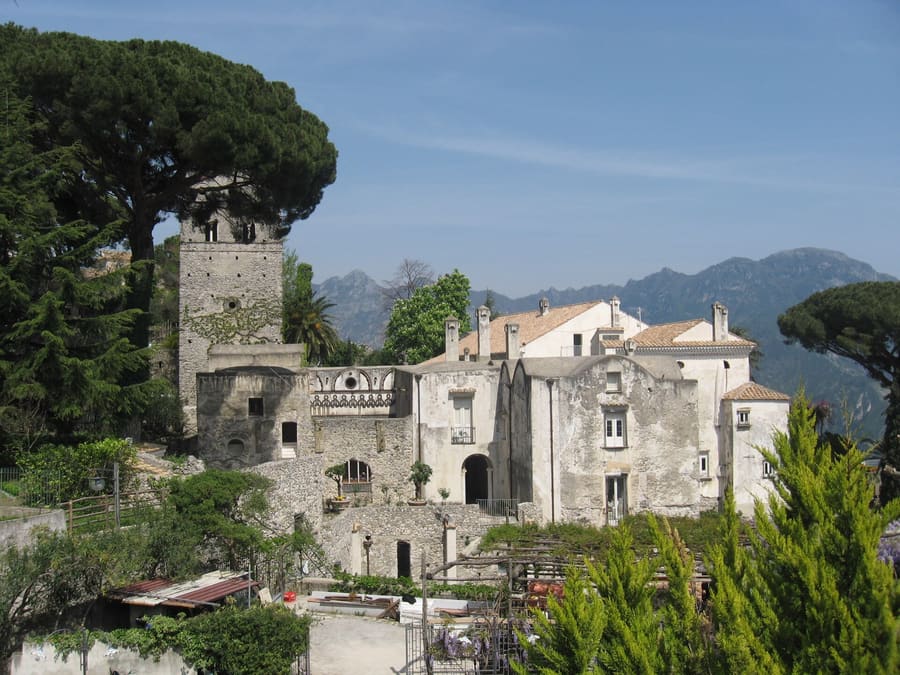
landmark
Historical gardens overlooking the Gulf of Salerno. It hosts classical summer concerts on an overhanging platform.
问问 Parleyattractions
areas
Vertical village filled with luxury boutiques, steep pedestrian staircases, and direct ferry links.
附近Path of the Gods terminus, Capri ferry lines
问问 ParleyCentral transport hub featuring flat central plazas, major boat docks, and historic trade routes.
附近Duomo, Valle dei Mulini, Atrani
问问 ParleyQuiet hill town situated 350 meters above sea level, known for historic villas and garden terraces.
附近Villa Cimbrone, Villa Rufolo
问问 ParleyResidential cliffside town facing south, offering late evening sun and local seafood restaurants.
附近Marina di Praia, Fiordo di Furore
问问 Parleyfood
Amalfi cuisine revolves around citrus, preserved seafood, and handmade pasta shapes designed to catch heavy sauces. The region uses the Sfusato Amalfitano lemon, a protected thick-skinned variety grown on steep stone terraces along the coast. In Cetara, fishermen preserve anchovies in oak barrels using traditional Roman techniques, producing a concentrated savory liquid called colatura. Coastal menus feature scialatielli, a thick, flat pasta cut short and enriched with fresh basil and locally caught seafood.
The harbor at Cetara, the historical center of the region's anchovy fishing industry.
Gianfranco Vitolo · CC BY 2.0Order spaghetti tossed with garlic, olive oil, chili, and colatura di alici specifically in Cetara, where the sauce is produced.
Eat this pastry where it was invented in Conca dei Marini. It is larger than the Neapolitan version and contains pastry cream with black cherries.
Avoid cheap green-tinted lemon liqueurs sold in plastic tourist bottles. Genuine local limoncello uses pure peel infusing alcohol to a opaque yellow.
history
The coast evolved from a medieval maritime power into a terraced agricultural network before turning into a world tourism destination. Isolated by steep terrain, towns depended on sea routes for trade and survival for centuries.
Maritime Republic
Amalfi gains independence from the Duchy of Naples, establishing the first Maritime Republic in Italy and controlling Mediterranean trade routes.
SS163 Construction
King Ferdinand II completes the SS163 road, connecting isolated cliffside villages by land for the first time in history.
UNESCO Designation
The UNESCO committee adds the Amalfi Coast to the World Heritage list, protecting its terraced landscape from modern overdevelopment.
where to stay
Base selection dictates your daily logistics on the peninsula. Choosing a town with direct ferry access eliminates transit delays along the narrow coastal highway. If you prioritize late evening sun and quieter nights, choose Praiano; if you need easy boat connections, choose Amalfi.
transport
The single road along the cliff face (SS163) experiences heavy gridlock from May to October. Moving by water using Travelmar or NLG ferries is faster, reliable, and immune to road traffic. SITA Sud buses connect all towns but operate over capacity during summer peak hours.
从Naples International Airport (NAP)出发
Direct service from NAP to Amalfi Coast; advance booking recommended in summer.
Alibus to Naples Port, then ferry. Bypasses SS163 gridlock completely.
Request official fixed rate before departing. Heavy road traffic May-Oct.
Train to Salerno, then SITA bus. Buy physical bus tickets before standing in line.
Ferries run frequently between Salerno, Cetara, Maiori, Minori, Amalfi, and Positano. A single ticket costs €9 to €15 depending on distance.
During peak summer months, rental cars are restricted on the SS163 based on odd or even license plate numbers matching the calendar date.
Buy physical bus tickets before standing in line. Single rides cost between €2.40 and €3.20 depending on zones.
Rent a scooter only if you have extensive riding experience. Roads are narrow, blind curves are frequent, and tour buses take up both lanes.
cost
Prices along the coast reflect heavy geographic constraints and tourism demand. Beach space and cliffside logistics drive up baseline service costs significantly compared to inland Campania.
Front-row loungers at private beach concessions in Positano or Amalfi cost more than back-row seats.
Standard adult single fare on Travelmar routes between neighboring towns along the coastline.
Standing at the counter keeps price standard; sitting at outdoor tables doubles or triples the charge.
Standard entry tickets for historic sites like Villa Cimbrone or Villa Rufolo in Ravello.
seasonality
MAR – MAY
Wildflowers bloom along high paths. Ferry schedules begin expanding, while road traffic remains manageable.
JUN – AUG
Sea water is warm. Coastal road gridlock peaks and beach sunbeds require booking days in advance.
SEP – OCT
Sea temperatures stay warm through October. Crowd levels drop significantly after mid-September.
NOV – FEB
Ferry services stop, many hotels and restaurants close, and high winds often shut down boat transport.
practicalities
Pay for luggage porter services at Positano or Amalfi piers. Carrying heavy bags up vertical stone staircases is difficult.
High swells and south winds can cause boat cancellations without warning. Always check morning weather forecasts.
The Path of the Gods features minimal shade. Start hiking before 08:30 during summer months to avoid extreme heat.
Shoulders and knees must be covered to enter the Amalfi Cathedral and local parish churches.
Keep cash on hand for small beach shuttles, public restrooms, and small lemon stands along hiking trails.