landmark
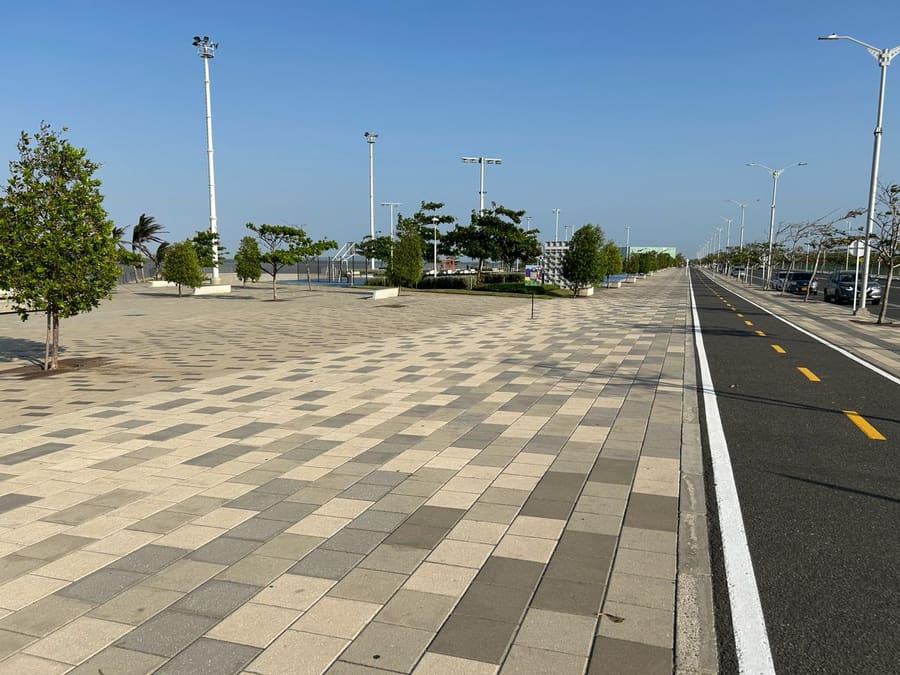
Gran Malecón del Río
A 5-kilometre paved boardwalk along the Magdalena River. Visit after 17:00 when temperatures drop and food stalls open.
问问 Parley哥伦比亚
Colombia's Caribbean river port of industry, heat, and salsa.
introduction
Barranquilla is a working port city defined by the Magdalena River rather than tourist beaches. Most activity centres around the northern residential districts and the revitalised Gran Malecón boardwalk. You navigate the city primarily by ride-hailing apps or official taxis, as pedestrian walkways drop off outside main commercial corridors. Expect intense year-round heat and a culture anchored in live music, street food, and industrial grit.
Airport transport strategy
Ernesto Cortissoz Airport (BAQ) sits 12 kilometres south of the city centre. Fixed-rate official taxis line up outside arrival halls.
UNESCO intangible heritage
UNESCO declared the Carnival of Barranquilla an Intangible Cultural Heritage of Humanity in 2008. Parades occur every February or March.
Arroyos and rainy season
Heavy rain causes flash floods called arroyos in streets without storm drains. Stay indoors when rain starts in afternoon hours.
Barranquilla
Bryantalv · CC BY-SA 4.0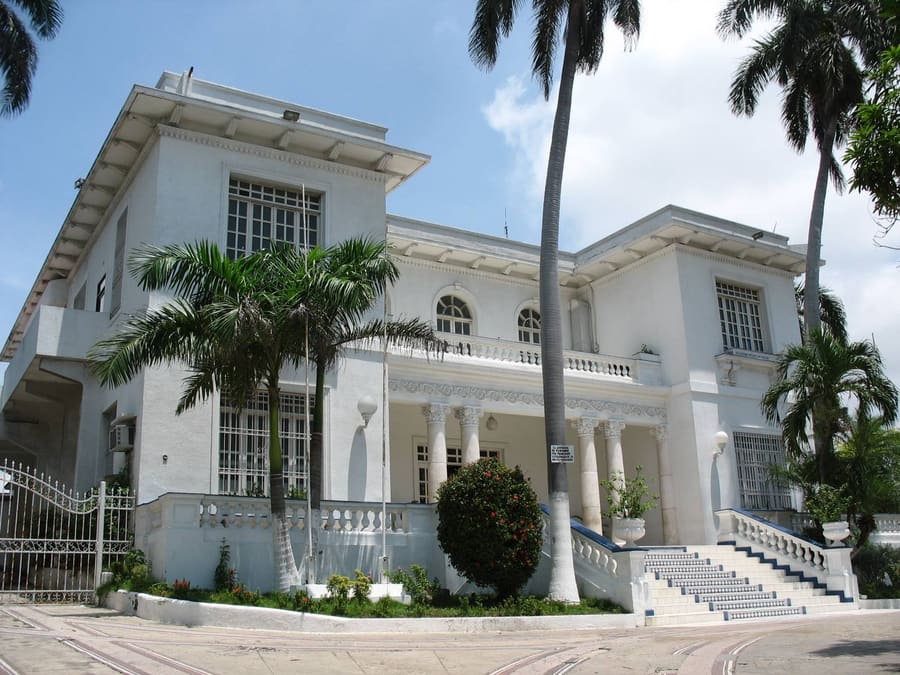
El Prado — Shaded avenues with early 20th-century mansions built during the port's commercial peak.
Jdvillalobos · CC BY 3.0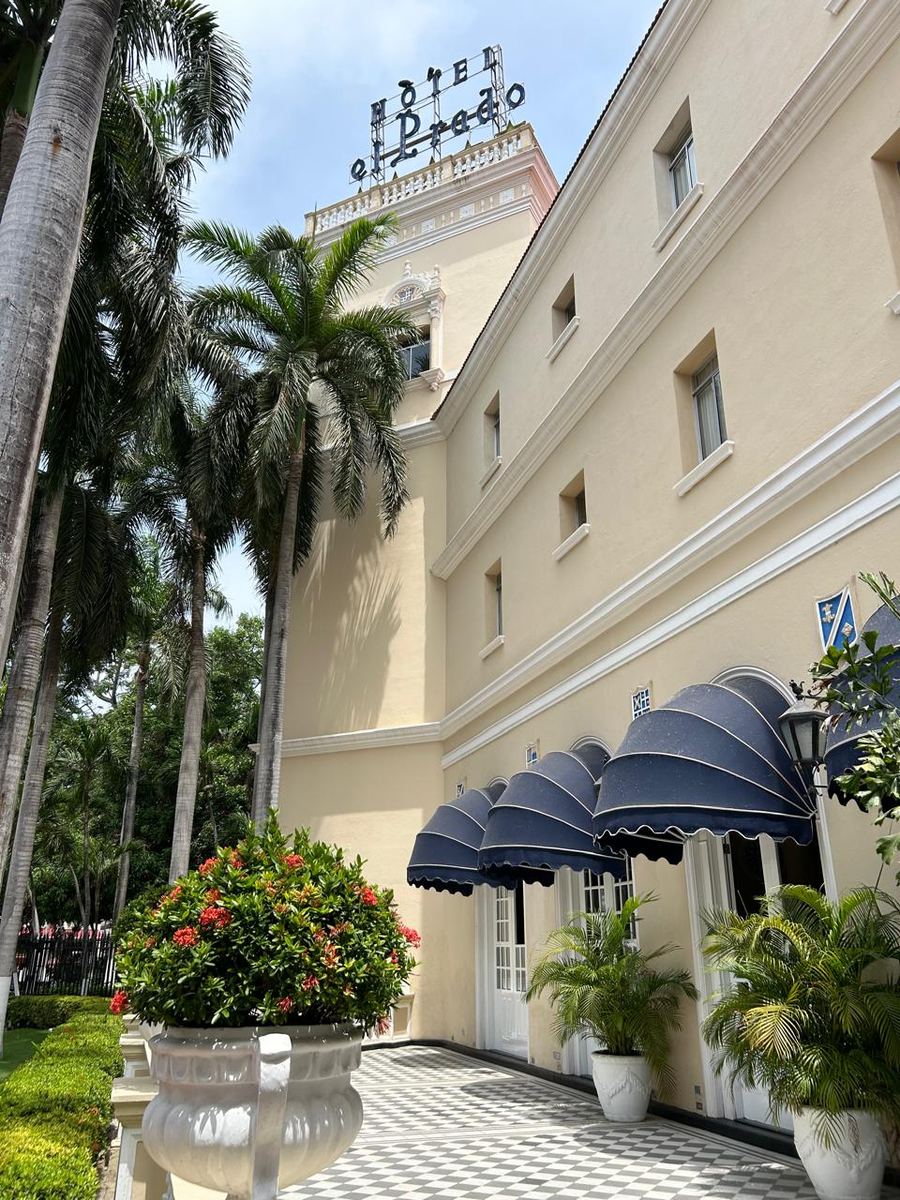
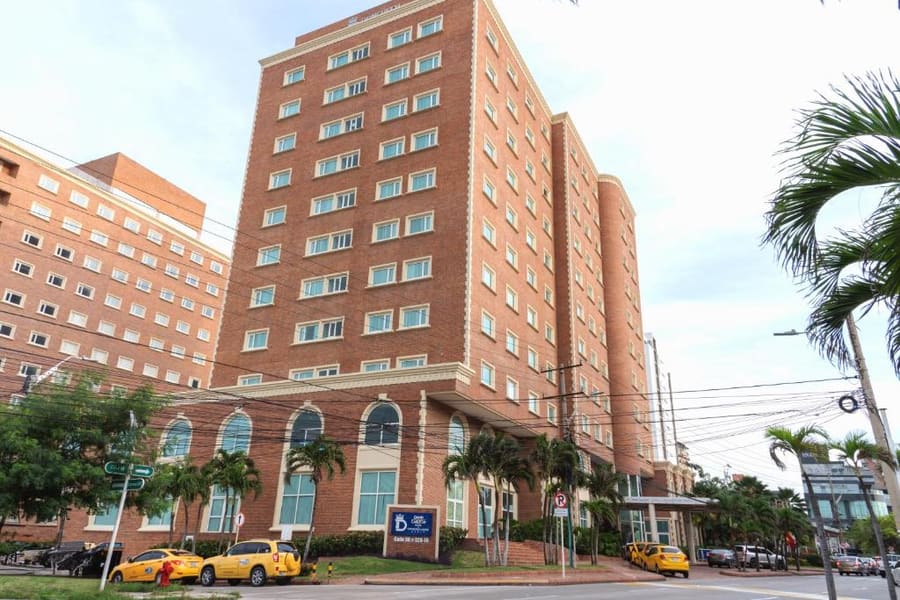
Alto Prado — An affluent neighborhood packed with cocktail bars, specialty cafes, and high-end restaurants.
Jdvillalobos · CC BY-SA 4.0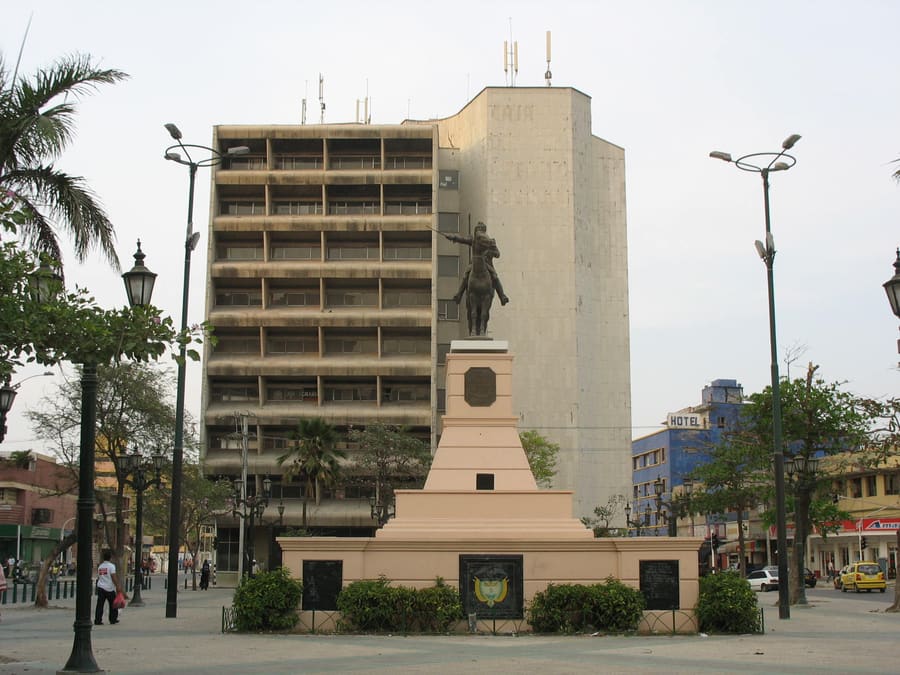
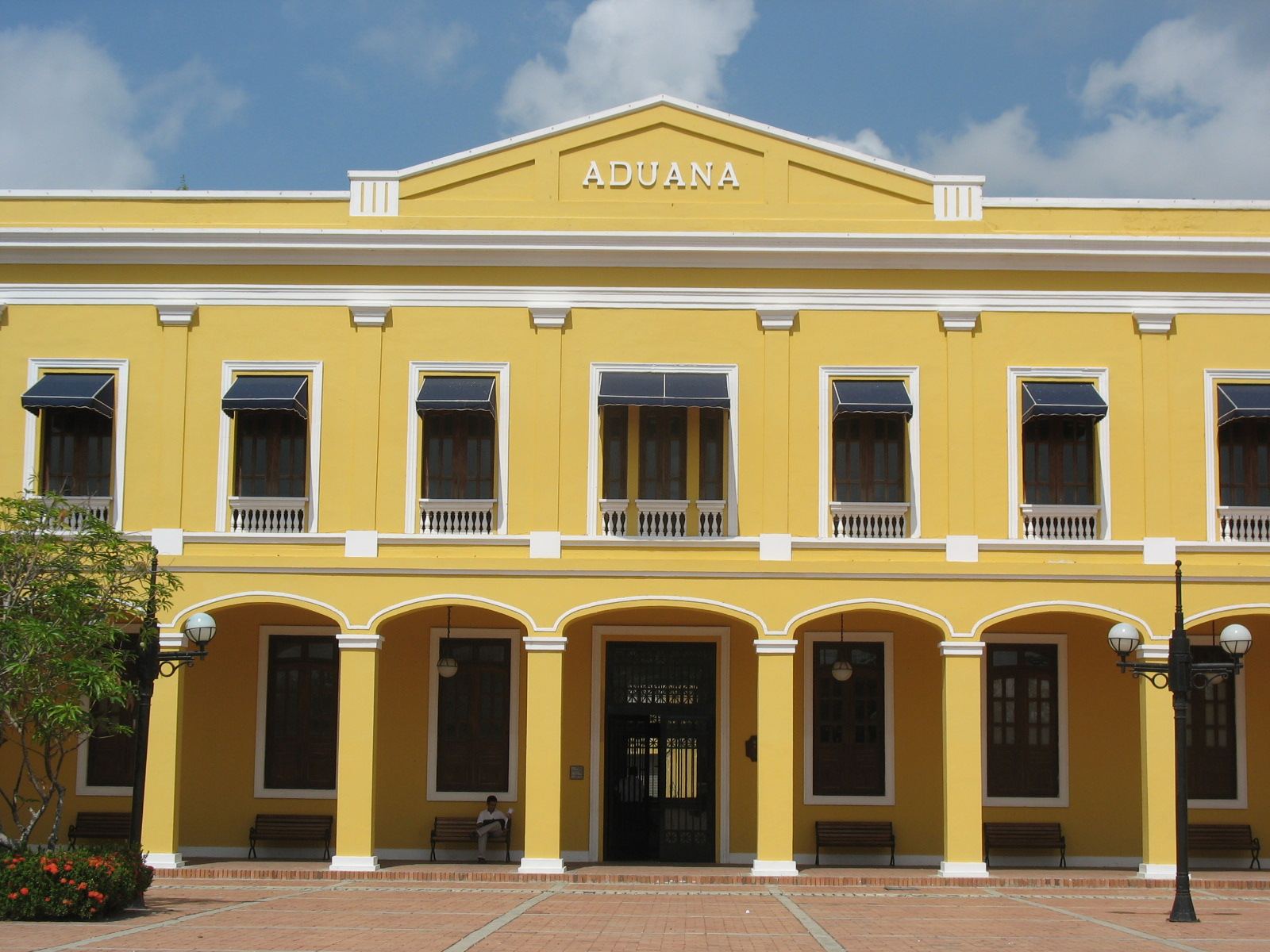
Centro Histórico — Dense commercial core filled with street markets, textile shops, and historical plazas.
Jdvillalobos · Public domain
Arroz de lisa wrapped in banana leaf, served with yucca and suero costeño.
Andy / Andrew Fogg from near Cambridge, UK · CC BY 2.0highlights
landmark
A 5-kilometre paved boardwalk along the Magdalena River. Visit after 17:00 when temperatures drop and food stalls open.
问问 Parley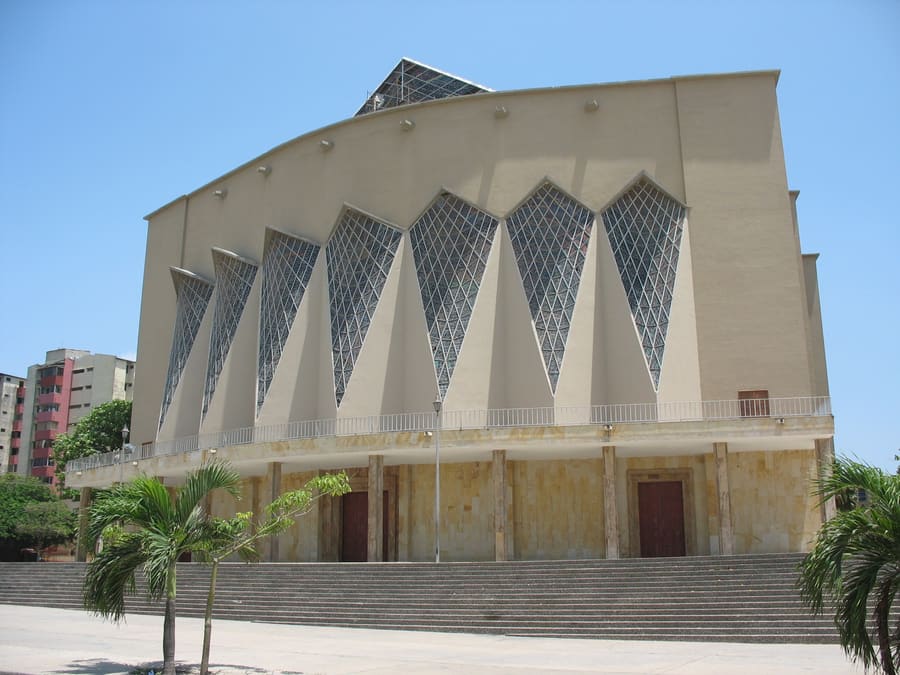
landmark
A modern concrete cathedral facing Plaza de la Paz. The interior features a massive metal Christ sculpture.
问问 Parley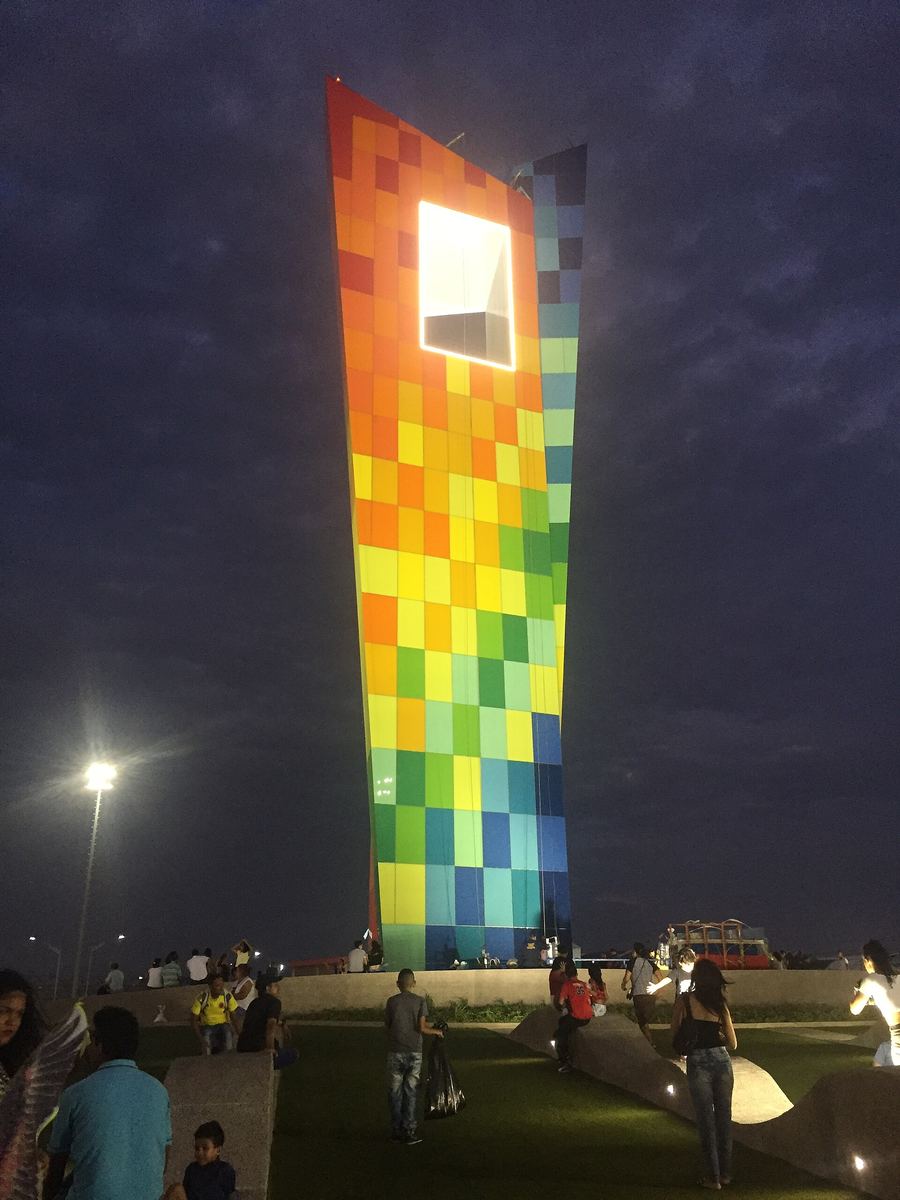
landmark
A 47-metre colourful glass tower on a highway roundabout. Take a taxi directly to the site for photos.
问问 Parley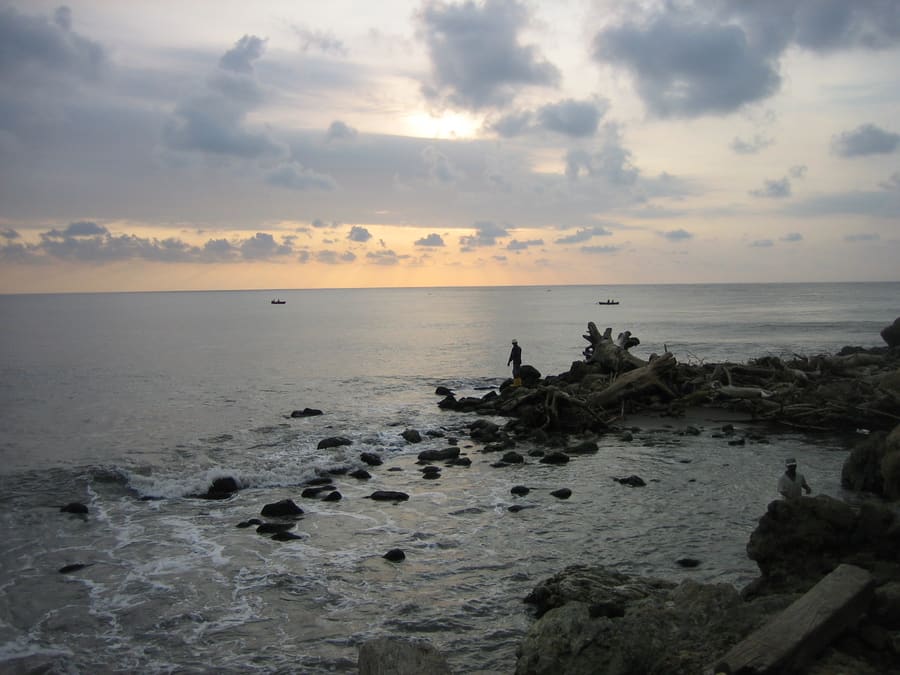
landmark
The stone breakwater where the Magdalena River enters the ocean. Ride a motorized trolley cart from Las Flores to reach the end.
问问 Parleyattractions
areas
Shaded avenues with early 20th-century mansions built during the port's commercial peak.
附近Barrio Abajo and Plaza de la Paz
问问 ParleyAn affluent neighborhood packed with cocktail bars, specialty cafes, and high-end restaurants.
附近Carrera 53 corridor and Washington Park
问问 ParleyDense commercial core filled with street markets, textile shops, and historical plazas.
附近Paseo de Bolívar and Magdalena River market docks
问问 ParleyModern northern sector with high-rise residential towers and commercial centers.
附近Buenavista Shopping Mall and Gran Malecón
问问 Parleyfood
Barranquilla dining centres on fried snacks and river fish rather than formal multi-course dining. Local cooks prepare arroz de lisa using seasoned striped mullet served inside banana leaves with yucca and cultured cream. Street stalls across the city serve carimañolas and egg-filled arepas de huevo straight from deep kettles of hot oil. At Caimán del Río, an indoor food hall on the riverbank, vendors sell regional specialties alongside modern craft beers.
Arroz de lisa wrapped in banana leaf, served with yucca and suero costeño.
Andy / Andrew Fogg from near Cambridge, UK · CC BY 2.0Friturerías fry their freshest batch of carimañolas and arepas de huevo before 10:00.
Order mullet rice from street stalls near Calle 50, where cooks serve it with fermented suero cream.
The riverfront food hall stays open until 23:00 on weekends. Tables along the water fill quickly after sunset.
history
Unlike older colonial ports like Cartagena, Barranquilla grew rapidly during the 19th century as a trade gateway where the Magdalena River met international shipping routes. European and Middle Eastern immigrants settled in the city, establishing Colombia's first commercial airline and modern maritime infrastructure.
Town Status
Barranquilla gains official town status due to its strategic position in the war for independence.
Aviation Era
German and Colombian entrepreneurs found SCADTA in Barranquilla, the Americas' first commercial airline.
UNESCO Status
The Carnival of Barranquilla receives UNESCO Intangible Cultural Heritage recognition.
River Revitalisation
Construction begins on the Gran Malecón, shifting public focus back toward the Magdalena riverfront.
where to stay
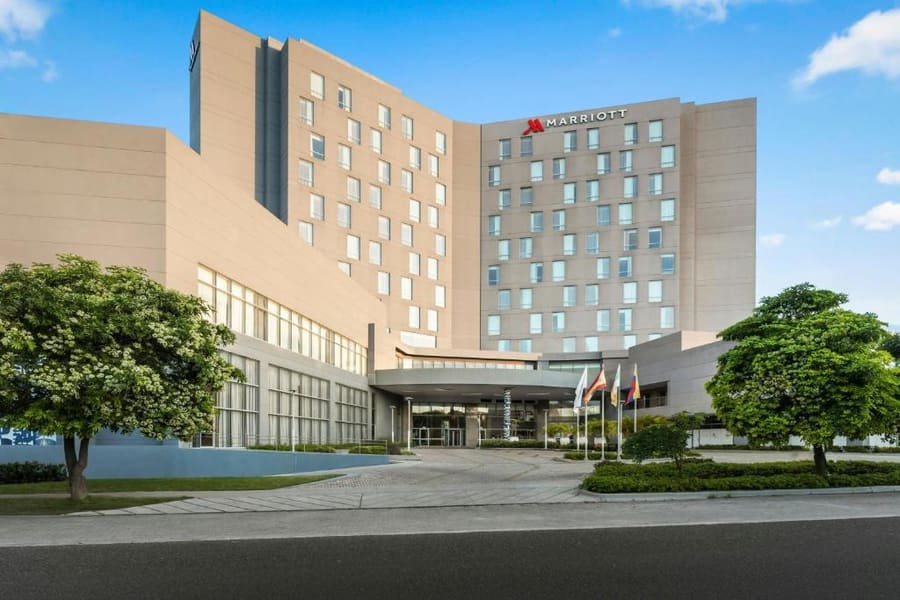
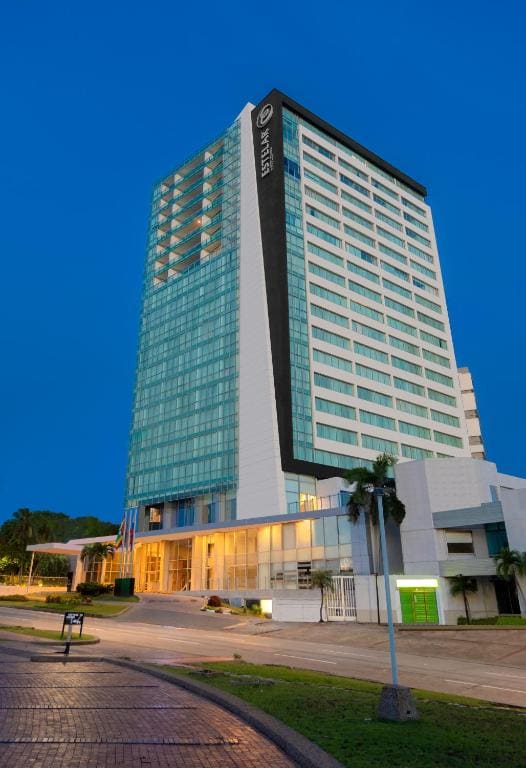
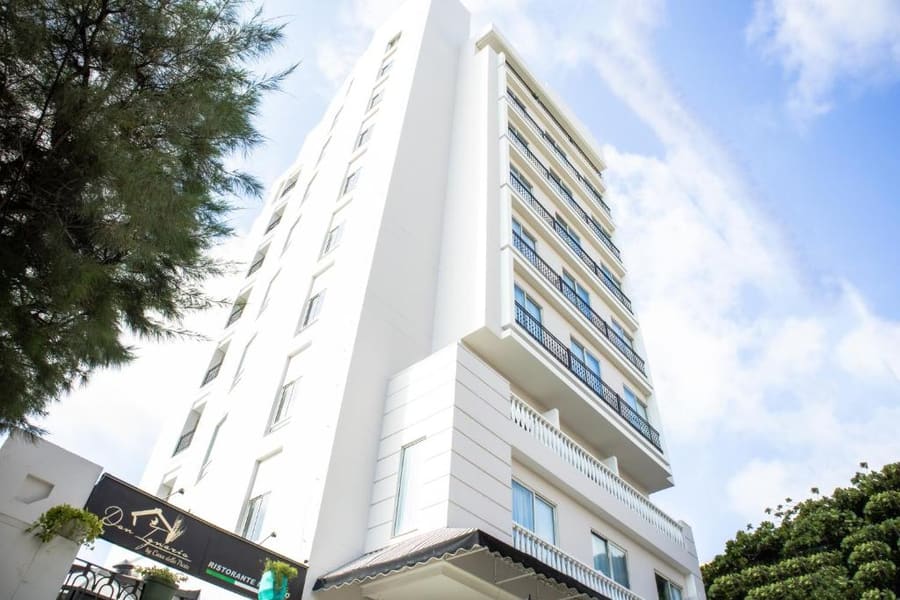
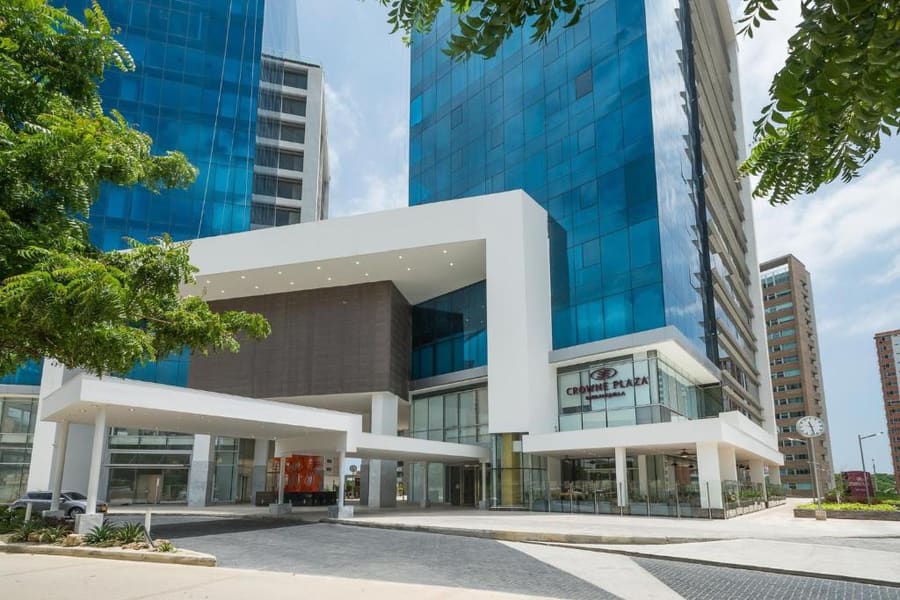
Choose your base by balancing proximity to restaurants against historical architecture. Northern districts like Alto Prado and Riomar offer modern hotel chains and walkable dining corridors. El Prado provides grand mansions and a quieter atmosphere, though evening dining options are limited.
transport
Barranquilla lacks a comprehensive metro system. You rely on official yellow taxis, ride-hailing apps, and the TransMetro bus rapid transit network for long avenues.
从Ernesto Cortissoz International Airport (BAQ)出发
Official airport taxis use fixed pricing boards based on destination zones.
Drivers pick up outside the main terminal baggage exit.
Public buses connect the airport terminal to Calle 30 in Centro.
Agree on the total fare with yellow taxi drivers before getting into the car.
InDrive and Uber provide tracked journeys when moving between Alto Prado nightlife venues.
Buy a reloadable card at stations along Calle 45 and Carrera 46.
Traffic along Carrera 51B and Calle 84 jams heavily between 17:00 and 19:00.
cost
Barranquilla remains significantly cheaper than nearby Cartagena. Dining out in northern neighbourhoods carries standard Colombian city pricing, while local markets in Centro offer very cheap meals.
Sold at morning food stands across Barrio Abajo and Prado.
Includes soup, mullet rice, and a cold drink at informal eateries.
Applies to main dishes at established restaurants along Carrera 53.
Covers rides between Alto Prado, El Prado, and Gran Malecón.
seasonality
DEC – FEB
Dry trade winds cool the evenings. Hotel rates double during Carnival season in February.
MAR – MAY
High temperatures and rising humidity. Crowd levels drop immediately after Carnival.
JUN – AUG
Mid-year dry spell with high sun. Clear days along the Gran Malecón waterfront.
SEP – NOV
Peak rainy season. Heavy afternoon downpours cause dangerous street flooding.
practicalities
Schedule outdoor sightseeing for early morning or after 16:30 when ambient temperatures drop.
Do not attempt to walk across or drive through flooded streets during heavy rain.
Small eateries in Barrio Abajo do not accept credit or debit cards.
Light cotton clothing works everywhere. Restaurants in Alto Prado expect smart casual wear at night.
The Magdalena River has powerful undertows. Swimming along the Malecón is strictly prohibited.