landmark
Chiba Urban Monorail
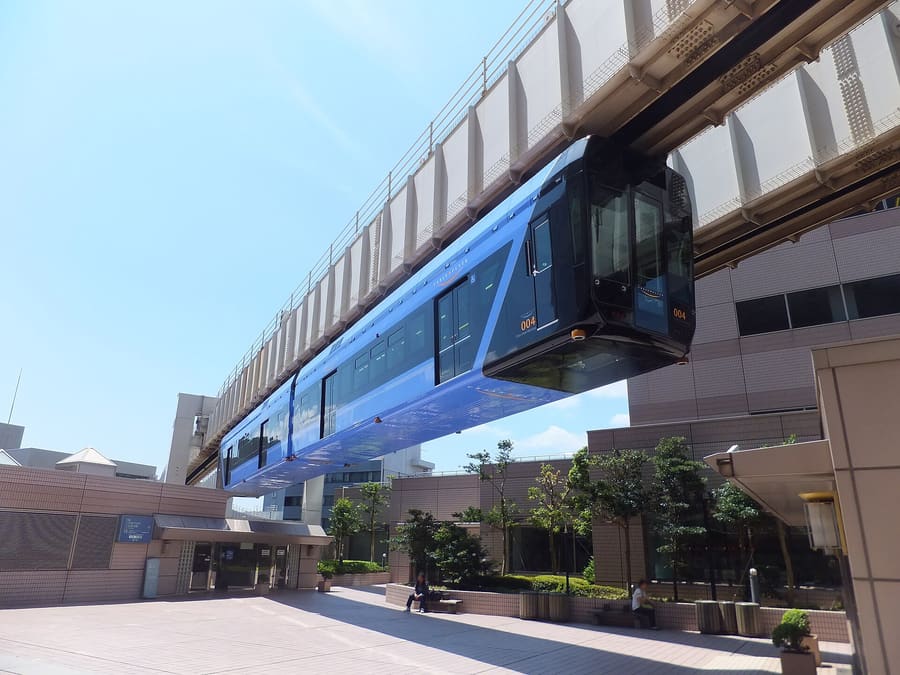
Suspended monorail gliding above street level. Ride Line 2 from Chiba Station to Chiba Park for elevated urban views.
问问 Parley日本
The Tokyo Bay transit hub of suspended rails and seafood.
introduction
Chiba sits along the eastern shore of Tokyo Bay, serving as a transit gateway and industrial hub. Suspended monorail lines crisscross overhead, linking the central railway station to coastal parks and civic centers. Visitors come for seaside fresh fish, fast links to Narita Airport, and quick access to the Boso Peninsula.
Guinness transit record
The Chiba Urban Monorail holds the world record as the longest suspended monorail network, spanning 15.2 kilometers.
Makuhari event timing
Check event calendars at Makuhari Messe before booking. Major conventions double hotel rates across Kaihin-Makuhari.
Chiba
Xser21 · CC BY-SA 4.0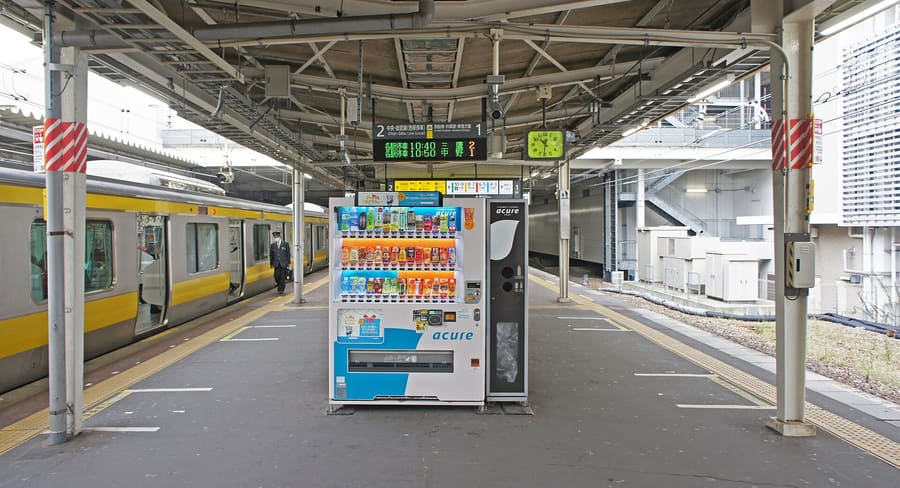
Chiba Station / Sakaecho — Transport hub packed with department stores, izakayas, and monorail tracks crossing overhead.
Mister0124 · CC BY-SA 4.0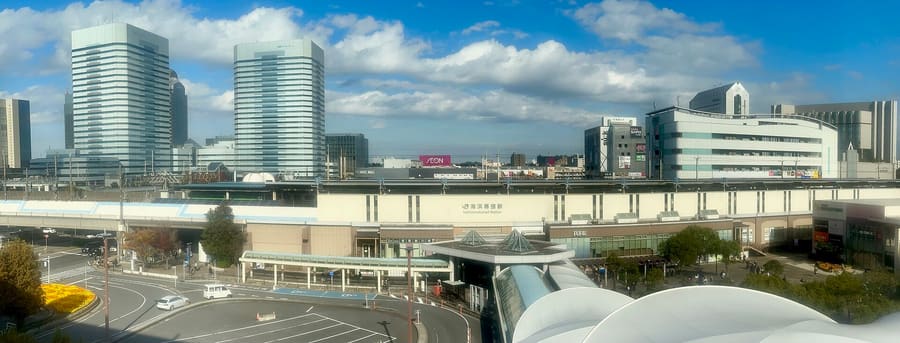
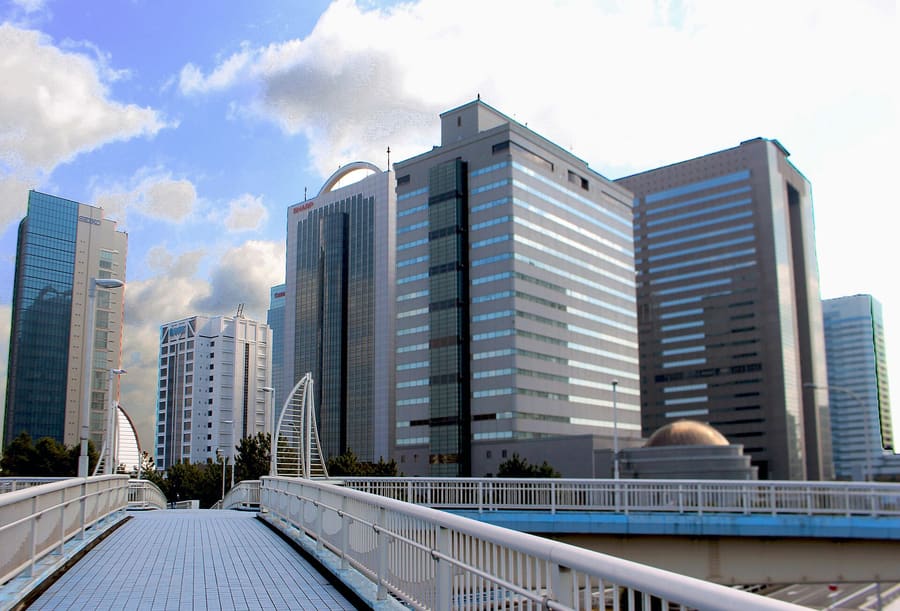
Kaihin-Makuhari — Modern wide-avenue grid designed around convention centers, outlet malls, and towers.
Nesnad · CC BY 4.0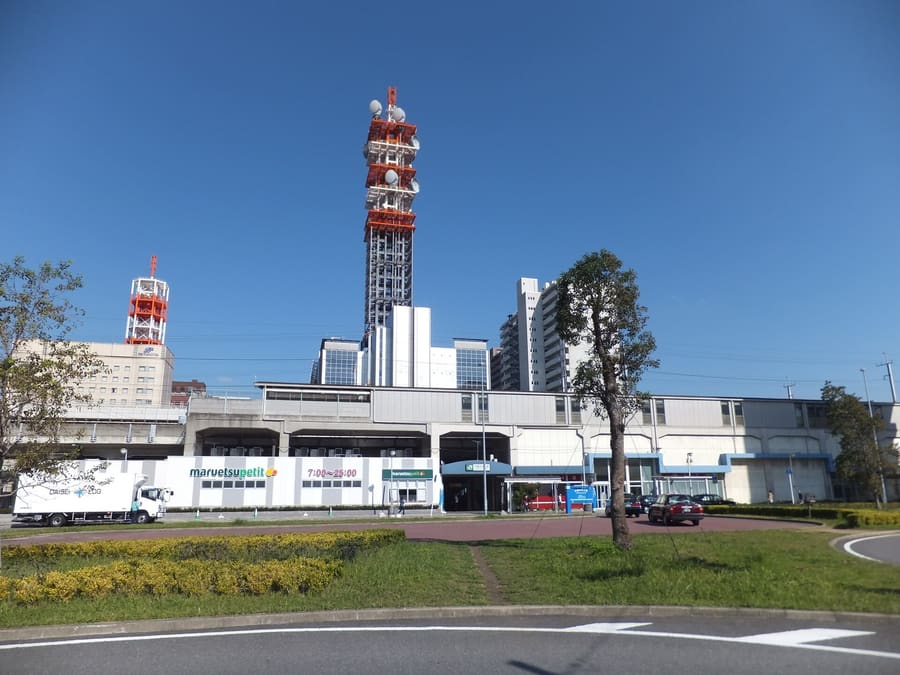
Chibaminato — Industrial seafront area dominated by port operations, parkland, and cruise piers.
掬茶 · CC BY-SA 3.0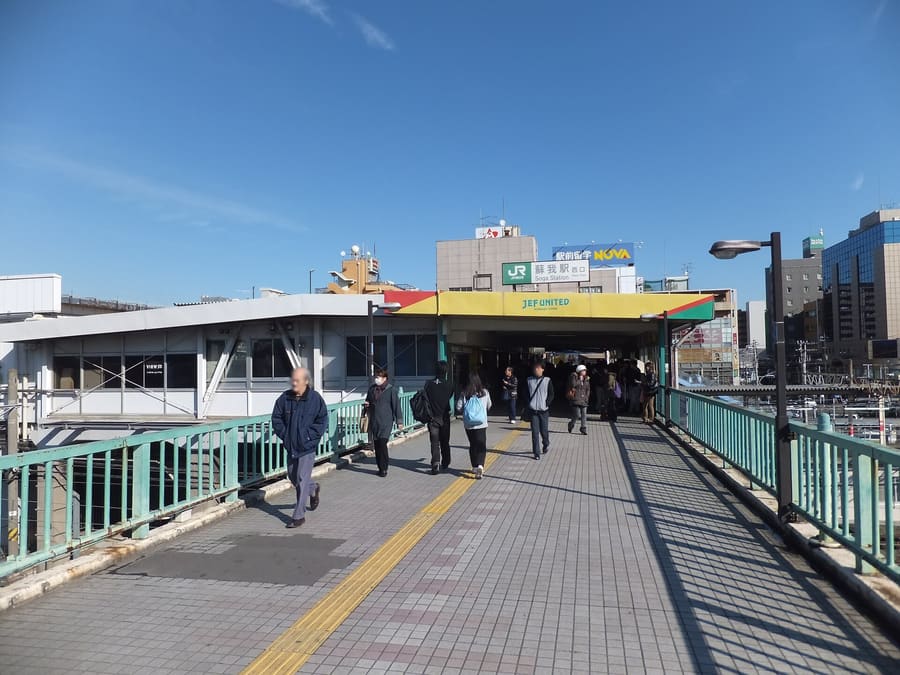
Soga — Former steel-mill district turned suburban rail junction and sports venue district.
掬茶 · CC BY-SA 3.0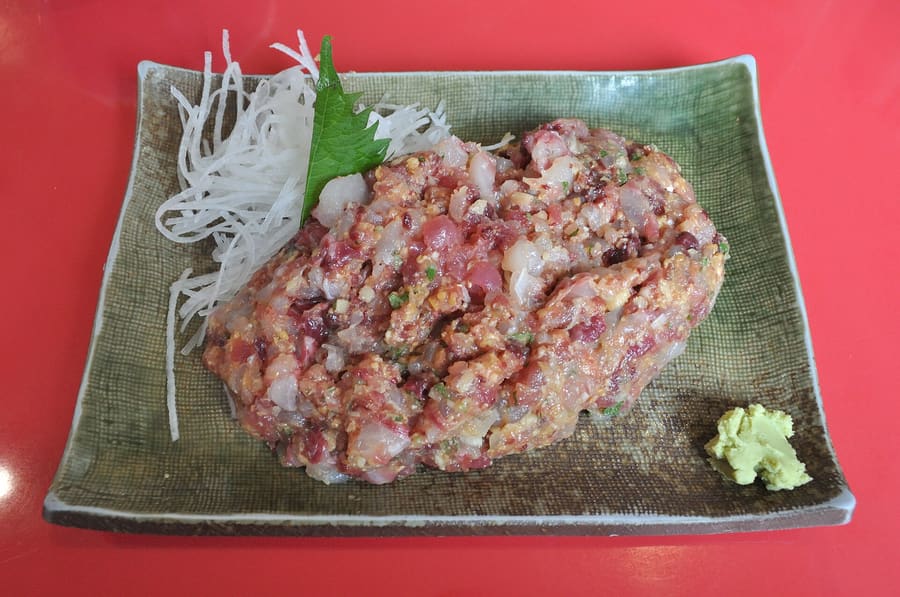
Freshly prepared namerou served with local miso and green onions.
Ocdp · CC0highlights
landmark
Suspended monorail gliding above street level. Ride Line 2 from Chiba Station to Chiba Park for elevated urban views.
问问 Parley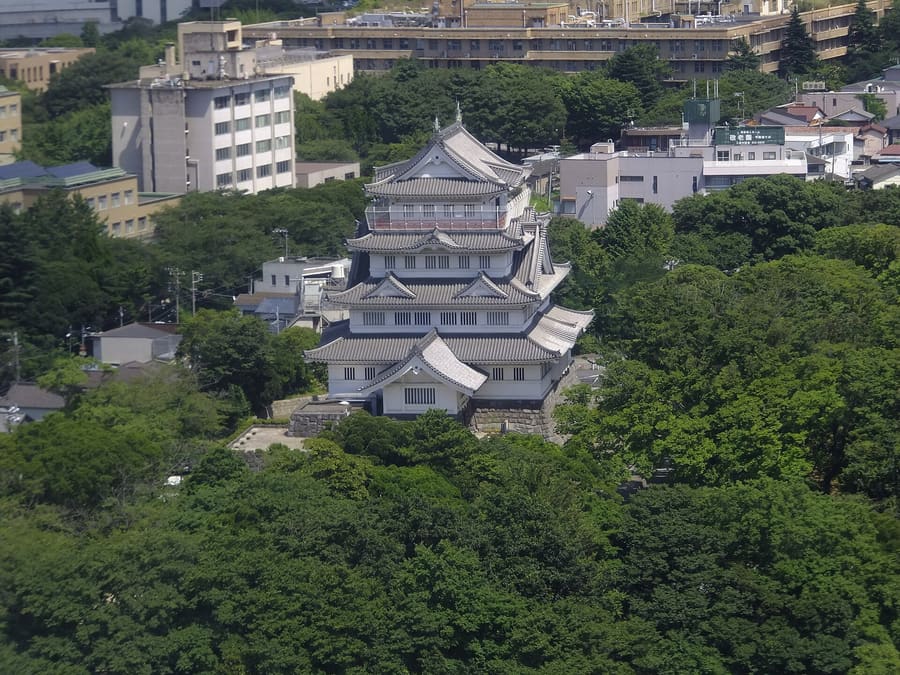
landmark
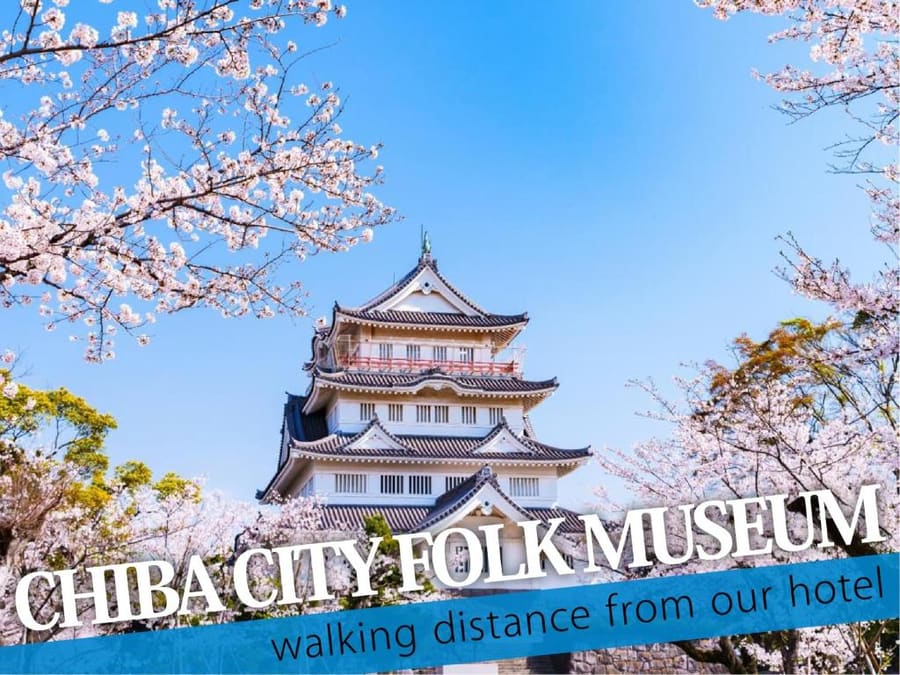
Reconstructed 1970s fortress housing local history exhibits. Entry costs ¥60 and the top floor overlooks the port.
问问 Parley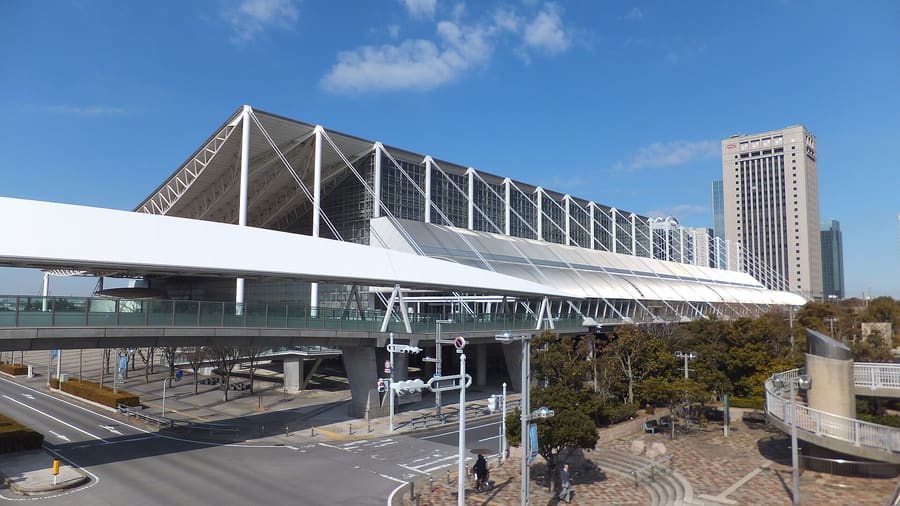
landmark
Massive convention complex hosting gaming expos and concerts. Direct access via Kaihin-Makuhari Station on the Keiyo Line.
问问 Parley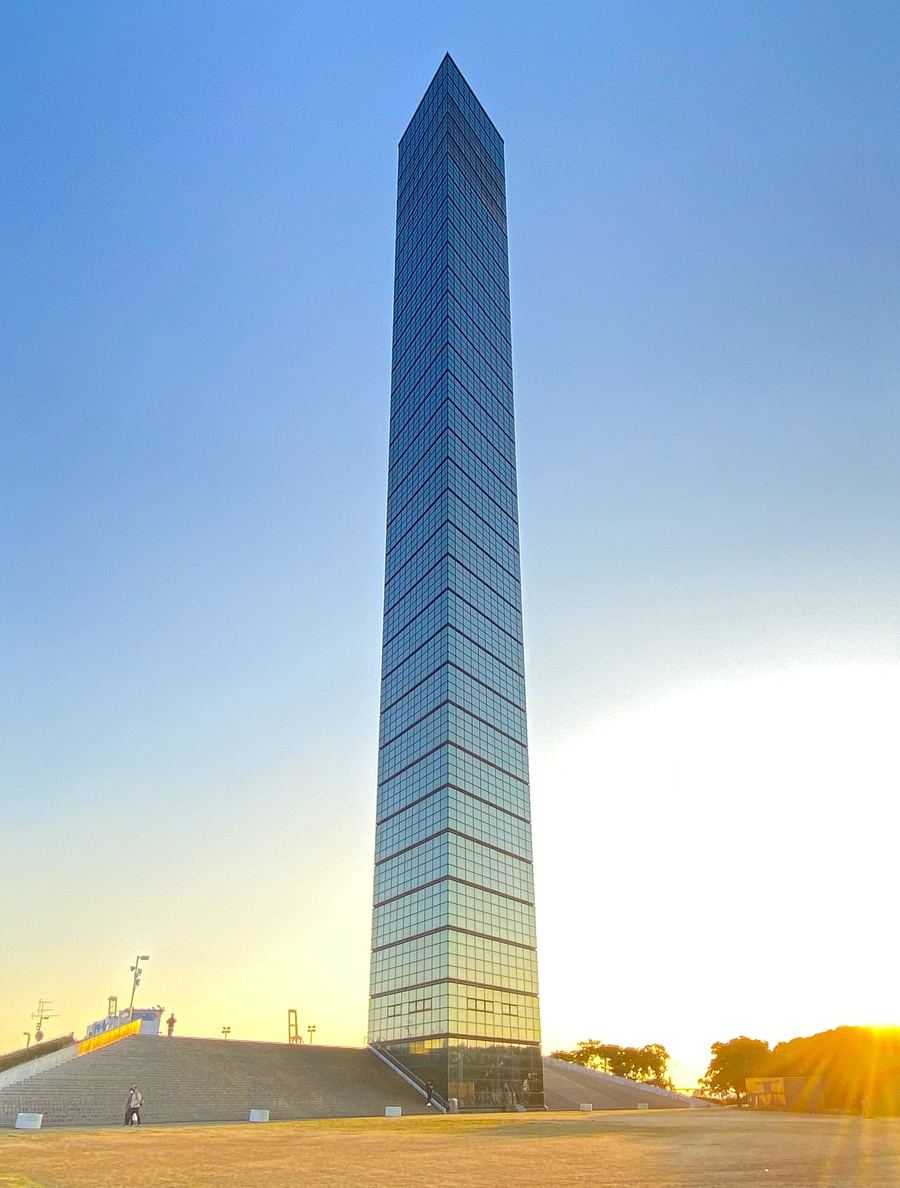
landmark
125-meter glass tower over Tokyo Bay. The observation deck costs ¥420 and shows Mount Fuji on clear winter days.
问问 Parley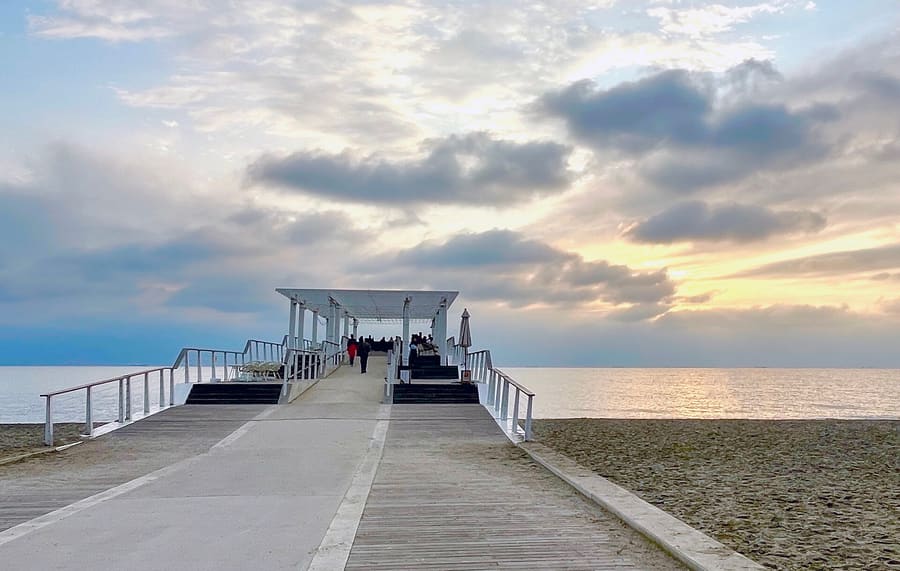
landmark
Landscaped coastal park featuring an artificial beach. Walk Sunset Pier in the evening for views across the bay.
问问 Parley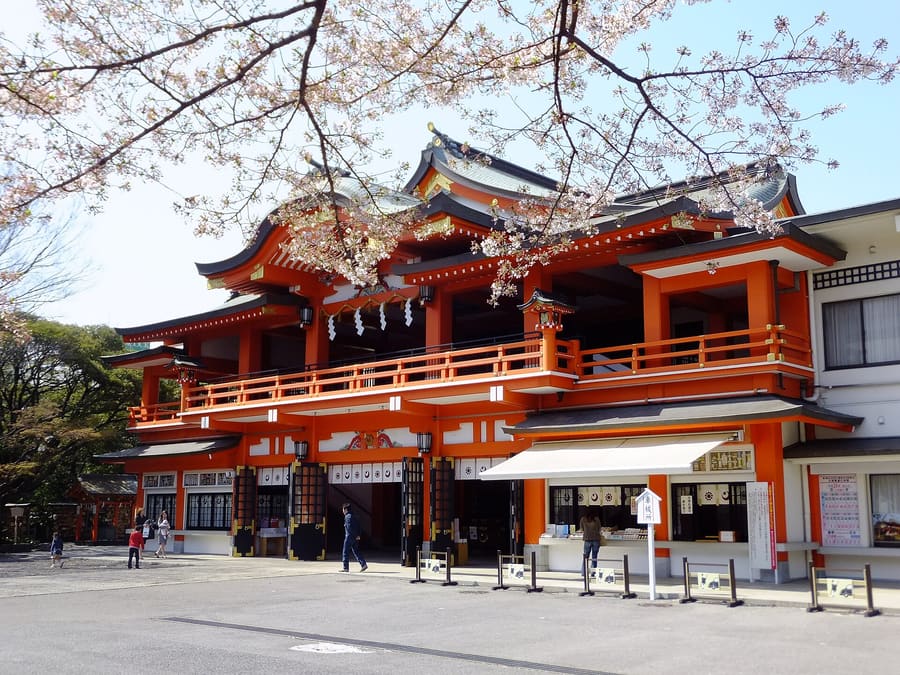
landmark
Shinto complex dedicated to the North Star deity Myoken. The two-story main hall sits five minutes east of Chiba Station.
问问 Parleyattractions
areas
Transport hub packed with department stores, izakayas, and monorail tracks crossing overhead.
附近Chiba Shrine and central shopping arcades.
问问 ParleyModern wide-avenue grid designed around convention centers, outlet malls, and towers.
附近ZOZO Marine Stadium and Makuhari Beach.
问问 ParleyIndustrial seafront area dominated by port operations, parkland, and cruise piers.
附近Chiba Port Tower and Tokyo Bay ferry terminal.
问问 ParleyFormer steel-mill district turned suburban rail junction and sports venue district.
附近Fukuda Denshi Arena and southern transit lines.
问问 Parleyfood
Chiba's geography shapes its food through ocean catches and regional agriculture. Coastal izakayas serve namerou, a dish created by local fishermen who chop horse mackerel with miso, ginger, and green onions directly on boat decks. Inland, Chiba produces over 80 percent of Japan's peanuts, which local kitchens turn into sweet pastes, peanut-infused ramen broths, and boiled green peanuts served as beer snacks.
Freshly prepared namerou served with local miso and green onions.
Ocdp · CC0Order namerou at izakayas near Chibaminato Station. Raw horse mackerel is minced fine so miso binds the fish oils.
Try peanut soft-serve ice cream at the Chiba Station Perie mall food court for ¥400.
Eat spicy Katsuura-style tan-tan men near Soga Station; it uses chili oil and sauteed onions rather than sesame paste.
history
The Chiba clan established its stronghold at Inohana in the 12th century, laying the foundation for regional governance. During the Edo period, coastal fishing villages supplied seafood and soy sauce to Edo (modern Tokyo) through river and bay transport. Mid-20th-century land reclamation transformed the shoreline into a heavy industrial strip, which later expanded into commercial planned districts like Makuhari.
Fortress built
Tsunetane Chiba builds a fortified residence on Inohana Hill, establishing the Chiba clan rule.
Prefectural capital
Chiba Prefecture forms, designating Chiba Town as the official administrative seat.
Post-war rebuild
Air raids destroy 70 percent of the urban core, triggering post-war industrial rebuilding along the bay.
Designated city
Chiba becomes a government-designated city and expands the Chiba Urban Monorail network.
where to stay
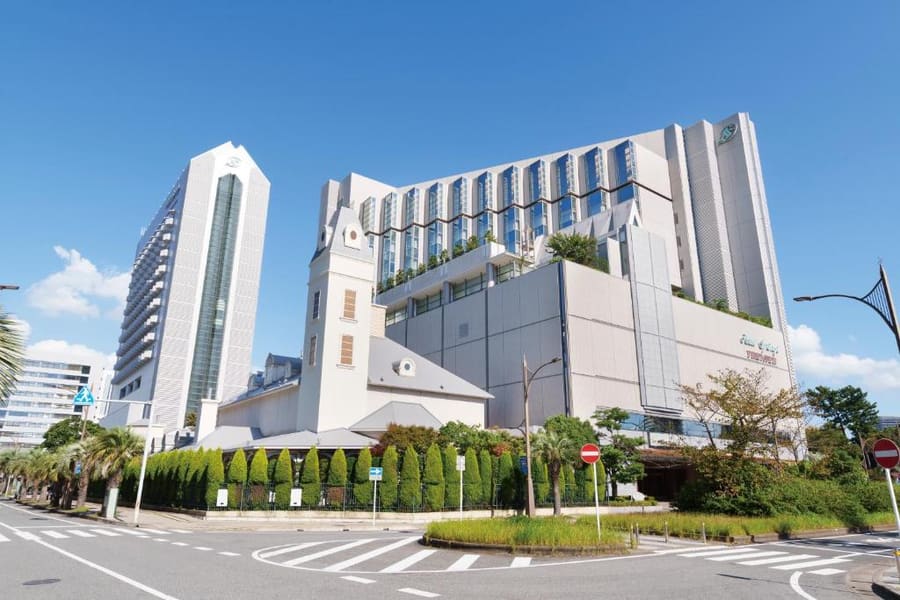
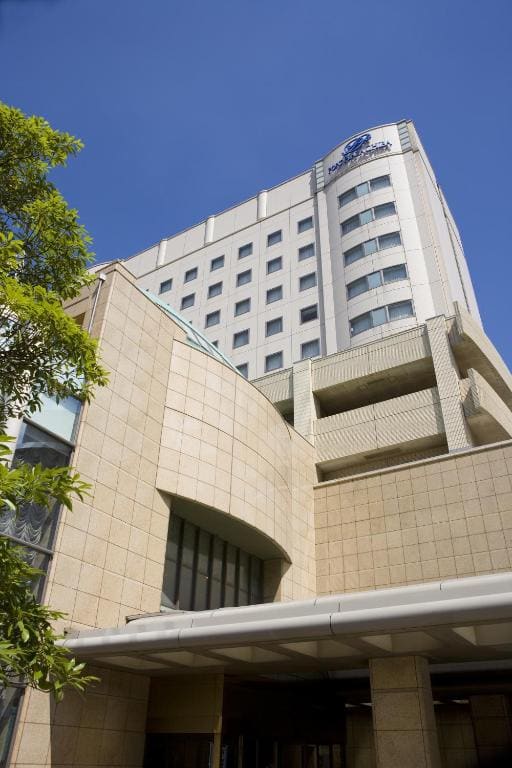
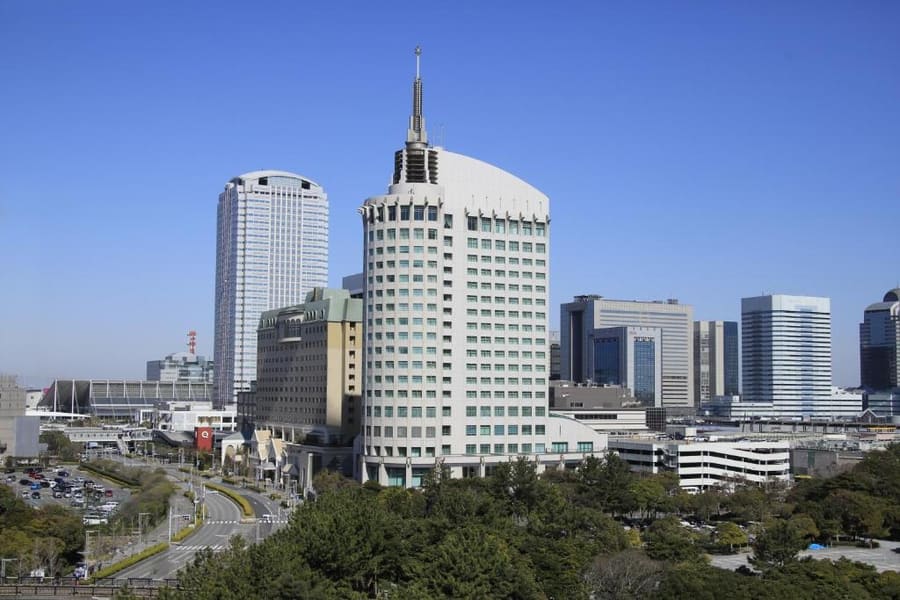
Select your neighborhood based on your primary transport needs. Stay near Chiba Station for direct rail links to Tokyo and Narita Airport, or choose Kaihin-Makuhari if you attend trade shows at Makuhari Messe.
transport
Chiba sits on major JR East rail corridors connecting Tokyo to Narita Airport. Within the city, the suspended urban monorail provides rapid north-south connections over surface traffic congestion.
从NRT出发
Take Keisei Main Line and transfer at Keisei Tsudanuma for Keisei Chiba Station.
Direct highway buses depart from Narita terminals to Chiba Station bus bays.
Metered taxi rates make this option significantly costlier than rail.
Buy a Holiday Free Pass for ¥630 on weekends to ride the monorail all day without ticket limits.
Suica and Pasmo IC cards work across all local JR lines, Keisei rail, and the urban monorail.
Take the JR Keiyo line for coastal areas like Makuhari, or the JR Sobu line for central Chiba Station.
The last monorail departs Chiba Station around 23:45. Late-night transit defaults to taxis.
cost
Dining and hotel pricing in Chiba runs lower than central Tokyo. Moving between different rail operators (JR, Keisei, and Monorail) incurs individual base fares that increase daily transit costs.
Midday set meals near Sakaecho offer fish, rice, and soup at discounts compared to dinner menus.
Single ticket prices scale by distance across the two monorail lines.
Observation deck access costs less than half the price of Tokyo tower lookouts.
Municipal museum admission inside the reconstructed castle is extremely cheap.
seasonality
MAR – MAY
Mild weather and cherry blossoms around Inohana Park. Rainfall stays low until late May.
JUN – AUG
Hot and humid. High season for Inage Seaside Park and evening fireworks over Tokyo Bay.
SEP – NOV
Comfortable autumn temperatures. Clear days suit coastal walking and shrine visits.
DEC – FEB
Cold and dry. Crisp winter air brings clear views of Mount Fuji across Tokyo Bay.
practicalities
Department stores inside Chiba Station close at 20:00, while restaurant floors stay open until 22:30.
Ramen shops near Soga and Sakaecho require cash for ticket vending machines.
Tokyo Bay winds lower real temperatures near Kaihin-Makuhari during winter months.
English transit signs are clear, but independent dining spots rely on Japanese-only menus.
Minor tremors happen regularly. Hotel room back-door maps show designated emergency exit routes.