landmark
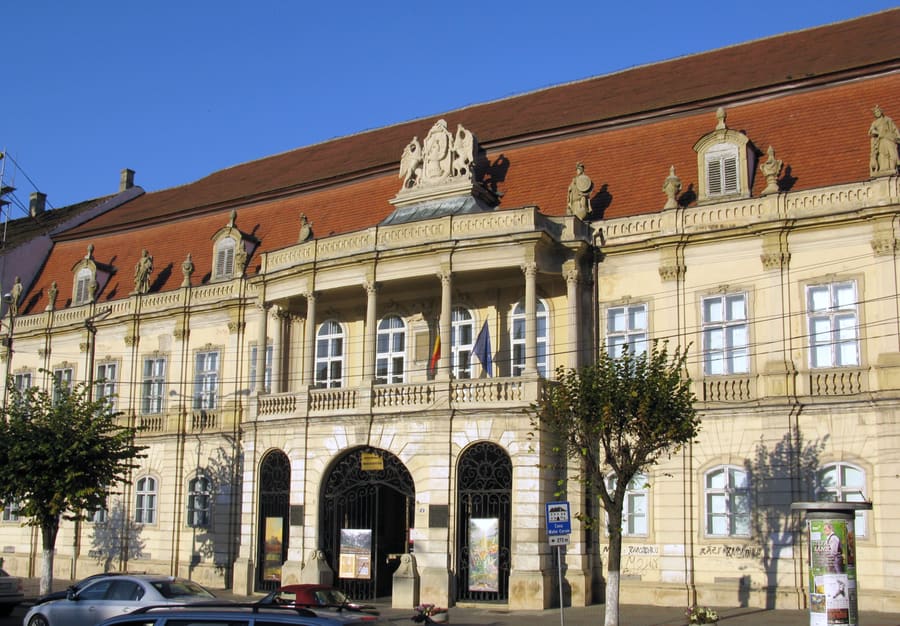
Bánffy Palace
18th-century Baroque palace housing the National Art Museum. The inner courtyard offers relief from square traffic.
问问 Parley罗马尼亚
Transylvania's tech-and-student hub built on Gothic stone.
introduction
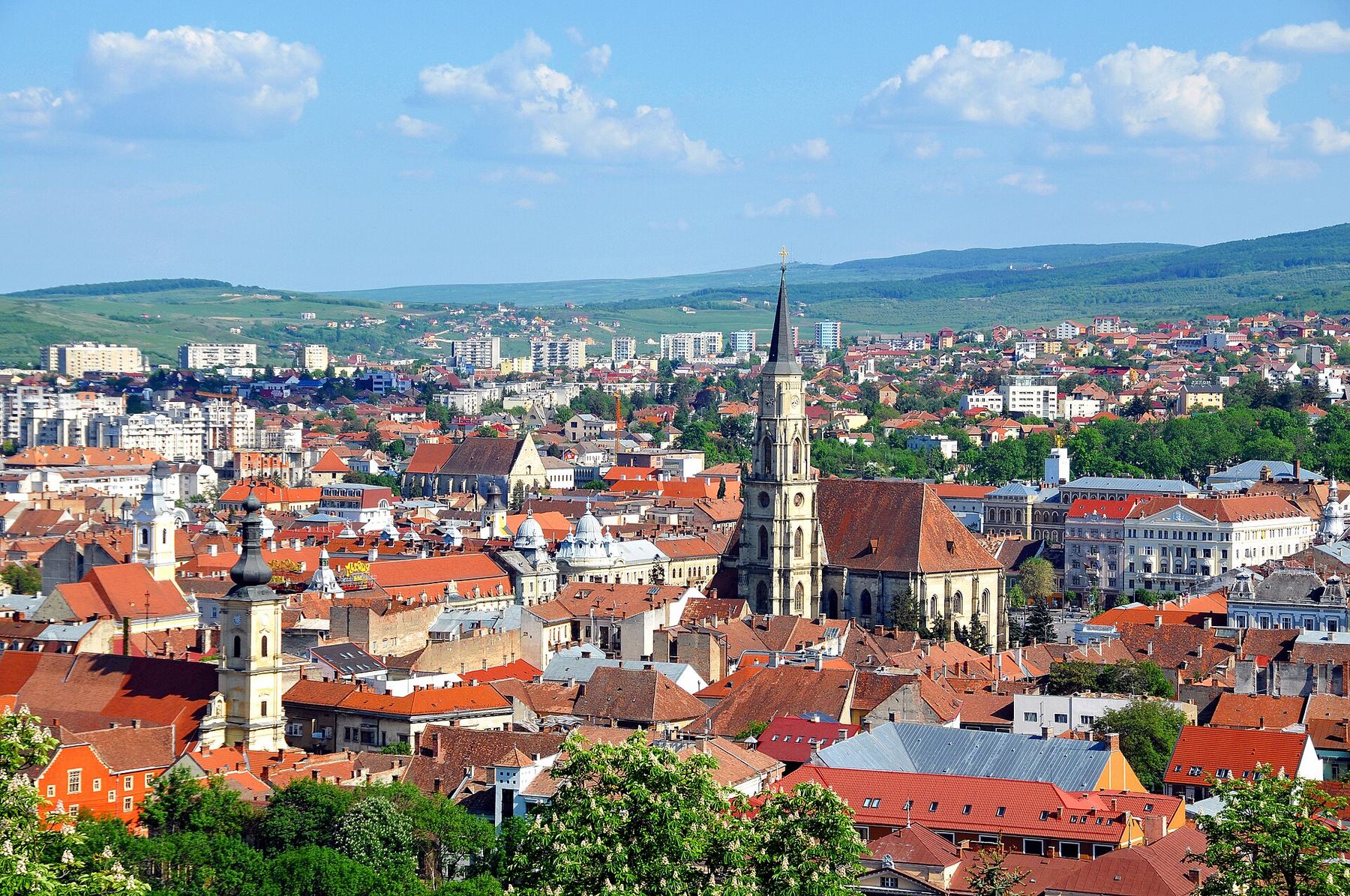
Cluj-Napoca is Transylvania's unofficial capital, driven by two major universities and a dense IT sector. Its walkable historic core opens into broad Austro-Hungarian boulevards and leafy river paths. Expect steep hills outside the center, high-end specialty coffee shops, and quiet residential districts. You move through the city easily on foot or by tapping contactless cards on public buses.
Airport transport trick
Bus 5 runs directly from CLJ airport to the central train station for 3 LEI. Tap your contactless bank card on the blue validator aboard.
Festival booking trick
Summer brings major festivals like Untold, which inflates hotel rates across the city. Reserve accommodation before March if traveling in August.
highlights
landmark
18th-century Baroque palace housing the National Art Museum. The inner courtyard offers relief from square traffic.
问问 Parley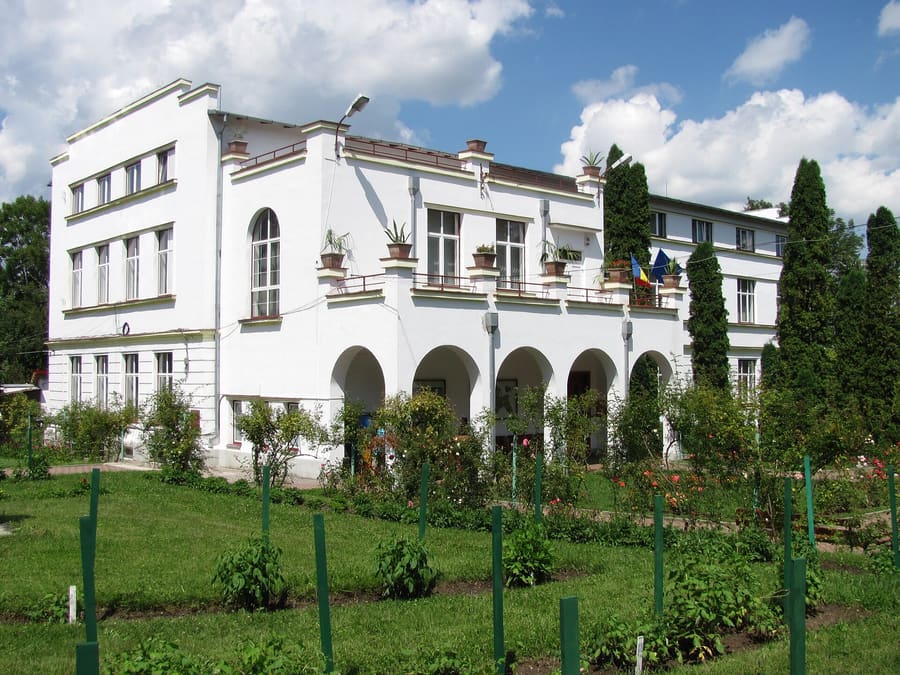
landmark
14-hectare park with a Japanese garden and massive palm greenhouses. Open daily; student discounts apply at the gate.
问问 Parley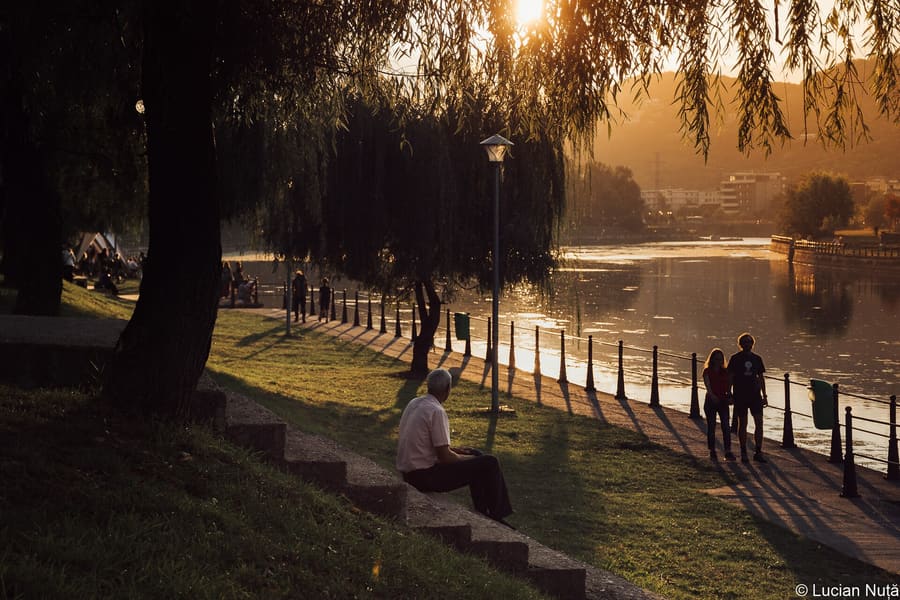
landmark
19th-century public park running along the Someșul Mic river. Rent a pedal boat on the central lake during summer.
问问 Parley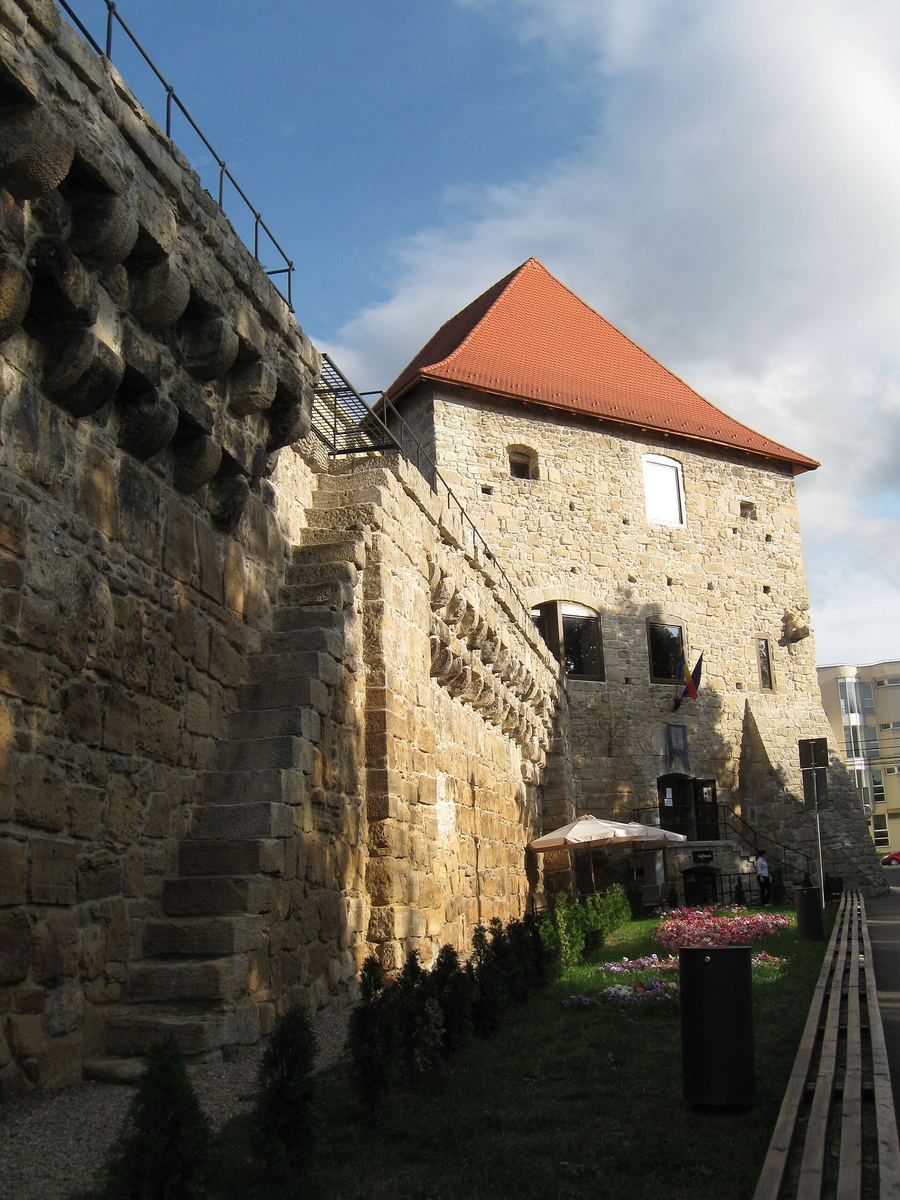
landmark
Surviving remnant of the medieval defence walls. Hosts rotating photography exhibitions inside the stone tower.
问问 Parley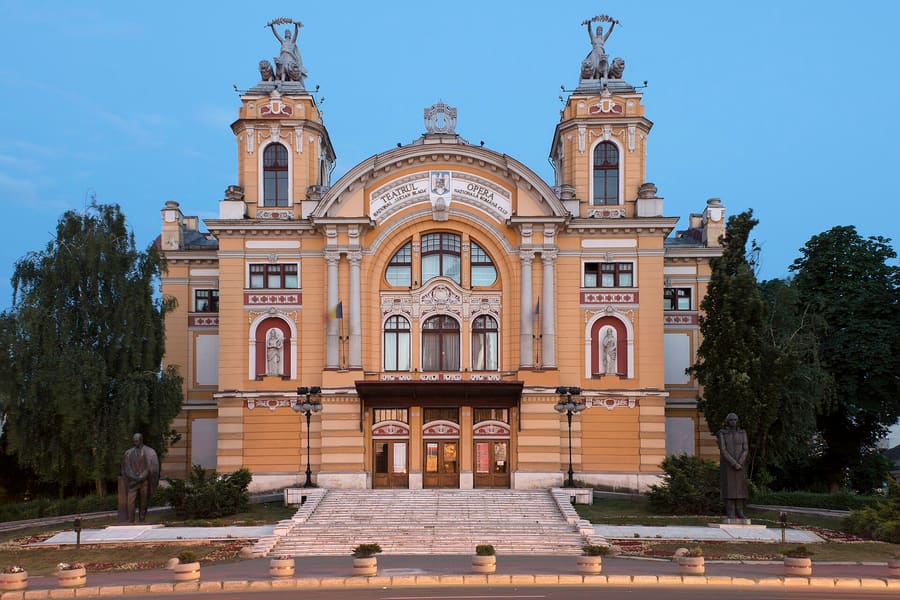
landmark
Neoclassical building constructed in 1906. Book tickets online early for opera and Romanian drama.
问问 Parleyattractions
areas
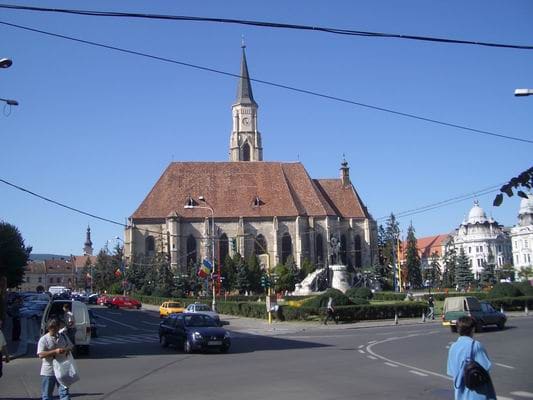
Walkable historic core filled with student cafes, outdoor terraces, and Gothic facades.
附近St. Michael's Church and Bánffy Palace
问问 Parley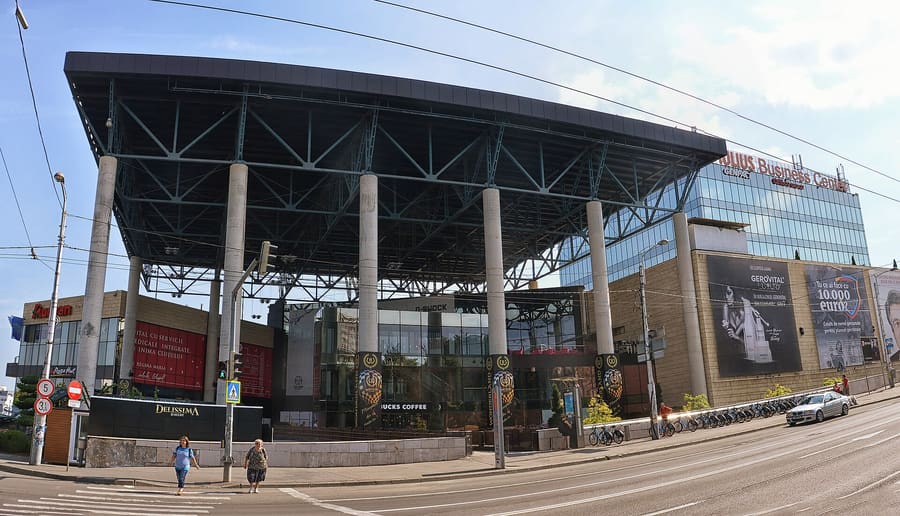
Quiet residential neighborhood built with wide tree-lined avenues and modern shopping complexes.
附近Iulius Mall and Gheorgheni Lake
问问 Parley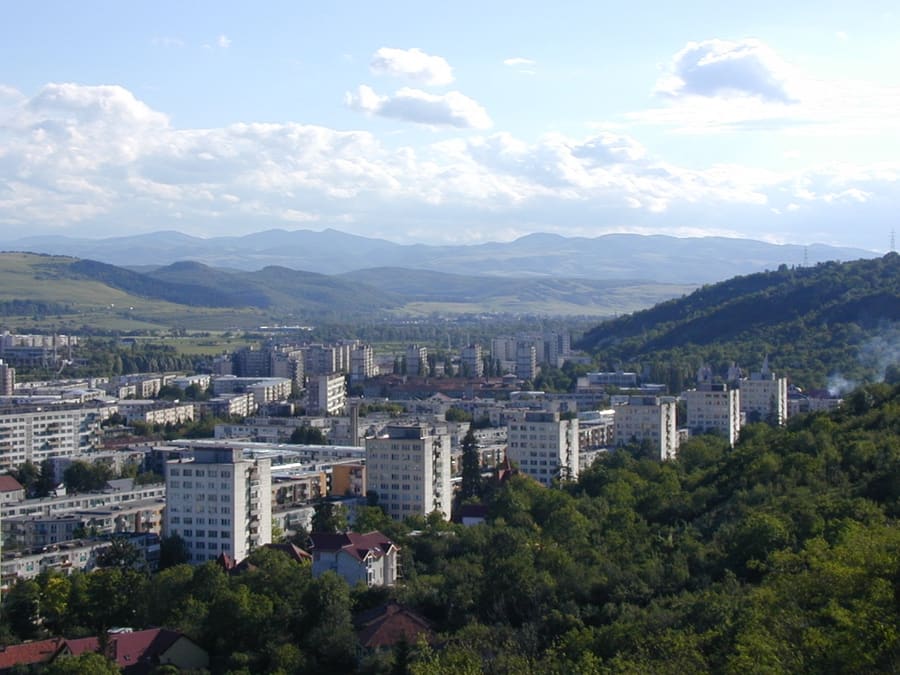
Peaceful district along the river, popular for walking paths and quiet residential streets.
附近Central Park and Ethnographic Park
问问 Parley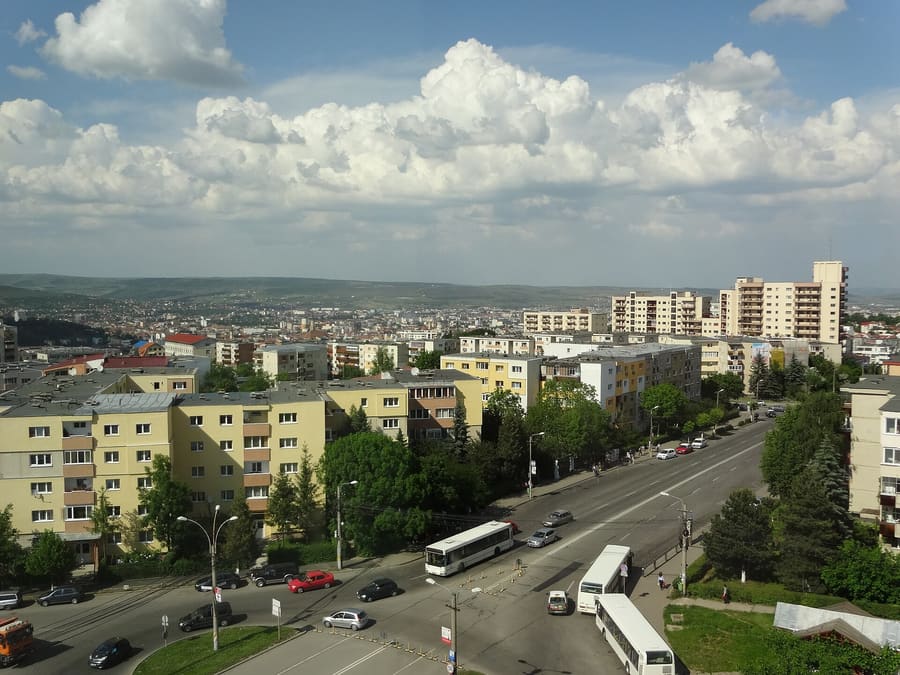
Elevated neighborhood home to university hospitals, medical students, and neighborhood bakeries.
附近Botanical Garden
问问 Parleyfood
Cluj culinary life splits between traditional Transylvanian fare and an energetic third-wave coffee scene. The local specialty is Varză de Cluj, a dish made of layered fermented cabbage, seasoned pork, and rice baked in clay pots.
Try the city's signature dish of layered sauerkraut and minced meat at classic spots like Roata.
Cluj has Romania's highest concentration of specialty roasters per capita. Meron, Olivo, and Yume serve single-origin pour-overs.
Nearly every restaurant and cafe accepts contactless card payments, even for a single espresso.
Look for 'Meniul Zilei' on weekdays between 12:00 and 15:00 for set two-course meals around 30–40 LEI.
history
Cluj grew from a Roman settlement into a major medieval trade stronghold. Centuries under Hungarian and Habsburg influence shaped its multicultural architecture and institutional base, as the city was never directly ruled by the Ottoman Empire.
Roman Napoca
Emperor Hadrian grants urban status to the Roman settlement of Napoca, establishing a trading hub in Dacia.
Royal City Status
King Charles Robert of Anjou grants Cluj free city privileges, starting centuries of Saxon and Hungarian guild wealth.
Austro-Hungarian Era
The city prospers as an administrative center, shaping the Neoclassical and Secessionist streetscapes seen today.
Union with Romania
Following World War I, Transylvania joins Romania. The city officially adds 'Napoca' to its name in 1974.
Tech Expansion
Local universities transform the city into Romania's primary software engineering and technology hub.
where to stay
Choose your accommodation based on terrain and transit needs. Centru keeps you on flat, pedestrianized ground near attractions, while Zorilor offers cheaper rates at the cost of walking up steep hills.
transport
Public transit in Cluj-Napoca is reliable, modern, and inexpensive. Buses, trolleybuses, and trams cover all urban districts using simple contactless payment.
从Avram Iancu Cluj International Airport (CLJ)出发
Take Bus 5 to Central Station or Bus 8 to Mihai Viteazul Square. Tap card aboard.
Uber and Bolt pick up in the designated lanes directly outside arrivals.
Use official metered taxis at the rank. Ensure the meter starts before leaving.
Tap your bank card directly on the yellow validators inside CTP buses and trams to pay 3 LEI per ride.
Line 101 connects the main railway station through the river corridor to western residential zones.
The zone between Unirii Square and Museum Square is strictly pedestrianized and easiest on foot.
Night buses run hourly on key routes after 23:00, but rideshares are faster after midnight.
cost
Prices in Cluj-Napoca are higher than in smaller Romanian cities but lower than Western European capitals. The national currency is the Romanian Leu (RON or LEI).
Standard price for single-origin espresso drinks in central cafes.
Mid-range restaurant main course in the historic center.
Single trip fare on any city transit line.
Average nightly rate outside major summer festival dates.
seasonality
MAR – MAY
Mild spring weather with low tourist traffic before university students finish spring term.
JUN – AUG
Warm summer months dominated by festivals like Untold and TIFF. Accommodation costs peak.
SEP – NOV
Crisp autumn air as students return. Ideal timing for city walking and wine bar visits.
DEC – FEB
Cold weather with occasional snowfall. Unirii Square hosts a small local Christmas market.
practicalities
Independent boutiques close on Sunday, but shopping malls and grocery chains keep full hours.
Romania uses the Leu (RON), not the Euro. Card payments are supported across the city.
English is widely spoken by younger residents and staff in hospitality businesses.
Municipal tap water in Cluj-Napoca is clean and safe to drink.
Always check festival dates before booking accommodation to avoid sudden price spikes.