landmark
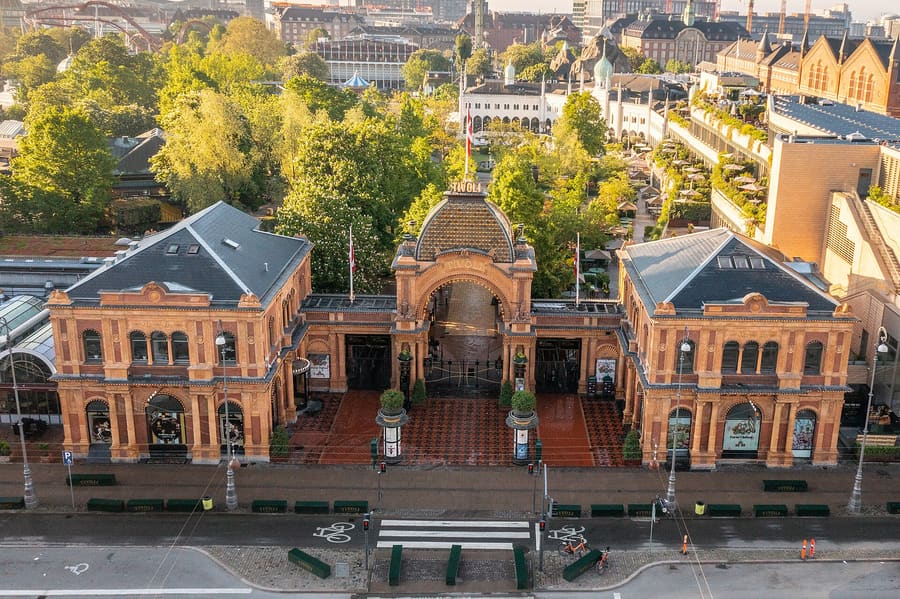
Tivoli Gardens
19th-century pleasure garden in the city center. Buy entry tickets online to skip queues; rides cost extra.
问问 Parley丹麦
Design-forward harbour city built on bikes and water.
introduction
Copenhagen is flat, dense, and organized around its waterfront and cycle tracks. You move through it fastest on two wheels or via the driverless 24-hour Metro. Expect high prices, disciplined social etiquette, and exceptionally good food at every tier.
Airport transport
Metro M2 takes 13 minutes from CPH airport to Nørreport station. Trains run continuously day and night.
Transit pass tip
Buy a DOT City Pass Small for unlimited Metro, bus, and train travel in zones 1–4. It costs less than three single taxi rides.
Copenhagen
milgrammer · CC BY 2.0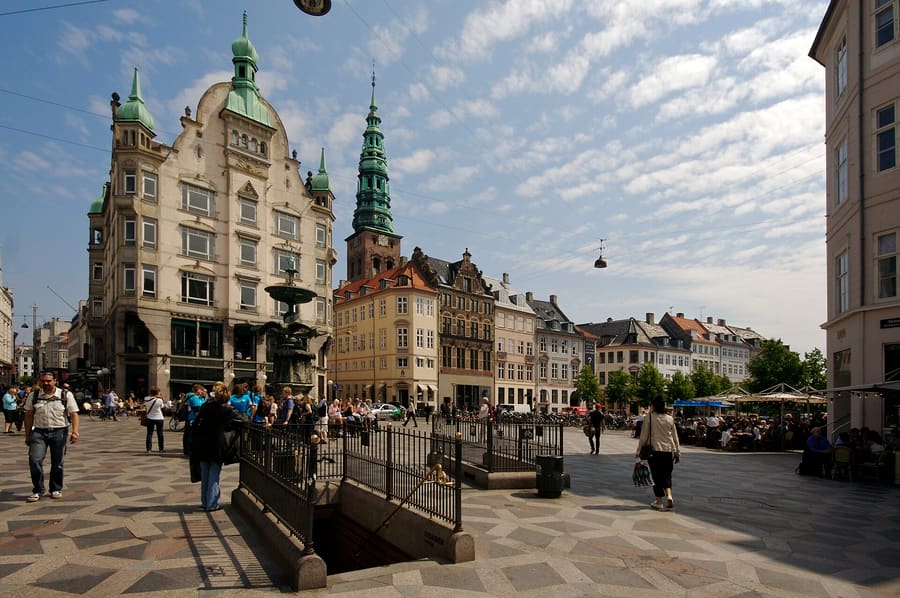
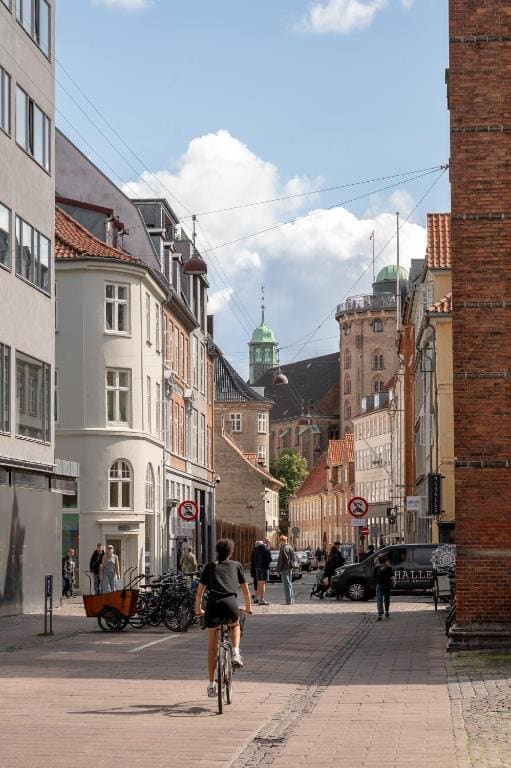
Indre By — Historic centre with cobbled streets, major retail lanes, and royal palaces.
Olga Itenberg · CC BY 2.0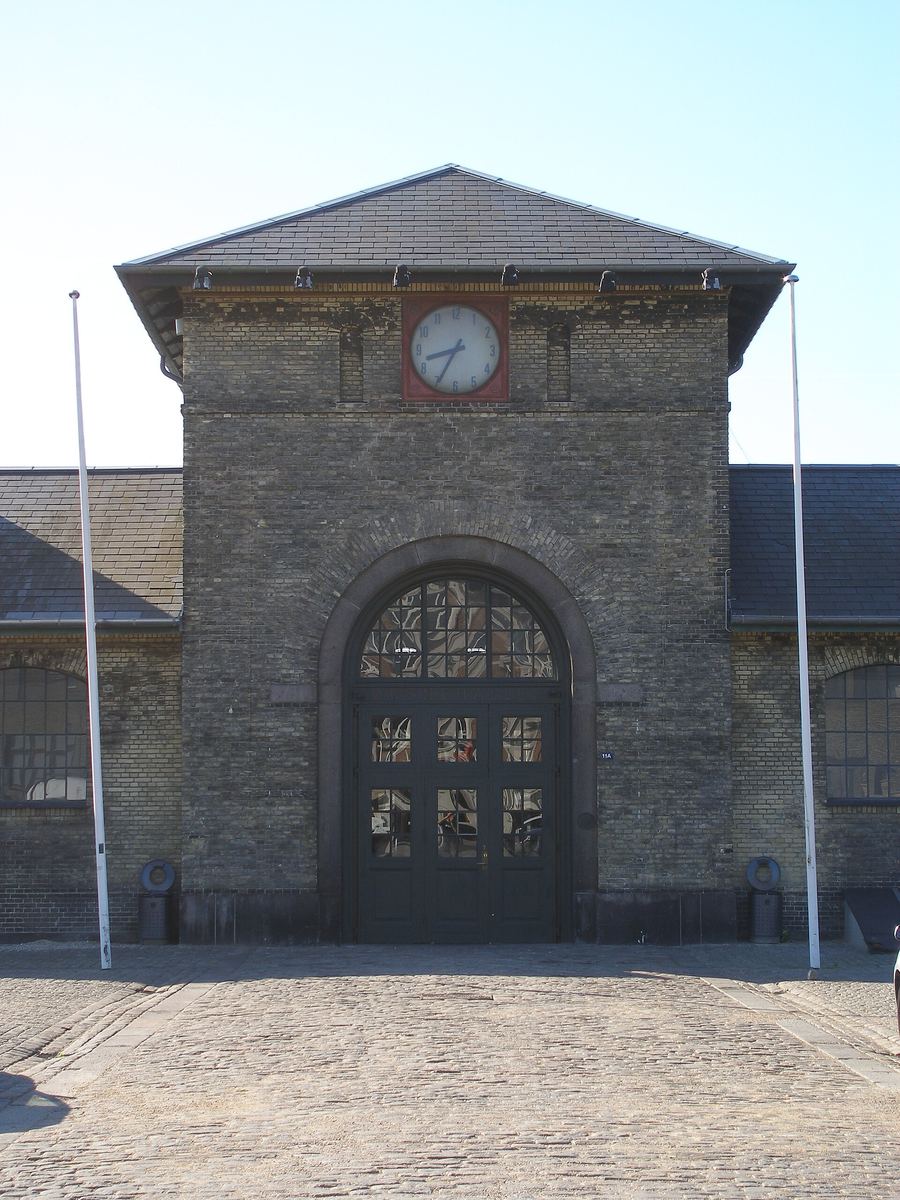
Vesterbro — Former working-class district packed with craft breweries and Meatpacking District dining.
User:Nillerdk · CC BY-SA 3.0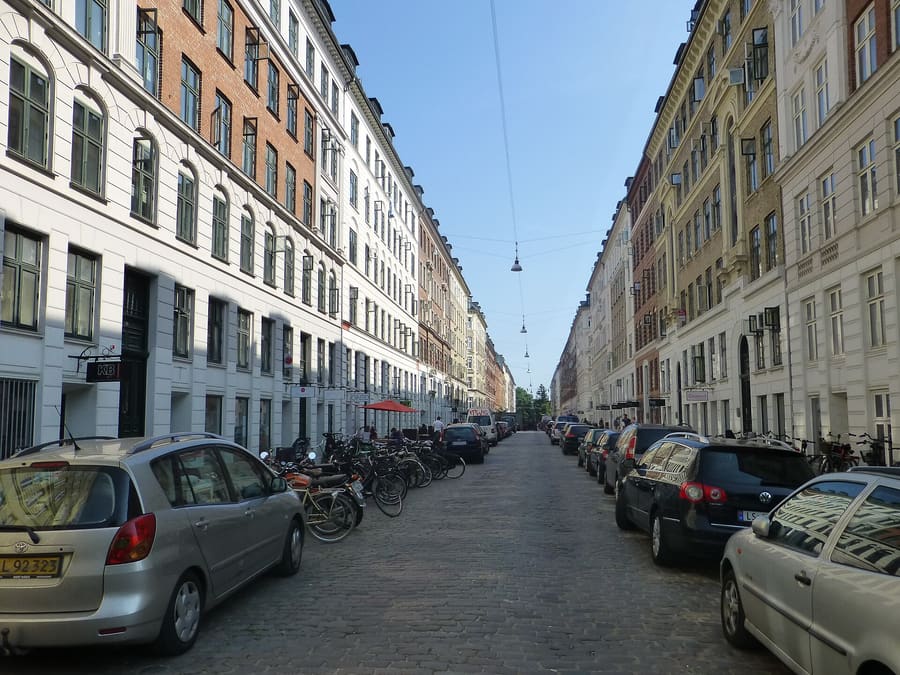
Nørrebro — Energetic borough known for bakeries, vintage clothing, and Assistens Cemetery.
Leif Jørgensen · CC BY-SA 4.0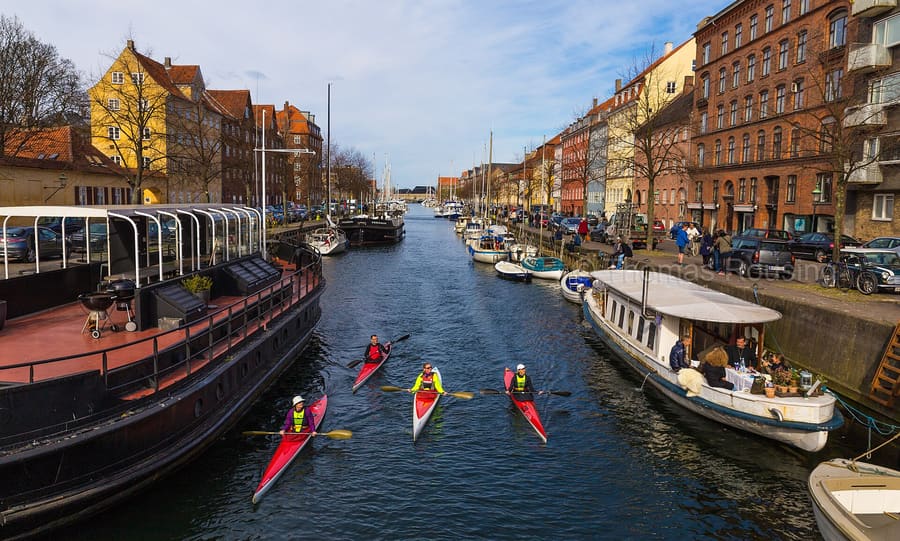
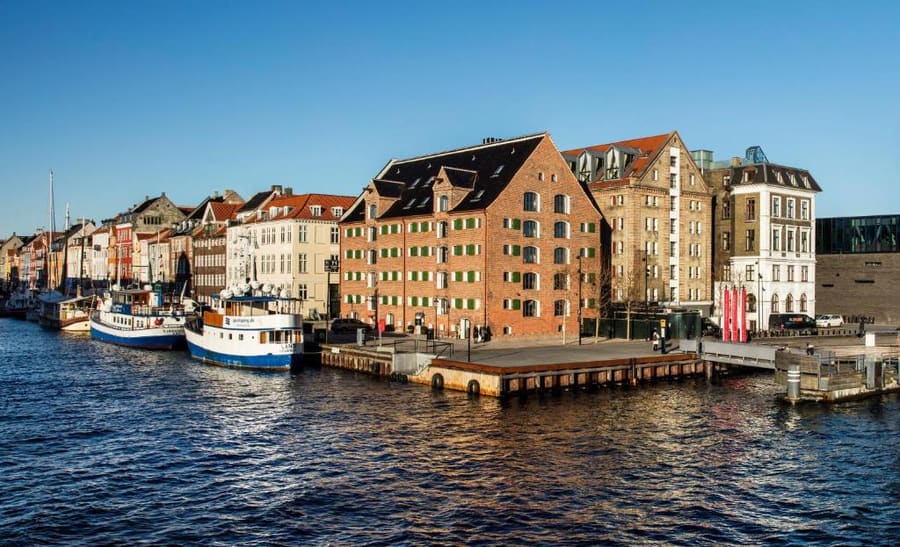
Christianshavn — 17th-century canal quarter lined with houseboats and brick warehouses.
Thomas Rousing from Copenhagen, Denmark · CC BY 2.0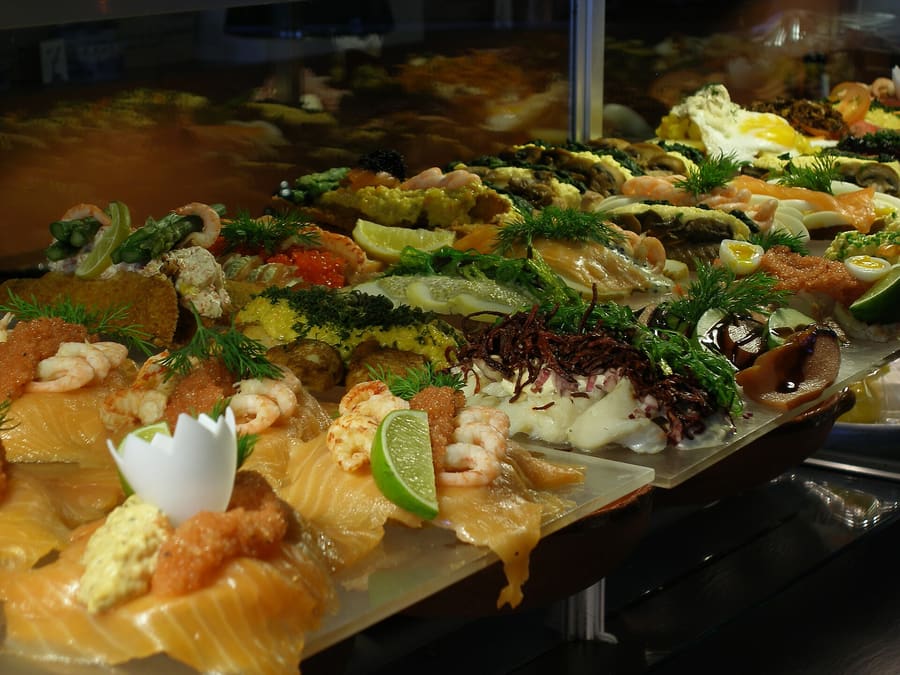
Classic smørrebrød featuring pickled herring on rugbrød.
User:Nillerdk · CC BY-SA 3.0highlights
landmark
19th-century pleasure garden in the city center. Buy entry tickets online to skip queues; rides cost extra.
问问 Parley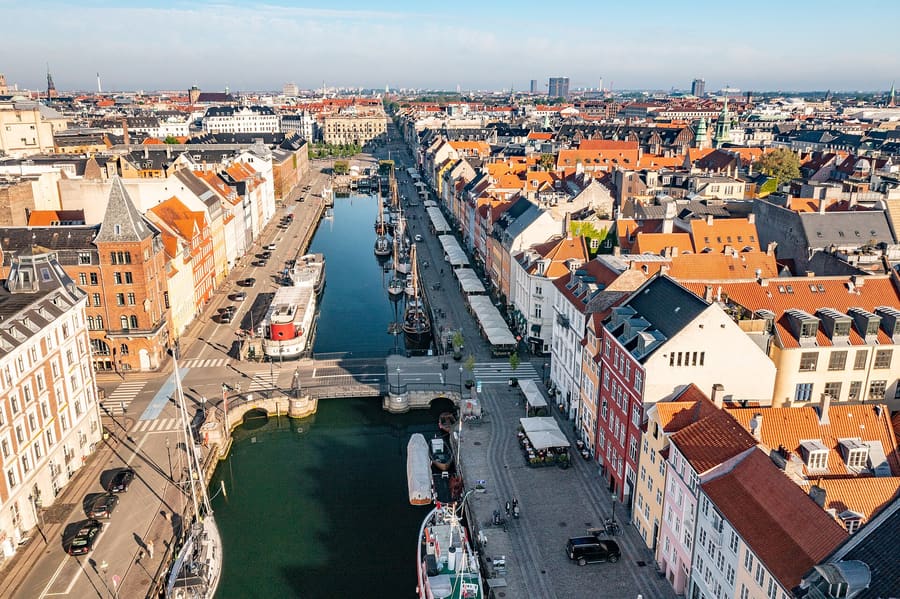
landmark
17th-century canal lined with townhouses. Skip sit-down meals here; buy a beer and sit on the quay wall.
问问 Parley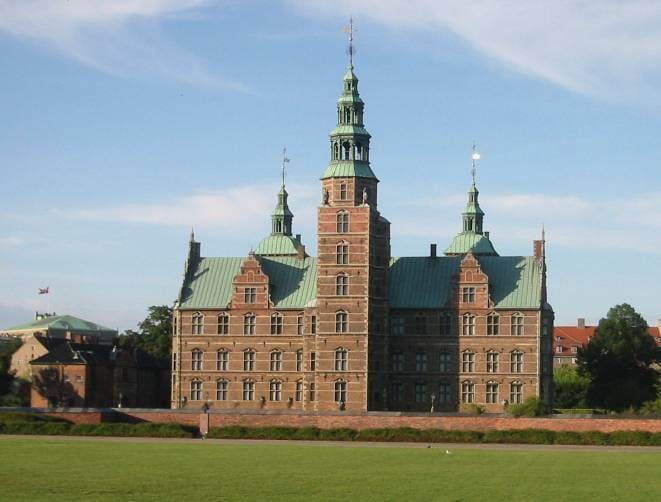
landmark
Renaissance castle housing royal crown jewels. Book a timed slot online to secure entry.
问问 Parley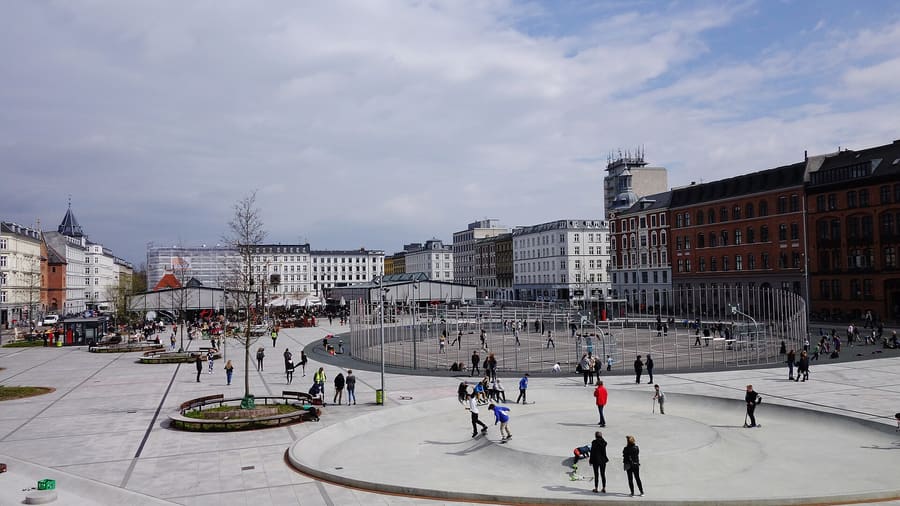
landmark
Twin glass market halls selling smørrebrød, coffee, and produce. Arrive before 12:00 to avoid lunch lines.
问问 Parley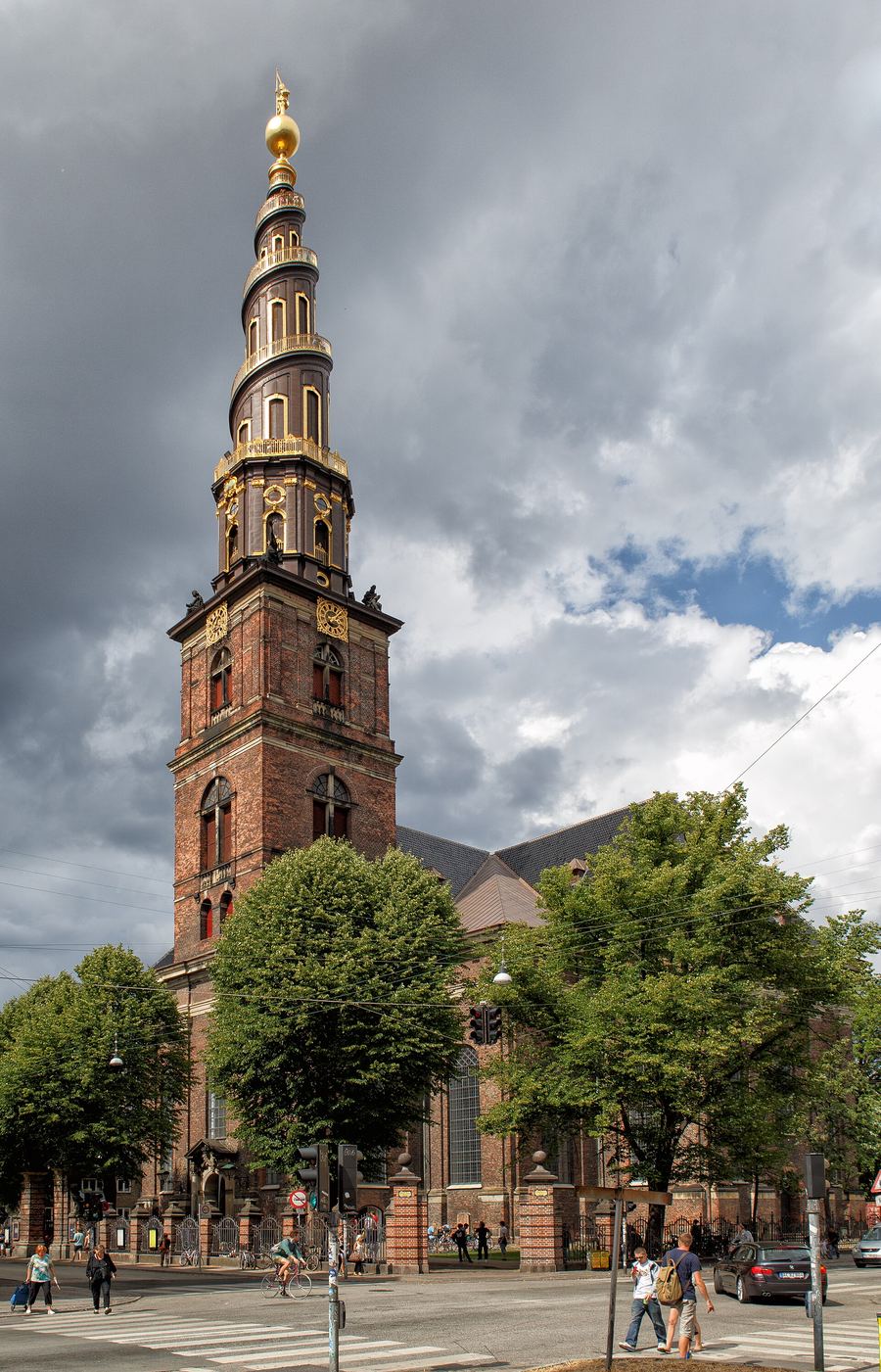
landmark
Baroque church with an external spiral spire. The open-air climb closes during rain and high winds.
问问 Parley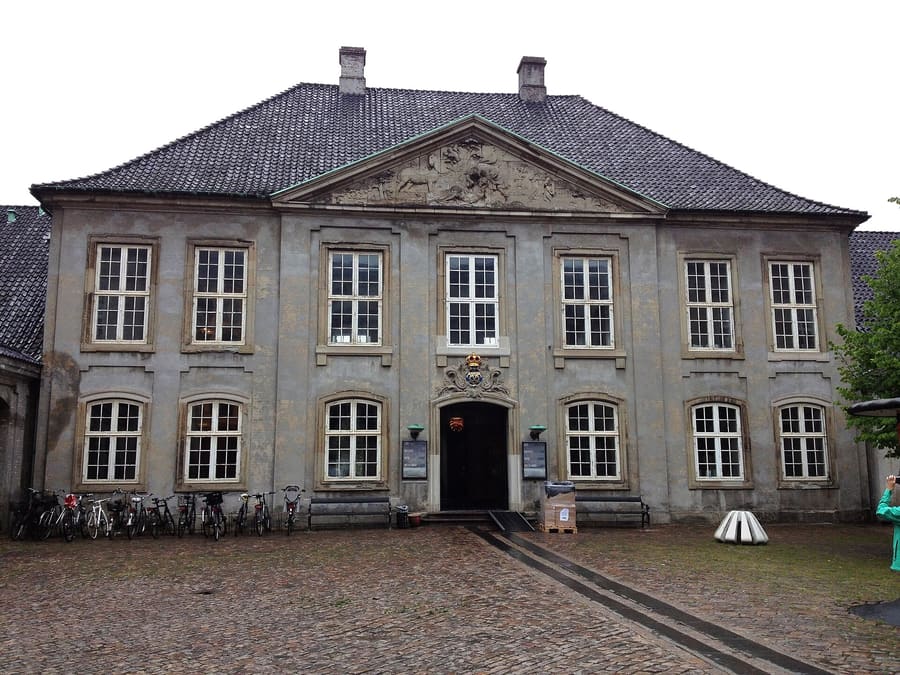
landmark
Archive of 20th-century Danish furniture and modern product design. Closed Mondays.
问问 Parleyattractions
areas
Historic centre with cobbled streets, major retail lanes, and royal palaces.
附近Tivoli, Torvehallerne, Nyhavn
问问 ParleyFormer working-class district packed with craft breweries and Meatpacking District dining.
附近Tivoli, Meatpacking District, Central Station
问问 ParleyEnergetic borough known for bakeries, vintage clothing, and Assistens Cemetery.
附近Assistens Cemetery, The Lakes, Superkilen
问问 Parley17th-century canal quarter lined with houseboats and brick warehouses.
附近Church of Our Saviour, Freetown Christiania
问问 Parleyfood
Copenhagen restructured high-end dining through hyper-local ingredients and precision techniques. Traditional lunch centres on smørrebrød, an open-faced sandwich built on dense rye bread (rugbrød). Custom dictates eating topping types in strict order: herring first, followed by white fish, meat, and finally cheese. Sourdough bakeries anchor morning life, where cardamom buns are taken seriously.
Classic smørrebrød featuring pickled herring on rugbrød.
User:Nillerdk · CC BY-SA 3.0Bakeries and lunch spots rarely accept cash. Keep a debit or credit card ready.
Traditional smørrebrød restaurants serve lunch between 11:30 and 14:00. Kitchens close promptly afterwards.
Popular bakeries move crowds fast. Grab a paper ticket from the dispenser near the entrance if present.
history
Founded as a fishing settlement in the 10th century, Copenhagen grew into a commercial Baltic hub under King Christian IV. Major fires in 1728 and 1795 destroyed much of the medieval timber town, replacing it with straight streets and uniform brick facades. Late 20th-century urban planning shifted industrial docks into clean, accessible harbour basins.
Fortification of Slotsholmen
Bishop Absalon builds a stone castle on Slotsholmen, establishing the permanent city center.
Christian IV construction wave
King Christian IV expands the city, commissioning Rosenborg Castle, Børsen, and Christianshavn.
The Second Great Fire
Fire consumes almost 1,000 buildings, establishing strict brick construction rules.
Øresund Bridge opening
The bridge links Copenhagen to Malmö, Sweden, forming a single cross-border metropolitan area.
where to stay
Base yourself by how you want your evenings to run. Indre By keeps major museums in walking range. Vesterbro and Nørrebro offer superior local dining, while Christianshavn provides quieter canal-side streets.
transport
Copenhagen operates on bikes and integrated public transit. Dedicated cycle tracks run at street level, curb-separated from motor traffic and sidewalks. The automated Metro system operates without interruption day and night.
从Copenhagen Airport (CPH)出发
Regional trains leave Terminal 3 every 10 minutes for Copenhagen Central Station.
M2 line runs 24/7 directly to Nørreport station in the historic centre.
Ranks sit outside Terminal 3. Cards accepted; gratuity is included in the meter rate.
The M1, M2, M3 (Cityring), and M4 lines run continuously day and night without timetable breaks.
Covers unlimited rides on Metro, train, and bus across zones 1–4, including the airport.
Never walk in cycle lanes marked with solid lines. Signal with raised hands before stopping on a bike.
Yellow harbour ferries (lines 991 and 992) use standard transit tickets for water travel across the port.
cost
Copenhagen is expensive due to high national wages and a 25% sales tax (MOMS). Budget by using bakery breakfasts and market stalls for lunch rather than sit-down restaurants.
Single pour-over or espresso beverage at an independent coffee shop.
Standard price for fresh baked goods at specialty bakeries.
Price per open sandwich at traditional lunch venues.
Unlimited travel pass for central transit zones 1–4.
seasonality
MAR – MAY
Cool days with blooming parks. Daylight extends fast by May.
JUN – AUG
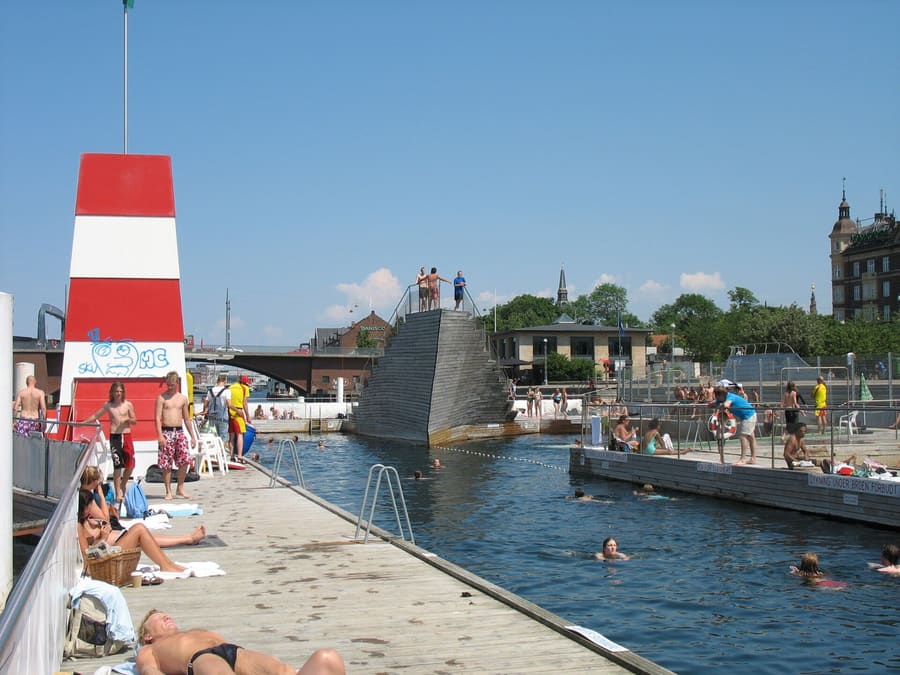
Warmest weather and long evening light. Harbour bath complexes operate at full capacity.
SEP – NOV
Crisp autumn temperatures. Rain increases significantly towards November.
DEC – FEB
Short daylight hours and freezing winds. Christmas light markets open in Tivoli through December.
practicalities
Harbour bath sites like Islands Brygge offer free, clean water swimming monitored daily.
Cash acceptance is rare. Bring contactless payment cards for all transactions.
Locals wait for pedestrian walk lights on empty streets. Cross against the red light at your own risk.
Tap water is cold, clean, and safe to drink everywhere in the city.