landmark
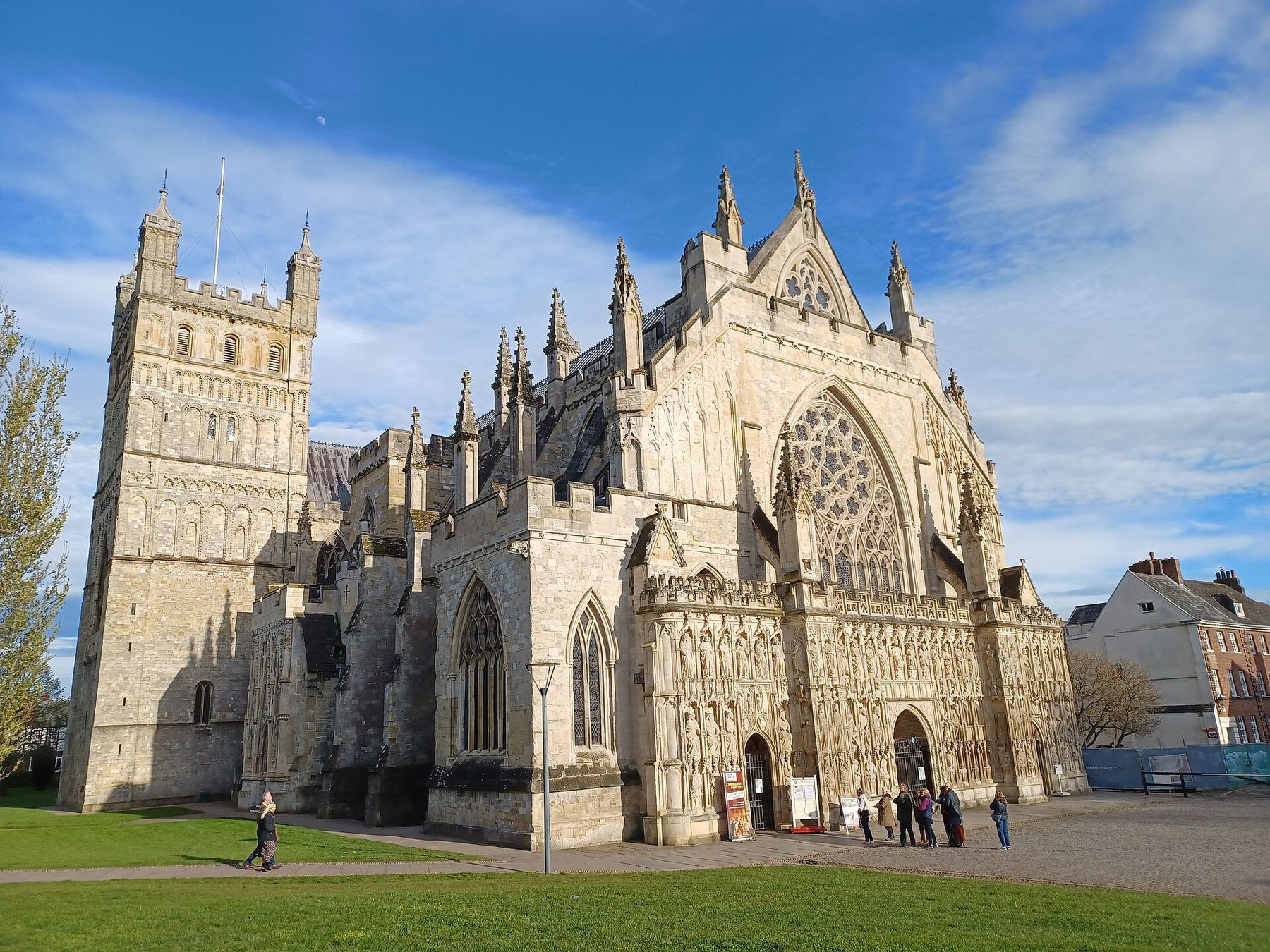
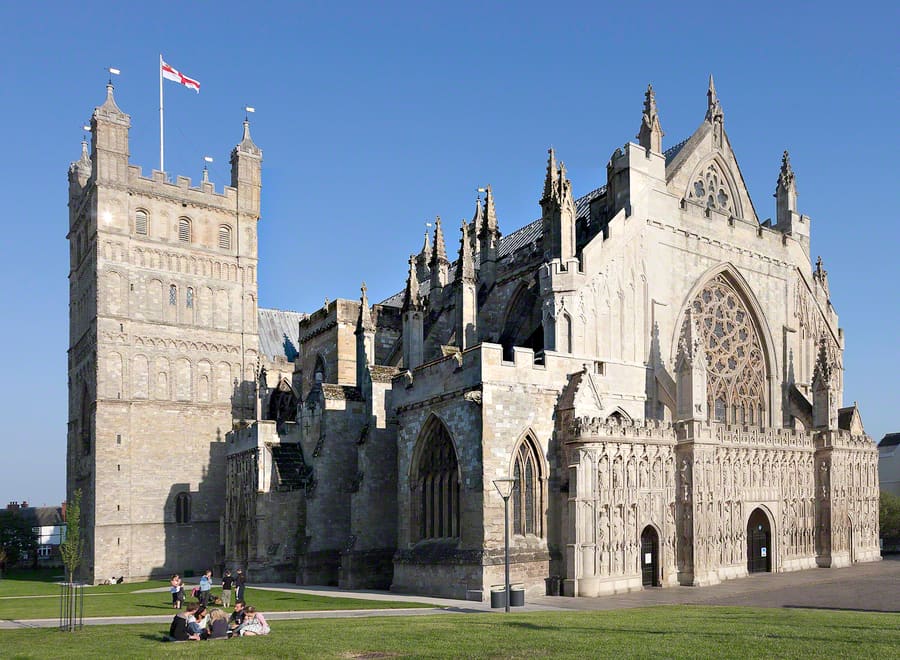
Exeter Cathedral
14th-century Gothic cathedral featuring vaulted stone ceilings. Buy entry online to bypass queues.
问问 Parley英国
Roman walls, gothic stone, and a working riverfront.
introduction
Exeter sits on a steep sandstone ridge above the River Exe, wrapped in surviving Roman city walls. You walk everywhere here, as medieval lanes, Georgian squares, and the cathedral precinct sit within a fifteen-minute stroll of each other. The city combines centuries of Devon history with a large university population that keeps local pubs and cafes busy year-round. Expect compact navigation, damp winter weather, and direct rail links to Dartmoor and the South Devon coast.
Arrival trick
Exeter St Davids station sits downhill from the centre. Take the 3-minute connecting train up to Exeter Central to avoid the steep climb.
Cathedral precinct
Exeter Cathedral features the longest uninterrupted vaulted medieval stone ceiling in the world. Admission tickets grant entry for twelve months.
Passages booking
The Exeter Underground Passages require advance booking online. Unbooked walk-ups are usually turned away on busy weekends.
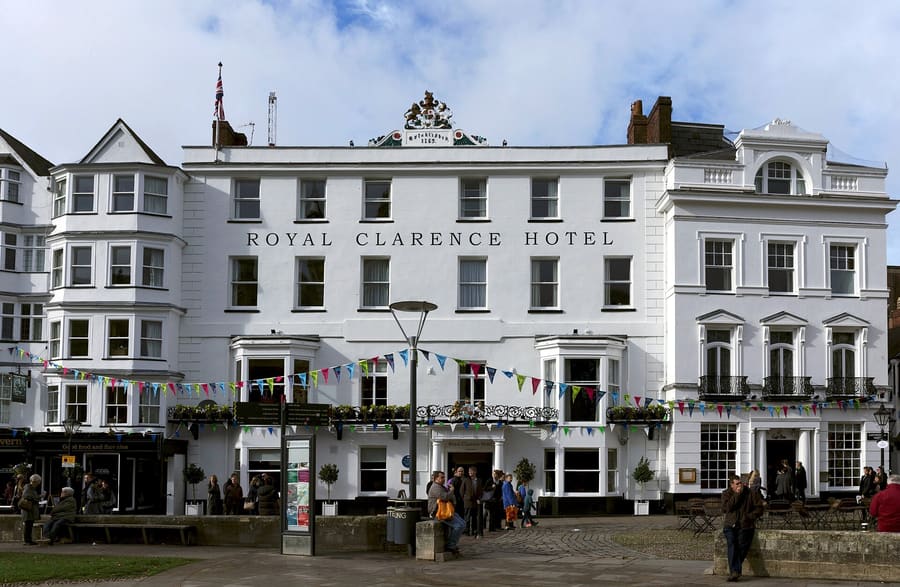
Exeter
Pymouss · CC BY-SA 4.0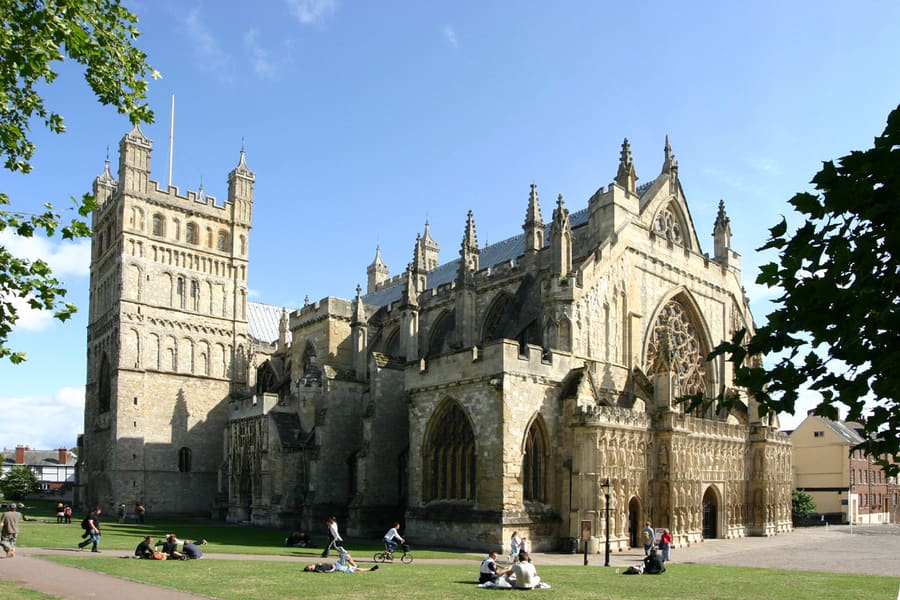
Cathedral Close & High Street — Pedestrian lanes, medieval timber facades, and lawn lounging around the gothic cathedral.
Rüdiger Wölk This photo was taken by Rüdiger Wölk. Please credit this photo Rüdiger Wölk, Münster. View all ph · CC BY-SA 2.5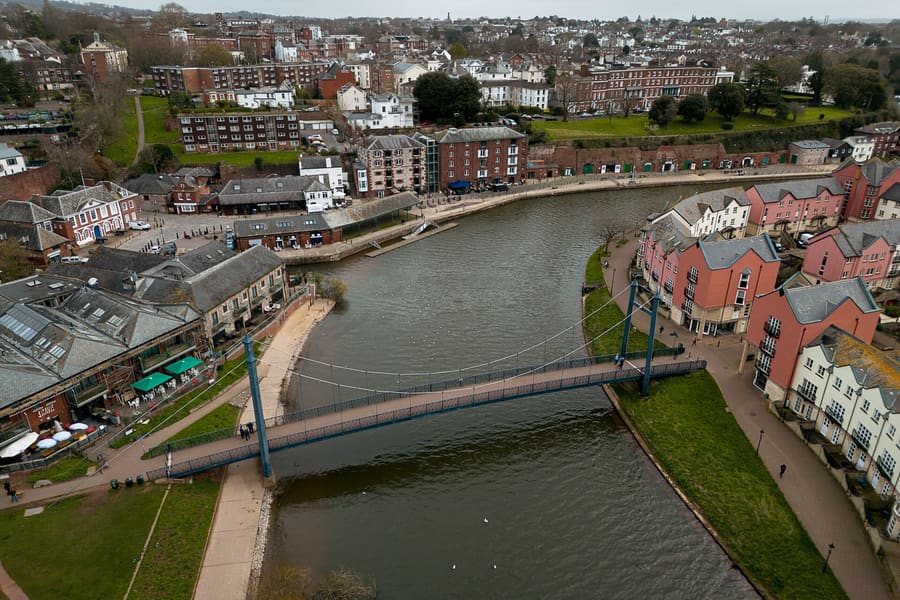
Historic Quayside — Converted warehouse pubs, paddleboard hiring, and antique shops along the River Exe.
Lee Maxwell Photography · CC BY 4.0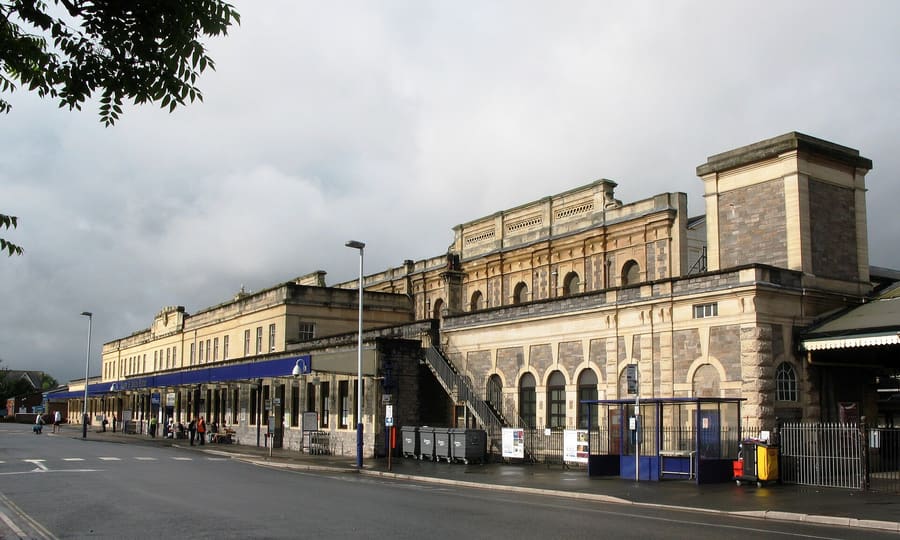
St David's — Transit-focused district running down to the main railway station and river paths.
Geof Sheppard · CC BY-SA 4.0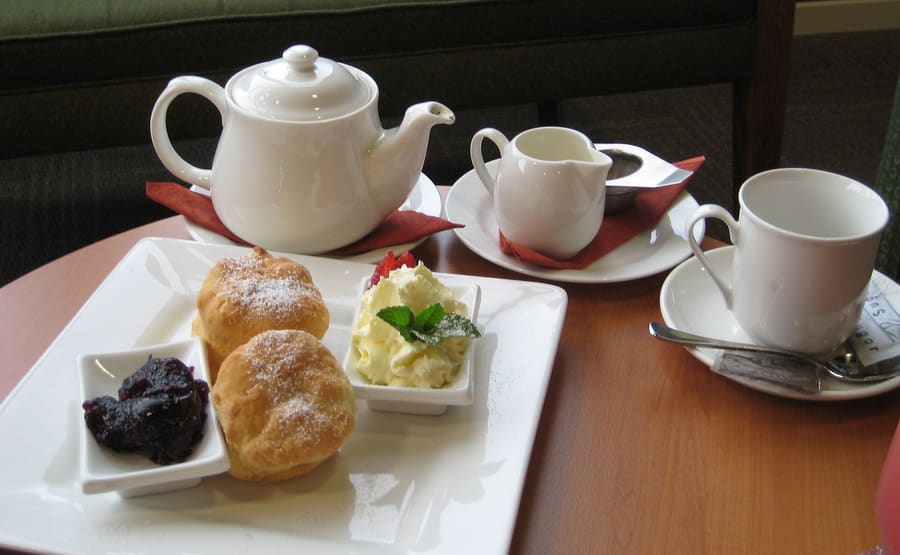
Devon cream tea in Exeter strictly puts clotted cream beneath jam.
(Liyster) · CC BY 3.0highlights
landmark
14th-century Gothic cathedral featuring vaulted stone ceilings. Buy entry online to bypass queues.
问问 Parley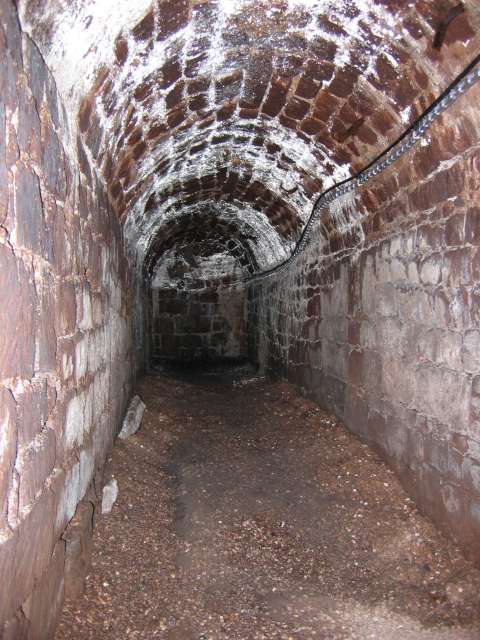
landmark
Medieval vaulted tunnels built to pipe clean fresh water into the city. Reserve guided tours in advance.
问问 Parley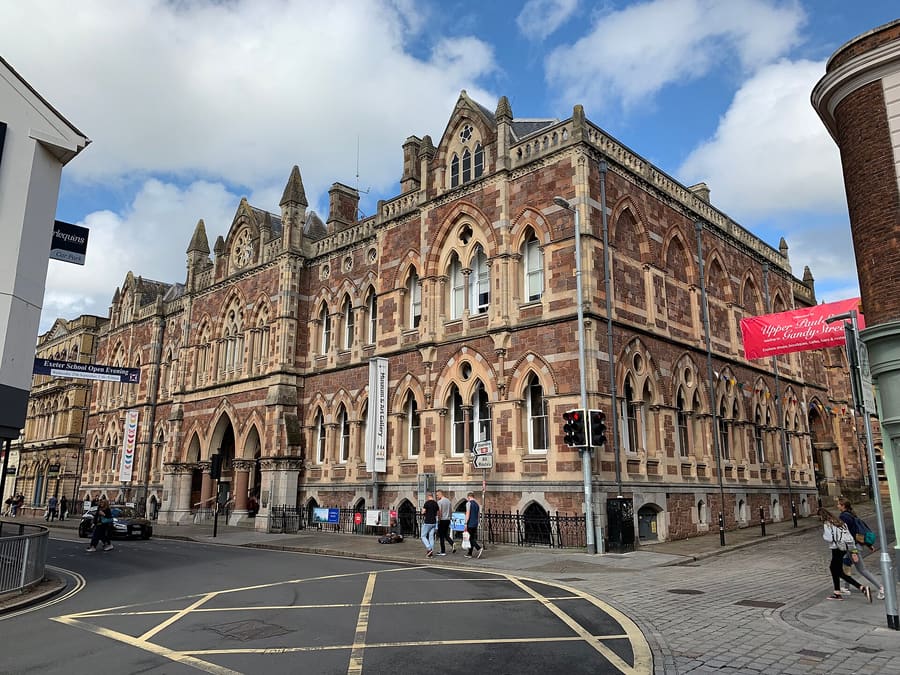
landmark
Victorian museum housing Devon taxidermy, Roman artifacts, and fine art. General admission is completely free.
问问 Parley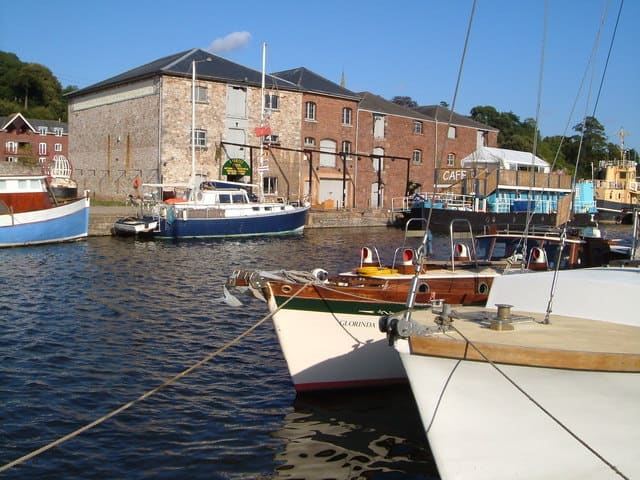
landmark
Former wool port lined with converted brick warehouses, cafes, and kayak rentals along the Exe.
问问 Parleyattractions
areas
Pedestrian lanes, medieval timber facades, and lawn lounging around the gothic cathedral.
附近Cathedral, Underground Passages, Guildhall
问问 ParleyConverted warehouse pubs, paddleboard hiring, and antique shops along the River Exe.
附近Custom House, River Exe, Canal Basin
问问 ParleyTransit-focused district running down to the main railway station and river paths.
附近St Davids Station, River Exe trail
问问 ParleyQuiet Georgian brick terraces surrounding mature gardens along the Roman city wall.
附近Cathedral Green, Princesshay shopping
问问 Parleyfood
Devon dining follows strict local etiquette that sets it apart from neighbouring Cornwall. The Devon cream tea requires split scones spread with clotted cream first, topped with strawberry jam second. Exeter draws seafood directly from the River Exe estuary, making local mussels and oysters regional highlights in waterfront eateries.
Devon cream tea in Exeter strictly puts clotted cream beneath jam.
(Liyster) · CC BY 3.0In Exeter, putting jam on a scone before cream violates regional tradition. Spread clotted cream first.
Exe estuary mussels are harvested locally from October through March. Order them fresh at quayside seafood restaurants.
Local pubs serve dry, uncarbonated Devon cider from local wooden barrels rather than commercial keg taps.
history
Exeter began as Isca Dumnoniorum, the most south-westerly Roman fortress in Britain. The city grew into a medieval wool trading power, surviving civil war sieges and heavy World War II aerial bombardment.
Exeter Ship Canal opens
City merchants construct one of England's earliest artificial canals to bypass weir blockades on the River Exe.
Baedeker Blitz
Air raids destroy large swathes of the historical centre, leading to mid-century rebuilding alongside surviving monuments.
where to stay
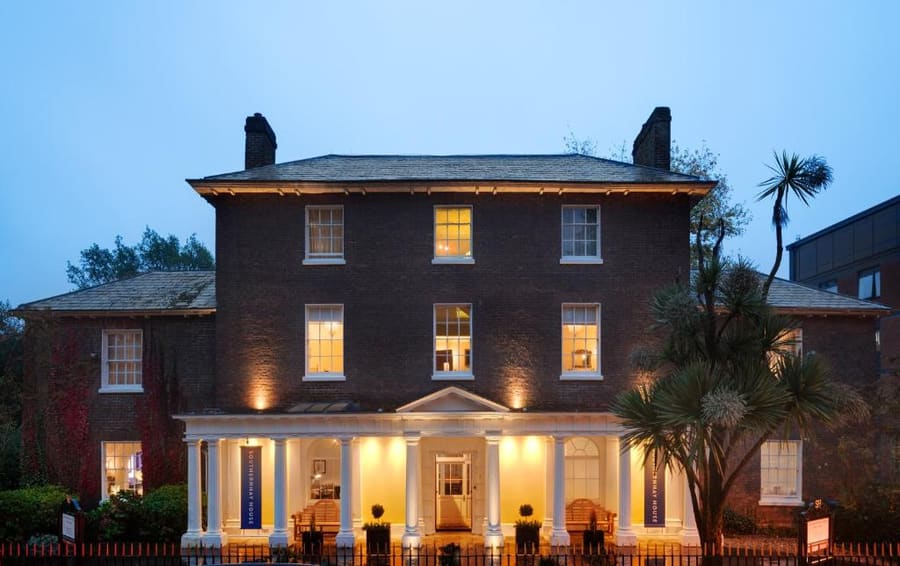
Choose your base by terrain and transit requirements. Stay near Southernhay for quiet Georgian streetscapes without steep walks, or select St David's if you catch early morning rail connections to Cornwall and Dartmoor.
transport
Central Exeter is entirely walkable, but its steep terrain matters. Trains and buses connect the central ridge to the quayside and surrounding Devon towns efficiently.
Exeter St Davids serves long-distance London and Cornish routes. Exeter Central drops you inside the main shopping quarter.
Stagecoach city buses accept contactless card payments onboard. Tap on with your card when entering.
Walking from the Cathedral to the Quayside involves descending steep stone steps. Take the gentler incline down Western Way instead.
cost
Exeter costs sit below London rates, though seasonal tourism keeps summer hotel prices firm. Food costs vary between budget student cafes and upmarket quayside restaurants.
Covers two large scones, jam, clotted cream, and a pot of tea.
Standard price for craft cask ales in central and quayside pubs.
seasonality
MAR – MAY
Spring blooms in Northernhay Gardens. Cool days with moderate rainfall; cathedral queues remain short.
JUN – AUG
Long outdoor evenings on the Quayside. Warmest temperatures, but summer tour groups fill central hotels.
SEP – NOV
Students return, energising city pubs. Crisp autumnal light for Roman wall walks, with increasing dampness.
DEC – FEB
Short, wet winter days. Christmas market fills Cathedral Green in December; low accommodation rates in January.
practicalities
Large retail stores and city centre cafes close strictly at 16:00 on Sunday afternoons.
Most independent stalls, buses, and pubs prefer digital or card payments over physical cash.
The RAMM museum charges no admission fee, making it an ideal rain shelter during afternoon downpours.
Pubs and transport grow noticeably busier during Exeter University terms from October through May.
The River Exe below the quay is tidal. Check local tide tables if renting kayaks or SUPs.