landmark
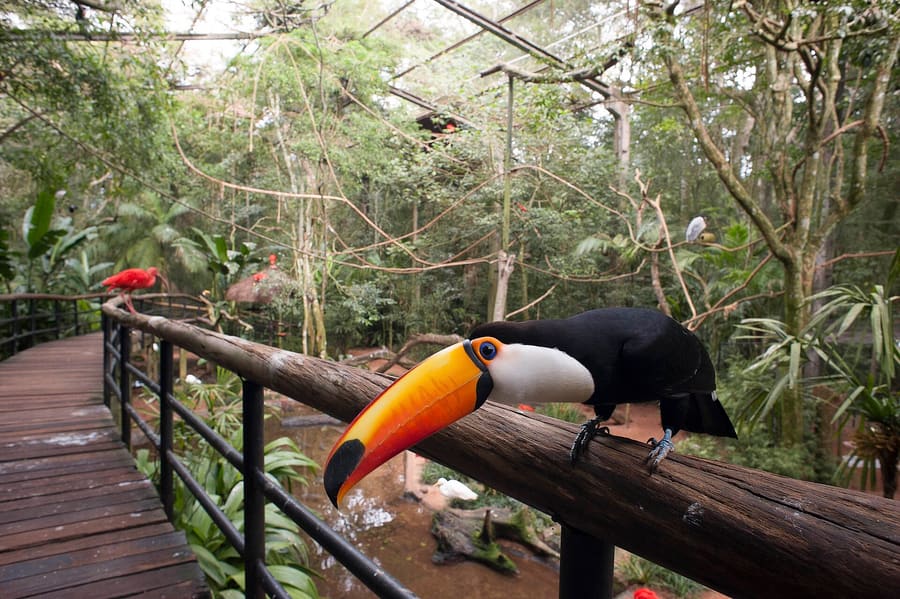
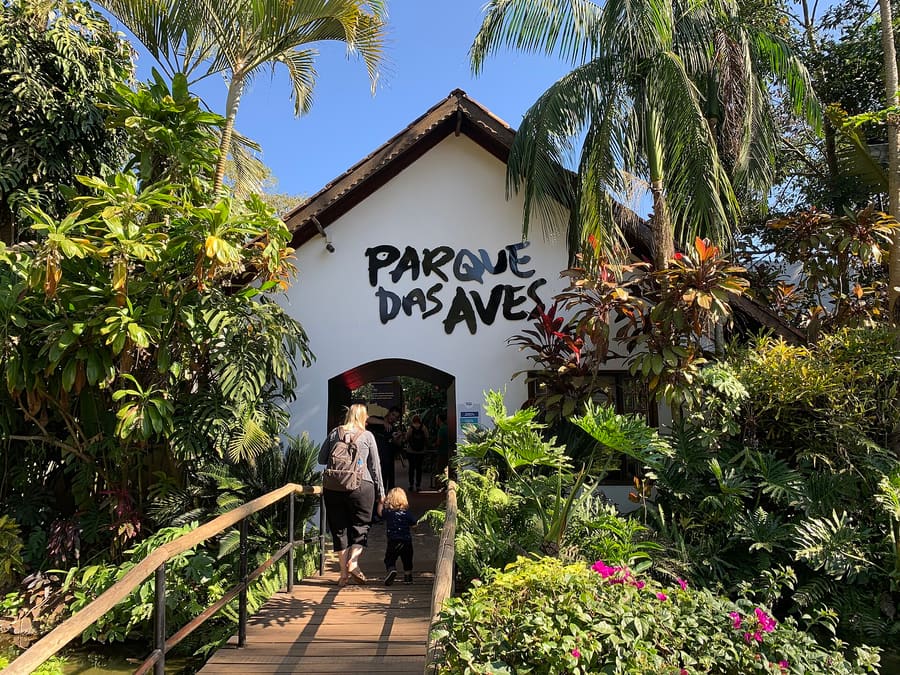
Parque das Aves
Walk-through aviaries put you meters away from rescued toucans and macaws. Visit at 8:30 AM before tour buses clog the paths.
问问 Parley巴西
Waterfalls, border trade, and a hydroelectric giant.
introduction
Foz do Iguaçu is a frontier transit hub built around water and international trade. You move through it on long arterial roads connecting Brazil, Argentina, and Paraguay. Expect heat, heavy border traffic, and a landscape dominated by rainforest and concrete engineering.
Airport transit
Line 120 buses run directly from IGU airport to the central terminal and park entrance for R$ 5. Taxis charge flat rates.
UNESCO natural site
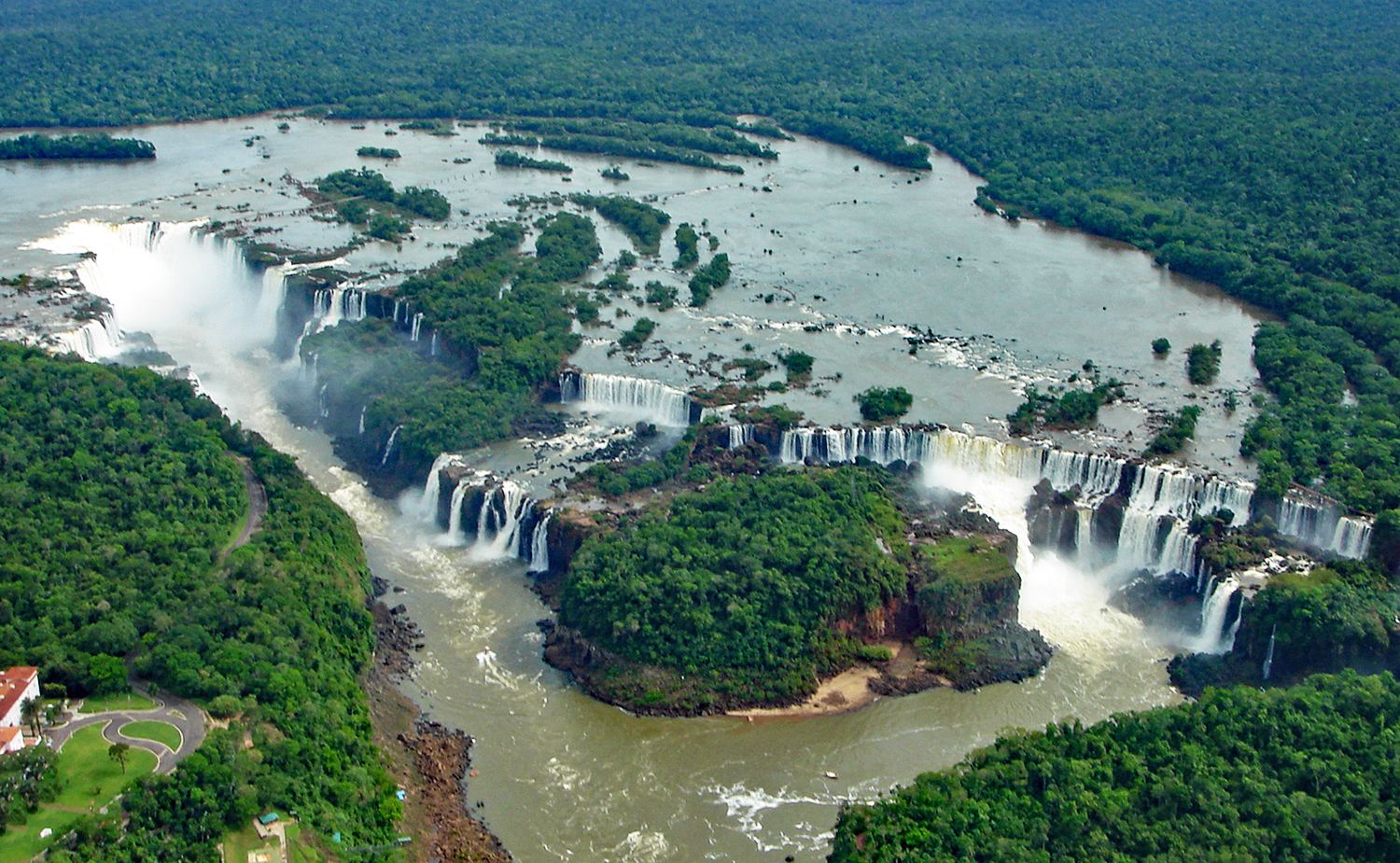
Iguaçu National Park protects one of South America's largest remaining Atlantic forest reserves alongside the falls.
Cross-border prep
Carry physical passports for day trips to Argentina or Paraguay. Digital IDs are routinely rejected at border checkpoints.
Foz do Iguaçu
Jorge Andrade from Rio de Janeiro, Brazil · CC BY 2.0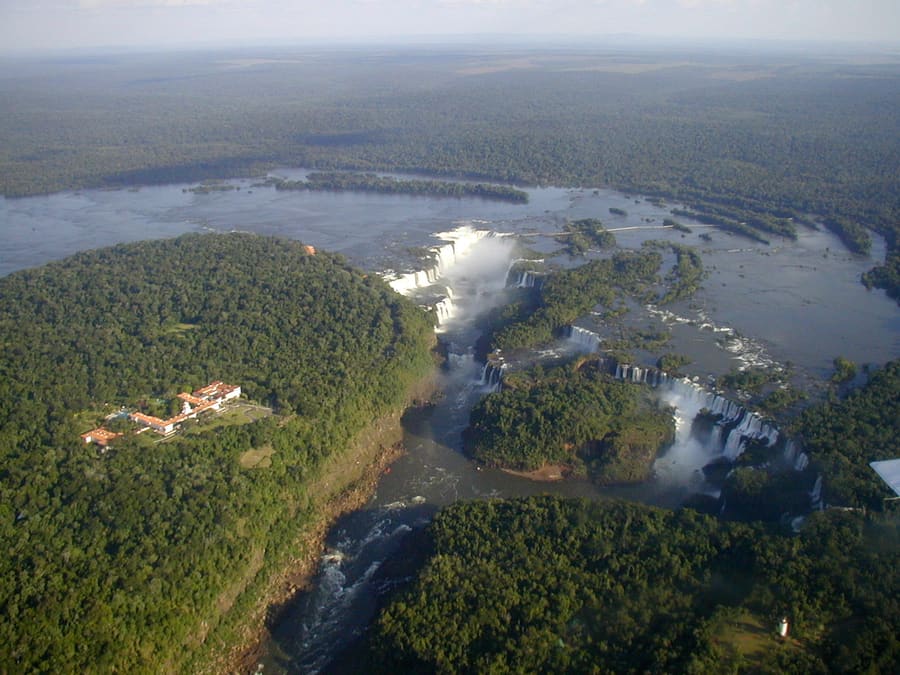
Avenida das Cataratas — A resort-lined corridor stretching from the city toward the national park and airport.
Claudio Elias · Public domain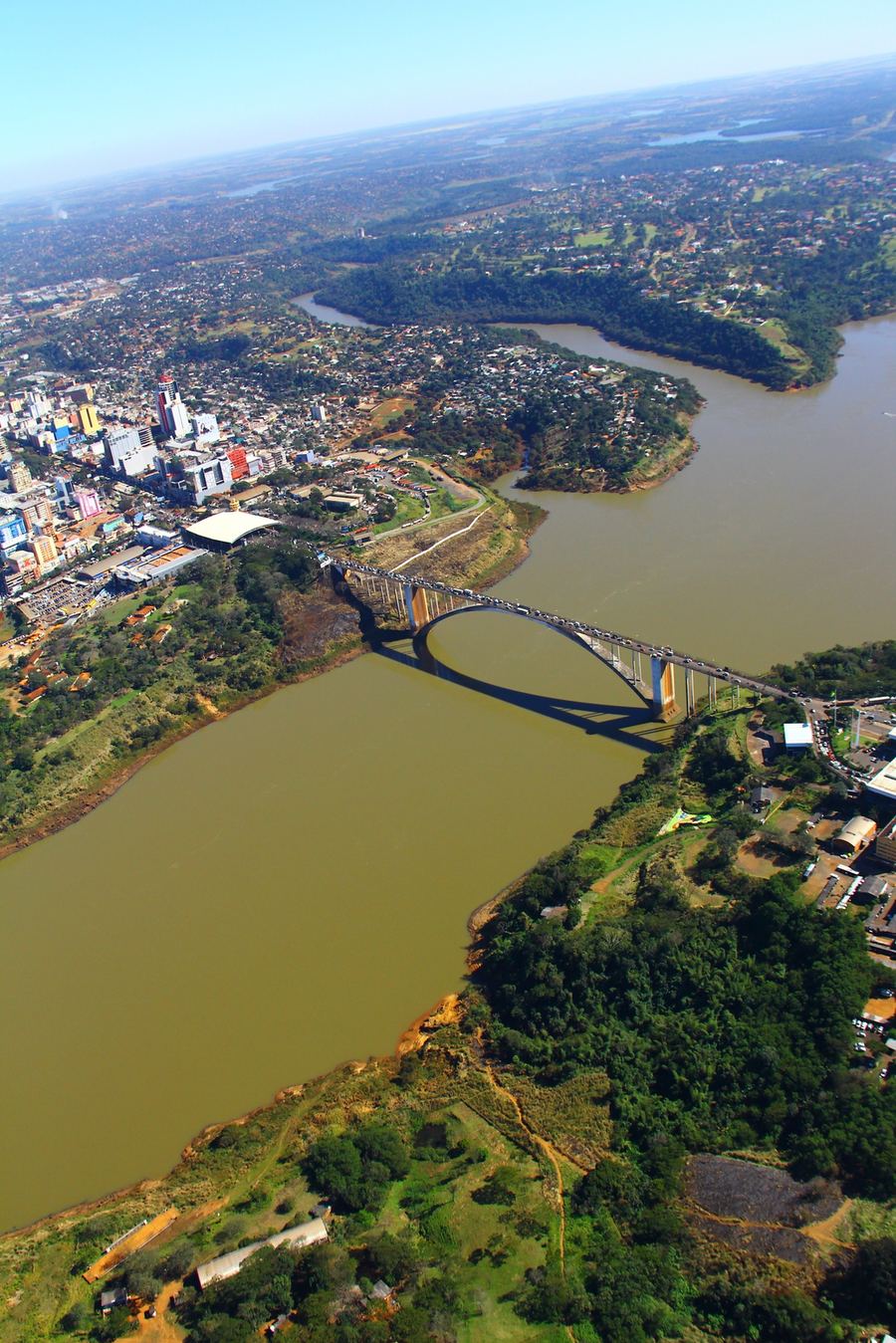
Vila Portes — High-intensity commercial zone right against the Friendship Bridge to Paraguay.
Cesar I. Martins from Jundiai, Brazil · CC BY 2.0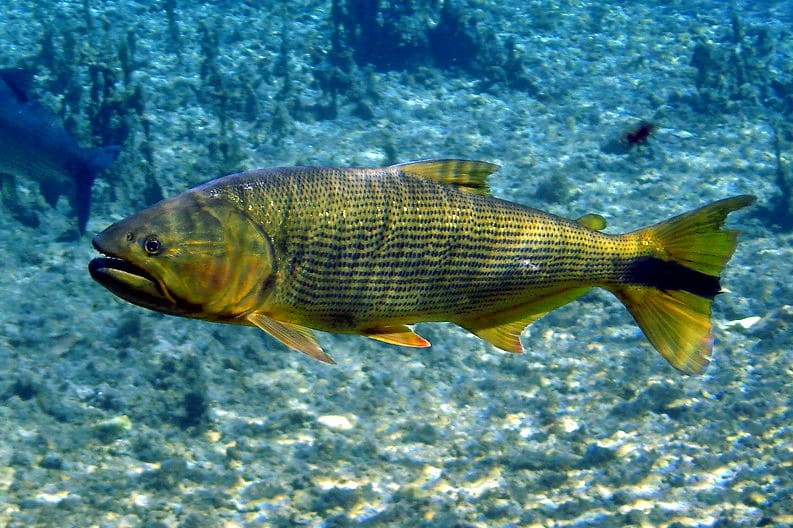
Dourado, a local freshwater fish, served baked at riverfront restaurants.
David Morimoto (treez44est) · CC BY-SA 2.0highlights
landmark
Walk-through aviaries put you meters away from rescued toucans and macaws. Visit at 8:30 AM before tour buses clog the paths.
问问 Parley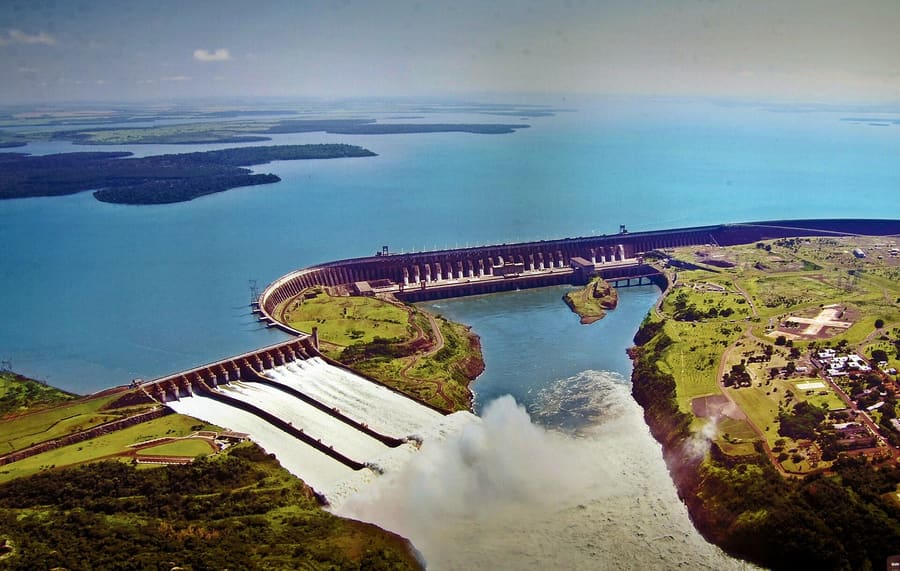
landmark
A massive binational hydroelectric dam on the Paraná River. Book the Special Panoramic tour to see the inner turbine halls.
问问 Parley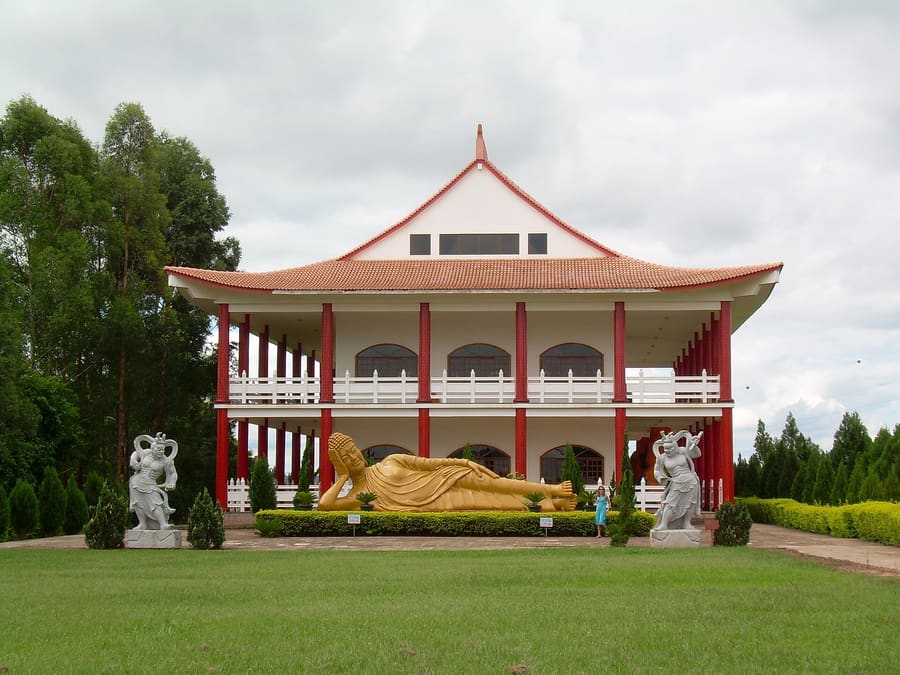
landmark
Over 120 statues stand on a quiet hill above the Paraná River. Admission is free, but taxi drivers charge high waiting rates.
问问 Parley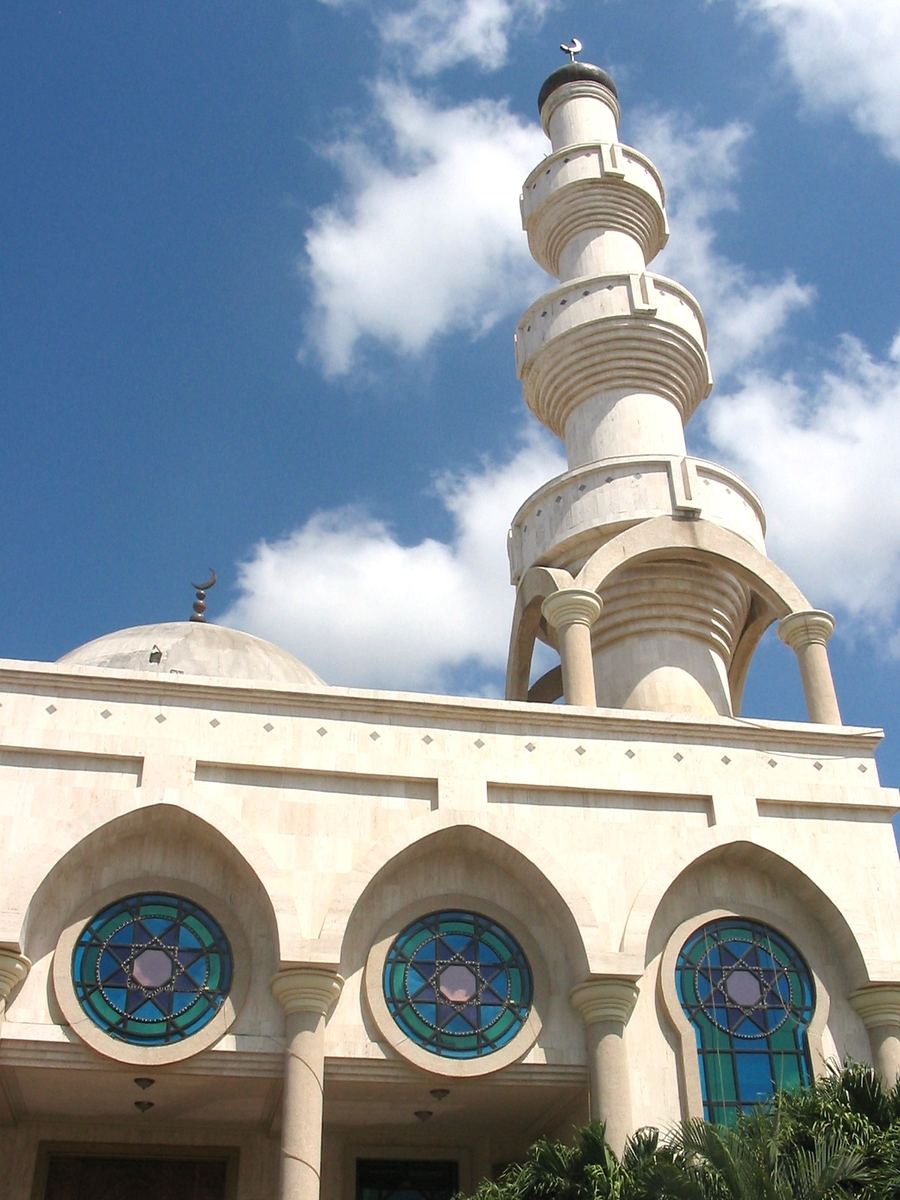
landmark
The center of Foz do Iguaçu's large Arab community. Guided tours require covered shoulders and knees.
问问 Parleyattractions
areas
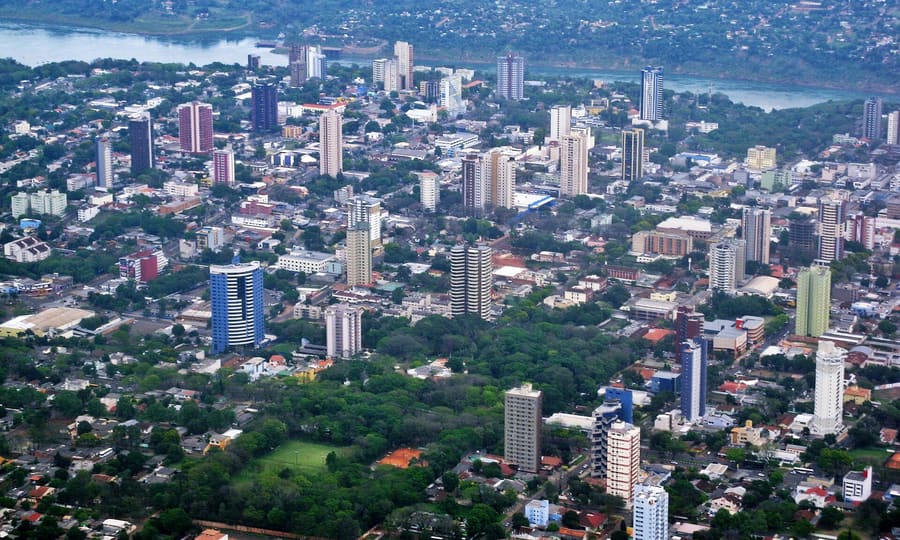
Functional city grid filled with banks, Lebanese bakeries, and central bus hubs.
附近Central Bus Terminal (TTU) and border buses to Paraguay.
问问 ParleyA resort-lined corridor stretching from the city toward the national park and airport.
附近Iguaçu National Park and Parque das Aves.
问问 ParleyHigh-intensity commercial zone right against the Friendship Bridge to Paraguay.
附近Friendship Bridge and Ciudad del Este.
问问 ParleyA suburban academic enclave founded around consciousness research institutions and libraries.
附近CEAEC research center and eastern bypass roads.
问问 Parleyfood
Foz do Iguaçu's dining scene reflects its triple border and large Middle Eastern immigration. Freshwater fish from the Paraná and Iguaçu rivers lead regional menus; because piracanjuba and dourado cannot be legally caught or commercially served due to environmental protection laws, regional fish menus feature legally commercialized species such as surubí, pacú, and tucunaré. Downtown hosts dozens of authentic shawarma spots run by Lebanese families who settled here in the mid-twentieth century.
Dourado, a local freshwater fish, served baked at riverfront restaurants.
David Morimoto (treez44est) · CC BY-SA 2.0Downtown shawarma shops use spit-roasted meat wrapped in thin flatbread with garlic sauce and pickles.
Porto Meira restaurants serve freshwater fish like surubim grilled over charcoal along the Paraná River.
Sopa paraguaya (corn cake) and chipá are sold near the bridge border, usually requiring cash in Reais or Guaraníes.
history
The Kaingang and Guarani peoples inhabited the Iguaçu basin long before Spanish explorer Álvar Núñez Cabeza de Vaca sighted the falls in 1542. The modern settlement formed in the late 19th century as a Brazilian military outpost securing the southwestern border. The construction of the Friendship Bridge in 1965 and the Itaipu Dam in the 1970s transformed Foz do Iguaçu from a remote frontier village into a major energy producer and international commerce corridor.
Spanish contact
Álvar Núñez Cabeza de Vaca becomes the first European to document the falls.
National park created
Brazil establishes Iguaçu National Park to preserve the forest and waterfalls.
Friendship Bridge
Opening of the bridge to Paraguay accelerates cross-border trade.
Itaipu generates power
The massive hydroelectric dam begins commercial electricity production.
where to stay
Choose your hotel based on how you plan to move around. If you lack a car and rely on public buses, stay in Centro near the TTU terminal. If your main goal is early park entry and resort amenities, choose Avenida das Cataratas.
transport
Public transit centers on the TTU terminal in Downtown. Buses run on fixed routes along main avenues, while rideshares handle direct trips between attractions outside the bus grid.
从Foz do Iguaçu International Airport (IGU)出发
Line 120 connects IGU directly to TTU terminal and park gates.
Pickup is directly outside the main arrival doors.
Fixed fare counters operate inside the arrival hall.
Line 120 runs every 20 minutes between TTU central terminal, IGU airport, and the national park entrance.
Public buses accept contactless credit cards and mobile payments directly at the turnstile.
Local international buses cross the Friendship Bridge to Ciudad del Este, but walking across during rush hour is often faster.
Buses to Puerto Iguazú clear Argentine customs; peak morning border queues can add over an hour.
cost
Foz do Iguaçu is generally cheaper than Rio or São Paulo, but attraction entry fees represent a significant part of your budget. Entrance fees to major parks are fixed for international tourists.
Single journey fare on all municipal urban bus lines.
Price for a full meat shawarma wrap at downtown Lebanese eateries.
seasonality
DEC – FEB
Extreme heat and high rainfall. High water volume over the falls, but long lines at park shuttle buses.
MAR – MAY
Warm temperatures and lower rainfall. Moderate crowds make this a practical window for walking park trails.
JUN – AUG
Mild days and cooler nights. Lower water flow at the falls, but pleasant weather for outdoor walking.
SEP – NOV
Rising temperatures and frequent showers. Water levels build back up as summer approaches.
practicalities
While shops in Ciudad del Este accept US dollars, local businesses in Foz do Iguaçu operate exclusively in Brazilian Reais.
Water mist at the falls and rainforest humidity will soak lightweight electronics; bring waterproof bags.
South American coatis at the falls park snatch food aggressively from hands and bags; do not feed them.
National park admission uses hourly entry slots; reserve online to avoid waiting for later entry times.