landmark
Kozhikode Beach
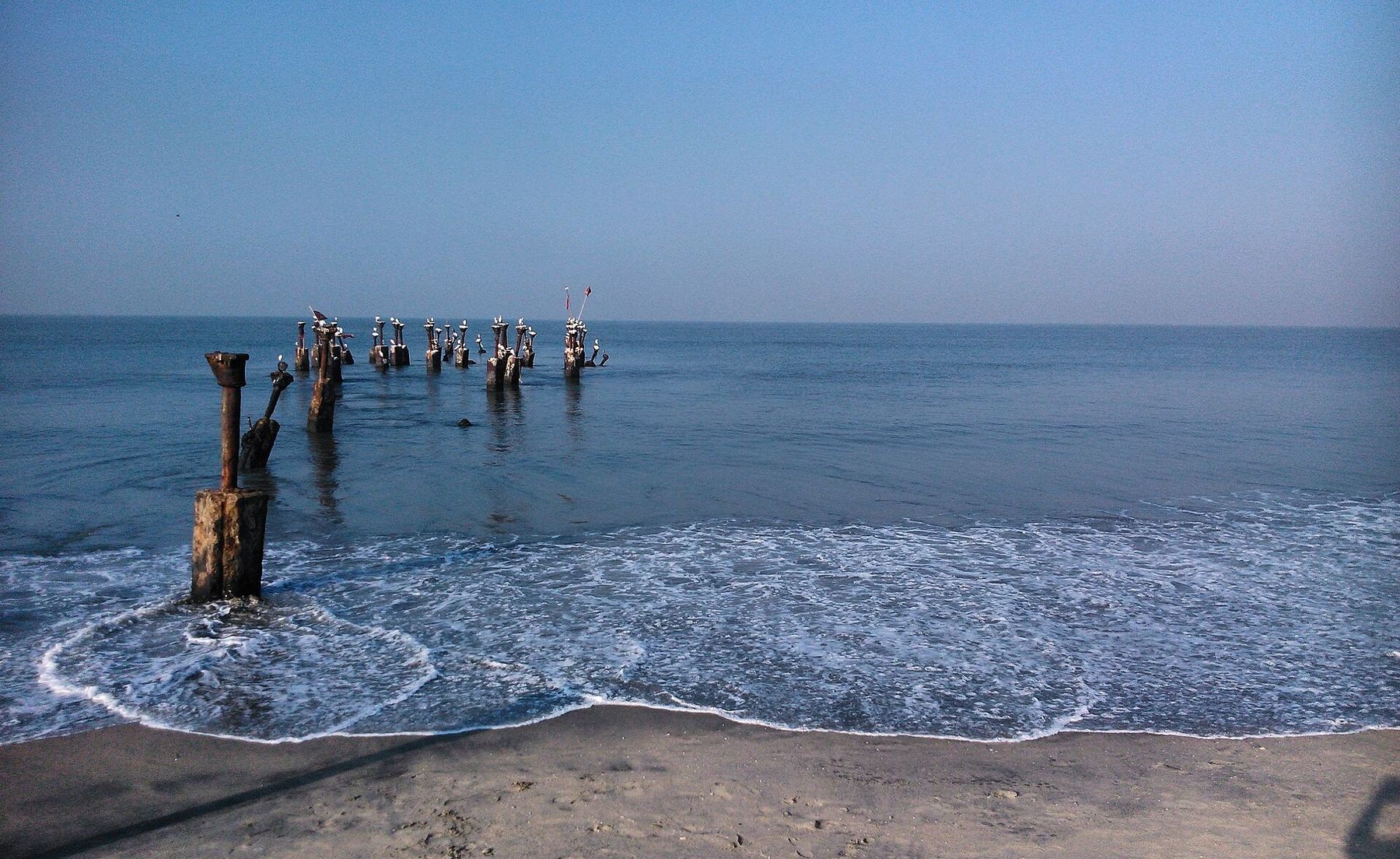
Two ruined iron piers extend into the sea. Sunset brings seafood carts and heavy foot traffic.
问问 Parley印度
Malabar spice port, culinary benchmark, timber heritage.
introduction
Kozhikode built its fortune on the global black pepper trade long before European traders landed on its coast. Today, the city operates as the culinary capital of northern Kerala, defined by distinct Malabar food traditions and maritime history. You navigate a tight cluster of market lanes around Mananchira Square, shifting south toward Beypore's shipyards or west toward the Arabian Sea promenade. Expect dense urban traffic, slow afternoon dining, and an intense pride in local cooking.
Arrival trick
Pre-paid taxi counters inside the airport terminal charge fixed government rates. They eliminate fare negotiations to the city centre.
UNESCO recognition
Kozhikode is India's first designated UNESCO City of Literature. The title honours its deep publishing house and library network.
Dining planning trick
Famous biryani spots close their kitchens by 15:30 once daily batches sell out. Arrive before 13:00 to secure a portion.
Kozhikode
Prof tpms · CC BY-SA 4.0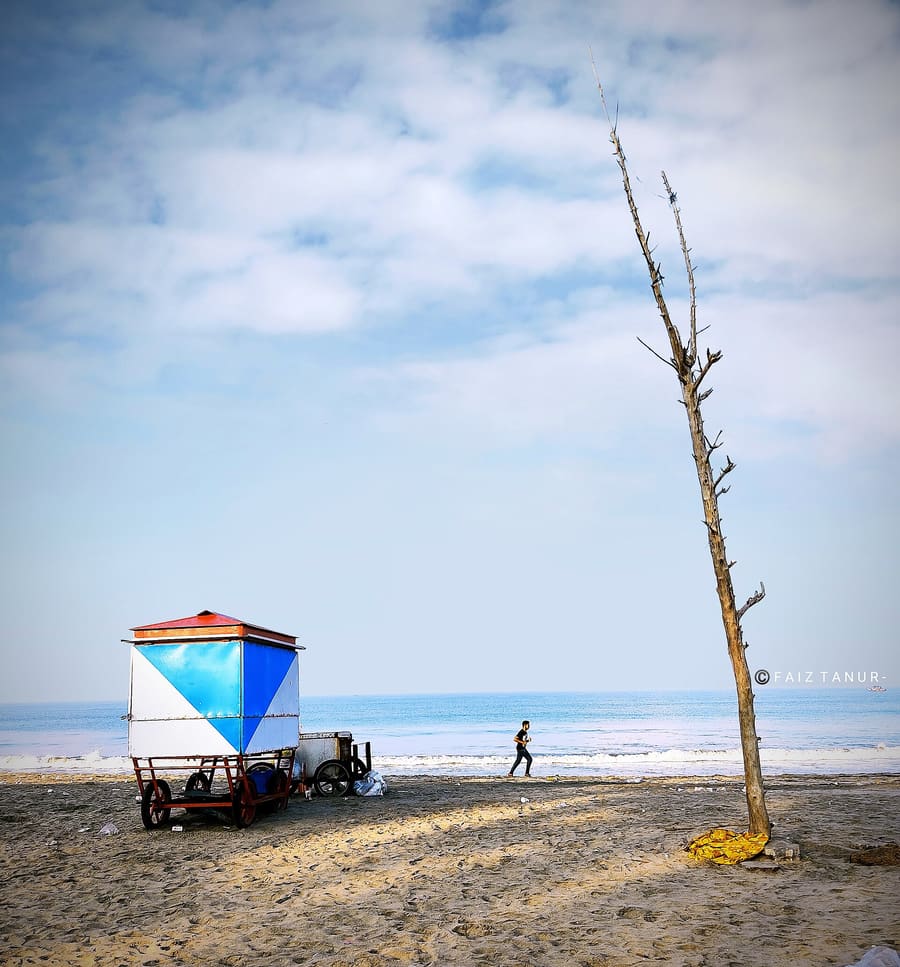
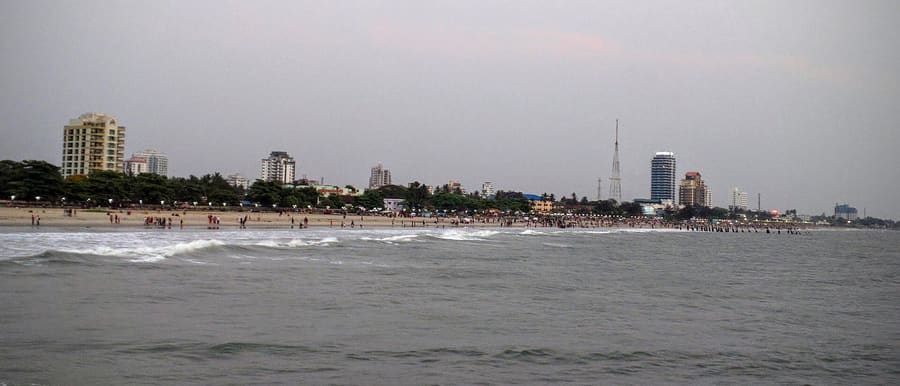
Beachside — Open sea breezes, evening food stalls, and heritage bungalows line this coastal strip.
Faizvvk · CC BY-SA 4.0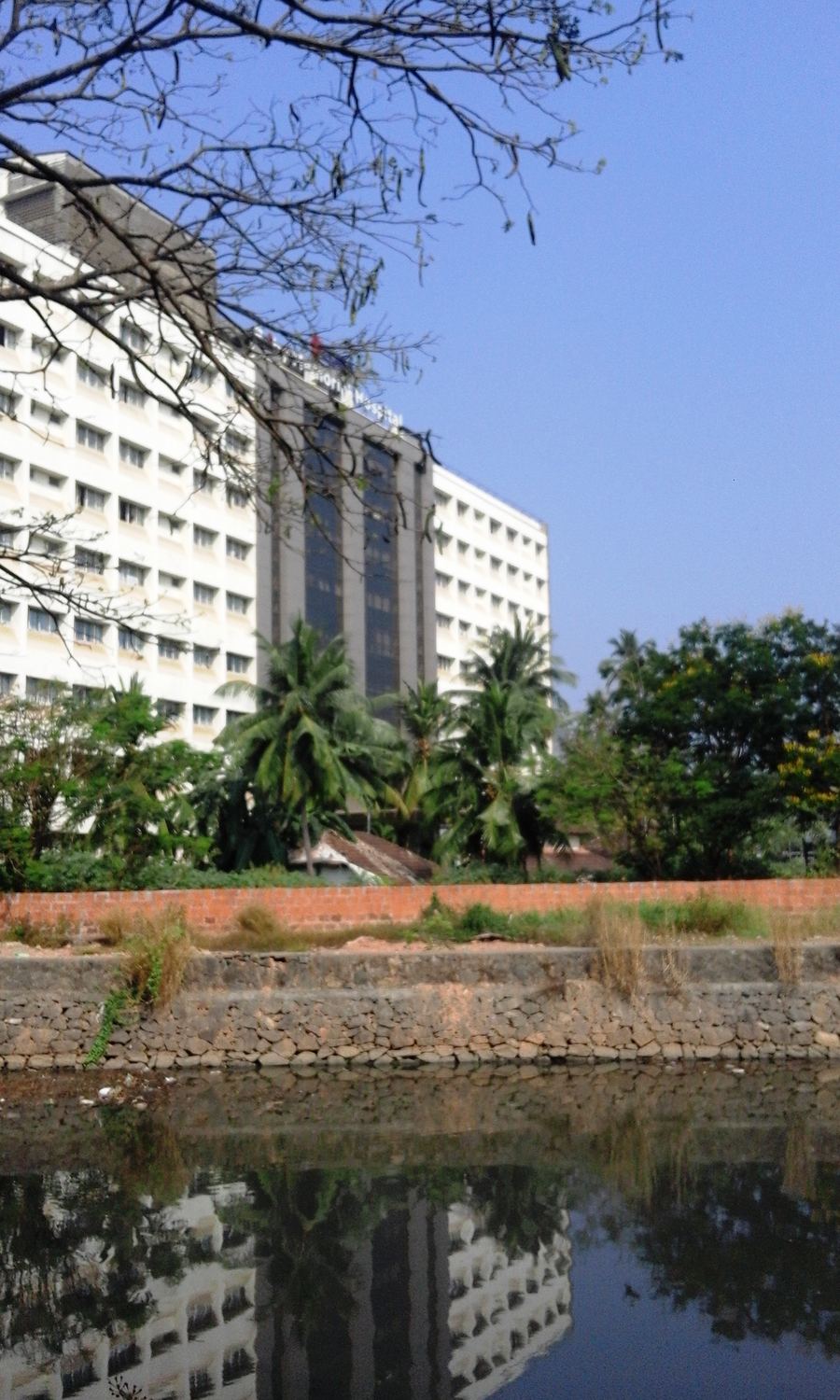
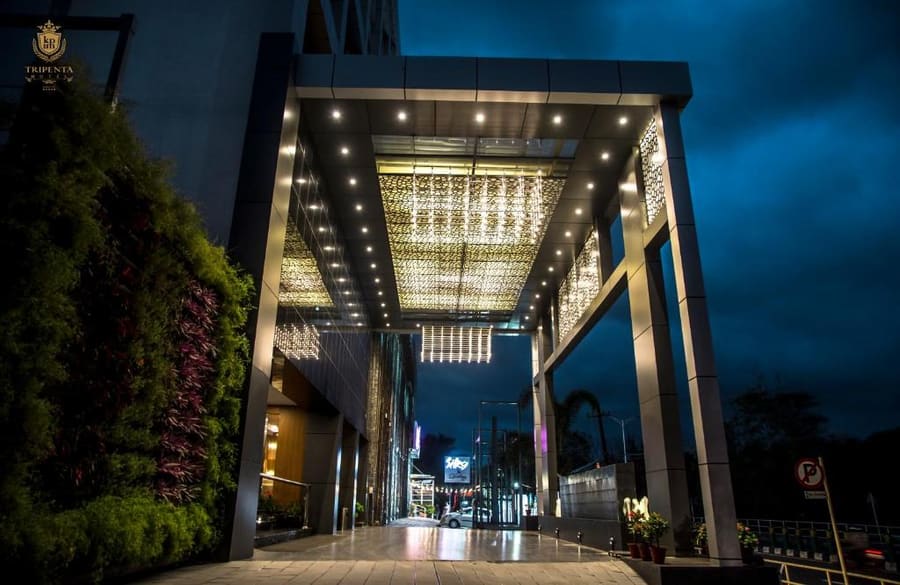
Mavoor Road — Commercial pulse of the city with transport hubs, modern retail, and business hotels.
Prof tpms · CC BY-SA 4.0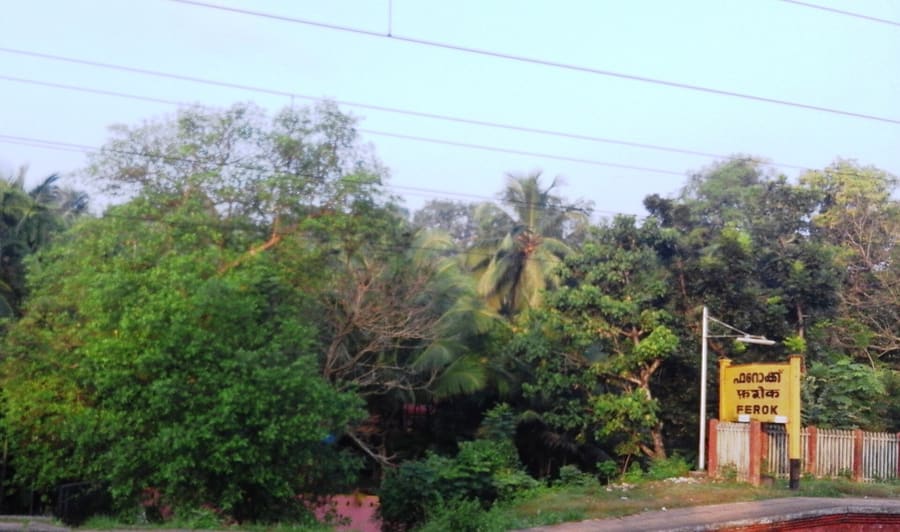
Feroke & Beypore — Industrial and maritime outskirts known for tile factories and traditional shipbuilders.
Prof tpms · CC BY-SA 4.0highlights
landmark
Two ruined iron piers extend into the sea. Sunset brings seafood carts and heavy foot traffic.
问问 Parley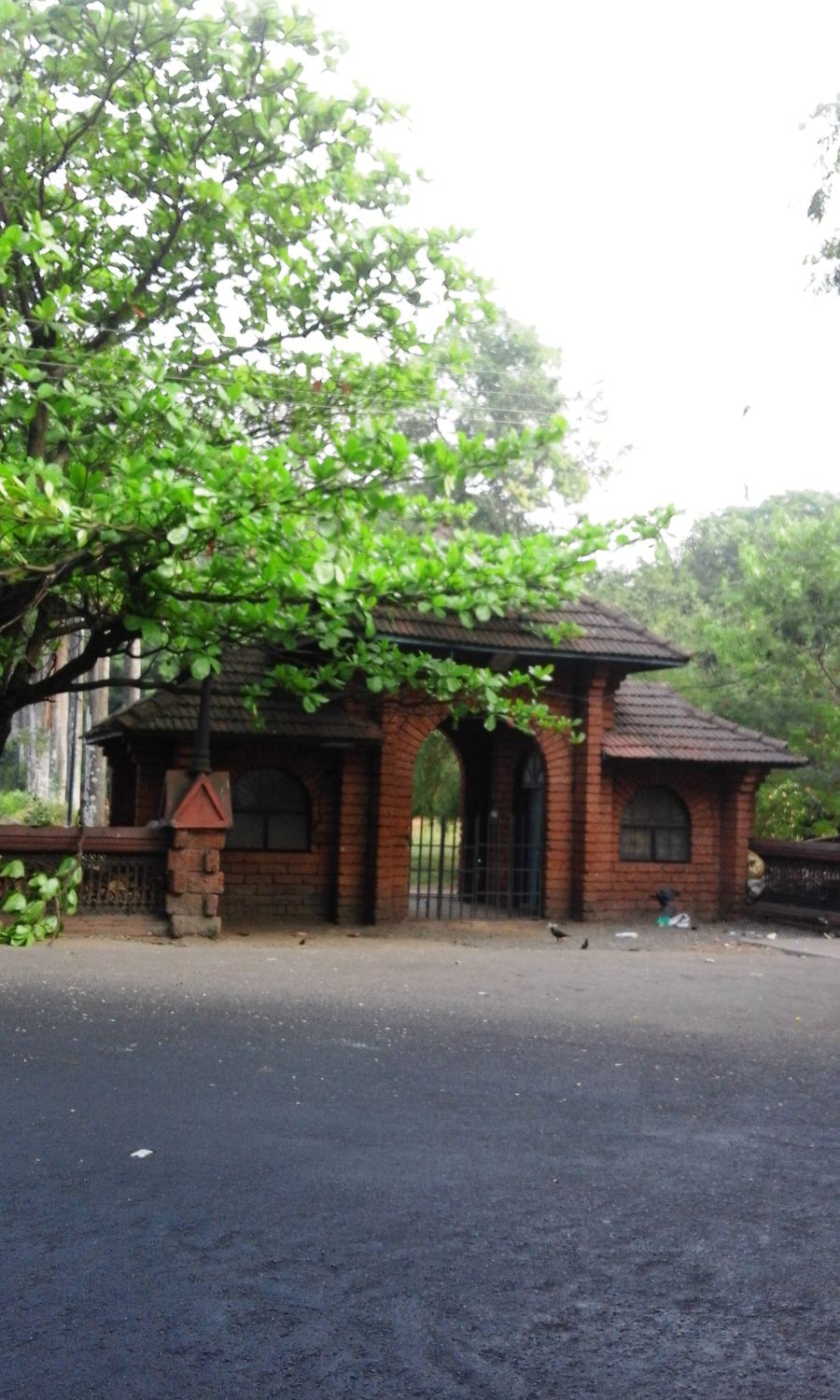
landmark
A clear freshwater pond encircled by traditional wooden architecture and manicured public lawns.
问问 Parley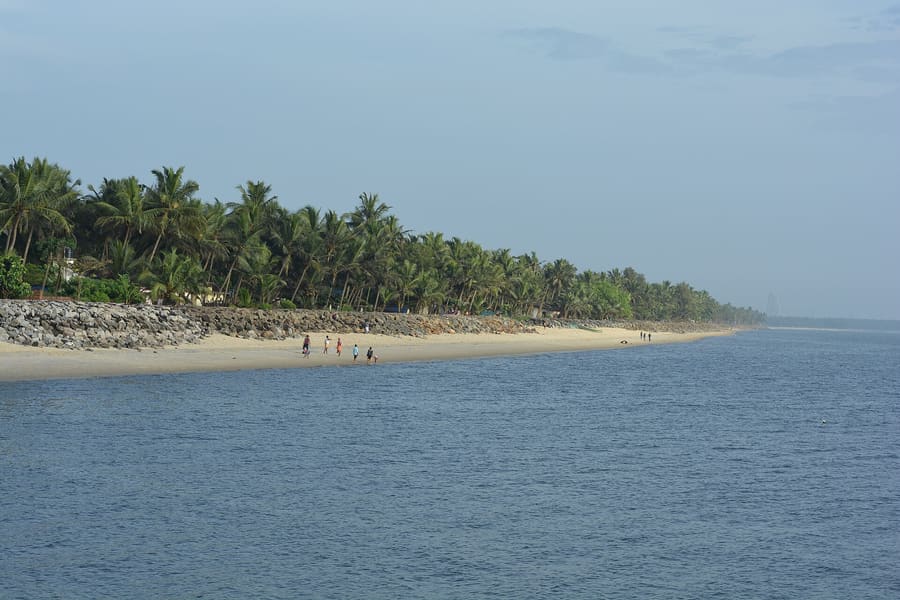
landmark
Vasco da Gama landed here in 1498. The stone monument stands on a quiet, rocky shoreline 16 km north.
问问 Parley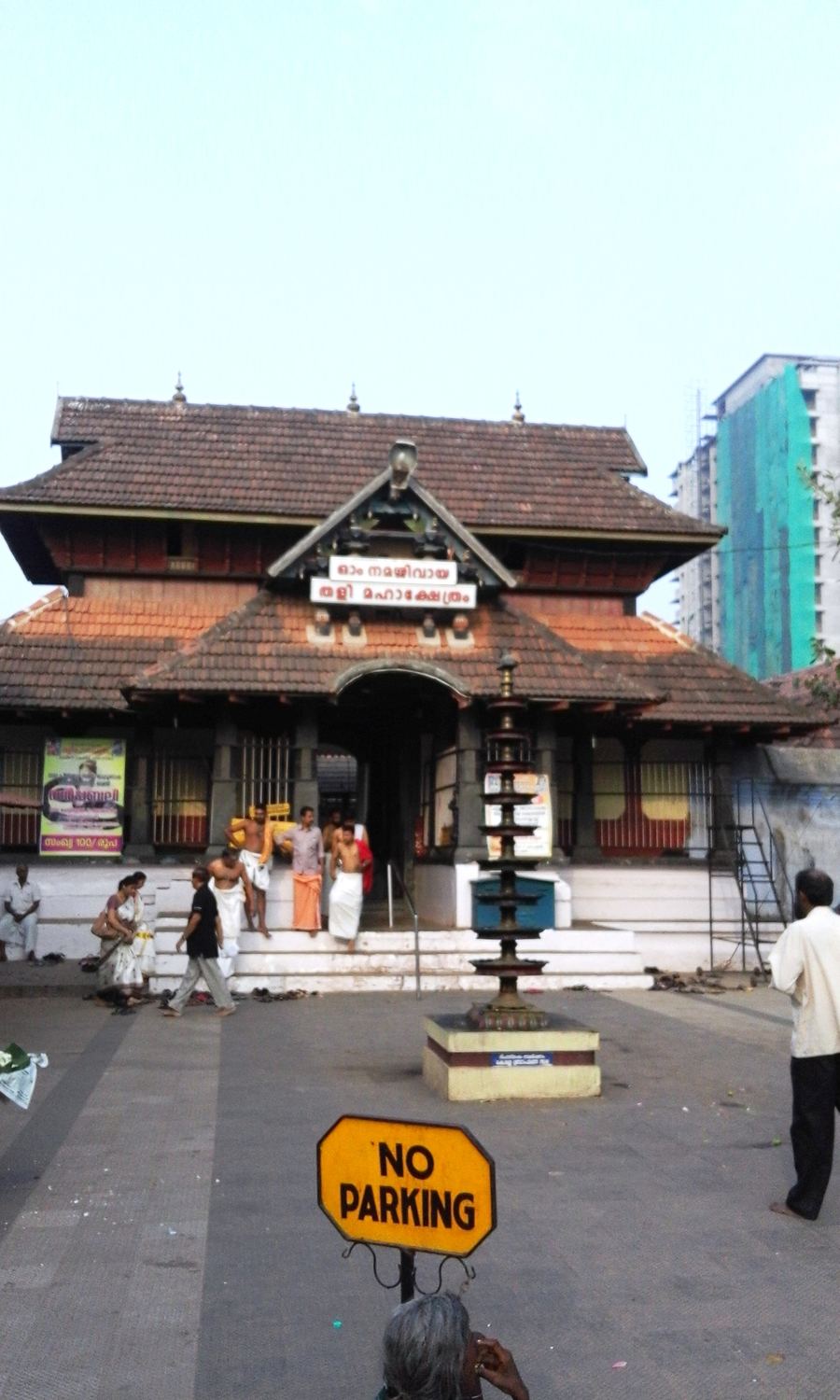
landmark
Fourteenth-century temple featuring laterite walls and carved wood. Non-Hindus cannot enter the inner sanctum.
问问 Parley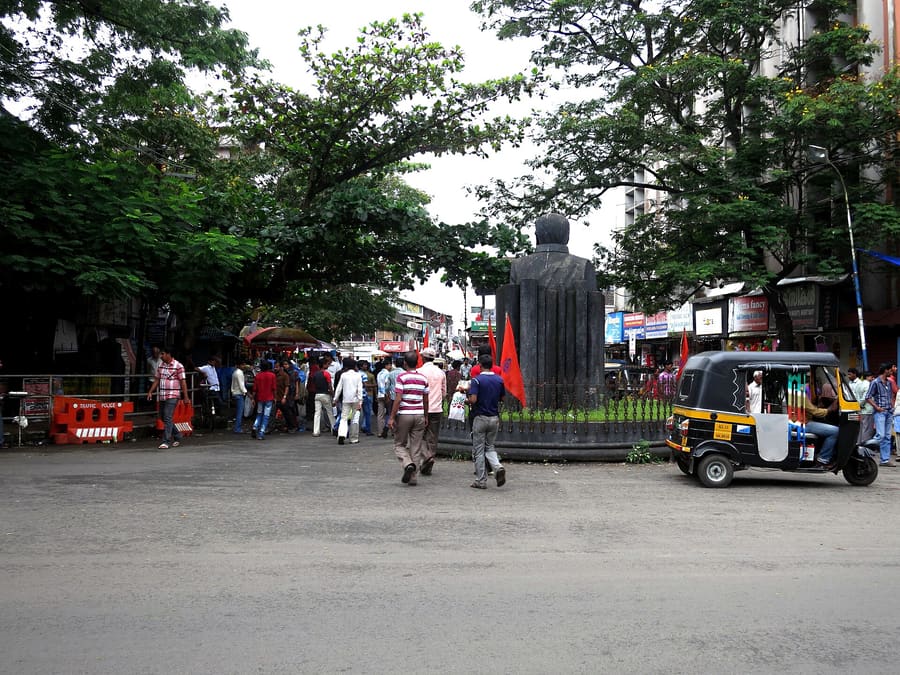
landmark
Pedestrian commercial artery famed for Kozhikode halwa and banana chips fried in fresh coconut oil.
问问 Parleyattractions
areas
Open sea breezes, evening food stalls, and heritage bungalows line this coastal strip.
附近Kozhikode Beach pier and main promenade.
问问 ParleyCommercial pulse of the city with transport hubs, modern retail, and business hotels.
附近KSRTC Bus Station and central rail terminus.
问问 ParleyIndustrial and maritime outskirts known for tile factories and traditional shipbuilders.
附近Chaliyar River and Beypore Port.
问问 ParleyDense historic trade sector packed with bakeries, textile shops, and sweet vendors.
附近Mananchira Square and Crown Theatre.
问问 Parleyfood
Kozhikode's cuisine reflects centuries of Indian Ocean trade. Arab merchants brought rice-and-meat cooking styles, which merged with local Malabar spice agriculture. The result is Kozhikode biryani, made exclusively with short-grain Kaima rice cooked in ghee and mild green spices rather than heavy chili powder. Local bakeries maintain a distinct tea-snack culture called kadi, featuring savory stuffed pastries and sweet plantain fritters served every afternoon at 16:00.
Top biryani houses like Paragon and Rahmath prepare set quantities for lunch. Arrive by 12:30 to avoid long queues and guarantee stock.
Taste orange or black coconut-oil halwa straight from copper vats on S.M. Street. Request warm fresh samples before buying by weight.
Join local residents at tea stalls around 16:00 for hot black tea (sulaimani) paired with Unnakaya or Pazham Nirachathu.
history
Ruled for centuries by the Samoothiri (Zamorin) dynasty, Kozhikode operated as an open international port. Its neutral trade policies attracted Chinese, Arab, and Persian merchants. The arrival of Portuguese explorer Vasco da Gama in 1498 initiated European colonial rivalry along the coast, though the city maintained its distinctive Islamic-Malabar merchant identity.
Rise of the Zamorins
The Samoothiri dynasty establishes Kozhikode as their capital and guarantees open trade for foreign merchants.
European Landing
Vasco da Gama anchors at Kappad. This arrival shifts Indian Ocean spice routes into European control.
Mysore Invasions
Hyder Ali captures Kozhikode, interrupting coastal trade and damaging traditional port infrastructure.
British Rule
The British East India Company takes control of the region, renaming it Calicut and expanding timber exports.
where to stay
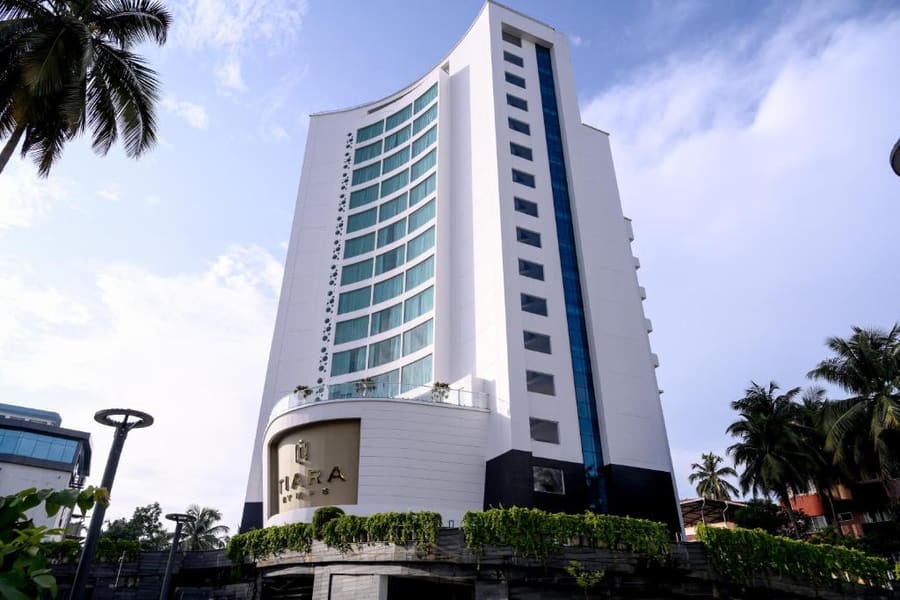
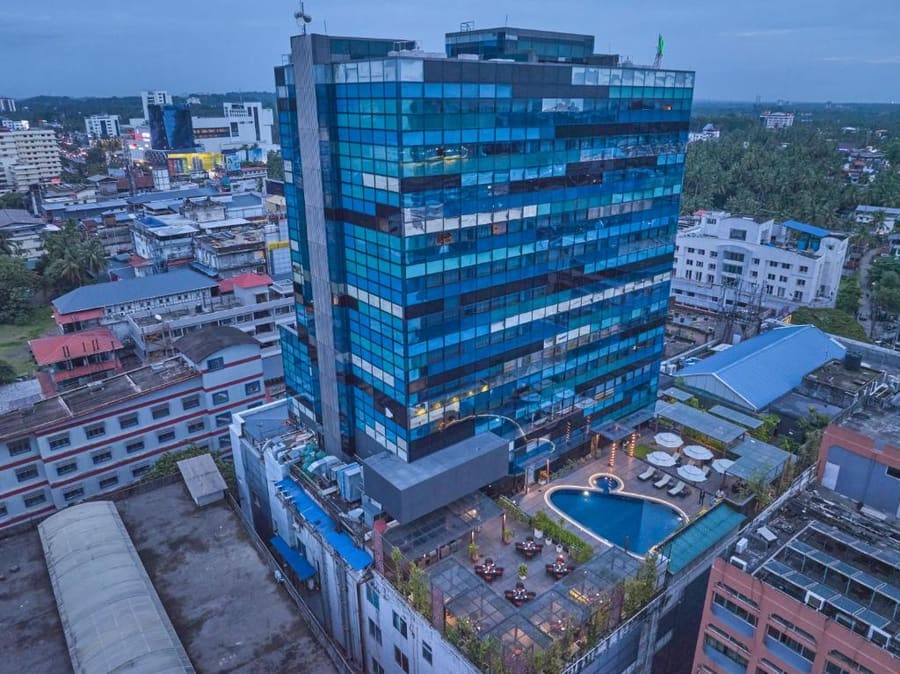
Choose your location based on transit priorities versus atmosphere. Business hotels near Mavoor Road offer fast rail access but non-stop traffic. Beachside properties trade transport convenience for sea air and evening walking trails.
transport
Auto-rickshaws form the core of local urban transport. Drivers in Kozhikode consistently use digital fare meters without negotiation disputes, setting the city apart from neighboring regional hubs. City buses run dense routes along Mavoor and Beach roads but get extremely crowded during peak morning hours.
从Calicut International Airport (CCJ)出发
Pay at government pre-paid counters inside arrival hall before exiting.
KSRTC buses run from main road outside terminal to Mavoor bus stand.
Uber pickup zones are designated outside the main terminal doors.
Auto drivers turn on the fare meter automatically. Standard flag-down covers the initial distance before charging per kilometer.
Mavoor Road and Mananchira roundabouts lock up between 08:30–10:00 and 17:00–19:30. Plan extra travel time.
Green-striped private buses run frequent city routes. Flag them down at marked stops and pay cash to the conductor.
cost
Kozhikode remains budget-friendly compared to Kochi or Thiruvananthapuram. Dining costs are low, even at premier heritage restaurants. Transport is inexpensive due to strictly metered rickshaws.
Standard price for a full portion at top-tier established dining rooms.
Cost varies depending on whether pure coconut oil or ghee is used.
Calculated directly via standard distance meter.
Air-conditioned double room near central Mavoor Road.
seasonality
JUN – SEP
Heavy Southwest Monsoon rainfall. High waves shut down ocean activities and beach promenades.
OCT – NOV
Monsoon clears. Humidity remains high but green countryside makes regional travel scenic.
DEC – FEB
Cooler weather with dry days. Peak season for exploring markets, beaches, and shipyards.
MAR – MAY
Extreme summer heat and stifling coastal humidity. Outdoor sightseeing is uncomfortable after 10:00.
practicalities
Traditional dress codes apply strictly at Tali Temple. Men must remove shirts before entry.
Street food vendors and tea shops prefer cash or local UPI mobile payments over international credit cards.
Coastal humidity drains stamina fast. Carry water bottles and buy fresh tender coconut water at street stands.
Many historic Muslim-owned shops around S.M. Street pause operations between 12:30 and 14:00 on Fridays.
Undercurrents around Kozhikode Beach piers are strong. Avoid swimming near old ruined structures.