landmark
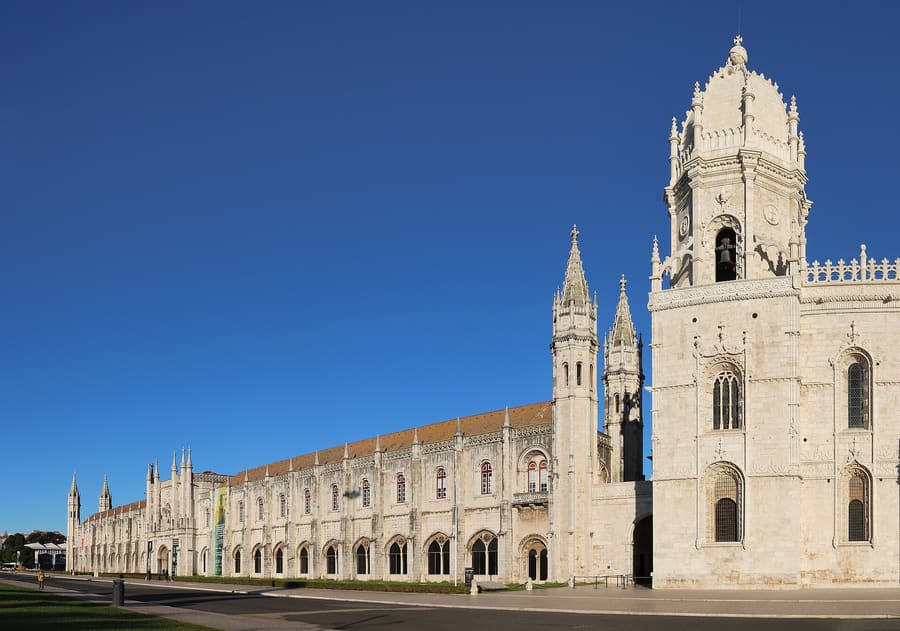
Mosteiro dos Jerónimos
A masterpiece of 16th-century Manueline stone carving. Buy entry online to bypass main ticket lines.
问问 Parley葡萄牙
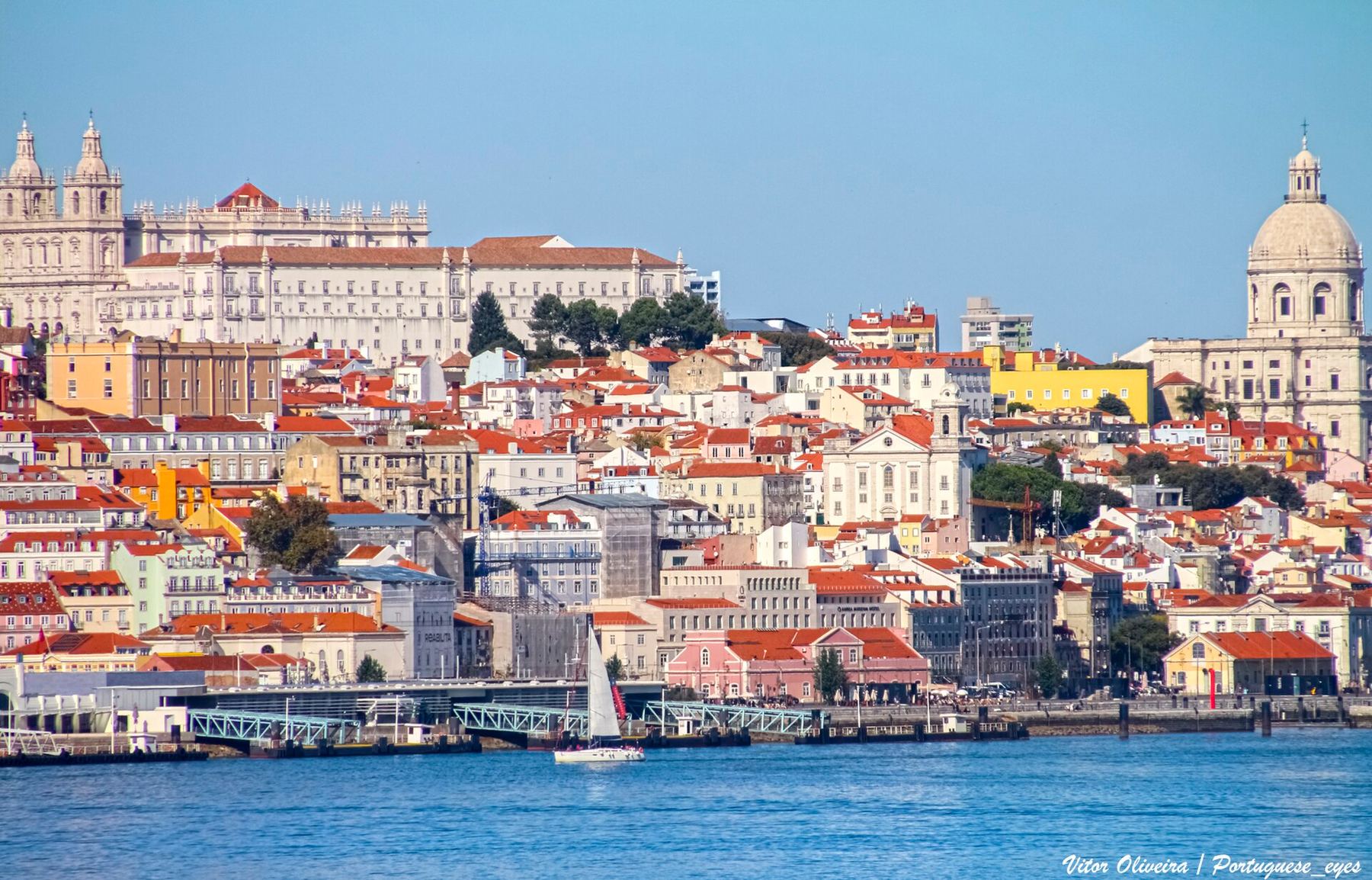
Seven steep hills facing the wide Atlantic estuary.
introduction
Lisbon climbs steep hills above the Tagus river. You navigate the city by foot, historic trams, and public funiculars. Stone streets demand firm footwear and constant attention to gradient. You exchange quiet medieval alleys for wide neoclassical squares in a single block.
Airport metro connection
The Red Line metro connects Humberto Delgado Airport directly to Saldanha in 20 minutes. A single journey costs €1.80 on a rechargeable card.
UNESCO Belém heritage
Jerónimos Monastery and Belém Tower together form a single UNESCO World Heritage site. Both showcase 16th-century Manueline architecture.
Transit pass booking strategy
Load money onto a Navegante card for zapping fares. Individual paper tickets bought on trams cost double the electronic rate.
Lisbon
Ajay Suresh from New York, NY, USA · CC BY 2.0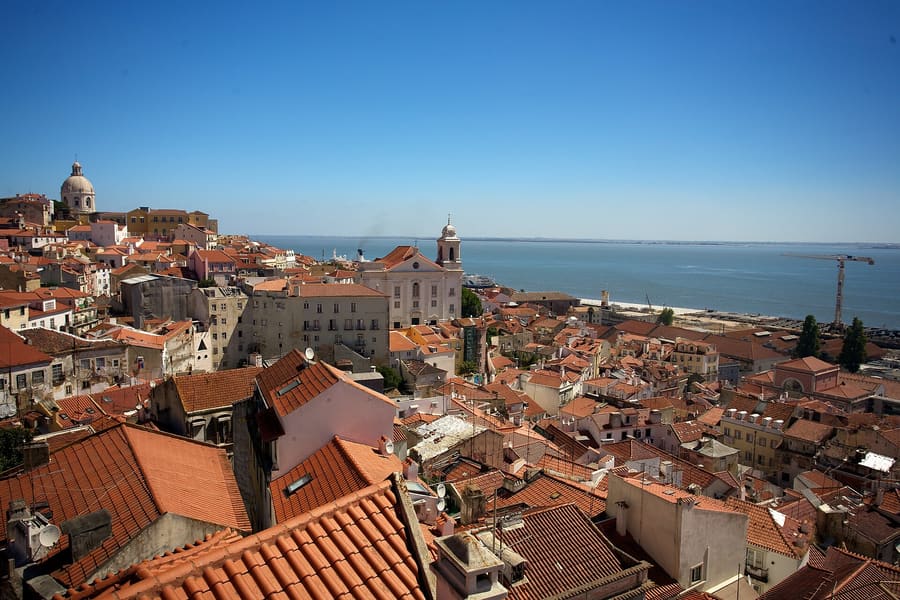
Alfama — Steep medieval grid with laundry overhead, traditional fado taverns, and stone staircases.
dirk.olbertz · CC BY 2.0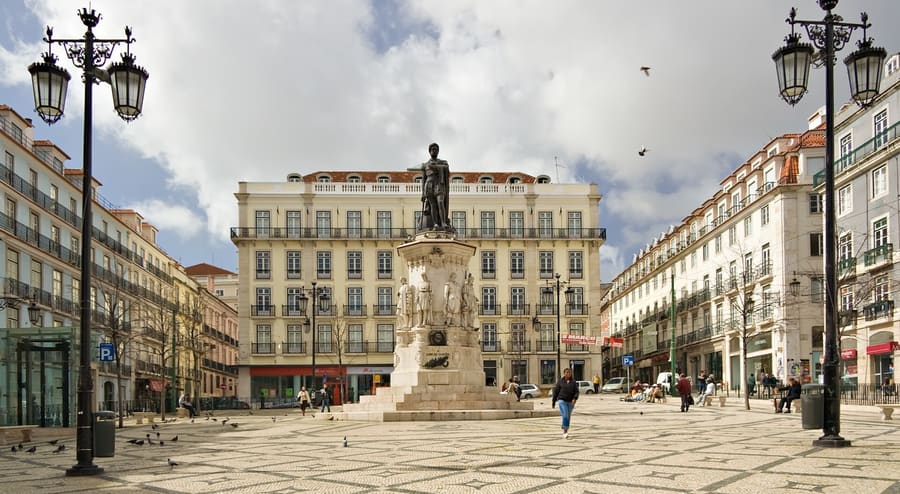
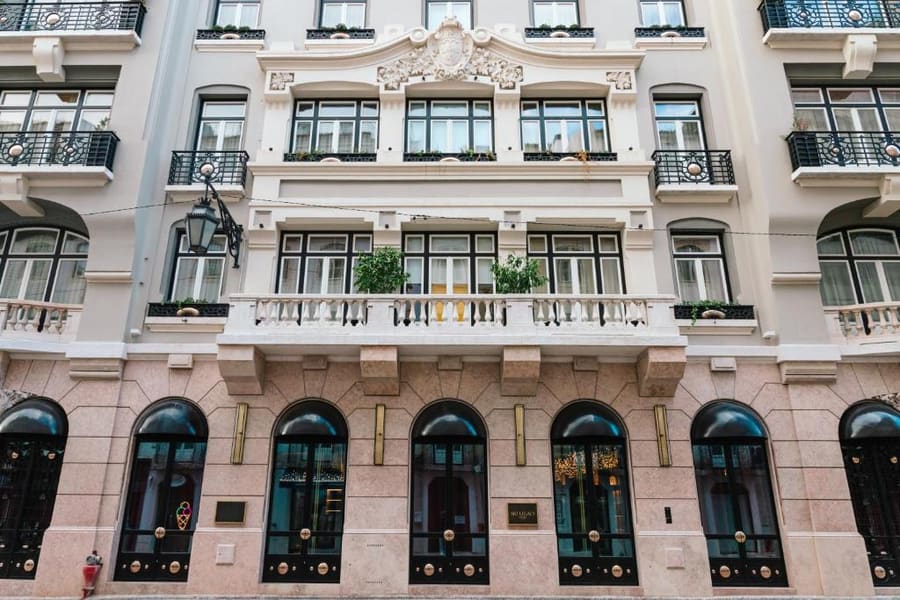
Baixa & Chiado — Flat neoclassical avenues merging into high-end retail and classic historic cafes.
Luca Galuzzi (Lucag) · CC BY-SA 2.5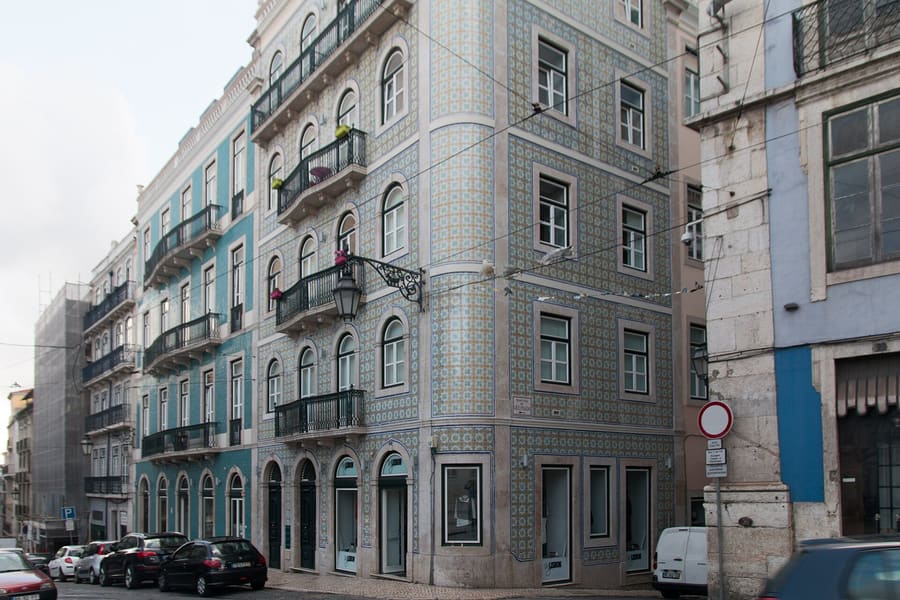
Bairro Alto & Cais do Sodré — Quiet residential lanes by day that transform into busy nightlife corridors after midnight.
Daniel VILLAFRUELA. · CC BY-SA 3.0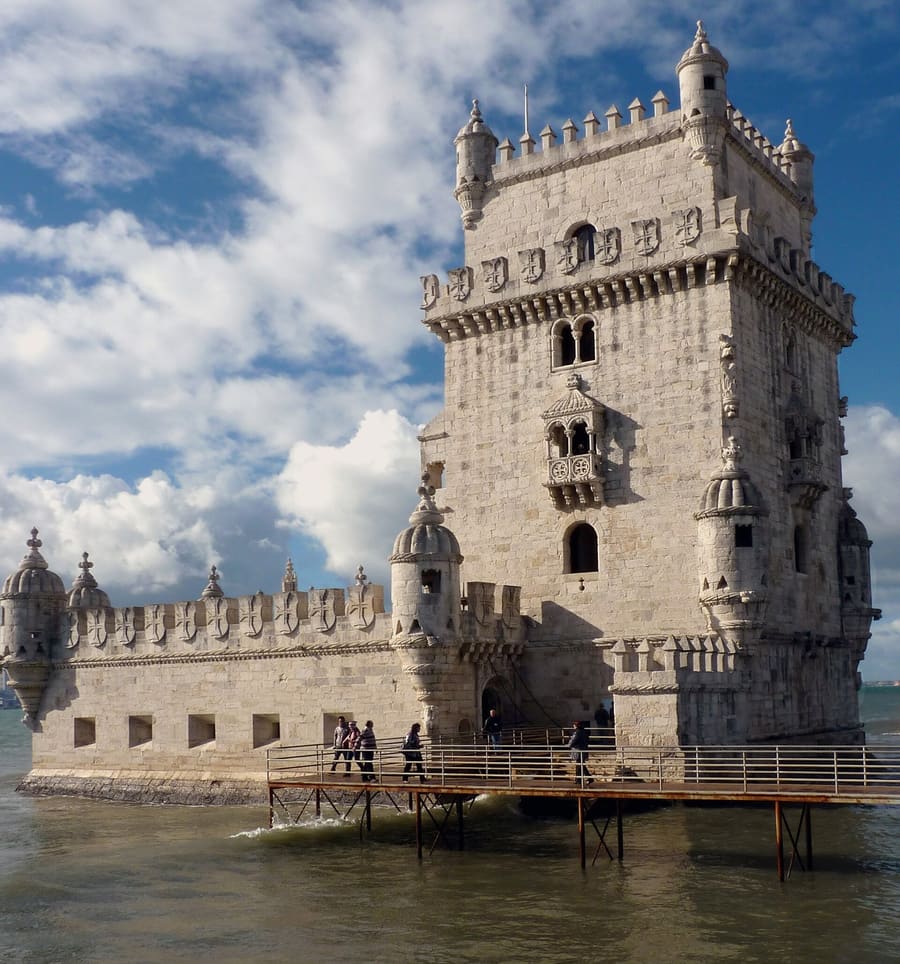
Belém — Sprawling waterfront district dominated by expansive parks, monuments, and modern museums.
patano · CC BY-SA 3.0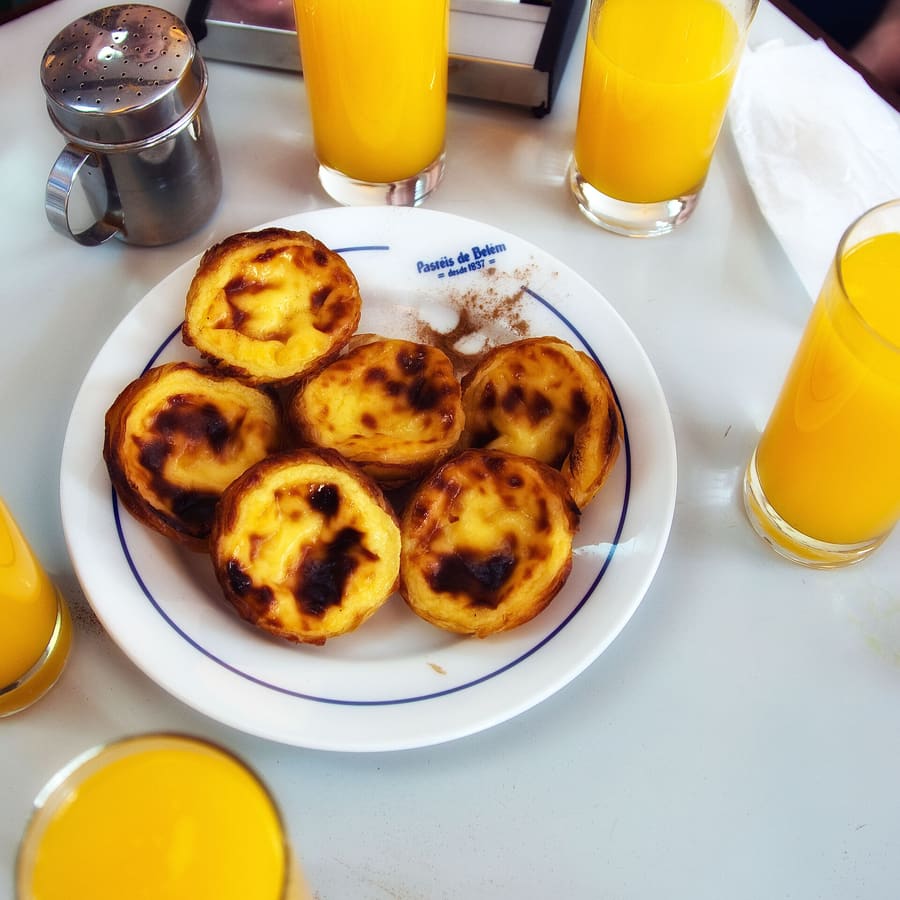
Warm Pastéis de Belém served with cinnamon at the original bakery.
Mon Œil · CC BY 2.0highlights
landmark
A masterpiece of 16th-century Manueline stone carving. Buy entry online to bypass main ticket lines.
问问 Parley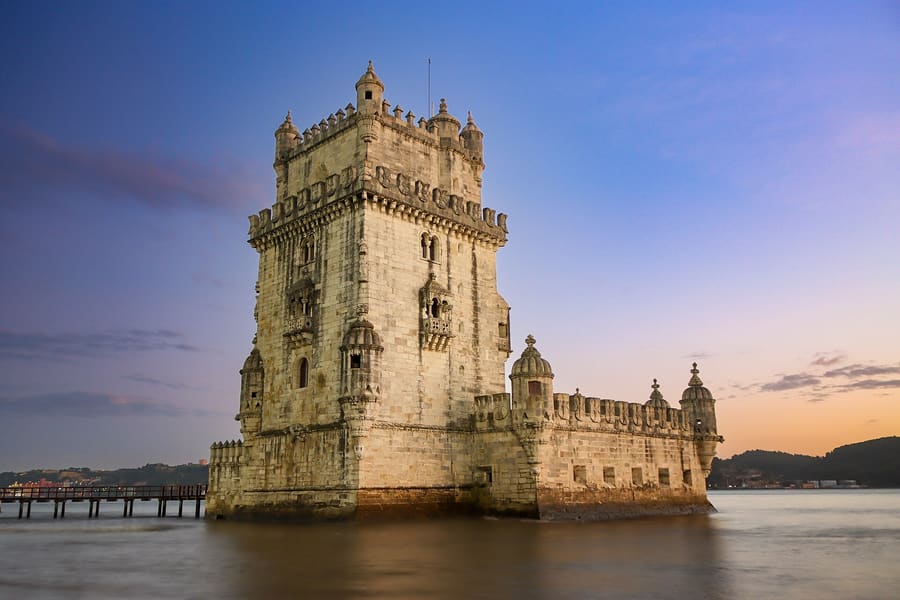
landmark
A riverfront fortress guarding the estuary entrance. Reserve a timed entry slot to control long queues.
问问 Parley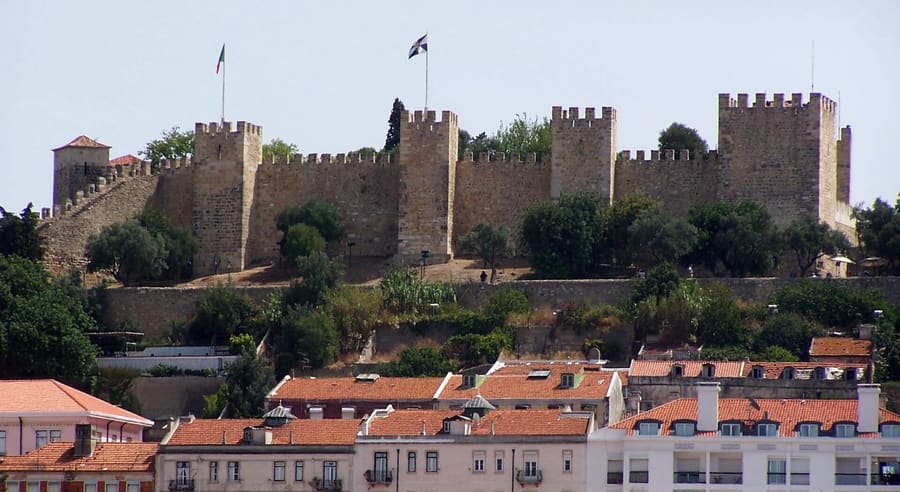
landmark
Moorish fortification standing on the highest central hill. Visit late in the afternoon for clear light.
问问 Parley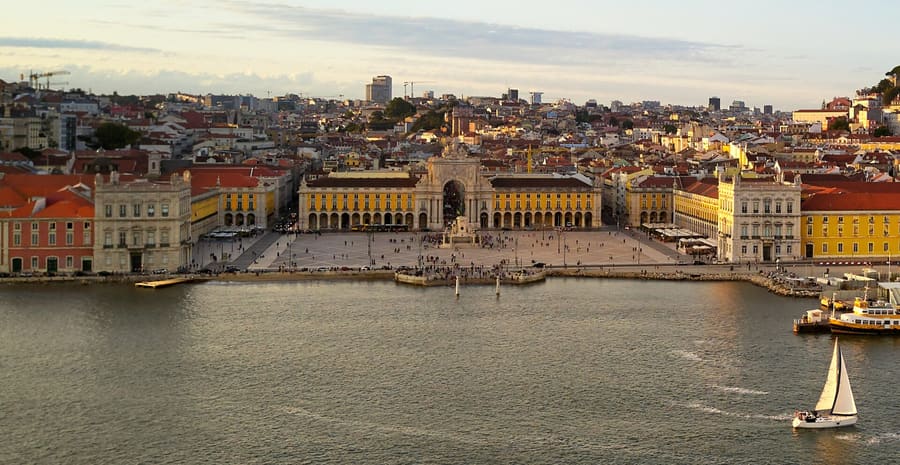
landmark
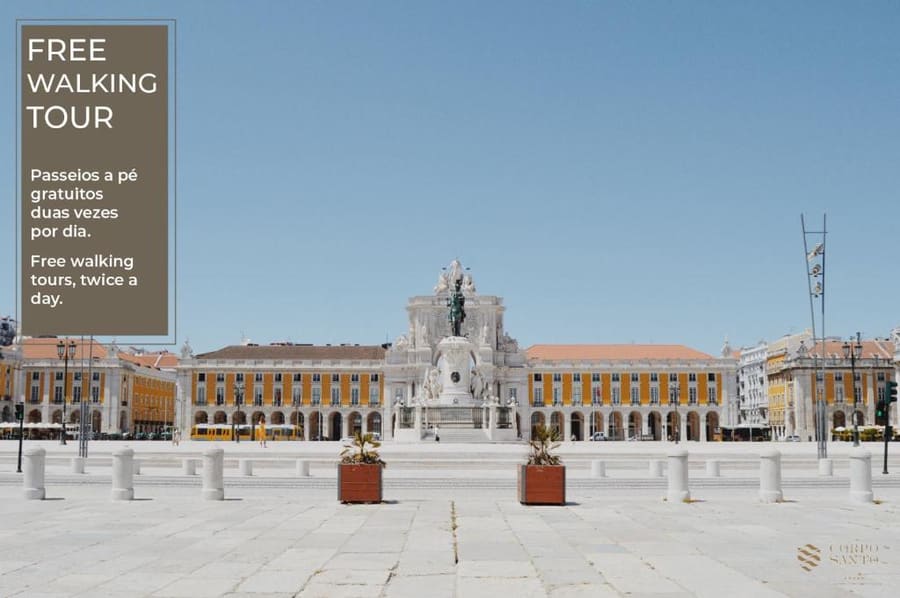
The grand waterfront plaza rebuilt after the 1755 quake. Walk the riverfront pier at low tide.
问问 Parley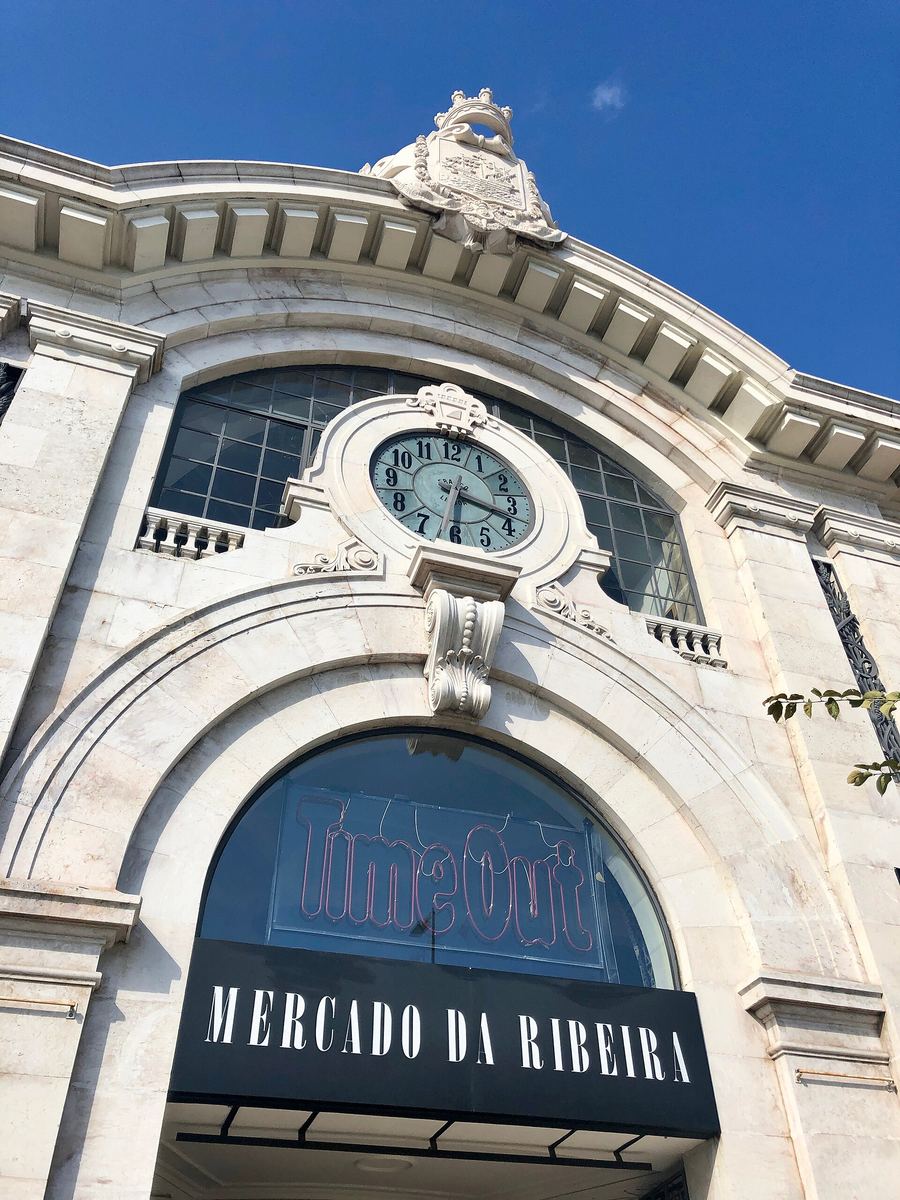
landmark
A curated hall inside Mercado da Ribeira. Arrive before 12:30 to secure shared bench seating.
问问 Parleyattractions
areas
Steep medieval grid with laundry overhead, traditional fado taverns, and stone staircases.
附近Castelo de São Jorge and Santa Luzia viewpoint
问问 ParleyFlat neoclassical avenues merging into high-end retail and classic historic cafes.
附近Praça do Comércio and Santa Justa lift
问问 ParleyQuiet residential lanes by day that transform into busy nightlife corridors after midnight.
附近Time Out Market and Cais do Sodré train station
问问 ParleySprawling waterfront district dominated by expansive parks, monuments, and modern museums.
附近Jerónimos Monastery and Belém Tower
问问 Parleyfood
Lisbon cooking relies on fresh Atlantic seafood, preserved salt cod, and charcoal grilling. Local tascas serve simple daily plates written on paper table covers. Higher-end seafood houses weigh fresh catch at the counter before cooking. Desserts lean heavily on egg yolks and sugar recipes inherited from historic monasteries.
Warm Pastéis de Belém served with cinnamon at the original bakery.
Mon Œil · CC BY 2.0Waiters place bread, olives, and cheese on your table automatically. You pay only for items you consume; ask to remove them if you prefer.
Bacalhau à Brás mixes shredded cod with matchstick potatoes and scrambled eggs. It remains a standard Lisbon lunch dish across conventional neighborhood tascas.
At classic beer halls like Cervejaria Ramiro, take a ticket number at the door. Order grilled garlic prawns and finish with a warm steak sandwich.
history
Lisbon grew as a strategic port on the Tagus estuary under Phoenician, Roman, and Moorish control. Christian forces took the city in 1147 during the Reconquista. Maritime expansion turned Lisbon into a global trading capital in the 16th century. A catastrophic earthquake in 1755 destroyed the center, prompting a modern grid rebuild.
Siege of Lisbon
King Afonso Henriques captures the hilltop fortress from Moorish rulers after a four-month siege.
Age of Discovery
Vasco da Gama sails from Belém to India, establishing direct sea trading routes and vast colonial wealth.
Great Lisbon Earthquake
A massive quake and resulting tsunami destroy Baixa. Marquis of Pombal designs the modern geometric grid.
Carnation Revolution
A bloodless military coup overthrows the Estado Novo regime, restoring democratic rule across Portugal.
where to stay
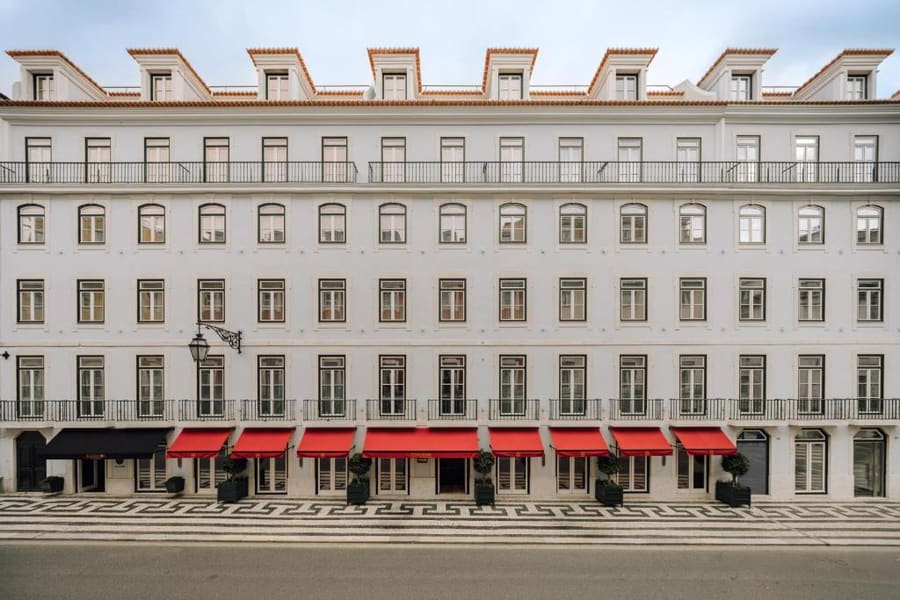
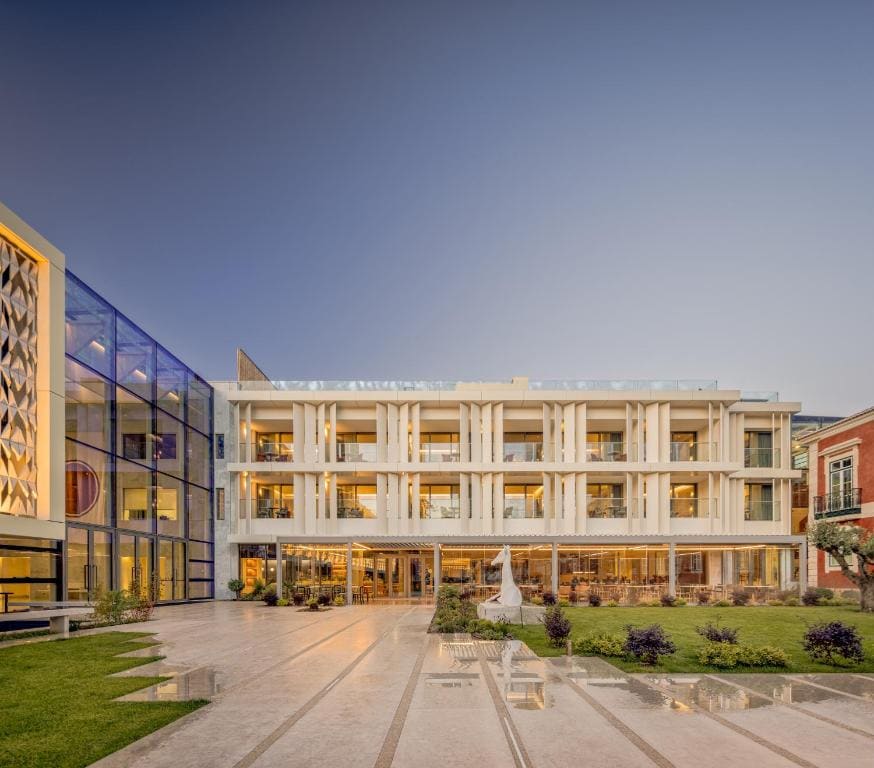
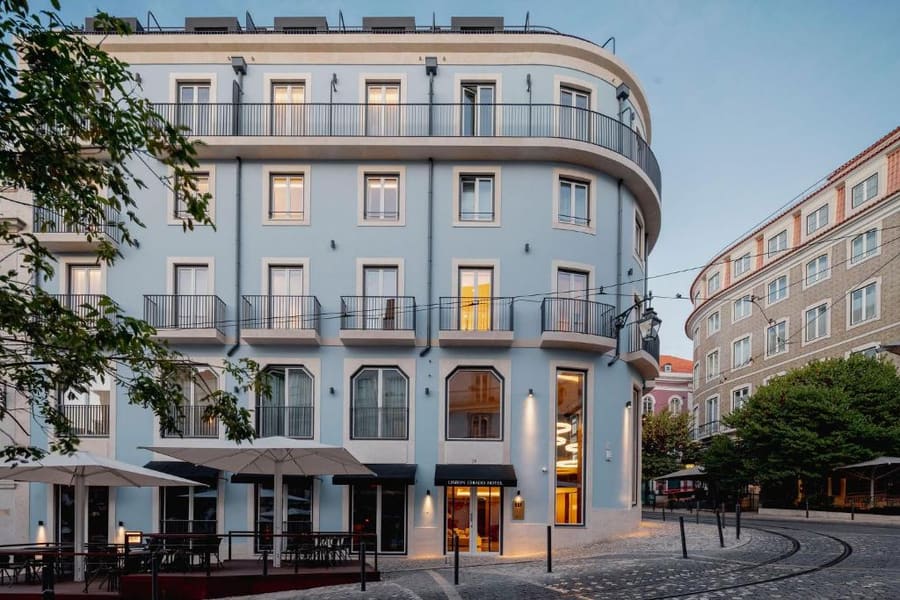
Select your neighborhood based on your tolerance for steep hills and night noise. Baixa provides flat streets and direct transit links. Alfama delivers atmosphere but requires uphill walking with luggage. Bairro Alto places you inside late-night entertainment corridors.
transport
Public transit uses the rechargeable Navegante card for metro, buses, trams, and funiculars. Metro trains run until 01:00 daily. Taxis and rideshares offer economical choices across steep hills when luggage makes walking impractical.
从Lisbon Humberto Delgado Airport (LIS)出发
Official airport taxi queue outside arrivals; night or luggage surcharges apply.
Pick-up point sits at the departure terminal upper parking area.
Carris local buses accept standard single carry-on baggage only.
Load money onto a physical Navegante card at metro kiosks. Pre-loaded Zapping reduces individual bus and tram fares.
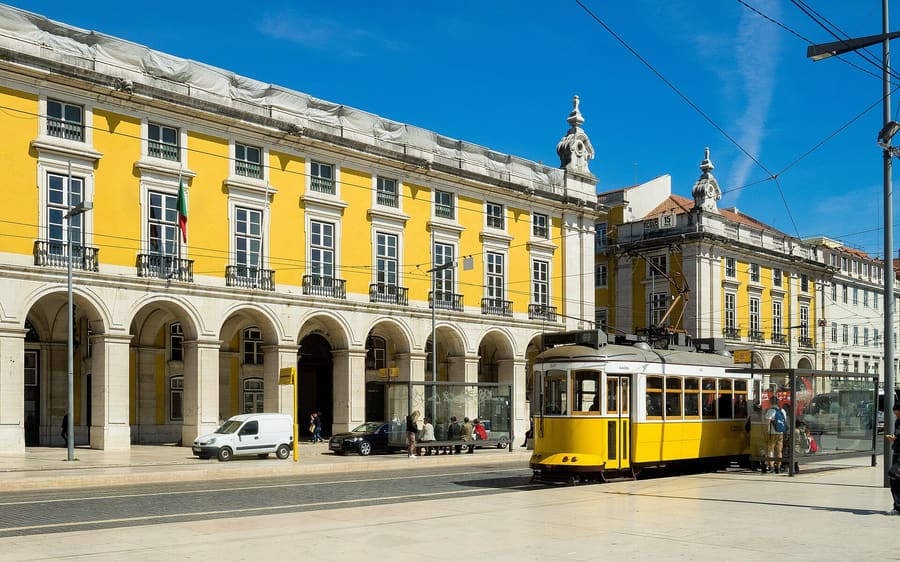
Tram 28 gets packed with visitors by mid-morning. Catch it at Martim Moniz before 08:30 to guarantee a seat.
Elevador da Bica and Elevador da Glória scale steep ridges. Your Navegante Zapping balance covers both lines.
Trains to Cascais depart every 20 minutes from Cais do Sodré station. The route runs along the estuary coastline.
cost
Lisbon remains moderately priced compared to northern European capitals. Public transportation and simple cafeteria food offer solid value, while high-end dining and historic lifts target tourist budgets.
A standard coffee shot at a neighborhood counter across the city center.
Price per custard tart at traditional bakeries throughout Lisbon.
Cash ticket price bought directly from a driver on board historic trams.
Includes main dish, drink, coffee, and often bread at local neighborhood cafes.
seasonality
MAR – MAY
Mild temperatures and manageable foot traffic. Excellent conditions for negotiating steep hills comfortably.
JUN – AUG
Hot summer days with peak visitor numbers. Festas de Lisboa fills streets with grilled sardines and music in June.
SEP – OCT
Warm ocean weather and shrinking crowds. Great lighting for photography across hilltop viewpoints.
NOV – FEB
Cooler days with increased chance of Atlantic rain. Hotel rates hit yearly lows outside holiday weeks.
practicalities
Lisbon pavement tiles (calçada portuguesa) turn slippery when worn polished or wet. High heels are impractical.
Outdoor lookout points feature small cafe kiosks serving cheap drinks and snacks along scenic terraces.
Contactless cards work in most shops and restaurants, though small traditional tascas still request cash.
Traditional dining rooms open for dinner around 19:30, with peak service hours running between 20:30 and 22:00.
Take the commuter ferry from Cais do Sodré to Cacilhas for direct views of the central skyline from across the river.