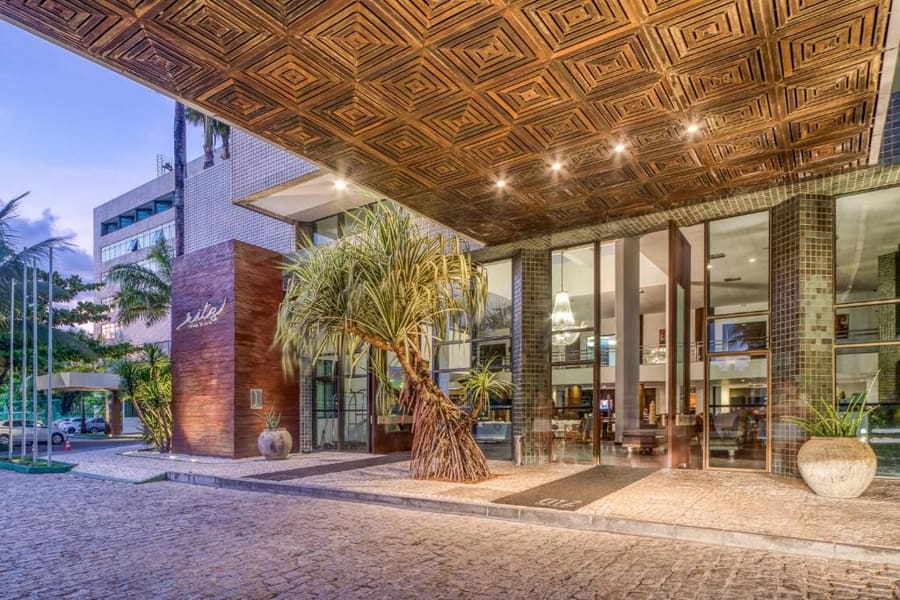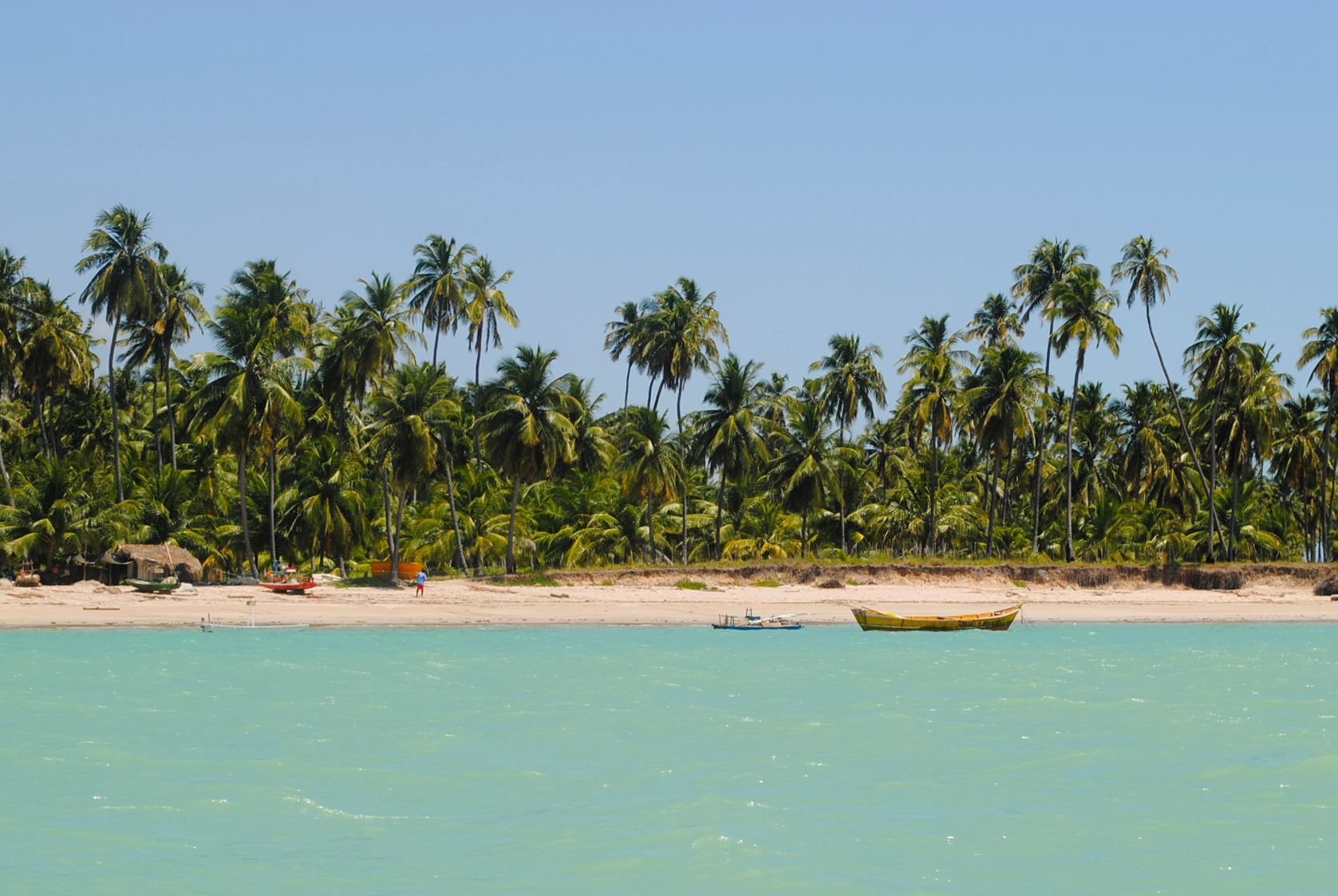
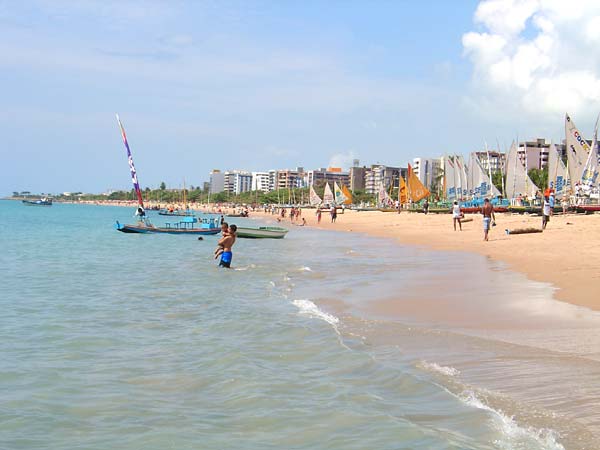
landmark
Pajuçara Reef Pools
Sail 2 km offshore on wooden jangadas to swim in clear reef pools. Depart strictly at low tide when water reaches waist height.
问问 Parley巴西
Urban coral reefs and lagoon channels on the Alagoas coast.
introduction
Maceió builds its life along a five-kilometre strip of reef-protected ocean. A natural barrier tames the Atlantic surf into calm turquoise basins right in front of residential tower blocks. You navigate the city by moving along the coastal avenue that connects the historic port district of Jaraguá to the northern sands. Expect humid tropical days, early sunrises, and a diet built on lagoon shellfish and coconut cream.
Arrival trick
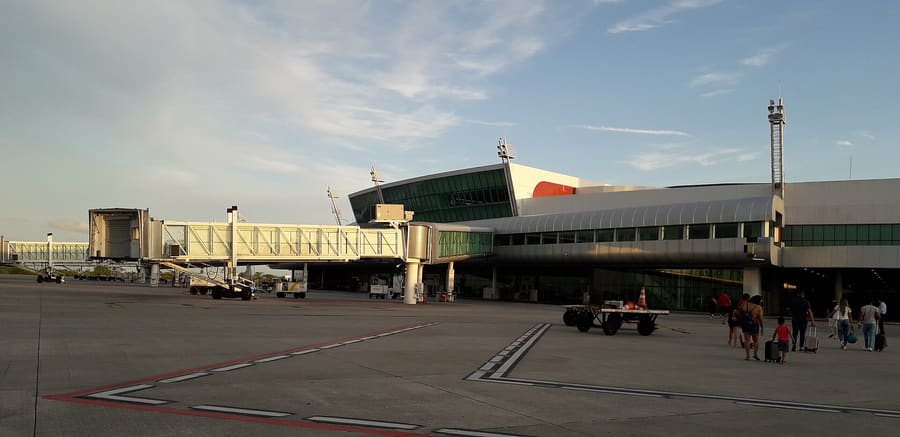
Zumbi dos Palmares Airport sits 25 km inland. Pre-booked app rides cost half the price of official airport taxis.
Heritage status
The filé lace craft of Pontal da Barra holds official intangible cultural heritage status in Alagoas.
Tide planning
Reef pools require low tide under 0.4 metres. Check Navy tide tables before buying boat tickets.
Maceió
Ajmcbarreto · CC BY-SA 4.0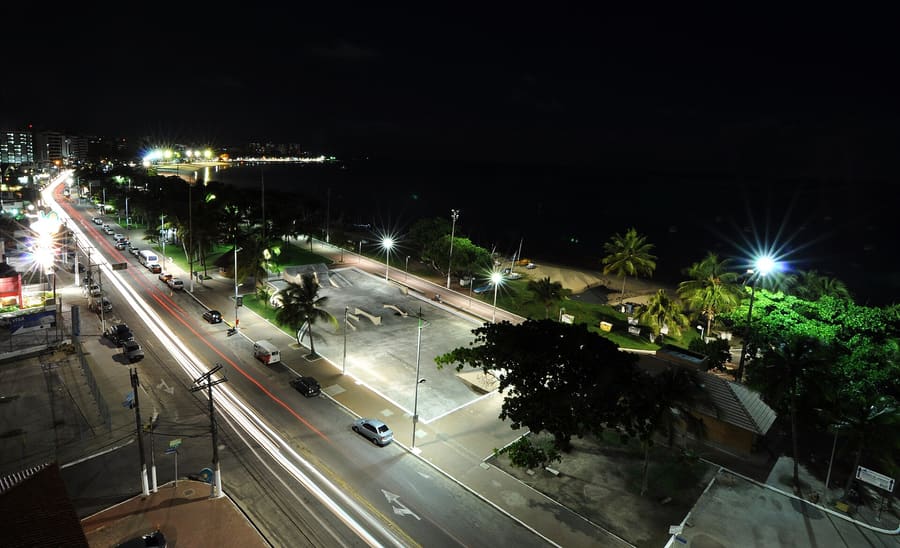
Pajuçara — Traditional seafront district anchored by craft markets and jangada boat departures.
André Lage Freitas · CC BY-SA 3.0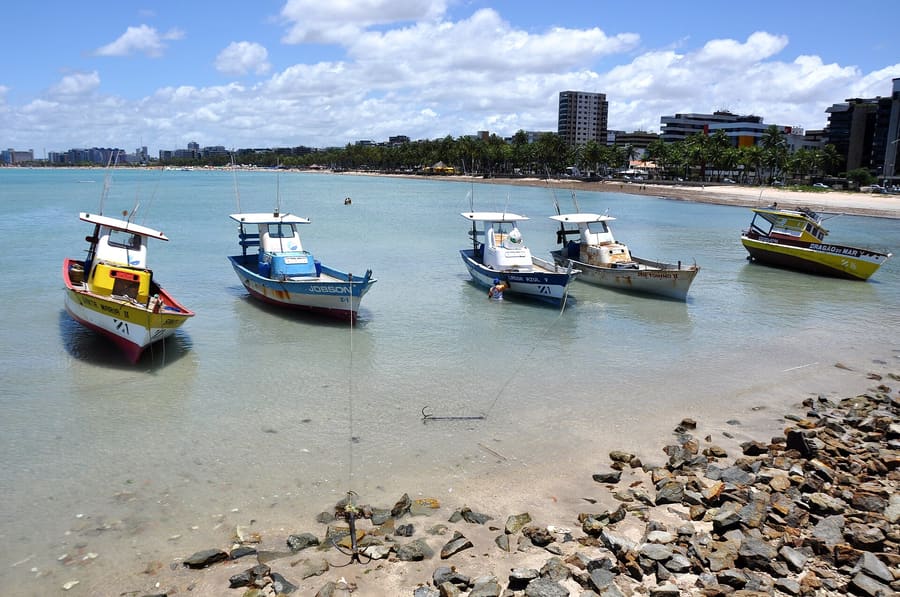
Ponta Verde — Upscale residential waterfront with palm tree promenades and active beach kiosks.
André Lage Freitas · CC BY-SA 3.0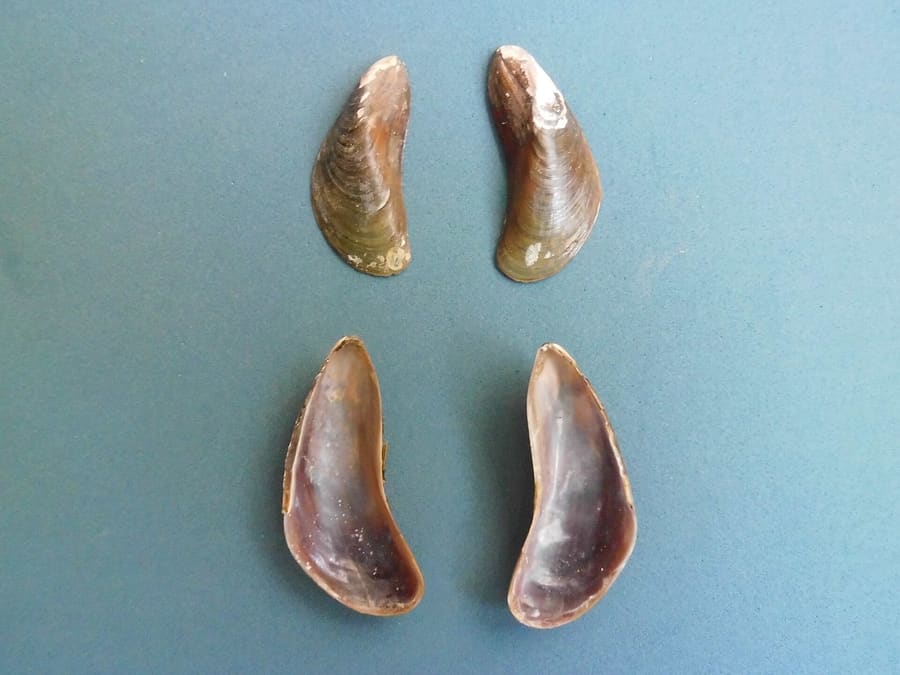
Sururu de capote, lagoon mussels simmered in fresh coconut cream and dende oil.
Veronidae · CC BY-SA 3.0highlights
landmark
Sail 2 km offshore on wooden jangadas to swim in clear reef pools. Depart strictly at low tide when water reaches waist height.
问问 Parley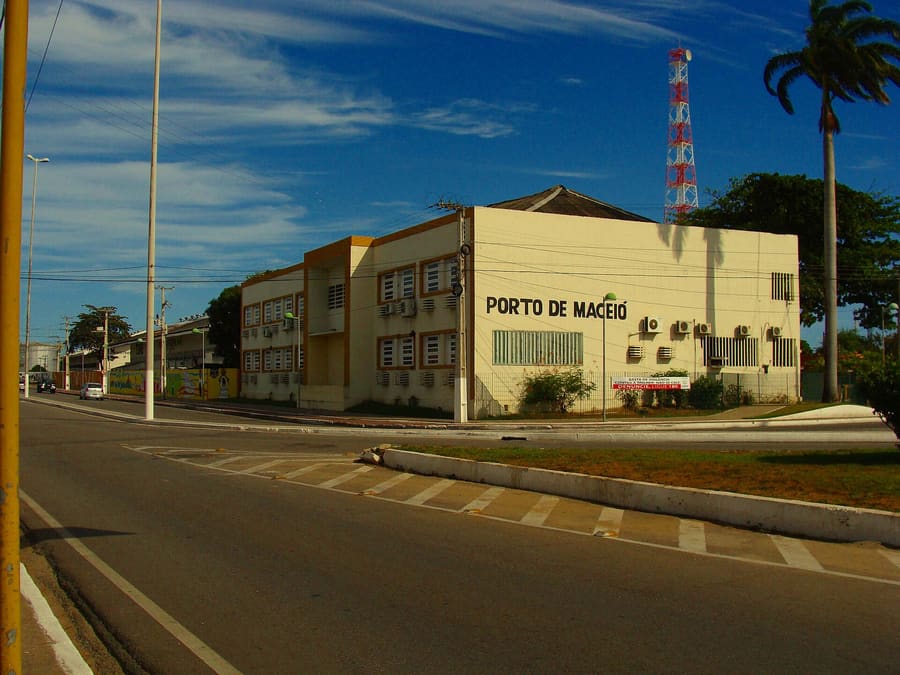
landmark
19th-century sugar warehouses line narrow streets. Visit on weekend evenings when restored brick buildings host live forró music.
问问 Parleyattractions
areas
Traditional seafront district anchored by craft markets and jangada boat departures.
附近Jaraguá historic district and city craft hall
问问 ParleyUpscale residential waterfront with palm tree promenades and active beach kiosks.
附近Pajuçara tide flats and Jatiúca dining strip
问问 ParleyEnergetic beach neighbourhood recognized as the city's primary dining corridor.
附近Ponta Verde promenade and northern highway
问问 ParleySecluded northern coast strip featuring quiet waters and beach clubs.
附近Paripueira reefs and northern beach highway
问问 Parleyfood
Maceió cuisine relies on the brackish waters of Mundaú Lagoon and the offshore Atlantic reefs. Sururu, a small mud mussel harvested from lagoon beds, defines local cooking. Cooked in shell-on stews with coconut milk and coriander, it anchors local menus from roadside shacks to seaside dining rooms. Along the Jatiúca waterfront, evening eating centers around street tapioca kiosks where vendors spread cassava starch over hot griddles.
Sururu de capote, lagoon mussels simmered in fresh coconut cream and dende oil.
Veronidae · CC BY-SA 3.0Order mussels cooked in their shells with coconut milk and vegetables. Massagueira, across the lagoon bridge, serves the city standard.
This local specialty combines tender shrimp with melted cheese, cream sauce, and palm oil. Expect rich, heavy comfort food.
Jatiúca kiosks start heating griddles at 17:00. Order dried beef with curd cheese (carne de sol com queijo coalho).
history
Maceió began as an outpost for a sugar mill surrounded by lagoons and coconut groves. Its location near Jaraguá bay allowed direct loading of sugar onto ships, shifting commercial dominance away from Marechal Deodoro. Port prosperity built grand customs warehouses that still define Jaraguá today.
Port Settlement
Maceió separates from Marechal Deodoro as sugar exports through Jaraguá port grow.
State Capital
The provincial capital moves to Maceió due to superior maritime trade connections.
Coastal Expansion
The modern seafront promenade develops, converting fishing shorelines into urban resorts.
Mining Subsidence
Rock salt extraction triggers ground sinking in inland districts like Pinheiro, reshaping city development.
where to stay
Choose your location based on coastal access versus nightlife preferences. Ponta Verde puts you directly on the calmest urban walking paths. Jatiúca places you closer to modern restaurants. Pajuçara suits early risers taking reef boat trips, while Ipioca isolates you in northern resort calm.
transport
Maceió stretches along the ocean, making movement linear and predictable. The coastal avenue (Avenida Álvaro Otacílio) handles most north-south travel between neighborhoods. App rides offer the cleanest and safest transport option for visitors, especially at night.
从Zumbi dos Palmares International Airport (MCZ)出发
Pick-up area is outside the main arrivals exit door.
Fixed rates paid at the official airport booth inside arrivals.
City bus stops outside terminal; impractical with bulky luggage.
Drivers operate widely across Ponta Verde, Pajuçara, and Jatiúca. Pickup times rarely exceed five minutes.
Serves commuter routes between Jaraguá and suburban stations. Useful mainly for reaching Jaraguá station from central points.
The coastal avenue in Ponta Verde closes to cars every Sunday morning, turning into a walker's park.
Require the Vamu transportation card for entry; drivers do not accept cash fares on municipal routes.
cost
Maceió offers moderate prices compared to Southern Brazilian capitals. Seafood lunch prices vary based on whether you dine at beachfront kiosks or local lagoon taverns in Massagueira.
Per person fare paid directly to boat captain at Pajuçara beach.
Chilled and opened fresh at kiosks along Ponta Verde boardwalk.
Main dish portion served with rice and pirão at Massagueira lagoon taverns.
Often waived if you order a minimum amount of food or drinks at beach stalls.
seasonality
SEP – NOV
Driest months with clear sea visibility and moderate hotel pricing before peak summer.
DEC – FEB
Peak Brazilian summer holidays. Ocean conditions are ideal, but beaches grow crowded.
MAR – MAY
Transition season with warm sea water and occasional afternoon rain showers.
JUN – AUG
Rainy season. Heavy rainfall runoff can temporarily turn coastal waters brown.
practicalities
Maceió sits far east without daylight saving time. Sunlight begins around 05:00 and sunsets occur by 17:30.
Natural pools disappear completely at high tide. Plan boat trips for the exact hour of low tide.
Credit cards and contactless payments work everywhere, including jangada boats and street kiosks.
Equatorial UV levels are extreme. Use strong sunscreen even during overcast morning hours.
Stick to lit boardwalks in Ponta Verde and Jatiúca after dark; avoid empty unlit beach stretches.