attraction
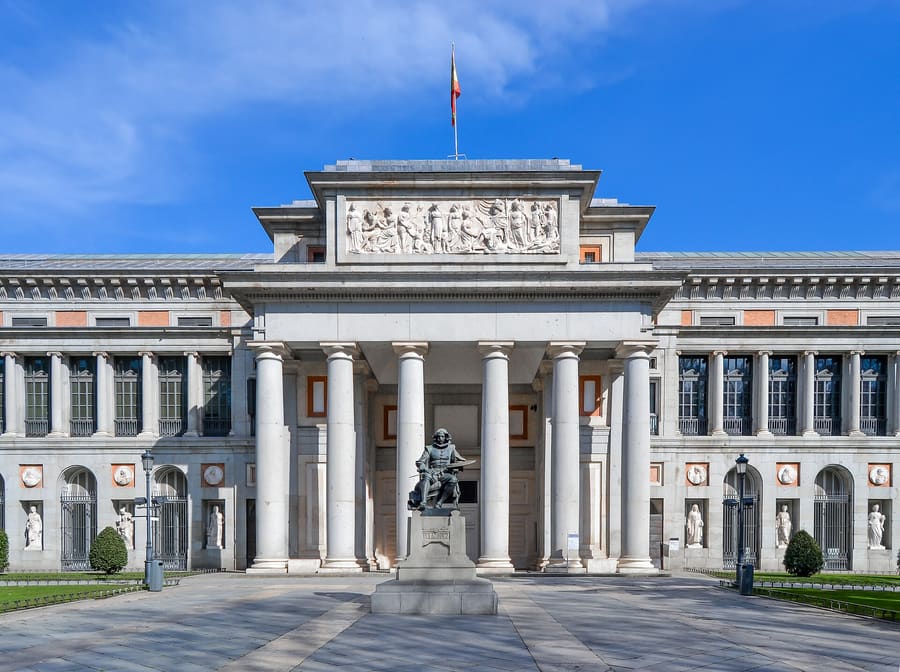
Prado Museum
Pre-book a timed slot to skip the main queue. The museum houses masterworks by Velázquez, Goya, and Hieronymus Bosch.
问问 Parley西班牙
High-altitude late-night culture and serious art collections.
introduction
Madrid sits at 650 metres above sea level on the central Iberian plateau. The city operates on a delayed diurnal cycle where dinner starts after 21:00 and night life stretches into dawn. You navigate primarily by neighbourhood rather than by monuments, moving between world-class art galleries and dense tapeo quarters on foot.
Cercanías beats Metro from MAD
The Cercanías C1 train takes 27 minutes from Terminal 4 to Atocha for €2.60. The Metro costs €4.50 to €5.00 and requires a line transfer.
UNESCO landscape of light
Paseo del Prado and El Retiro Park form a designated UNESCO World Heritage site celebrating urban landscape and culture.
Art Walk ticket saves 20%
The Paseo del Arte pass costs €32 and covers the Prado, Reina Sofía, and Thyssen-Bornemisza museums over one year.
Madrid
Felipe Gabaldón · CC BY 2.0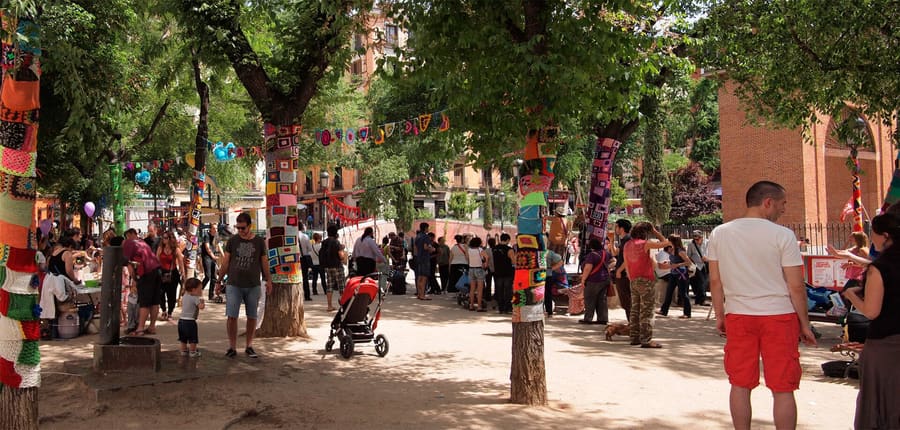
Malasaña — Craft beer bars, vintage clothing shops, and historic plazas defined by 1980s counterculture.
Tejiendo Malasaña · CC BY 2.0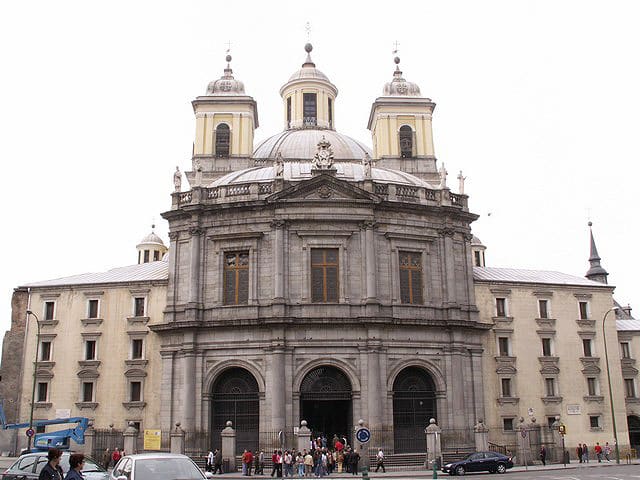
La Latina — Narrow medieval streets packed with traditional vermut bars and Sunday tapas crowds.
J.L. De Diego · Public domain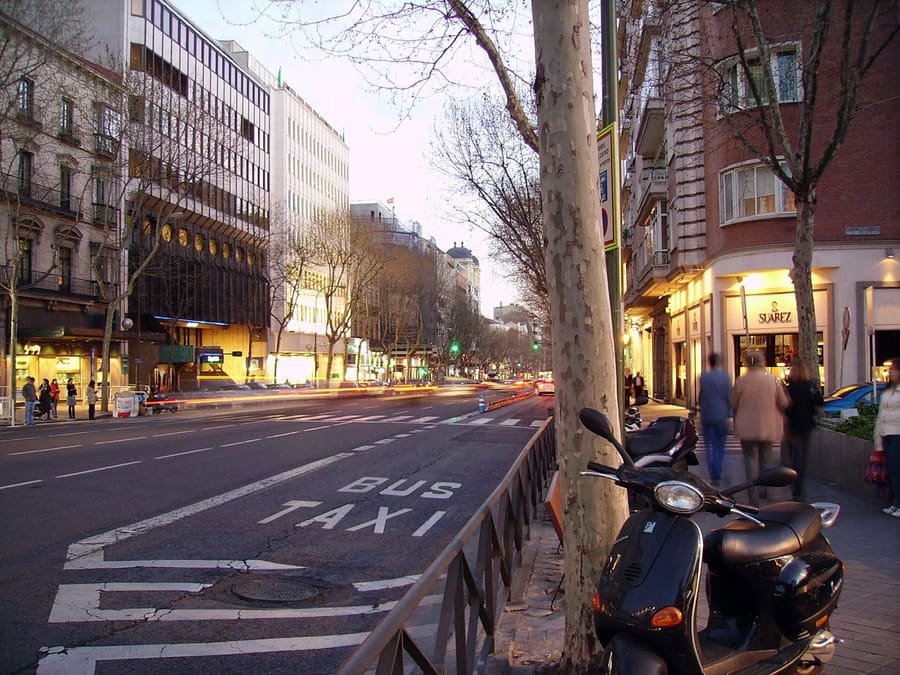
Salamanca — Upmarket grid system of 19th-century avenues, high-end fashion boutiques, and fine dining.
Ricardo Ricote Rodrí… · CC BY 3.0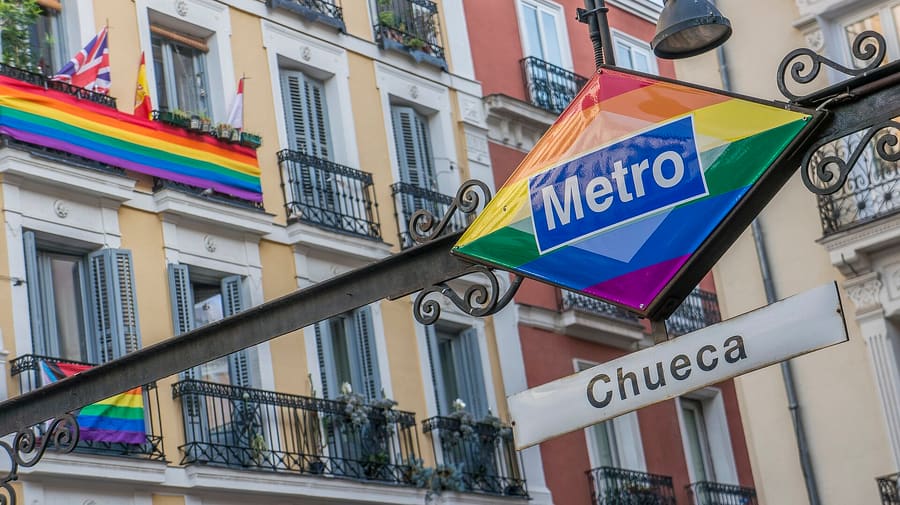
Chueca — Pedestrian-friendly quarter known for inclusive cocktail lounges, terraces, and modern markets.
David Mapletoft from Bathurst, Australia · CC BY 2.0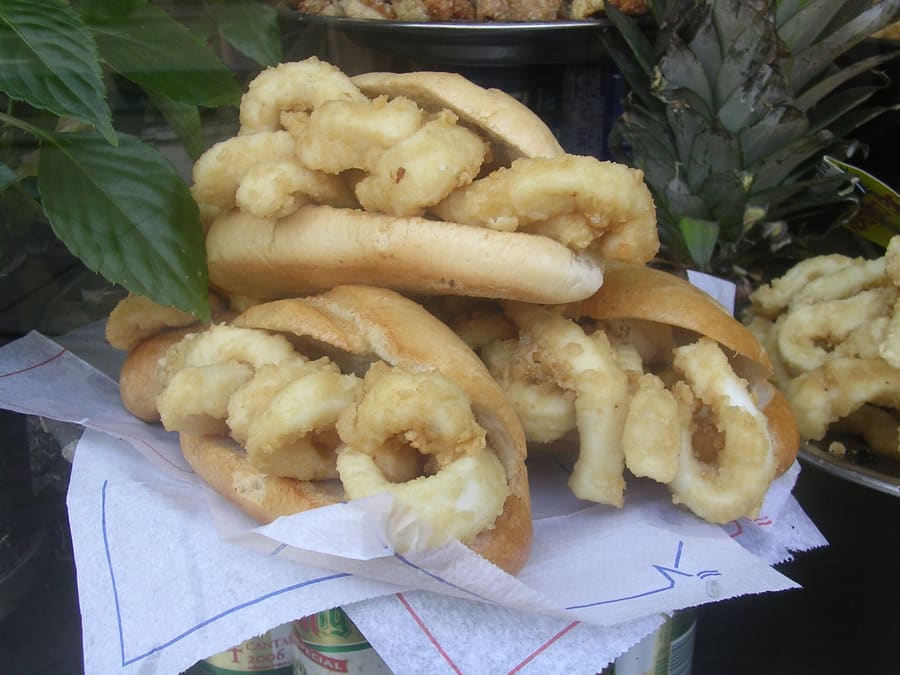
Bocadillo de calamares served at a traditional bar near Plaza Mayor.
Tamorlan · CC BY-SA 3.0highlights
attraction
Pre-book a timed slot to skip the main queue. The museum houses masterworks by Velázquez, Goya, and Hieronymus Bosch.
问问 Parley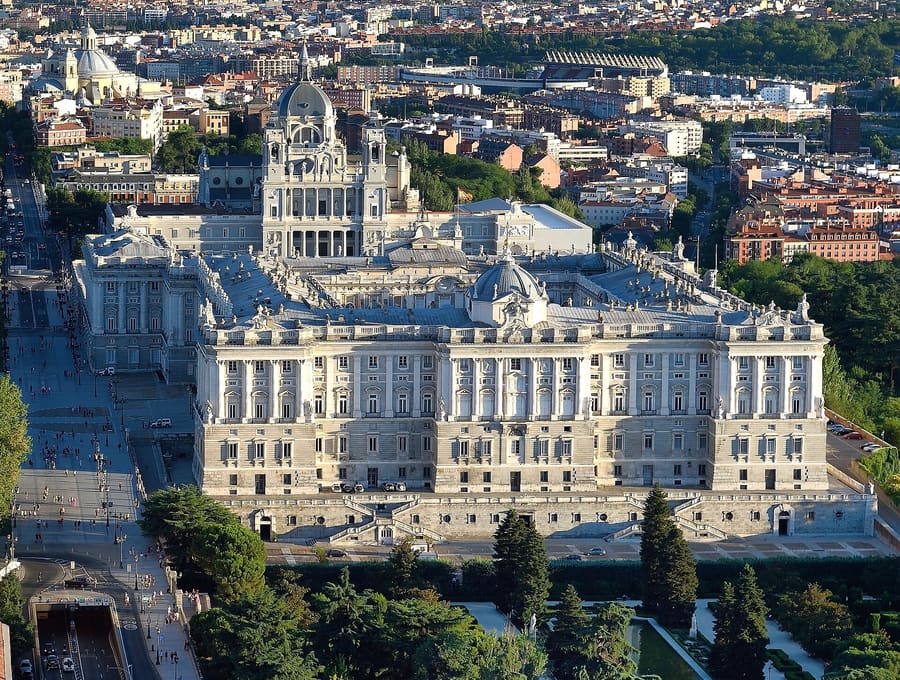
landmark
The official residence contains 3,418 rooms. Book digital tickets in advance to bypass ticket office lines.
问问 Parley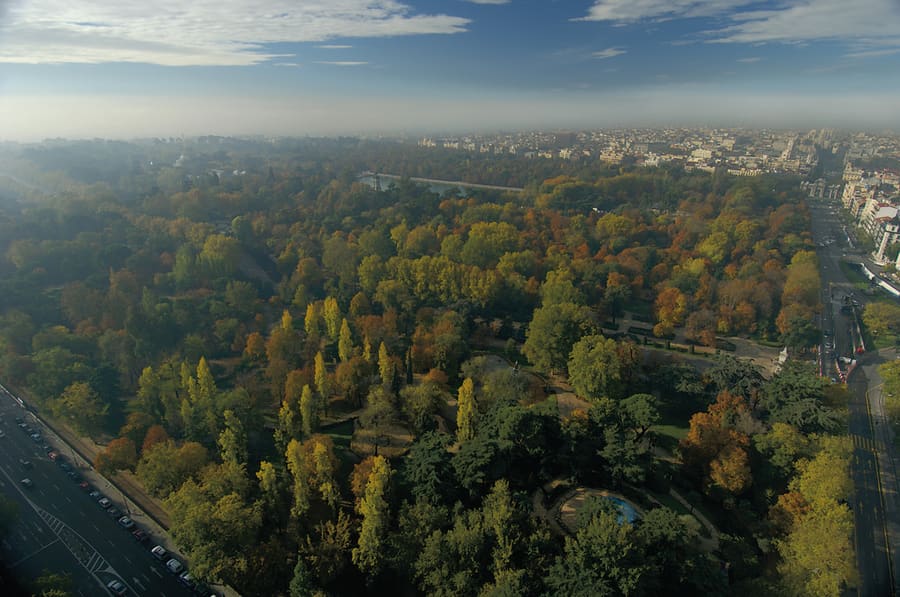
landmark
A 125-hectare public park featuring the glass Palacio de Cristal and a rowing lake near the northern entrance.
问问 Parley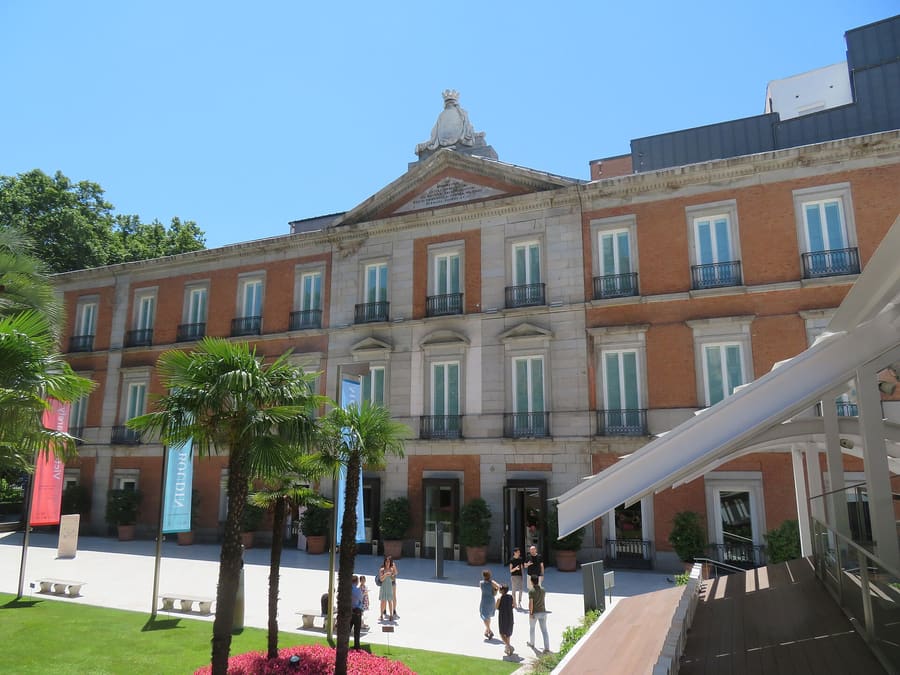
landmark
Fills the historical gaps between the Prado and Reina Sofía. Covers Western art from the 13th to late 20th century.
问问 Parley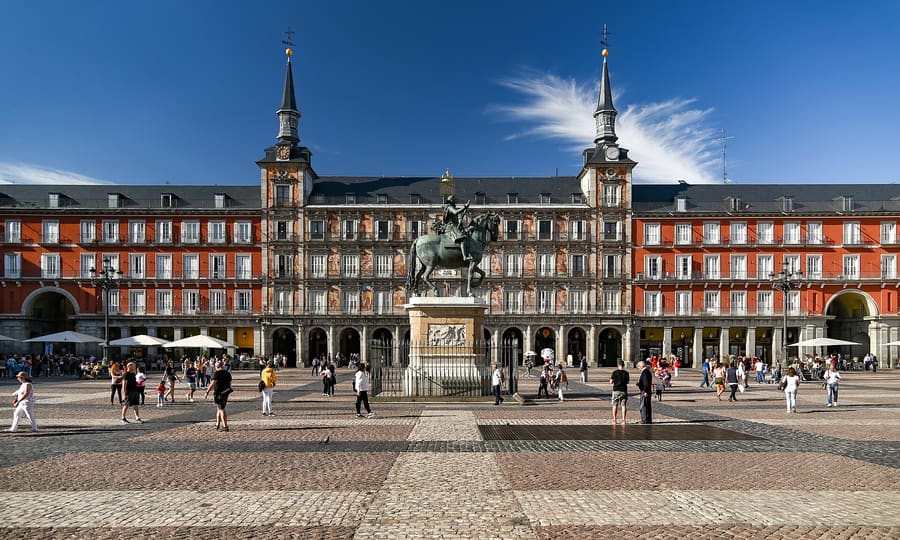
landmark
The 17th-century arcaded square hosts historical arcades. Eat fried squid baguettes at surrounding side-street bars.
问问 Parleyattractions
areas
Craft beer bars, vintage clothing shops, and historic plazas defined by 1980s counterculture.
附近Gran Vía and Chueca
问问 ParleyNarrow medieval streets packed with traditional vermut bars and Sunday tapas crowds.
附近Plaza Mayor and Royal Palace
问问 ParleyUpmarket grid system of 19th-century avenues, high-end fashion boutiques, and fine dining.
附近El Retiro Park and Golden Mile
问问 ParleyPedestrian-friendly quarter known for inclusive cocktail lounges, terraces, and modern markets.
附近Malasaña and Gran Vía
问问 Parleyfood
Food in Madrid centres on historic taverns, market halls, and long dinner hours. You eat tapas standing at zinc counters or share larger portions called raciones at wooden tables. Regional dishes from across Spain collect in the capital, alongside native specialties like offal stews and fried seafood snacks.
Bocadillo de calamares served at a traditional bar near Plaza Mayor.
Tamorlan · CC BY-SA 3.0Kitchens close between 16:00 and 20:30. Arrive at 21:00 for prime tavern seating.
Crispy fried squid inside a crusty baguette is a classic local lunch bite near Plaza Mayor.
A traditional three-course chickpea and meat stew served during cooler months across classic taverns.
Order at the bar and pay when you finish your drink, or open a tab for food.
history
Madrid grew from a 9th-century Moorish fortress named Mayrit into the capital of a global empire. King Philip II moved the royal court here in 1561, establishing the city as Spain's political administrative centre.
Fortress Founded
Emir Muhammad I builds a military outpost along the Manzanares River.
Capital Established
Philip II transfers the Spanish court from Toledo to Madrid.
Dos de Mayo Uprising
Citizens revolt against Napoleon's troops, triggering the Peninsular War.
Spanish Civil War
Madrid endures a three-year siege before falling to Francoist forces in 1939.
La Movida Madrileña
Post-Franco countercultural movement transforms the city's music and art scene.
where to stay
Choose your neighbourhood based on evening preferences. Staying in the central grid puts major museums within walking distance, while northern or eastern districts offer quieter residential nights.
transport
Madrid operates an efficient public transit network consisting of the Metro, Cercanías commuter rail, and EMT buses. The central historic districts are compact enough to navigate on foot.
从Madrid-Barajas Airport (MAD)出发
Cercanías C1 line runs directly from Terminal 4 to Atocha and Chamartín stations.
Línea Exprés Aeropuerto operates 24/7 to Cibeles and Atocha stations.
Fixed rate applies to all official white taxis with diagonal red stripes.
Buy a Multi card for €2.50 at stations and load 10 rides for cheaper central travel.
A €3 airport supplement fee applies when entering or exiting airport Metro stations.
Trains run daily from 06:00 until 01:30, with trains arriving every 3 to 5 minutes peak.
Use Cercanías red trains for fast connections between major stations like Atocha and Sol.
cost
Madrid offers competitive value compared to other major West European capitals. Eating lunch at neighborhood bars and using multi-ride transit passes keeps expenses low.
Standard cost at non-tourist neighbourhood coffee bars across the city.
Three-course lunch menu including bread, drink, and dessert served weekdays.
Small draft pale lager usually served with a small complimentary snack.
Standard adult ticket for major galleries like the Prado or Thyssen-Bornemisza.
seasonality
MAR – MAY
Mild temperatures around 18–22°C with pleasant park afternoons. Book popular museum slots early.
JUN – AUG
Extreme summer heat topping 38°C. Many local businesses close in August for annual holidays.
SEP – NOV
Warm days and crisp evenings return. Ideal conditions for outdoor dining and walking tours.
DEC – FEB
Cold, dry winter days with sunshine. Clear skies, festive markets, and minimal museum lines.
practicalities
Smaller independent stores and supermarkets close on Sundays, though major chains remain open.
Contactless card payments are accepted almost everywhere, including street kiosks and taxis.
Bars do not fill up before 23:00, and nightclub peak hours run from 02:00 to 06:00.
Schedule outdoor activities before 12:00 or after 19:00 during July and August.
Major art galleries offer free entry windows on specific weekday evenings, though queues build early.