landmark
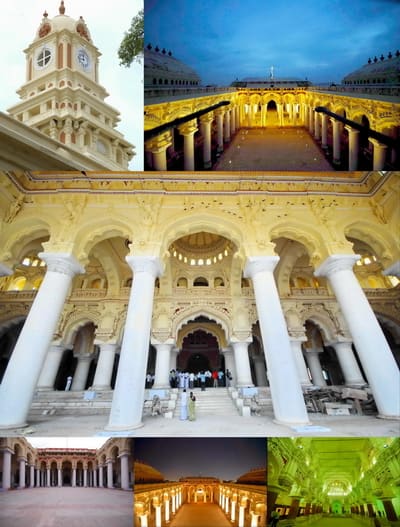
Thirumalai Nayakkar Mahal
17th-century palace built by the Nayak dynasty. The giant courtyard columns host a short light-and-sound show each evening.
问问 Parley印度
A 2,500-year-old temple city driven by late-night commerce.
introduction
Madurai built itself around the Meenakshi temple, and the old town streets still form concentric squares outwards from its gates. Navigation relies on these concentric Masi and Veli streets rather than cardinal directions. You trade clean sidewalks and quiet nights for late-night food stalls and intense ritual life. Expect heavy pedestrian traffic, persistent auto-rickshaw drivers, and temples operating on strict midday closures.
Airport entry trick
Pre-paid taxi counters inside the terminal charge fixed rates to the old city. Ignore outside drivers offering unmetered rides.
Midday planning
Main temples lock their inner shrines from 12:30 PM until 4:00 PM daily. Use these hours for lunch or museum visits.
Madurai
Richard Mortel from Riyadh, Saudi Arabia · CC BY 2.0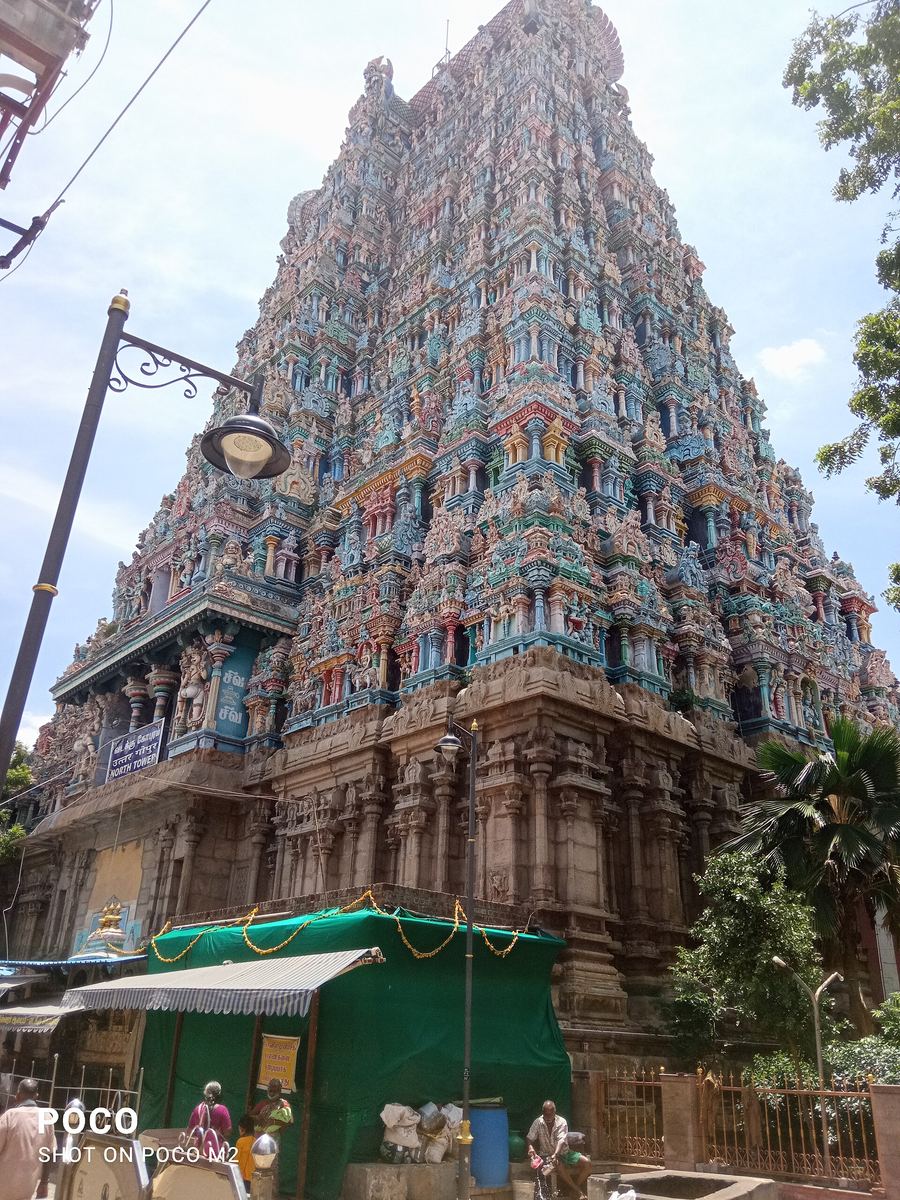
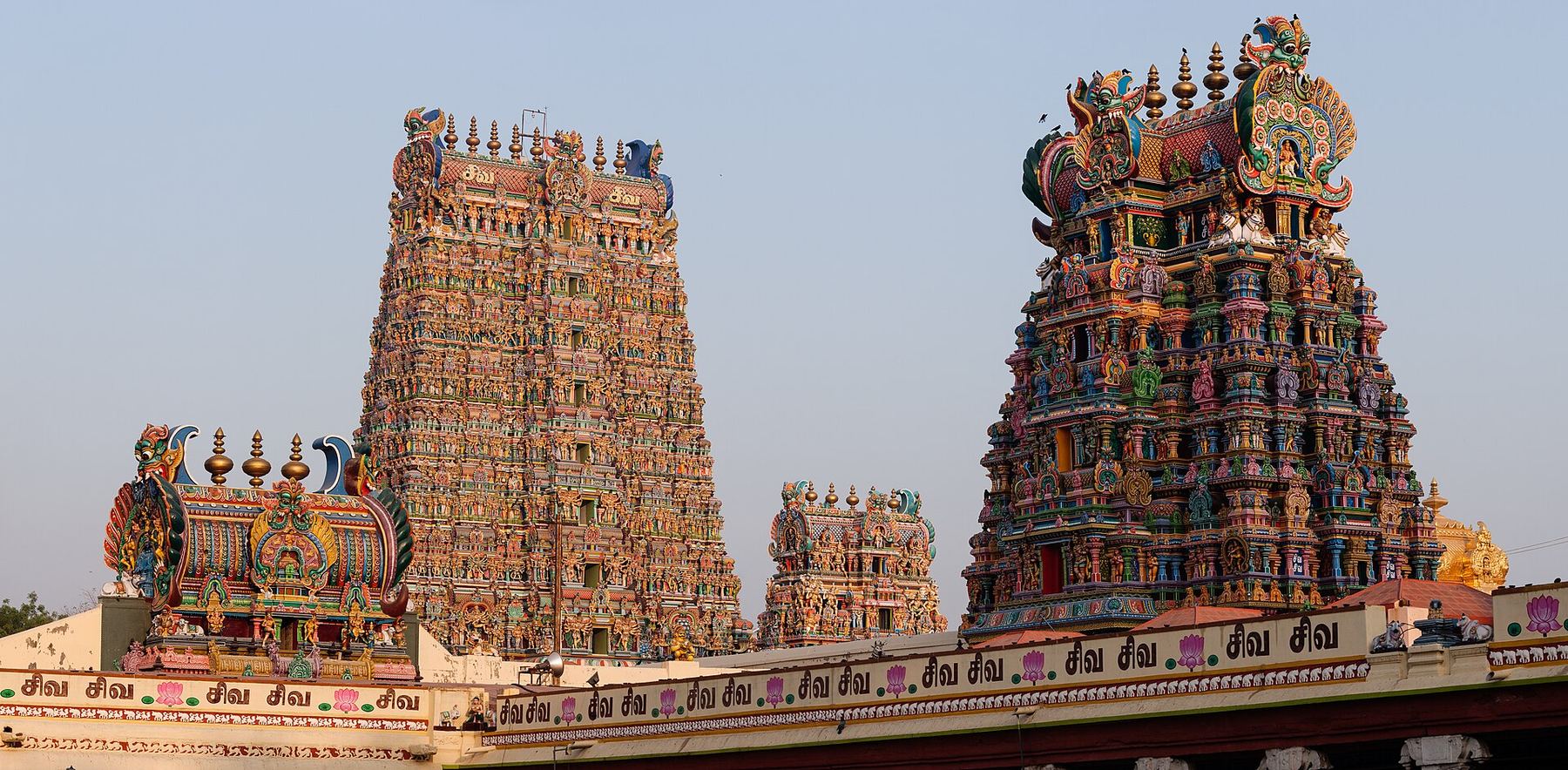
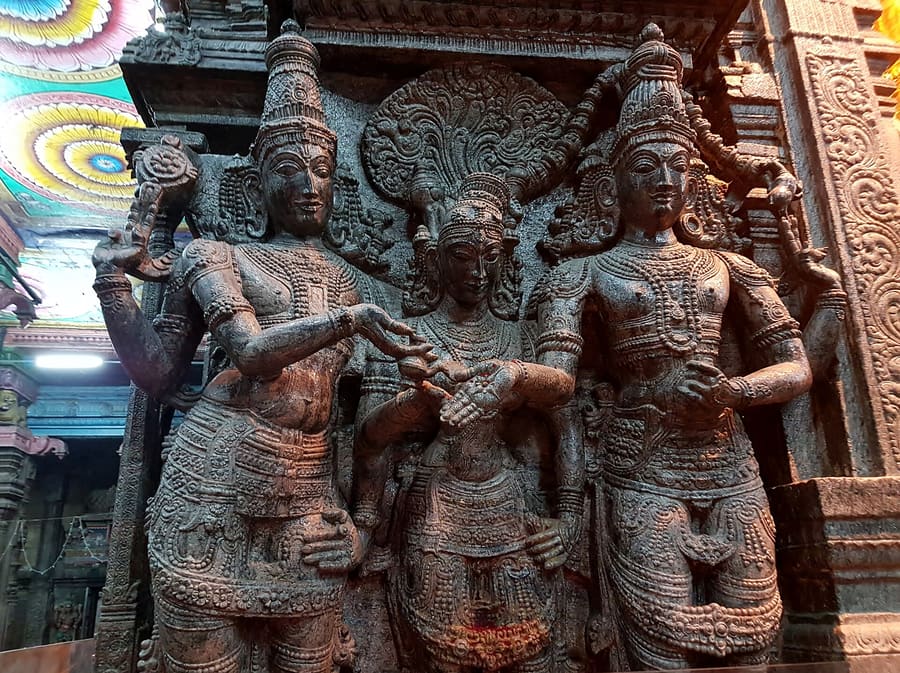
Temple Ring — High-density grid of tailor stalls, flower vendors, and pilgrims encircling the stone temple walls.
Sivasakthi umanath · CC BY-SA 4.0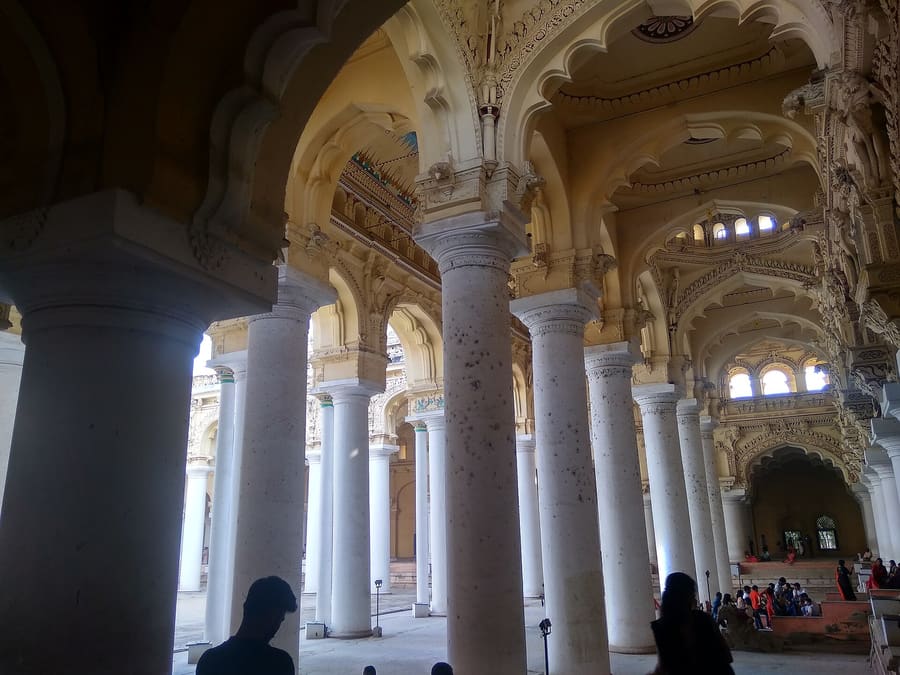
East Gate & Mahal — Historic district packed with brassware workshops, traditional eateries, and Nayak-era architecture.
Abdul Salphan · CC BY-SA 4.0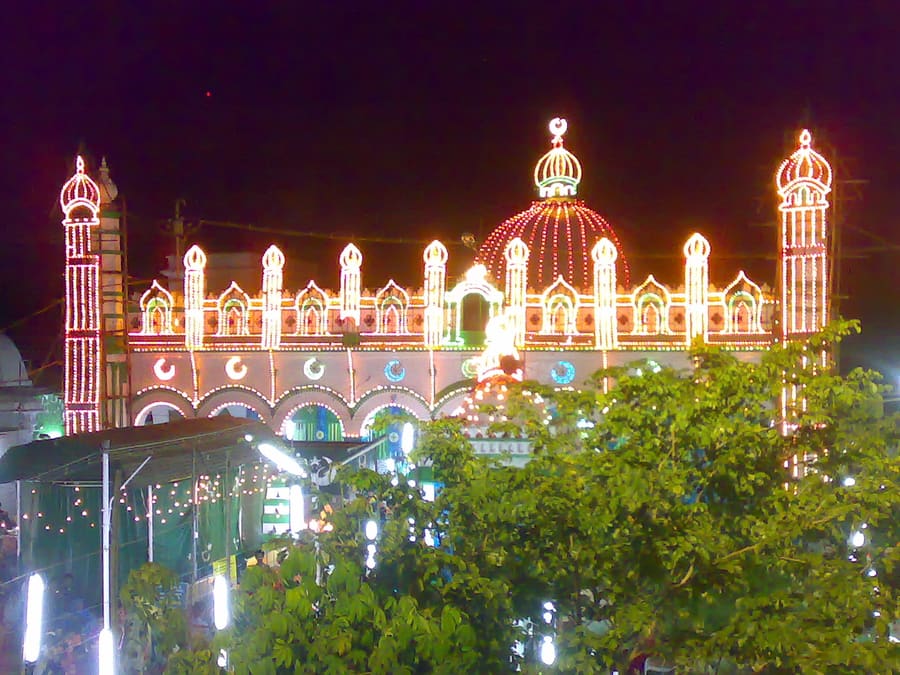
Vaigai North Bank — Quieter residential and administrative strip home to government offices, gardens, and broad avenues.
Wasifwasif (talk) · Public domain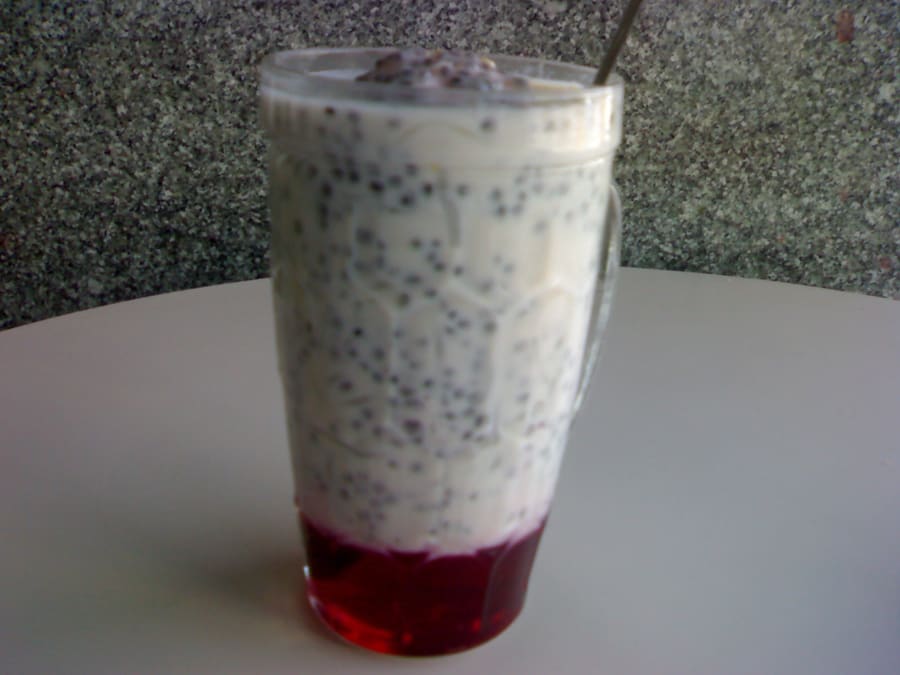
Famous Famous Jigarthanda stall serving chilled almond resin drinks on East Marret Street.
Randhirreddy at English Wikipedia · CC BY-SA 3.0highlights
landmark
17th-century palace built by the Nayak dynasty. The giant courtyard columns host a short light-and-sound show each evening.
问问 Parley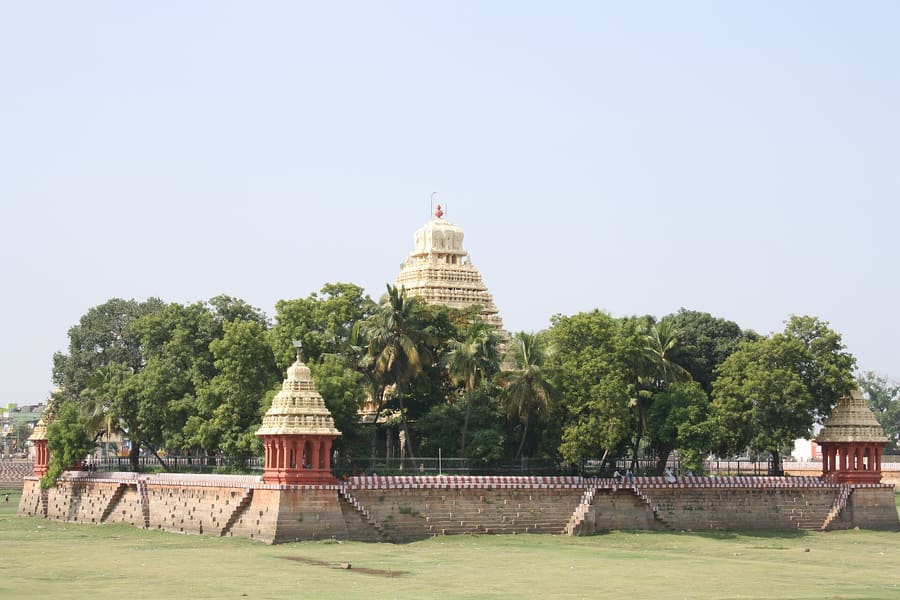
landmark
Enormous temple tank fed by channels from the Vaigai river. Visit in late afternoon when lighting illuminates the centre shrine.
问问 Parley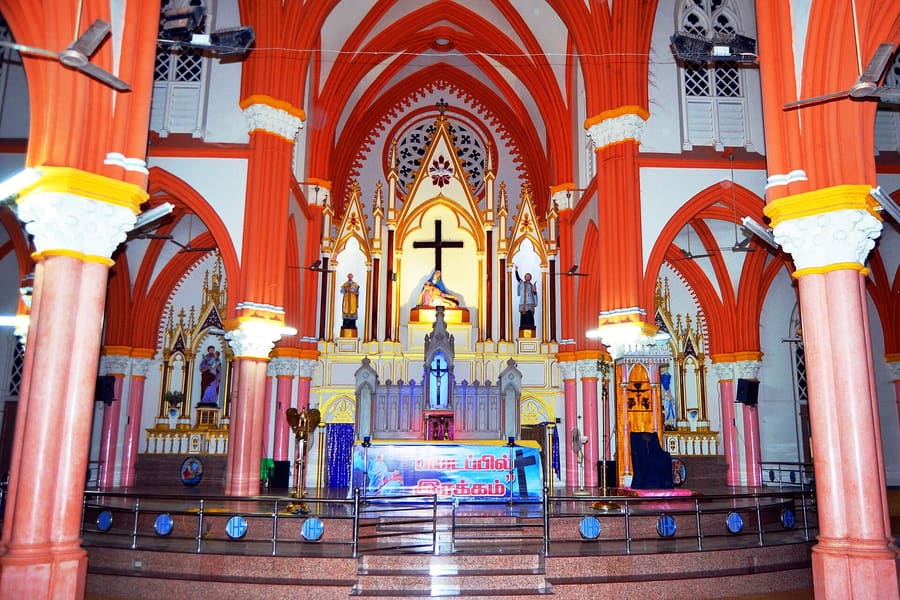
landmark
Built in 1916, combining European Gothic spires with Roman archways. A quiet contrast to the dense temple zones.
问问 Parley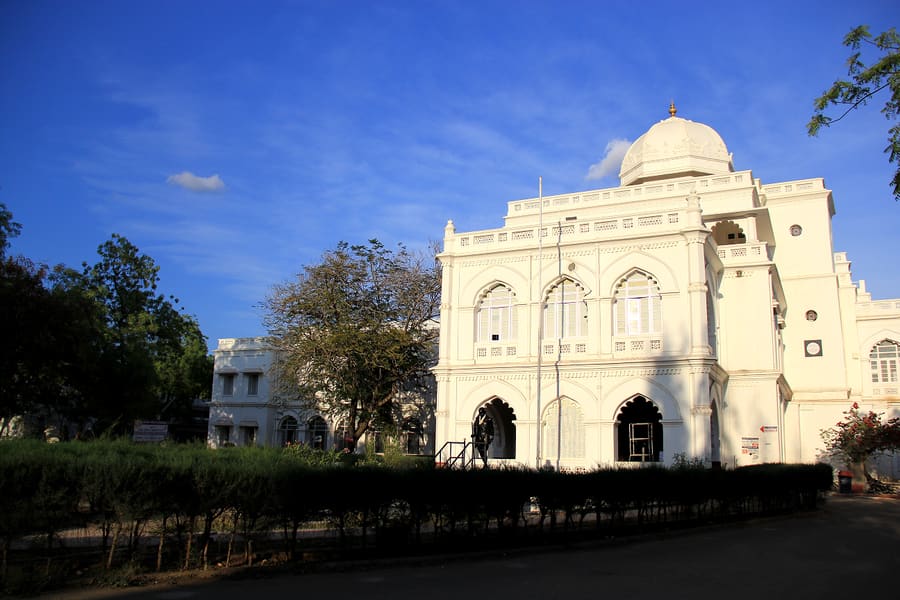
landmark
Housed in Tamukkam Palace. Contains the blood-stained garment worn by Mahatma Gandhi during his 1948 assassination.
问问 Parleyattractions
areas
High-density grid of tailor stalls, flower vendors, and pilgrims encircling the stone temple walls.
附近Meenakshi Amman Temple and Pudhu Mandapam
问问 ParleyHistoric district packed with brassware workshops, traditional eateries, and Nayak-era architecture.
附近Thirumalai Nayakkar Mahal and Saint Mary's Cathedral
问问 ParleyQuieter residential and administrative strip home to government offices, gardens, and broad avenues.
附近Gandhi Memorial Museum and Tamukkam Grounds
问问 ParleyModern residential suburb with lined avenues, trendy cafes, and air-conditioned shopping outlets.
附近Vandiyur Mariamman Teppakulam
问问 Parleyfood
Madurai's food culture revolves around late hours and meat dishes that set it apart from typical vegetarian temple towns. Flaky multi-layered bun parottas served with spicy mutton gravy (salna) anchor the city's midnight dining scene. Offal dishes like brain fry and spleen curry feature prominently at traditional mess halls around East Veli Street. To balance the spice, the city drinks Jigarthanda, a rich blend of milk, almond gum, sarsaparilla syrup, and ice cream.
Famous Famous Jigarthanda stall serving chilled almond resin drinks on East Marret Street.
Randhirreddy at English Wikipedia · CC BY-SA 3.0Mess halls around the railway station and East Veli Street serve hot bun parottas until 2:00 AM.
Buy Jigarthanda only from outlets labeled 'Famous Famous Jigarthanda' to get the original recipe made with almond gum.
Traditional mess halls and street stalls do not accept international credit cards. Carry physical rupees.
history
Madurai claims over two millennia of continuous habitation along the banks of the Vaigai River. As the capital of the ancient Pandya Kingdom, it served as the seat of Tamil literary academies known as Sangams. The city reached its architectural peak under the Nayak dynasty during the 16th and 17th centuries, when rulers rebuilt the central temple and constructed grand palaces.
Pandyan Capital
Greek and Roman traders record Madurai as a major spice and cotton trading hub.
Delhi Sultanate Invasion
Malik Kafur raids the city, causing extensive damage to the original temple structures.
Gandhi's Loincloth Decision
Mahatma Gandhi adopts his iconic simple attire while meeting agricultural workers in Madurai.
where to stay
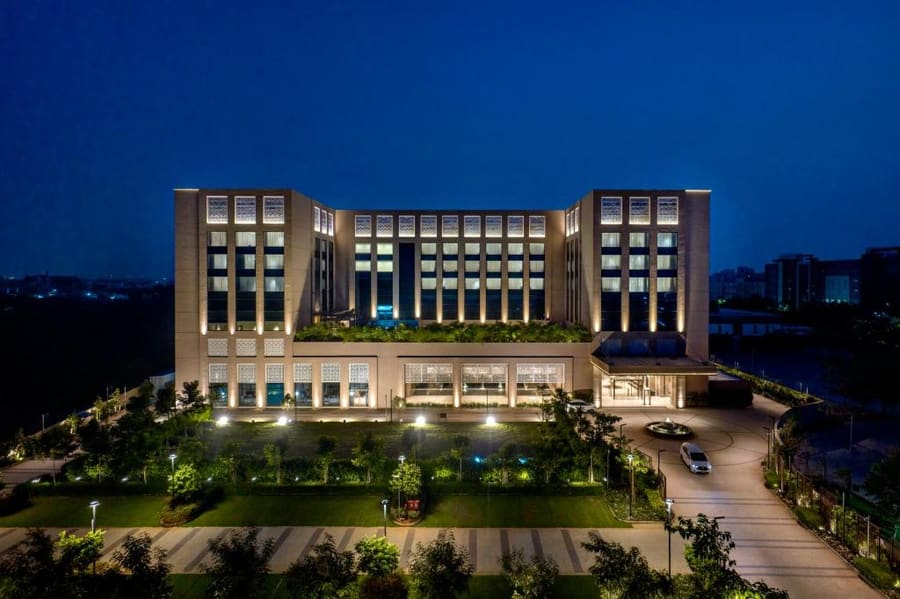
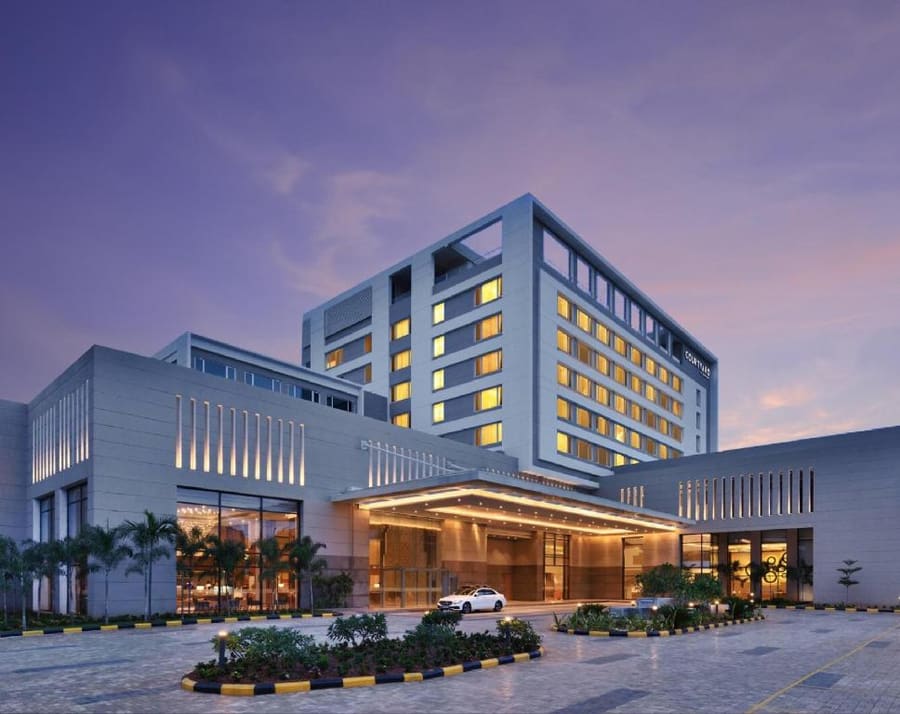
Choose your location based on your tolerance for street noise and early morning temple bells. Staying near the Masi streets puts you within walking distance of the central complex, but taxi access is difficult due to traffic barriers. Staying north of the Vaigai River trades walking convenience for wider roads, larger hotel pools, and quiet nights.
transport
The old town's narrow streets make auto-rickshaws the primary transit mode. Drivers rarely use meters, so you must negotiate the fare before sitting down. Ride-hailing apps operate reliably for cars across the city, though drivers often ask for cash payment instead of in-app transactions.
从Madurai Airport (IXM)出发
Book at the official pre-paid counter inside the arrival hall.
Pickups occur outside the terminal exit gate.
Route 10A connects airport directly to Periyar Bus Stand.
Agreed prices exclude tip. Expect to pay ₹100–150 for short journeys inside the outer ring road.
Auto-rickshaw drivers booked via apps usually demand cash or direct UPI transfer over app credit.
Buses run frequently between Periyar and Mattuthavani stations but lack English destination boards.
cost
Madurai offers low living costs compared to major Indian metros like Chennai or Bengaluru. Sightseeing expenses are minimal, though photography fees and shoe-storage charges apply at major heritage sites.
Bypasses the multi-hour general queue at peak morning times.
Covers two bun parottas and a chicken or mutton gravy dish at a street mess.
Standard price at original street outlets.
Typical cross-town fare within the city ring road.
seasonality
NOV – FEB
Daytime temperatures stay around 30°C. Peak tourist season with heavy temple queues.
MAR – MAY
Temperatures regularly exceed 40°C. Sightseeing is exhausting between 10:00 AM and 4:00 PM.
JUN – SEP
Southwest monsoon brings humidity and moderate rain. Hotel prices drop significantly.
OCT – DEC
Northeast monsoon delivers heavy evening downpours. Street flooding occasionally slows travel.
practicalities
Shoulders and knees must be covered. Men must wear long trousers or traditional dhotis.
Mobile phones, cameras, and smartwatches are strictly banned inside Meenakshi Temple.
Temple stone floors heat up by noon. Wear thick socks to avoid burning your feet.
The morning opening at 5:00 AM offers the best temple atmosphere with short lines.
Use official shoe counters outside temple gates for ₹2–5 per pair instead of unauthorized vendors.