landmark
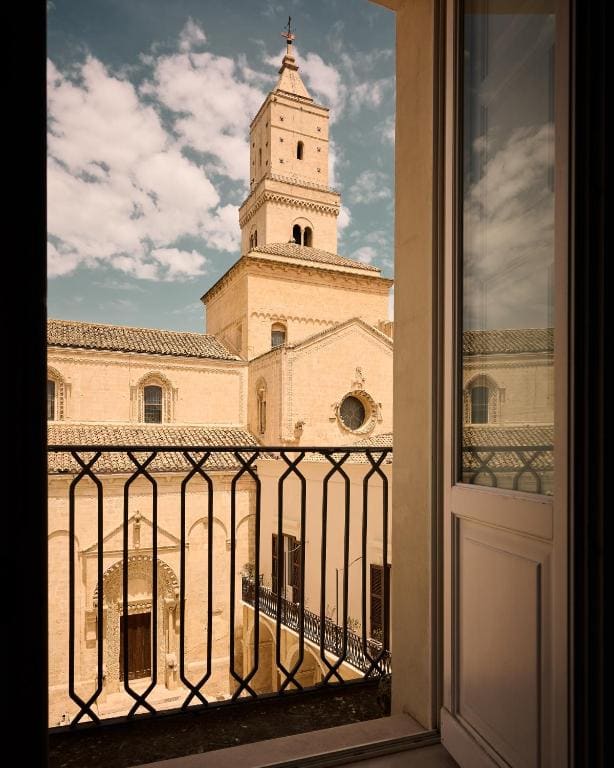
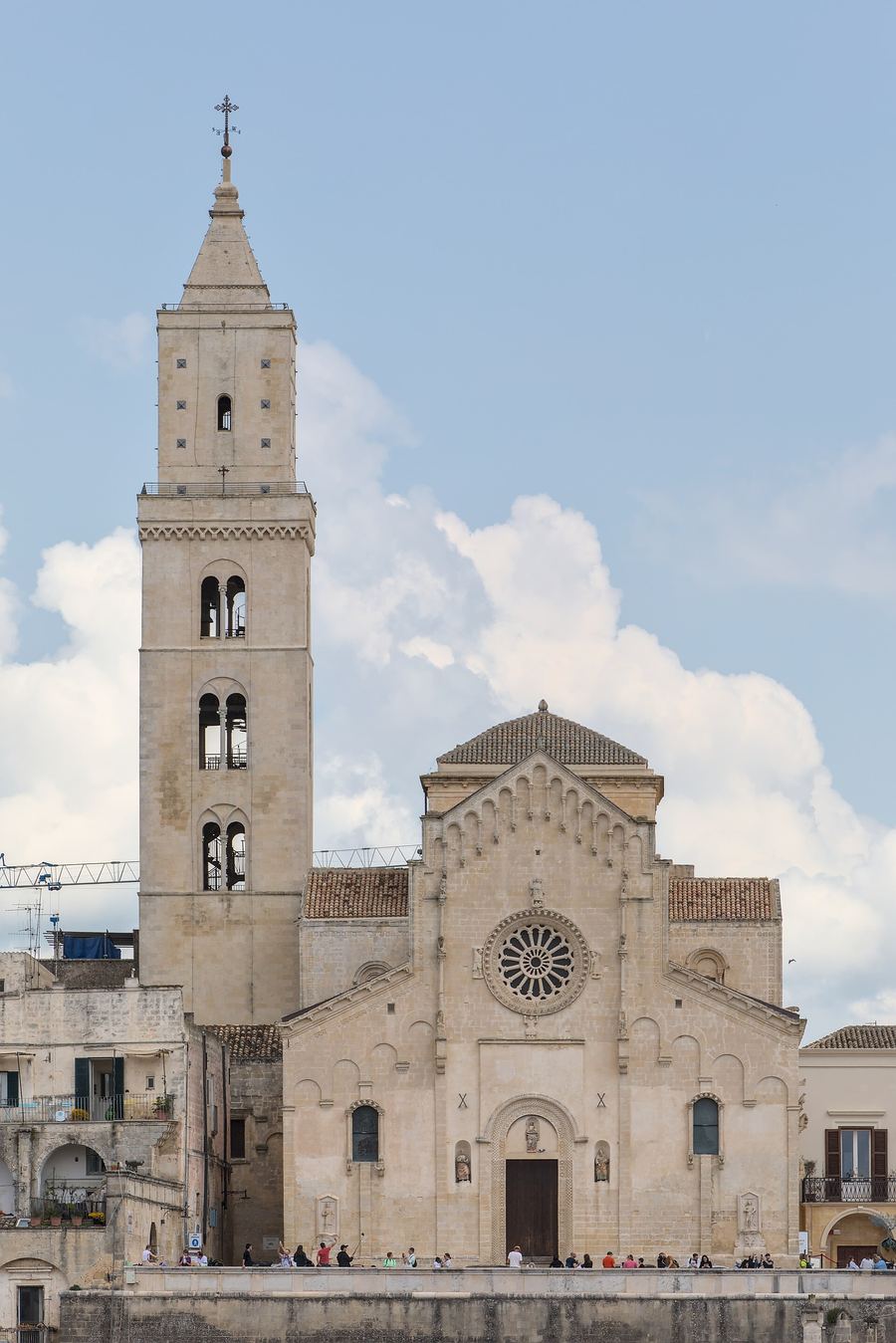
Cattedrale di Matera
13th-century Apulian Romanesque cathedral standing at the highest point between the two Sassi. Visit at sunset for clear valley views.
问问 Parley意大利
A ravine city built from limestone caves and stone stairs.
introduction
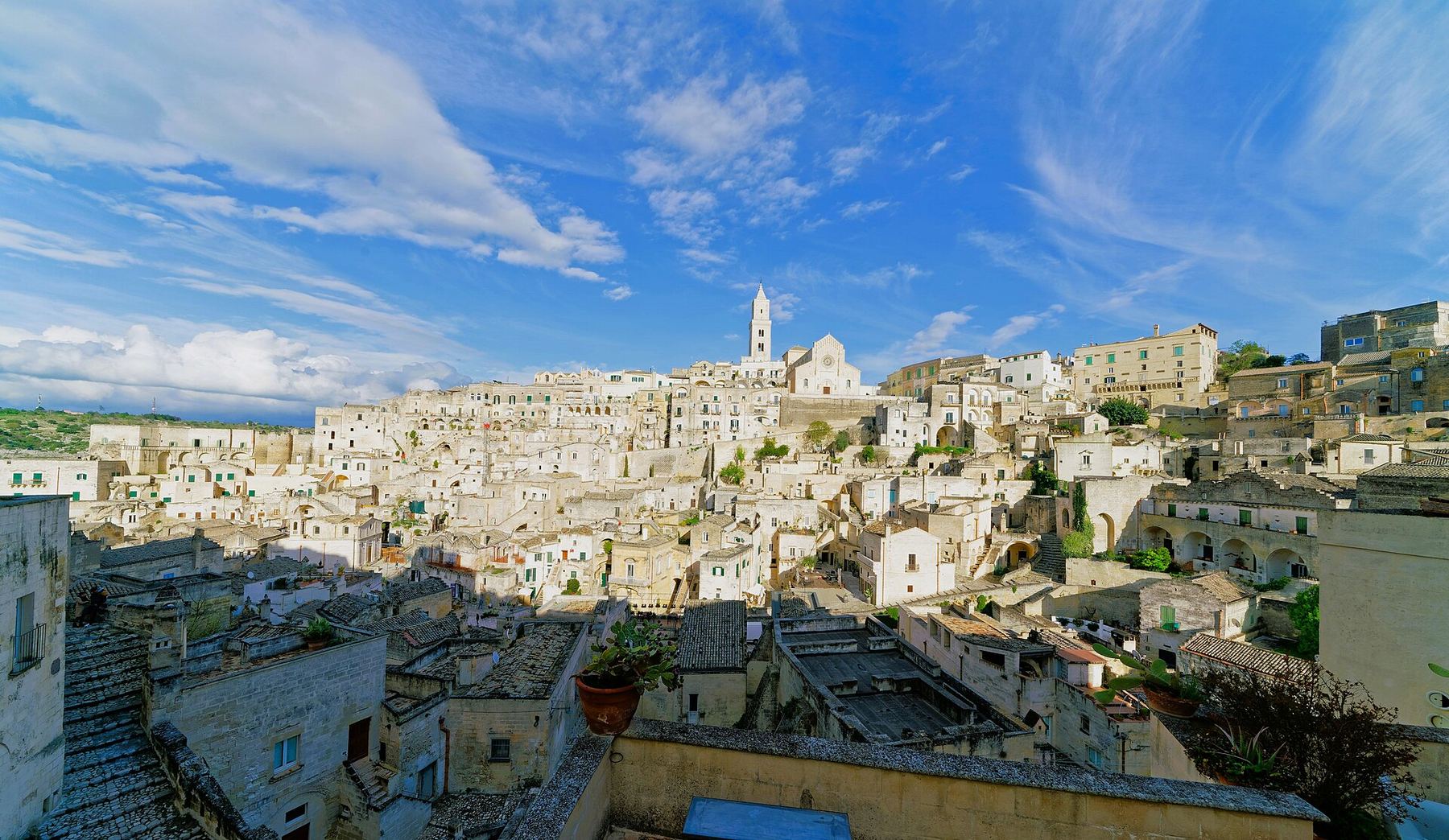
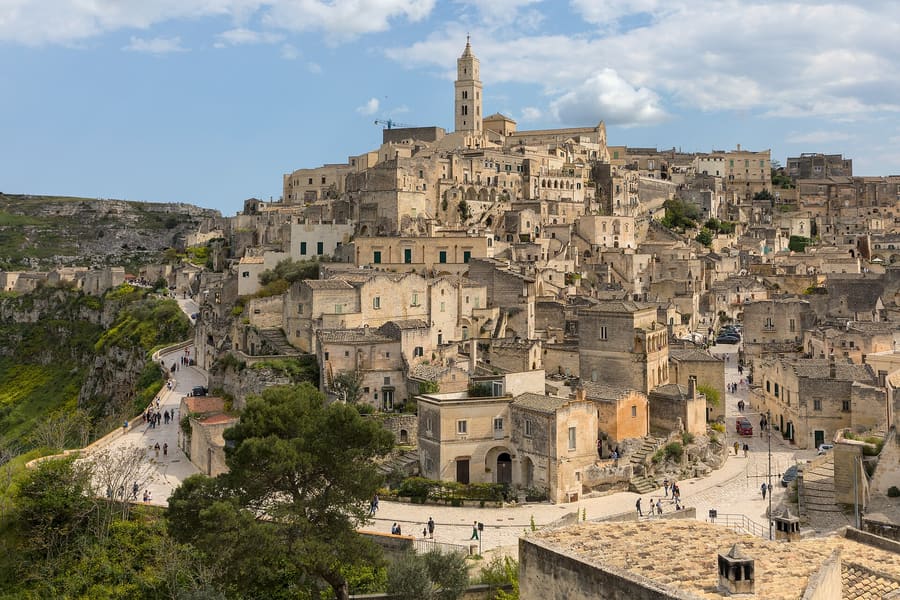
Matera is a split city carved into limestone ravine walls above the Gravina river. You move through it on foot, navigating endless stone staircases between upper baroque streets and deep cave districts. Expect relentless physical exertion, stark stone topography, and absolute silence once night falls over the valley.
Arrival via Bari
Bari Airport is the primary entry point. Take the Pugliairbus shuttle directly to Matera central station in 75 minutes.
UNESCO World Heritage site
In 1993, UNESCO designated the Sassi and the Park of the Rupestrian Churches as a World Heritage site for its cave dwellings.
Luggage and footwear
Pack rubber-soled shoes for polished limestone alleys. Luggage transfer services are essential if your cave hotel lies deep in the Sassi.
Matera
Benjamin Smith · CC BY-SA 4.0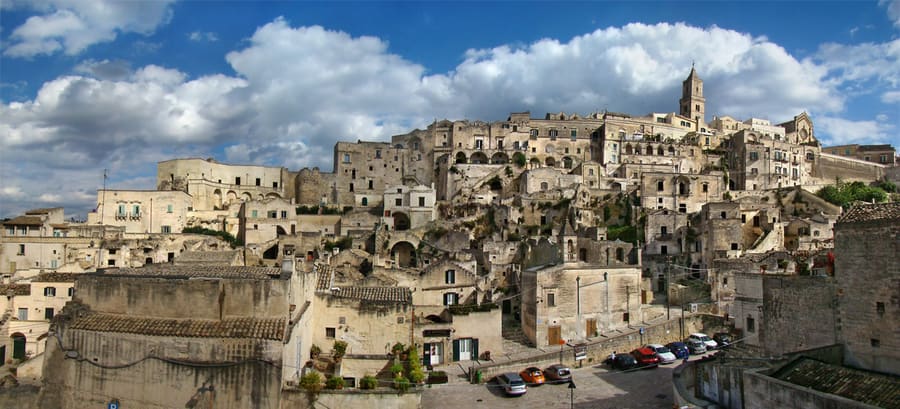
Sasso Barisano — Reconstructed stone alleyways with restored cave hotels, craft workshops, and terraced dining.
Tango7174 · CC BY-SA 4.0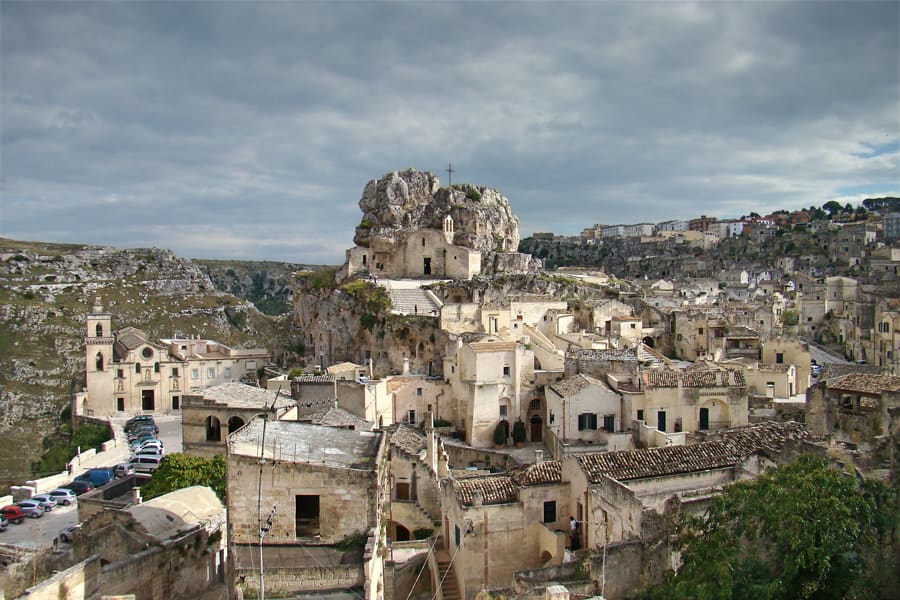
Sasso Caveoso — Older cave dwellings carved straight into rock, quieter at night, closer to the ravine walking trail.
Tango7174 · CC BY-SA 4.0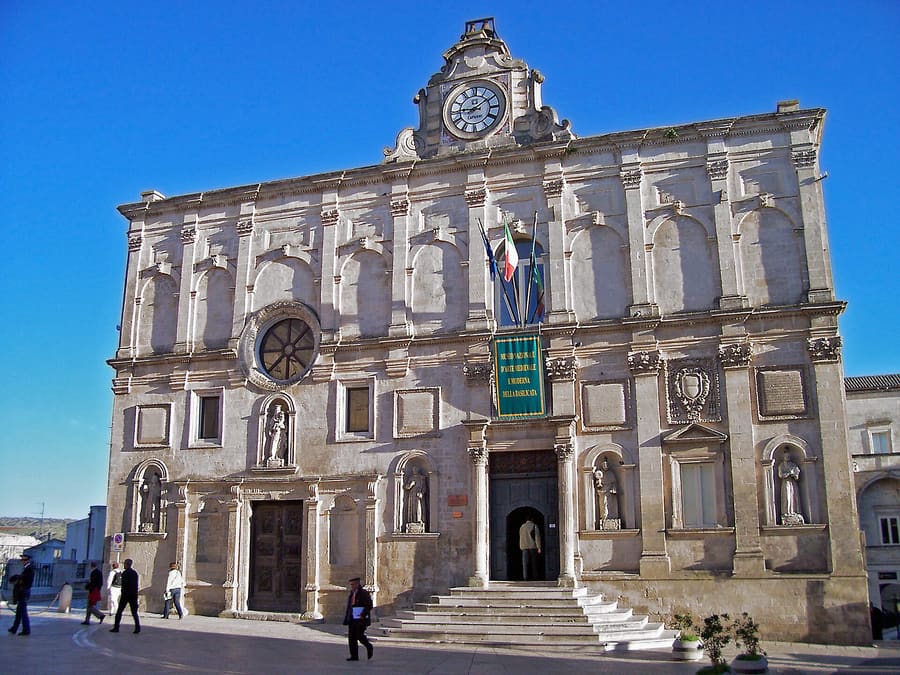
Il Piano — 17th-century upper town with flat baroque plazas, evening passeggiata routes, and modern amenities.
Acquario51 · CC BY-SA 4.0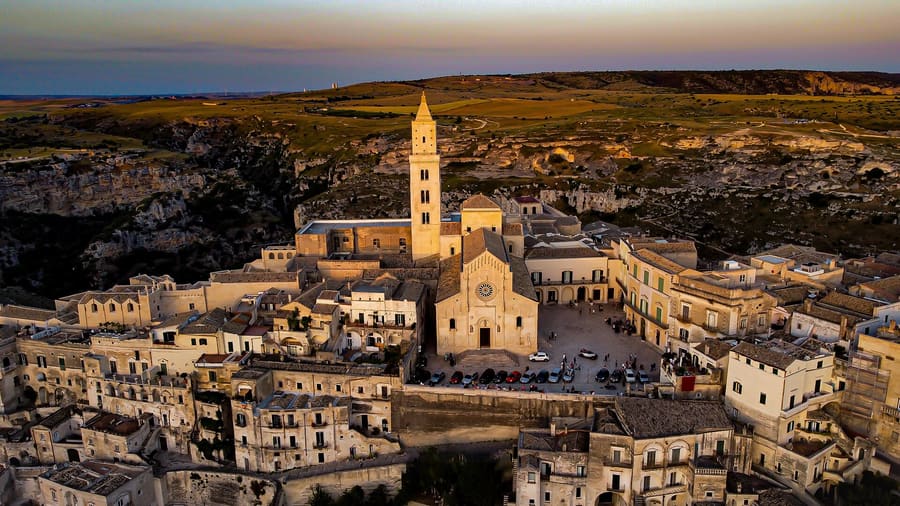
La Civita — Noble ridge separating the two Sassi, anchored by the Cathedral and offering dual valley panoramas.
Pipito93 · CC BY-SA 4.0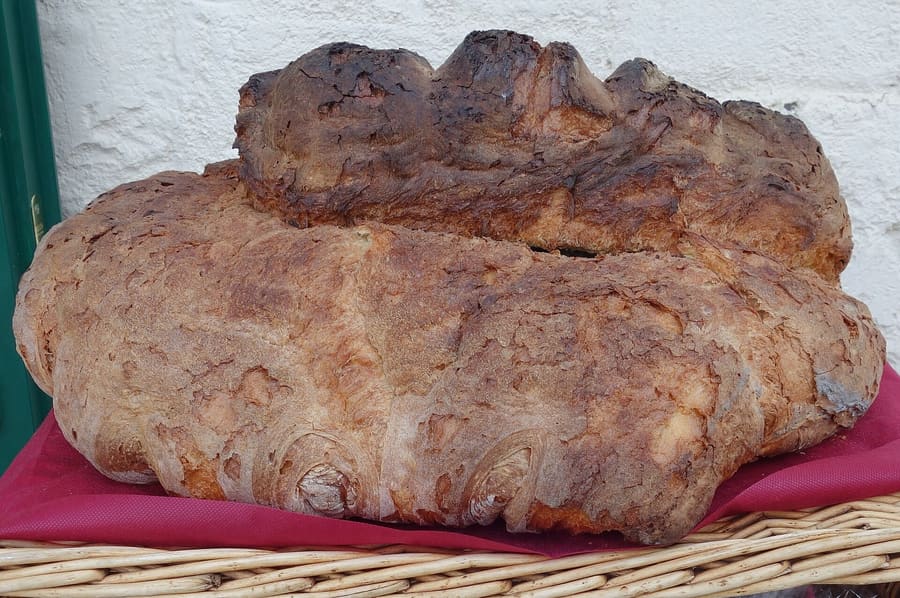
Pane di Matera IGP, baked from local durum wheat semolina.
Kars Alfrink · CC BY 2.0highlights
landmark
13th-century Apulian Romanesque cathedral standing at the highest point between the two Sassi. Visit at sunset for clear valley views.
问问 Parley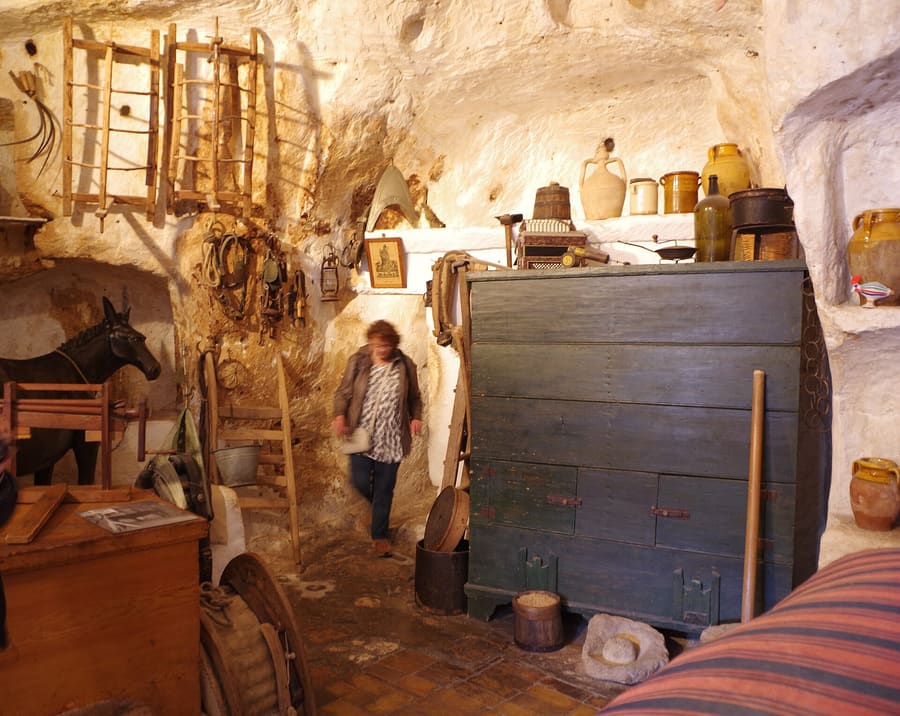
landmark
A preserved cave dwelling detailing how family and livestock shared single rooms until the 1950s relocation. Entry is every 15 minutes.
问问 Parley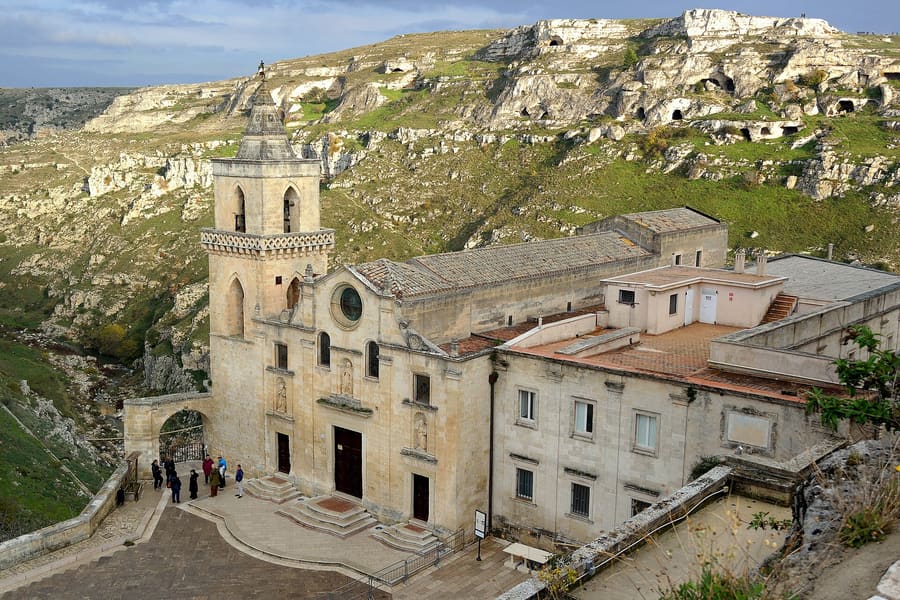
landmark
A 13th-century church perched directly over the Gravina ravine edge. Walk past after dark when the gorge walls illuminate.
问问 Parley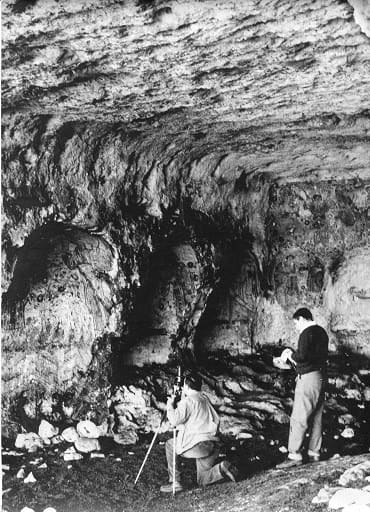
landmark
A cave chapel known as the Sistine Chapel of rupestrian art, 12 km south. Booking weeks ahead is mandatory due to strict entry limits.
问问 Parley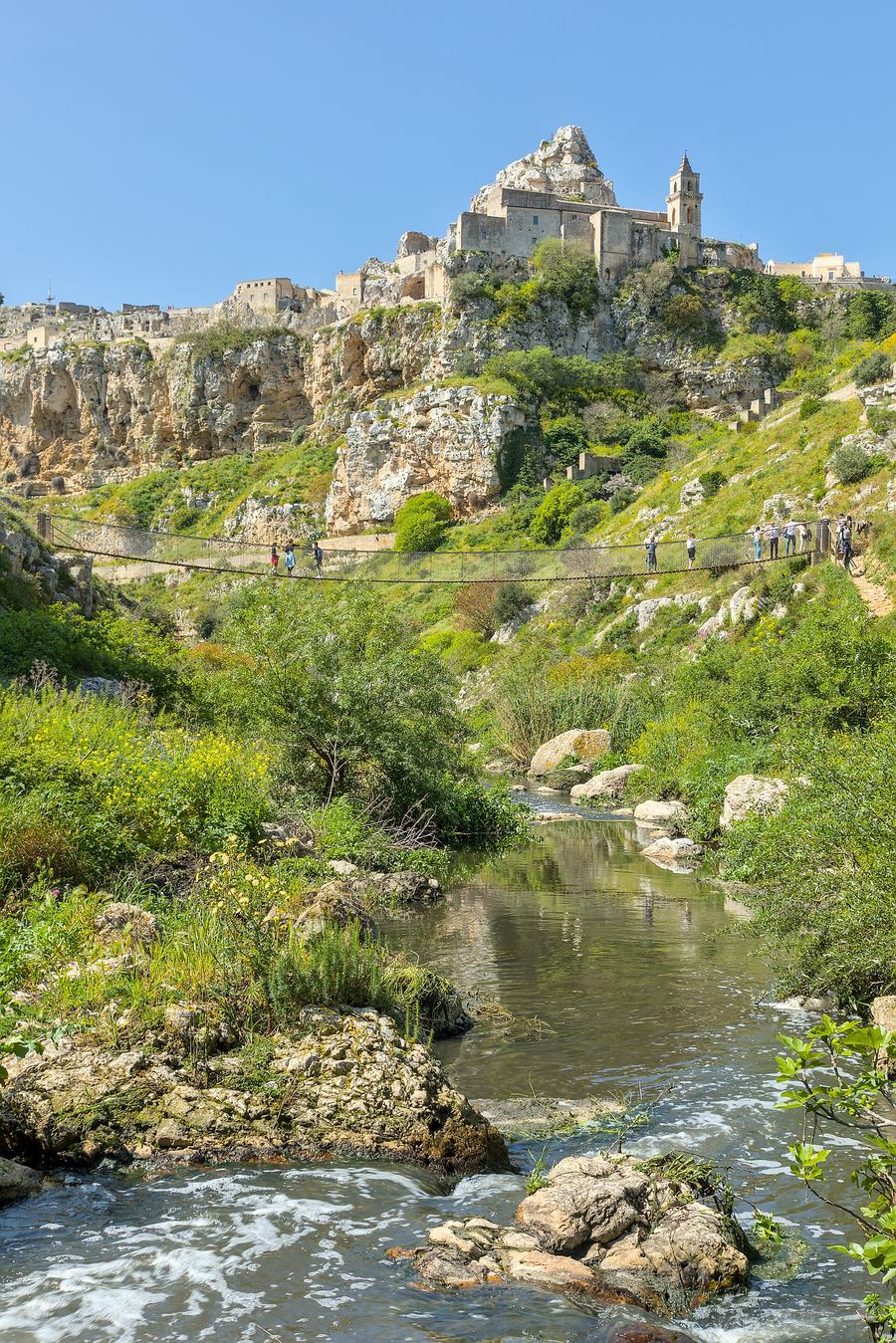
landmark
Wild park landscape facing the Sassi across the ravine. Cross the suspension bridge early morning before midday heat hits the exposed gorge.
问问 Parleyattractions
areas
Reconstructed stone alleyways with restored cave hotels, craft workshops, and terraced dining.
附近Piazza Vittorio Veneto and Palombaro Lungo
问问 ParleyOlder cave dwellings carved straight into rock, quieter at night, closer to the ravine walking trail.
附近San Pietro Caveoso and Casa Grotta
问问 Parley17th-century upper town with flat baroque plazas, evening passeggiata routes, and modern amenities.
附近Matera Centrale train station and Via Ridola
问问 ParleyNoble ridge separating the two Sassi, anchored by the Cathedral and offering dual valley panoramas.
附近Cattedrale di Matera and Sasso Barisano steps
问问 Parleyfood
Matera cuisine reflects peasant survival strategies centered on durum wheat, legumes, and preserved pork. Pane di Matera IGP uses local semolina and sourdough, baked into tall conical loaves with a crisp dark crust. Crapiata, a traditional bean and grain soup, marks the August harvest. Crapiata originated as a communal dish where neighbors contributed leftover grain and legumes to a shared pot.
Pane di Matera IGP, baked from local durum wheat semolina.
Kars Alfrink · CC BY 2.0Buy fresh loaves at Panificio Cifarelli on Via Istria. The bread stays fresh for up to seven days due to its natural sourdough mother.
Sweet Senise peppers are sun-dried and flash-fried in olive oil until crispy. Local restaurants serve them over handmade cavatelli or puréed fava beans.
Taste this rustic dish of spelt, chickpeas, and lentils at Trattoria Lucana on Via Lucana, served with local Aglianico del Vulture red wine.
history
Matera is one of the oldest continuously inhabited settlements in the world, with caves occupied since the Paleolithic era. Rainwater collection systems and rock-cut architecture sustained human life in a dry landscape for thousands of years. By the mid-20th century, extreme poverty, malaria, and overpopulation led the Italian government to declare the Sassi a national disgrace, forcibly evacuating 15,000 residents in 1952 to modern housing districts.
The Evacuation Law
Prime Minister Alcide De Gasperi signs a special law forcibly relocating 15,000 residents from Sassi cave homes to new suburb apartments.
UNESCO Designation
UNESCO names the Sassi and Rupestrian Churches a World Heritage Site, triggering extensive restoration of abandoned cave structures.
European Capital of Culture
Matera serves as European Capital of Culture, solidifying its transition from national shame to international heritage model.
where to stay
Choose your hotel by accessibility and terrain. Stay in Il Piano if you carry heavy rolling luggage or want flat evening walks. Book in Sasso Caveoso or Sasso Barisano if you want an authentic cave hotel experience and can manage steep stairs.
transport
Matera has no direct national rail connection via Trenitalia. Ferrovie Appulo Lucane (FAL) operates regional train services from Bari Central station. Cars are strictly restricted inside the ZTL (limited traffic zone) covering all of the Sassi.
从Bari Karol Wojtyła Airport (BRI)出发
Pugliairbus runs direct seasonal coaches between Bari Airport and Matera Central station.
Fixed taxi rates from Bari Airport must be agreed with driver prior to departure.
Line Sassi mini-buses run by Miccolis traverse the upper edges of the Sassi, useful when returning uphill to Il Piano.
Stairs and smooth cobblestones make wheeled luggage impractical inside the Sassi. Arrange hotel luggage transfer if staying downhill.
cost
Matera is pricier than surrounding Basilicata towns due to tourism demand, but reasonable compared to Florence or Venice. Cave hotels command premium rates, while casual dining remains accessible.
Sourdough durum wheat loaf sold fresh daily at local bakeries.
Standard admission to restored historic cave houses like Casa Grotta.
Includes two courses of local pasta, wine, and water at a neighborhood trattoria.
seasonality
MAR – MAY
Mild temperatures between 15°C and 22°C make climbing stone steps comfortable. Spring wildflowers bloom across the Murgia gorge.
JUN – AUG
Temperatures frequently exceed 35°C. Unshaded limestone amplifies heat; explore early morning or late evening.
SEP – NOV
Warm days and cooler nights. September brings the grape harvest in Basilicata, and autumn crowds diminish by late October.
DEC – FEB
Cold winds hit the plateau, with occasional snow over the Sassi. The living nativity scene (Presepe Vivente) runs through December.
practicalities
Local shops and bakeries outside the Sassi close between 13:30 and 16:30. Plan supply runs for early morning.
Street signs show neighborhood names but house numbering follows an ancient system. Use map apps with offline GPS enabled.
Public drinking fountains (nasoni) supply clean spring water throughout Il Piano and main upper squares.
The Ponte Tibetano suspension bridge across the Gravina ravine closes during high winds or heavy rain for safety.
On July 2nd, Matera celebrates its patron saint. A papier-mâché float is paraded and destroyed by crowds in Piazza Vittorio Veneto.