landmark
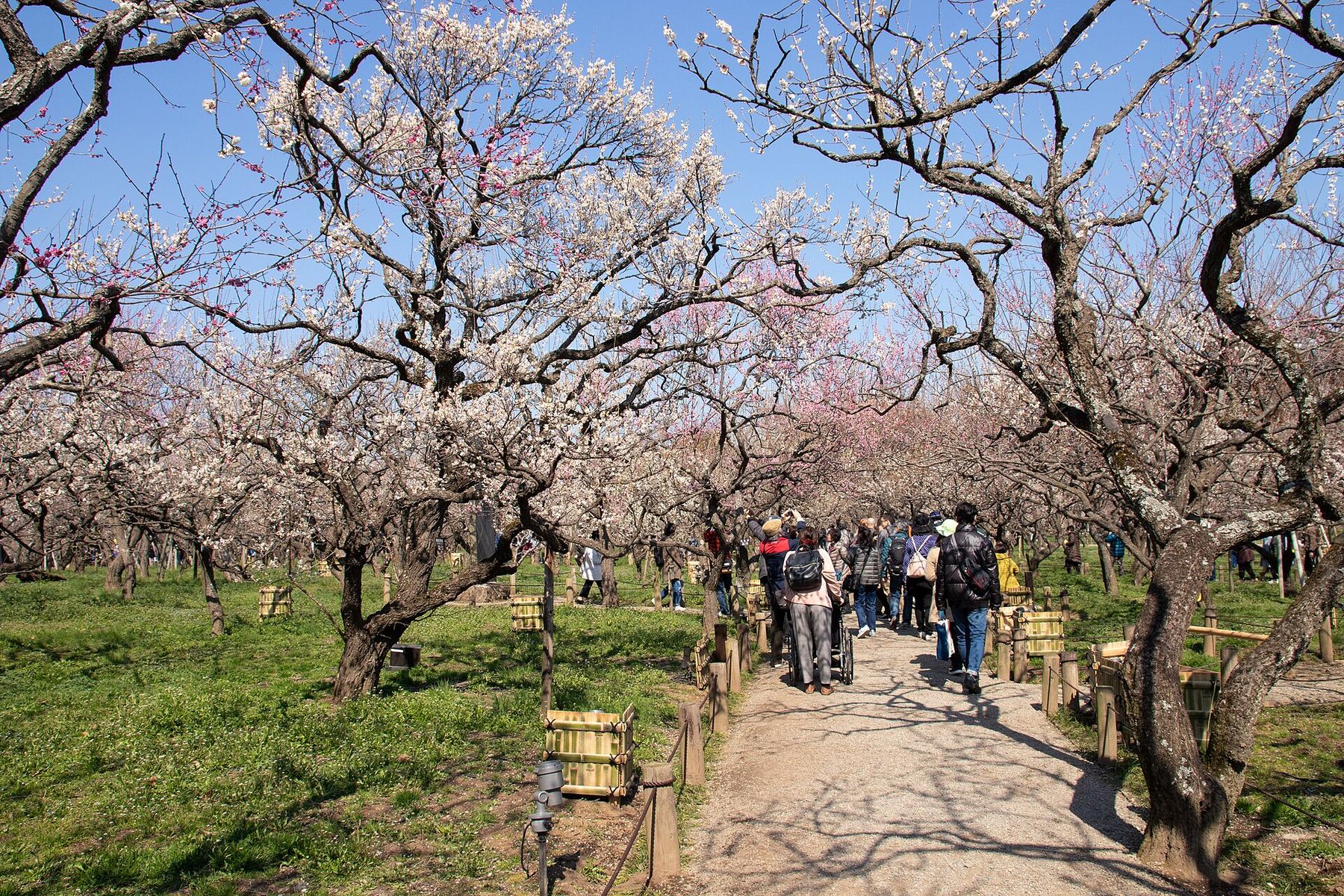
Kairakuen Garden
One of Japan's Three Great Gardens, planted with over 3,000 plum trees. Visit in early morning during March to avoid tour buses.
问问 Parley日本
Edo scholarship, plum blossoms, and fermented soybeans.
introduction
Mito sits 75 minutes northeast of Tokyo on the Joban Line, built around a castle site and a massive Edo-era pleasure garden. It functions as the administrative capital of Ibaraki, defined by samurai legacy rather than neon nightlife. You navigate the city along a central ridge between the Naka River and Lake Senba. Expect quiet streets, early closing times, and distinct regional food culture.
Joban Line Express
Limited Express Hitachi or Tokiwa trains reach Mito from Tokyo Station in 65 to 75 minutes. Reserved seats are mandatory.
Plum Blossom Festival Peak
The Mito Ume Matsuri runs from late February to mid-March. Hotel rates double and morning buses to Kairakuen fill rapidly.
Mito
Korall · CC BY-SA 3.0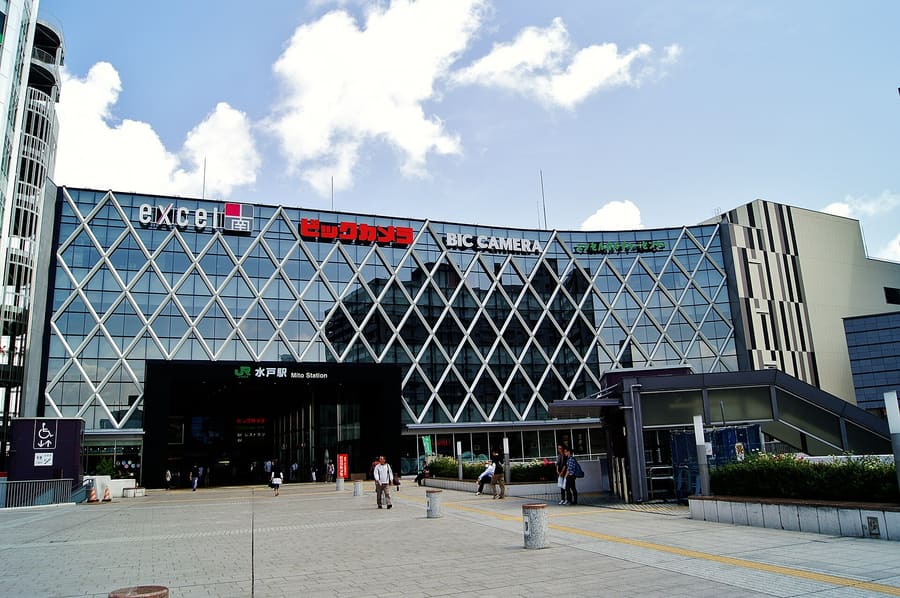
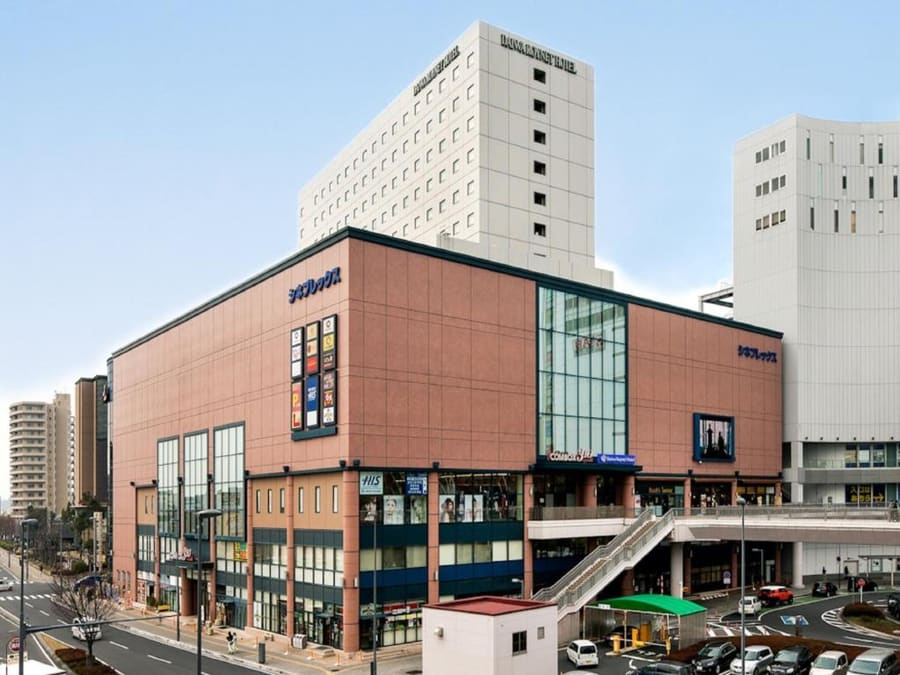
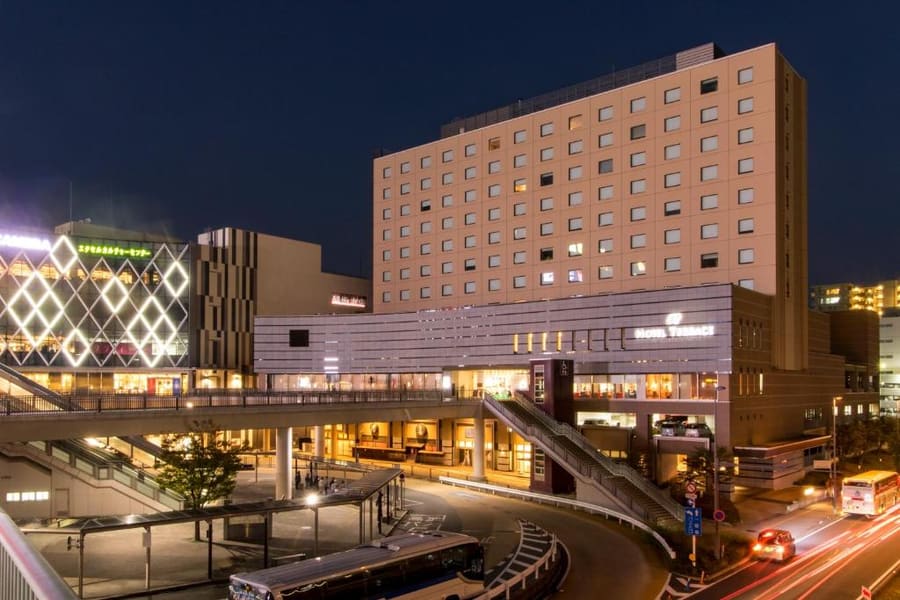
Station South — Modern commercial hub with train station access, business hotels, and izakaya dining.
Dabikun · Public domain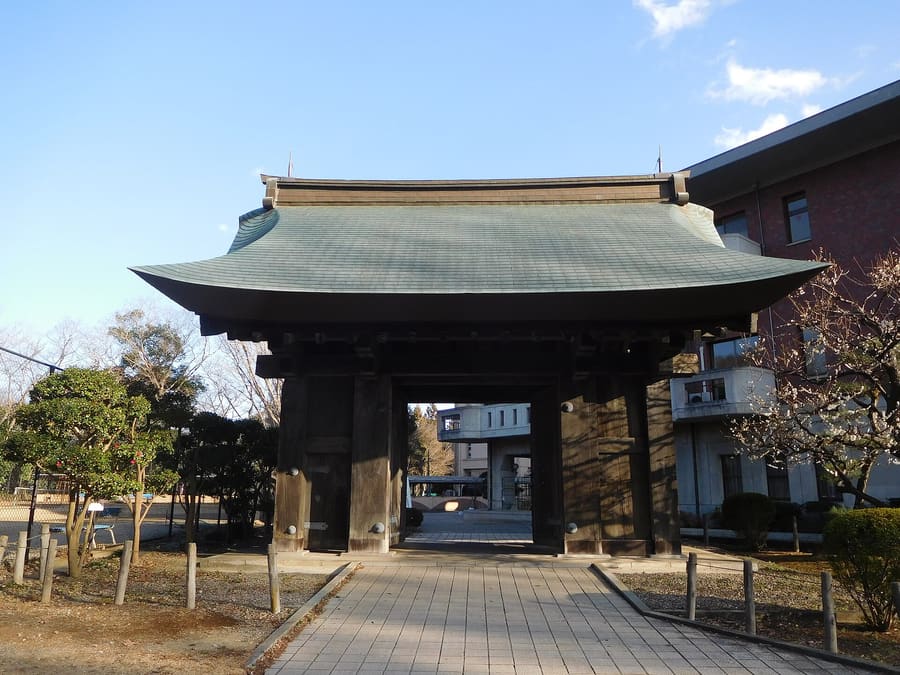
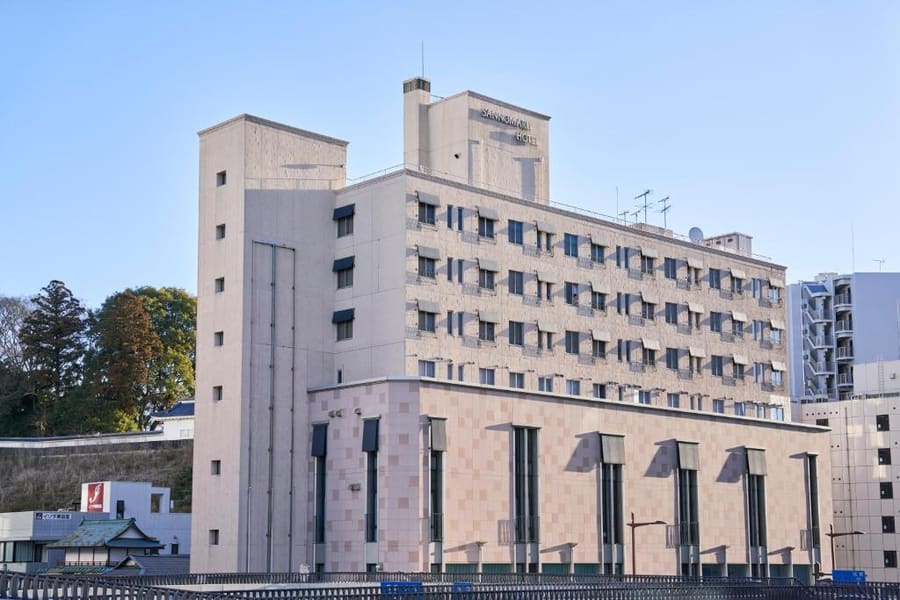
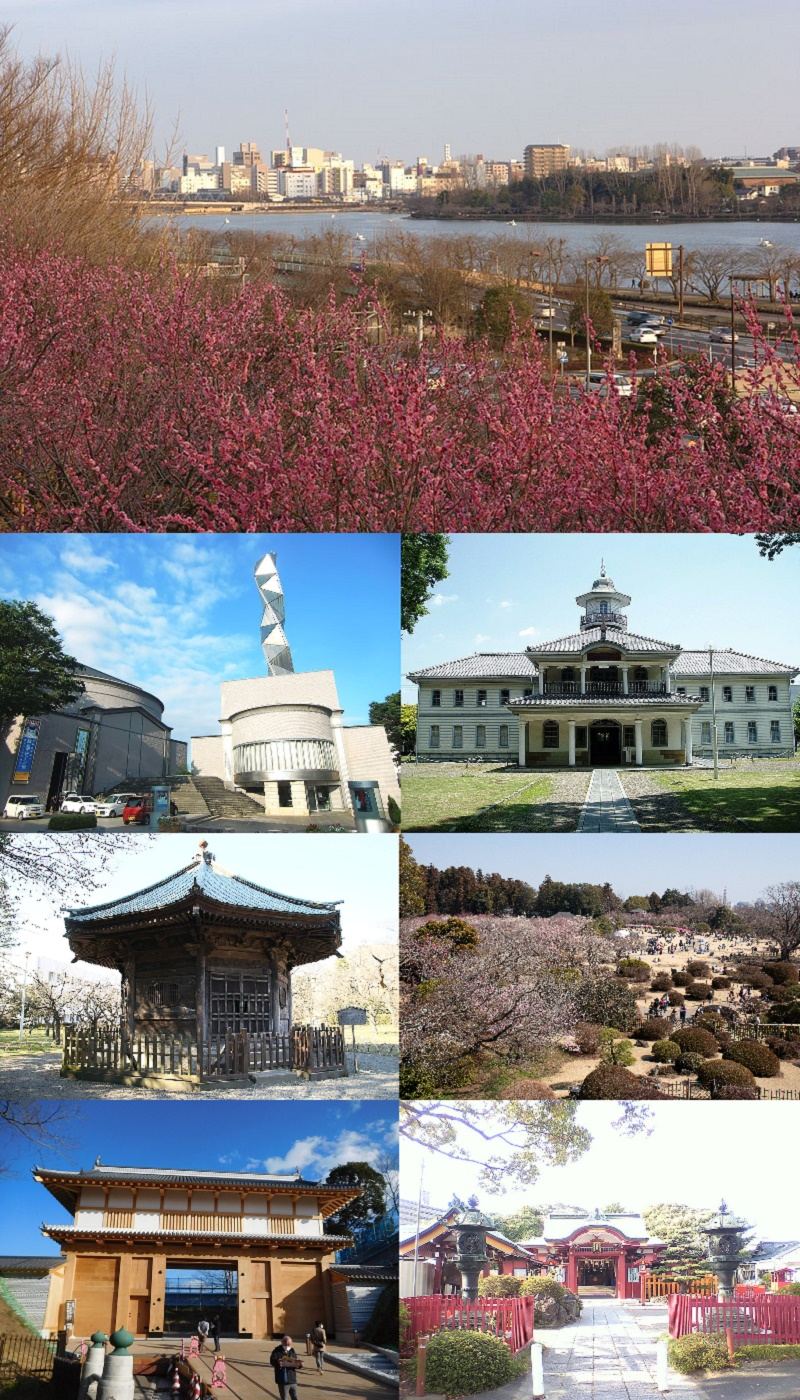
Sannomaru — Quiet administrative hill district containing Castle ruins, Kodokan, and old school grounds.
Miyuki Meinaka · CC BY-SA 4.0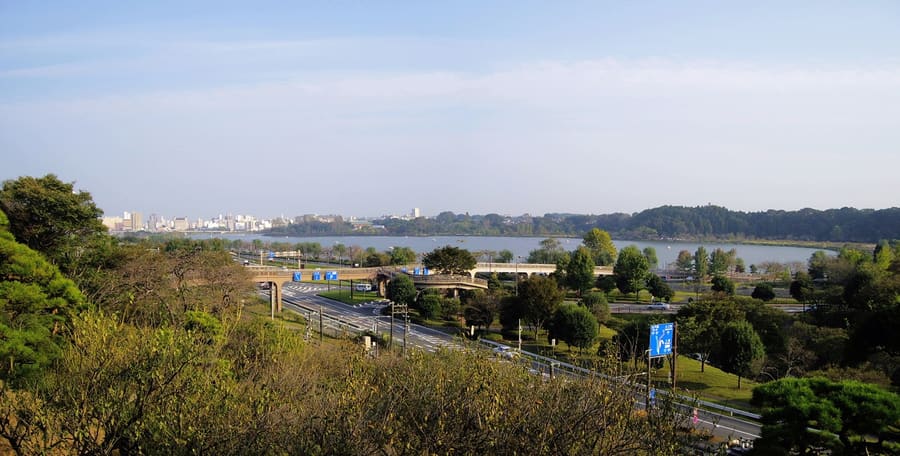
Daikyo & Senba — Sprawling green space around Lake Senba and Kairakuen garden.
百楽兎 · CC BY-SA 3.0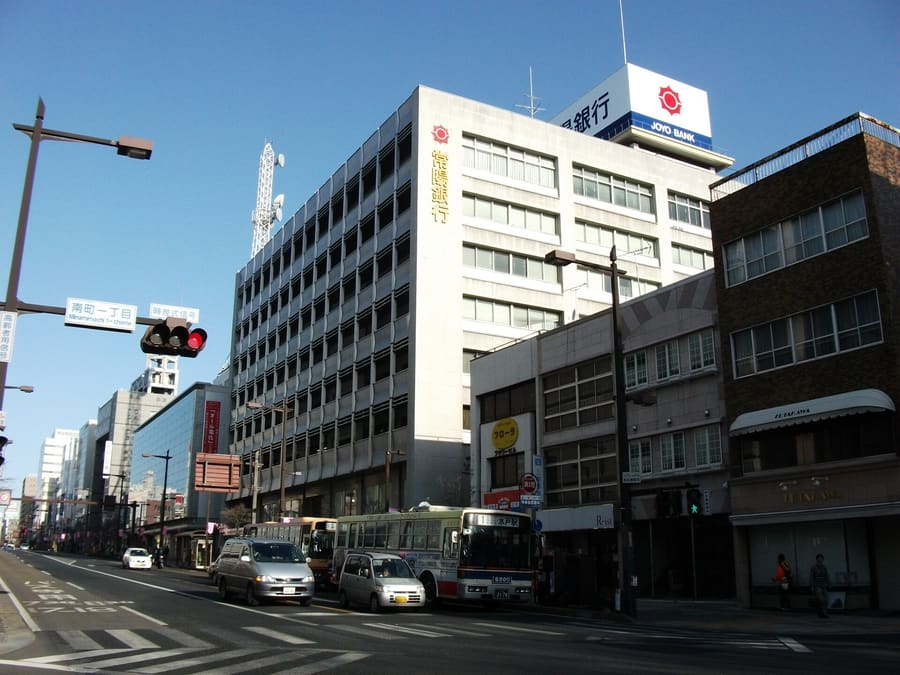
Minamimachi & Izumicho — Main downtown avenue housing department stores, Art Tower Mito, and local dining.
妖精書士 (talk) · Public domain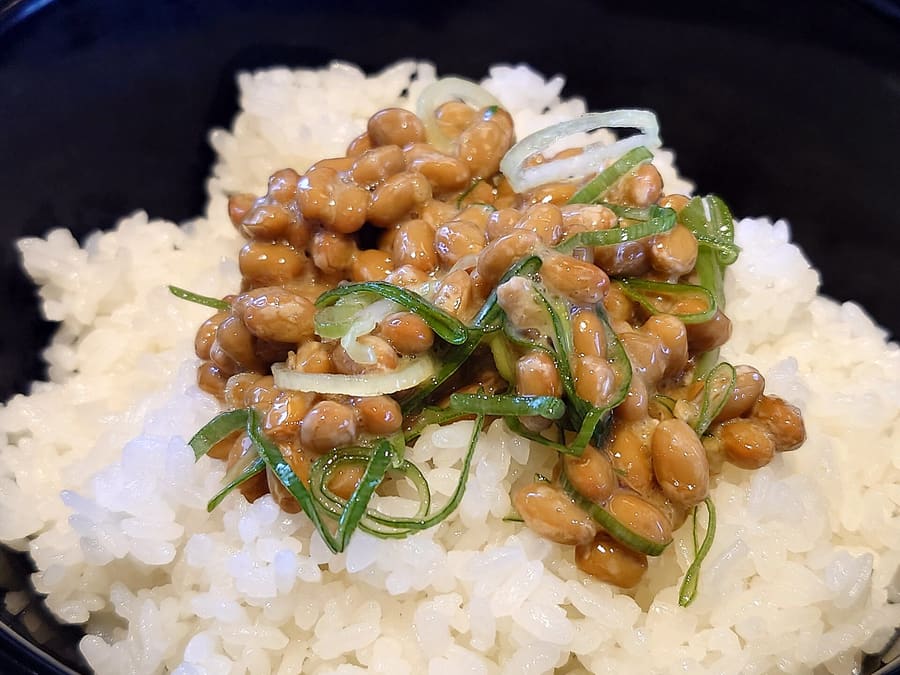
Straw-wrapped Mito natto served with mustard and sliced spring onion.
円周率3パーセント · CC BY-SA 4.0highlights
landmark
One of Japan's Three Great Gardens, planted with over 3,000 plum trees. Visit in early morning during March to avoid tour buses.
问问 Parley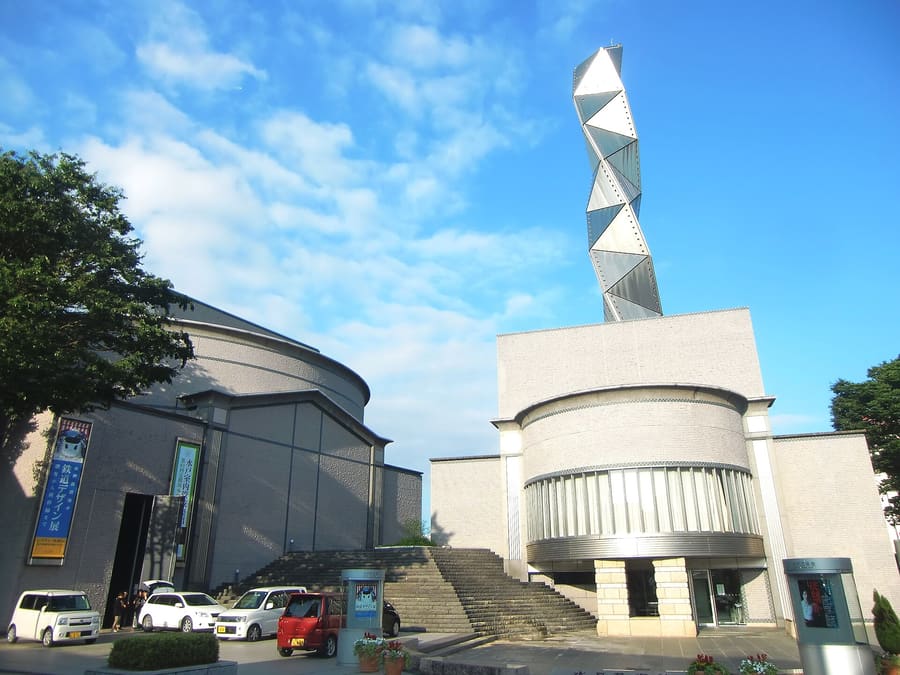
landmark
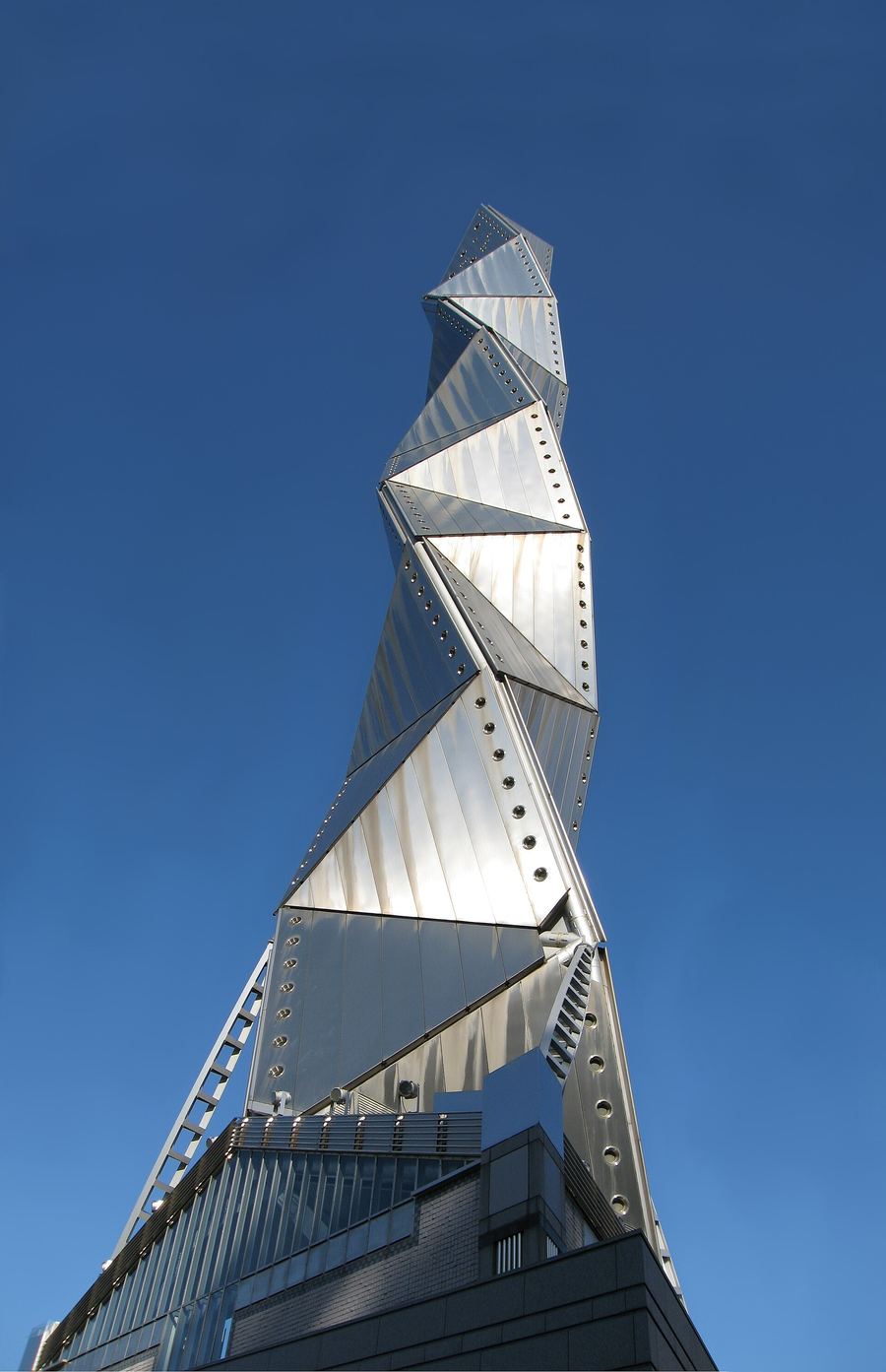
A 100-meter titanium helix tower over an art complex. Ride the internal elevator to the top capsule for views across Ibaraki.
问问 Parley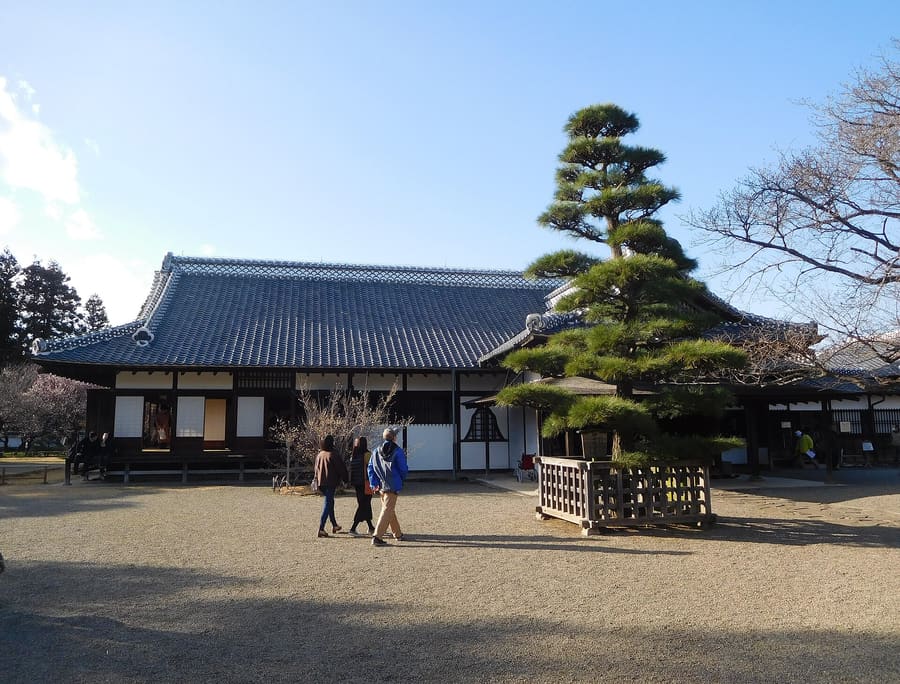
landmark
Largest surviving Han school from the Edo period. Walk the wooden corridors where samurai studied medicine and martial arts.
问问 Parley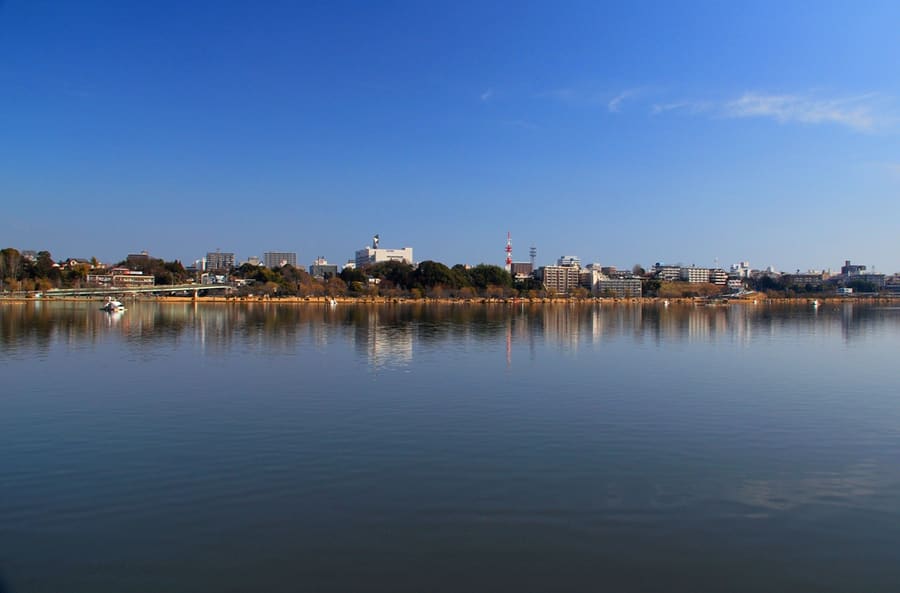
landmark
A freshwater lake surrounded by walking paths and black swans. Rent a pedal boat or walk the three-kilometer loop at sunset.
问问 Parley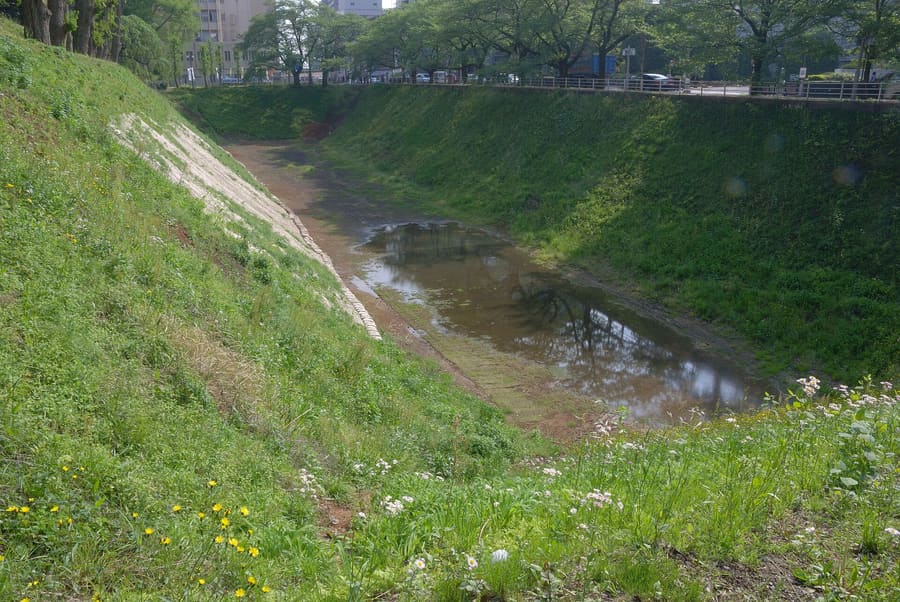
landmark
Feudal domain stronghold rebuilt around the restored Yagura turret. Walk the moat trail between the old school and castle gates.
问问 Parley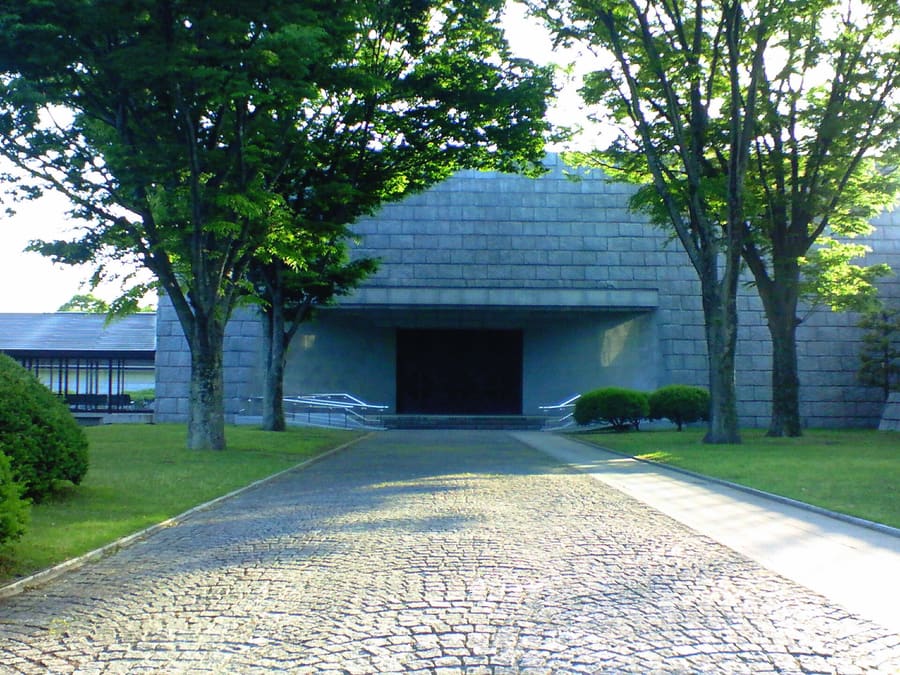
landmark
Exhibits on Mito domain history surrounded by ginkgo trees. Visit in November when the grounds turn bright yellow.
问问 Parleyattractions
areas
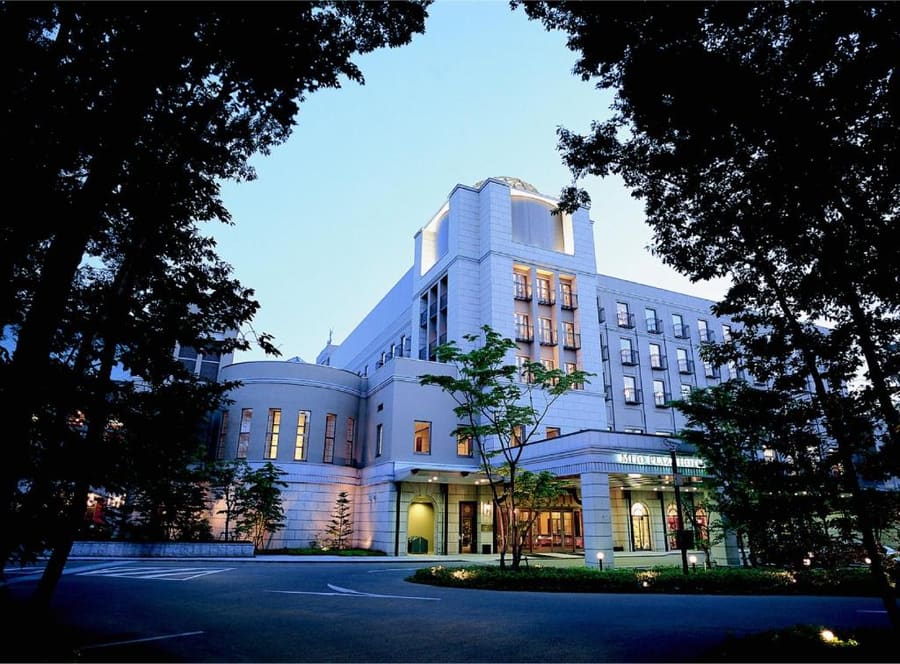
Modern commercial hub with train station access, business hotels, and izakaya dining.
附近Mito Station and Lake Senba east shore.
问问 ParleyQuiet administrative hill district containing Castle ruins, Kodokan, and old school grounds.
附近Kodokan School and Mito Castle Otsugura.
问问 ParleySprawling green space around Lake Senba and Kairakuen garden.
附近Kairakuen Garden and History Museum.
问问 ParleyMain downtown avenue housing department stores, Art Tower Mito, and local dining.
附近Art Tower Mito and Keisei Department Store.
问问 Parleyfood
Mito natto is distinct because traditional straw-wrapping (wara natto) yields smaller, firmer beans with stronger fermentation notes. In winter (November to March), local restaurants serve anko nabe (monkfish hotpot), using every part of the deep-sea fish including its rich liver. Hitachino Nest beer was born nearby in Naka City, making local taps well stocked with regional craft wheat beers and IPAs.
Straw-wrapped Mito natto served with mustard and sliced spring onion.
円周率3パーセント · CC BY-SA 4.0Monkfish hotpot is served only between late autumn and early spring. Reserve ahead at specialty restaurants.
Look for Hitachi-gyu teppanyaki or steak lunches in Minamimachi for top-grade local wagyu at reasonable prices.
history
Mito was ruled by the Mito Tokugawa branch, which was not eligible to supply a shogun directly unlike the Owari and Kii branches, holding instead a permanent advisory role as vice-shogun residing in Edo. The district produced the Mito School (Mitogaku), a conservative ideology combining Shinto and Neo-Confucianism that heavily influenced the Meiji Restoration.
Tokugawa Domain Established
Mito becomes the capital of Mito Domain under Tokugawa Yorifusa.
Sakuradamon Incident
Mito samurai assassinate Shogunate minister Ii Naosuke in Edo, triggering political upheaval.
Air Raid Destruction
World War II bombings destroy most of Mito Castle and the old city core.
where to stay
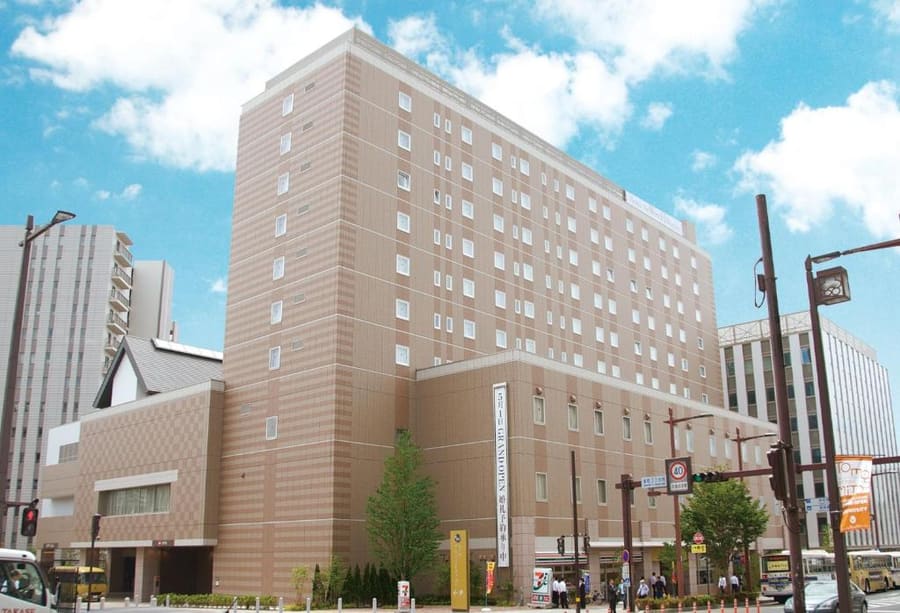
Choose your base by proximity to the train station. Business travelers and short-stay visitors belong at the station's South Exit. Travelers focusing on gardens and walks prefer the Senba area.
transport
Mito's sight line runs along a three-kilometer central axis. You can walk between the station, castle, and Art Tower Mito, but buses are essential to reach Kairakuen easily.
从Mito Station (JR Joban Line)出发
JR Limited Express Hitachi or Tokiwa from Tokyo/Ueno Station. Seat reservation required.
Kanto Railway highway bus from Tokyo Station Yaesu Exit. Cheaper alternative to train.
Ibaraki Kotsu local buses connect Mito Station North Exit to Kairakuen and Art Tower.
Suica and Pasmo work on JR trains and major Mito city buses, but carry cash for small local shops.
During plum blossom season weekends, JR operates a temporary station directly at Kairakuen for outbound trains.
Mito City offers bicycle rentals at Mito Station for around ¥500 per day.
cost
Mito is significantly cheaper than Tokyo for food and lodging, though express train tickets add up. Entry fees for historic sites are modest.
Non-resident adult ticket to Kairakuen main garden area.
Entry fee for the historic school grounds and main hall.
One-way adult fare including limited express seat reservation from Tokyo.
Per person cost for a complete monkfish hotpot meal at a downtown izakaya.
seasonality
FEB – MAR
Plum blossom season (Ume Matsuri). Kairakuen peaks; book hotel rooms weeks ahead.
APR – MAY
Cherry blossoms around Lake Senba followed by comfortable spring walking weather.
JUN – AUG
Hot and humid. August brings the Mito Komon Festival with lake fireworks.
SEP – NOV
Cooler temperatures, autumn foliage at Prefectural History Museum grounds.
practicalities
Sights close by 17:00; restaurants in Minamimachi often shut kitchens by 21:00.
Statues and references to Tokugawa Mitsukuni (Mito Komon) appear everywhere across town.
Small traditional natto sellers and local tea shops along Kodokan accept cash only.
A full loop around Lake Senba is 3 kilometers on flat paved paths.
Mito receives winds off the Pacific Coast; winter days feel colder than Tokyo.