landmark
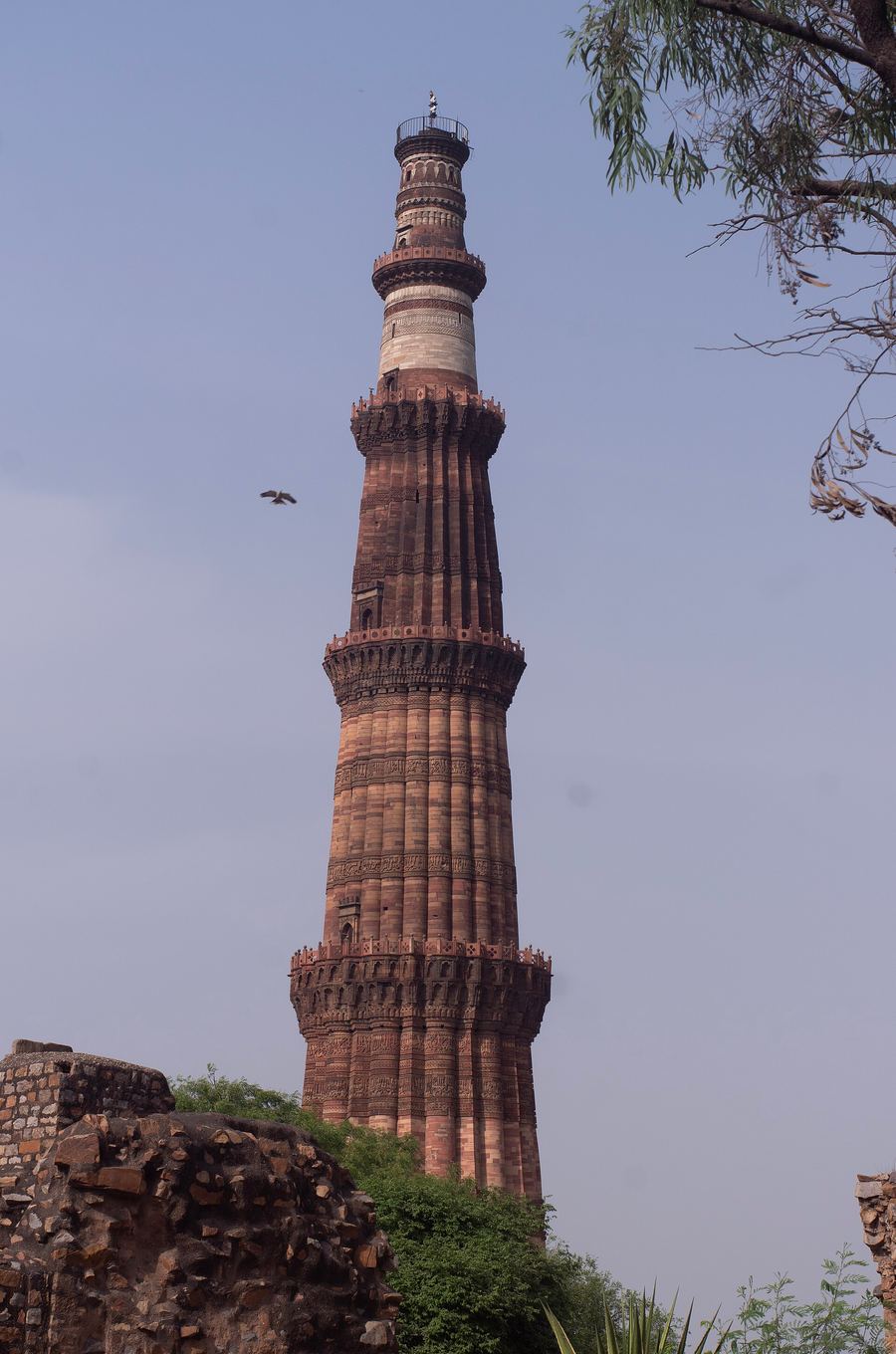
Qutb Minar
73-metre victory tower built in 1192. Metro station is a 10-minute auto-rickshaw ride from the gate.
问问 Parley印度
A metropolis built on seven dead empires and rapid metro rails.
introduction
New Delhi demands a strategy rather than a wandering itinerary. Distance and traffic split the capital into distinct historic layers, from medieval Old Delhi to British imperial avenues. The Delhi Metro links these zones with clean speed, making subterranean transit far more efficient than surface taxis. Plan mornings around outdoor monuments and spend high-heat afternoons inside museum vaults or shaded markets.
Airport express connection
The Delhi Metro Orange Line connects IGI Airport to New Delhi station in 19 minutes. It bypasses hours of arterial road gridlock.
UNESCO World Heritage sites
New Delhi holds three separate UNESCO sites: Humayun's Tomb, Qutb Minar, and the Red Fort complex. Each marks a distinct Islamic architectural era.
Museum entry booking
The Archaeological Survey of India offers discounted entry tickets when booked online. Scan the QR code at monument gates to skip cash queues.
New Delhi
Slyronit · CC BY-SA 4.0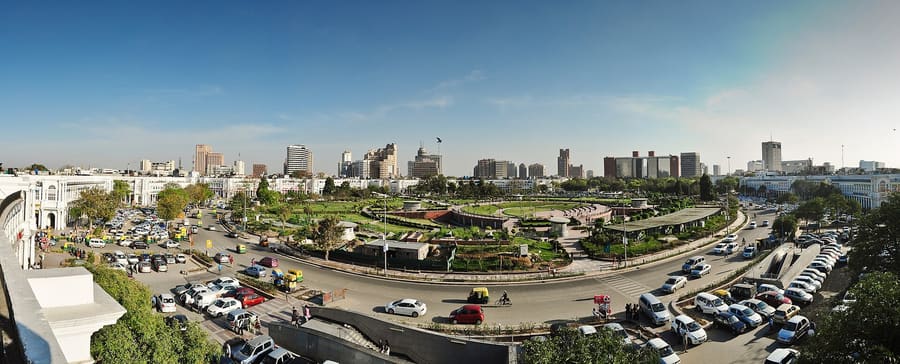
Connaught Place — Colonial-era Georgian ring roads filled with corporate offices, retail chains, and transit hubs.
Kabi1990 · CC BY-SA 3.0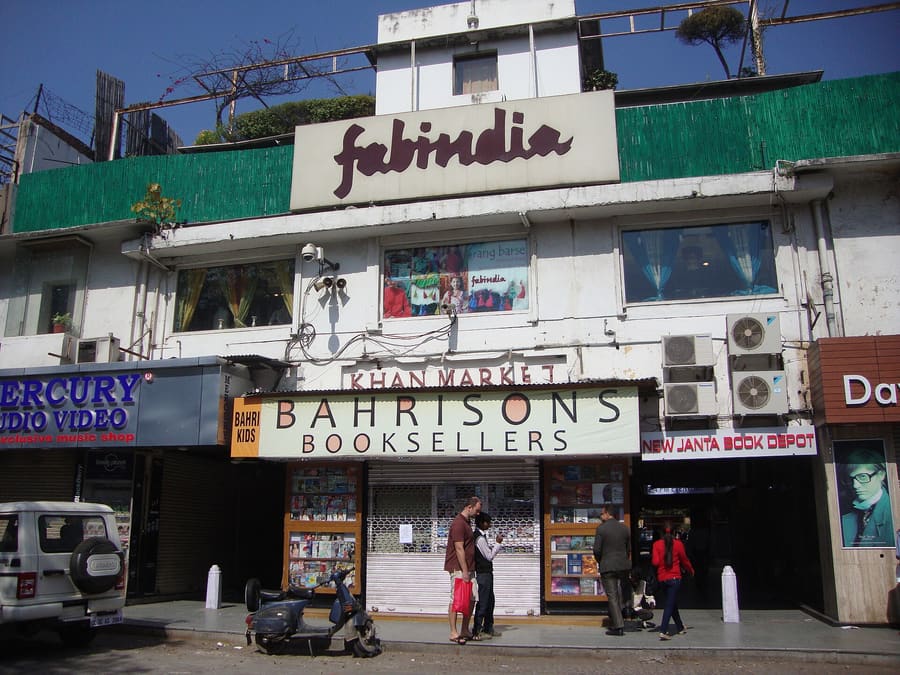
Khan Market — U-shaped diplomatic neighbourhood enclave packed with high-end bookstores, cafes, and tailors.
Vasenka · CC BY 2.0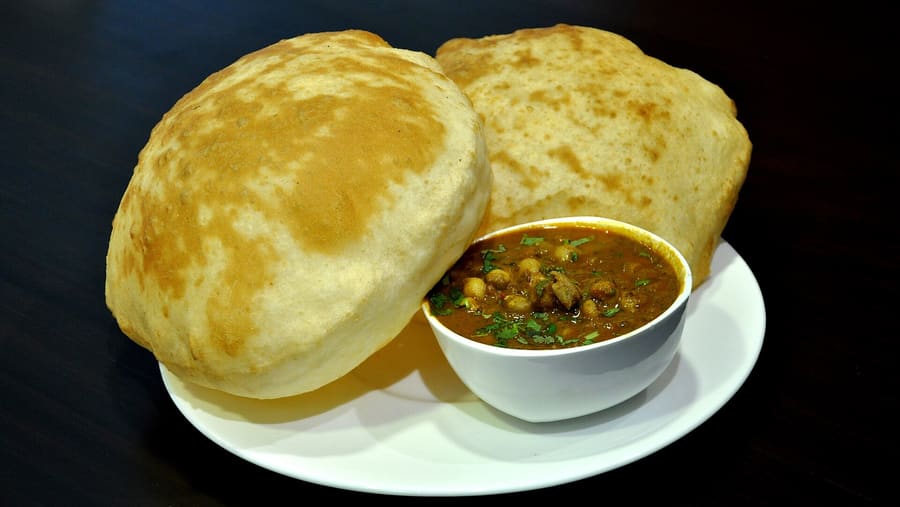
Chole bhature: deep-fried puffed bread paired with spiced chickpea gravy.
Dheerajk88 · CC BY-SA 4.0highlights
landmark
73-metre victory tower built in 1192. Metro station is a 10-minute auto-rickshaw ride from the gate.
问问 Parley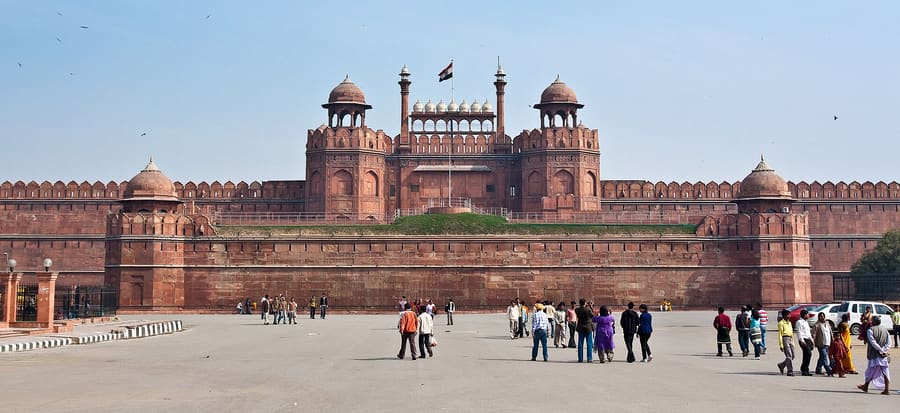
landmark
Massive Mughal palace fortress. Closed Mondays. Buy tickets online to bypass the main security queue.
问问 Parley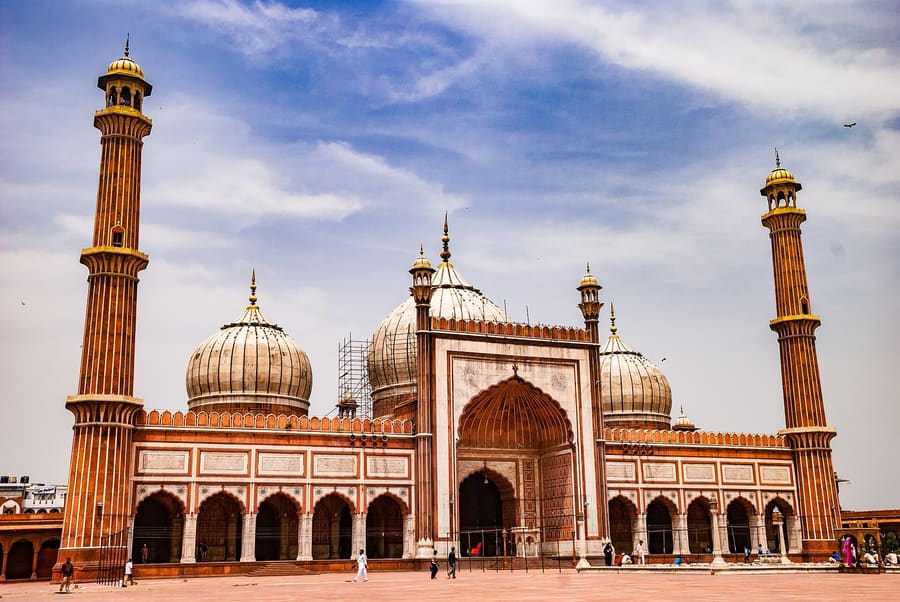
landmark
17th-century congregational mosque holding 25,000 worshippers. Robes are supplied at the gate for modest cover.
问问 Parley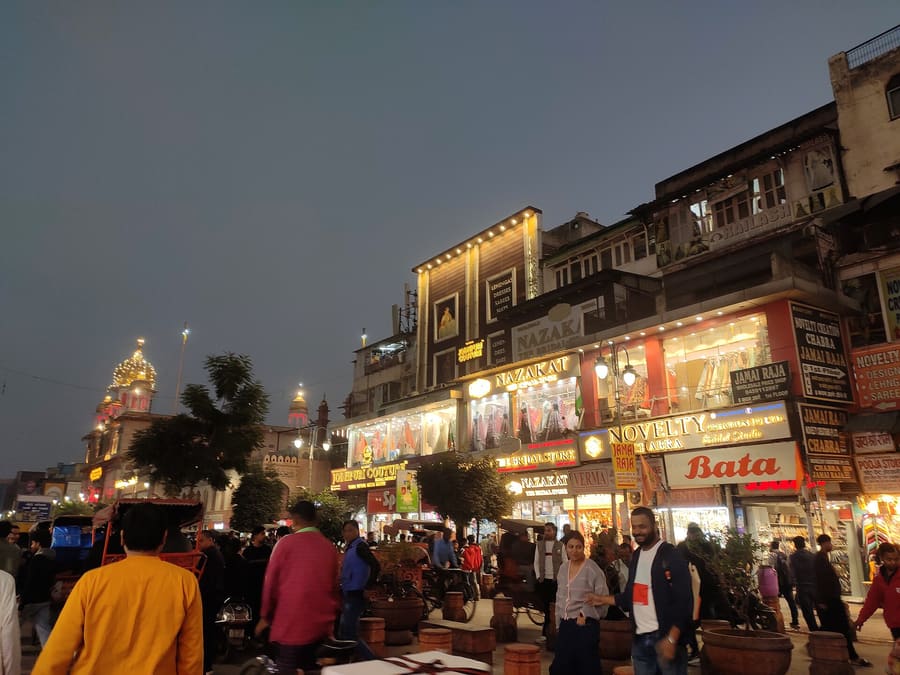
landmark
Old Delhi market grid operating since 1650. Walk or take a cycle rickshaw; motor traffic is restricted.
问问 Parley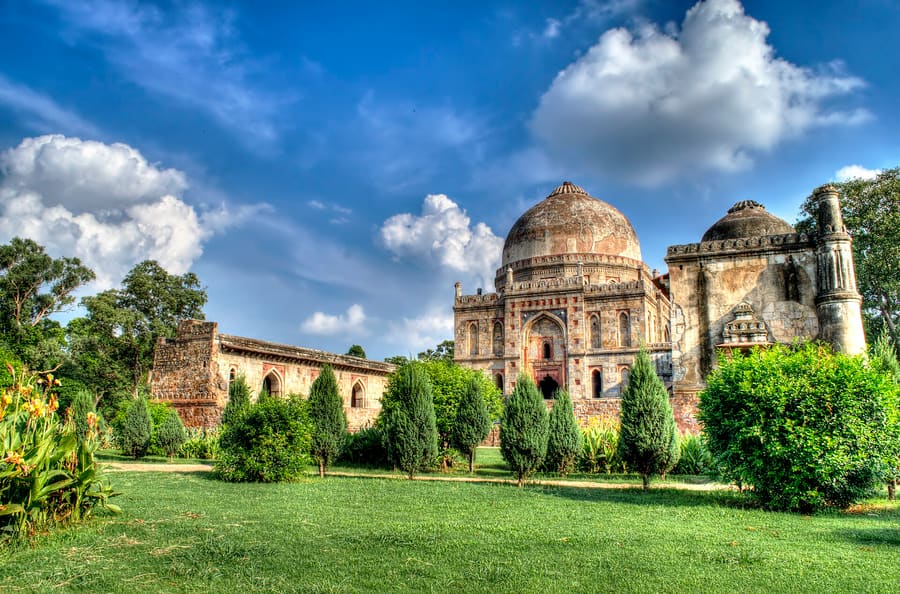
landmark
90-acre public park featuring 15th-century Sayyid and Lodi tombs. Entry is free every day.
问问 Parleyattractions
areas
Colonial-era Georgian ring roads filled with corporate offices, retail chains, and transit hubs.
附近Janpath Market, New Delhi Railway Station
问问 Parley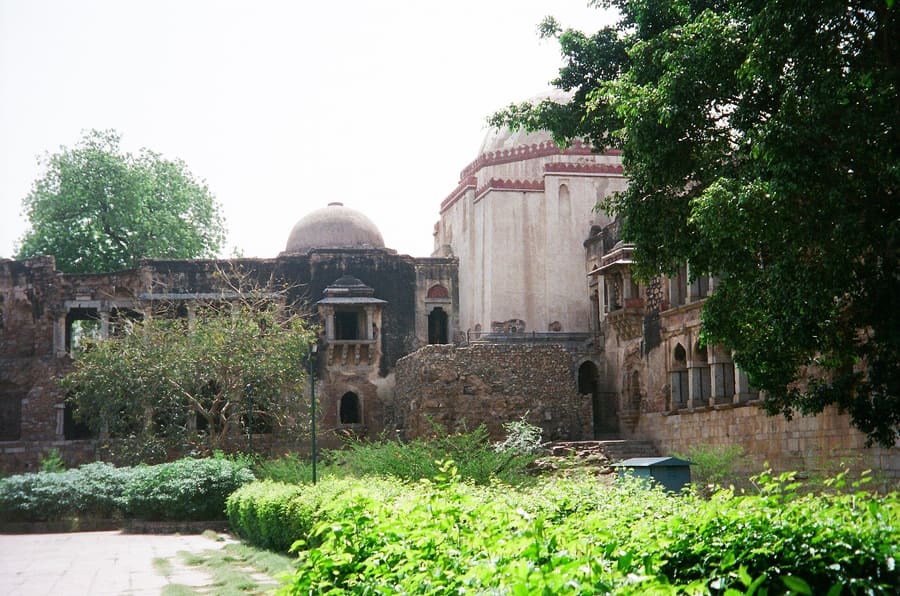
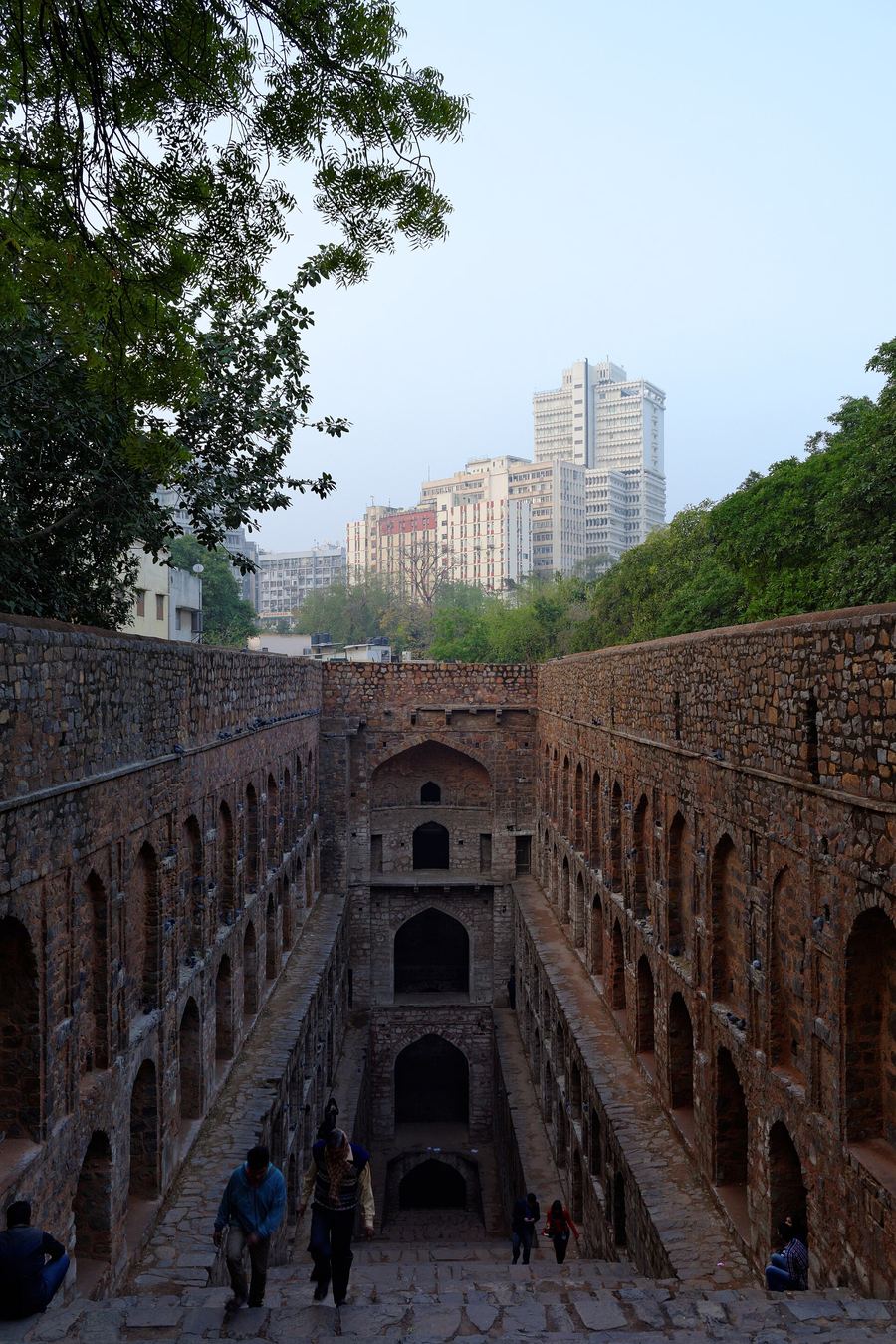
14th-century reservoir ruins surrounded by narrow lanes of bars, boutiques, and design studios.
附近Deer Park, IIT Delhi
问问 ParleyU-shaped diplomatic neighbourhood enclave packed with high-end bookstores, cafes, and tailors.
附近Lodhi Gardens, India Gate
问问 Parley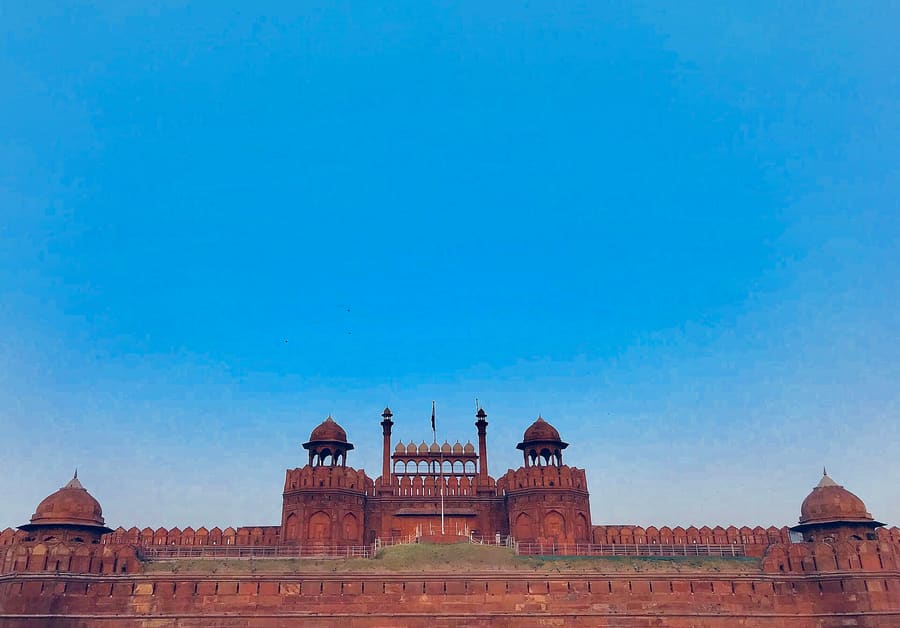
High-density 17th-century walled city with specialized spice, textile, and street food lanes.
附近Jama Masjid, Red Fort
问问 Parleyfood
Delhi dining divides into two dominant styles: Mughal court heritage meats and fast street snacks known as chaat. Old Delhi kitchens slow-cook mutton nihari stew for twelve hours, opening service at sunrise until cauldrons empty. South Delhi neighborhoods offer upscale dining rooms serving regional Indian dishes alongside international menus. Eat cooked food hot from high-turnover stalls where you can see the deep fryer or griddle in action.
Chole bhature: deep-fried puffed bread paired with spiced chickpea gravy.
Dheerajk88 · CC BY-SA 4.0Haji Shabrati Nihari Wale in Old Delhi serves beef and mutton nihari starting at 06:00. Arrive before 08:00 or miss the service entirely.
Eat street chaat at established venues like Natraj Dahi Bhalle Corner in Chandni Chowk. High turnover guarantees fresh ingredients.
Moti Mahal in Daryaganj invented modern butter chicken using tandoori surplus meats. Book dinner seats in advance on weekends.
history
Seven major capitals rose and fell across the Delhi plain before British architects surveyed the site for a new administrative center. Islamic dynasties ruled from the 12th century onward, leaving massive stone fortresses and garden tombs. The Mughal Empire established Shahjahanabad in 1639, creating the dense street layout of Old Delhi today. In 1911, the British Empire moved its capital from Calcutta, commissioning Edwin Lutyens to design the grand axis of modern New Delhi.
Shahjahanabad founded
Mughal Emperor Shah Jahan shifts his court from Agra to Delhi, building the Red Fort and Jama Masjid.
Capital transfer declared
King George V announces the move of British India's capital from Calcutta to a new planned site in Delhi.
New Delhi inaugurated
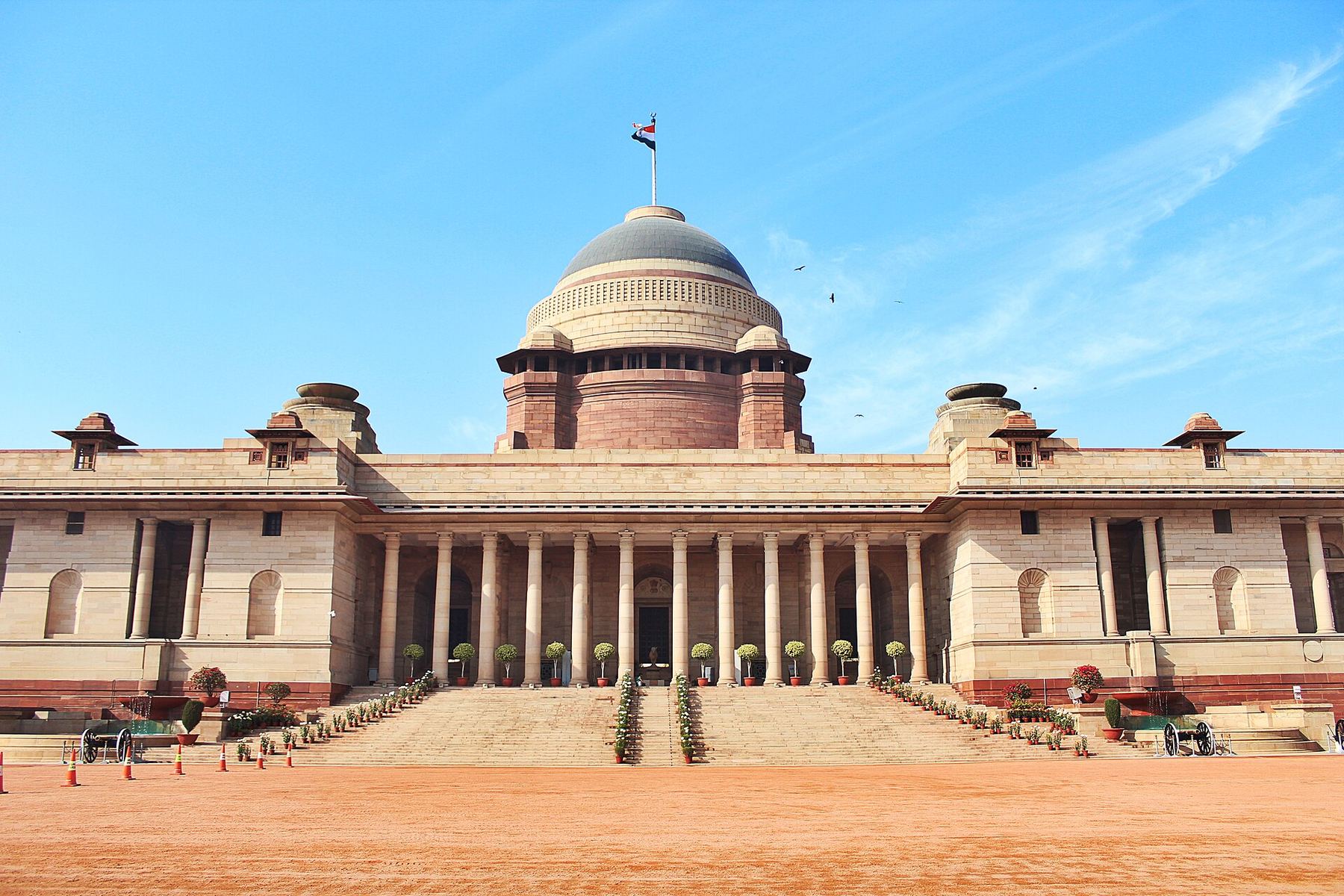
Lutyens and Baker complete the imperial government complex, including Rashtrapati Bhavan and India Gate.
Indian Independence
New Delhi becomes the official government seat of the sovereign Republic of India.
where to stay
Select your hotel based on metro proximity rather than geographic map centers. Central Delhi offers quiet, leafy avenues close to major monuments, but demands higher hotel budgets. South Delhi places you near dining strips and boutique markets, connected via the Yellow Line metro. Old Delhi hotels put you directly in dense historic lanes, though vehicle access ends far from hotel doors.
transport
The Delhi Metro is fast, air-conditioned, and immune to city traffic jams. It operates from 06:00 to 23:00 daily with dedicated women-only carriages at the front of every train. Auto-rickshaws cover short neighborhood hops between metro stops and destinations; insist on meter usage or agree on a fixed rate before stepping in. Mobile rideshare apps work reliably and eliminate fare haggling entirely.
从Indira Gandhi International Airport (DEL)出发
Airport Express Line goes straight to New Delhi Metro Station.
Board at dedicated app-cab pickup zones in terminal parking garages.
Pay at official Delhi Traffic Police prepaid booths inside arrival halls.
Buy a National Common Mobility Card at metro ticket windows. It offers a 10% discount on every fare and cuts queue time.
The front carriage in the direction of travel on every metro train is reserved exclusively for female passengers.
Auto drivers rarely flip their meters. Ask your hotel front desk for standard neighborhood rates before negotiating on the street.
Avoid driving on surface arterial roads between 08:30–10:30 and 17:30–20:00 when commuters stall main junctions.
cost
New Delhi accommodates vastly different spending tiers. Local street food and metro travel cost very little, while high-end hotel restaurants and foreign monument entry fees run significantly higher. Carry physical cash in smaller denominations for rickshaws, tipping, and street markets. Major retail stores, hotels, and established restaurants accept international credit cards without issue.
Fares scale strictly by distance traveled across the rapid transit network.
Priced at local market stalls and high-turnover street vendors.
Applies to UNESCO sites like Qutb Minar and Humayun's Tomb.
Standard negotiated rate for short daytime neighborhood trips.
seasonality
OCT – NOV
Cooling temperatures make sightseeing comfortable. Heavy agricultural smoke can impair regional air quality in late autumn.
DEC – FEB
Peak winter weather with daytime temperatures around 20°C. Morning fog frequently delays flight schedules and long-distance trains.
MAR – APR
Warm spring days before extreme summer temperatures set in. Gardens are in full bloom across Central Delhi.
MAY – JUN
Extreme heat tops 40°C regularly. Outdoor sight visits are practical only during the first two hours after sunrise.
JUL – SEP
Monsoon rains lower temperatures but cause sudden street flooding and traffic jams across low-lying intersections.
practicalities
Buy a local SIM card at the airport arrival hall. You need your physical passport and Indian visa printout for mandatory registration.
Air pollution peaks from November through January. Pack N95 respirator masks if traveling during late autumn or mid-winter.
Remove shoes before entering Hindu temples, Sikh gurdwaras, and mosques. Shoe attendants expect a ₹10–20 tip upon collection.
Alcohol sales are restricted in shops and restaurants on national holidays, including Independence Day and Republic Day.
Drink sealed bottled water or verified filtered water. Avoid unsealed ice cubes at informal street stalls.