landmark
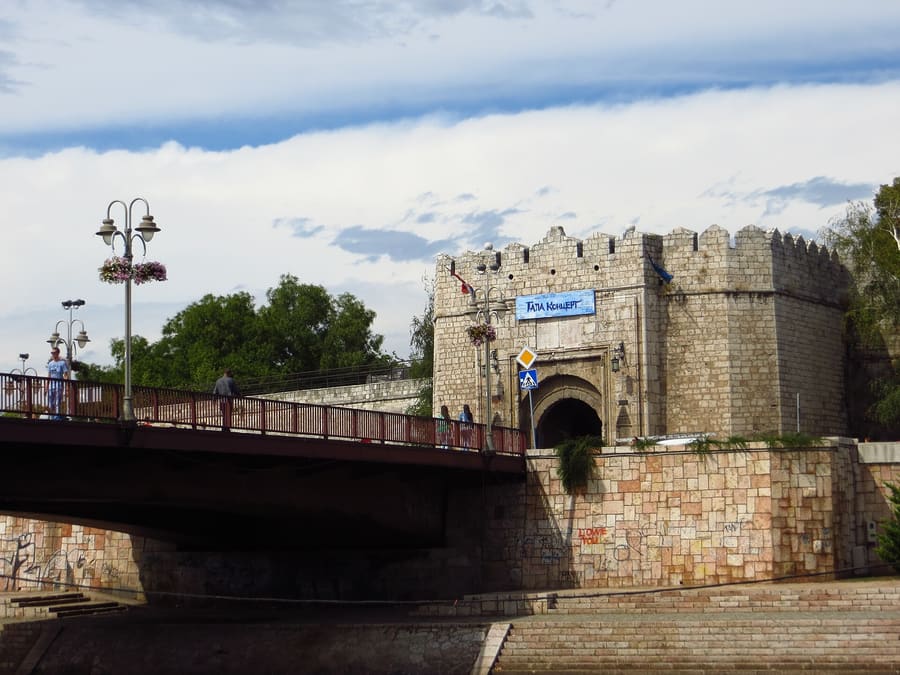
Niš Fortress
18th-century Ottoman stone bastion over the river. Entry is free; walk the ramparts at sunset.
问问 Parley塞尔维亚
Ottoman scars, Roman foundations, and South Serbian kafanas.
introduction
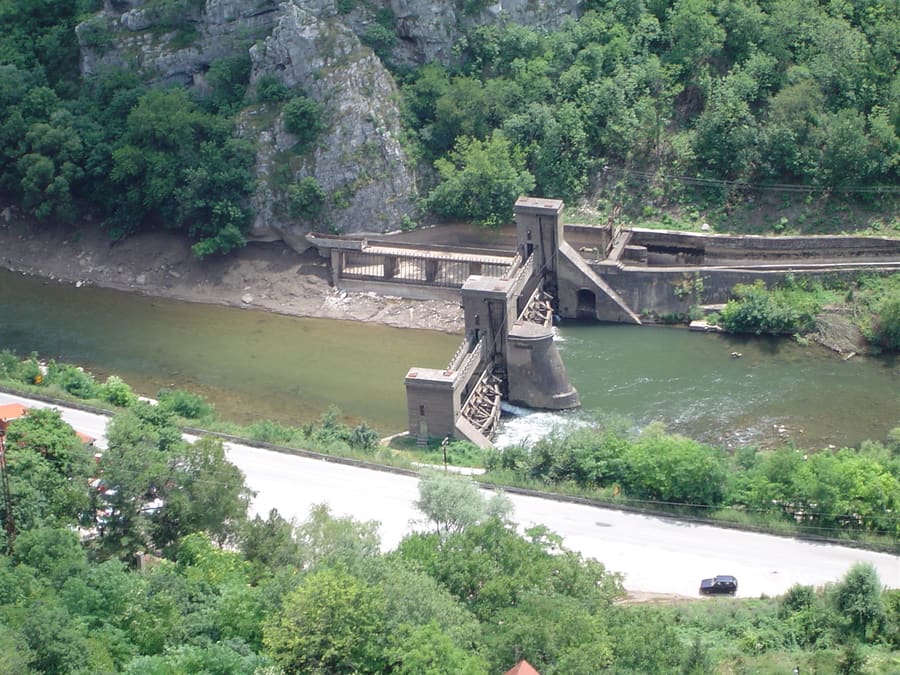
Niš is Southern Serbia's urban anchor, built along the Nišava River on the historic overland route between Central Europe and Istanbul. Roman emperors were born here, Ottoman viziers fortified it, and WWII left grim monuments on its hills. Today it runs at a relaxed pace driven by university students, cheap beer, and charcoal-grilled meat. You can walk most of the centre in an hour, but understanding its layered history takes a full weekend.
Airport transport trick
Bus line 34 connects Constantine the Great Airport directly to the central bus station for 90 RSD. Taxis charge around 500 RSD.
Birthplace of Constantine
Emperor Constantine the Great was born in Roman Naissus in 272 AD. The reconstructed villa estate at Mediana displays his floor mosaics.
Niš
Милутин · Public domain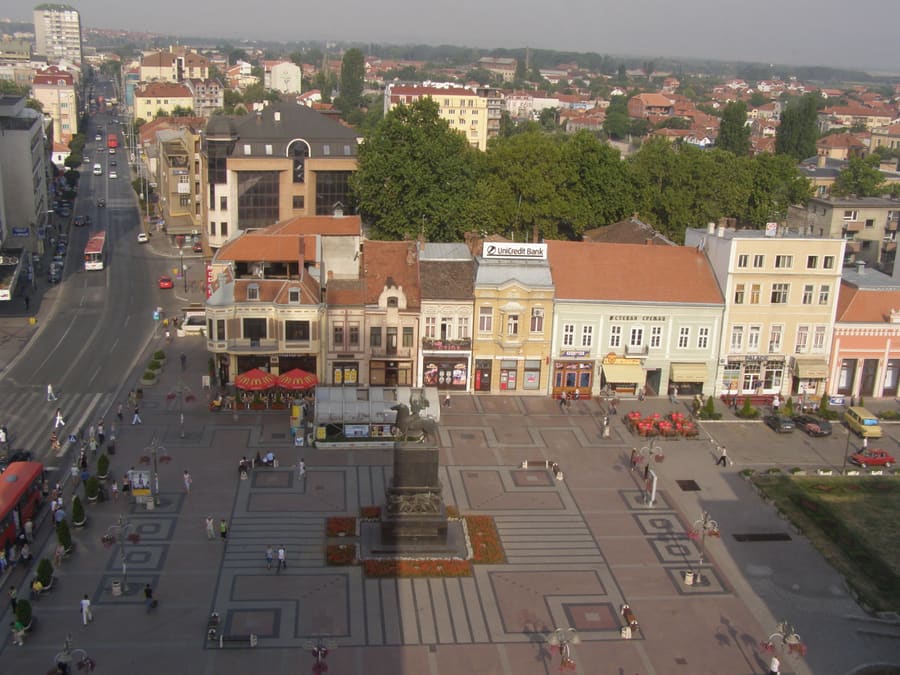
Centar — Pedestrian shopping streets, modern cafes, and functionalist Yugoslav apartments.
Tarabosh · CC BY 3.0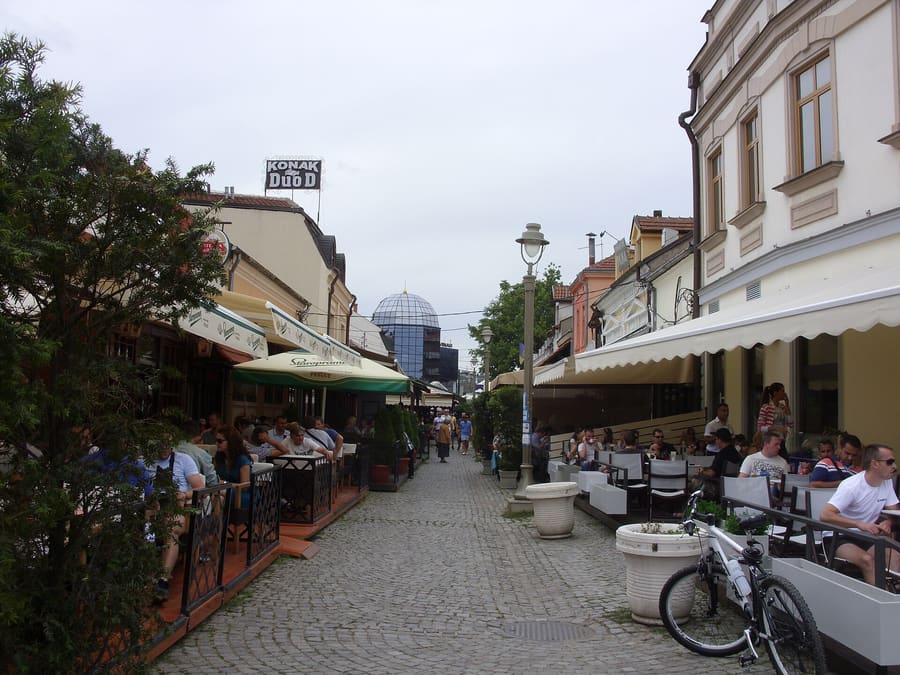
Kazandžijsko Sokače — Old Ottoman narrow cobblestone passage packed with traditional taverns and outdoor tables.
Bojan Lazarevic, ZivojinMisic slike · CC BY-SA 3.0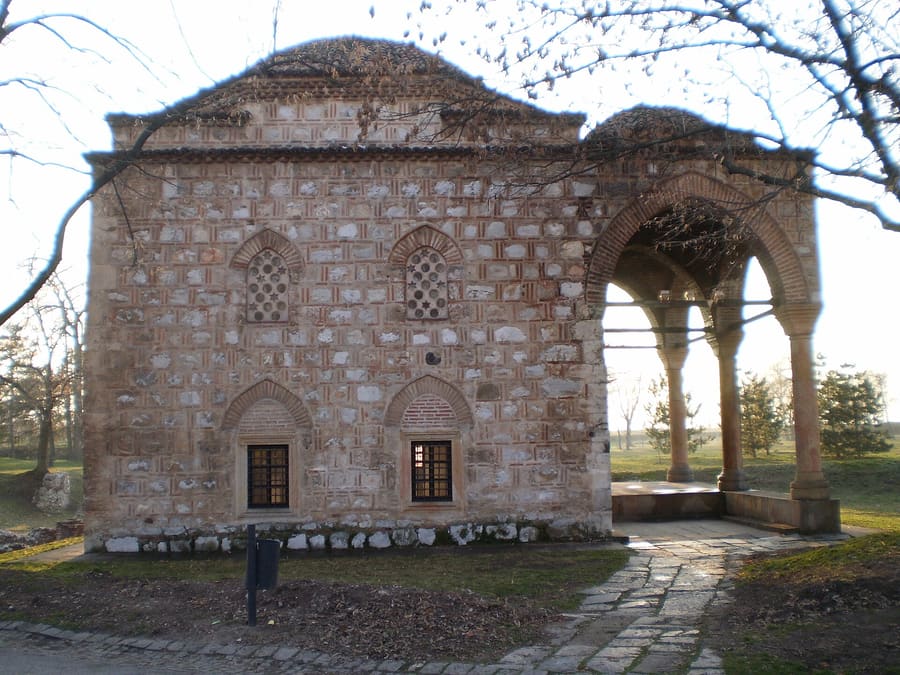
Tvrđava District — Quiet residential quarter north of the river bordering the stone fortress grounds.
Dr Milorad Dimić, Serbia · CC BY-SA 3.0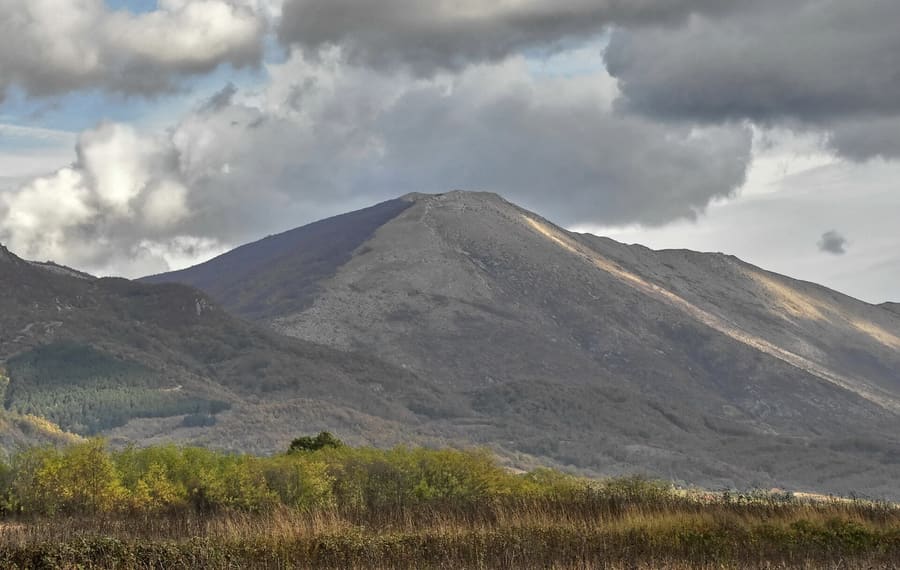
Niška Banja — Sleepy spa satellite town set against forested hills nine kilometres east.
Milorad Dimić MD, Niš, Serbia · CC BY-SA 3.0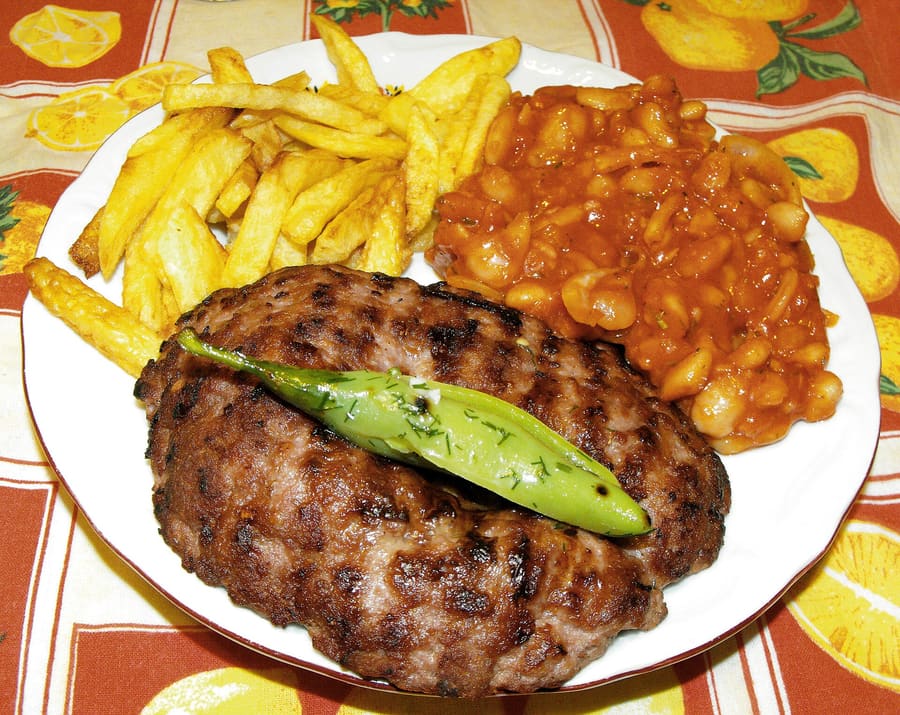
Pleskavica and southern meats cooked over open wood coal.
Biso · CC BY 3.0highlights
landmark
18th-century Ottoman stone bastion over the river. Entry is free; walk the ramparts at sunset.
问问 Parley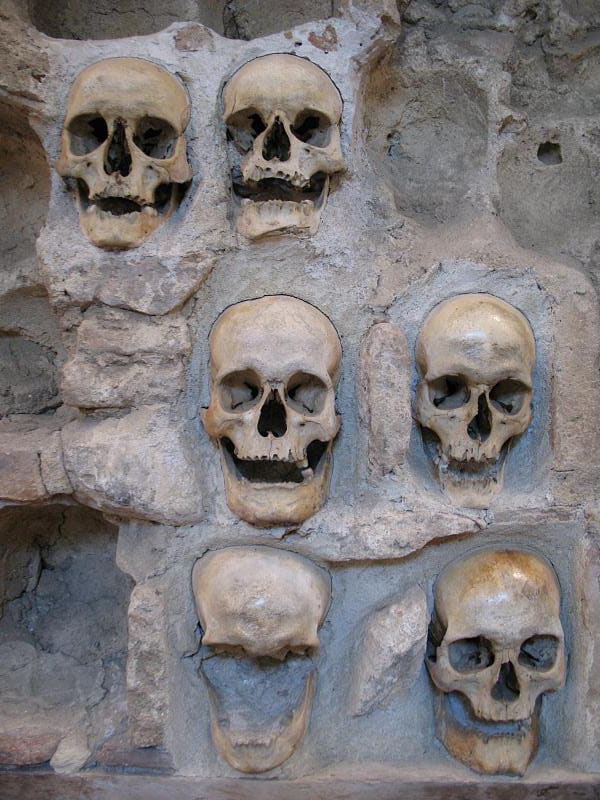
landmark
Built by Ottoman forces in 1809 using skulls of fallen Serb rebels. 58 skulls remain inside.
问问 Parley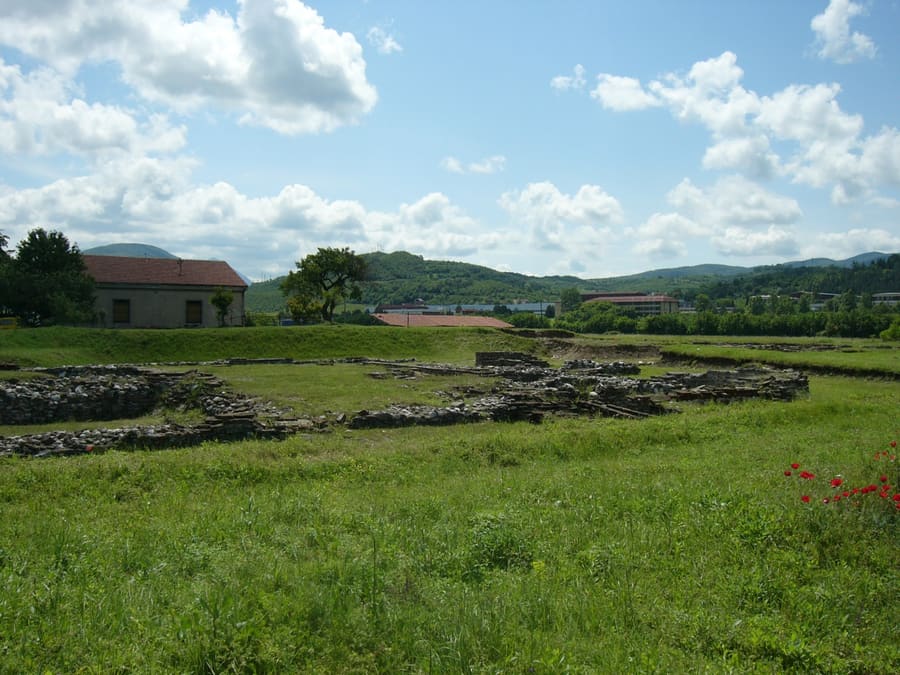
landmark
Luxury Roman suburban estate with preserved floor mosaics. Closed on Mondays.
问问 Parley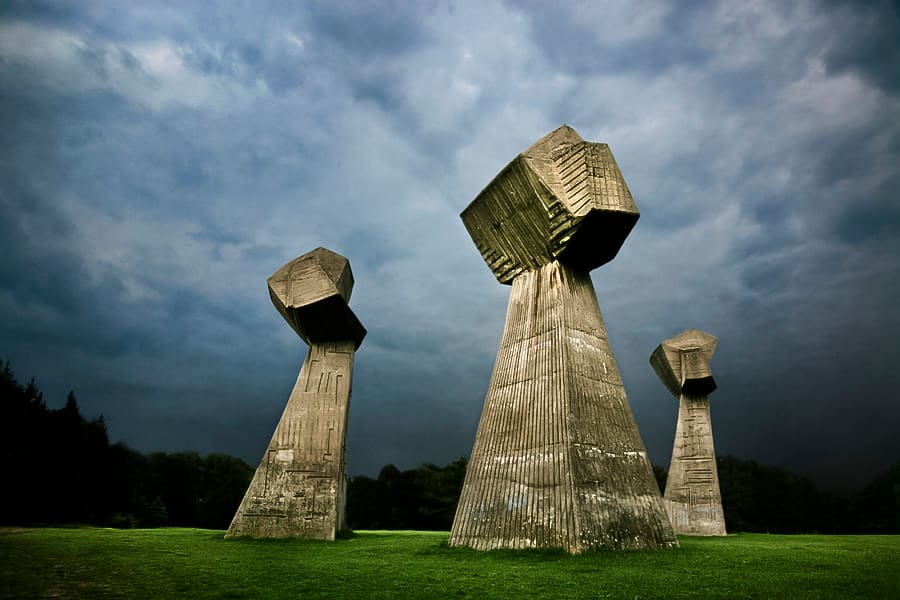
landmark
Three stark concrete fists commemorating 10,000 WWII victims. Take bus 8 to reach the hill.
问问 Parley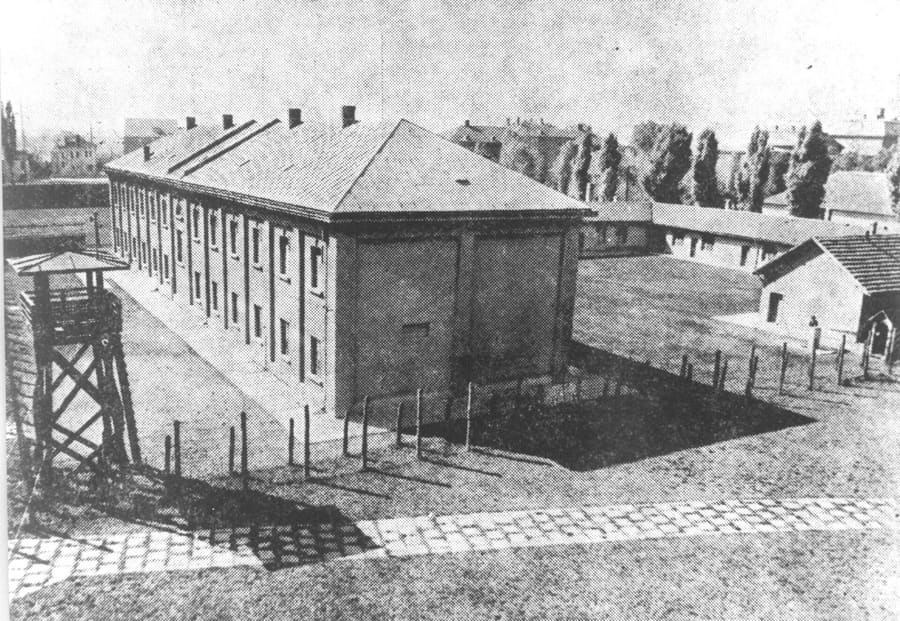
landmark
One of Europe's few intact Nazi concentration camps. Includes escape routes and personal items.
问问 Parley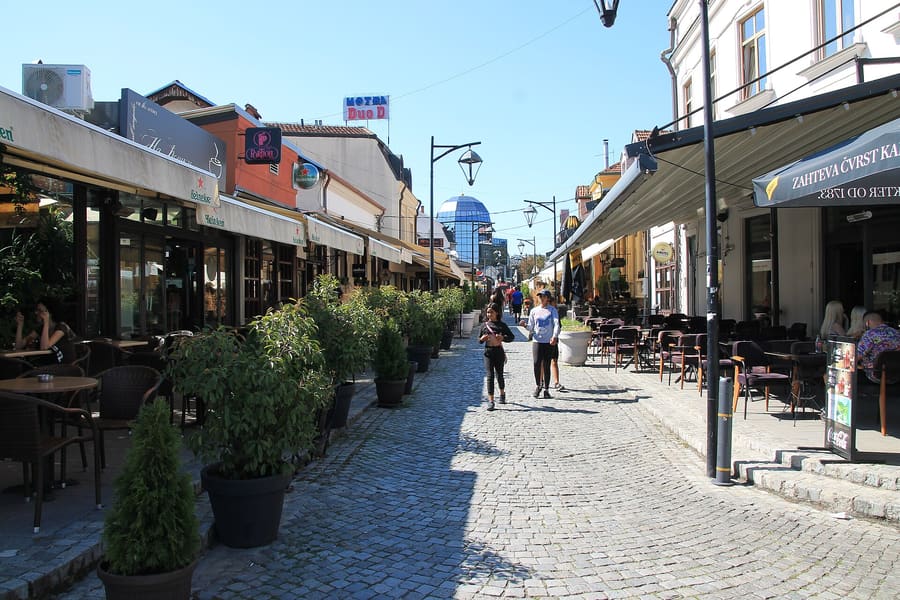
landmark
The last surviving lane of the Ottoman bazaar. Now the primary street for traditional kafanas.
问问 Parleyattractions
areas
Pedestrian shopping streets, modern cafes, and functionalist Yugoslav apartments.
附近Nišava River, main retail avenues, central plaza
问问 ParleyOld Ottoman narrow cobblestone passage packed with traditional taverns and outdoor tables.
附近City Centre, Tinkers Alley, local craft shops
问问 ParleyQuiet residential quarter north of the river bordering the stone fortress grounds.
附近Niš Fortress, Bus Station, River Promenade
问问 ParleySleepy spa satellite town set against forested hills nine kilometres east.
附近Thermal baths, Koritnik hill trails, local spa park
问问 Parleyfood
Niš claims Serbia's most intense grill culture. Southern Serbian cuisine favors heavy spicing, dried red peppers, and minced meats mixed with finely chopped leeks or lard. Meals in traditional taverns—known as kafanas—are slow, multi-course events structured around small glasses of rakija and shared meat platters. Do not expect light salads; even vegetables here come roasted and smothered in cow cheese.
Pleskavica and southern meats cooked over open wood coal.
Biso · CC BY 3.0Local minced meat dishes use leeks instead of onions, giving Niš pljeskavica its distinct regional flavor.
A spread made of salty sir cheese, garlic, and hot chili flakes. It accompanies every grilled dish.
Lunch at a traditional tavern lasts at least two hours. Servers bring courses individually as they leave the grill.
history
Niš sits at the crossroads of the Balkans, making it an inescapable target for expanding empires. Known as Naissus in antiquity, it produced Roman emperors before becoming a contested border outpost between Byzantium, Bulgaria, and Hungary. The Ottoman conquest in 1386 brought nearly five centuries of Turkish rule, which ended only in 1878. The 20th century added industrialization, Axis occupation, and severe Allied and NATO bombardments.
Birth of Constantine
Constantine the Great is born in Naissus, later transforming it into a fortified imperial residence.
Battle of Čegar
Serbian rebels detonate their powder magazine to avoid capture; Ottoman commanders construct Skull Tower from their remains.
Liberation from Ottomans
Niš is incorporated into the Principality of Serbia, rapidly transforming from an oriental town to a European city.
WWII Occupation
Axis forces operate the Red Cross Camp; thousands are executed on the nearby Bubanj hill.
where to stay
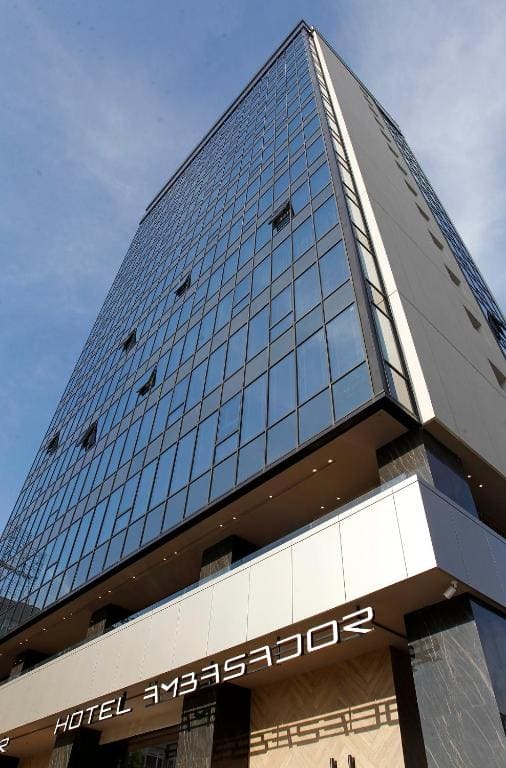
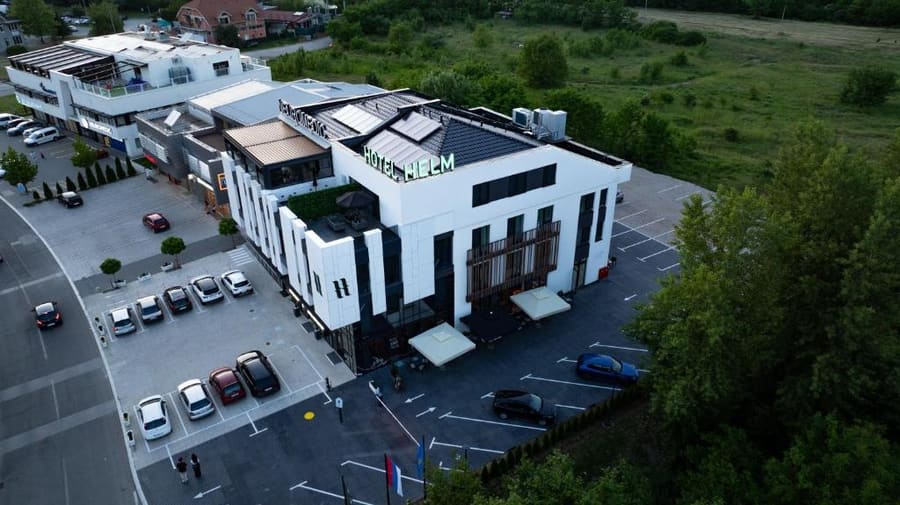
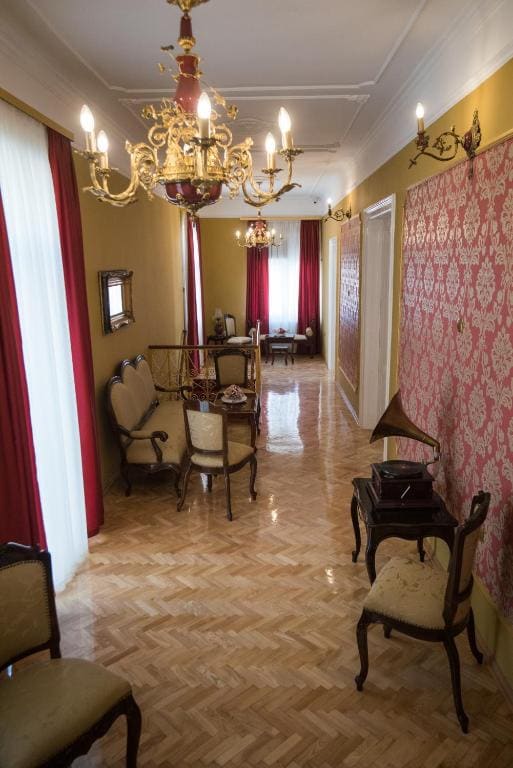
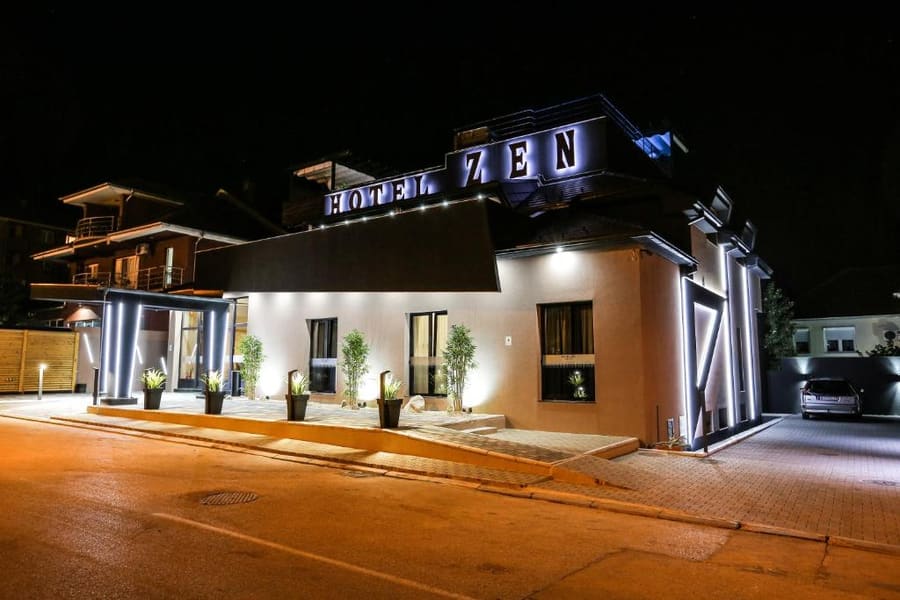
Choose your accommodation based on how late you plan to eat and drink. Central stays place you steps from pedestrian streets and kafanas, but night traffic and music echo off narrow lanes. North of the river near the fortress, options are quieter and slightly cheaper, though you will cross the bridge for most meals.
transport
Niš is compact. The core historic district is entirely walkable. City buses cover outer sites like Skull Tower, Mediana, and Niška Banja reliably. Taxis are cheap and regulated, making them the preferred transport for visitors travelling late or heading to the airport.
从Constantine the Great Airport (INI)出发
Take line 34A or 34B outside the terminal directly to the central bus station.
Use official radio taxi stands outside arrival; avoid unmetered street solicitors.
Pay the conductor inside the bus in cash. Exact change in dinars speeds up the transaction.
Call or order taxis via Viber message using local companies like Prvi Taxi or Bros Taxi.
The distance from King Milan Square to Kazandžijsko Sokače takes less than seven minutes on foot.
cost
Niš remains one of the most affordable city break destinations in Southern Europe. Daily expenses for food and transport are roughly 30% lower than in Belgrade. Cash is still required at smaller bakeries, green markets, and inside public buses.
Includes grilled meats, sides, and bread at traditional city centre taverns.
Standard price across central bars and fortress cafes.
Valid for one ride anywhere on the urban transit grid.
Served standard with a small glass of water.
seasonality
MAR – MAY
Mild temperatures and outdoor cafe seating returns. Ideal for walking historical sites.
JUN – AUG
Hot days often pass 35°C. Late August brings the Nišville International Jazz Festival to the fortress.
SEP – NOV
Warm early autumn days with lower humidity. Prime season for regional wine harvesting.
DEC – FEB
Cold and often foggy due to the river valley location. Kafana life shifts entirely indoors.
practicalities
ATMs are frequent in the centre, but carry dinars for taxis, buses, and market vendors.
Most city museums, including Skull Tower and Red Cross Camp, close on Mondays.
Indoor smoking remains common in traditional restaurants and older taverns.
Younger residents and restaurant staff speak English well. Older vendors respond to basic Russian or Serbian.
Municipal tap water in Niš is safe to drink.