landmark
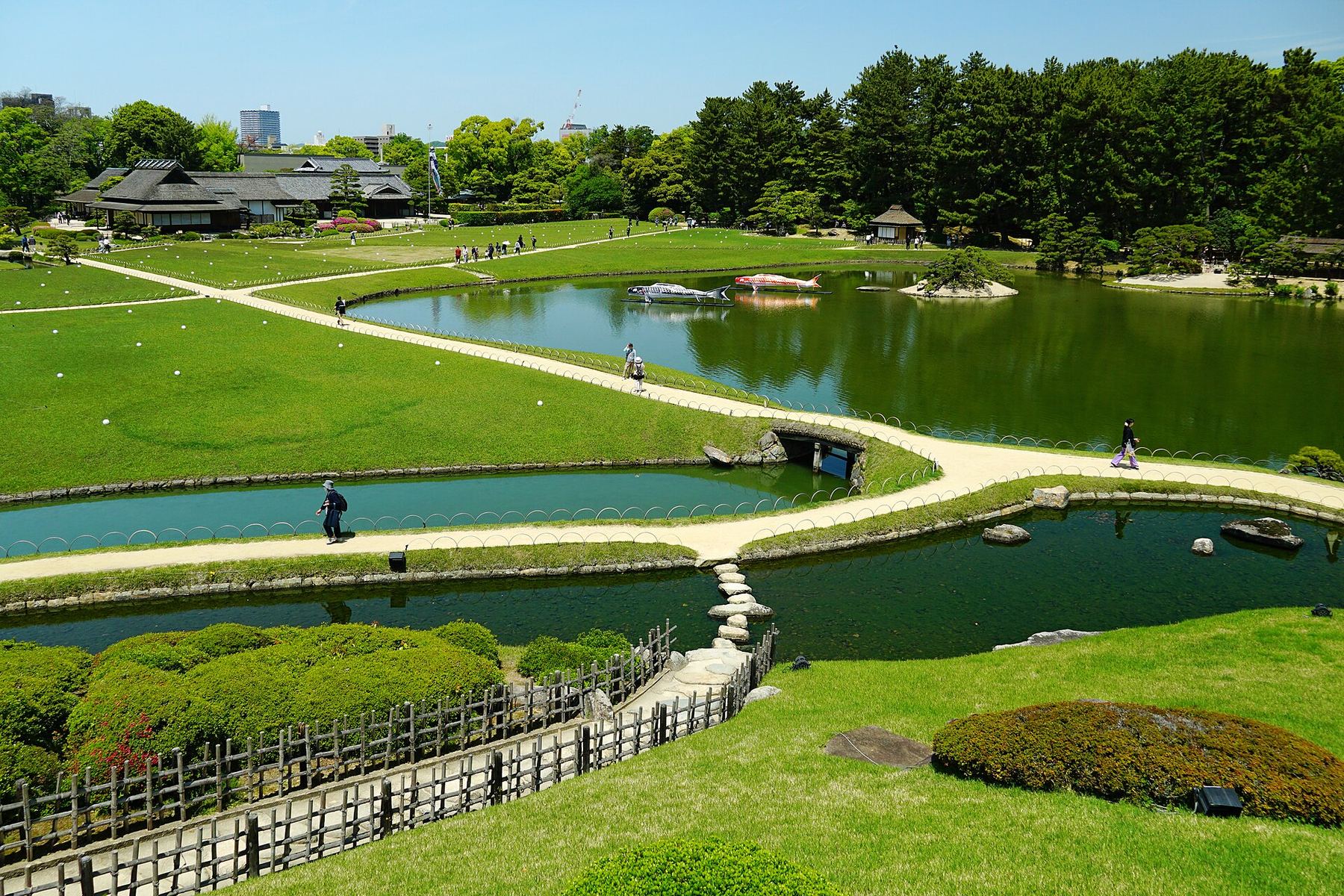
Korakuen Garden
Sprawling Edo-period garden with tea plantations and ponds. Visit at 07:30 opening to beat tour buses.
问问 Parley日本
Edo gardens, fruit harvests, and transit to the Seto Sea.
introduction
Okayama operates as the quiet transit engine of western Honshu, where Shinkansen tracks run toward Hiroshima while conventional JR lines cross the Seto Ohashi Bridge to Shikoku. The city built itself around a black 16th-century castle and Korakuen, one of Japan's three celebrated landscape gardens. You get wide streets, dry weather, and easy riverfront walking without the crushed tourist crowds of Kyoto. Movement relies on two short tram lines radiating from the main station.
Three Great Gardens of Japan
Korakuen holds official status as one of Japan's Three Great Gardens, designed in 1700 by the Ikeda clan.
IC card tram limits
Okaden trams accept Suica and ICOCA cards. Tap when boarding at the rear door and tap again at the front when exiting.
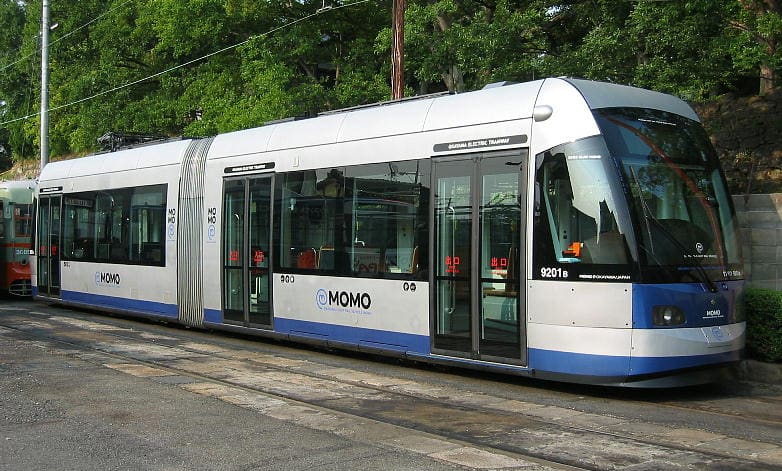
Okayama
Mkb at Japanese Wikipedia · CC BY 3.0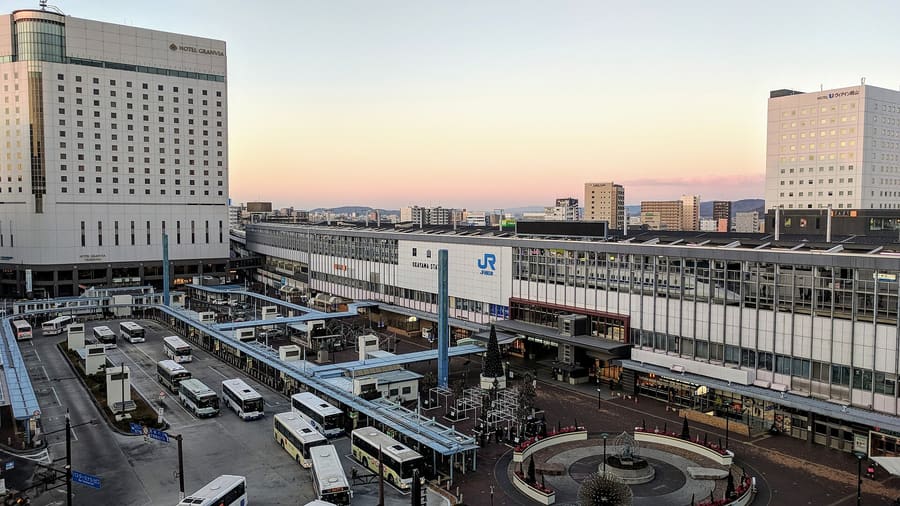
Okayama Ekimae — Transport-first hub packed with izakayas, subterranean shops, and quick access to all train lines.
Douglas(大元) from Taiwan (Republic of China) · CC BY-SA 2.0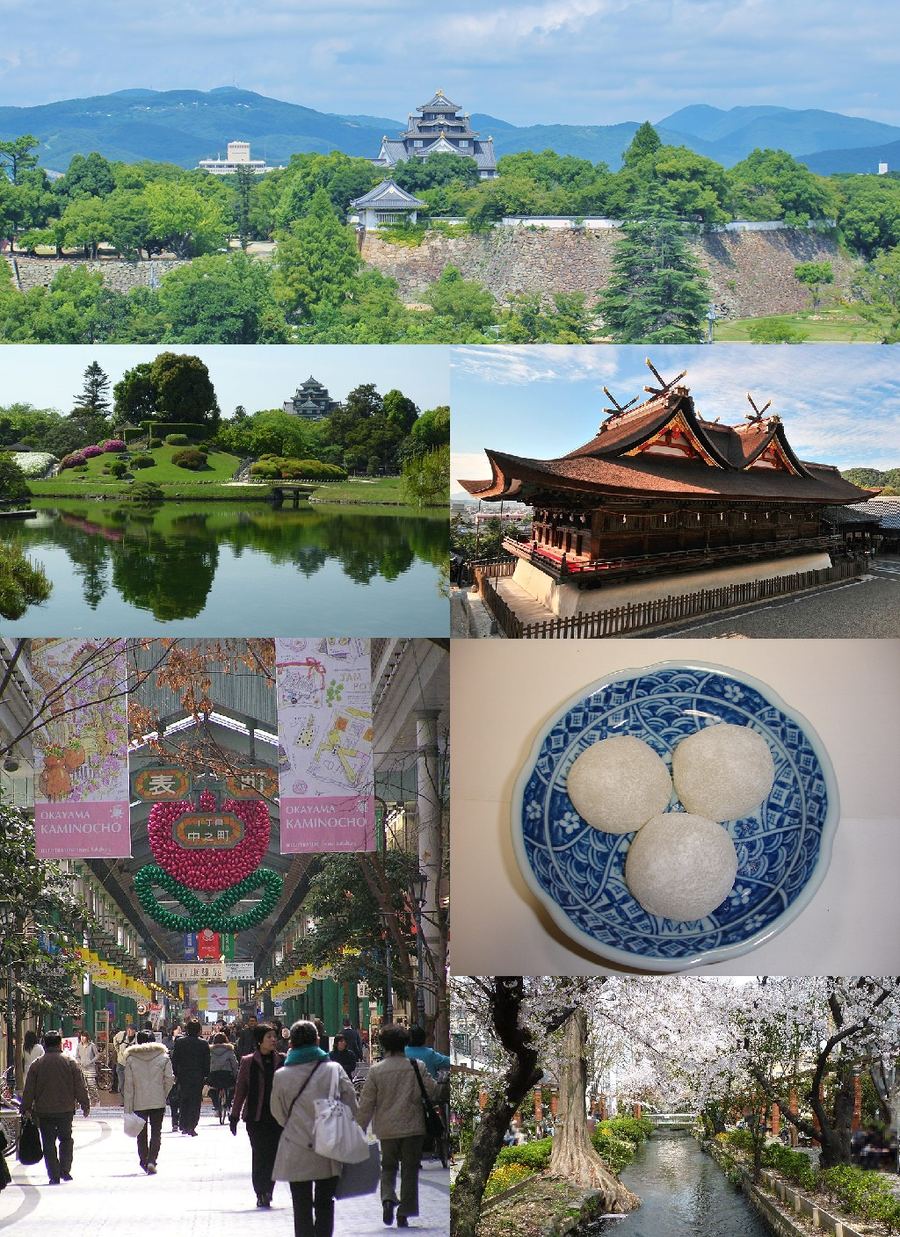
Omucho — Covered arcades and narrow side alleys hosting the city's oldest dining rooms and evening cocktail bars.
水だらけのプール · CC BY-SA 4.0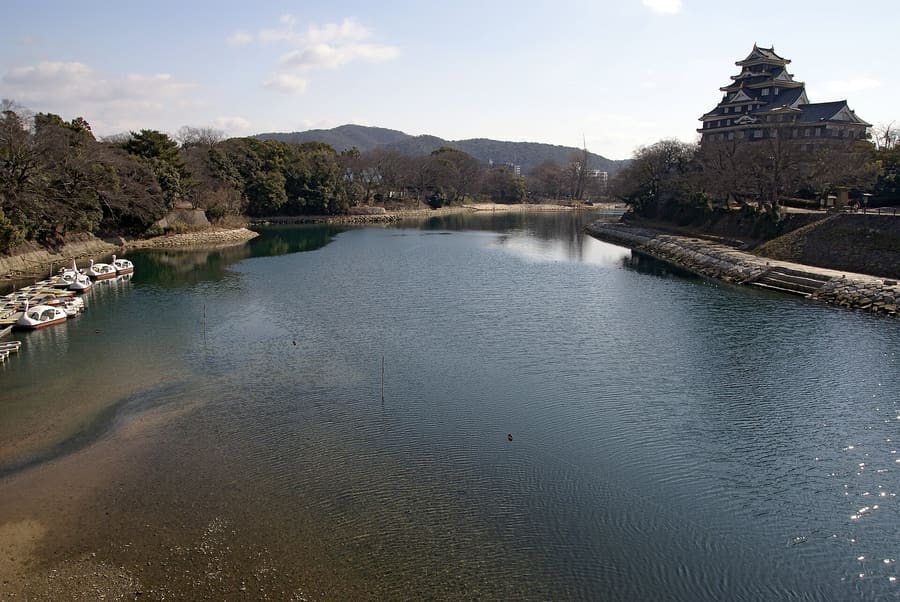
Korakuen Quarter — Quiet riverside zone with museum lawns, footbridges, and views of the black castle walls.
663highland · CC BY 2.5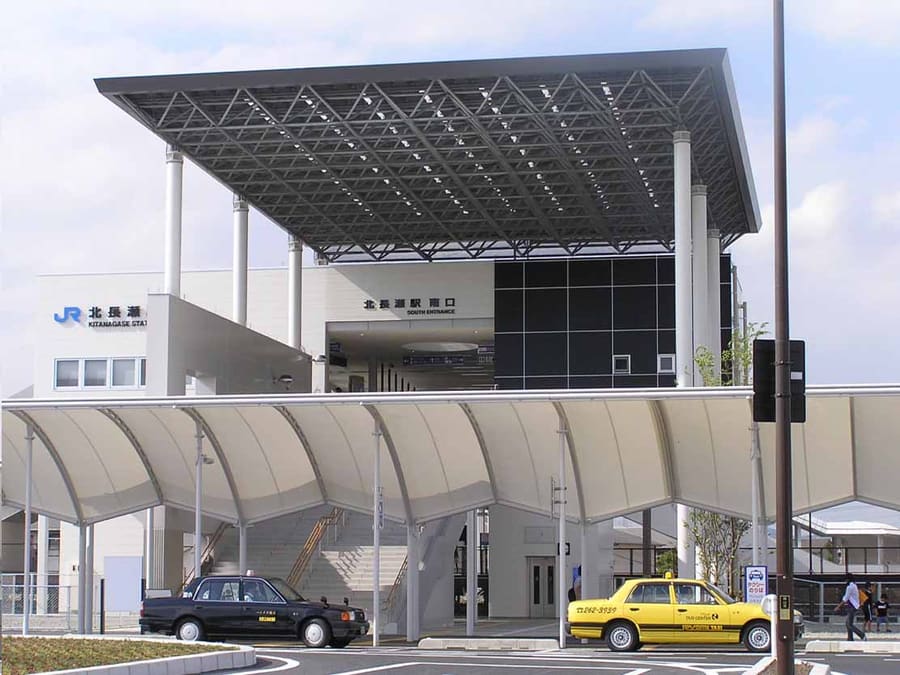
Toiyacho — Low-rise modern enclave of repurposed garment warehouses housing coffee shops and vintage boutiques.
tatushin · Public domainhighlights
landmark
Sprawling Edo-period garden with tea plantations and ponds. Visit at 07:30 opening to beat tour buses.
问问 Parley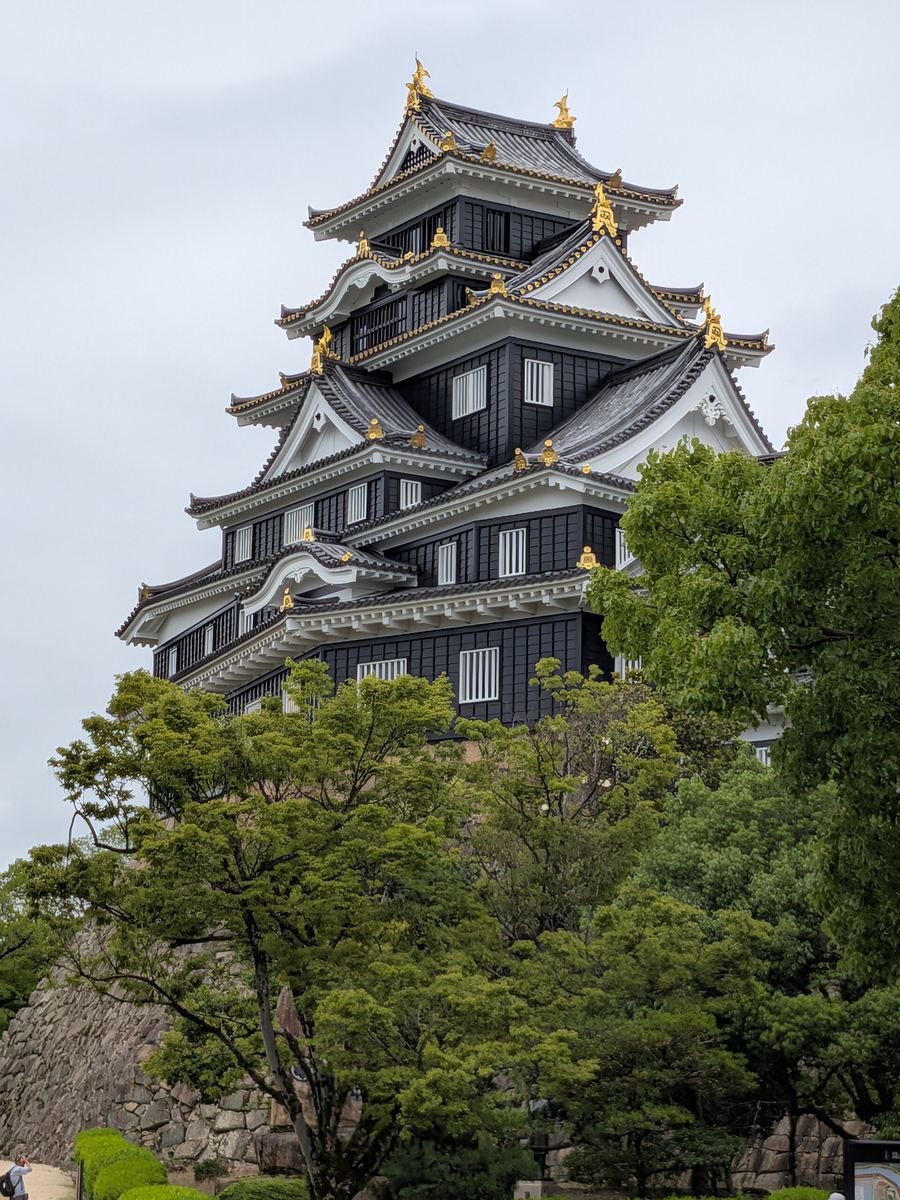
landmark
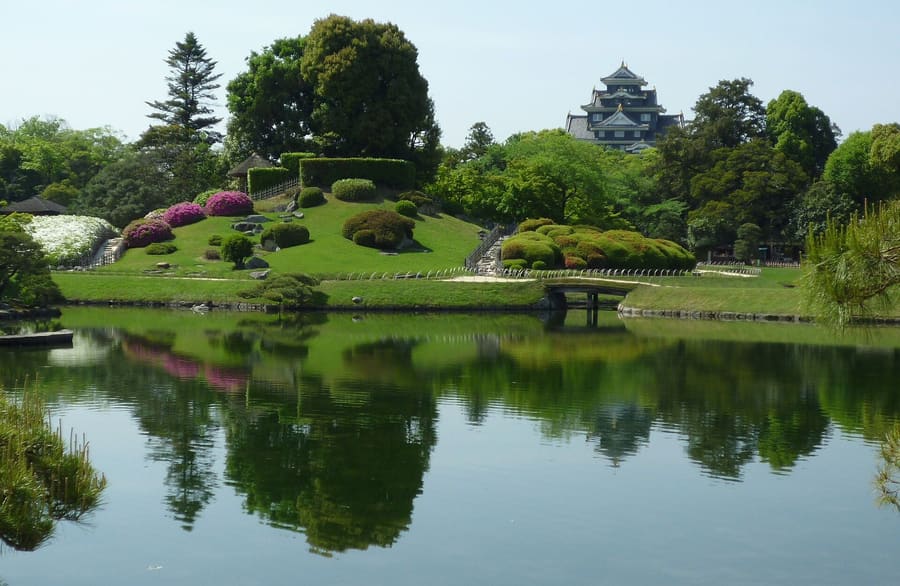
Reconstructed black exterior earned it the name Crow Castle. The top floor gives clear views over the Asahi River.
问问 Parley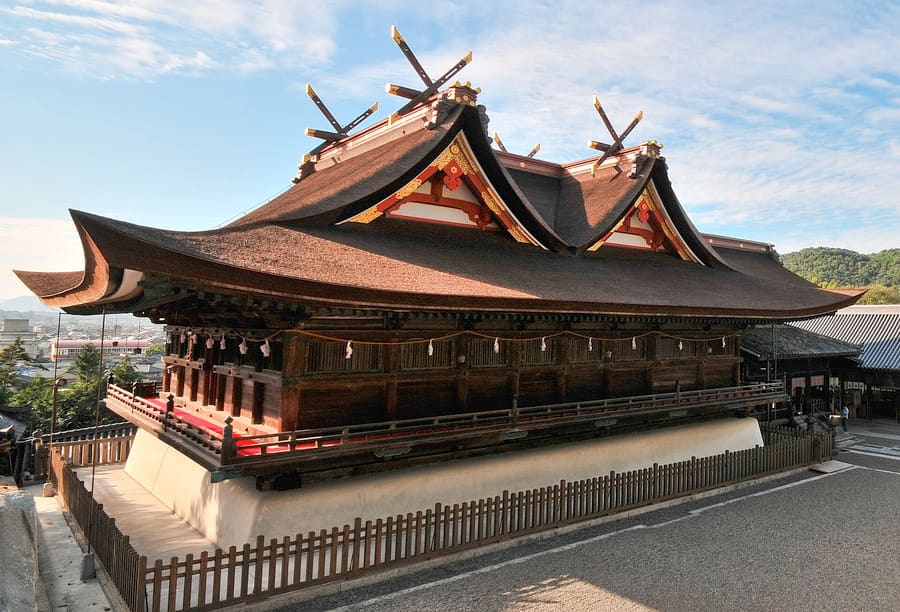
landmark
Origin site of the Momotaro legend featuring a 398-meter covered wooden corridor following hill contours.
问问 Parley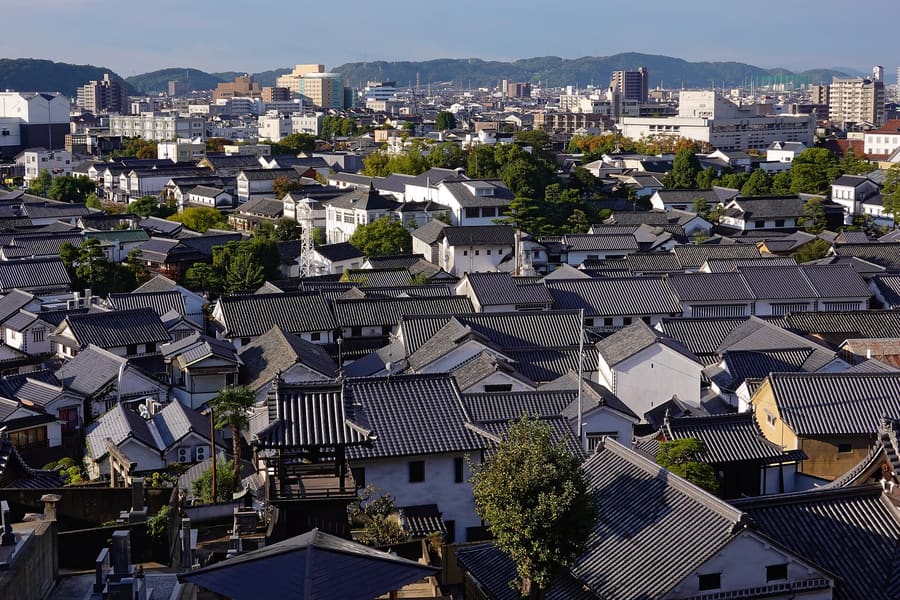
landmark
Preserved Edo merchant canal district 17 minutes west by train. Visit after sunset when day trips leave.
问问 Parley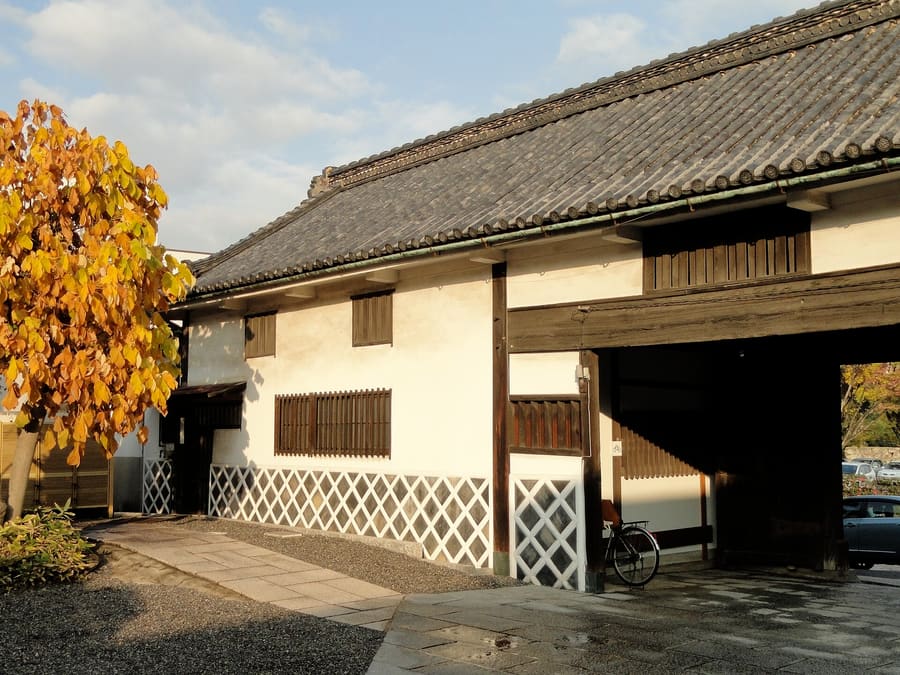
landmark
Housed on former castle grounds, holding Ikeda clan samurai armor and Noh theater costumes.
问问 Parley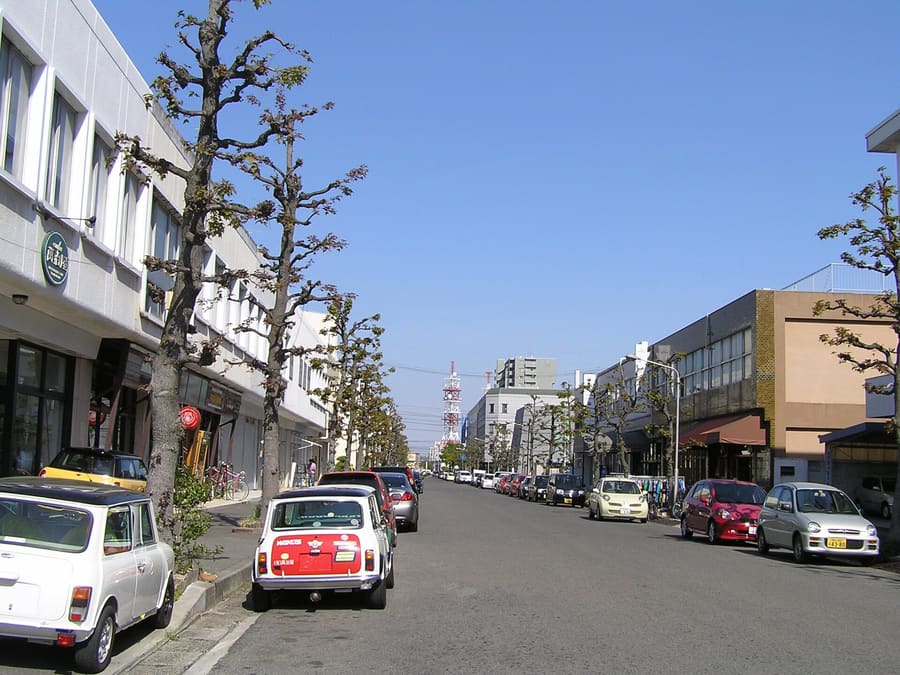
landmark
Former textiles wholesale zone converted into independent coffee roasters and mid-century clothing stores.
问问 Parleyattractions
areas
Transport-first hub packed with izakayas, subterranean shops, and quick access to all train lines.
附近Okayama Station and Okaden Tram Terminus
问问 ParleyCovered arcades and narrow side alleys hosting the city's oldest dining rooms and evening cocktail bars.
附近Shiroshita Tram Stop and Symphony Hall
问问 ParleyQuiet riverside zone with museum lawns, footbridges, and views of the black castle walls.
附近Korakuen Garden and Asahi River
问问 ParleyLow-rise modern enclave of repurposed garment warehouses housing coffee shops and vintage boutiques.
附近Kitanagase Station
问问 Parleyfood
Okayama cuisine leans on regional twists that depart sharply from standard Kansai fare. The city's signature comfort dish is demi-katsu don, where crispy pork cutlets sit on cabbage and rice, drenched in a rich, long-simmered beef demi-glace instead of traditional dashi egg mixture. Katsudon Nomura has served this specific variation near the station since 1931.
Head to Katsudon Nomura and order the demi-glace sauce cutlet over rice.
history
Okayama developed rapidly under the Ikeda samurai clan during the Edo period. The construction of Okayama Castle and Korakuen Garden established the city as a major political center along the Sanyo road.
Castle completed
Ukita Hideie finishes the six-story castle with distinctive black outer cladding.
Korakuen completed
Daimyo Ikeda Tsunamasa completes Korakuen Garden after 13 years of construction.
Railway arrives
Sanyo Railway connects Okayama to Kobe, cementing its role as a regional transit point.
Shinkansen connection
Sanyo Shinkansen opens to Okayama, cutting travel time from Osaka to one hour.
where to stay
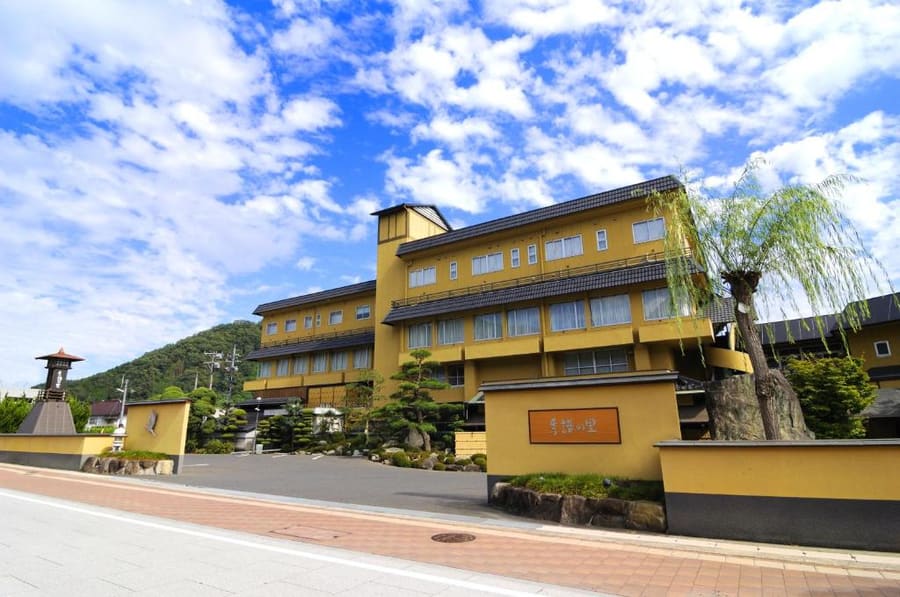
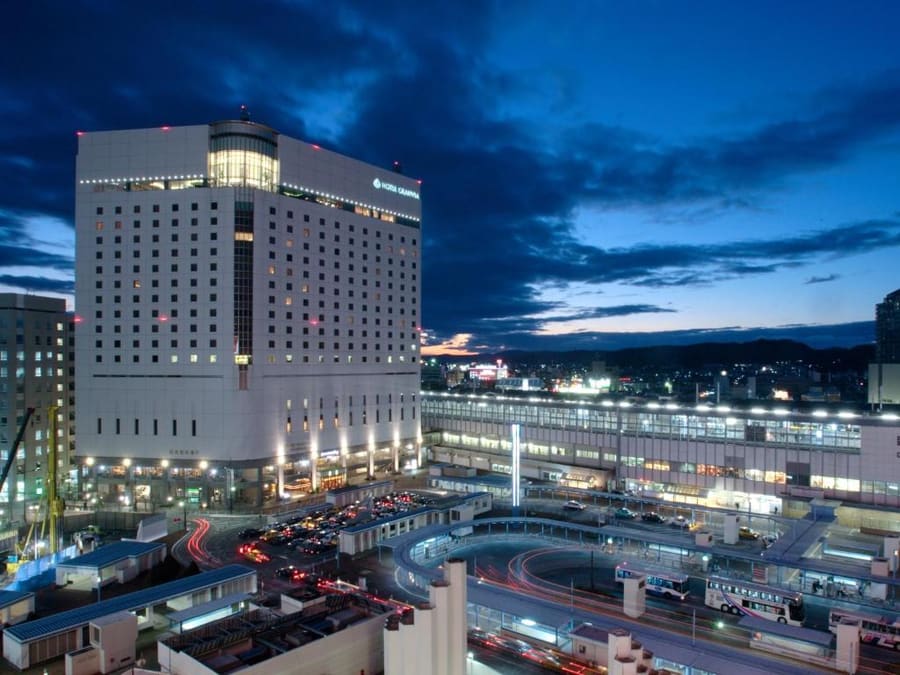
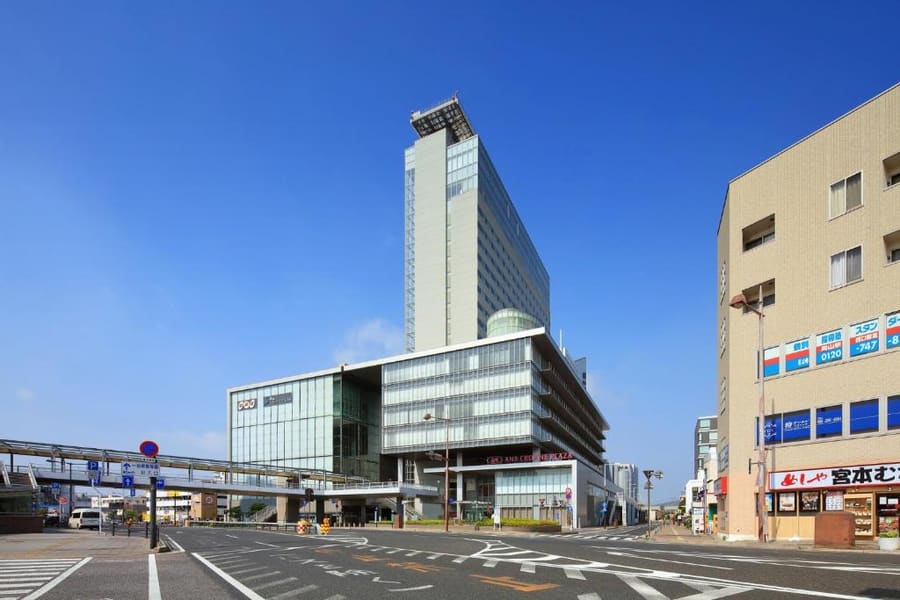
Choose your stay based on early transit morning departures versus quiet riverside evening walks.
transport
Okayama Station is the principal transit core. Local travel relies on two tram routes and short JR feeder trains.
从Okayama Momotaro Airport (OKJ)出发
Buses timed to domestic flight arrivals run directly to Okayama Station Bus Terminal Stand 21.
Fixed-rate options exist from airport to central hotel districts.
Rides inside the central zone cost ¥120; outer zone rides cost ¥140.
Suica, ICOCA, and Pasmo work on Okaden trams and JR local trains.
Use the JR Kibitsu Line to reach Kibitsu Shrine directly from Okayama Station.
Okaden trams stop running around 22:30, earlier than local JR train lines.
cost
Okayama offers lower daily expenses than Kyoto or Tokyo for food and regional transport.
A standard pork cutlet bowl with demi-glace sauce at local shops.
Single admission ticket for adults; combination castle tickets cost ¥640.
Covers most inner-city trips between Okayama Station and Shiroshita.
Seasonal local fruit dessert sold in cafes around the station and city center.
seasonality
MAR – MAY
Mild weather and cherry blossoms along Asahi River bank. Book hotels early for Golden Week.
JUN – AUG
Hot and humid weather coincides with peak Muscat grape and peach harvest season.
SEP – NOV
Clear skies and crisp temperatures ideal for Korakuen autumn leaf illumination events.
DEC – FEB
Cold, dry days with lowest hotel rates and zero garden crowding.
practicalities
Korakuen opens at 07:30 in spring and summer. Arrive at opening for empty garden photography.
While trams take IC cards, older izakayas in Omucho accept cash only.
Okayama claims the highest number of sunny days in Japan; rainfall is rare.
Okayama Castle exterior is original style, but interior features modern elevators and steep stairs.
Peach-shaped pedal boats can be rented along Asahi River near the castle footbridge.