landmark
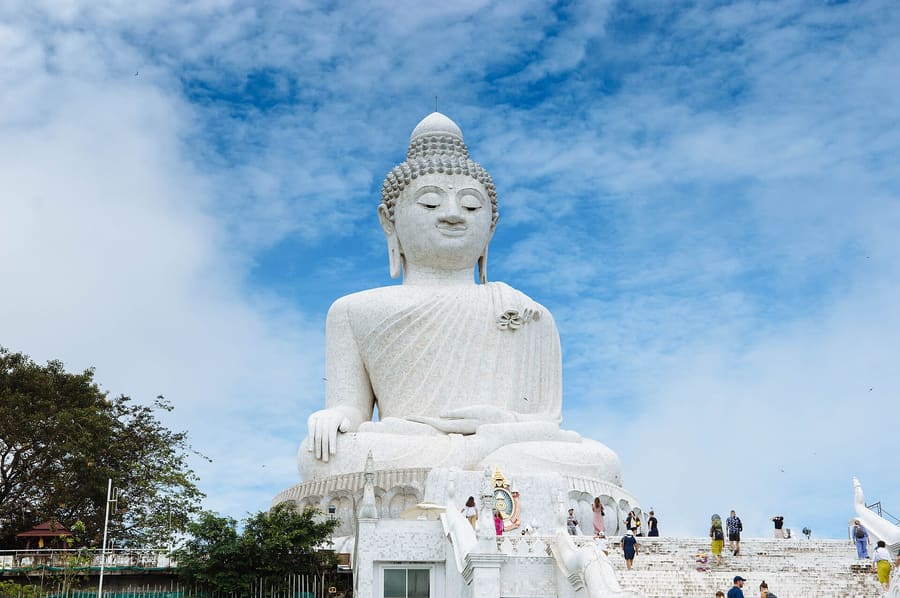
Phuket Big Buddha
A 45-meter marble statue on Nakkerd Hill. Arrive before 08:00 to beat the heat and tour bus crowds.
问问 Parley泰国
Tin-mining legacy, Southern curries, and fractured coastlines.
introduction
Phuket is Thailand's largest island, anchored by a historic tin-mining center in the east and resort towns along the west coast. You move across the island via narrow two-lane roads that clog heavily during peak hours. Expect steep price jumps compared to mainland Thailand for taxis and seafood.
Airport transport shortcut
The Phuket Smart Bus runs from HKT airport down the west coast to Rawai for 100 THB. Taxis charge quadruple that flat rate.
UNESCO City of Gastronomy
UNESCO named Phuket a City of Gastronomy in 2015 for its distinct Peranakan and Southern Thai culinary traditions.
East vs West coast planning
West coast beaches suffer heavy swells from May to October. The sheltered eastern bays remain calm year-round.
Phuket
Christophe95 · CC BY-SA 4.0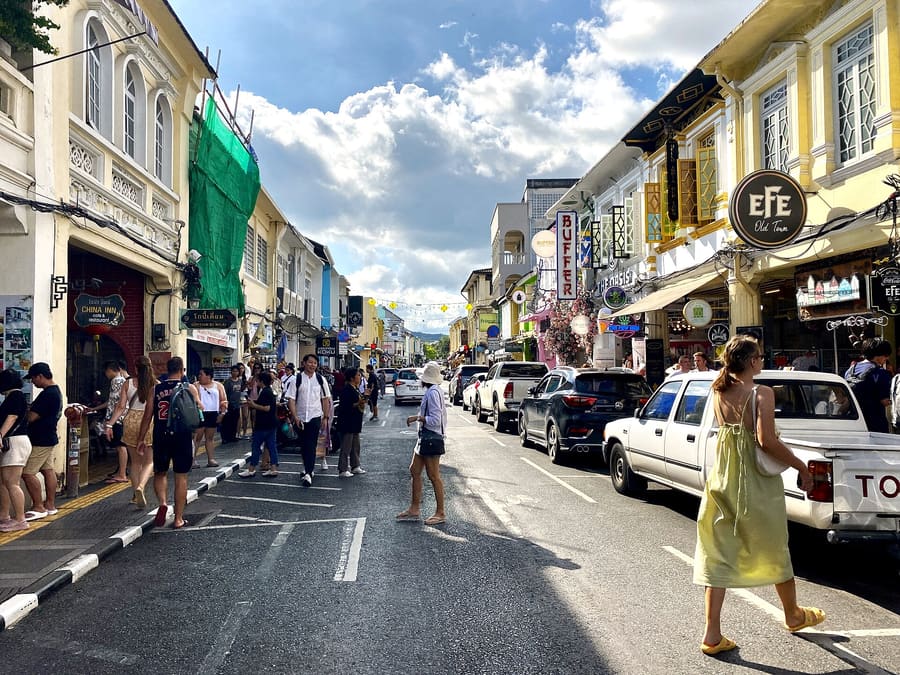
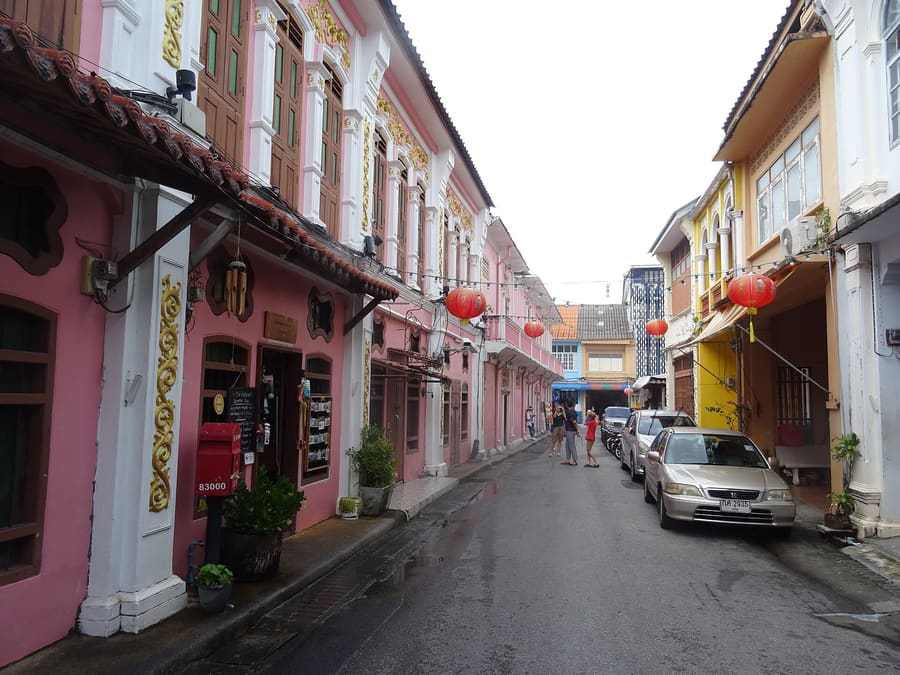
Old Town — Sino-Portuguese shophouses, roasters, Hokkien noodle joints, and quiet side alleys.
Slleong · CC0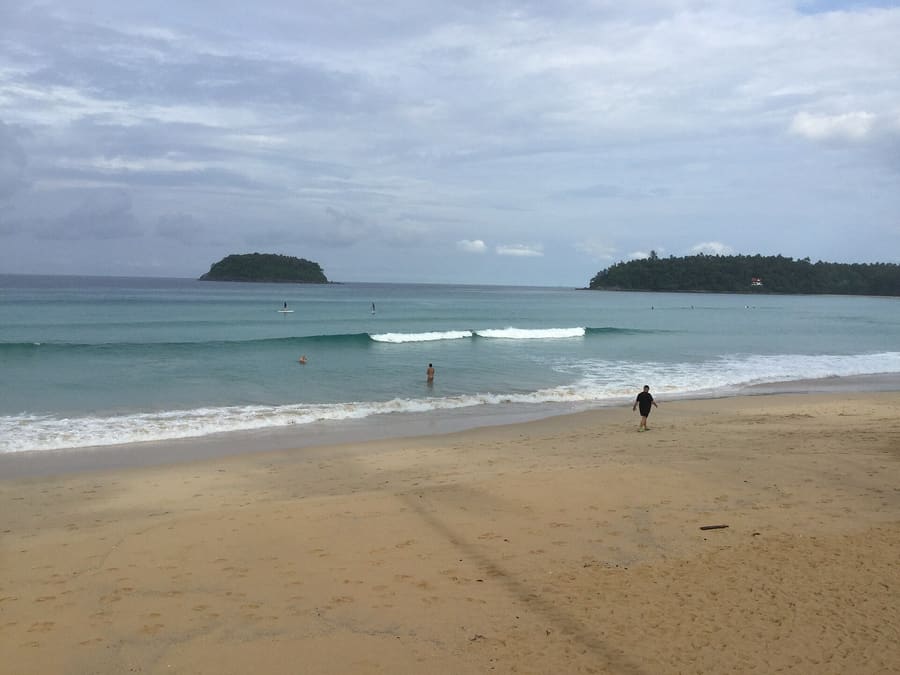
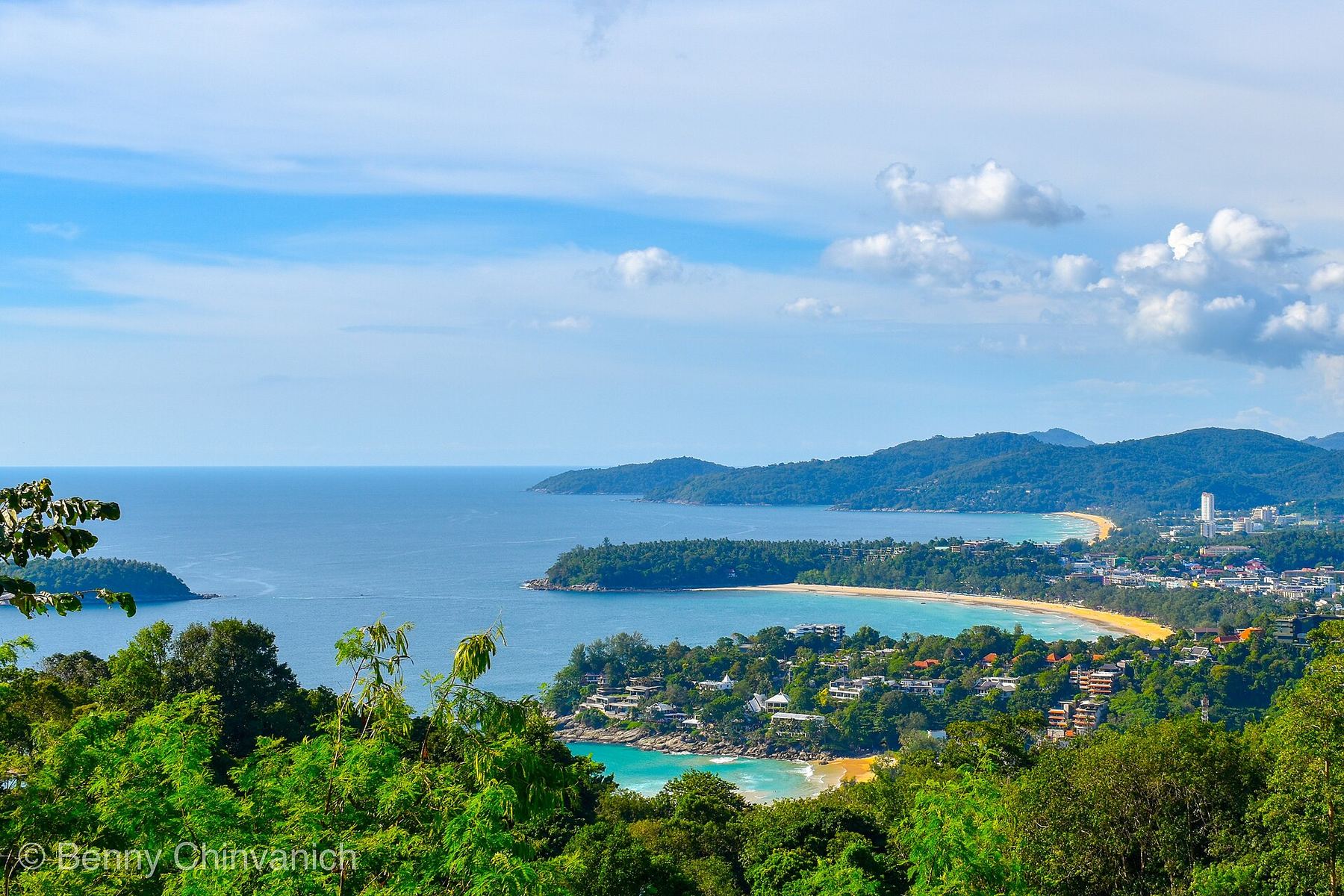
Kata & Karon — Wide sandy bays backed by mid-range resorts and surf shops.
HutheMeow · CC BY-SA 4.0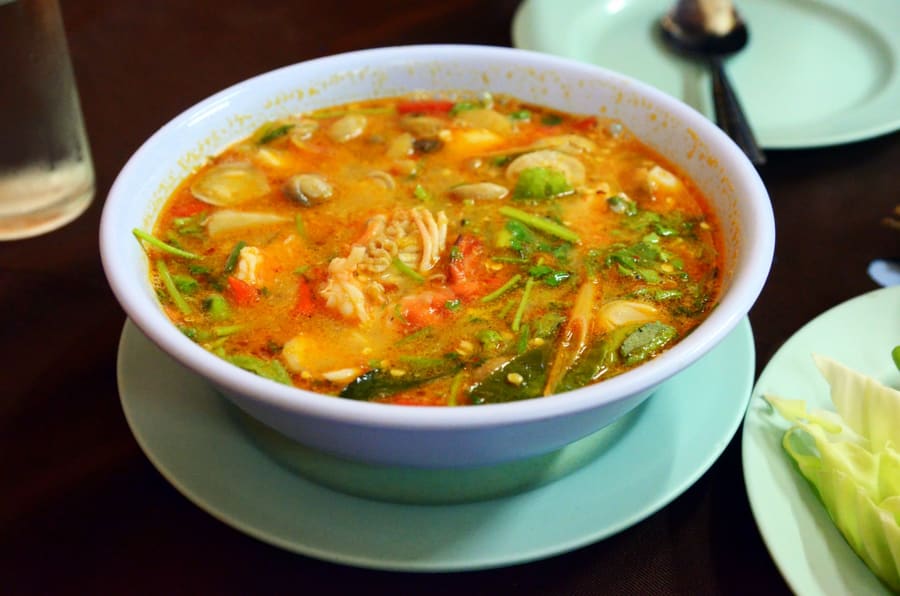
Southern Thai yellow crab curry served with rice vermicelli.
Takeaway · CC BY-SA 3.0highlights
landmark
A 45-meter marble statue on Nakkerd Hill. Arrive before 08:00 to beat the heat and tour bus crowds.
问问 Parley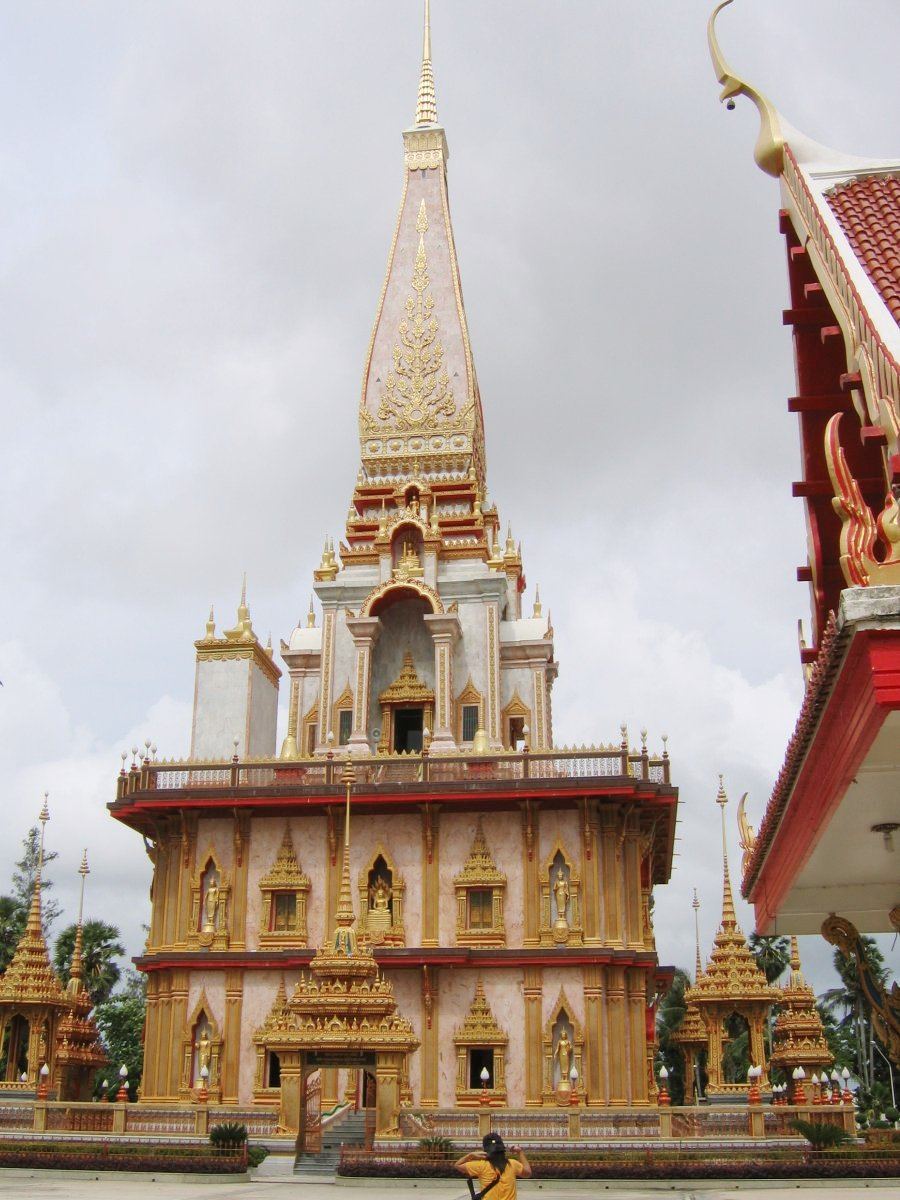
landmark
Phuket's largest Buddhist temple complex. Cover shoulders and knees before entering the three-story Grand Pagoda.
问问 Parley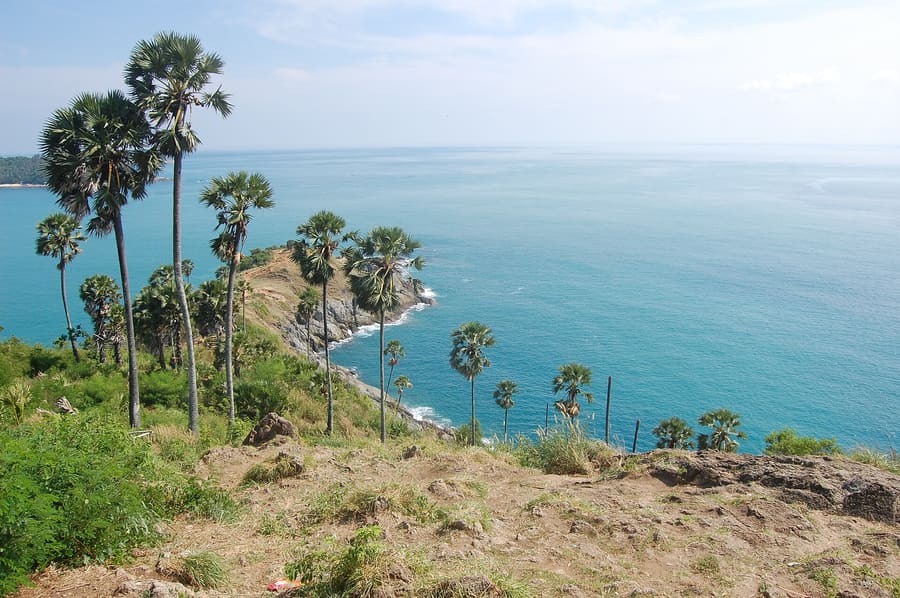
landmark
The island's southernmost point. Arrive 45 minutes before sunset if you want a spot along the stone railing.
问问 Parley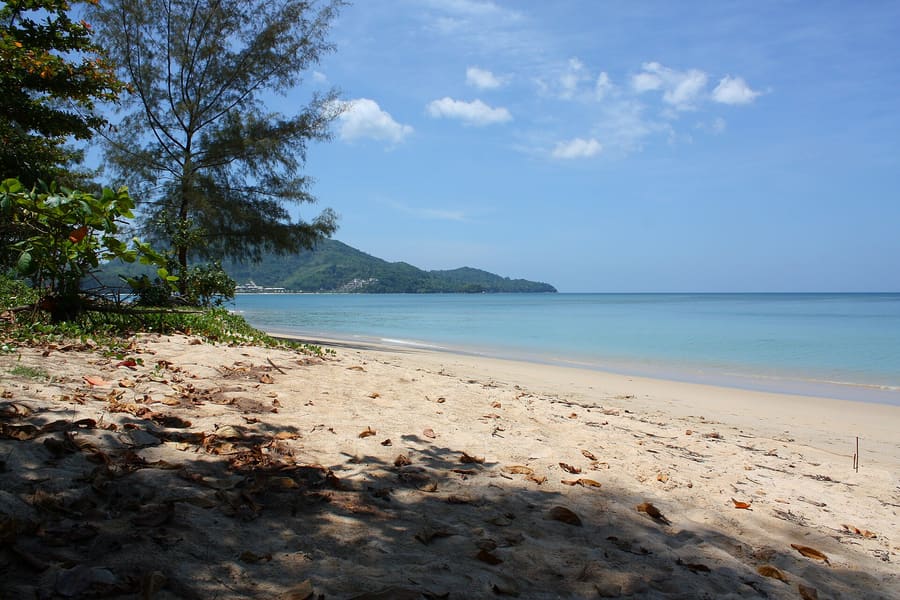
landmark
A pine-fringed coastal reserve next to the airport. Plane spotters cluster on Mai Khao beach at the southern boundary.
问问 Parleyattractions
areas
Sino-Portuguese shophouses, roasters, Hokkien noodle joints, and quiet side alleys.
附近Bus terminal 1, Rassada Pier for ferries to Phi Phi.
问问 ParleyWide sandy bays backed by mid-range resorts and surf shops.
附近Kata Noi beach, Karon Viewpoint.
问问 Parleyfood
Phuket's cuisine differs sharply from central Thai food due to 19th-century Chinese tin miners and proximity to Malaysia. Breakfast centers on dim sum and kanom jeen, fermented rice noodles served with spicy fish or crab curries. Lunch brings Moo Hong, pork belly braised with black pepper and garlic, alongside stir-fried yellow Hokkien noodles. Southern spicing leans heavily on fresh turmeric, dried chilies, and shrimp paste.
Southern Thai yellow crab curry served with rice vermicelli.
Takeaway · CC BY-SA 3.0Eat dim sum at Hun Tock or Boonrat between 06:30 and 09:30. Trays are brought directly to your table; point to choose.
Order stir-fried Hokkien noodles topped with a poached egg at Lock Tien food court on Yaowarat Road.
Buy live seafood from vendors at Rawai Pier, then cross the road to restaurants that cook it for 100 THB per kilo.
history
Phuket gained wealth as a major tin-mining hub in the 19th century, attracting thousands of Hokkien Chinese laborers who settled alongside local Malay and Thai populations. The island shifted to rubber planting and later tourism in the 1970s following the construction of Sarasin Bridge linking it to the mainland.
Tin Mining Boom
Hokkien Chinese immigrants arrive to work tin mines, shaping the island's shophouse architecture, language, and food.
Sarasin Bridge Opens
The first bridge connects Phuket island to Phang Nga province on the mainland, accelerating land trade.
Tourism Begins
Backpackers arrive at Patong Beach via dirt roads, initiating the transformation into a resort destination.
Indian Ocean Tsunami
A megathrust earthquake triggers tsunamis along the west coast, leading to major reconstruction and warning systems.
where to stay
Choose your base by geography rather than hotel rating. Moving between beaches takes 30 to 60 minutes in traffic. Stay in Old Town for walking access to historic streets and morning markets, Bang Tao for integrated resort comfort, Kata for surfing, or Rawai for quiet southern coves.
transport
Taxis and tuk-tuks on Phuket operate under fixed minimum fares, making short trips disproportionately expensive compared to Bangkok. App-based rides offer transparent pricing but face pickup restrictions inside airport grounds and pier entrances.
从Phuket International Airport (HKT)出发
Direct to Phuket Town Bus Terminal 1. Departs hourly outside arrival hall.
Runs along west coast beaches to Rawai. Board outside terminal.
Driver pickup is restricted directly inside airport grounds; walk to designated zones.
Book at official airport counter. Fare includes mandatory 100 THB airport fee.
Departs when full. Hotel drop-off included for major beach areas and Phuket Town.
Use Grab or Bolt for transparent pricing. Drivers cannot always pick up directly inside HKT terminal boundaries.
Open-air blue trucks run from Phuket Town to various west coast beaches (Kata, Patong, Kamala) for 40-50 THB. Services end around 18:00.
Scooters cost 200-300 THB per day. Police strictly enforce international driving permits and helmet rules at checkpoints in Chalong and Patong.
cost
Phuket is the most expensive province in Thailand for ground transport and beachside dining. Local markets and inland noodle shophouses in Phuket Town maintain standard Thai prices.
Flat fare across all stops from HKT airport down to Rawai Beach.
Standard local price in Phuket Town shophouses.
Minimum short-distance fare between adjacent west coast bays.
Half-day private charter from Rawai Pier to Coral Island or Koh Bon.
seasonality
NOV – FEB
Calm seas and clear skies. High room rates and crowded west coast beaches require booking months ahead.
MAR – APR
Peak heat with temperatures reaching 35°C. Songkran festival in mid-April brings island-wide water fights.
MAY – OCT
Monsoon season bringing heavy swells, red flags on west coast beaches, and frequent downpours.
OCT
Phuket Vegetarian Festival takes place over nine days with street processions in Phuket Town.
practicalities
Strong rip currents occur from May to October. Never swim when red flags fly on Patong, Karon, or Kata beaches.
Thai ATMs charge a flat 220 THB fee per foreign card transaction. Withdraw larger amounts less frequently to minimize cost.
UV levels are extreme year-round. Carry water and wear high-SPF sunscreen even on overcast monsoon days.
Remove shoes before stepping into temple halls. Shoulders and knees must be covered at Wat Chalong and Big Buddha.
Dispensaries operate widely, but smoking in public spaces remains illegal under public nuisance laws.