landmark
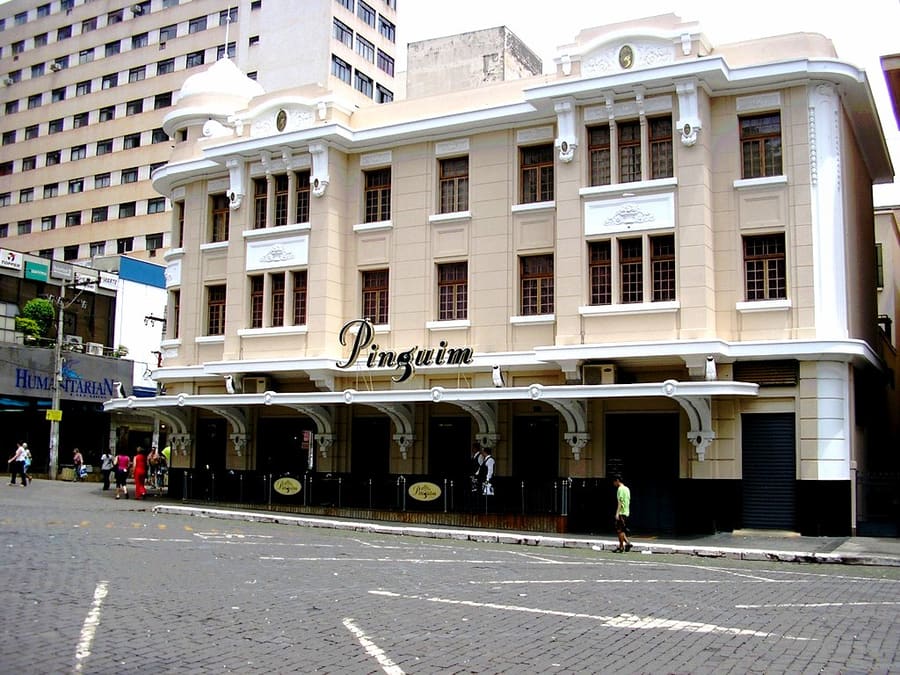
Choperia Pinguim
This 1936 beer hall built the city draft beer culture. Order a chopp express from the central tap or expect slow table service.
问问 Parley巴西
Craft beer, agribusiness, and deep Paulista heat.
introduction
Ribeirão Preto is the commercial engine of northern São Paulo state, built on coffee fortunes and sustained by sugarcane. The city moves fast during business hours and slows down around cold draft beer taps by night. You navigate the tropical heat by sticking to shade, rideshare cars, and air-conditioned venues. Expect heavy summer rains, intense sunshine, and a dedicated regional food culture.
Airport transfer choices
RAO airport lies 10 kilometers north of downtown. Rideshares arrive in 20 minutes and cost far less than official airport taxis.
Draft beer capital recognition
Brazil officially named Ribeirão Preto the National Capital of Draft Beer in 2024. The city hosts over a dozen active craft breweries.
Agribusiness peak booking
The Agrishow trade fair fills every hotel room for 50 kilometers each late April. Lock in your stay six months early or avoid that week.
Ribeirão Preto
Leandro Maranghetti Lourenço · CC BY-SA 3.0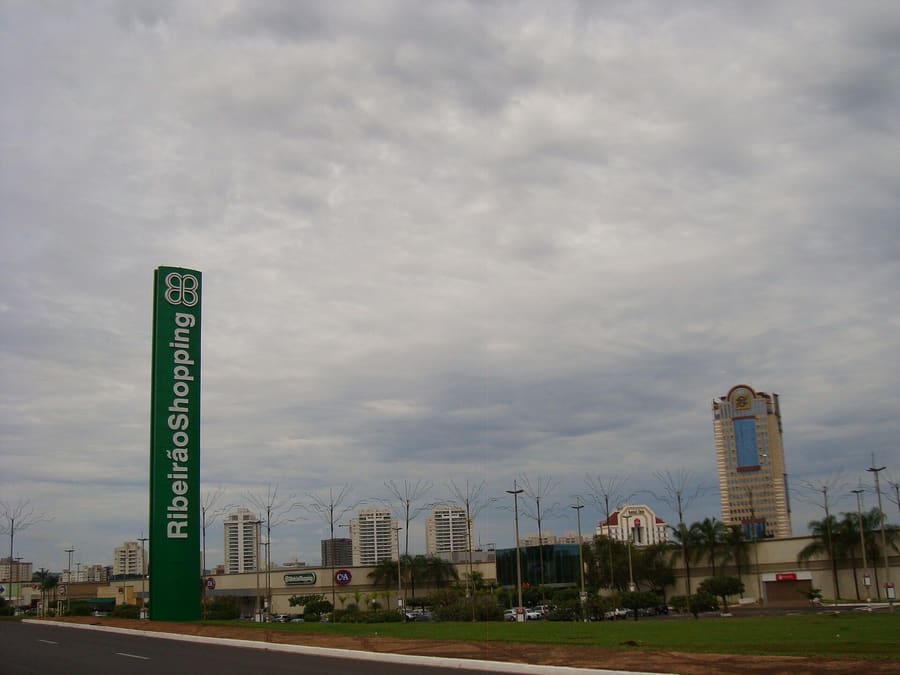
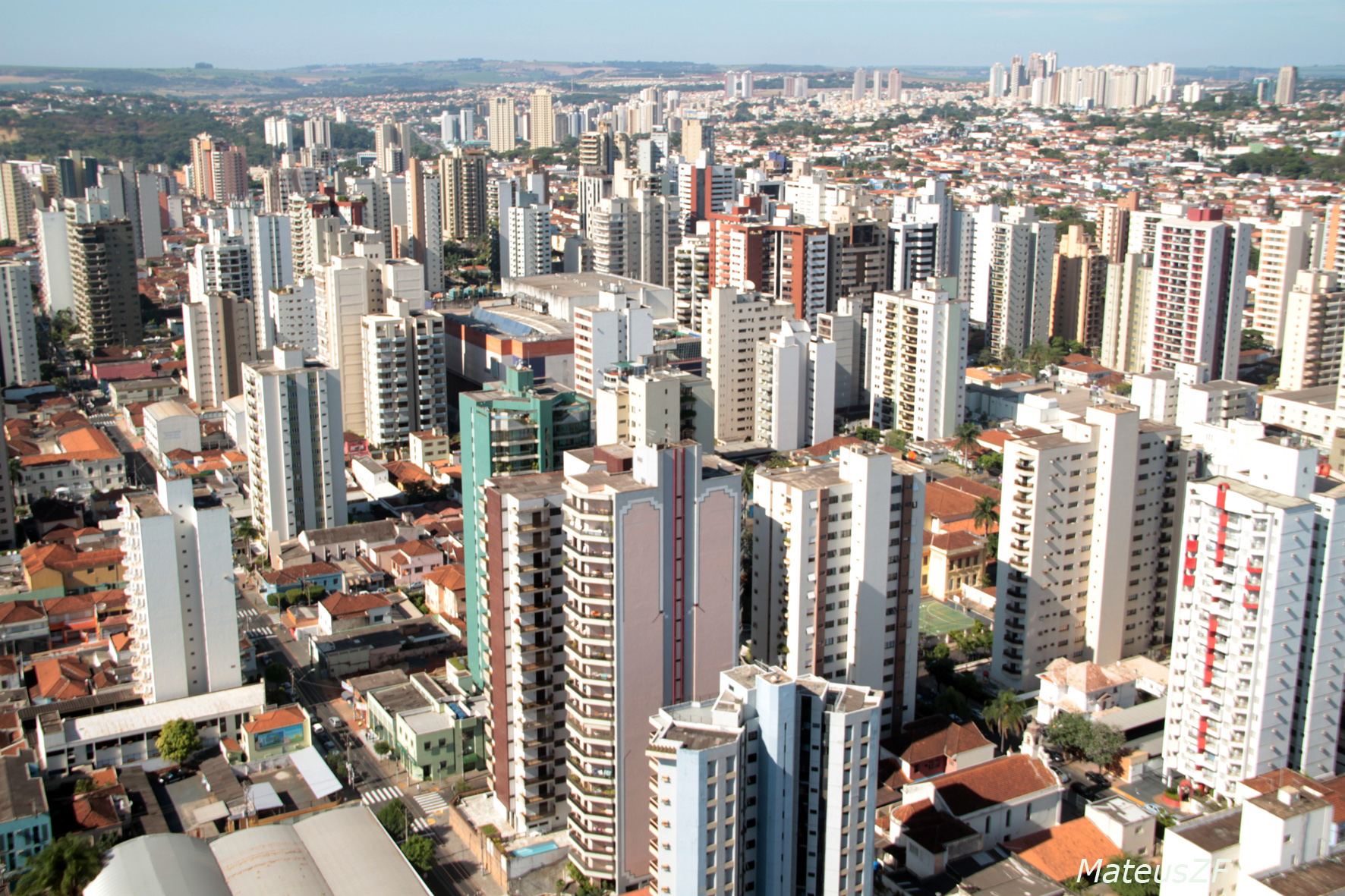
Zona Sul — Modern high-rise district with wide avenues, shopping malls, and upscale steak restaurants.
Anderson Bueno Pereira · Public domain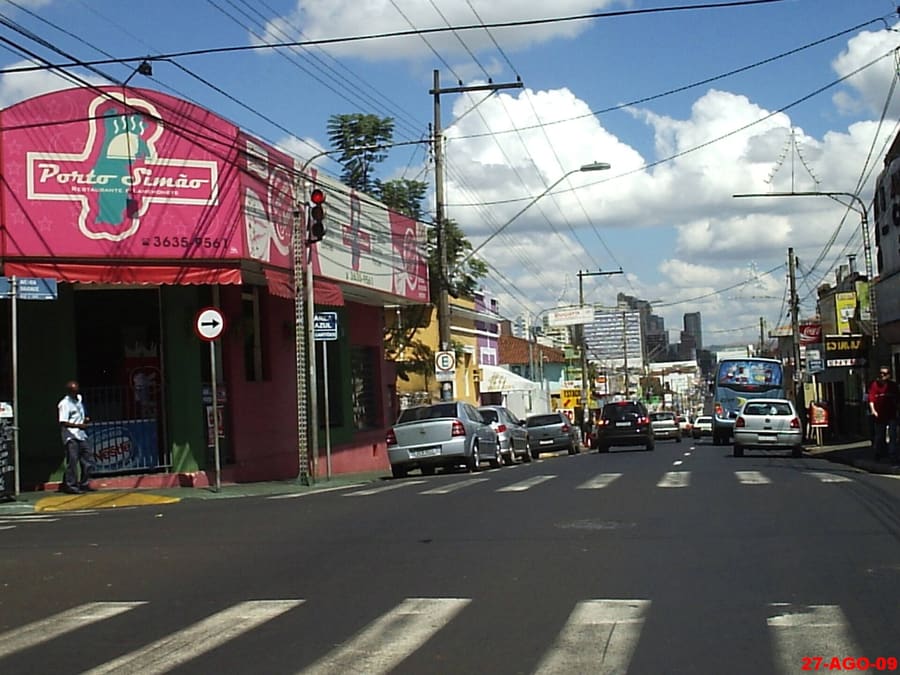
Campos Elíseos — Traditional working-class neighborhood now home to independent craft breweries and workshops.
MARCO AURÉLIO ESPARZ… · CC BY-SA 3.0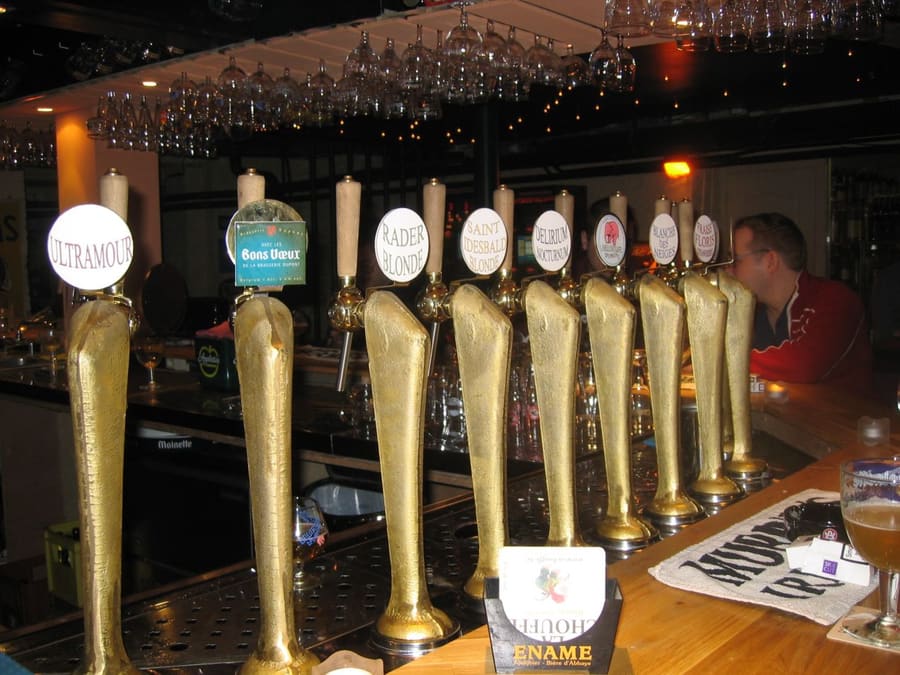
A freshly poured chopp with its signature thick foam collar at a traditional brewery bar.
The original uploader was SilkTork at English Wikipedia. · CC BY-SA 3.0highlights
landmark
This 1936 beer hall built the city draft beer culture. Order a chopp express from the central tap or expect slow table service.
问问 Parley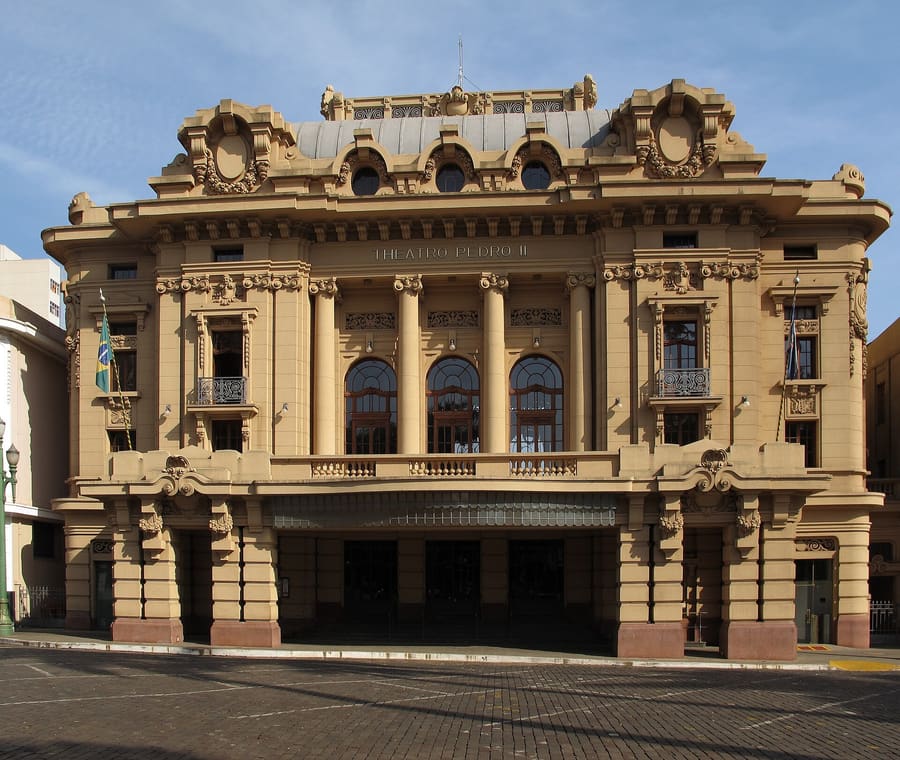
landmark
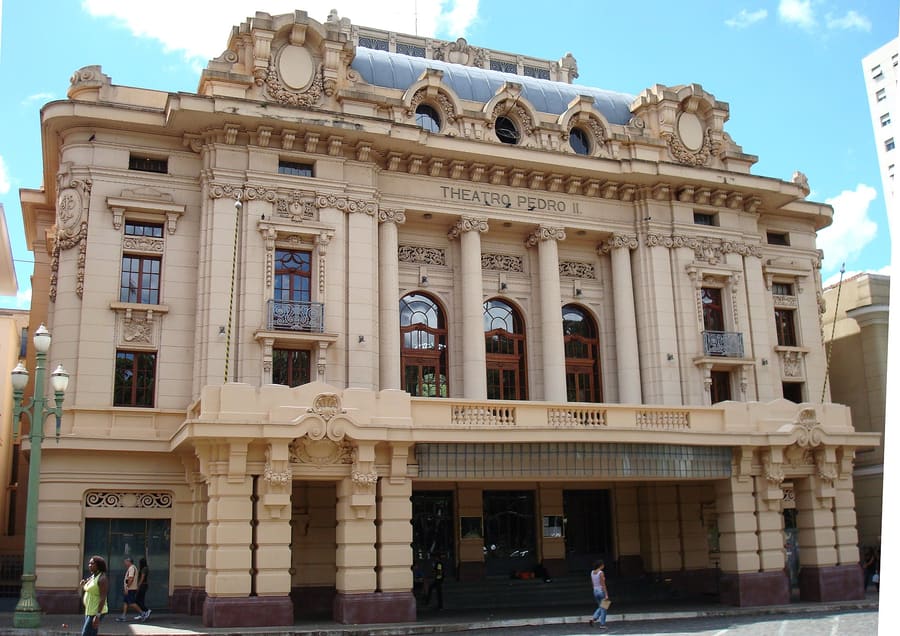
A restored 1930 opera house with a glass dome by Tomie Ohtake. Buy tickets online to skip the box office line.
问问 Parley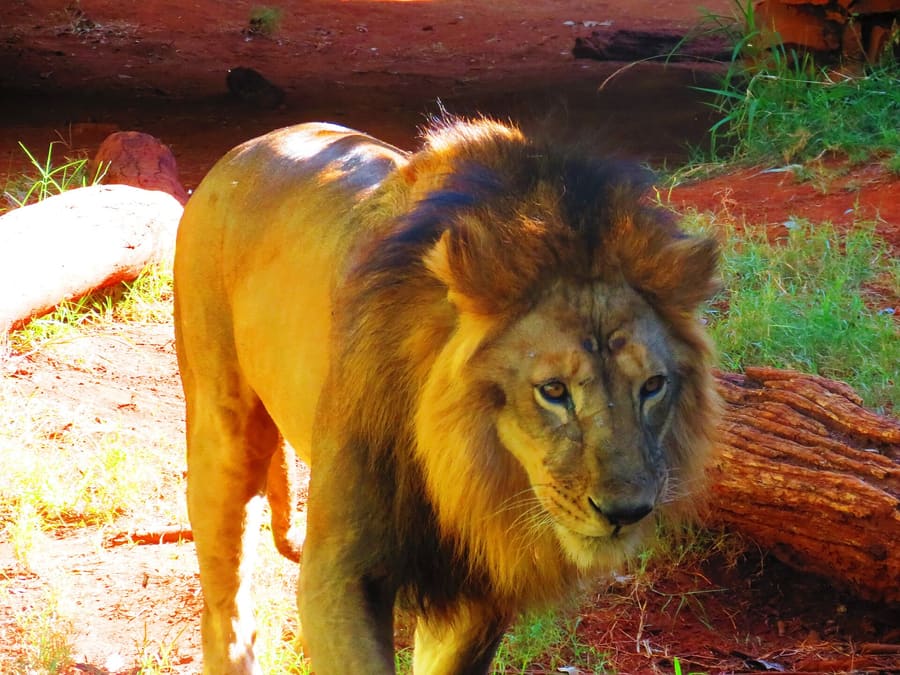
landmark
A native forest zoo holding capybaras, anteaters, and maned wolves. Entry is free, but parking fills up on Sunday mornings.
问问 Parleyattractions
areas
Modern high-rise district with wide avenues, shopping malls, and upscale steak restaurants.
附近Parque Raya and Novo Mercadão
问问 ParleyTraditional working-class neighborhood now home to independent craft breweries and workshops.
附近Cervejaria SP-330 taprooms
问问 ParleyHistorical commercial grid with art deco architecture, crowded plazas, and classic beer halls.
附近Theatro Pedro II and Mercadão Municipal
问问 ParleyQuiet tree-lined enclave between downtown and Zona Sul filled with casual bistros and bars.
附近Jardim Sumaré dining district
问问 Parleyfood
Ribeirão Preto drinking culture centers on chopp, a cold draft lager served in short glasses with two fingers of thick foam. The foam retains carbonation and insulates the liquid against heat. Local food relies heavily on inland Paulista ranching traditions, emphasizing grilled beef, fried cassava, and slow-cooked pork. Traditional bars serve portioned skewers called espetinhos alongside cold draft trays.
A freshly poured chopp with its signature thick foam collar at a traditional brewery bar.
The original uploader was SilkTork at English Wikipedia. · CC BY-SA 3.0Waiters circulate with trays of fresh glasses and swap empty ones automatically until you flip your coaster over.
Independent taprooms in Campos Elíseos open at 5:00 PM; arrive before 7:00 PM to secure patio seating.
history
Founded in 1856 by farmers seeking fertile terra roxa soil, Ribeirão Preto expanded rapidly with the coffee boom. Wealthy plantation owners built ornate mansions and opera houses downtown. When the coffee market shifted, sugarcane production took over the surrounding agricultural plains. Modern bioenergy and agribusiness transformed the regional market town into a major interior financial hub.
City foundation
Ranches merge near the Ribeirão Preto stream to form a settlement geared toward livestock and crops.
Mogiana railway arrives
Rail connectivity links local coffee plantations directly to Santos port, triggering massive migration.
Pedro II Theater opens
Coffee barons construct a luxury opera house, establishing the city as a cultural stopover.
Ethanol revolution
National biofuel policies convert coffee acreage into sugarcane, establishing a new industrial base.
where to stay
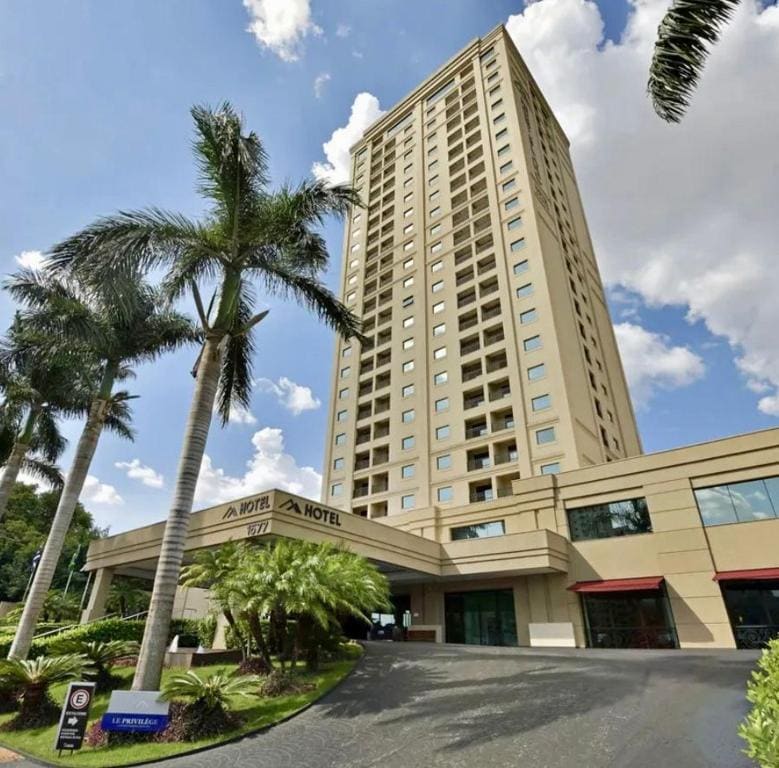
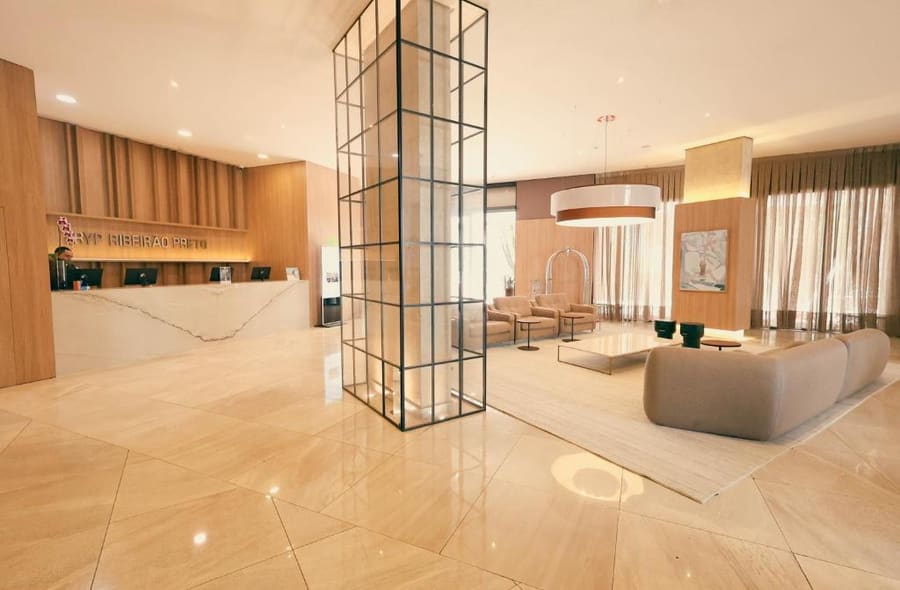
Choose your location based on your transport preferences and schedule. Downtown hotels put you within walking distance of theaters and historic bars, but streets grow quiet at night. Zona Sul offers modern business towers, fast access to shopping centers, and easy parking, but requires rideshares for every outing.
transport
Public transit relies on city buses managed by RP Mobi and operated by Consórcio PróUrbano using the Cartão Nosso ticketing system. Most visitors use rideshare services like Uber and 99, which operate reliably and affordably across all sectors. Distances between central landmarks and southern commercial zones are too long for walking in extreme heat.
从Doutor Leite Lopes Airport (RAO)出发
Pick up directly outside the main arrivals exit door.
Official airport taxis queue at the curb; fares are metered.
Line D 302 runs to the central bus station every 30 minutes.
City buses accept major contactless credit cards directly at the turnstile validator.
Avenida Francisco Junqueira jams solid between 5:30 PM and 7:00 PM; account for delays.
Drivers arrive within five minutes inside Zona Sul and Centro at almost any hour.
Avoid walking more than four blocks between 11:30 AM and 3:00 PM due to radiant pavement heat.
cost
Ribeirão Preto is cheaper than São Paulo capital, but high-end steakhouses and Zona Sul dining reach metropolitan price levels. Everyday meals at local buffets offer low prices and good quality.
Price for a 300ml glass of commercial chopp at traditional central halls.
Charged at independent microbreweries in Campos Elíseos.
Pay-by-weight lunch pricing at quality self-service restaurants downtown.
Covers rides between Centro and Vila Seixas or Zona Sul.
seasonality
MAY – AUG
Dry winter with clear skies and mild nights. Expect afternoon temperatures around 28°C and low humidity.
SEP – NOV
Peak heat period before heavy rains start. Temperatures frequently top 38°C; drink plenty of water.
DEC – FEB
Hot summer rainy season. Downpours occur almost daily in late afternoon, causing brief local street flooding.
MAR – APR
Rains lessen while trade fairs begin. Hotel rates surge during Agrishow in late April.
practicalities
Air humidity drops below 20 percent in August and September. Carry water bottles continuously.
Downtown shops close on Sunday, and many independent craft taprooms take Mondays off.
Cards and Pix digital payments work everywhere, including street snack carts.
English is rarely spoken outside major international hotels. Basic Portuguese phrases help immensely.
Apply repellent during summer months near park water features to avoid dengue bites.