landmark
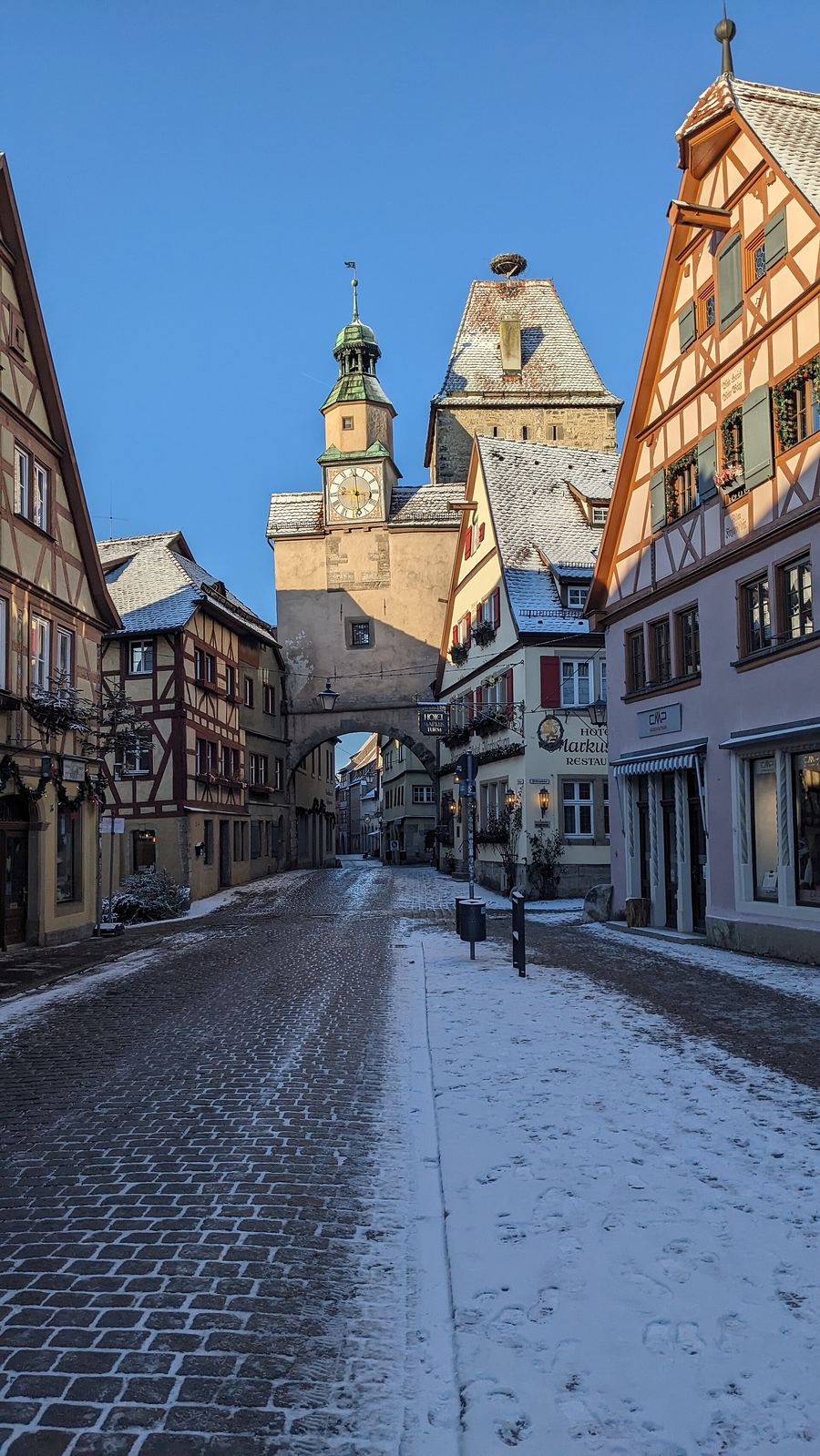
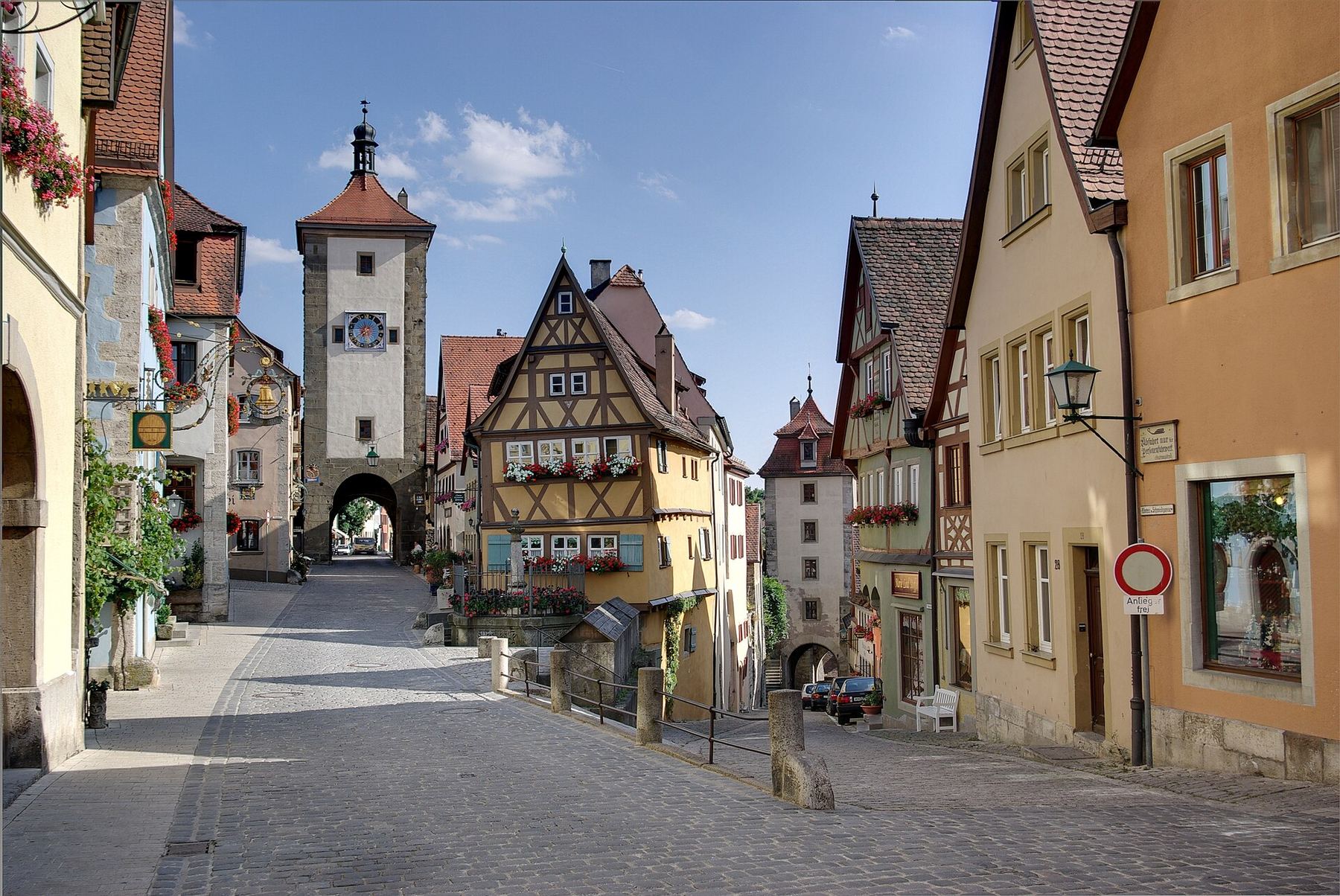
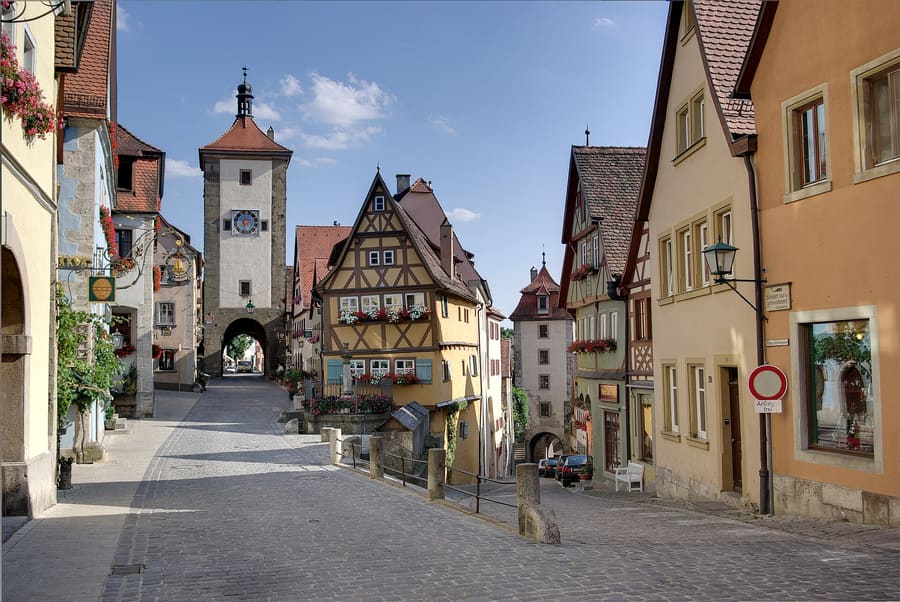
Plönlein
The historic street intersection framing two gate towers. Visit before 08:30 for photos without crowd clutter.
问问 Parley德国
A preserved medieval wall circuit above the Tauber Valley.
introduction
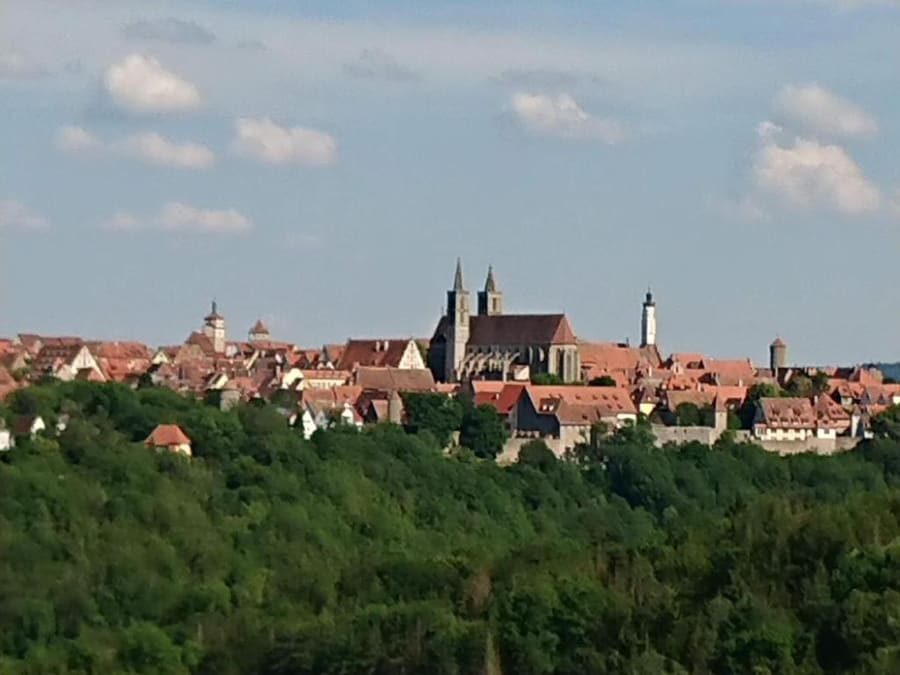
Rothenburg ob der Tauber sits behind an intact 14th-century wall loop above the Tauber River. The town operates as an active open-air monument where day-trippers arrive between 10:00 and 16:00. Walking the elevated ramparts gives you the clearest view of the layout before the crowds fill the streets. Staying overnight lets you explore quiet stone alleys after tour buses leave.
Rail arrival location
You arrive at Rothenburg ob der Tauber station. The station sits a flat ten-minute walk east of the Rödertor gate.
Intact ramparts
The town features one of Germany’s few entirely preserved medieval city walls that you can walk continuously.
The evening window
Day-trip tour groups depart by 16:30. Staying overnight turns a crowded photo backdrop into a quiet walkable town.
highlights
attractions
areas
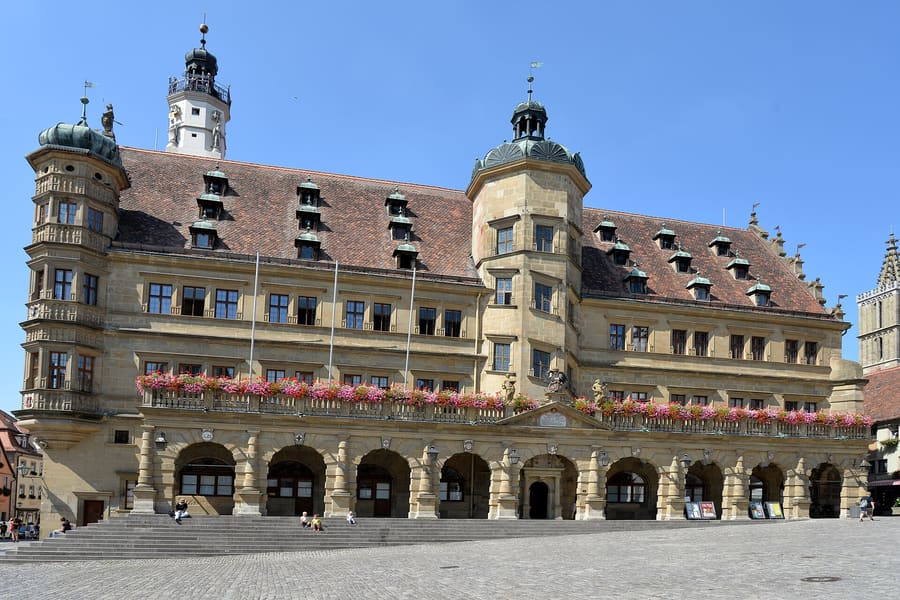
Timber-framed houses, central plazas, and high mid-day tour foot traffic.
附近St. Jakob and Marktplatz.
问问 Parley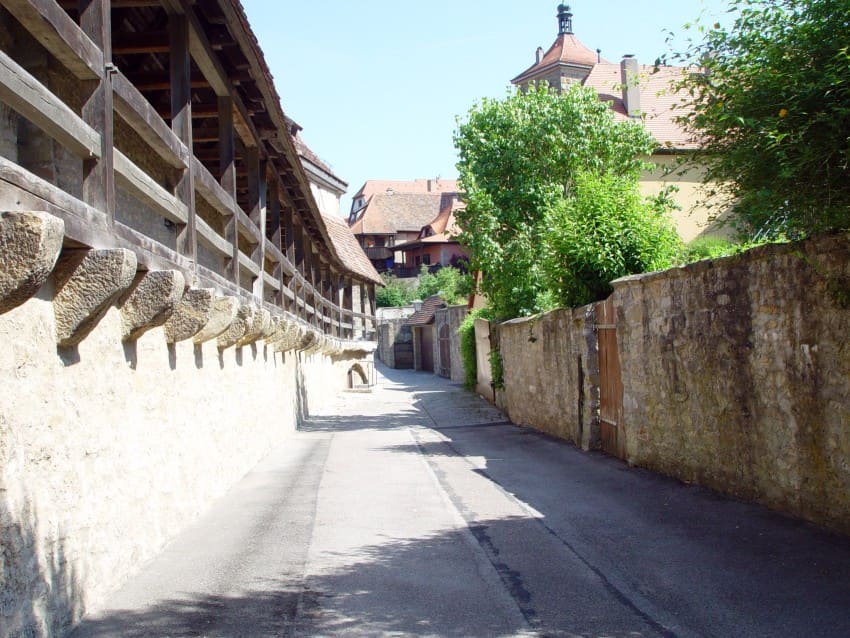
Southern district centered on the Spitalbastei fortress and quiet side streets.
附近Spitalbastei and the southern wall loop.
问问 Parley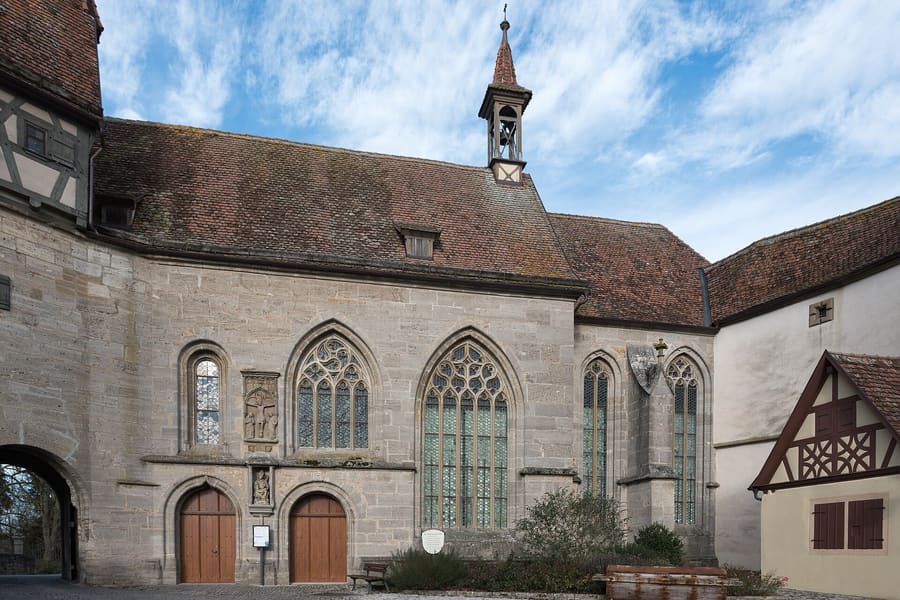
Northern end dominated by fortified gates and peaceful stone streets.
附近Klingentor tower and St. Wolfgang.
问问 Parleyfood
Dining in Rothenburg centers on hearty Frankish meat dishes and local pastries. Silvaner white wine is served in traditional flat round bottles called Bocksbeutel. Side alleys off the main square offer higher food quality and lower prices than Marktplatz venues.
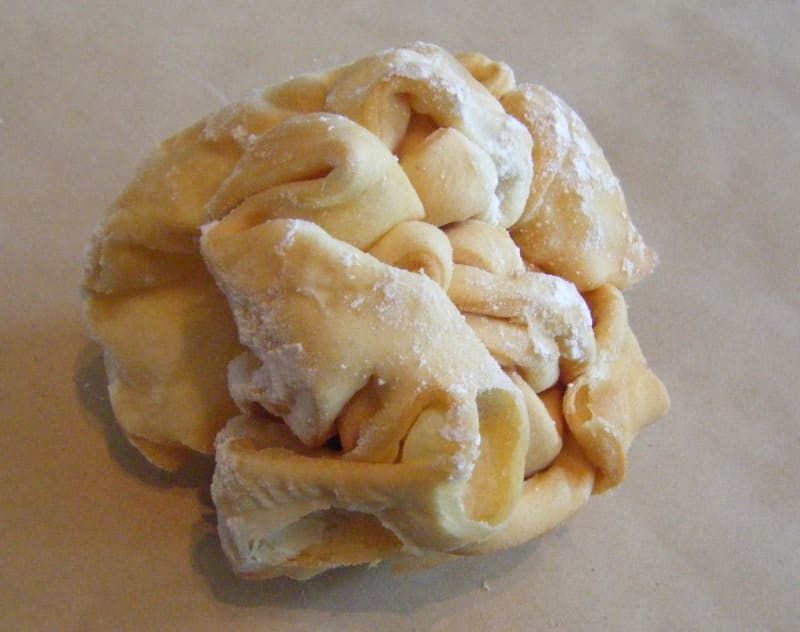
A traditional Schneeball pastry made of fried shortcrust dough dusted with powdered sugar.
S.kapfer · CC BY-SA 3.0The local pastry is shortcrust dough rolled into a ball and fried. Buy simple powdered-sugar versions; chocolate-coated versions often dry out.
Town kitchens close order intake early, often by 20:30. Book tables in advance for evening dining as seat capacity drops quickly.
Order local Silvaner wine by the glass in traditional taverns rather than buying decorative souvenir bottles.
history
Rothenburg gained free imperial city status in 1274, driving three centuries of construction. Economic stagnation following the Thirty Years' War halted development, which preserved its 16th-century architecture. Preservation laws enacted in 1900 protected this historical streetscape from modern changes.
Imperial status
King Rudolph I grants Rothenburg Free Imperial City status, launching a major urban building era.
Thirty Years' War
The town is occupied by Catholic forces. The resulting economic decline freezes urban development for centuries.
Preservation decree
Strict local building laws mandate the retention of medieval facades and traditional tile roofs.
where to stay
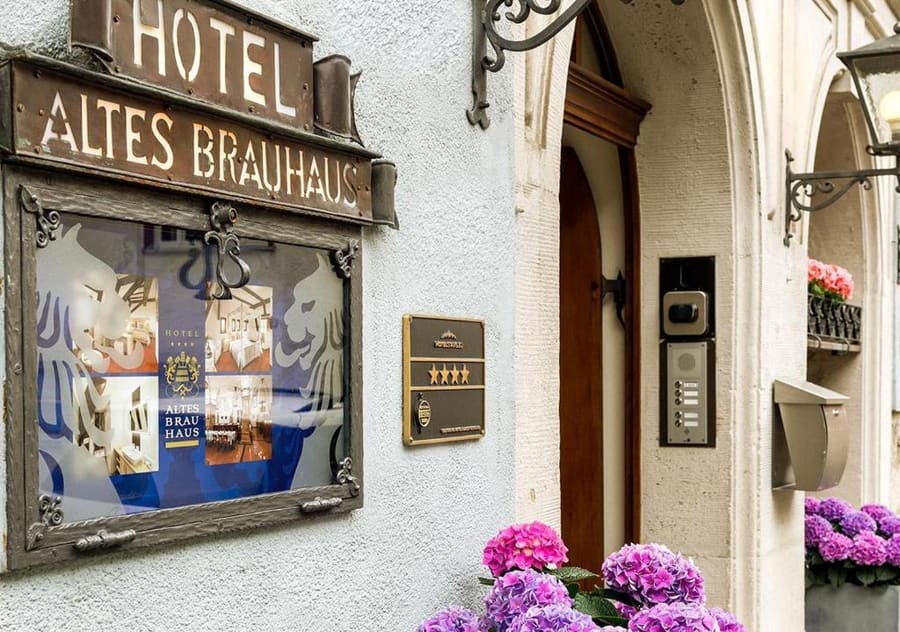
Choose your accommodation based on whether you want step-out access to the central plaza or a quiet night away from day-trip crowds.
transport
Rothenburg's old town inside the walls is walkable from end to end in twenty minutes. Non-resident vehicle access is restricted, so drivers must park in lots outside the wall perimeter.
从Rothenburg ob der Tauber Bahnhof出发
Walk 800 meters west from the main station through Rödertor gate to enter the old town.
Taxis wait at the main station exit during regional train arrivals.
Cobblestones cover the entire inner town. Flat walking shoes are necessary for navigating uneven streets.
Park outside the walls at designated lots P1 through P5 for €6 per day. Inner town driving is restricted.
Regional train travel requires changing trains at Steinach station when coming from Würzburg or Nuremberg.
Walking the elevated town wall is free and open continuously through staircase entrances.
cost
Prices reflect tourist demand, but food and museum costs remain lower than in larger German cities like Munich.
No entry ticket is required to access the two-kilometer fortification loop.
Covers Frankish pork shoulder or sausage plates in local taverns.
Price varies depending on size and chocolate topping options.
seasonality
MAR – MAY
Spring brings mild temperatures and manageable crowds before summer bus tours peak.
JUN – AUG
Warm days and high crowd density between 10:00 and 16:00. Book hotel rooms well in advance.
SEP – NOV
Wine harvest season in the Tauber valley brings autumn foliage and lower visitor numbers.
DEC
Reiterlesmarkt Christmas market fills Marktplatz. High room rates and heavy evening crowds.
practicalities
Wheeled suitcases perform poorly on local rough stone streets. Carry bags when possible.
Independent bakeries and small snack kiosks frequently do not take credit cards.
Restrooms near Marktplatz and Spitalbastei require a €0.50 coin entry fee.