landmark
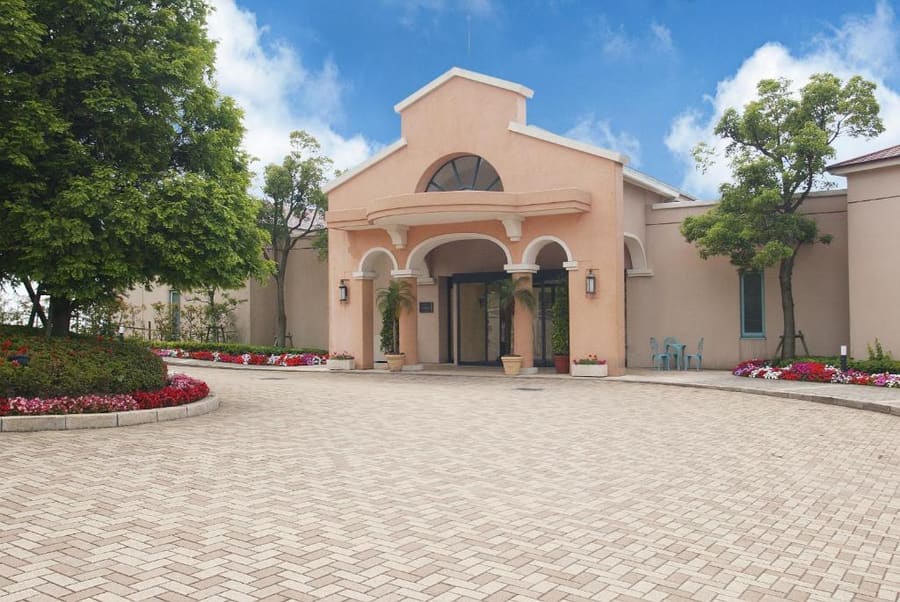
Kujukushima Pearl Sea Resort
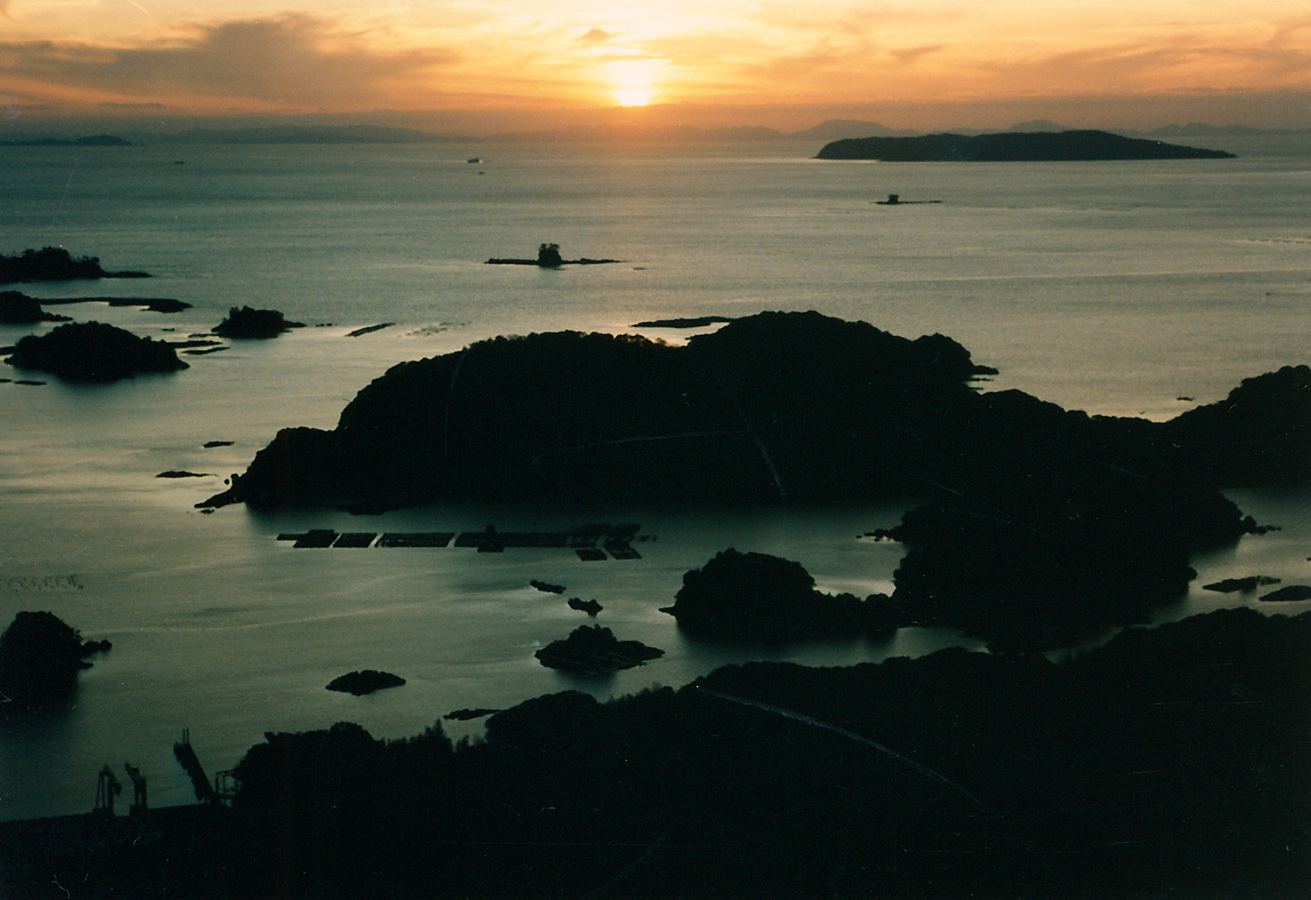
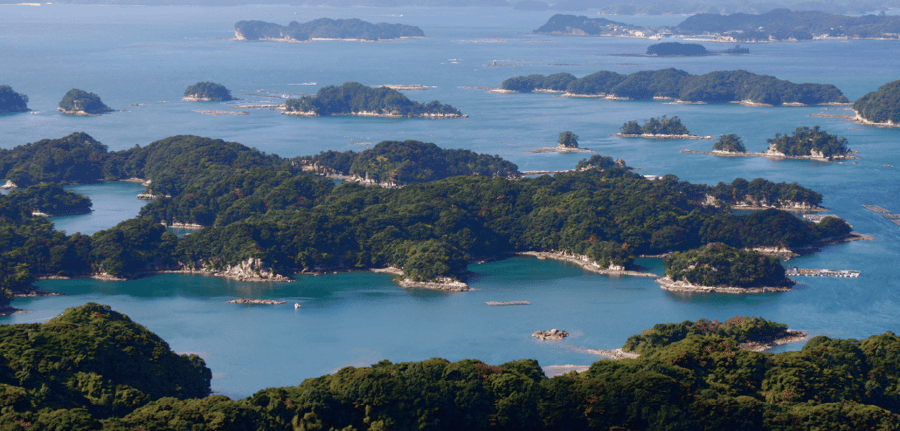
Ferries navigate through 208 densely clustered islands. Take the morning cruise to avoid school tours.
问问 Parley日本
Naval architecture, island waters, and American outpost culture.
introduction
Sasebo built its identity around deep water and military logistics. The US Navy and Japan Maritime Self-Defense Force share the harbour, giving the town center a distinct American-influenced layout. Excursion cruises into the island-packed Kujukushima bay depart from Kashimae Pier at the Kujukushima Pearl Sea Resort, located west of the central port area. You navigate Sasebo on foot around the linear station-to-arcade corridor, using local buses for the hill lookouts.
Airport express bus transfer
Nagasaki Airport non-stop buses take 75 minutes directly to Sasebo Station. Buy tickets at the outdoor machine before boarding.
Longest continuous shopping arcade
Sasebo Yoncho-me arcade stretches nearly one kilometer. It runs continuously without exposed street crossings.
Matsuura Railway scenic rail
The Matsuura Railway line runs north along the coast toward Tabira-Hiradoguchi. It operates Japan's westernmost train station.
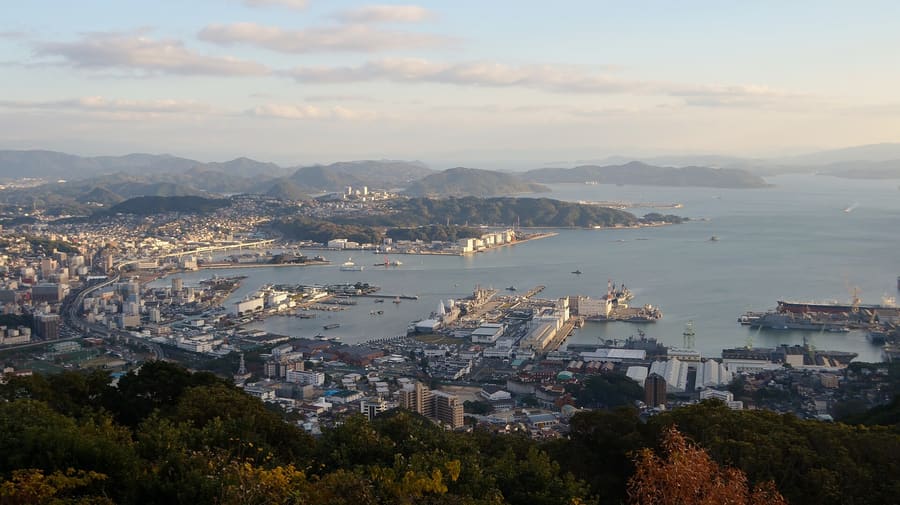
Sasebo
Rekishi-JAPAN · CC BY-SA 4.0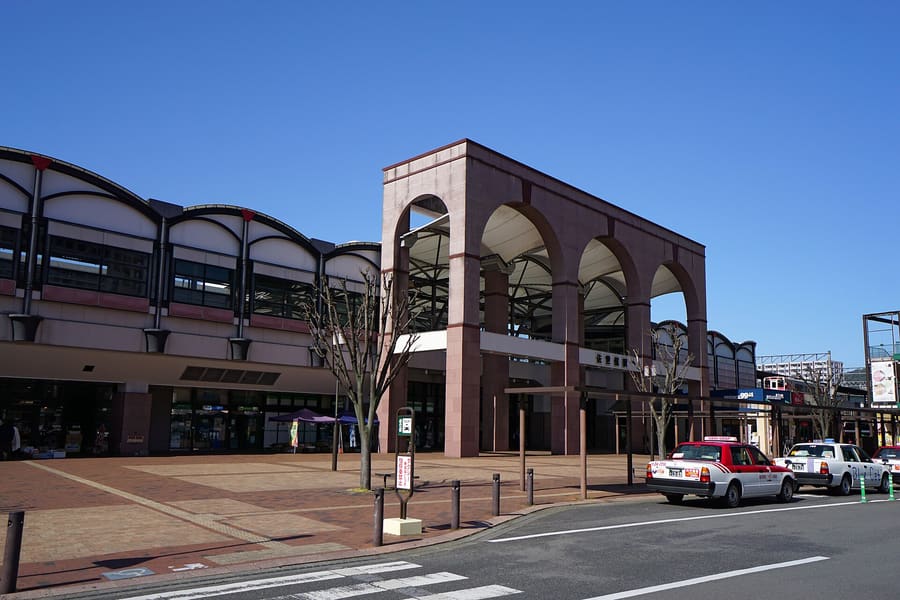
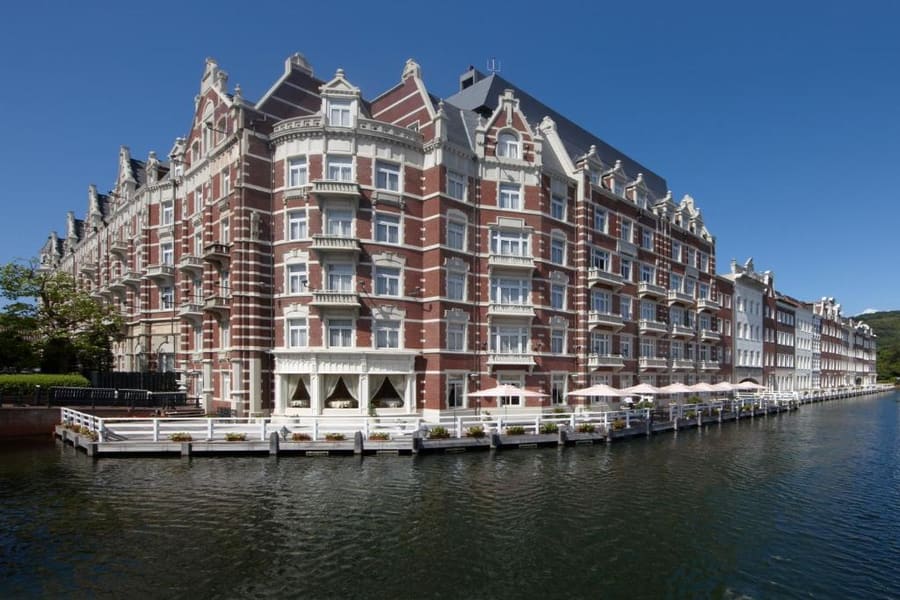
Station & Port — Transit hub with ferry piers, modern hotels, and fast train connections to Hakata.
663highland · CC BY-SA 4.0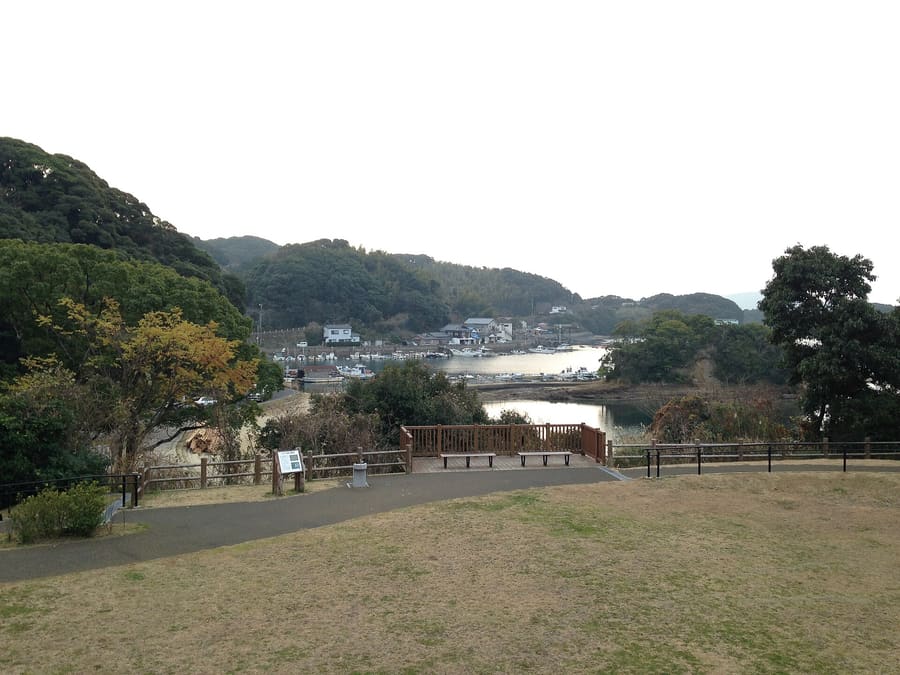
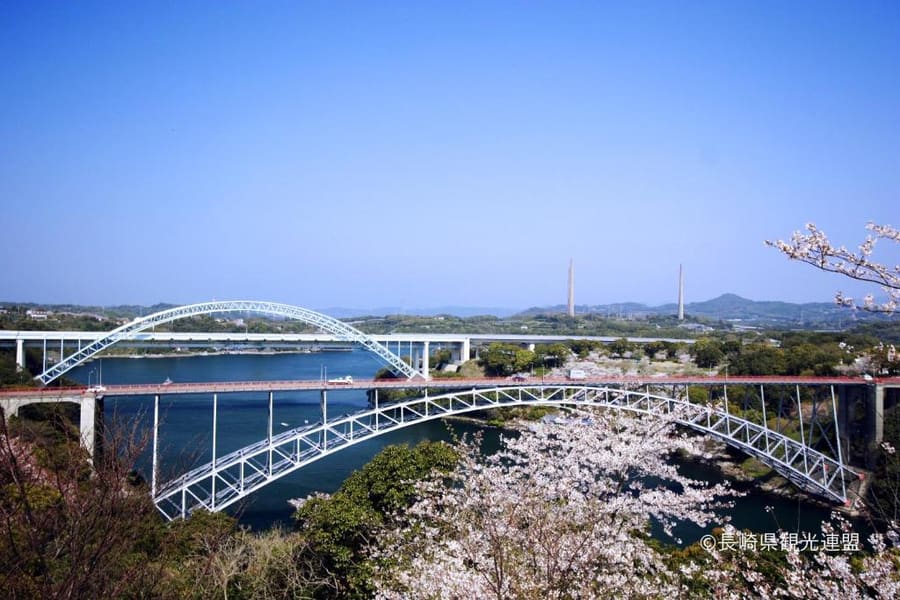
Kujukushima Bay — Coastal resort hub focused on marine sports, boat cruises, and family aquariums.
そらみみ · CC BY-SA 4.0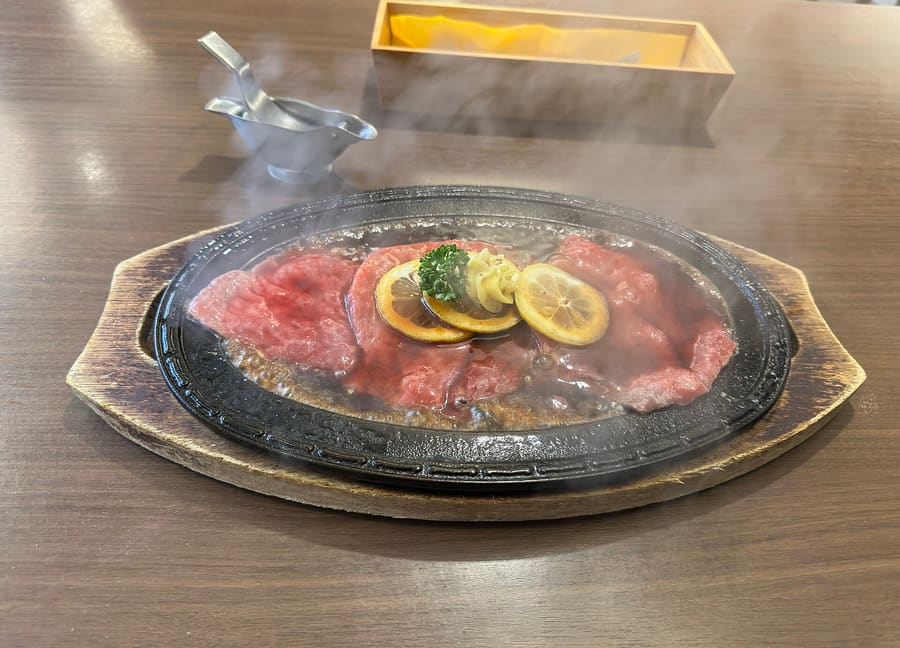
Sasebo lemon steak served sizzling on hot iron with sweet citrus soy sauce.
Sayapiyo · CC BY 4.0highlights
landmark
Ferries navigate through 208 densely clustered islands. Take the morning cruise to avoid school tours.
问问 Parley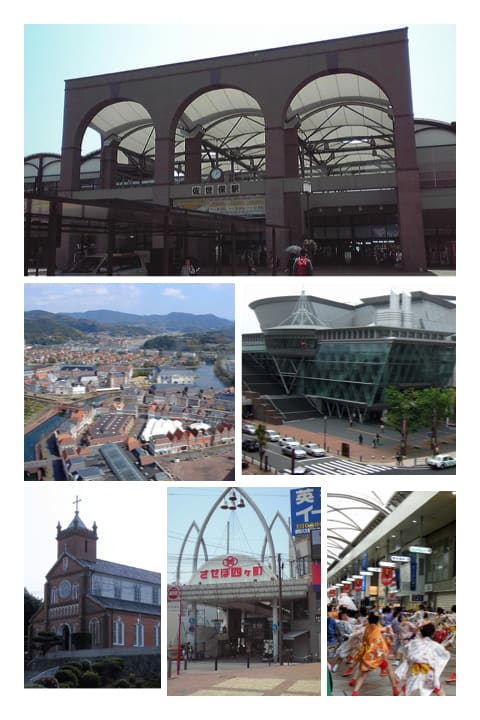
landmark
One of Japan's longest straight arcades. The southern end connects directly toward Sasebo Station.
问问 Parley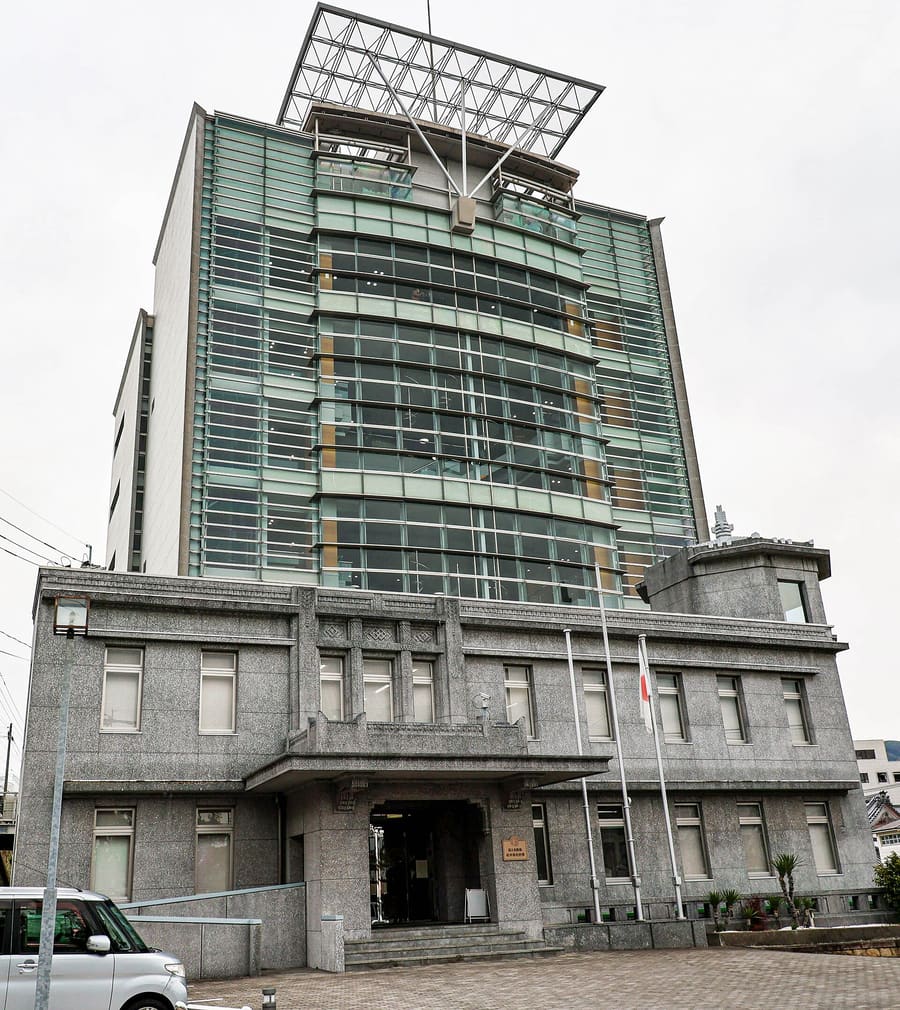
landmark
Seven floors detailing Japanese naval operations from 1889 to today. Admission is completely free.
问问 Parley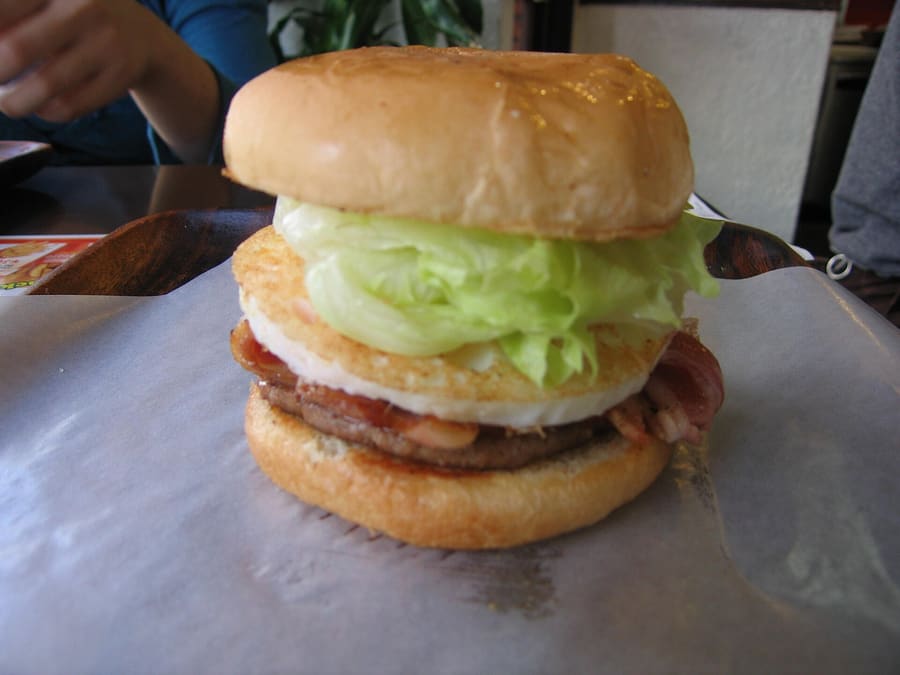
landmark
Serves the handmade US Navy-inspired burger established in 1951. Expect line waits at peak lunch hours.
问问 Parleyattractions
areas
Transit hub with ferry piers, modern hotels, and fast train connections to Hakata.
附近Sasebo Station, Ferry Terminal, Miura-cho Church
问问 Parley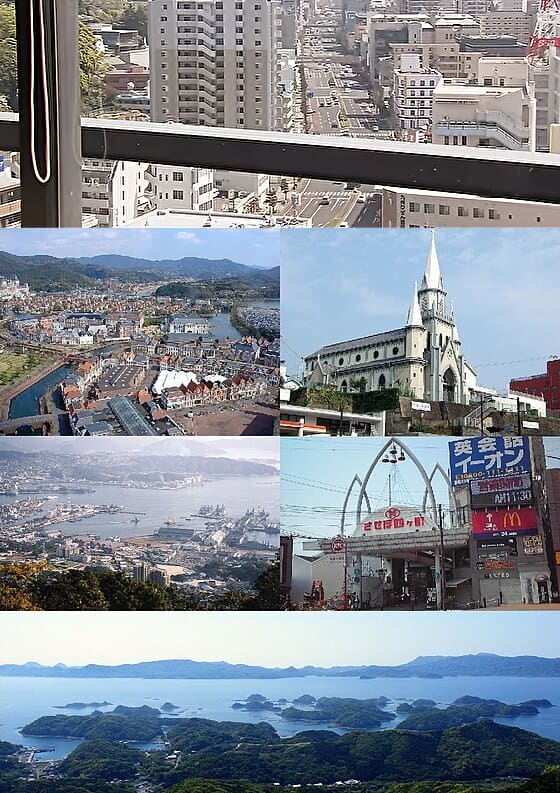
Shielded pedestrian corridors packed with late-night eateries, military bars, and local retail.
附近Yoncho-me Arcade, Sailor Bars, Hikari Burger
问问 ParleyCoastal resort hub focused on marine sports, boat cruises, and family aquariums.
附近Pearl Sea Resort, Kujukushima Aquarium, Ferry Dock
问问 Parley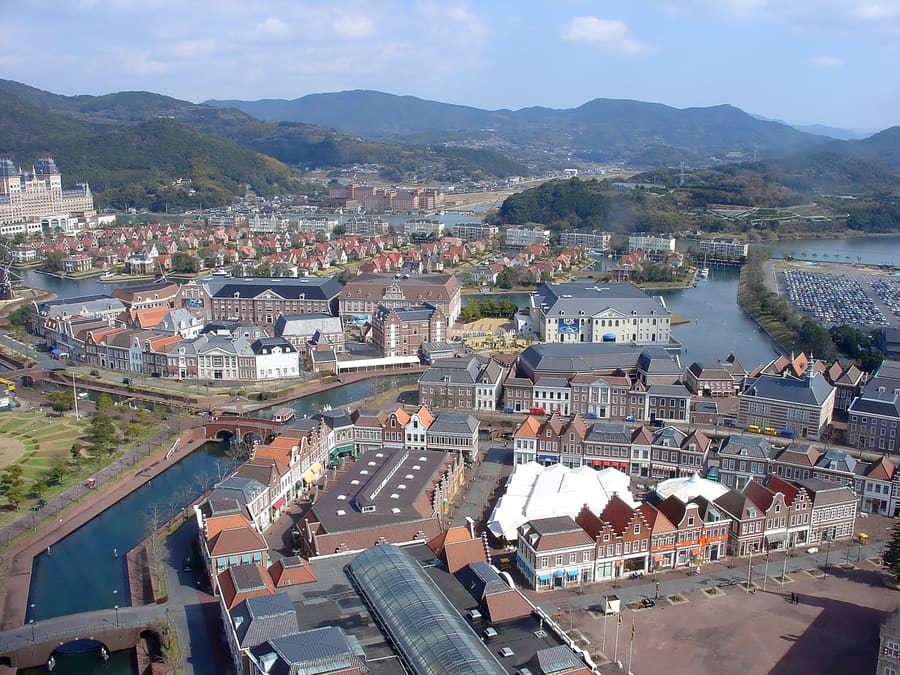
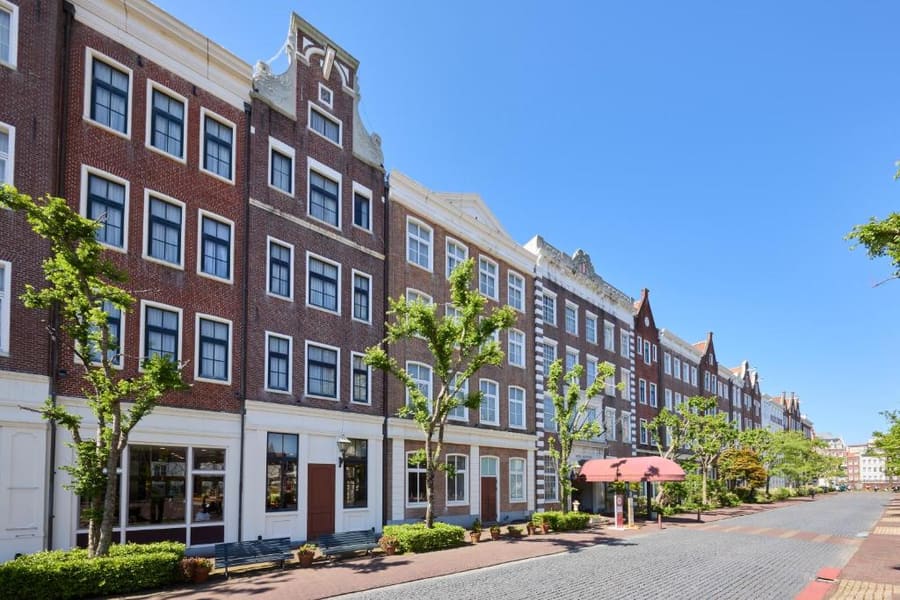
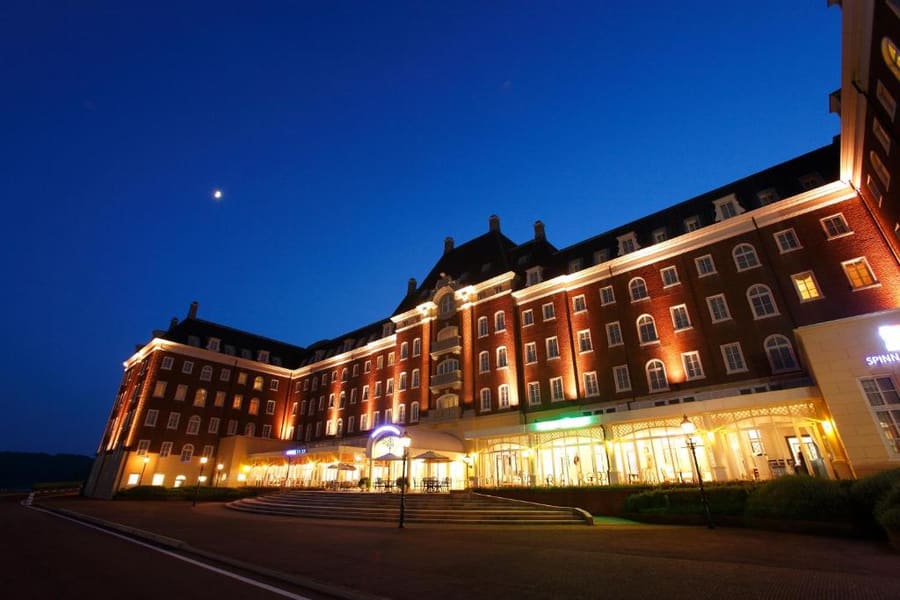
Replicated Dutch architecture district with resort accommodation twenty minutes south.
附近Huis Ten Bosch Resort, JR Huis Ten Bosch Station
问问 Parleyfood
Sasebo's food customs reflect mid-twentieth-century American military presence blended with local sea ingredients. Local cooks adapted US military recipes during the 1950s, creating handmade burgers defined by sweet Japanese mayonnaise and cooked-to-order bacon. Lemon steak emerged later as a Japanese response to thick Western cuts, slicing beef thin to sear fast on iron plates with soy-citrus sauce. Sasebo's famous winter oysters are harvested from Kujukushima Bay.
Sasebo lemon steak served sizzling on hot iron with sweet citrus soy sauce.
Sayapiyo · CC BY 4.0Look for the official Sasebo Burger Boy sign at storefronts. It guarantees patties are made fresh to order rather than pre-cooked.
Eat the beef slices first while sizzling hot. Pour white rice directly onto the remaining iron plate gravy to finish the meal.
history
Sasebo transformed rapidly from a fishing village of 4,000 people into a heavy naval base when Emperor Meiji established the Sasebo Naval District in 1889. Deep natural anchorages and direct sea access to continental Asia made it a central repair hub for the Imperial Navy. Following WWII, the United States Navy occupied part of the port, establishing Fleet Activities Sasebo, which remains operational alongside Japan's Maritime Self-Defense Force today.
Naval Base Established
Imperial Navy selects Sasebo harbour for its deep natural shelter, building shipyards and dry docks.
US Naval Occupation
US forces take control of key port facilities following the end of World War II.
Sasebo Burger Born
Local food stalls learn burger preparation directly from US Navy base cooks.
Huis Ten Bosch Opens
Major Dutch-themed resort opens south of the city on reclaimed land along Omura Bay.
where to stay
Base your stay around your primary travel goal. Pick Ekimae for smooth rail connections and early ferry departures to the islands. Choose the Yoncho-me Arcade area if you want walkability to late-night bars and local restaurants. Reserve a resort hotel in Kujukushima or Huis Ten Bosch if you prefer coastal views or park access over urban transit convenience.
transport
Sasebo relies on JR Kyushu trains, the regional Matsuura Railway, and buses from the private Saihi Bus company, which took over municipal routes in 2019. Sasebo Station serves as the central hub where train lines meet the main bus terminal and harbour ferry docks. Walking is easy between Sasebo Station and the central arcade. Hilltop lookouts like Yumihari require public buses or local taxis.
从Nagasaki Airport (NGS)出发
Non-stop airport express bus runs directly to Sasebo Station main terminal.
Best for groups carrying heavy luggage off scheduled bus arrival times.
JR Midori Limited Express connects Sasebo to Hakata Station in Fukuoka in 1 hour 50 minutes without transfers.
Take Sasebo City Bus line SS1 from stop 6 outside Sasebo Station directly to Pearl Sea Resort dock in 25 minutes.
cost
Sasebo offers moderate pricing compared to major Japanese metropolises like Tokyo or Fukuoka. Meals and public transport are affordable, though attraction tickets for commercial parks require dedicated planning.
Price for a full-size handmade burger with egg, bacon, and cheese.
Includes thinly sliced beef iron plate set with rice and soup.
Standard 50-minute cruise ticket around the islands for adults.
Standard one-way fare from Sasebo Station to local scenic spots.
seasonality
MAR – MAY
Mild spring temperatures ideal for island cruises and Yumihari lookout walks.
JUN – AUG
Hot and humid with intense sun on water cruises. High sea activity and sea kayaking.
SEP – NOV
Clear skies and moderate heat offer the sharpest visibility across Kujukushima bay.
DEC – FEB
Chilly sea winds. Local oyster huts open along Kujukushima bay for winter dining.
practicalities
US military paydays on the 1st and 15th of each month make arcade bars significantly busier in the evening.
While main station hotels take credit cards, historic burger stands in town center require Japanese cash.
Photography is permitted around the tourist port, but avoid pointing telephoto lenses into restricted US Navy shipyards.
Local winter oyster harvesting runs from November to February with waterfront grill huts operating on weekends.