landmark
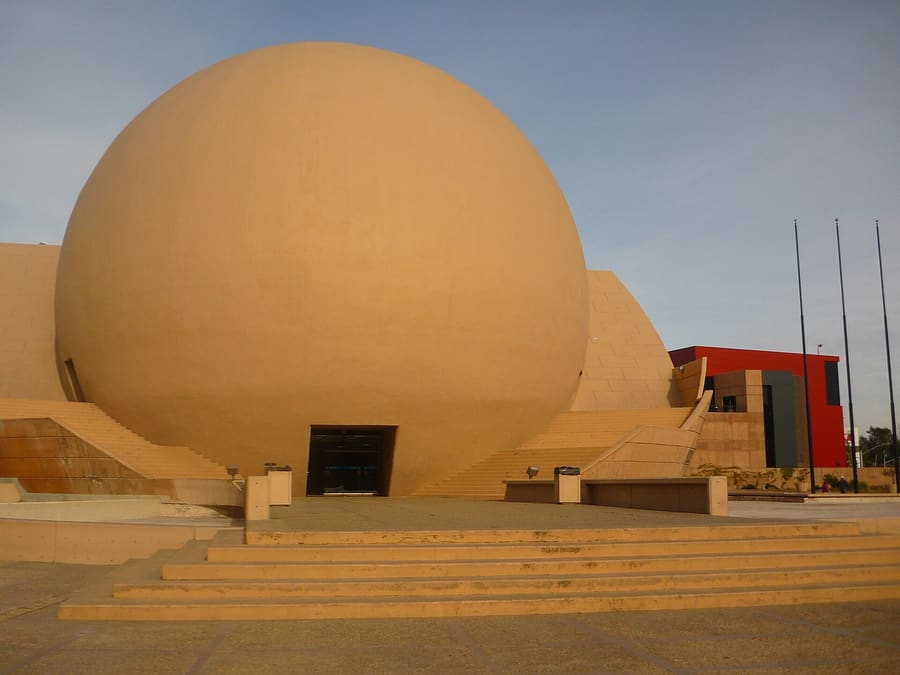
Centro Cultural Tijuana (CECUT)
An iconic spherical cultural complex housing an IMAX theater, museum, and art galleries. Visit the permanent exhibit on Baja California history.
问问 Parley墨西哥
Craft beer, Baja Med cuisine, and a re-invented border city.
introduction
Tijuana sits directly on the US border, defined by constant movement and cultural synthesis. You move between historic arcades in Zona Centro, modern culinary dining in Zona Río, and the Pacific coastline at Playas. Expect dense traffic, aggressive street vendors, and some of North America's most creative food and beer.
Crossing via CBX
The Cross Border Xpress bridge connects San Diego directly to Tijuana Airport. You walk across the border inside an enclosed pedestrian terminal in under 15 minutes.
Birthplace of the Caesar Salad
Italian immigrant Caesar Cardini created the Caesar salad at his Tijuana restaurant in 1924. Staff still prepare it tableside using his original recipe on Avenida Revolución.
Tijuana
Johntex · CC BY 2.5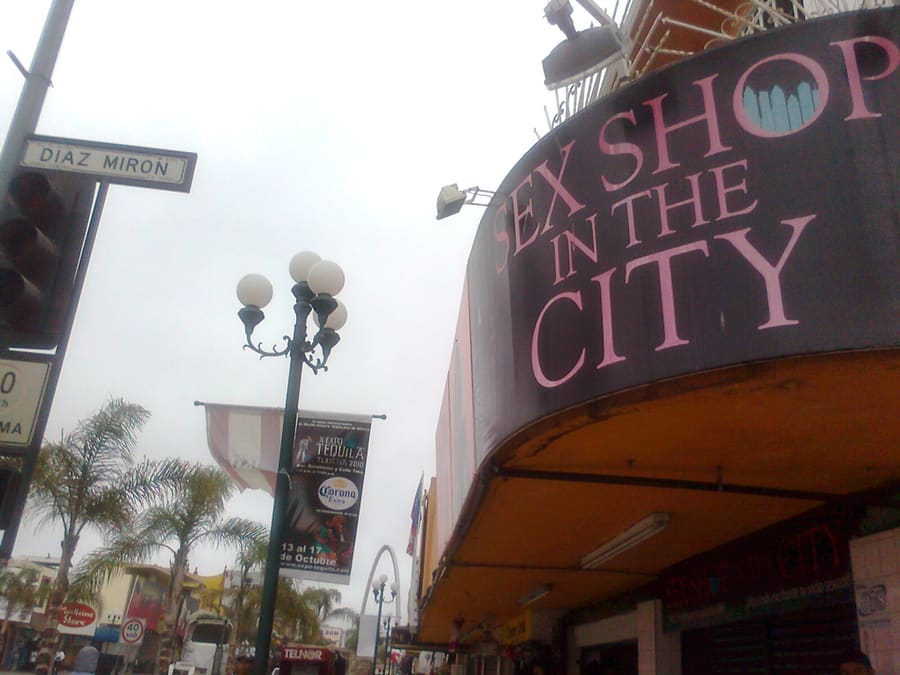
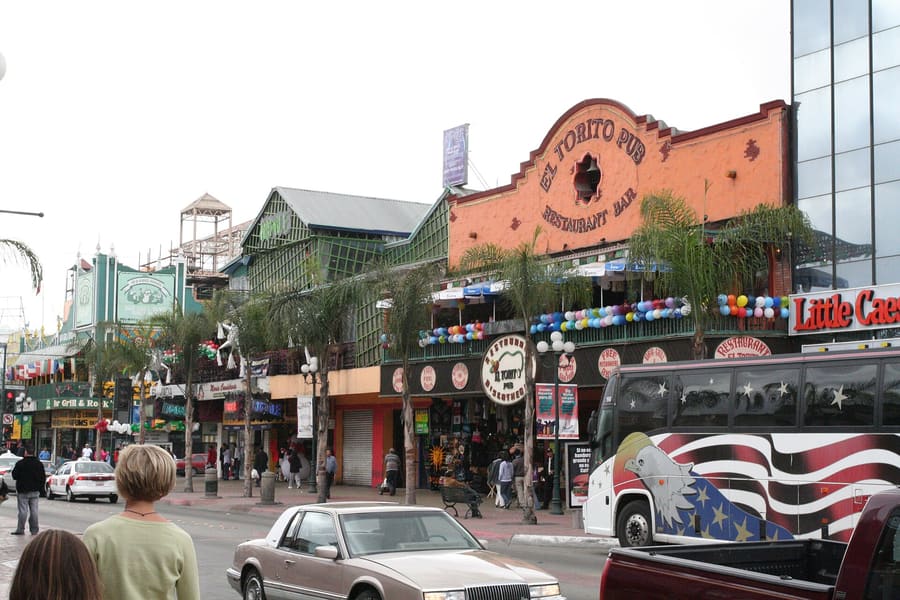
Zona Centro — Historic, gritty, and pedestrian-heavy. Home to craft beer alleys, classic arcades, and late-night tacos.
osdarin · CC BY-SA 3.0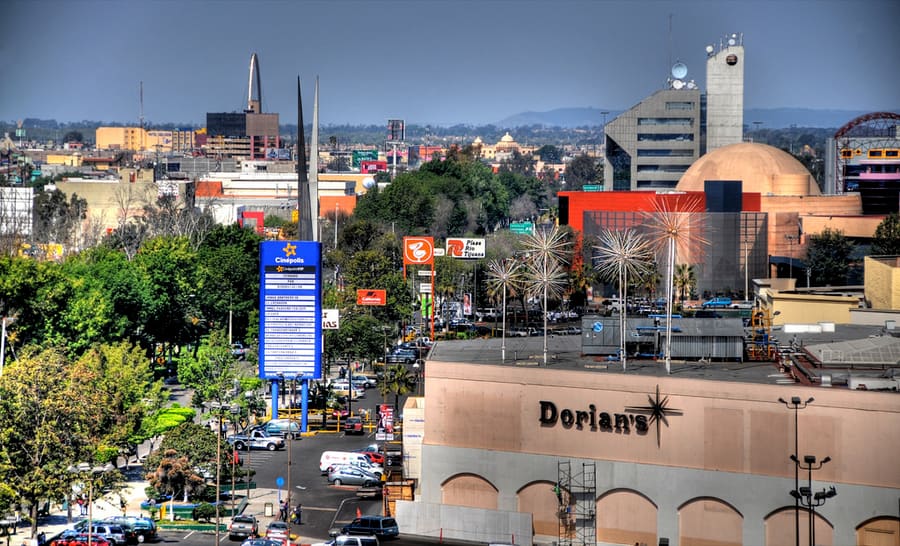
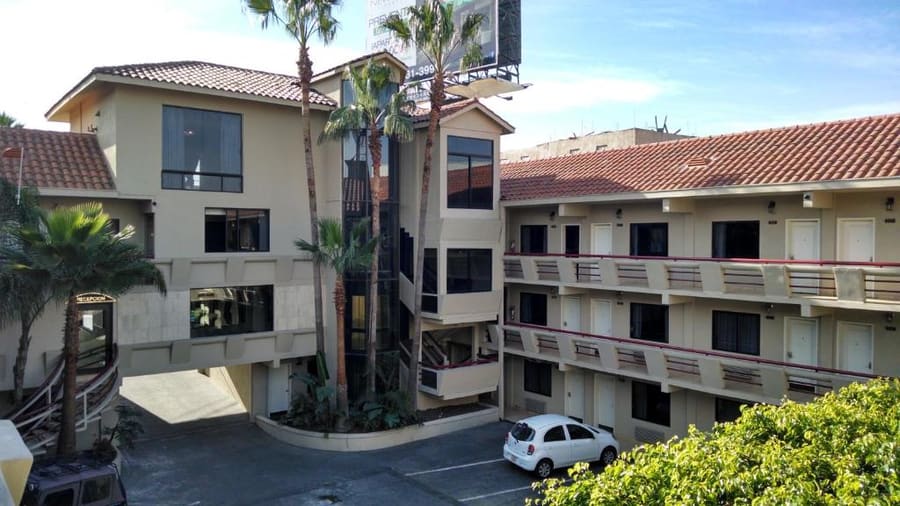
Zona Río — Sleek, modern, and business-focused. Features high-end Baja Med restaurants, broad avenues, and hotels.
PedroEmiliano · CC BY-SA 4.0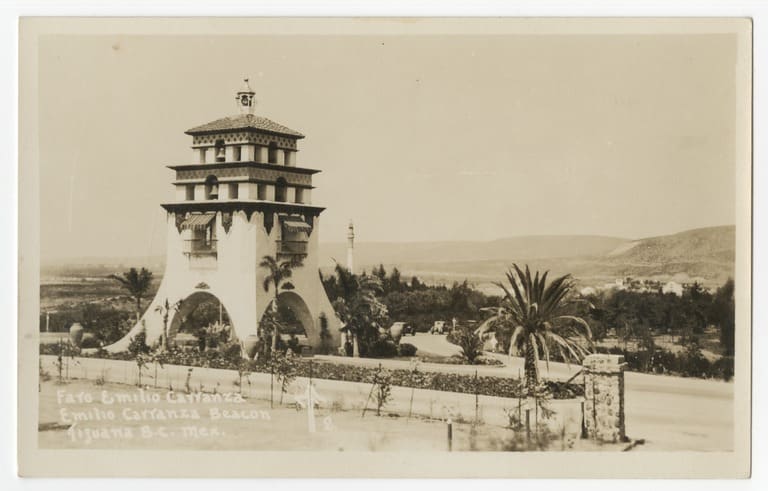
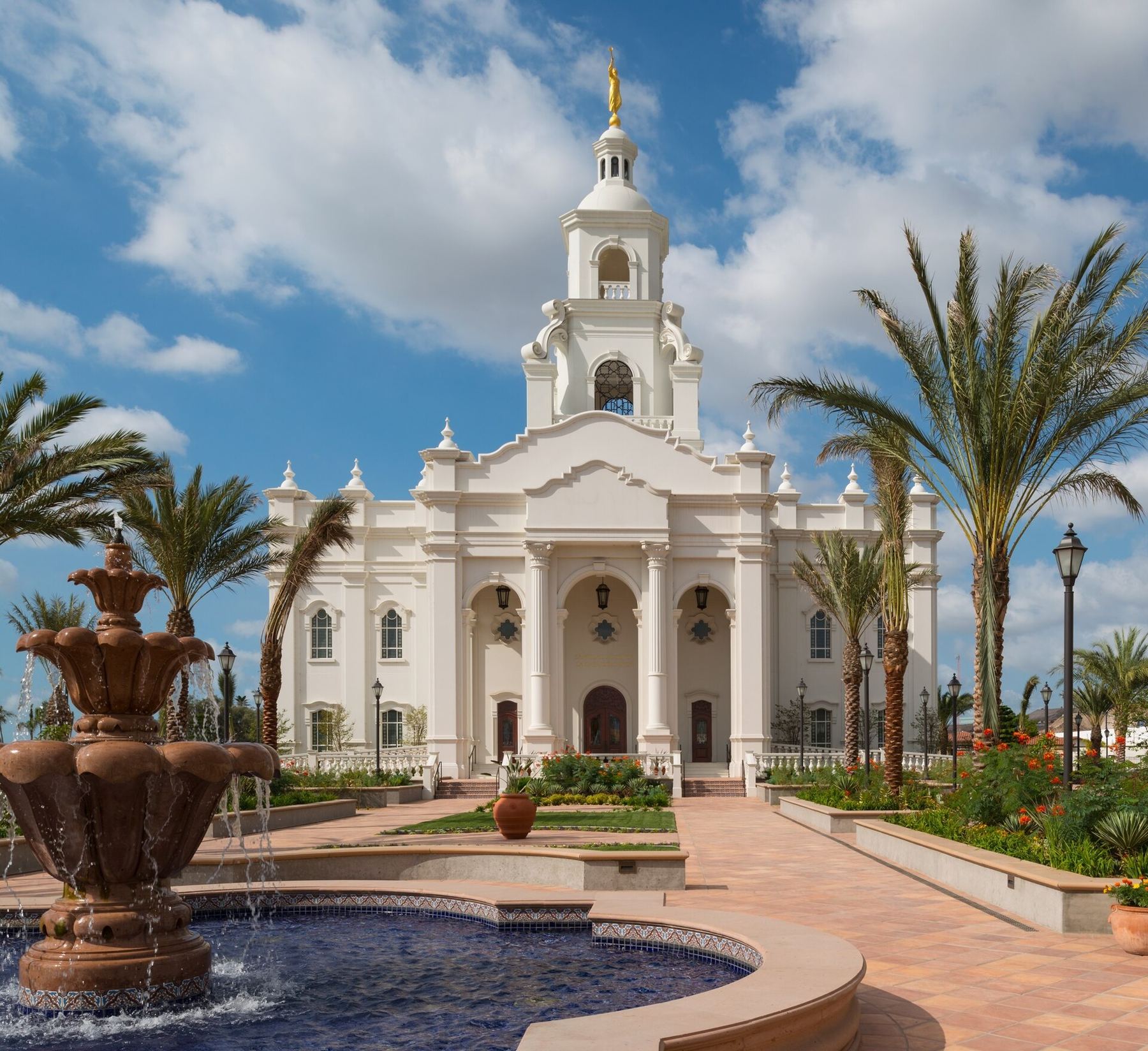
Agua Caliente — Upscale residential area anchored by golf courses and casinos. Calm, clean, and spread out.
M. Kashower Co. Colección de Baja California and the West Postcard · CC BY-SA 4.0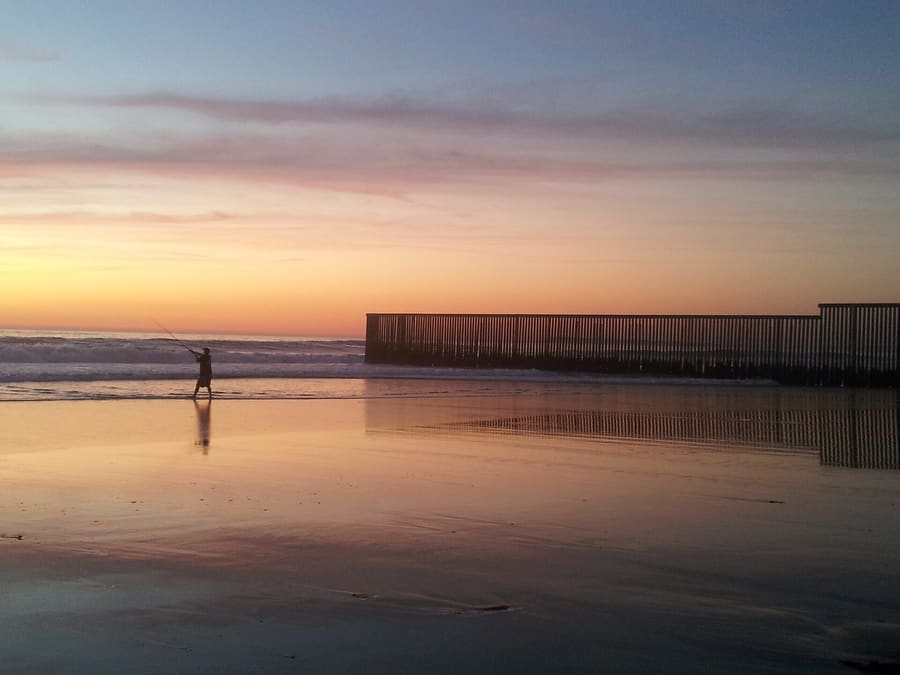
Playas de Tijuana — Coastal neighborhood with a laid-back boardwalk. Ocean breezes contrast with heavy border infrastructure.
Eekiv · CC BY-SA 3.0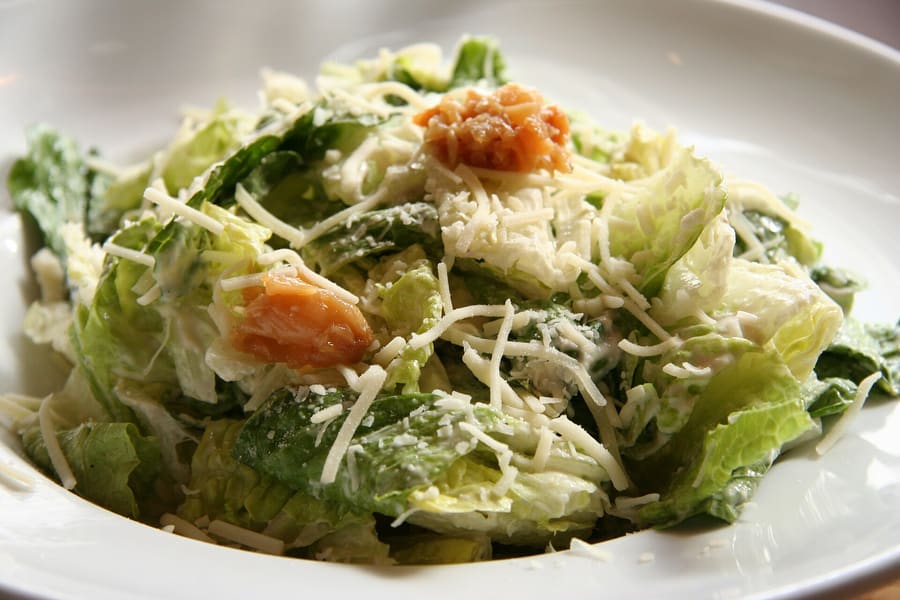
The Caesar salad prepared tableside at its birthplace on Avenida Revolución.
Geoff Peters from Vancouver, BC, Canada · CC BY 2.0highlights
landmark
An iconic spherical cultural complex housing an IMAX theater, museum, and art galleries. Visit the permanent exhibit on Baja California history.
问问 Parley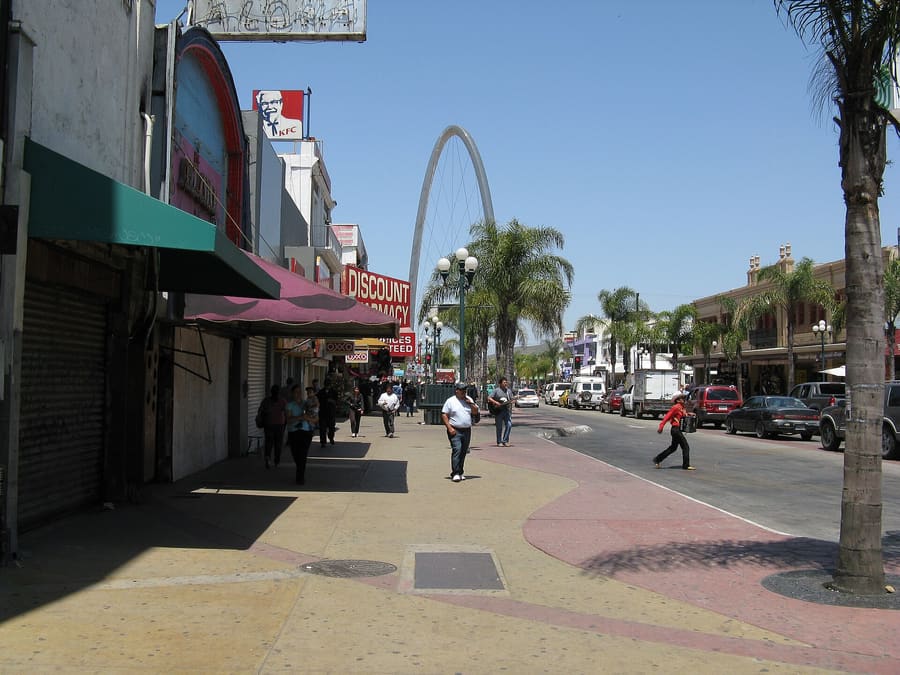
landmark
The historic main artery, famous for striped zonkeys and craft breweries. Walk the avenue by day before craft bars open late.
问问 Parley
landmark
A seaside neighborhood where the border fence runs into the ocean waters. Walk the boardwalk for fresh seafood and Pacific sunsets.
问问 Parleyattractions
areas
Historic, gritty, and pedestrian-heavy. Home to craft beer alleys, classic arcades, and late-night tacos.
附近San Ysidro Border Crossing and Zona Río.
问问 ParleySleek, modern, and business-focused. Features high-end Baja Med restaurants, broad avenues, and hotels.
附近CECUT, Mercado Hidalgo, and Plaza Fiesta.
问问 ParleyUpscale residential area anchored by golf courses and casinos. Calm, clean, and spread out.
附近Estadio Caliente and Zona Río.
问问 ParleyCoastal neighborhood with a laid-back boardwalk. Ocean breezes contrast with heavy border infrastructure.
附近Pacific Coast and US Border Wall.
问问 Parleyfood
Tijuana transformed its culinary reputation by founding Baja Med, a cooking style combining Mexican ingredients with Mediterranean and Asian influences. Executive chefs like Javier Plascencia brought international attention to the city through local seafood, olive oil, and regional wines. Street food remains equally vital, from charcoal-grilled adobada tacos cooked on trompos to tableside Caesar salads in historic dining rooms.
The Caesar salad prepared tableside at its birthplace on Avenida Revolución.
Geoff Peters from Vancouver, BC, Canada · CC BY 2.0Eat the original Caesar salad prepared tableside at Hotel Caesar's on Avenida Revolución, where it was invented in 1924.
Order tacos de adobada on corn tortillas topped with guacamole and salsa at this famous late-night taquería in Zona Río.
Sample regional IPAs and stouts across dozens of microbrewery taprooms packed into a single open-air shopping complex.
history
Tijuana evolved rapidly from a 19th-century border ranching settlement into a booming international gateway. US Prohibition transformed the city into an entertainment enclave, giving rise to grand resorts, casinos, and nightlife strips. Modern Tijuana relies heavily on international trade, assembly plants, and a flourishing domestic arts and culinary economy.
Official Foundation
Tijuana is officially founded as a municipality following land division disputes along the new international border.
Prohibition Boom
US Prohibition turns Tijuana into a major entertainment hub, attracting tourists to casinos like Agua Caliente.
Maquiladora Program
The Border Industrialization Program establishes foreign-owned manufacturing plants, driving rapid population growth.
Culinary Renaissance
Local chefs launch the Baja Med movement and craft beer boom, reshaping Tijuana into a regional food capital.
where to stay
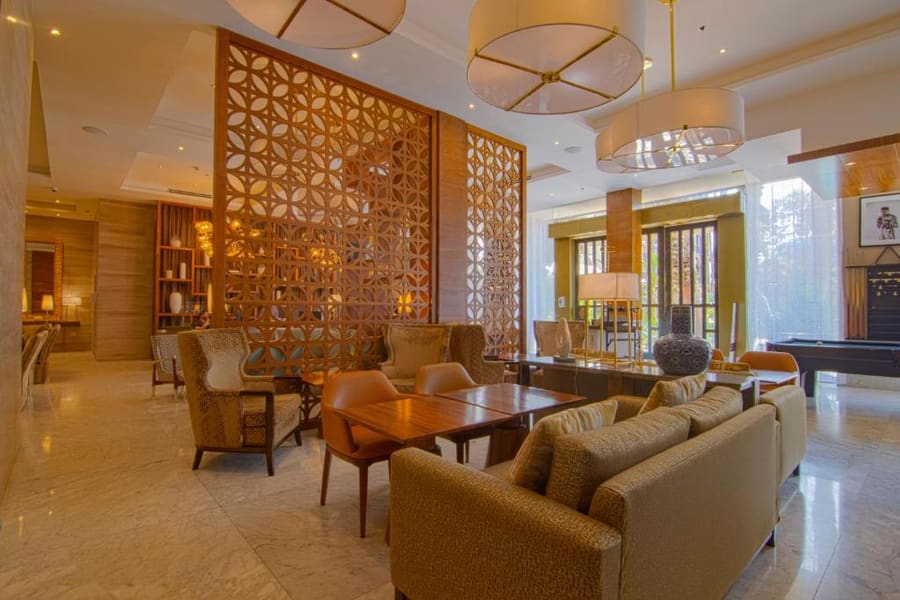
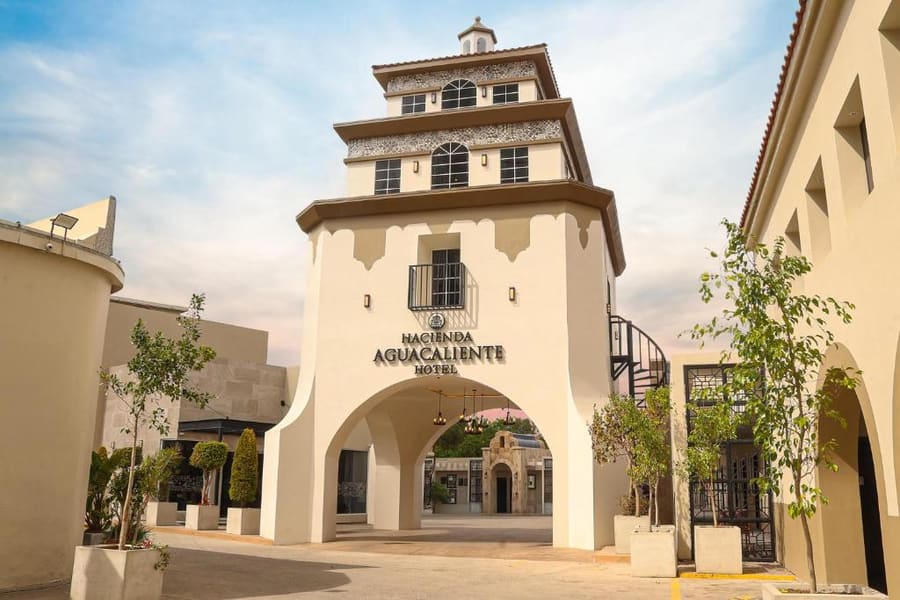
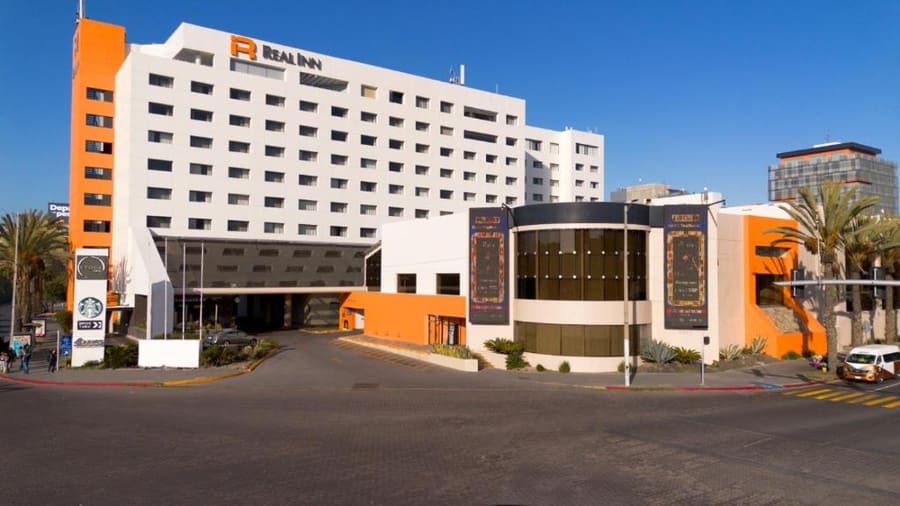
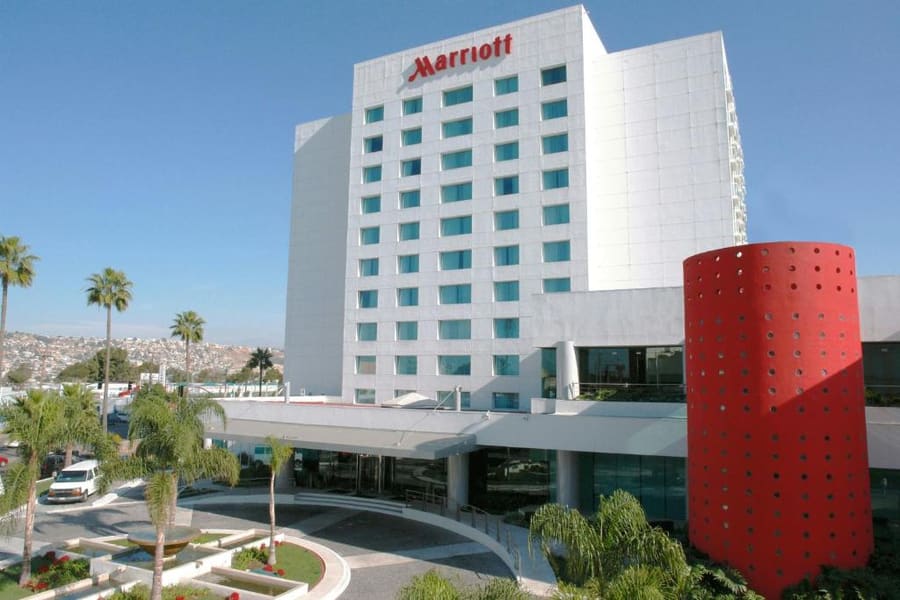
Choose your neighborhood based on your primary travel goal. Zona Río offers modern business hotels within walking distance of high-end dining and CECUT. Zona Centro suits travelers seeking historic nightlife, craft taprooms, and budget stays. Agua Caliente provides upscale quiet near the golf course, while Playas de Tijuana offers ocean views far from the city center.
transport
Tijuana relies heavily on vehicular transit due to spread-out districts and limited rail infrastructure. Rideshares operate efficiently across all central neighborhoods. Public transport consists of fixed-route shared vans known as calafias or taxis de ruta.
从TIJ出发
Agree on the fare before entering or use authorized airport taxi counters inside the terminal.
Uber operates reliably. You may need to walk outside the airport perimeter for pick-up.
Cross Border Xpress (CBX) bridge ticket for walking straight from TIJ airport into the US.
Ruta 1 buses connect the airport to Zona Centro and Zona Río along main avenues.
Rideshare apps like Uber are cheap, safe, and available throughout Zona Río, Centro, and Playas.
Walking back across San Ysidro can take 1 to 3 hours during peak times. Check live border wait times online.
cost
Tijuana is more affordable than neighboring San Diego, but higher-priced than central Mexican cities due to its border economy. US Dollars are widely accepted alongside Mexican Pesos.
One taco de adobada or carne asada at a reputable street stand or taquería.
A pint of local craft IPA at Plaza Fiesta or Zona Centro taprooms.
A multi-course dinner with regional wine at an upscale restaurant in Zona Río.
Point-to-point transit between Zona Centro and Zona Río.
seasonality
MAR – MAY
Mild spring temperatures and clear skies. Great season for street food tours and craft beer patios before summer crowds arrive.
JUN – AUG
Warm weather and coastal humidity. High visitor numbers due to summer vacationers, especially in Playas de Tijuana.
SEP – NOV
Pleasant autumn weather coincides with grape harvest season in nearby Valle de Guadalupe. Excellent time for food travel.
DEC – FEB
Cooler, occasionally rainy winter months. Low tourist numbers make it easy to secure top restaurant reservations.
practicalities
Most businesses accept US Dollars alongside Pesos, but change is usually given in Pesos at local rates.
Tap water is not potable anywhere in Tijuana. Use bottled or filtered water for drinking and brushing teeth.
You must carry a valid passport and FMM tourist entry document even for short day trips from San Diego.
Zona Río, Zona Centro, and Playas are generally safe during the day. Avoid unfamiliar outer residential districts at night.
Mornings near border crossings feature heavy medical tourism traffic. Plan transit times around doctor appointments.