landmark
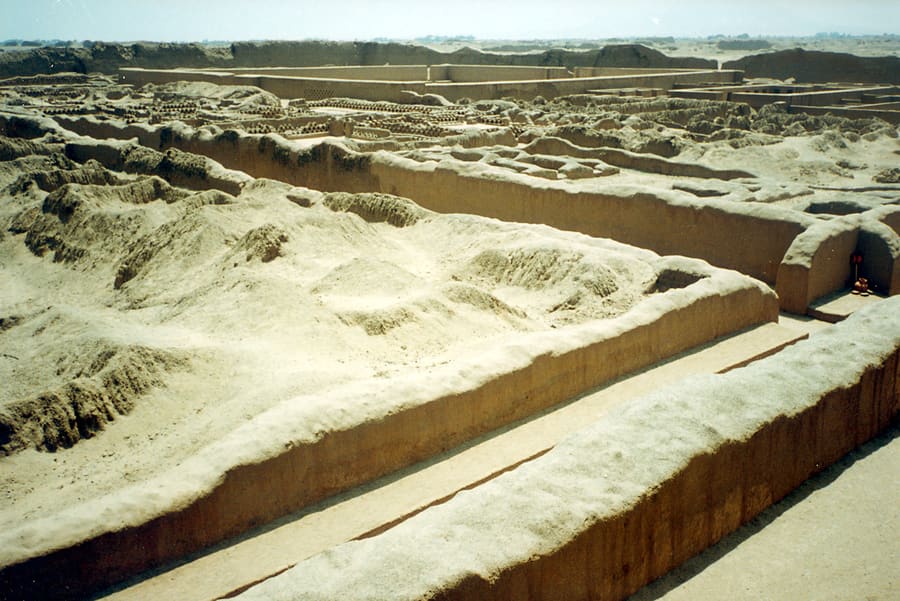
Chan Chan
Massive capital of the Chimú empire built from mud brick. Buy a circuit ticket that includes nearby smaller huacas.
问问 Parley秘鲁
Moche mud pyramids, Pacific surf, and Monday shámbar.
introduction
Trujillo sits on Peru's northern coast between the Pacific Ocean and the Andean foothills. The city center revolves around bright colonial plazas, while massive pre-Inca adobe complexes dominate the surrounding desert. You navigate the city by cheap local buses or taxis, moving easily from ancient mud brick temples to seaside surf spots. Expect year-round dry weather, rich coastal seafood, and a rhythm distinct from high-altitude southern Peru.
Airport arrival
Official taxis inside Trujillo airport charge fixed rates to the city center. Ignore unbadged drivers waiting outside the exit doors.
UNESCO Heritage
Chan Chan gained UNESCO status in 1986. It covers 20 square kilometers as the largest pre-Columbian adobe city in the Americas.
Monday soup rule
Local restaurants prepare shámbar soup only on Mondays. Arrive before 13:00 because popular spots sell out fast.
Trujillo
Velvet · CC BY-SA 4.0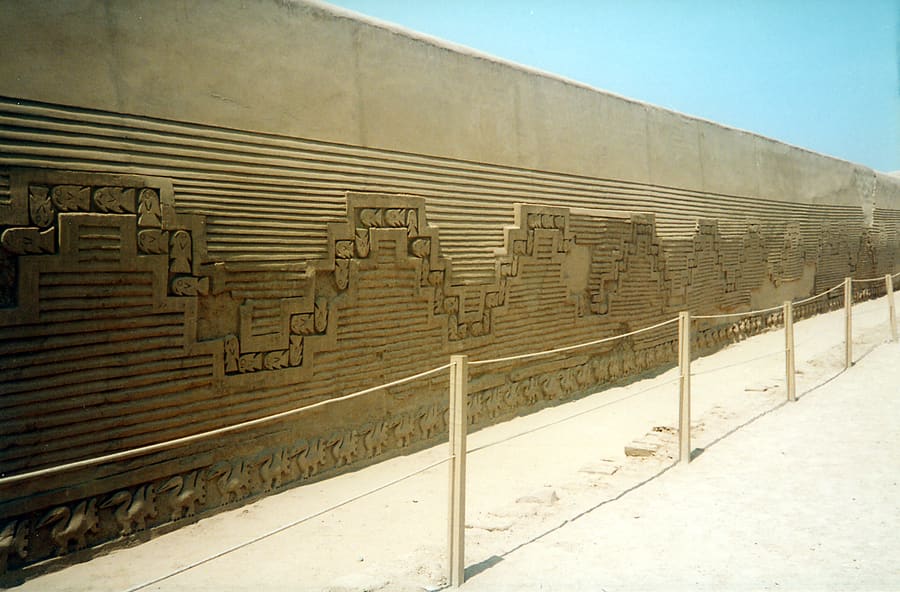
Huanchaco — Laid-back coastal village with ocean breeze, surf schools, and seafood stands along the shore.
Håkan Svensson · CC BY-SA 3.0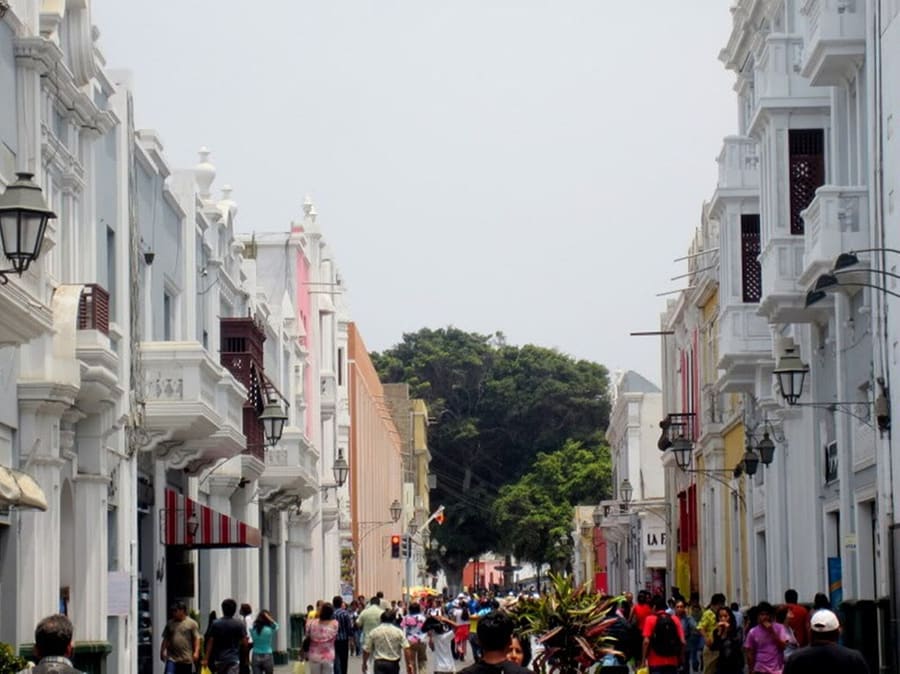
El Recreo — Quiet urban fringe centered on a historic tree-lined square with old stone waterworks.
Trujillo_Rocks (Miguel Tirado) · CC BY 2.0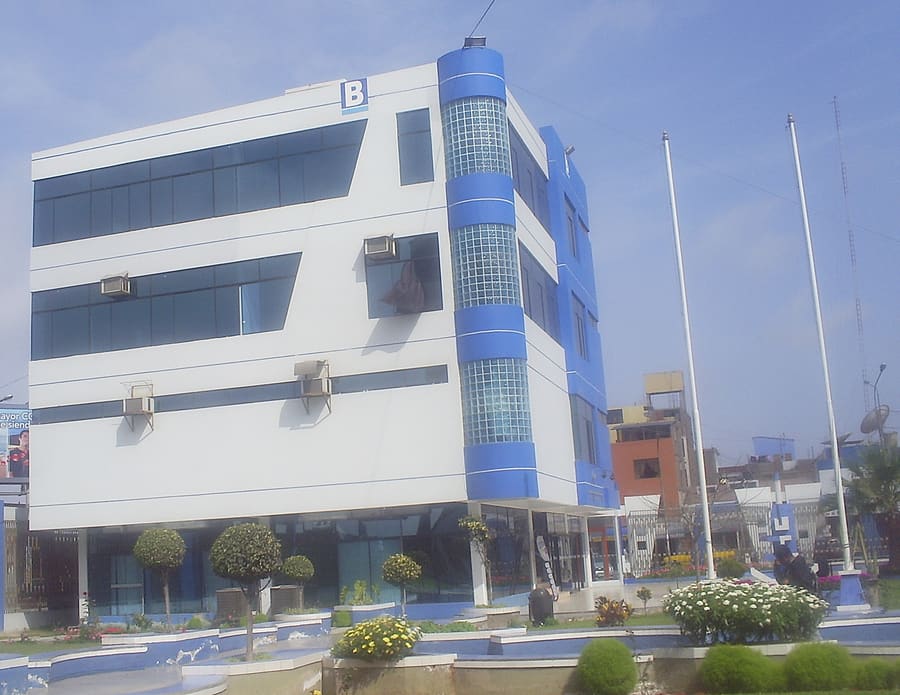
California — Modern residential district featuring contemporary dining, quiet streets, and guarded apartment blocks.
Boatduty · CC BY-SA 3.0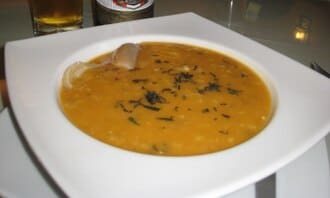
Shámbar soup, traditionally served across Trujillo every Monday.
maryori · CC BY-SA 2.0highlights
landmark
Massive capital of the Chimú empire built from mud brick. Buy a circuit ticket that includes nearby smaller huacas.
问问 Parley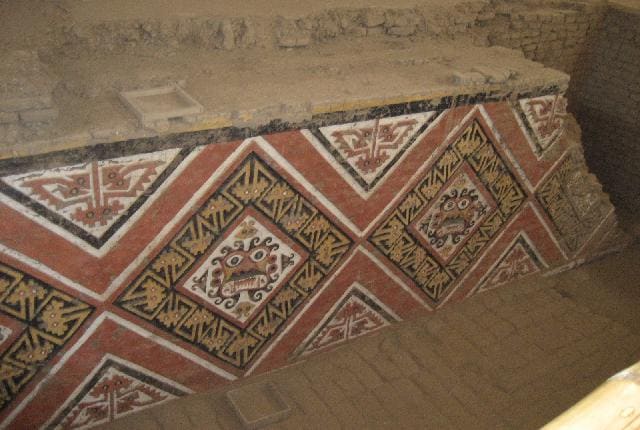
landmark
Moche pyramid featuring original painted wall reliefs. Hire an official site guide at the entrance for detailed context.
问问 Parley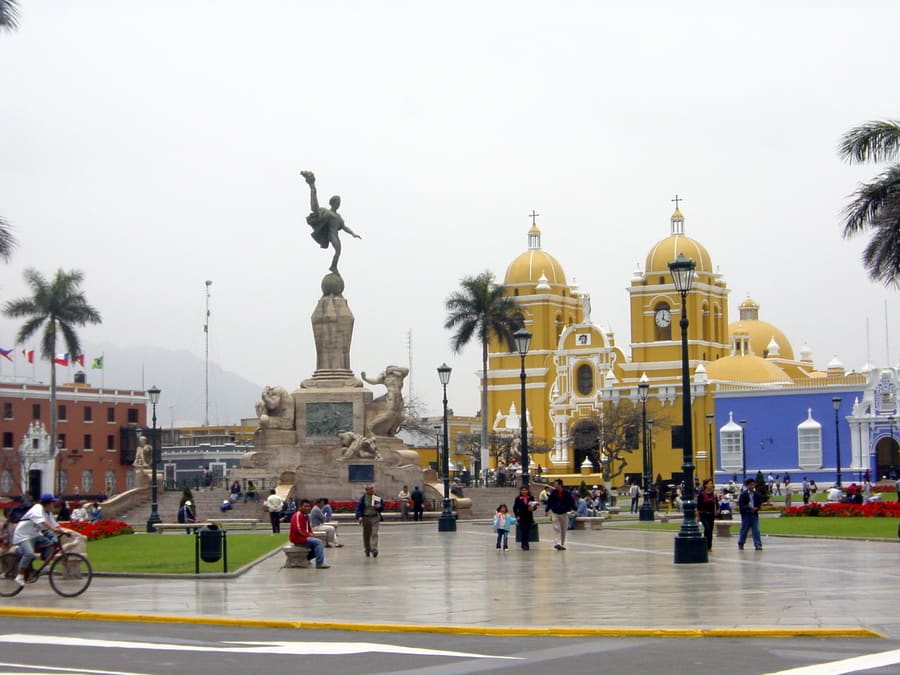
landmark
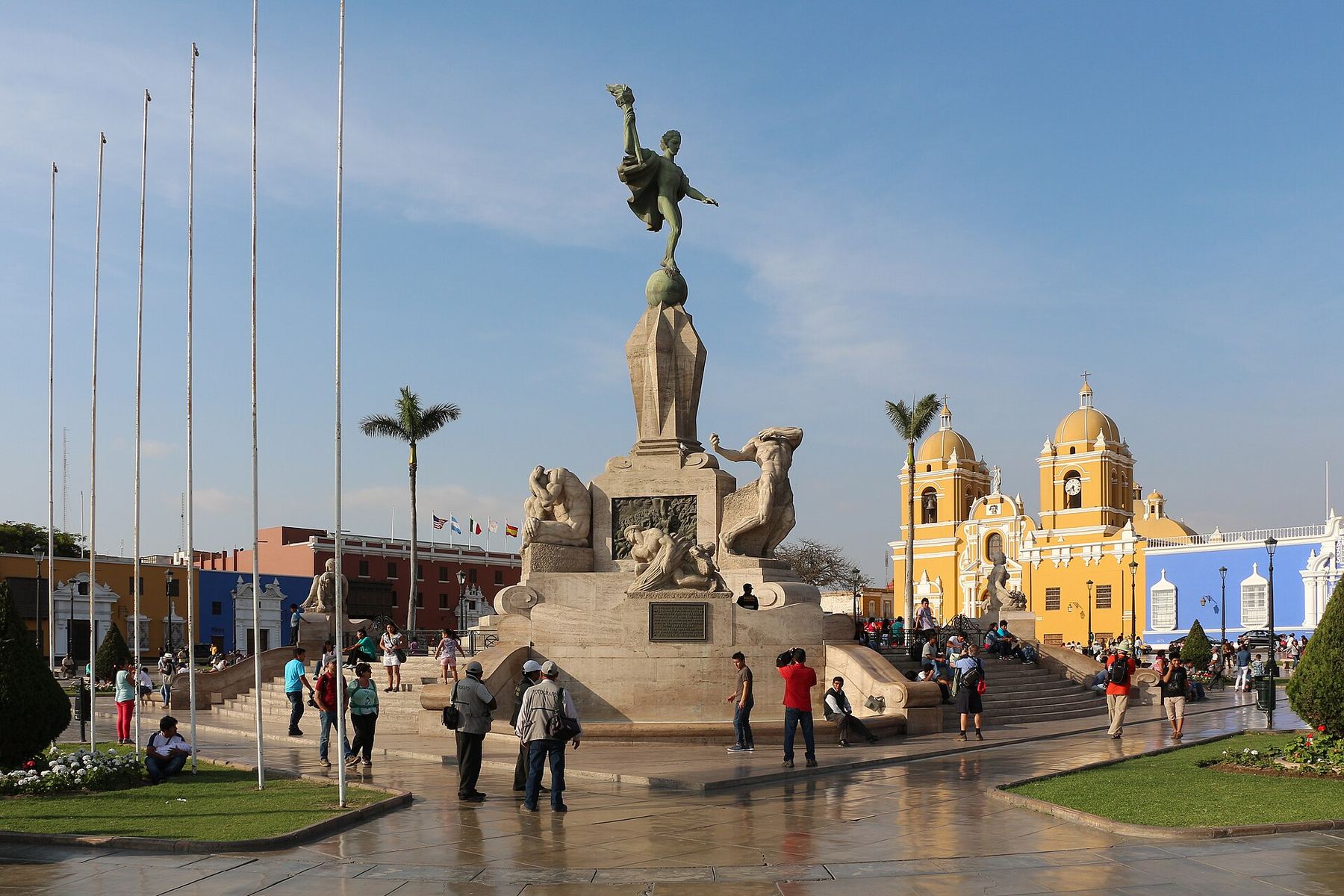
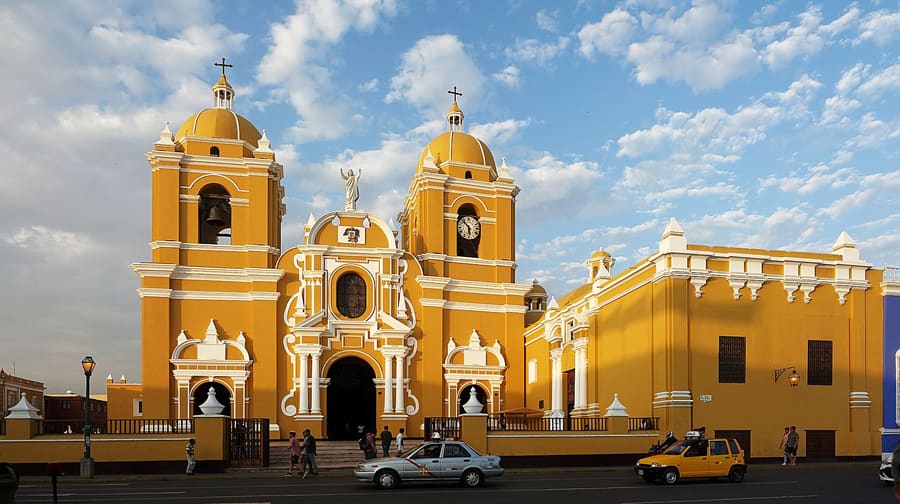
One of Peru's widest central squares, framed by bright yellow cathedral walls. Sit on the marble benches in late afternoon.
问问 Parley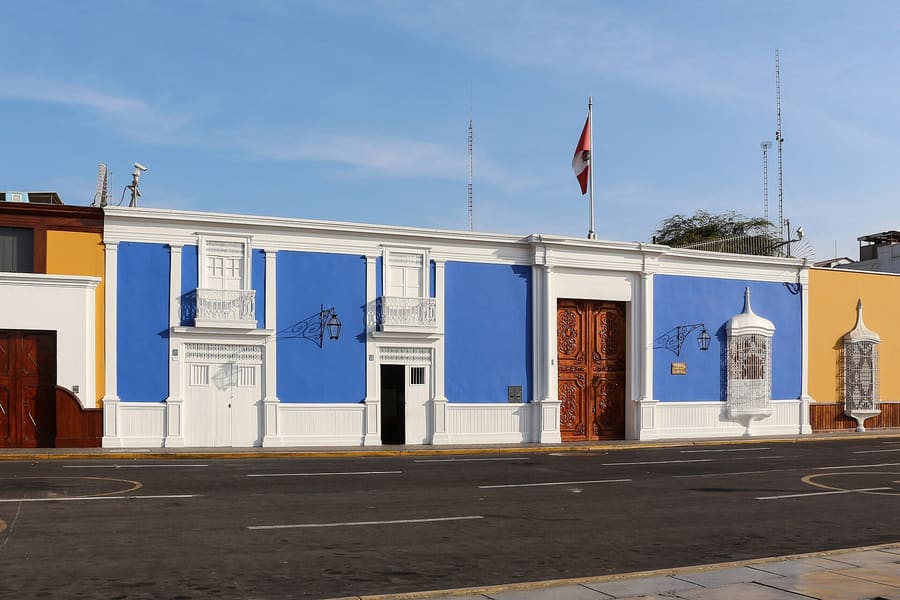
landmark
Preserved colonial mansion hosting Simon Bolivar's former desk. Entry is free with a valid photo ID.
问问 Parley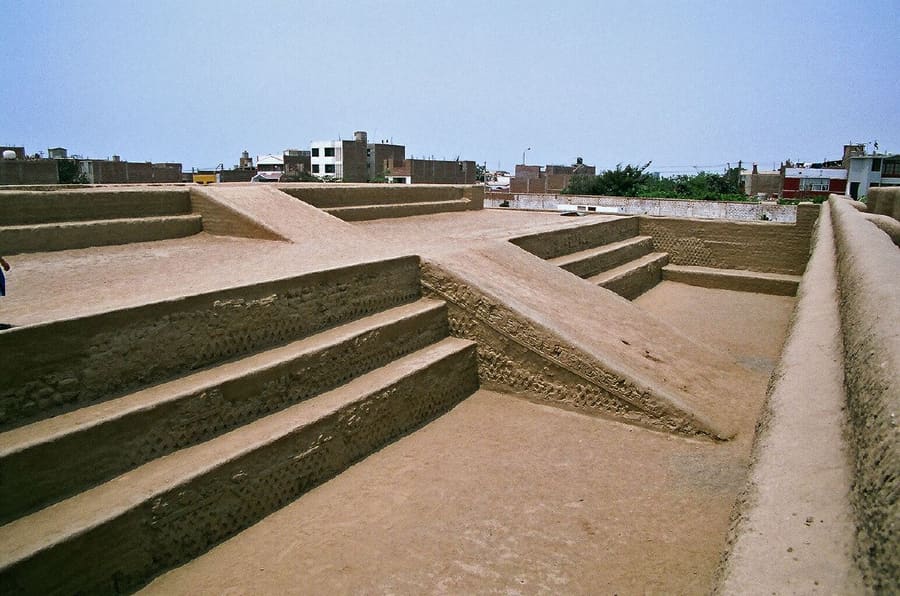
landmark
Two-tiered Chimú temple located inside modern urban limits. Use the combined Chan Chan ticket to enter.
问问 Parleyattractions
areas
Laid-back coastal village with ocean breeze, surf schools, and seafood stands along the shore.
附近Huanchaco Pier, Chan Chan ruins, surf points
问问 ParleyQuiet urban fringe centered on a historic tree-lined square with old stone waterworks.
附近Plazuela El Recreo, Pizarro pedestrian boulevard
问问 ParleyModern residential district featuring contemporary dining, quiet streets, and guarded apartment blocks.
附近Real Plaza shopping center, modern restaurants
问问 ParleyColonial streets with painted facades, courtyard cafes, and heavy daytime pedestrian traffic.
附近Plaza de Armas, Casa Urquiaga, Trujillo Cathedral
问问 Parleyfood
Trujillo food relies on fresh Pacific seafood and ancient northern agricultural traditions. Local dishes carry bold garlic and chili profiles distinct from Andean cooking. You eat your largest meal at lunch, when fish arrives fresh from Huanchaco docks.The region's signature dish is shámbar, a thick soup made from wheat, beans, peas, and pork skin. Tradition restricts shámbar to Mondays, when restaurants prepare massive pots to start the week. Cabrito a la norteña, a tender stewed kid goat served with beans and rice, anchors Sunday family lunches.
Shámbar soup, traditionally served across Trujillo every Monday.
maryori · CC BY-SA 2.0Order shámbar between 11:30 and 13:30 on Mondays. Popular traditional spots close their soup pots once the batch runs out.
Eat ceviche only at mid-day. Coastal cevicherías close by 16:00 because locals refuse to eat raw fish caught the previous day.
Pair heavy stews with chicha de jora, a fermented corn beer produced across the La Libertad region.
history
Long before Spanish arrival, powerful coastal civilizations mastered irrigation in the Moche Valley. The Moche built monumental mud pyramids between 100 and 700 CE. Later, the Chimú empire constructed Chan Chan, creating an expansive urban center entirely out of adobe bricks.Spanish conquistador Diego de Almagro founded European Trujillo in 1534. The town became a critical economic hub for agricultural exports. In 1820, Trujillo declared independence from Spain months ahead of Lima, earning a pivotal place in national history.
Moche Flourishing
Moche civilization builds Huaca del Sol and Huaca de la Luna, mastering ceramic arts and advanced mud brick construction.
Chimú Empire
The Chimú build Chan Chan as their administrative capital before falling to Inca expansion under Topa Inca Yupanqui.
Spanish Foundation
Diego de Almagro establishes Spanish Trujillo, laying out the grid pattern still visible around the Plaza de Armas today.
Early Independence
Marquis of Torre Tagle proclaims Trujillo independent from Spain, making it the first major Peruvian city to break colonial rule.
where to stay
Choose your base based on transport and atmosphere preferences. Staying in Centro Histórico puts colonial sights within walking distance, though major bus terminals are located outside the historic center and require taxi or local bus transportation to reach. Huanchaco offers ocean air and surf spots, but requires 20-minute taxi trips to city attractions. Modern California suits business travelers who want quiet nights and modern dining options.
transport
Trujillo lacks a subway or light rail network. Most commuters rely on small buses called combis, shared minivans called colectivos, or street taxis. You can hail registered taxis easily near public squares or use app-based hailing services for fixed fares.
从Capitán FAP Carlos Martínez de Pinillos International Airport (TRU)出发
Official airport taxis inside terminal charge fixed rates to Centro or Huanchaco.
Uber and InDrive operate reliably at the airport terminal pickup zone.
Local combis pass outside the airport main gate along the highway.
Combi and bus conductors accept cash only. Carry small change in coins or S/ 10 bills.
Bus destinations are painted directly on the front windshield. Shout your stop to the conductor before exiting.
Use yellow taxis with painted license numbers on the side doors for safety during late hours.
Long-distance bus companies maintain private terminals scattered across Avenida Ejército rather than one central station.
cost
Trujillo costs significantly less than Lima or Cusco. Historic sight entry fees stay low, and everyday dining prices reflect local wages. Always carry local currency cash, as small vendors and transport drivers rarely accept cards.
Includes access to the Tschudi complex, site museum, Huaca Esmeralda, and Huaca Arco Iris within 48 hours.
Ticket includes access to the site and the adjacent Museo Huacas de Moche.
Prices vary between simple beach stalls in Huanchaco and sit-down city restaurants.
Standard short rides across central Trujillo cost under S/ 12. Always agree on price before entering.
seasonality
DEC – MAR
Warmest coastal temperatures and sunniest beach days. High demand in Huanchaco requires booking hotels weeks ahead.
APR – JUN
Mild weather with clear skies and lower tourist density. Optimal conditions for exploring desert ruins.
JUL – SEP
Cooler coastal fog called garúa settles in mornings. High domestic travel during late July national holidays.
OCT – NOV
Warm spring weather returns. October hosts major Marinera dance events and cultural celebrations in town.
practicalities
Chan Chan offers almost zero shade. Wear a hat and bring water, as desert temperatures spike by noon.
Smaller family shops and offices close between 13:00 and 16:00 for lunch before reopening in the evening.
Major banks line Plaza de Armas and España Avenue. Use ATMs inside bank lobbies rather than standalone street machines.
Keep belongings secure around markets and bus terminals. Avoid walking through unlit outer neighborhoods after dark.
Pacific waters remain cold year-round due to the Humboldt Current. Surfers need a 2mm or 3mm wetsuit.