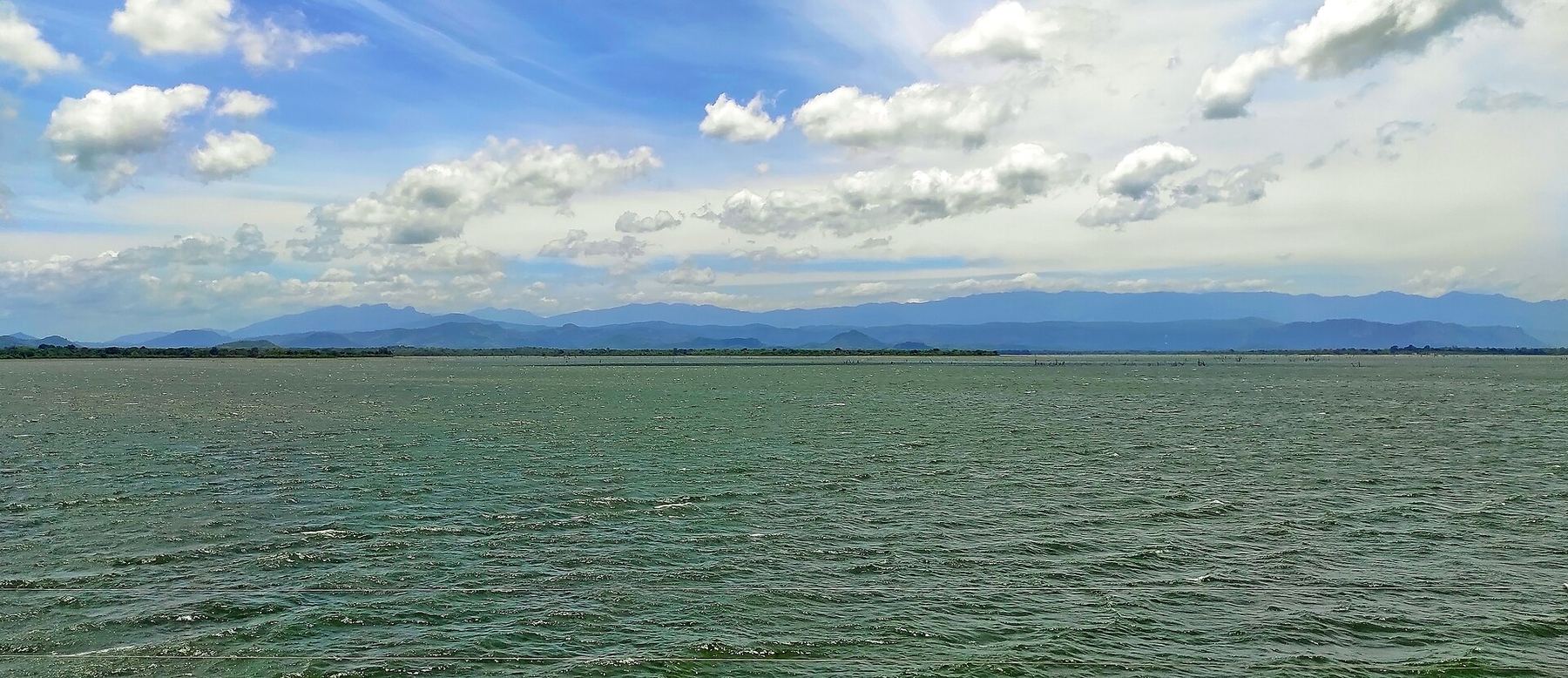
landmark
Udawalawe National Park
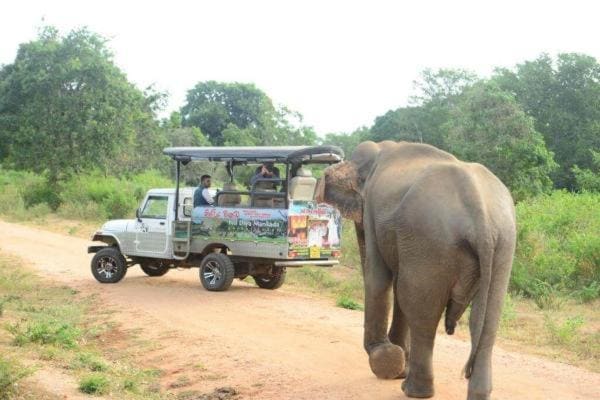
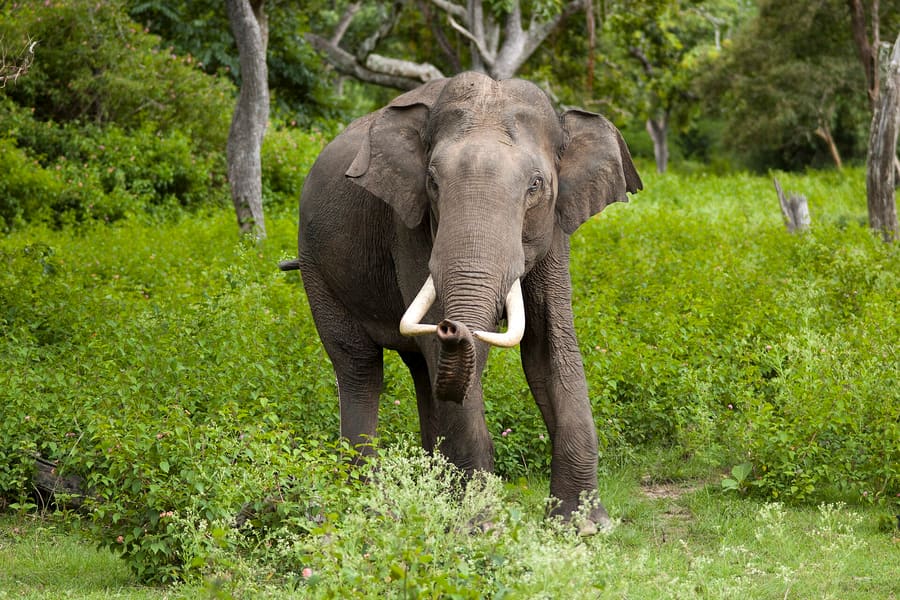
Home to hundreds of wild Asian elephants. Hire a four-wheel-drive jeep at the entrance gate before dawn.
问问 Parley斯里兰卡
Sri Lanka's open dry-zone elephant sanctuary.
introduction
Udawalawe centers on a massive 1970s reservoir and the dry-zone national park surrounding it. You come here to observe wild Asian elephants across open grasslands without dense forest canopy blocking your view. Morning and late-afternoon safari drives dictate the daily schedule of this small town. Outside of game drives, the pace drops to absolute quiet.
Arrival trick
Reach the park ticket office by 05:45. Early arrival lets you clear payment before gates open at 06:00.
Sanctuary origin
The national park was established in 1972. It provides refuge for wildlife displaced by the construction of the reservoir.
Feeding schedule
The Elephant Transit Home feeds orphaned calves four times daily. Milk feedings occur at 09:00, 12:00, 15:00, and 18:00.
Udawalawe
Yathin S Krishnappa · CC BY-SA 3.0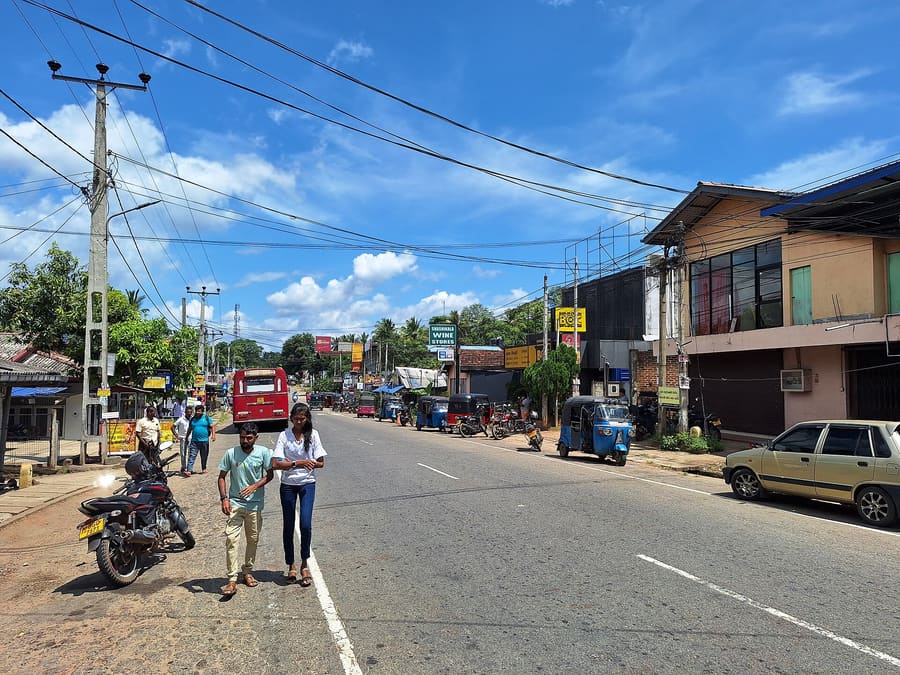
Udawalawe Junction — Commercial cluster with local eateries, ATM services, and main bus stops.
Mill 1 · CC0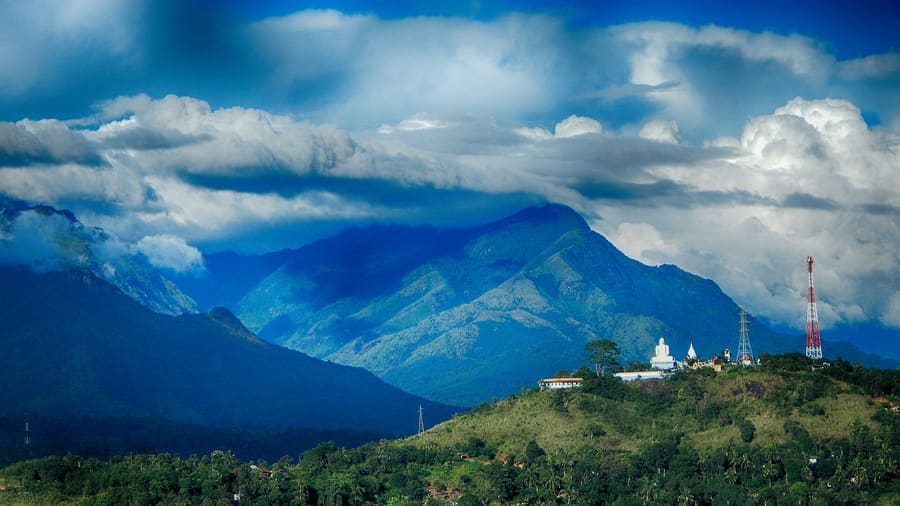
Park Border North — Rural safari lodges sitting steps away from the park entrance gates.
Sankalpalk · CC BY-SA 4.0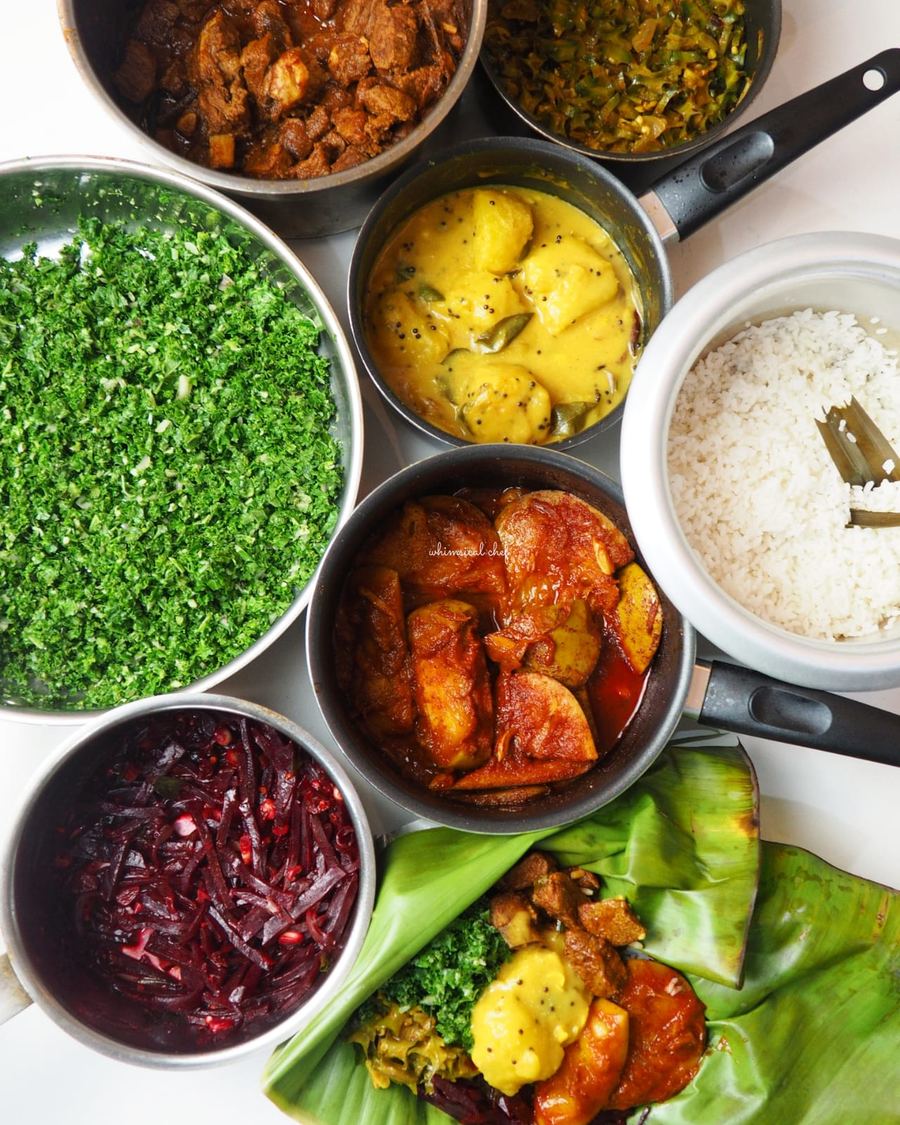
A traditional Sri Lankan rice and curry meal cooked in earthen pots.
Lankan Foodie · CC BY-SA 4.0highlights
landmark
Home to hundreds of wild Asian elephants. Hire a four-wheel-drive jeep at the entrance gate before dawn.
问问 Parley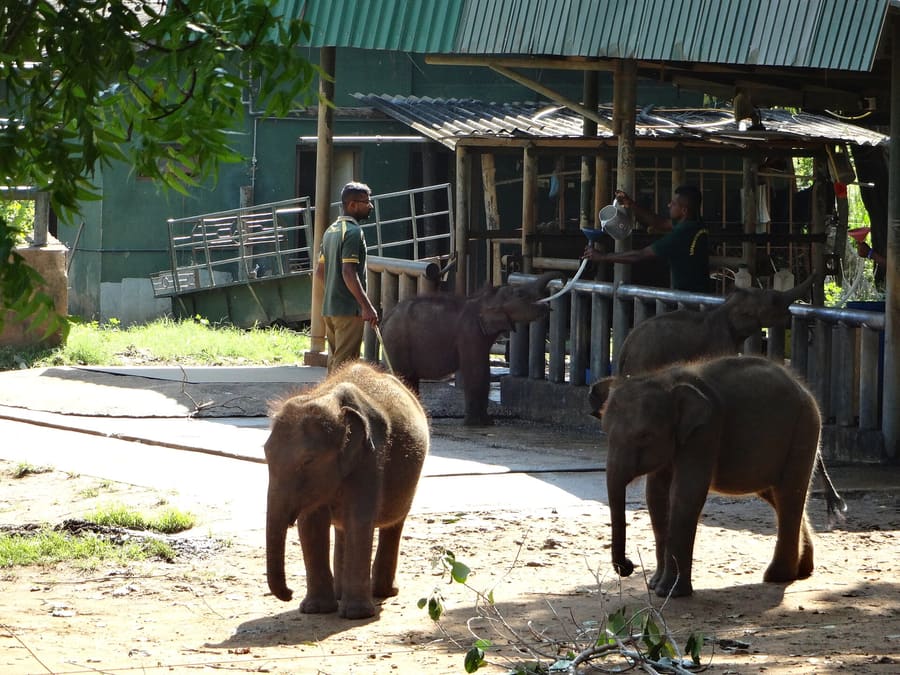
landmark
Rehabilitates orphaned calves for return to the wild. You watch feedings from a viewing platform for 30 minutes.
问问 Parley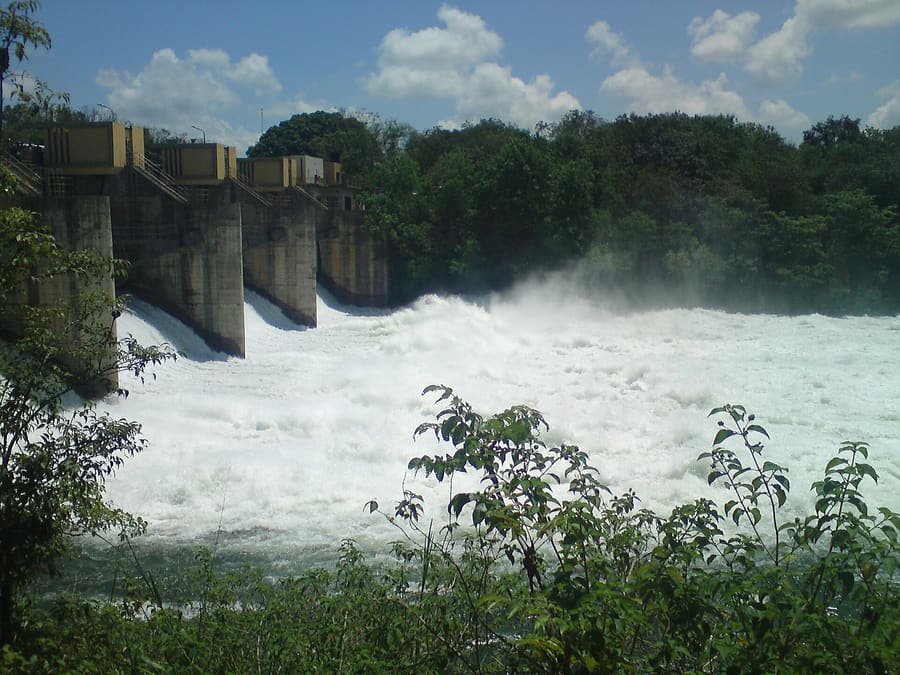
landmark
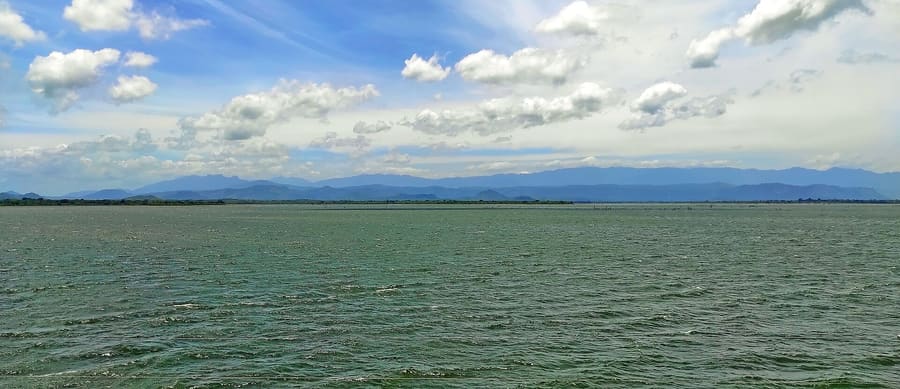
The dam wall holds back the main lake. Drive across at sunset for views of water birds and distant mountain ranges.
问问 Parley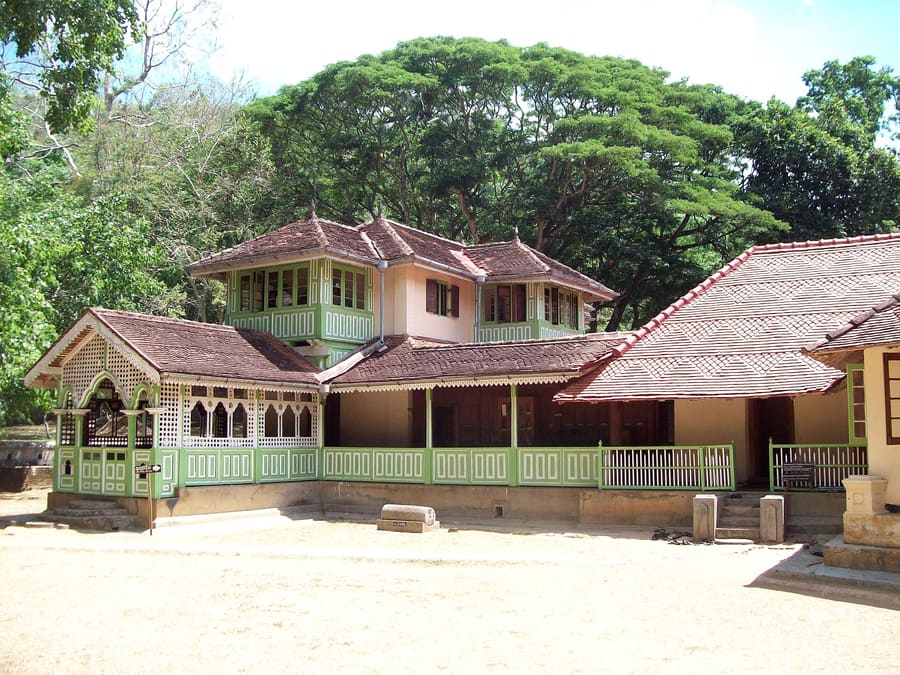
landmark
A preserved 17th-century local chief manor house. It displays original tile floors and inner courtyards.
问问 Parley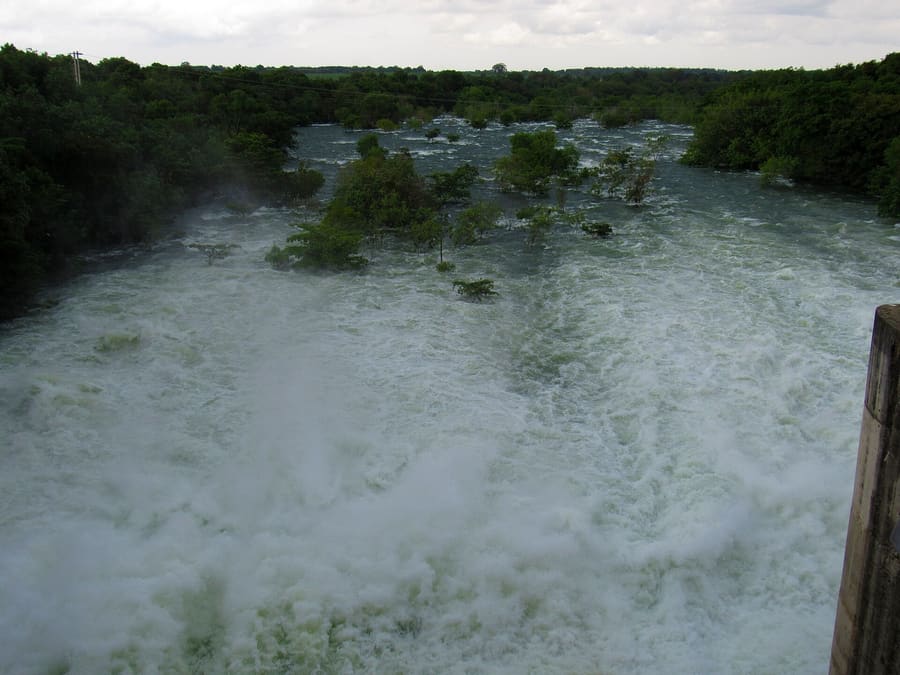
landmark
The river feeds the park ecosystem. Small guesthouses along its edge rent kayaks for morning paddling.
问问 Parleyattractions
areas
Commercial cluster with local eateries, ATM services, and main bus stops.
附近Elephant Transit Home
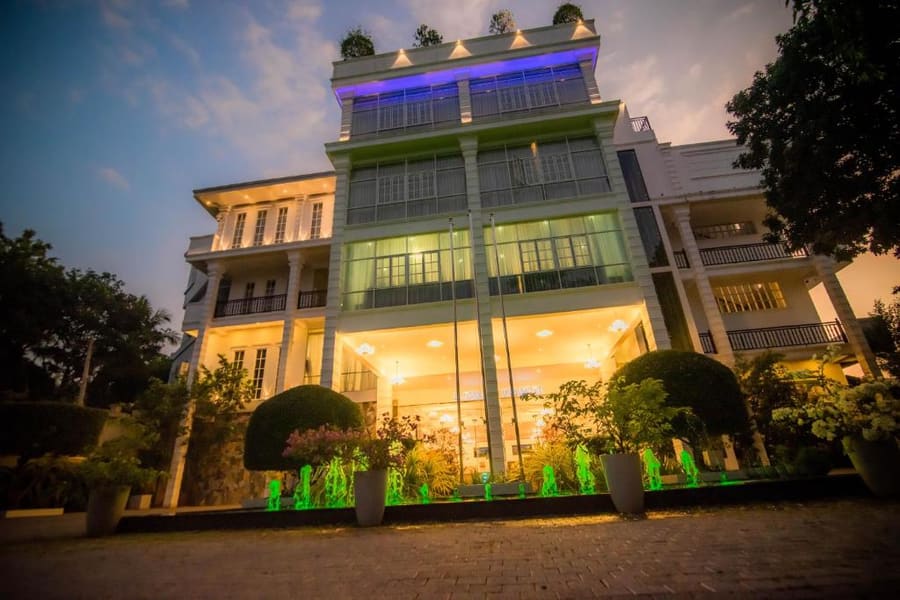
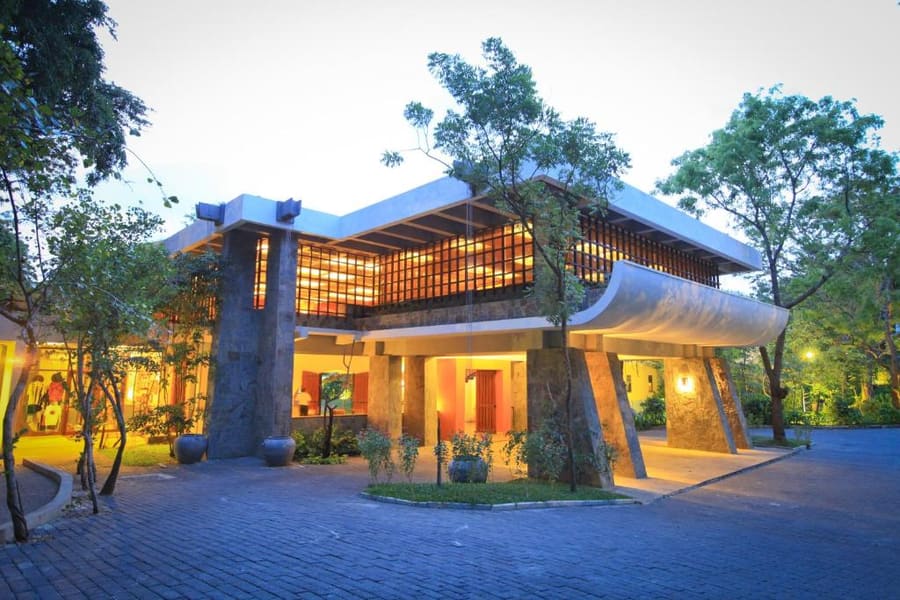
问问 ParleyRural safari lodges sitting steps away from the park entrance gates.
附近Park Ticket Counter
问问 ParleyOpen lakeside views and mid-range resorts tucked off the main road.
附近Udawalawe Dam
问问 ParleyStretches of farmland, river lodges, and quiet eco-camps.
附近Walawe River
问问 Parleyfood
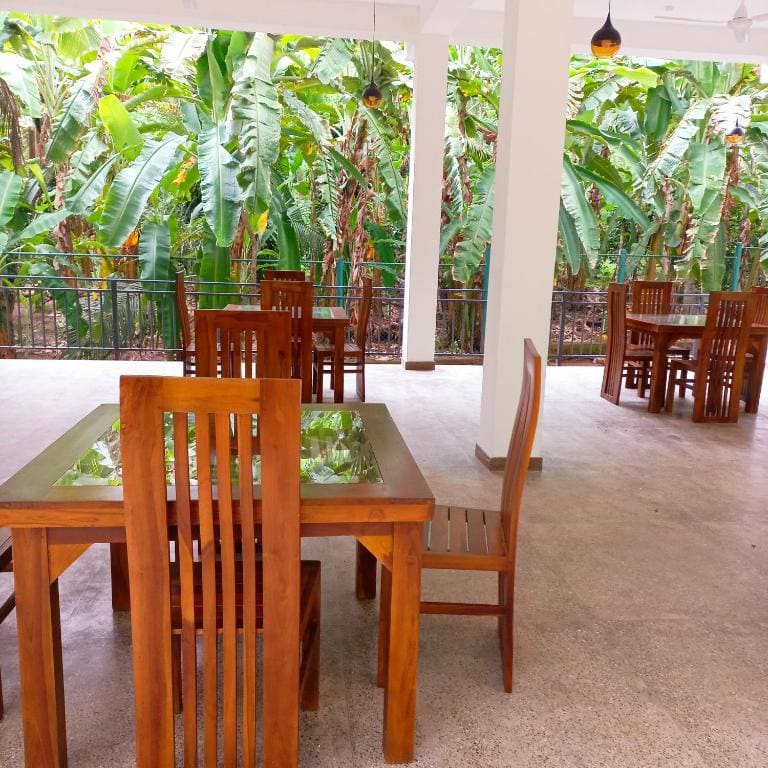
Dining in Udawalawe revolves around small, family-run roadside eateries called hotels. Menus focus on regional dry-zone Sri Lankan staples rather than western dishes. Fresh tilapia from the reservoir is fried whole or cooked in a dark black-pepper curry sauce.Buffets are common near the park boundary. They serve red rice alongside dhal, jackfruit curry, and fried lake fish cooked over clay stoves.
A traditional Sri Lankan rice and curry meal cooked in earthen pots.
Lankan Foodie · CC BY-SA 4.0Guesthouses prepare ingredients fresh from local markets. Tell your host your dinner order by 16:00.
Jeep drivers return by 09:30. Most lodge breakfasts run until 10:30 to accommodate post-safari arrivals.
Stalls on Tanamalwila Road press local wood apple fruit with coconut milk and sugar syrup.
history
Udawalawe was created by modern infrastructure projects in the twentieth century. The impoundment of the Walawe River changed the regional ecology, forcing state intervention to protect displaced megafauna.
Dam Construction Begins
Engineers dammed the Walawe River to generate hydroelectric power and irrigate southern agricultural plains.
Park Gazetted
The government designated 30,821 hectares as a national park to provide sanctuary for displaced animals.
Transit Home Established
The Department of Wildlife Conservation opened the Elephant Transit Home to care for orphan calves.
Boundary Fence Completed
Electric fencing was expanded around park edges to reduce human-elephant conflict in local farmland.
where to stay
Choose your base based on how early you want to enter the national park. Lodges near the sole main entrance gate on the southern side eliminate morning travel time. Properties along the reservoir offer cooler breezes and better views during hot afternoons.
transport
Public transit brings you to Udawalawe town, but private four-wheel-drive jeeps are mandatory to enter the actual national park. Walking inside the park grounds is illegal.
Book your safari jeep through your hotel or hire one at the park gate. Drivers include gasoline in the standard rate.
Tuk-tuks cover trips between the town junction, local hotels, and the Elephant Transit Home.
Morning safari pickup happens at 05:30. Afternoon safari pickup happens at 14:30.
Jeep drivers require payment in Sri Lankan Rupees upon returning to your hotel.
cost
National park entry fees are fixed by state authorities in foreign currency exchange equivalents. Safari jeep rentals and local dining remain low-cost.
Per foreign adult. Includes park service taxes and vehicle access charge.
Covers a private 6-seater jeep driver for a 3.5-hour game drive.
Ticket lets you view one scheduled milk feeding session from the deck.
Plate of rice and fish curry at small family joints along the main road.
seasonality
JAN – MAR
Dry weather keeps animals clustered around main water holes. Peak safari season.
APR – MAY
Temperatures rise above 33°C. Afternoon heat forces elephants into shade early.
JUN – SEP
Inter-monsoon dry spell. Grass canopy shrinks, making wildlife easier to spot.
OCT – DEC
Northeast monsoon brings rain showers. Park turns lush green, but dirt tracks get muddy.
practicalities
Cash machines sit at Udawalawe Junction. Draw sufficient rupees before arriving at rural lodges.
Dry dirt roads produce thick dust clouds during safaris. Carry a face scarf and sunglasses.
Department of Wildlife Conservation officers join jeeps at the main gate when available.
Park gates open at 06:00 and close at 18:00 sharp. Jeeps must exit prior to closing.
Unmanned aerial vehicles are strictly banned inside national parks without written ministry permits.
/f3216e146033.jpg)