landmark
Inner Harbour
Watch floatplanes land while street performers gather on the causeway. Harbour Ferries dock here for water-taxi loops.
问问 Parley加拿大
Pacific ocean air, historic brick, and island trailways.
introduction
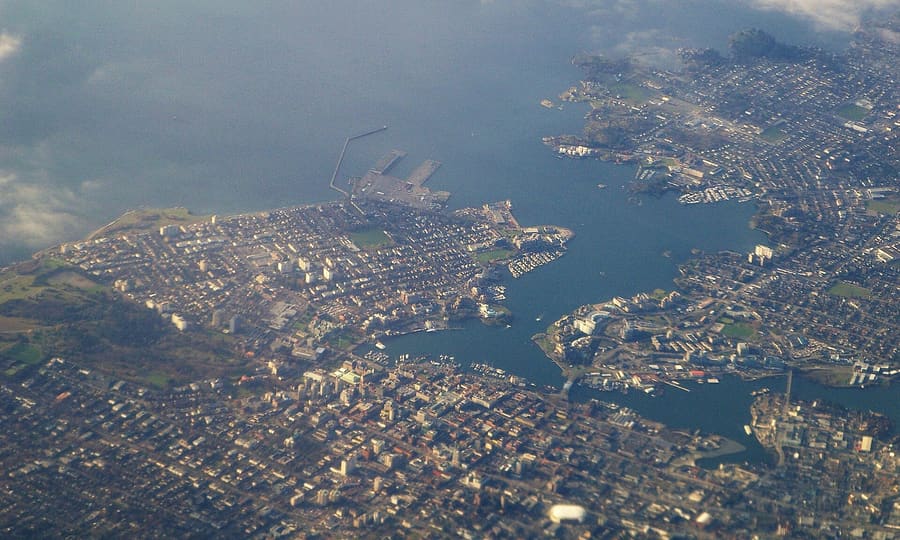
Victoria occupies the southern tip of Vancouver Island, defined by its ocean harbour and compact historic core. You can cross the city center on foot in twenty minutes, moving between Victorian brick storefronts and working docks. Expect ocean breezes, reliable public buses, and high demand for ferry sailings during summer weekends.
Arrival from Vancouver
BC Ferries from Tsawwassen to Swartz Bay takes 95 minutes. Book vehicle reservations online weeks early for summer sailings to avoid multi-sailing delays.
Canada's oldest Chinatown
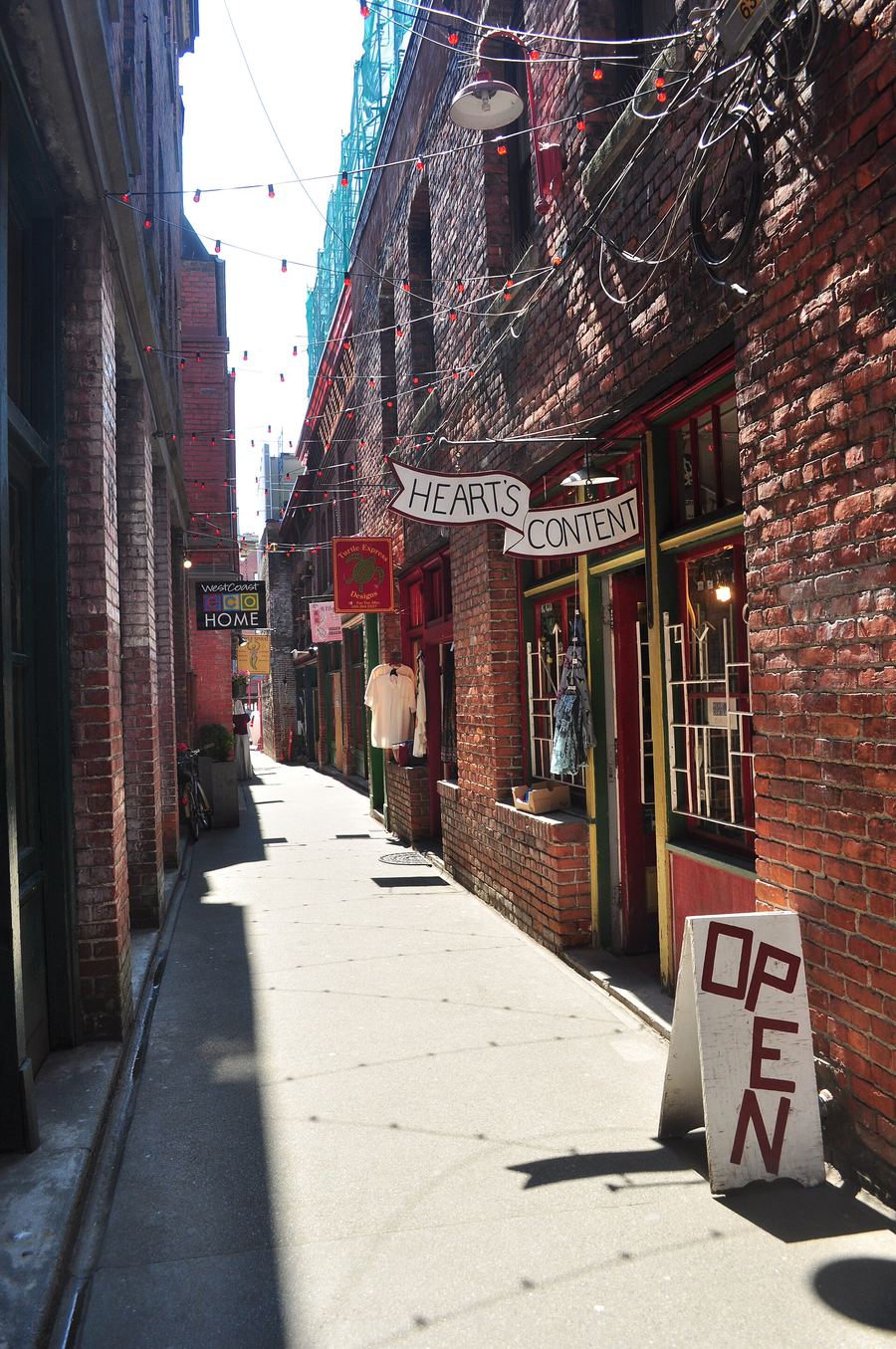
Victoria contains Canada's oldest Chinatown, established in 1858. Fan Tan Alley anchors the district and measures under one metre wide at its narrowest point.
Ferry transit connection
BC Transit route 70 connects the Swartz Bay ferry terminal straight to downtown Victoria for $2.50. Exact cash or Umo app payment is required.
Victoria
Joe Mabel (on Flickr as Joe Mabel from Seattle, US) · CC BY-SA 3.0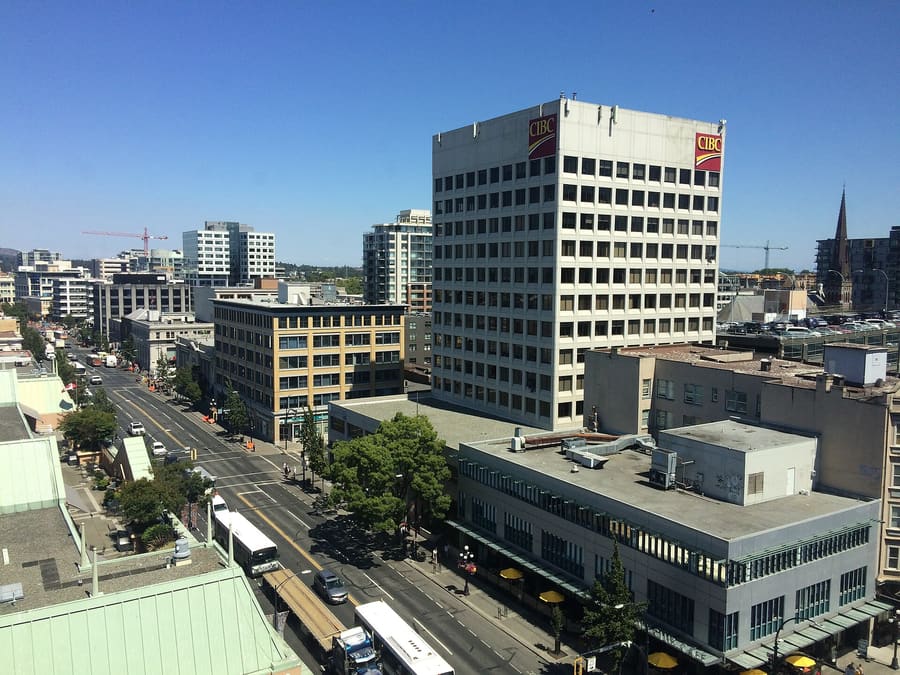
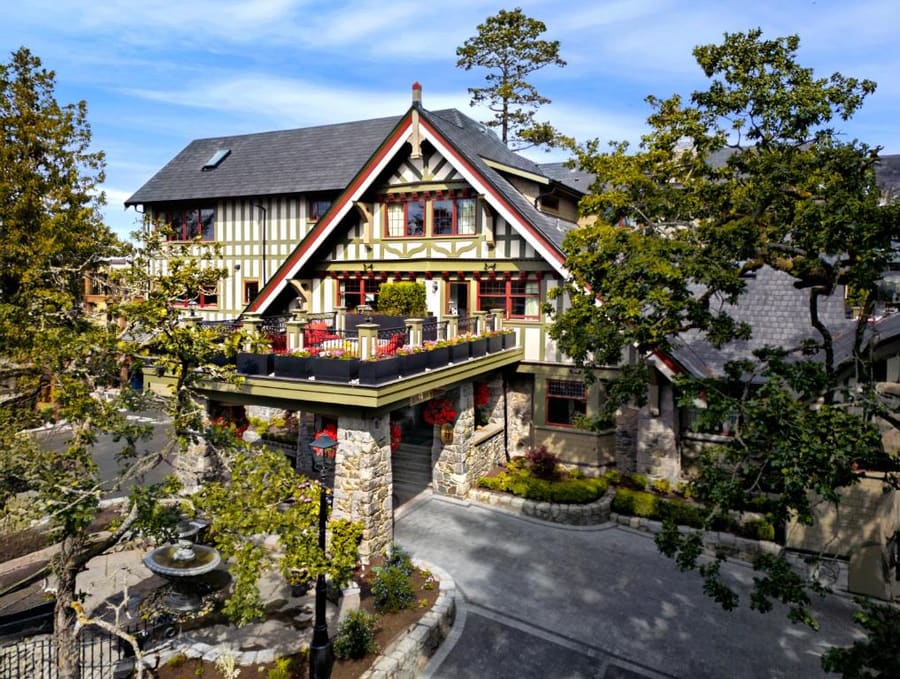
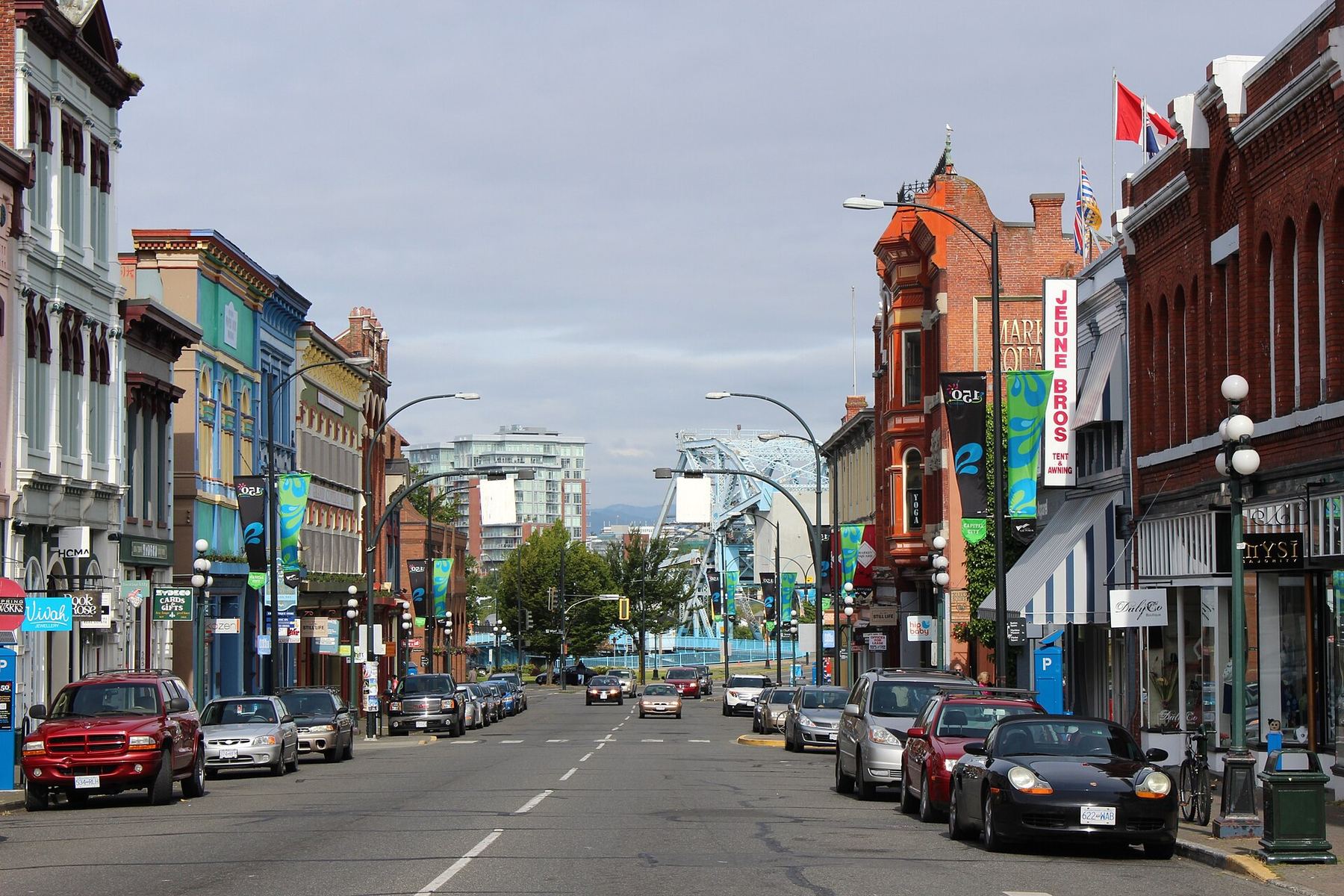
Downtown — Walkable core filled with historic brick facades, tea rooms, independent shops, and government buildings.
Loneaxiom · CC BY-SA 4.0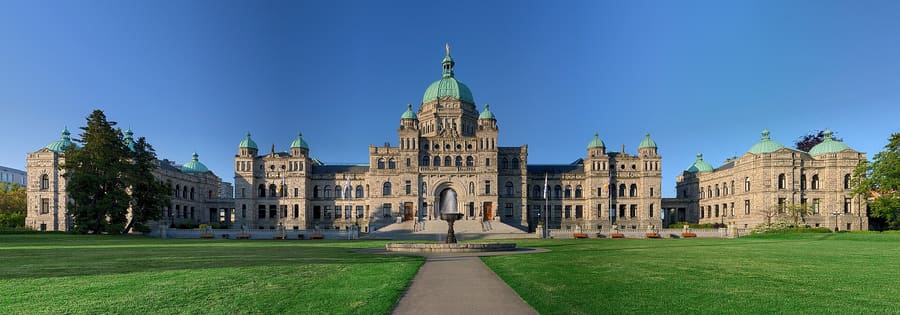
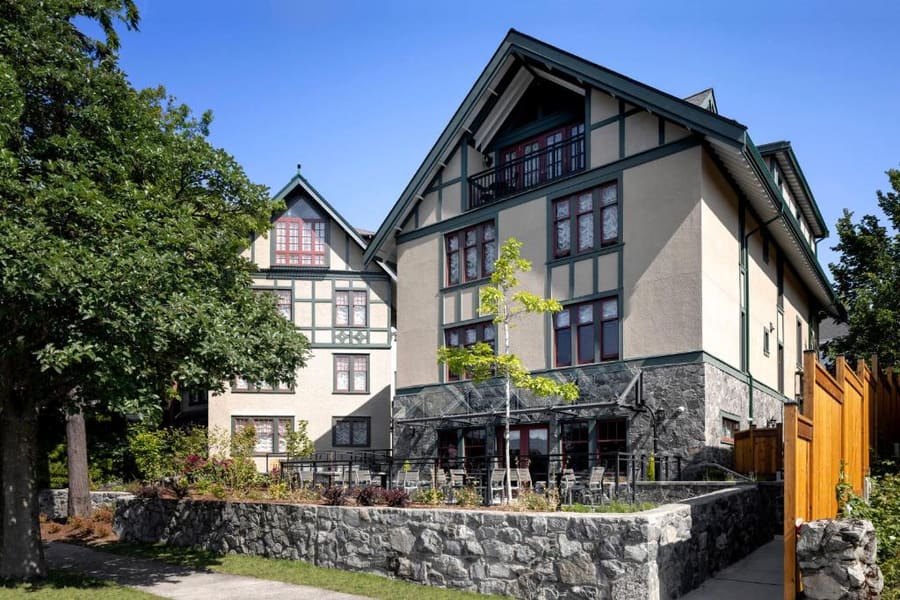
James Bay — Quiet residential peninsula of Victorian homes bordering the south ocean coastline.
Ryan Bushby (HighInBC) · CC BY 2.5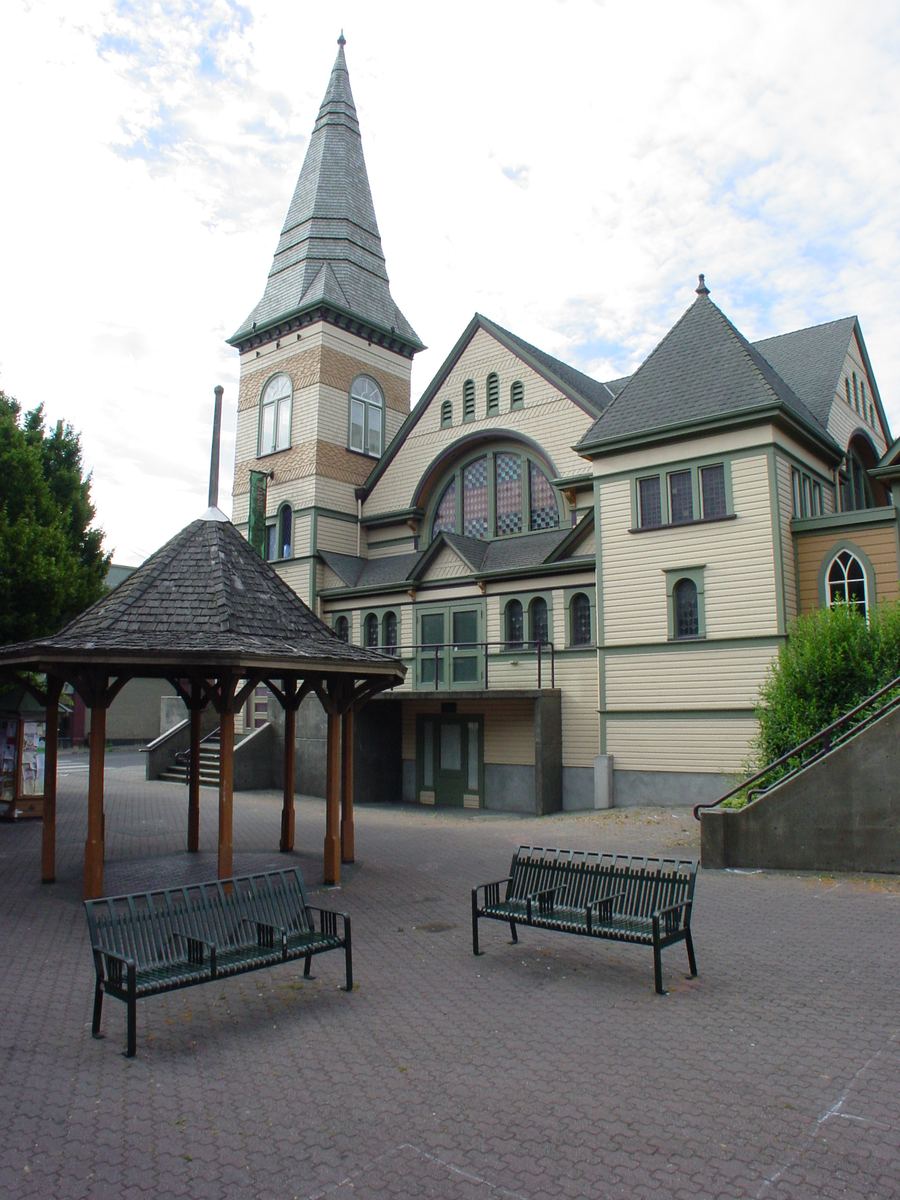
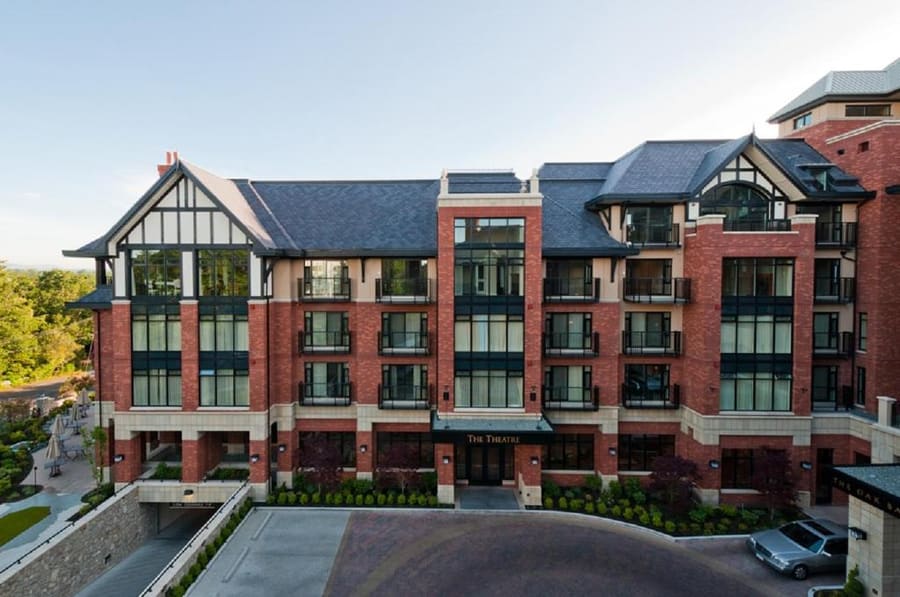
Fernwood — Bohemian neighborhood centered on a leafy square with a historic theatre, cafes, and pub culture.
JMV · CC BY 2.0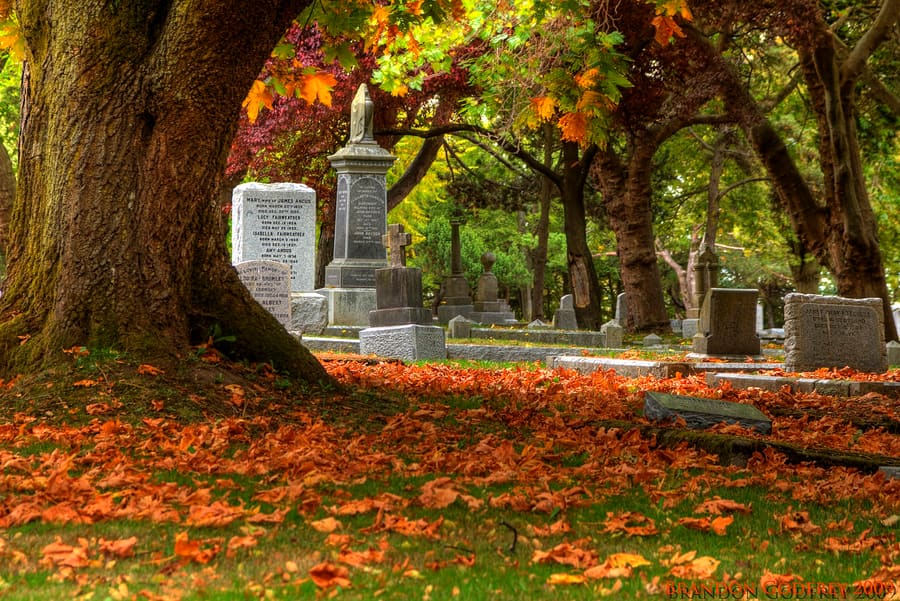
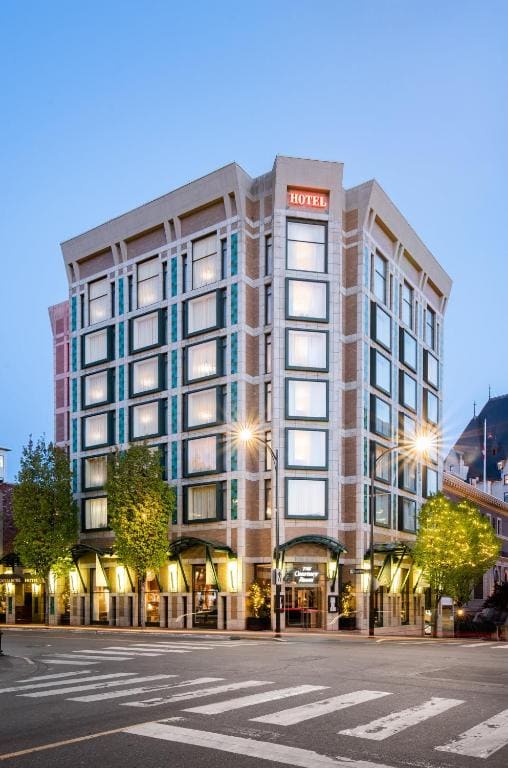
Fairfield — Tree-lined residential streets leading to Dallas Road waterfront, anchored by a relaxed commercial strip.
Brandon Godfrey from Victoria B.C, Canada · CC BY-SA 2.0highlights
landmark
Watch floatplanes land while street performers gather on the causeway. Harbour Ferries dock here for water-taxi loops.
问问 Parley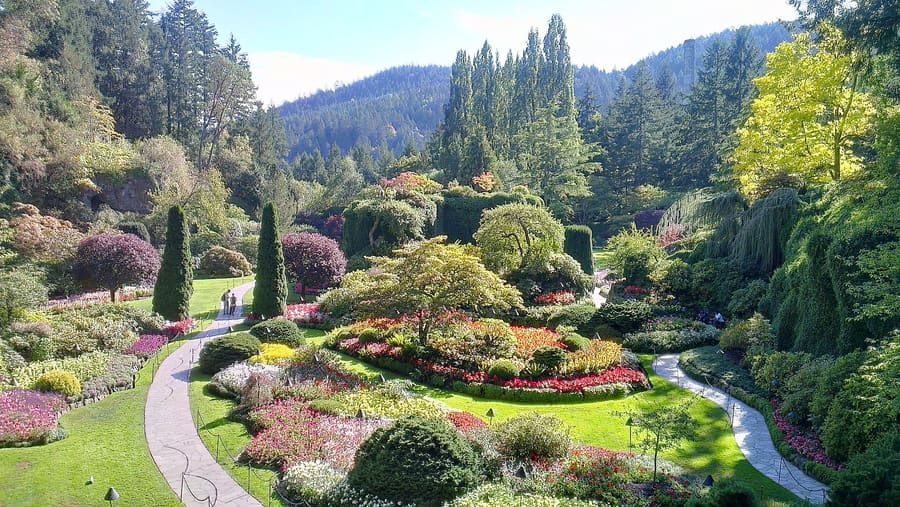
landmark
A converted limestone quarry with 55 acres of floral displays. Take transit route 75 from downtown to avoid parking queues.
问问 Parley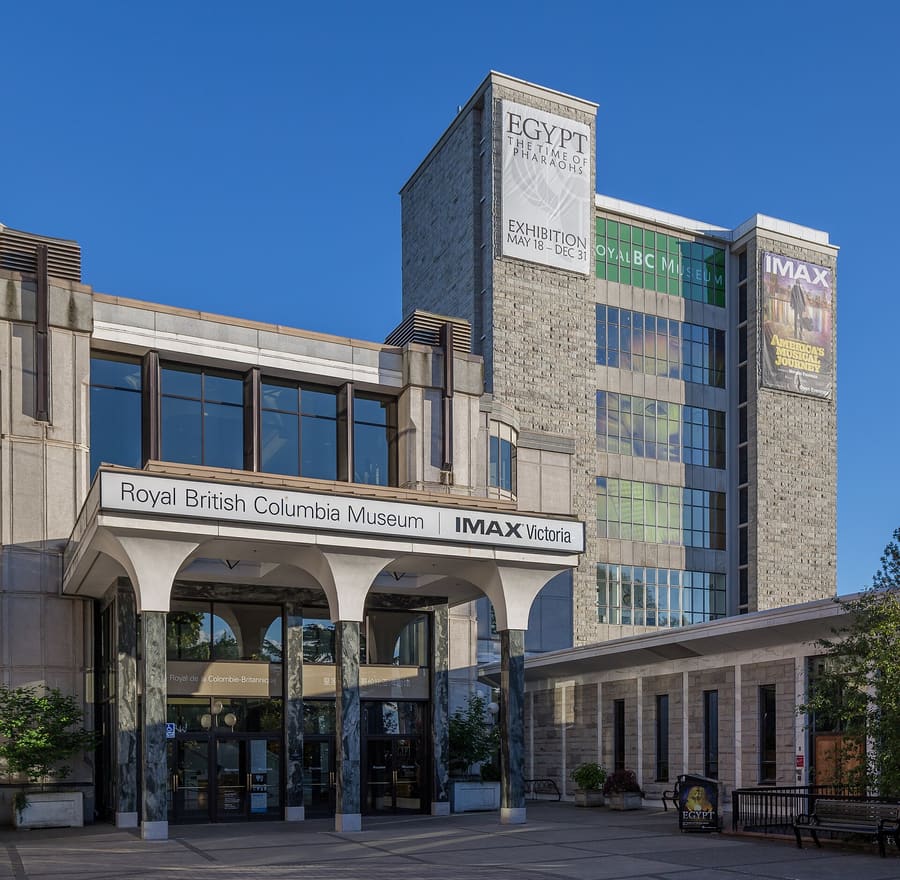
landmark
Exhibits document Indigenous heritage and natural history. Purchase advance tickets online to bypass afternoon admissions lines.
问问 Parley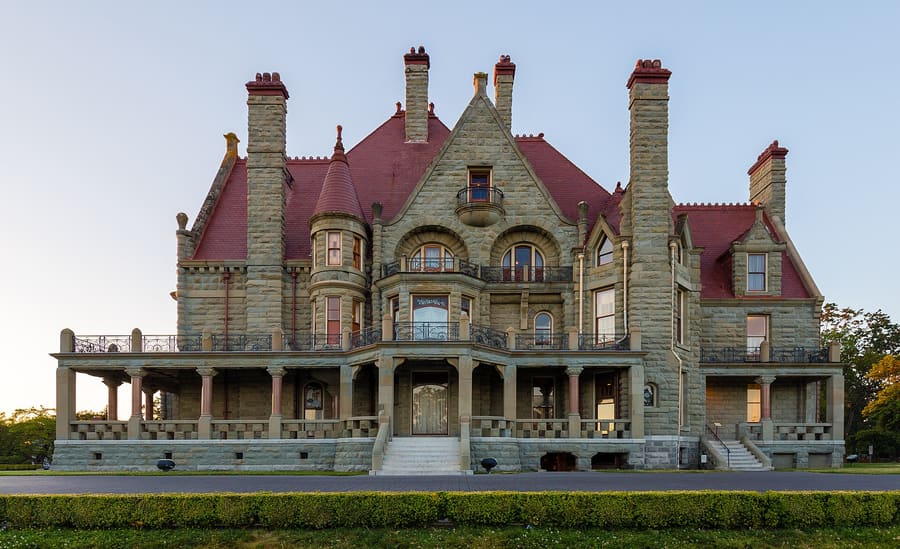
landmark
A 39-room Victorian mansion built by coal baron Robert Dunsmuir. Climb 87 stairs to the tower for panoramic views.
问问 Parley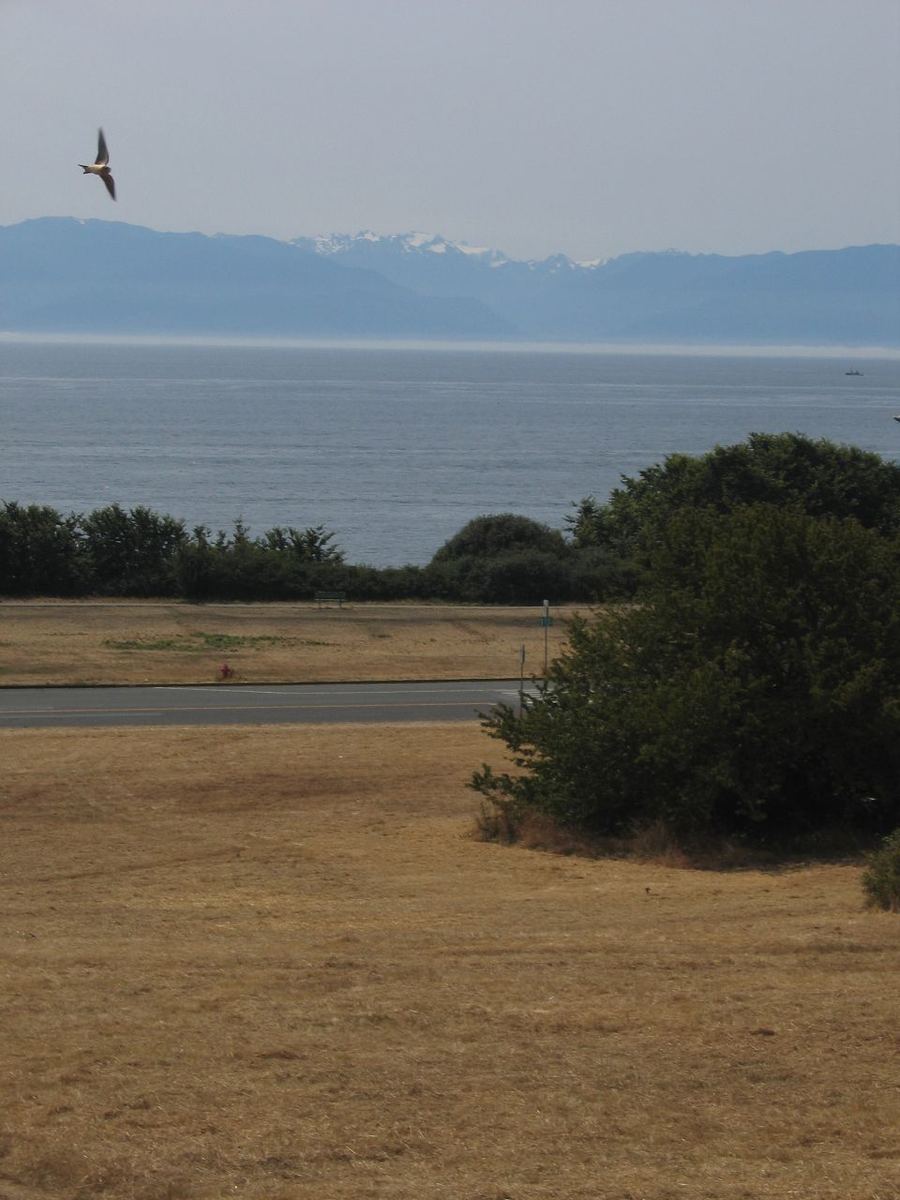
landmark
Landscaped gardens lead to coastal views over the Strait of Juan de Fuca. Walk to the southern end to see Mile Zero of the Trans-Canada Highway.
问问 Parleyattractions
areas
Walkable core filled with historic brick facades, tea rooms, independent shops, and government buildings.
附近Inner Harbour, Chinatown, Royal BC Museum
问问 ParleyQuiet residential peninsula of Victorian homes bordering the south ocean coastline.
附近Fisherman's Wharf, Beacon Hill Park
问问 ParleyBohemian neighborhood centered on a leafy square with a historic theatre, cafes, and pub culture.
附近Craigdarroch Castle, Belfry Theatre
问问 ParleyTree-lined residential streets leading to Dallas Road waterfront, anchored by a relaxed commercial strip.
附近Dallas Road Waterfront, Beacon Hill Park
问问 Parleyfood
Victoria's food scene relies heavily on wild Pacific salmon, spot prawns, and Vancouver Island craft breweries. Traditional afternoon tea at the Fairmont Empress remains a major culinary fixture, requiring reservations months in advance. Along Wharf Street and Chinatown, modern bakeries and farm-to-table bistros replace high tea with local microbrews and fresh oysters.
Book afternoon tea at the Fairmont Empress at least six weeks out during peak summer months. Smart casual dress is expected.
Wild BC spot prawns hit local docks in May and June. Order them live at Fisherman's Wharf or featured on daily downtown menus.
Victoria claims high taproom density. Visit breweries along the Rock Bay industrial strip for tasting flights without reservations.
history
Long before European contact, the Lekwungen-speaking Coast Salish peoples lived on the southern tip of Vancouver Island. The Hudson's Bay Company established Fort Victoria in 1843, which expanded rapidly during the 1858 Fraser Canyon Gold Rush. Victoria became the capital of British Columbia in 1871, preserving its maritime trade and administrative importance.
Fort Victoria established
The Hudson's Bay Company constructs Fort Victoria on Lekwungen territory as a fur trading post.
Fraser Canyon Gold Rush
Thousands of prospectors flood through Victoria, transforming the trading post into a major port and founding Chinatown.
Capital of British Columbia
Victoria is designated the official provincial capital as British Columbia enters Canadian Confederation.
Empress Hotel opens
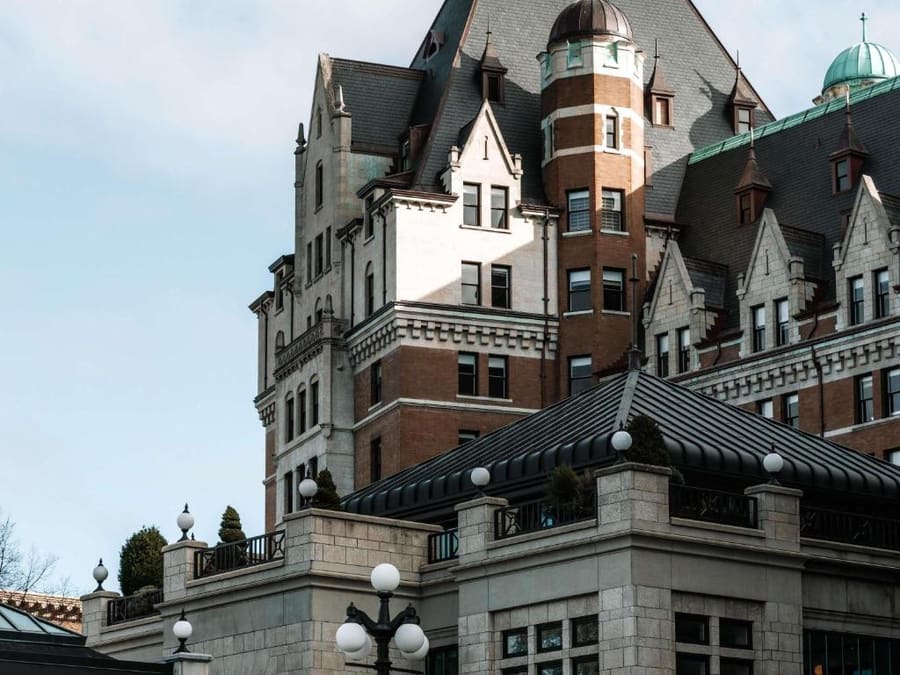
The Canadian Pacific Railway opens the Fairmont Empress, establishing Victoria as a luxury resort destination.
where to stay
Choose your base by how close you want to be to the water versus neighborhood commercial streets. Downtown hotels put you within walking distance of attractions but charge premium parking fees. Neighborhood stays in James Bay or Fairfield offer quieter nights and residential street parking.
transport
Central Victoria is straightforward to navigate without a car. BC Transit operates comprehensive regional bus routes, while water taxis serve the Inner Harbour. A car is only necessary if you plan to explore rural Vancouver Island beyond the transit grid.
从Victoria International Airport (YYJ)出发
Take BC Transit route 88 to Sidney, then transfer to route 70 for downtown Victoria.
Uber and Lyft pickup zones are located directly outside the arrivals terminal.
Flat rates do not apply; metered fares run higher during peak morning traffic.
Download the Umo app before riding local buses. A day pass caps automatically at CA$5.00 once you make two journeys.
Water taxis operate seasonal routes across the Inner Harbour and Gorge Waterway from March through October.
The Galloping Goose and Lochside Regional Trails intersect in Victoria, offering over 100 kilometres of car-free bike paths.
If driving onto the ferry from Vancouver, purchase a vehicle reservation. Standby lanes can result in three-hour wait times in summer.
cost
Victoria pricing reflects island shipping costs and heavy summer tourism. Accommodation and dining peak from June through August. Tap payments are accepted almost everywhere, so cash is rarely necessary except for small bus fares if not using the transit app.
Per person pricing depends on season, including tea selection and tiered towers of scones and pastries.
Unlimited daily bus travel within Greater Victoria, payable via Umo app or exact cash.
Local craft beer pint at neighbourhood taprooms in Fernwood or Chinatown.
Adult entry rates fluctuate seasonally, peaking during summer evening illumination shows.
seasonality
MAR – MAY
Spring brings cherry blossoms and blooming garden bulbs. Weather is mild with fewer summer tour groups.
JUN – AUG
Warmest months with maximum daylight and whale watching. Hotel rates double and ferry bookings fill quickly.
SEP – NOV
Autumn offers calm ocean waters and salmon runs. Rain increases by late October, but crowds vanish.
DEC – FEB
Victoria is Canada's mildest winter city, though overcast and damp. Festive light displays run through December.
practicalities
Victoria receives roughly half the annual rainfall of Vancouver thanks to the Olympic Mountains rain shadow.
Orca and humpback whale tours run reliably from May through October out of the Inner Harbour.
Independent stores downtown and in Chinatown often close by 17:00 or 18:00, even on summer weekends.
Contactless credit and debit card payments are universally accepted across shops, cafes, and taxis.
Strong winds along the southern shore require layers, even on bright summer afternoons.