landmark
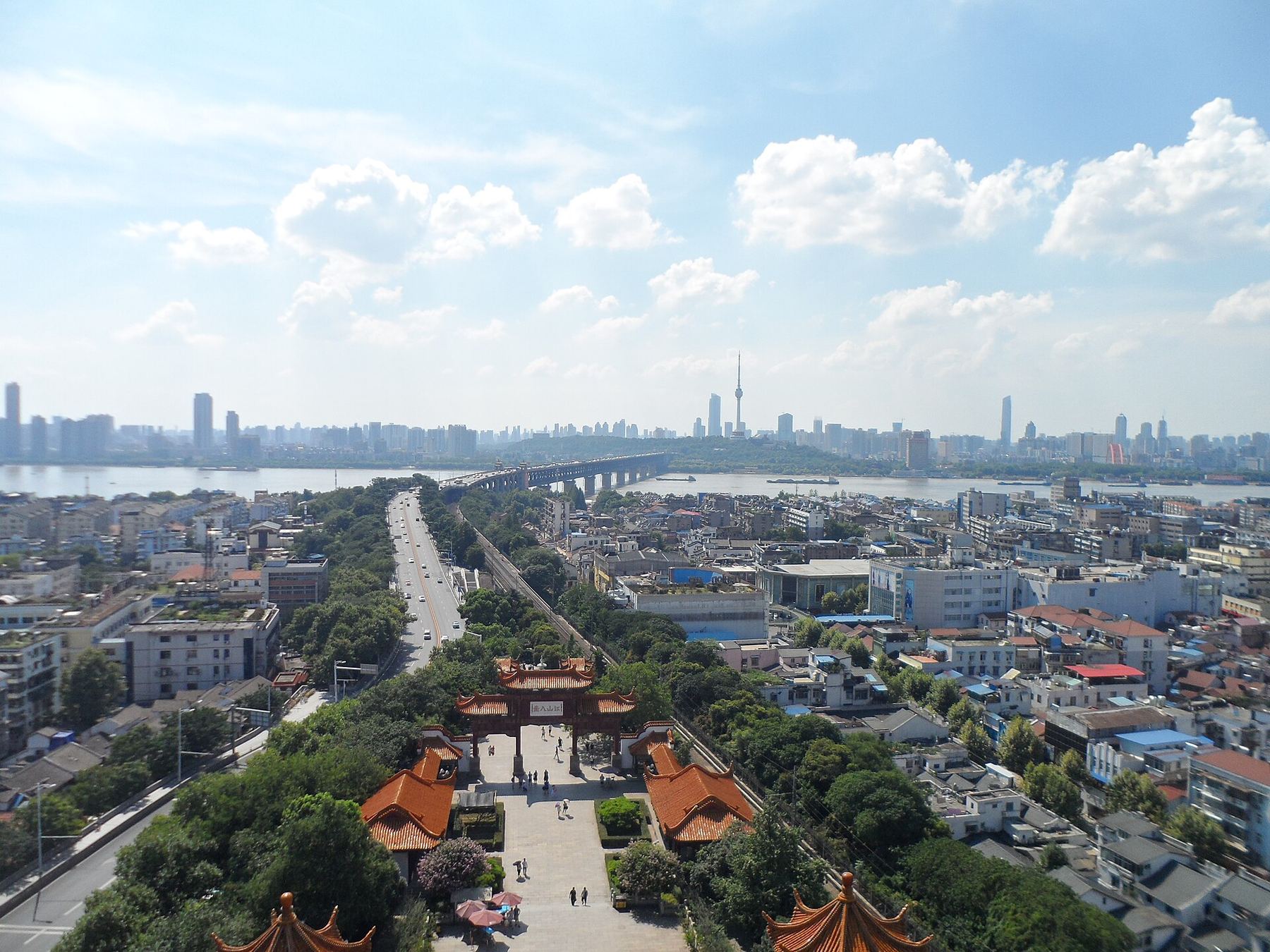
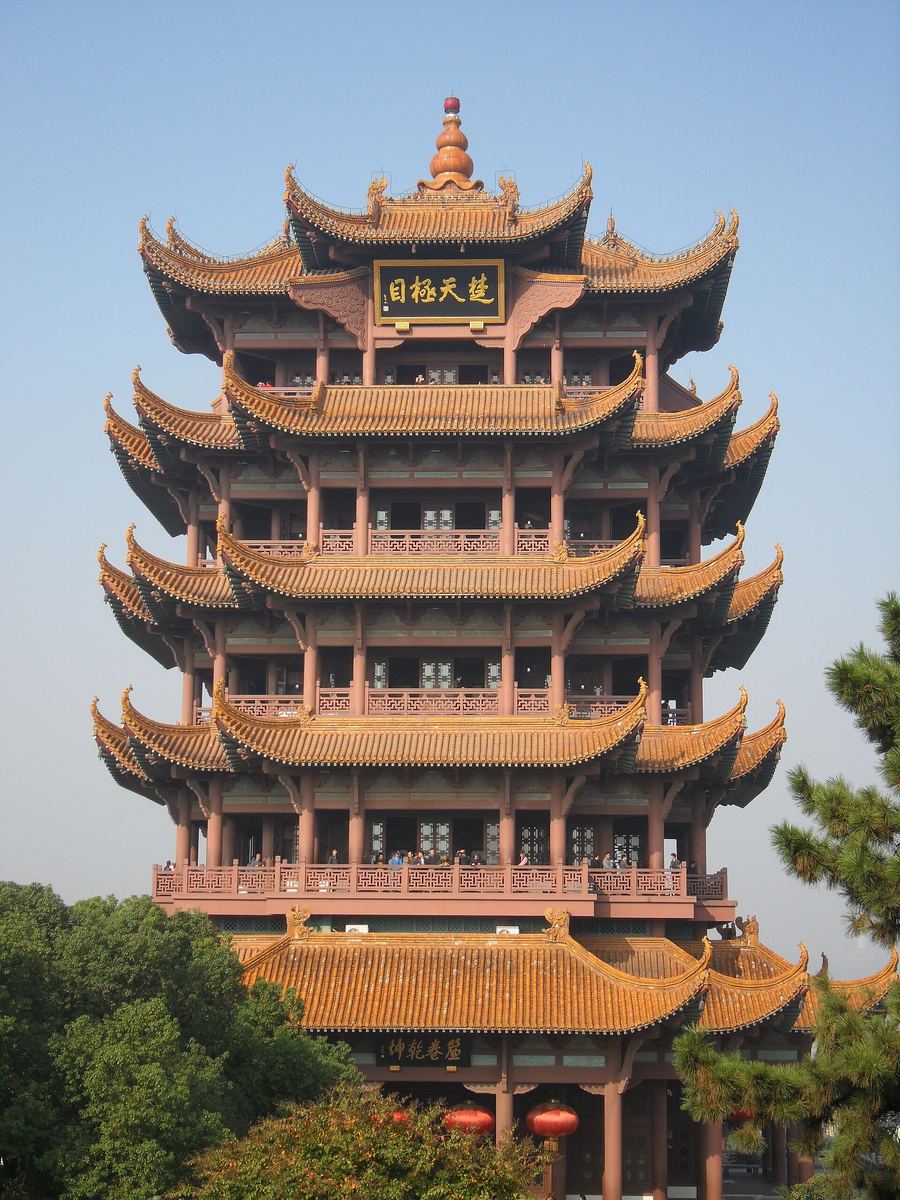
Yellow Crane Tower
Rebuilt five-story tower offering panoramic Yangtze views. Arrive at 08:30 opening to beat tour bus crowds.
问问 Parley中国
Three river towns bound by bridges, noodles, and steel.
introduction
Wuhan splits into three distinct towns—Hankou, Wuchang, and Hanyang—separated by the Yangtze and Han rivers. You navigate this sprawling metropolis via an extensive metro network and river ferries. Expect intense summer heat, fast-paced street dining, and massive industrial infrastructure.
UNESCO designation
UNESCO designated Wuhan a Creative City of Design in 2017. Its industrial architecture now houses major design hubs.
Peak hour bypass
Skip taxis during peak hours on river bridges. Metro lines cross under the Yangtze faster than surface traffic moves.
Wuhan
Painjet · CC BY-SA 4.0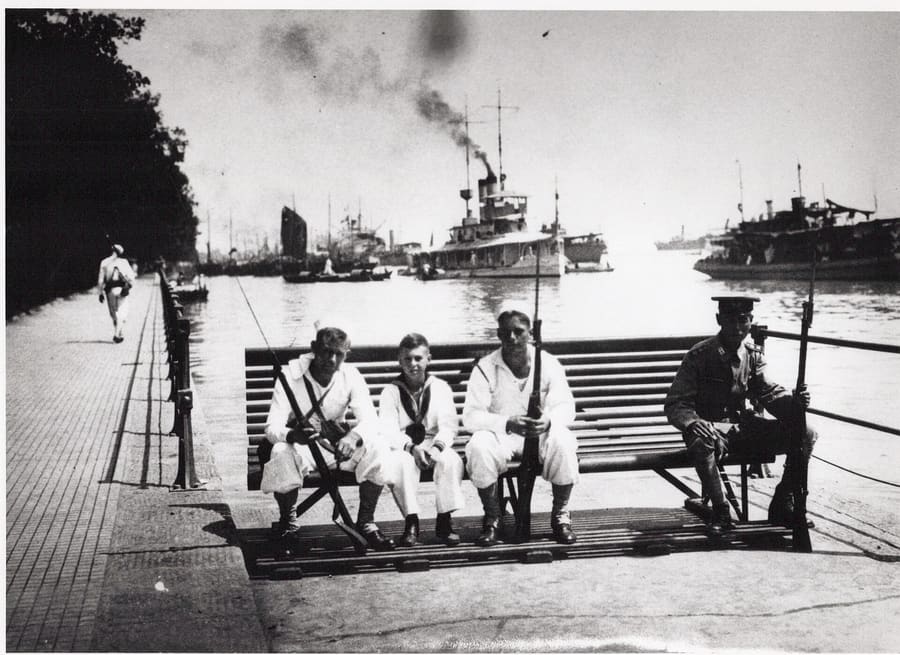
Hankou Waterfront — Colonial-era architecture meets dense shopping districts along the north bank.
Dougp1955 · CC BY-SA 4.0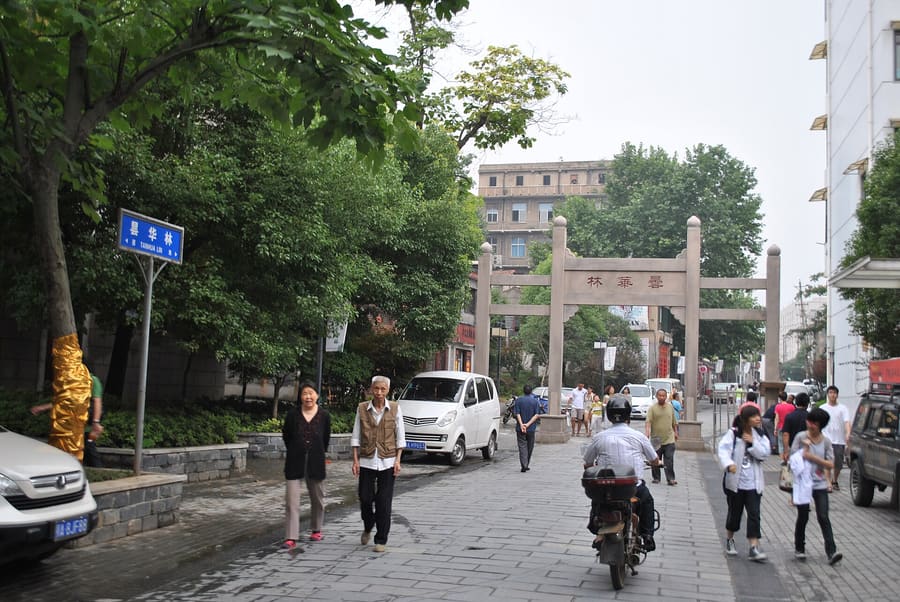
Tanhualin & Wuchang — Hillside alleys lined with creative studios, cafes, and historical republican buildings.
Howchou · CC BY 3.0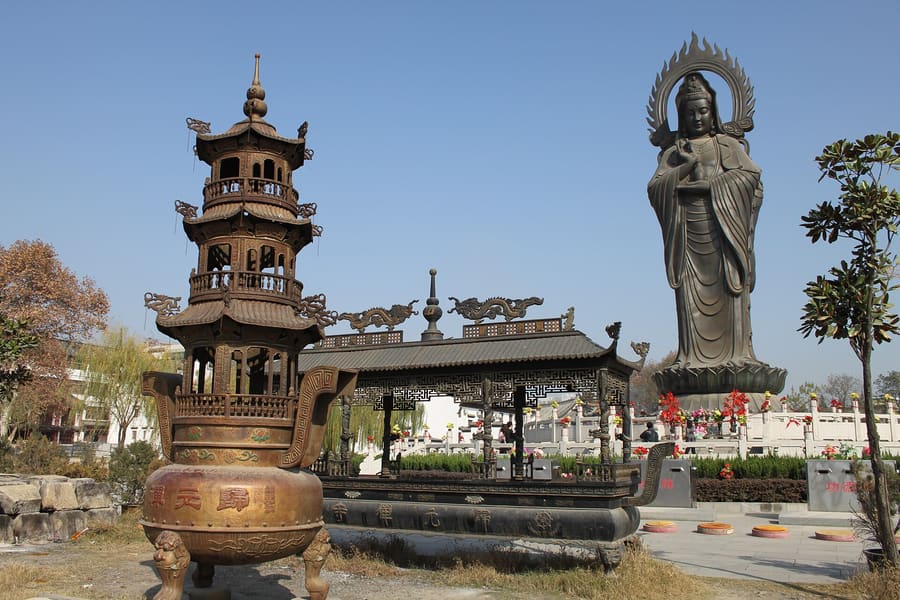
Hanyang Historic Center — Industrial heritage sites mixed with quiet Buddhist temples and riverside parks.
Gary Todd from Xinzheng, China · CC0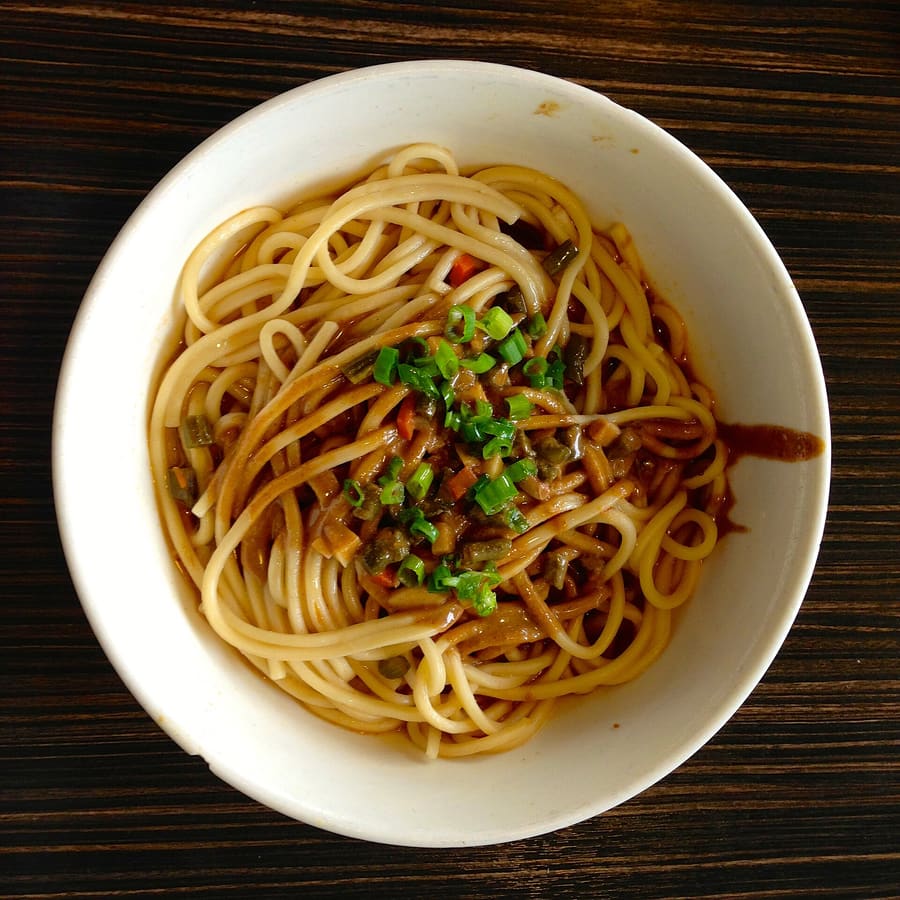
Hot dry noodles mixed with sesame paste at a neighborhood breakfast stall.
ZhengZhou · CC BY-SA 4.0highlights
landmark
Rebuilt five-story tower offering panoramic Yangtze views. Arrive at 08:30 opening to beat tour bus crowds.
问问 Parley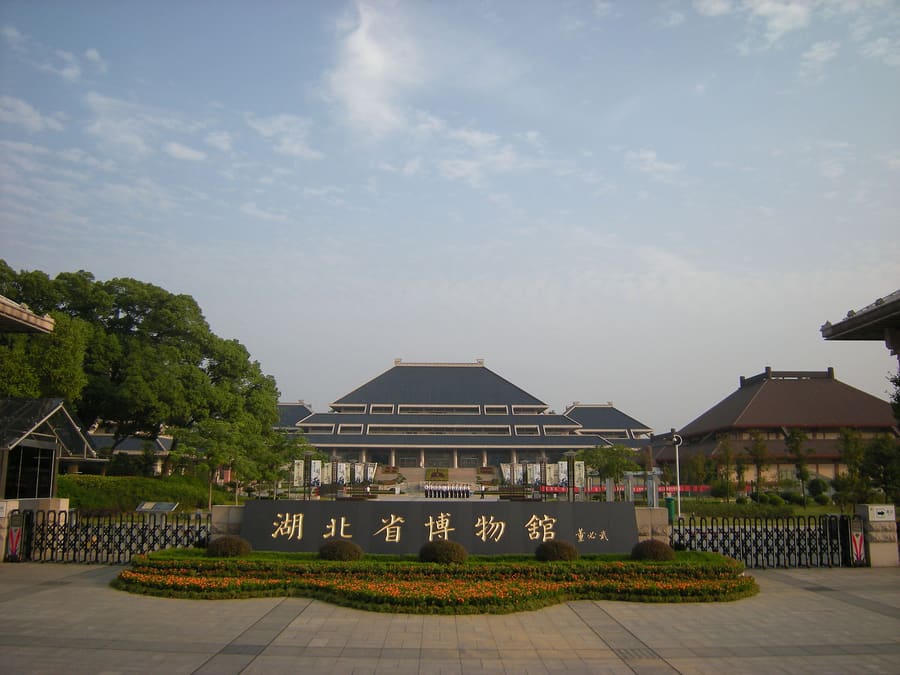
landmark
Houses the 2,400-year-old Marquis Yi of Zeng chime bells. Reserve ticket online three days prior.
问问 Parley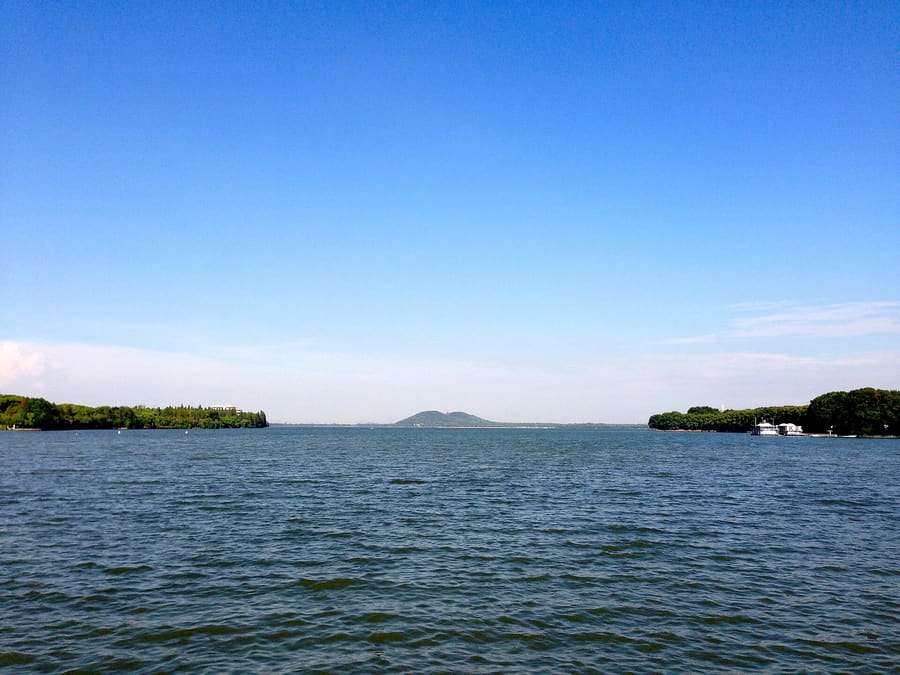
landmark
Massive urban lake with 100km of greenways. Rent a public bike at Tingtao Scenic Area to explore efficiently.
问问 Parley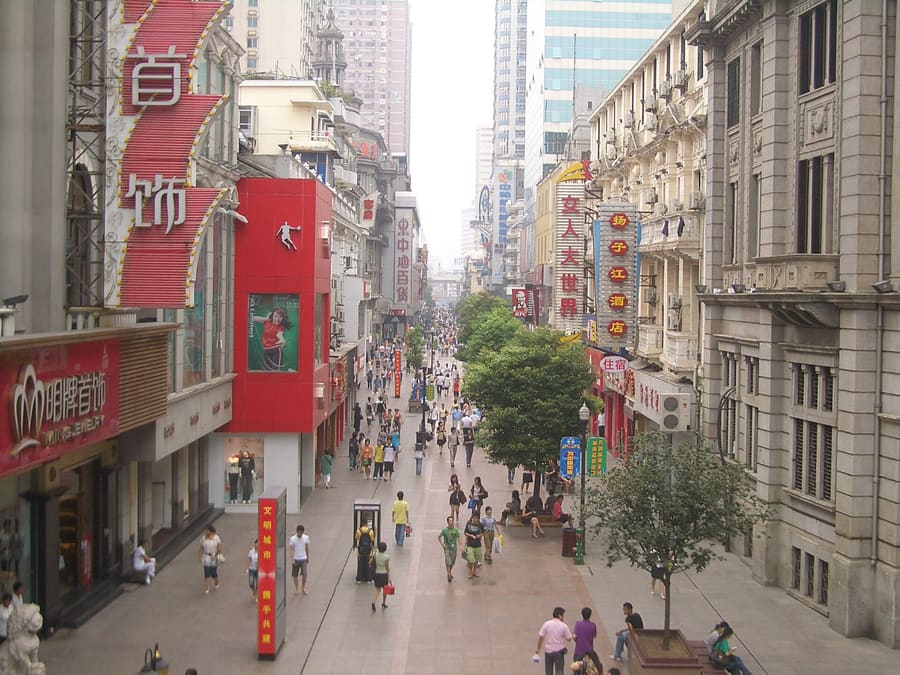
landmark
1.2km shopping street featuring early 20th-century European banking architecture. Busy late into the night.
问问 Parley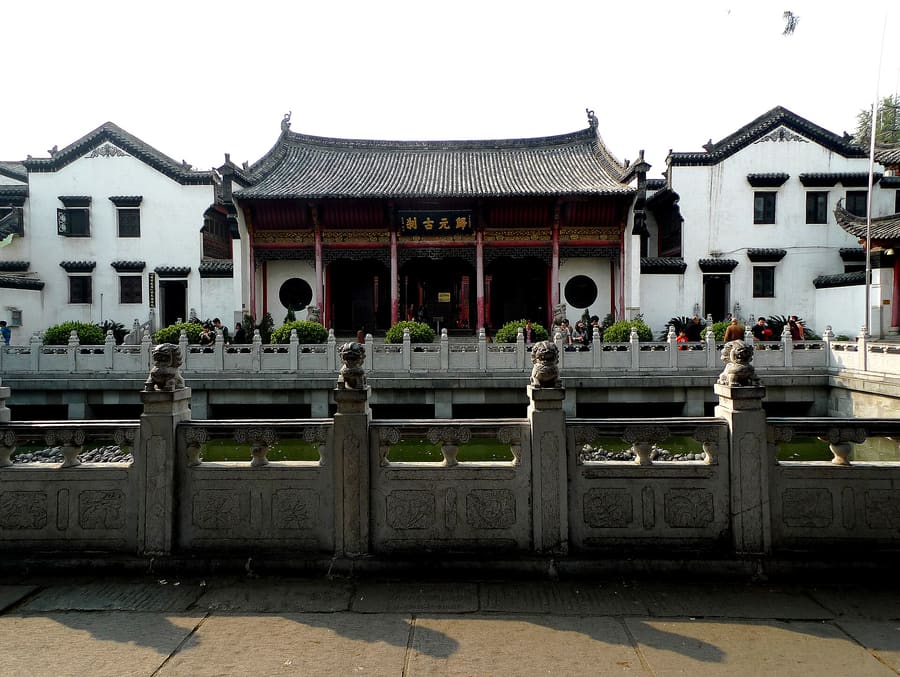
landmark
Buddhist complex famous for 500 distinct Arhat statues. Entrance costs ¥10.
问问 Parley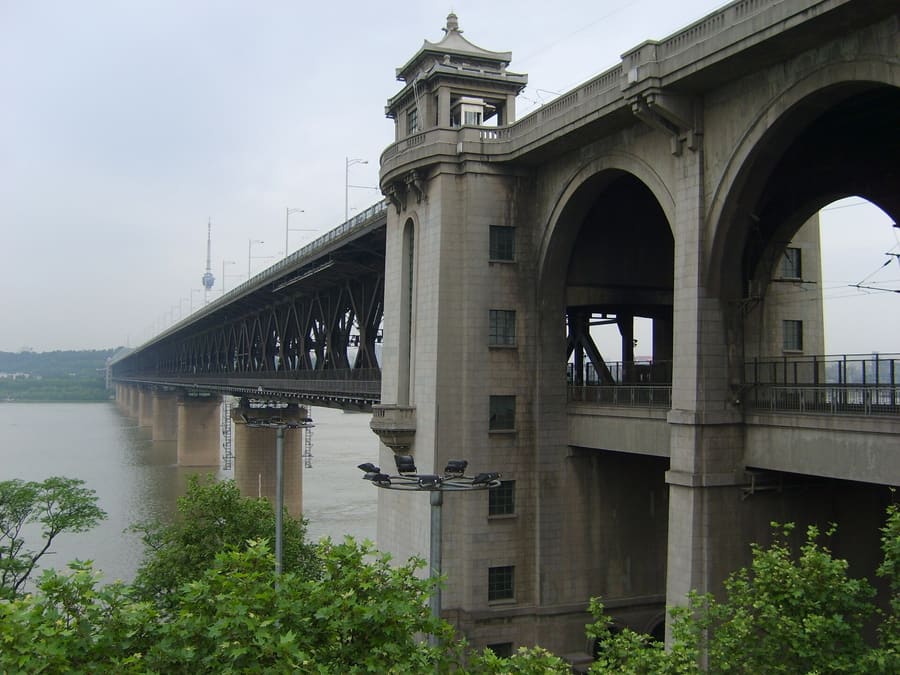
landmark
First double-decker road-rail bridge over the Yangtze built in 1957. Walk the upper deck walkway at dusk.
问问 Parleyattractions
areas
Colonial-era architecture meets dense shopping districts along the north bank.
附近Jianghan Road, Hankou Riverfront Park, Hankou Railway Station.
问问 ParleyHillside alleys lined with creative studios, cafes, and historical republican buildings.
附近Yellow Crane Tower, Hubu Alley, Yangtze River Bridge.
问问 ParleyIndustrial heritage sites mixed with quiet Buddhist temples and riverside parks.
附近Guiyuan Temple, Hanyang Ironworks Park, Qingchuan Pavilion.
问问 ParleyModern canal-side commercial hub built around modern retail and dining complexes.
附近Hubei Provincial Museum, East Lake, Han Show Theater.
问问 Parleyfood
Wuhan residents treat breakfast as an essential ritual called guo zao. You eat on the move or standing outside tiny noodle stalls before 09:00. Hot dry noodles (re gan mian) lead every morning menu, coated in dense sesame paste, pickled radish, and chili oil. Freshwater fish and lotus root soup dominate evening dining across the riverfronts.
Hot dry noodles mixed with sesame paste at a neighborhood breakfast stall.
ZhengZhou · CC BY-SA 4.0Popular guo zao shops exhaust their prepared fresh noodles and sesame mix by mid-morning.
Try crispy fried bean curd skin stuffed with sticky rice, pork, and mushrooms.
Order lotus root pork rib soup in autumn when fresh local roots reach peak sweetness.
history
Wuhan grew from three separate towns controlling trade where the Han River joins the Yangtze. Wuchang served as a military stronghold, Hanyang built early heavy industry, and Hankou developed as a major international trading port. In 1911, the Wuchang Uprising launched here, ending China's imperial dynasties.
Yellow Crane Tower Built
Constructed as a military watchtower for the Eastern Wu Kingdom on Snake Hill.
Hankou Port Opens
Hankou becomes an international treaty port, establishing foreign concessions along the Yangtze.
Wuchang Uprising
Armed rebellion in Wuchang triggers the Xinhai Revolution, ending the Qing Dynasty.
Yangtze River Bridge Opens
First bridge across the Yangtze connects Hankou, Hanyang, and Wuchang by rail and road.
where to stay
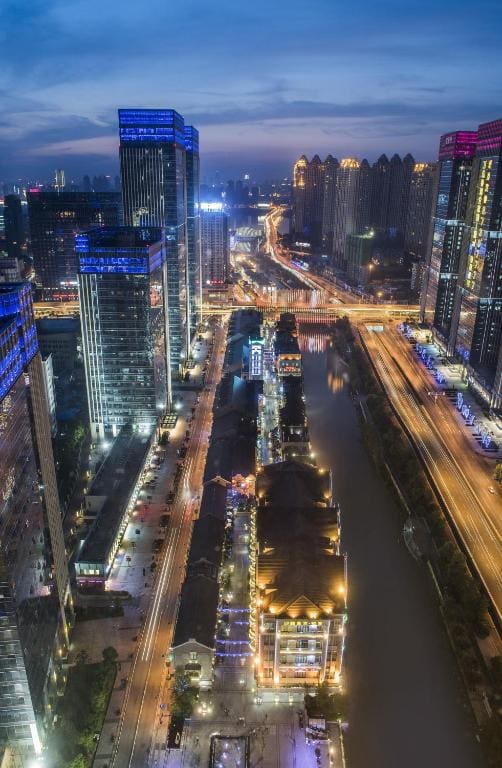
Choose your base by river access and metro line connectivity. Hankou offers walkable historic streets and commercial malls. Wuchang puts you close to major cultural sites and universities.
transport
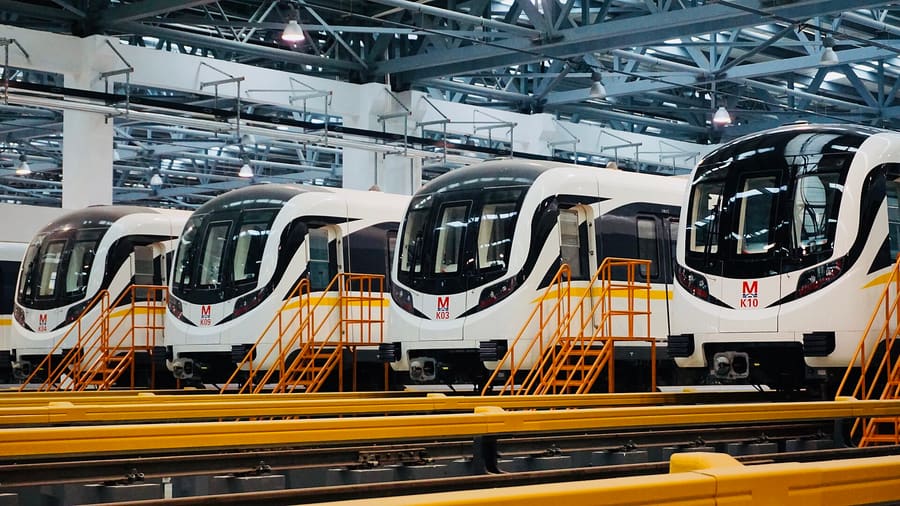
Wuhan Metro operates over 10 lines crossing all three river towns. Automated ticketing machines accept digital payments and cash. Public ferries provide direct Yangtze crossings for a fraction of taxi fares.
从Wuhan Tianhe International Airport (WUH)出发
Metro Line 2 connects Tianhe Airport directly to Hankou Railway Station and Wuchang.
Expect tolls and congestion during morning and evening rush hours on expressway routes.
Line 2 runs frequently under the Yangtze, bypassing bridge traffic completely.
Buy a Wuhan Transit Card at metro stations or use mobile wallet transit QR codes.
The regular passenger ferry stops early; switch to night cruise boats afterward.
High-speed rail arrives at both; check your ticket as they sit on opposite sides of the city.
cost
Wuhan offers low daily costs compared to Shanghai or Beijing. Local street food stays remarkably cheap, while museum access is largely free with advance booking.
Standard breakfast portion at neighborhood street vendors.
Fares scale based on distance across all subway lines.
Covers entry to the main tower and surrounding Snake Hill park.
One-way regular public ferry ticket between Hankou and Wuchang.
seasonality
MAR – MAY
Spring cherry blossoms bloom at Wuhan University and East Lake. Book accommodation early.
JUN – AUG
Extreme humidity and daytime temperatures exceed 38°C. Outdoor sightseeing is best early morning.
SEP – NOV
Mild temperatures and clear skies. Excellent condition for walking East Lake greenways.
DEC – FEB
Damp cold with occasional snowfall. Indoor attractions and lotus root soup peak in winter.
practicalities
Hubei Provincial Museum requires real-name passport registration online before entry.
Drivers prefer knowing if you are going to Hankou, Wuchang, or Hanyang before boarding.
Wuhan is historically known as one of China's furnace cities; sun protection is mandatory.
Most street breakfast stalls operate cashless via QR code payment systems.
Swimming in the Yangtze is common among locals, but currents are deceptively strong.