
landmark
Burnham Park
Designed by Daniel Burnham in 1909. Rent a rowboat on the central lagoon or rent a bicycle on the southern track.
Philippines
Pine-scented mountain air and Cordilleran craft.
Baguio sits 1,500 meters above sea level in the Cordillera Central mountains of Luzon. Pines cover the steep hillsides, and mountain fog settles over the grid after sunset. Taxis run on strict meters, while color-coded jeepneys connect hill neighborhoods to the central market. You come here for cool air, Igorot woodcarvings, and highland coffee.
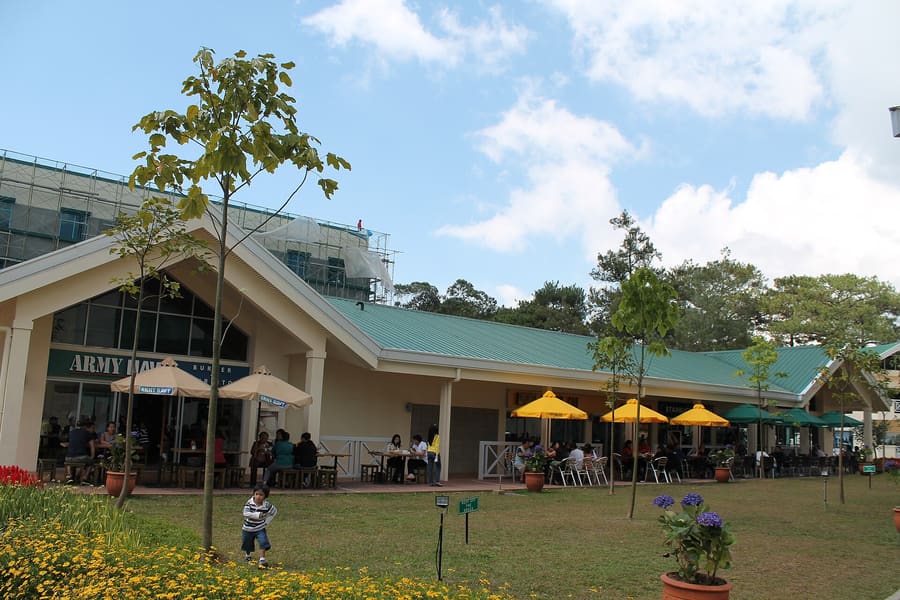
Camp John Hay — Quiet pine forest zone with manicured lawns, historic cottages, and high-end dining.
Gibraltar & Mines View — Residential ridge near Mine's View Park, offering cool breezes and craft shops.
01
landmark
Designed by Daniel Burnham in 1909. Rent a rowboat on the central lagoon or rent a bicycle on the southern track.
landmark
The main commercial artery lined with art deco facades. Closed to vehicle traffic every Sunday for street performances.
landmark
The central market for highland produce, Benguet coffee beans, and Igorot woven textiles. Buy fresh strawberries before 09:00.
landmark
A former US military rest station turned pine reserve. Features walking trails, golf courses, and preserved colonial cottages.
landmark
An overlook facing the abandoned gold and copper mines of Itogon. Expect dense crowds between 10:00 and 15:00.
02
03
Walkable city hub with steep side streets, vintage bakeries, and busy transit terminals.
NearbyBurnham Park and Baguio City Market
Ask ParleyQuiet pine forest zone with manicured lawns, historic cottages, and high-end dining.
NearbyYellow Trail and Forest Bathing Trail
Ask ParleyResidential ridge near Mine's View Park, offering cool breezes and craft shops.
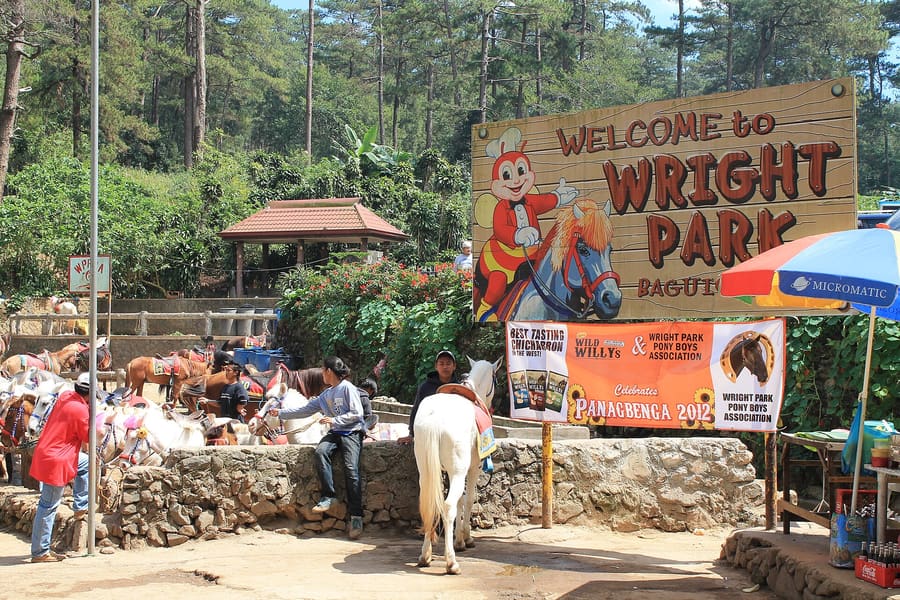
NearbyGood Shepherd Convent and Wright Park
Ask ParleyUniversity district and south approach with budget guesthouses and valley views.
NearbySaint Louis University Bakakeng Campus
Ask Parley04
Highland agriculture shapes Baguio dining. Cool mountain temperatures allow Benguet farmers to cultivate strawberries, fresh cabbages, and Arabica coffee beans that do not grow in lower Philippine provinces. Cordilleran dishes rely on smoking and salting techniques. Etag—pork cured in salt and smoke—flavors local soups, while pinikpikan remains a traditional Cordilleran chicken dish cooked with highland herbs.
Street vendors carry warm pots of silken tofu with strawberry syrup around starting at 06:00.
Nun-operated Good Shepherd Convent produces Baguio's famous purple yam jam. Sales fund youth scholarships.
Buy whole bean Arabica coffee directly from roasters in 's dry section.
05
Baguio began as an Ibaloi settlement called Kafagway. American colonial administrators built Baguio as a hill station in 1900 to escape Manila's summer heat. Architect Daniel Burnham laid out the city grid with wide parks and winding roads adapted to the mountain topography. The city endured major damage in World War II and survived a catastrophic magnitude 7.7 earthquake in 1990.
World War II Surrender
General Tomoyuki Yamashita surrenders Japanese forces at Camp John Hay, ending World War II in the Philippines.
Luzon Earthquake
A 7.7 magnitude earthquake destroys key hotels, forcing major rebuilding of city infrastructure.
UNESCO Designation
Baguio becomes the first Philippine city named to the UNESCO Creative Cities Network for Crafts and Folk Art.
06
Choose your accommodation based on how you plan to navigate Baguio's steep terrain. Stay near or if you want to walk to restaurants and transit terminals without relying on taxis. Choose or Gibraltar if you prefer pine trees and cool nights over central convenience.
Highly rated hotels in Baguio.


07
Baguio sits at the terminus of three major mountain roads: Kennon Road, Marcos Highway, and Naguilian Road. Long-distance buses from Manila drop passengers at terminals in the city center. Within Baguio, metered taxis and route jeepneys move all local traffic.
From Ninoy Aquino International Airport (MNL)
JoyBus and Victory Liner run non-stop luxury buses with toilets from Pasay and Cubao terminals.
Uses TPLEX express highway. Toll fees add roughly ₱800 to the total fare.
Harrison Road closes daily from 21:00 to 02:00 for the night market. Taxis divert around .
Jeepneys depart from fixed bays behind . Base fare is ₱13 paid in cash upon boarding.
08
Baguio remains more affordable than Manila for food and local transport. Taxis operate on strict meters without price negotiation. Fresh highland produce at the city market costs significantly less than in coastal regions.
Traditional Cordilleran chicken soup served in local highland eateries.
Prices at are lower than farm tourist shops in La Trinidad.
Warm silken tofu dessert sold by walking vendors near .
Covers short intra-city routes across central Baguio neighborhoods.
09
NOV – FEB
Coolest weather with temperatures dropping to 11°C. Reserve hotel rooms two months ahead.
MAR – MAY
High summer escape season for Manila travelers. Traffic builds up heavily on weekends.
JUN – AUG
Heavy monsoon downpours and landslide risks along mountain highways. Hotel prices hit annual lows.
SEP – OCT
Transition months with morning clearing and afternoon fog. Ideal for uncrowded city walks.
10
Arrive at before 08:00 for the fresh daily catch of Benguet strawberries and vegetables.
Temperatures drop sharply after 17:00. Pack a jacket or sweater even during summer months.
The famous ube jam stand accepts cash payments only and sells out by noon on holiday weekends.
Baguio drivers stop for pedestrians at marked crosswalks, a habit enforced by city traffic police.
closes to motor vehicles every Sunday. Local artists and musicians set up along the asphalt.
Contents
Your trip
Going to Baguio?
Tell Parley when you’re going and what you enjoy, and it plans the days around this guide.
Plan with Parley


