
landmark
Ver-o-Peso Market
The Amazon basin's largest open-air market operates from 05:00. Arrive before 08:00 to see fish dock landings without crowd heat.
Brazil
Amazonian river port of heavy rain, açaí, and rubber scale.
Belém sits at the mouth of the Pará River as the main urban gateway to the Brazilian Amazon. High humidity and predictable afternoon downpours dictate the daily pace of the city. You move between rubber-boom mansions, active docklands, and street stalls selling Amazonian herbs and fish. Expect tropical heat, distinct northern flavours, and a stark contrast between historic decay and modern towers.
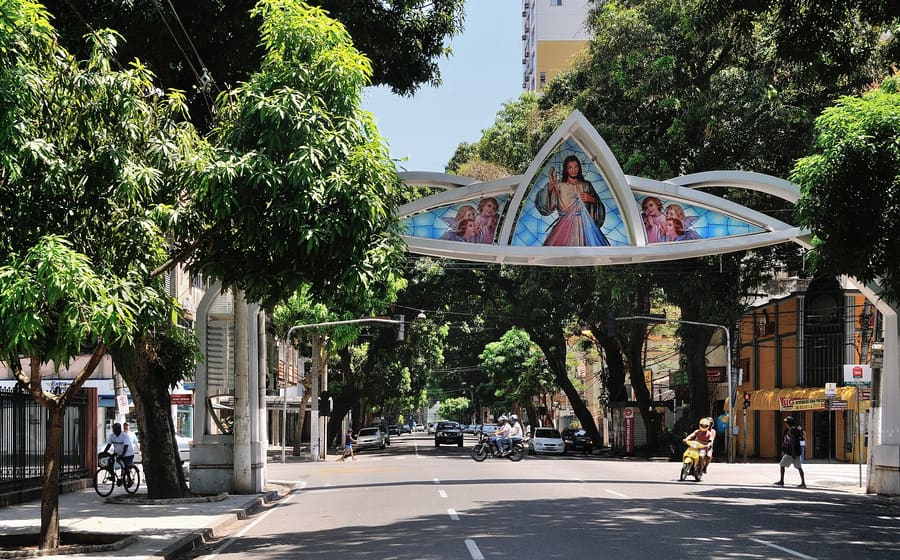
Nazaré — Tree-lined boulevards, colonial villas, and religious heritage anchored by the basilica.
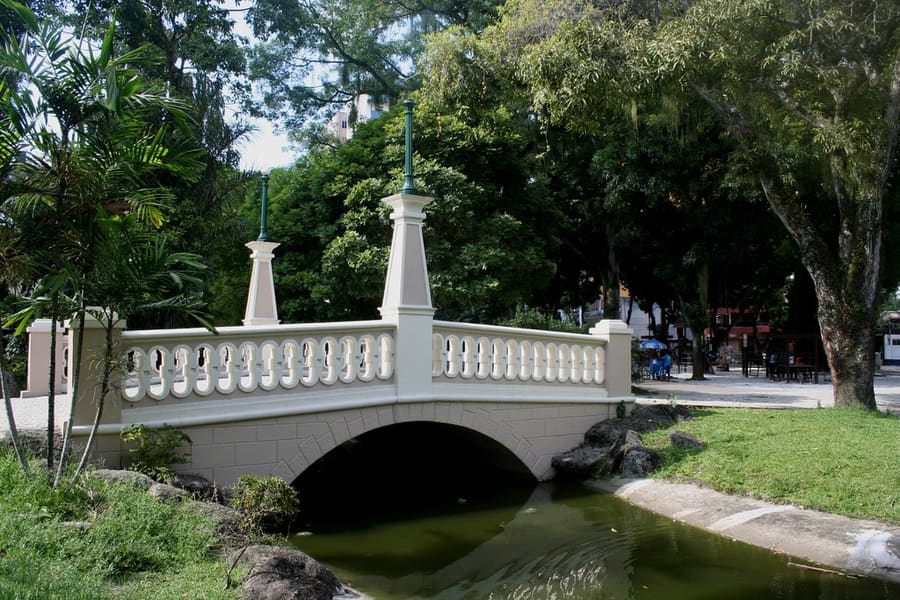
Batista Campos — Leafy residential neighbourhood centered on one of Brazil's greenest urban squares.
Tacacá served hot in a calabash bowl with tucupi, jambu, and dried shrimp.
01
landmark
The Amazon basin's largest open-air market operates from 05:00. Arrive before 08:00 to see fish dock landings without crowd heat.
landmark
A 40,000 m² ecological park with free-roaming egrets and native flora. Pay small fees only for the lighthouse and butterfly house.
landmark
Converted 19th-century docks housing air-conditioned restaurants and craft beer. Ideal for dinner during heavy late-afternoon rain.
landmark
Neoclassical sanctuary hosting the massive Círio de Nazaré procession each October. Entry is free; visit on weekday mornings.
landmark
Belém's 1616 founding site overlooking Guajará Bay. The indoor museum houses indigenous pottery and colonial cannons for R$ 4.
02
03
Commercial heart with historic decay, busy street stalls, and rubber-era architecture.
NearbyVer-o-Peso Market and Theatro da Paz
Ask ParleyUpscale residential quarter with high-rises, modern cocktail bars, and top-tier dining.
NearbyDoca avenue and south riverfront
Ask ParleyTree-lined boulevards, colonial villas, and religious heritage anchored by the basilica.
NearbyBasílica de Nazaré and Avenida Nazaré
Ask ParleyLeafy residential neighbourhood centered on one of Brazil's greenest urban squares.
NearbyPraça Batista Campos and central cafes
Ask Parley04
Belém eats unlike any other Brazilian city. Indigenous ingredients define the cuisine, led by tucupi (fermented manioc juice) and jambu (a leaf that numbs your tongue). Local açaí is consumed unsweetened with fried river fish or tapioca flour, rather than mixed with sugar or fruit. Street stalls selling hot tacacá soup open around 16:00 as afternoon rains cool the air.
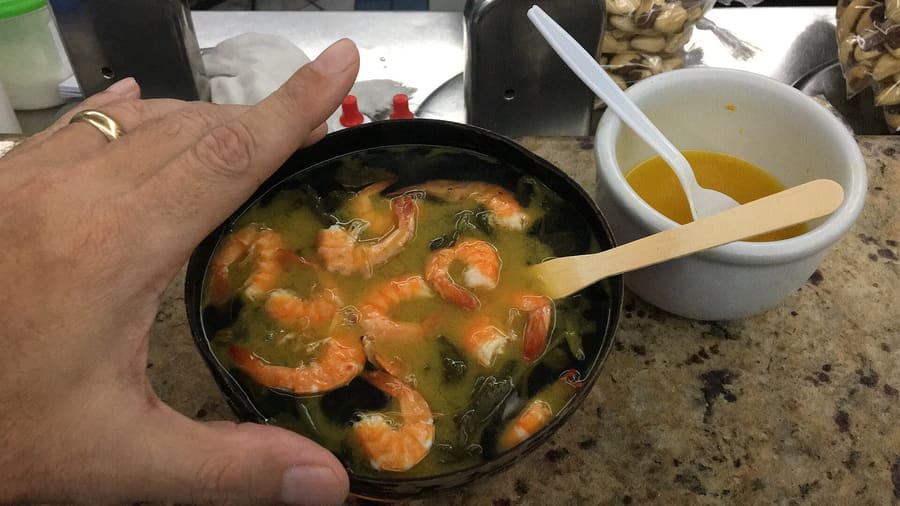
Tacacá served hot in a calabash bowl with tucupi, jambu, and dried shrimp.
Drink tacacá straight from the calabash bowl without a spoon. Use the provided wooden pick only to lift shrimp and jambu leaves.
Order açaí at local batedores alongside fried filhote or dourado fish. Request sugar only if you want locals to stare.
Street vendors set up their pots around 16:00. Dona Maria do Tacacá near Theatro da Paz is a long-standing local favourite.
05
Founded by the Portuguese in 1616 to guard the Amazon River mouth against rival European traders, Belém grew as a colonial fortress town. In the late 19th century, the global rubber boom flooded the city with wealth. European architects built grand opera houses and imported tiled facades before competition from cultivated rubber plantations in British Southeast Asia collapsed the local economy in the 1910s.
City Foundation
Portuguese captain Francisco Caldeira Castelo Branco builds Forte do Presépio, establishing European control over the Amazon mouth.
Cabanagem Revolt
A political rebellion by native and mixed-race populations controls the city for nine months, killing a third of the regional population.
Rubber Boom
Wild rubber latex exports transform Belém into one of South America's wealthiest ports, adding grand theatres and iron architecture.
Rubber Collapse
Asian rubber plantation production lowers global prices, plunging Belém into decades of economic decline.
Climate Summit Focus
Selection as host city for the COP30 UN Climate Conference brings major infrastructure upgrades and international attention.
06
Choose your neighbourhood by your tolerance for noise and evening safety. Nazaré and Batista Campos offer quiet, shaded residential streets within walking distance of central sights. Umarizal provides modern mid-rise hotels surrounded by top restaurants, though it lacks colonial character. Campina puts you steps from the riverfront and markets but gets desolate after dark.
Highly rated hotels in Belém.


07
Belém is a spread-out tropical city where walking is pleasant only along shaded avenues like Avenida Nazaré or early in the morning. App-based rideshare services dominate urban trips for safety and comfort. Public buses cover extensive routes but lack air conditioning on older units and get overcrowded during rush hours.
From Val-de-Cans International Airport (BEL)
Pickup is directly outside the arrivals terminal exit. Most reliable option.
Pre-paid vouchers available at the airport desk inside baggage claim.
Line 638 connects airport to central avenues. Uncomfortable with luggage.
Uber and 99 operate extensively in Belém. They are cheaper and safer than flagging street taxis at night.
Ferries to Ilha das Onças or Cotijuba leave from Porto do Açaí or Terminal Hidroviário. Pay cash at the pier.
Stick to populated main avenues. Avoid walking through Campina or commercial dock areas after shop closing hours.
Avenida Visconde de Souza Franco gridlocks between 17:30 and 19:30. Plan cross-town trips around this window.
08
Belém is markedly cheaper than Rio de Janeiro or São Paulo for food and transport, though high-end Amazonian fine dining matches capital prices. Cash is required at market stalls like Ver-o-Peso, while cards are accepted almost everywhere else.
Served hot at street stalls. Prices depend on shrimp size and vendor location.
Includes a litre of fresh pure açaí pulp with fried filhote fish at local eateries.
Multi-course regional tasting menu at top restaurants in Umarizal.
Covers movement between Nazaré, Umarizal, and the historical center.
09
JUN – NOV
Dryer summer season with less daily rainfall. Best time for river beaches and Marajó island trips.
OCT
Círio de Nazaré festival brings two million pilgrims. Hotel prices quadruple and must be booked months in advance.
DEC – MAY
Heavy rainy season with torrential downpours daily. Lower hotel rates, but outdoor sightseeing requires waterproof planning.
10
Humidity hovers around 85% year-round. Carry water constantly and pace physical activity.
Museums and historic sites close on Mondays. Ver-o-Peso market is best visited before 09:00.
Bring cash in small R$ 5, 10, and 20 notes for Ver-o-Peso herb and fruit stalls.
Belém is in an endemic Amazonian zone. Get vaccinated at least 10 days before arrival.
Guajará Bay water levels rise quickly. Riverwalk paths can get splashed during high tide.
Contents
Your trip
Going to Belém?
Tell Parley when you’re going and what you enjoy, and it plans the days around this guide.
Plan with Parley


