landmark
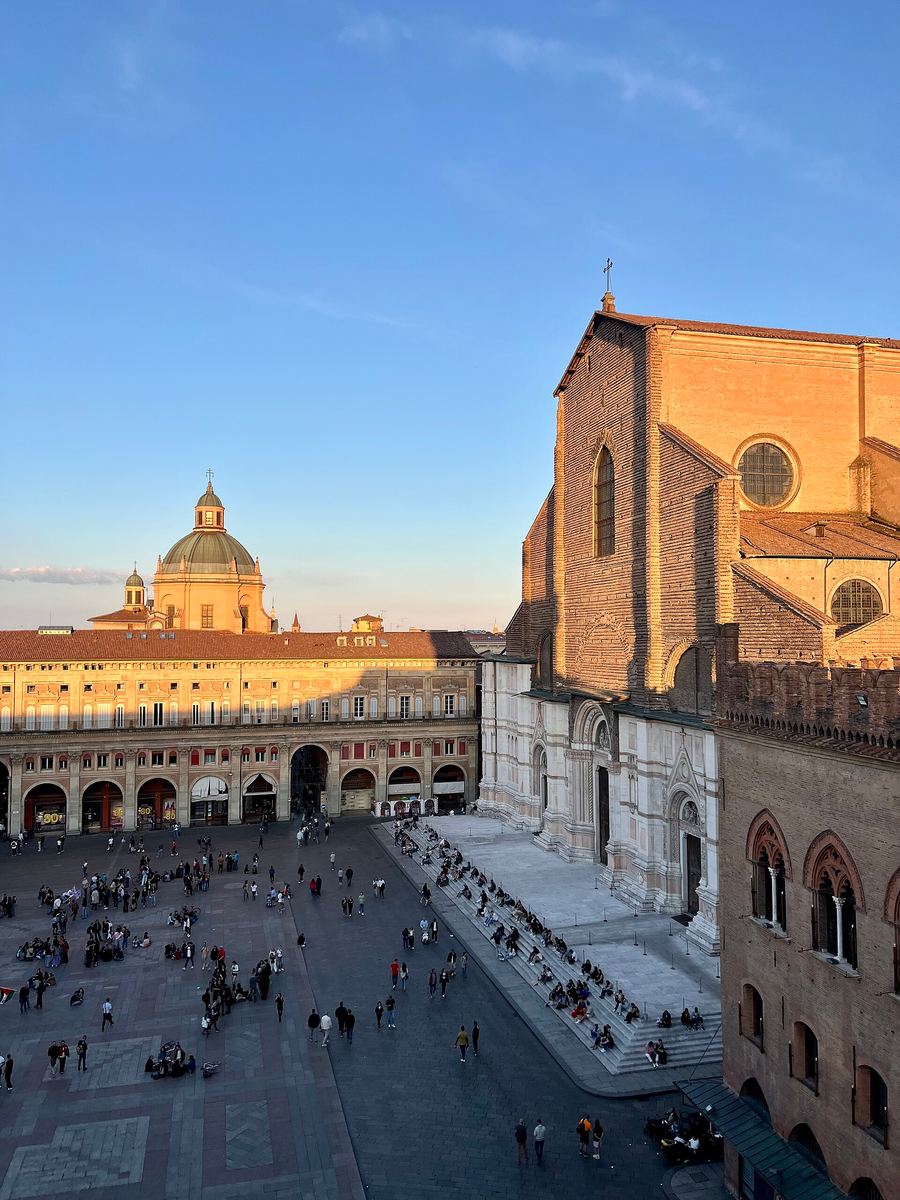
Piazza Maggiore
The civic core since 1200. Sit on the raised stone crescent (il Crescentone) to watch city life pass.
Ask ParleyItaly
Porticoes, pasta, and Europe's oldest university.
introduction
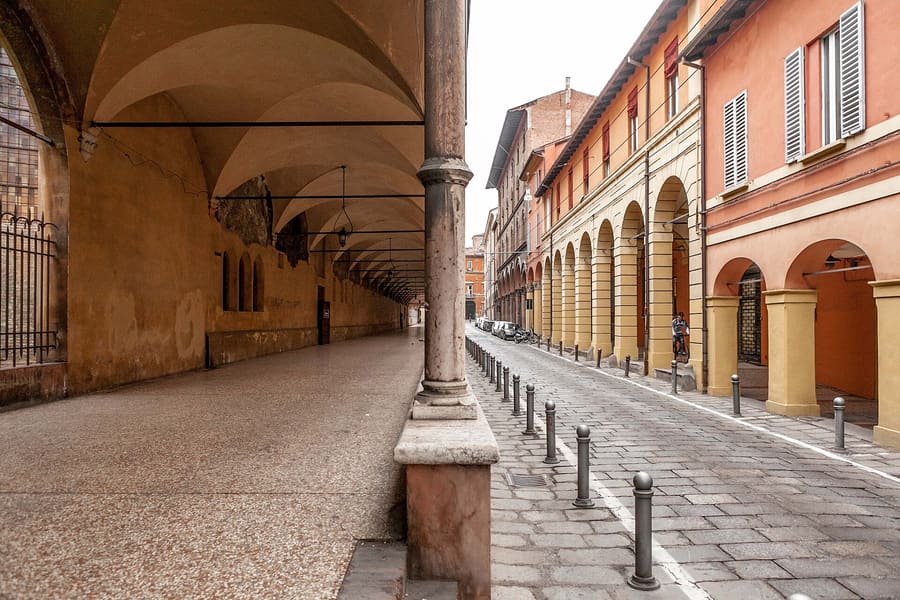
Bologna is a working city powered by students, arcades, and a strict culinary tradition. You navigate its medieval core under 38 kilometres of porticoes throughout the historic center, built mostly of brick, plaster, and wood, that make umbrellas obsolete. Expectations are straightforward: pasta is fresh egg dough, ragù belongs on tagliatelle, and dinner starts late.
Airport connection
The monorail Marconi Express reaches Centrale station in 7 minutes for €12.80 single.
UNESCO designation
The 62 kilometres of city porticoes hold UNESCO World Heritage status.
Sunday street rule
T-Days close the main central avenues to vehicles every weekend.
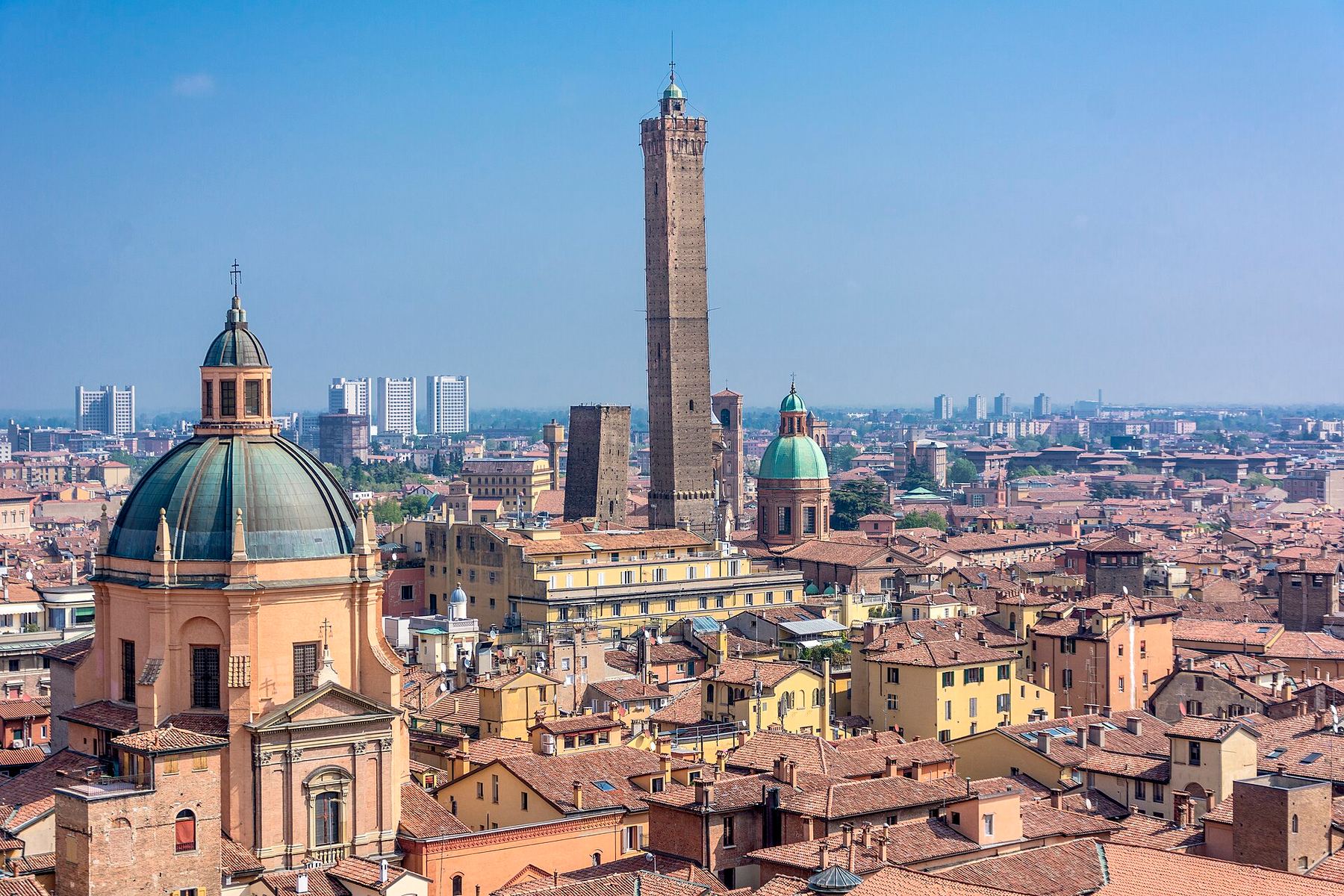
Bologna
Ivan Riccardi · CC BY-SA 3.0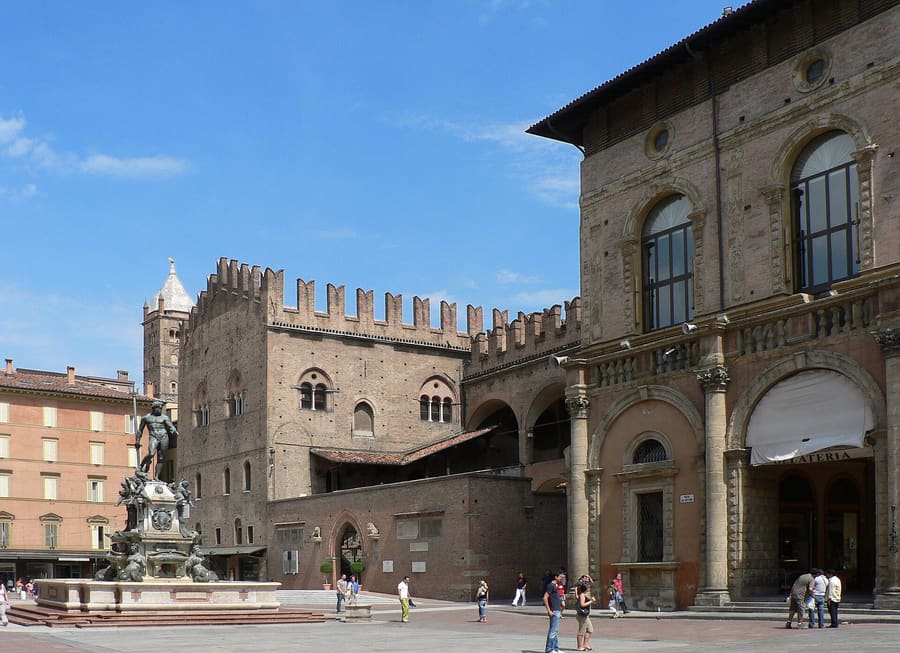
Centro Storico — Palazzo-lined streets, arcaded alleys, and dense market stalls around Piazza Maggiore.
Patrick Clenet · CC BY 2.5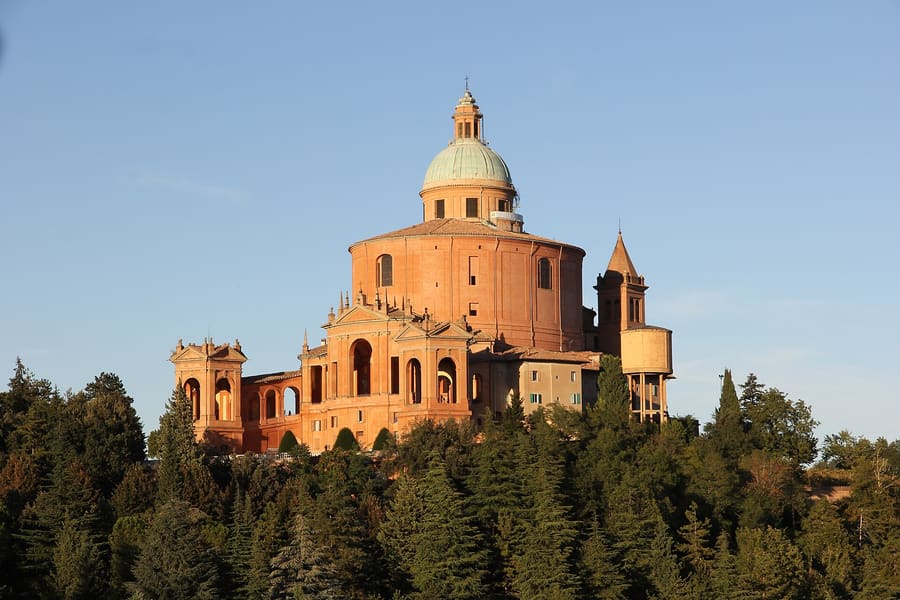
Saragozza — Residential green avenues stretching southwest towards the San Luca portico foothill.
Gianni Careddu · CC BY-SA 4.0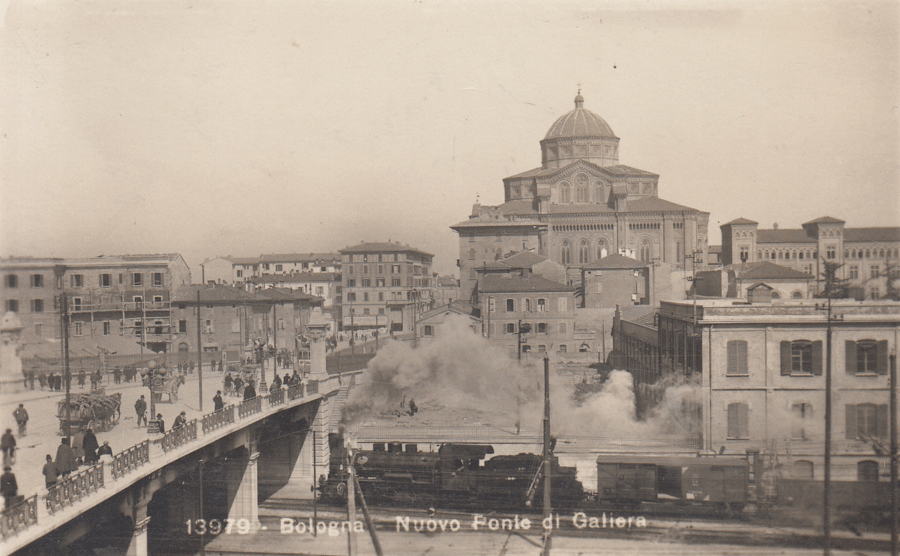
Bolognina — Former working-class district north of train station with contemporary craft beer bars.
Unknown authorUnknown author · Public domain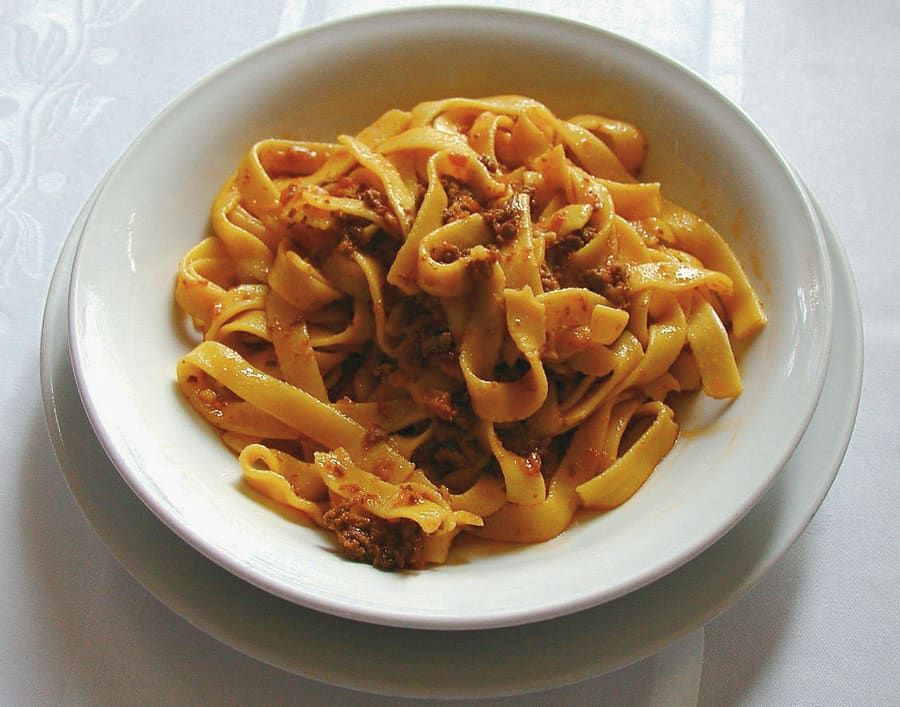
Egg tagliatelle served with traditional slow-cooked beef ragù.
Ivan Vighetto · CC BY-SA 3.0highlights
landmark
The civic core since 1200. Sit on the raised stone crescent (il Crescentone) to watch city life pass.
Ask Parley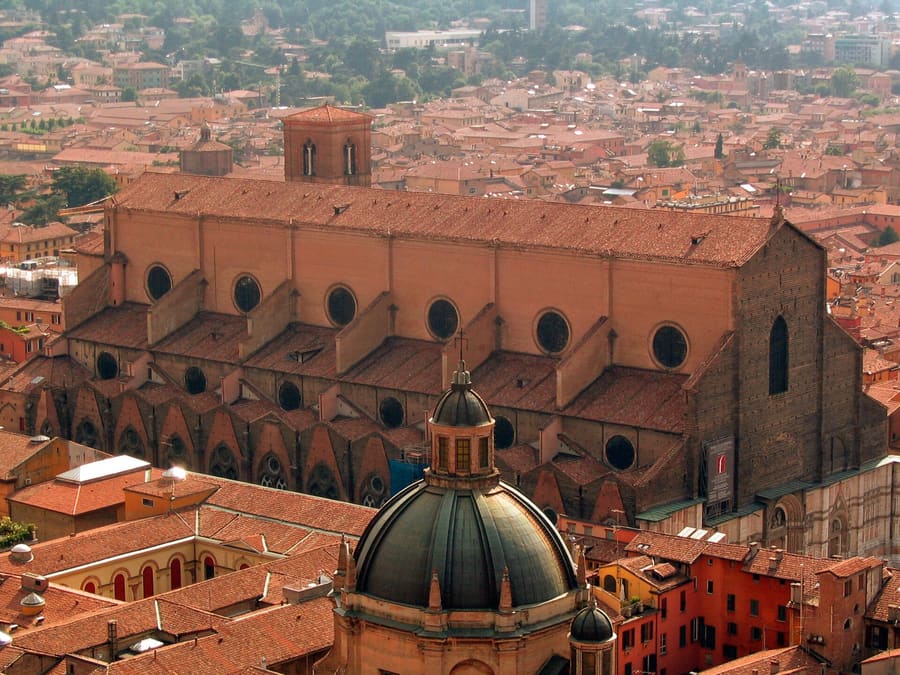
landmark
Unfinished marble facade housing Cassini's 67-metre meridian line. Dress modestly or buy a shoulder cover at entry.
Ask Parley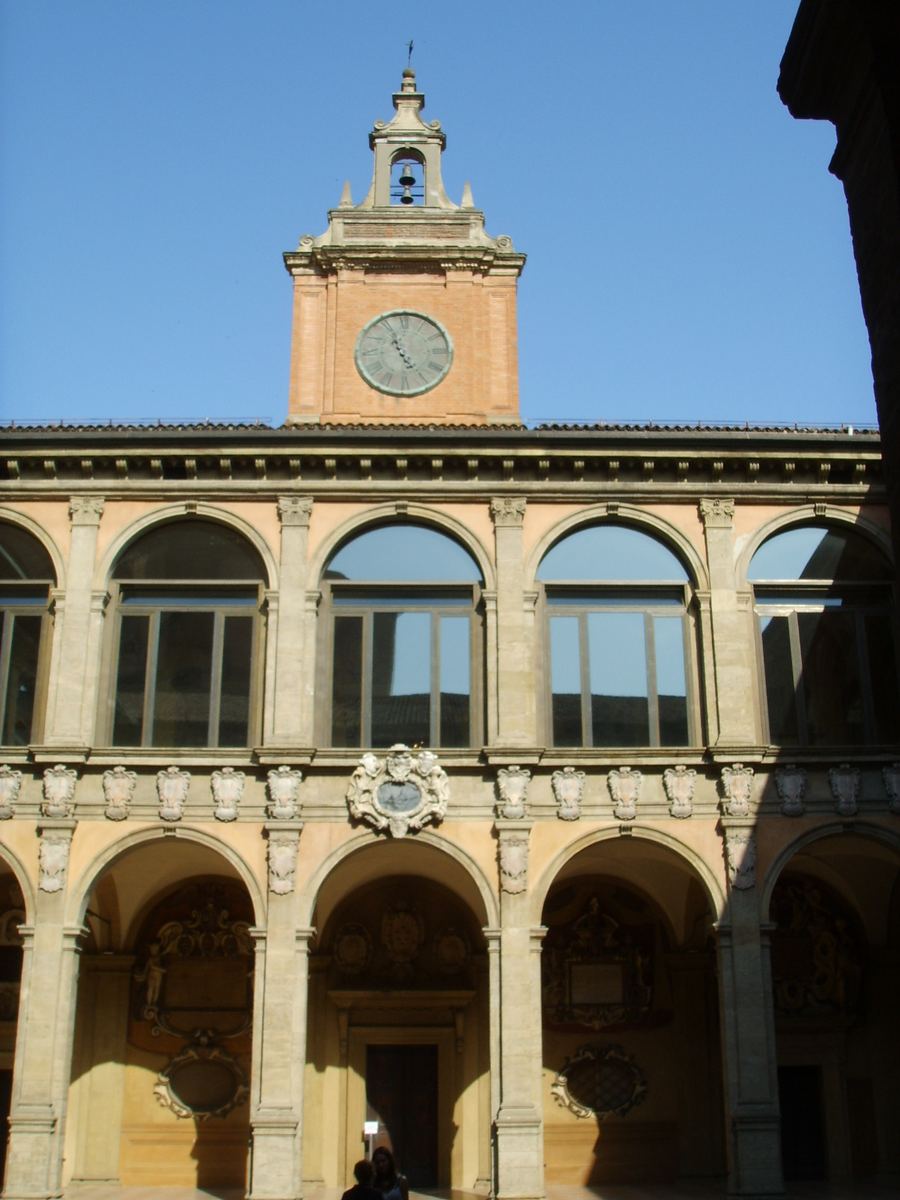
landmark
Seat of the medieval university with a 1637 wooden anatomical theatre. Entry costs €3 for the main hall.
Ask Parley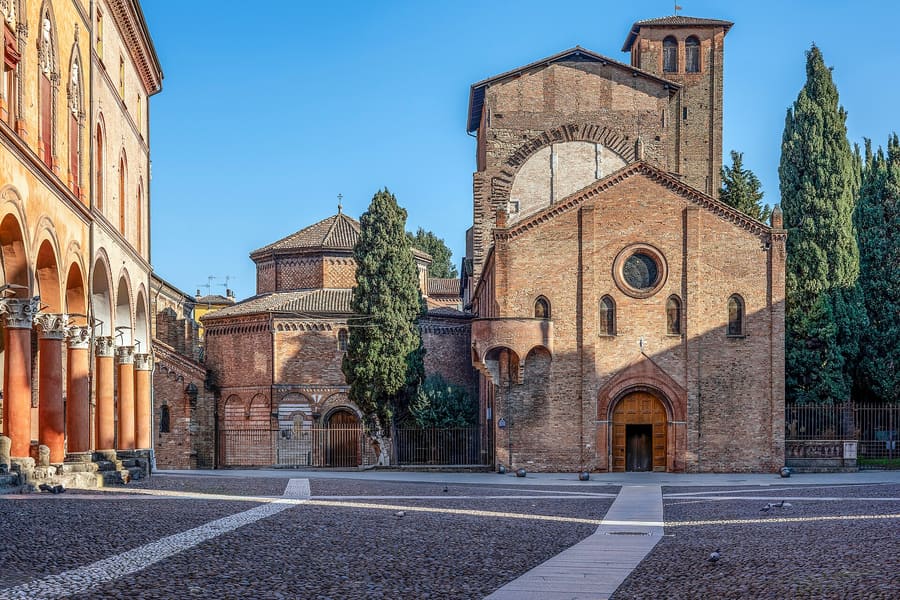
landmark
A complex of seven interconnected medieval churches. Free admission; donation requested at the cloister exit.
Ask Parleyattractions
areas
Palazzo-lined streets, arcaded alleys, and dense market stalls around Piazza Maggiore.
NearbyPiazza Maggiore, Quadrilatero, Archiginnasio
Ask ParleyResidential green avenues stretching southwest towards the San Luca portico foothill.
NearbyPortico di San Luca, Parco della Montagnola
Ask ParleyFormer working-class district north of train station with contemporary craft beer bars.
NearbyBologna Centrale station, Mercato di Bolognina
Ask ParleyLively university quarter filled with cheap aperitivo bars, bookshops, and graffiti.
NearbyVia Zamboni, Piazza Verdi, Palazzo Poggi
Ask Parleyfood
Bologna's food culture turns on precise rules. Local ragù sauce is served with egg tagliatelle or lasagna, never spaghetti, while tortellini is served in meat broth. Cured pork sausage mortadella is sliced paper-thin and eaten cold on fresh crescentina bread.
Egg tagliatelle served with traditional slow-cooked beef ragù.
Ivan Vighetto · CC BY-SA 3.0Trattorias fill for lunch by 12:45. Osteria del Sole allows you to bring food bought from Quadrilatero market stalls as long as you buy drinks inside.
Ordering 'spaghetti bolognese' marks you as an outsider immediately. Ask for tagliatelle al ragù or tortellini in brodo instead.
Order a glass of Pignoletto or Sangiovese around Via Pescherie Vecchie between 18:30 and 20:30 for small snack plates included.
history
Founded as Etruscan Felsina, the settlement became Roman Bononia in 189 BC. The establishment of Europe's first university in 1088 transformed the city into an international intellectual capital.
University founded
Scholars establish the Studio, creating Western Europe's oldest continuously operating university.
Liber Paradisus
Bologna abolishes serfdom across its territory, releasing over 5,000 enslaved peasants.
Portico ordinance
Civic law mandates that every home build a portico tall enough for a mounted rider.
Papal rule
Pope Julius II annexes Bologna into the Papal States, where it remains until Italian unification.
where to stay
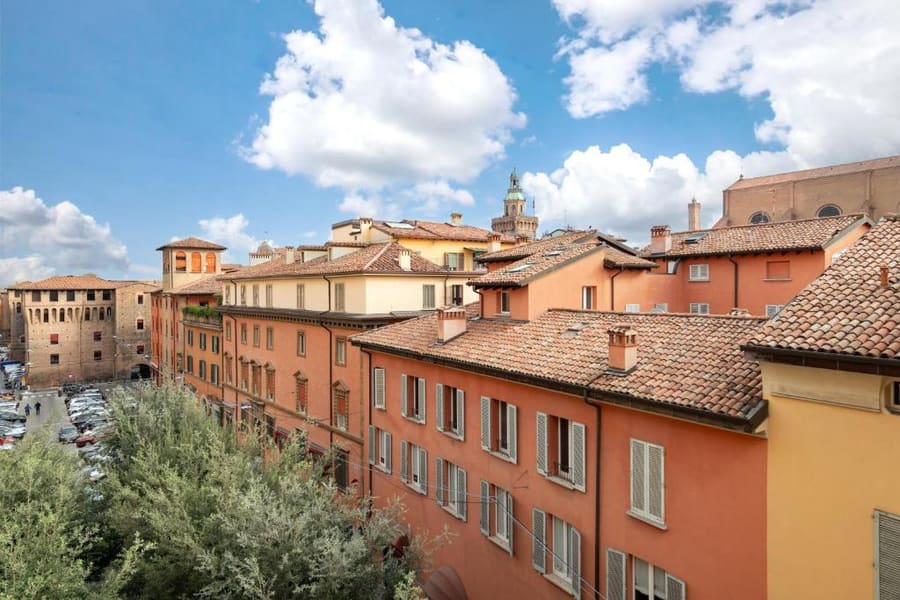
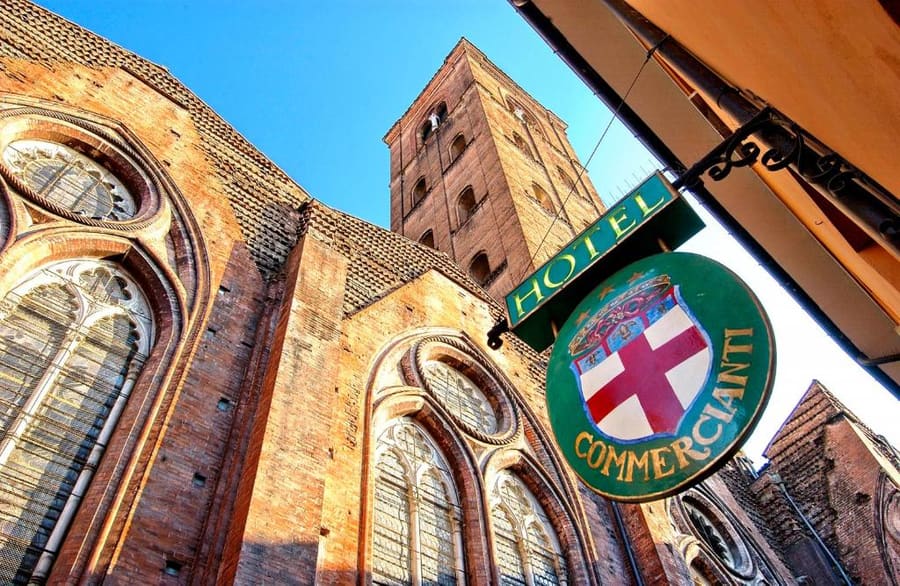
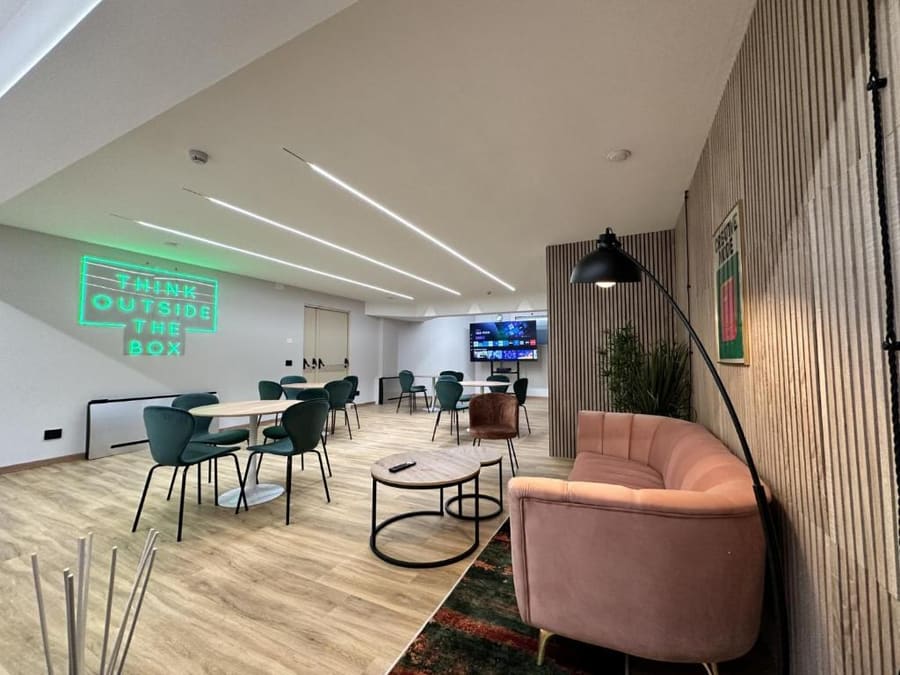
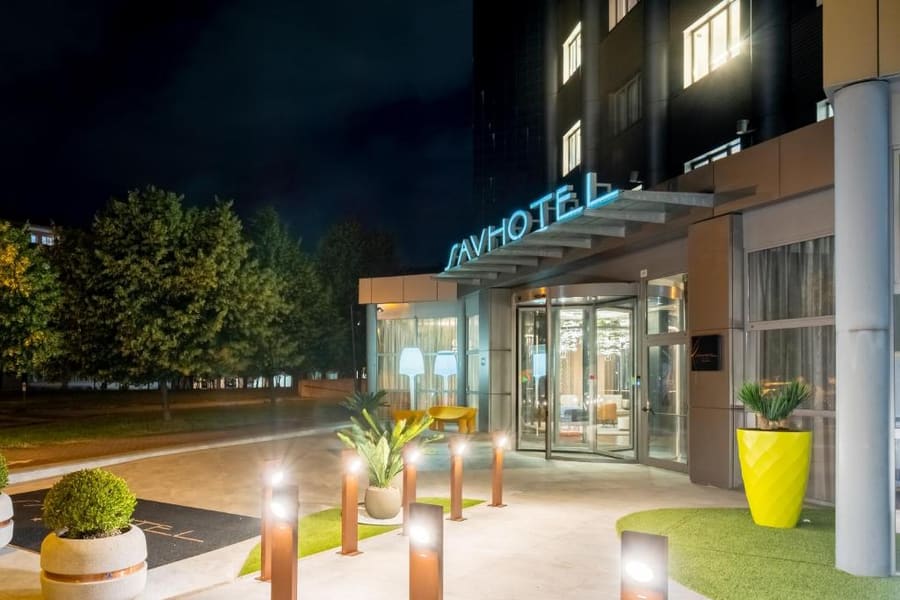
Choose your base by walkability and noise tolerance. Stays in the Centro Storico cost more but put you steps from main sights under cover. Stays in Bolognina give direct access to high-speed rail lines.
Live rates, matched to the areas above.
transport
Bologna is compact and best explored on foot. TPER bus routes service outlying areas, while high-speed trains at Centrale connect Florence in 37 minutes and Milan in 60 minutes.
From Bologna Guglielmo Marconi Airport (BLQ)
Marconi Express monorail runs direct from airport terminal to Bologna Centrale.
Official rank outside arrivals. Fixed supplement applies on Sundays and late nights.
Line 944 shuttles to Ospedale Maggiore for city bus connections.
Tap your physical card on TPER green validators when boarding city buses. Single fares cost €1.50 for 75 minutes.
The ZTL zone covers historic centre roads. Driving inside without a registered hotel permit triggers automated fines.
High-speed AV trains depart from subterranean platforms 16-19, which require a 10-minute walk from main gates.
RideMovi operates pedal and e-bikes dockless across the city ring roads via app unlock.
cost
Prices reflect a working Italian regional capital rather than a tourist resort, though hotel rates rise sharply during major industrial trade fairs.
Drinking coffee standing at the bar counter costs half the price of sitting at a table outdoors.
Standard price in central traditional trattorias such as Serghei or Anna Maria.
Includes a glass of wine or Spritz paired with counter nibbles along Via del Pratello.
Single ticket price for the Marconi Express from Centrale station.
seasonality
MAR – MAY
Mild weather ideal for walking under arcades. Trade fairs can fill hotels unpredictably.
JUN – AUG
Humid summer temperatures reach 35°C. Many family-run trattorias close for two weeks in August.
SEP – NOV
Autumn brings white truffle season in the surrounding hills and university term launches.
DEC – FEB
Cold foggy days suit museum visits and warm broths. Porticoes keep rain off daily walks.
practicalities
Several smaller civic museums close on Mondays, though main basilicas remain open.
House numbers use red numerals for commercial premises and black numerals for residential entrances.
Use facilities in cafes by buying an espresso; public city restrooms are scarce near main plazas.
Credit cards are accepted nearly everywhere, though small bakery purchases under €5 appreciate cash.
Exhibitions at BolognaFiere cause severe room shortages and 3x rate increases during event weeks.