
landmark
Frederik Meijer Gardens & Sculpture Park
A 158-acre campus housing works by Rodin, Serra, and Moore. Buy tickets online to skip the main entrance line.
United States
Furniture design, craft brewing, and midwestern pragmatism.
Michigan's second city built its fortune on timber and commercial furniture manufacturing. Today that industrial base supports an oversized arts infrastructure and a dense cluster of craft breweries. You navigate a compact downtown core bordered by expansive historic residential neighborhoods and riverfront trails. Expect functional infrastructure, clear grid streets, and early closing times outside the main entertainment strips.
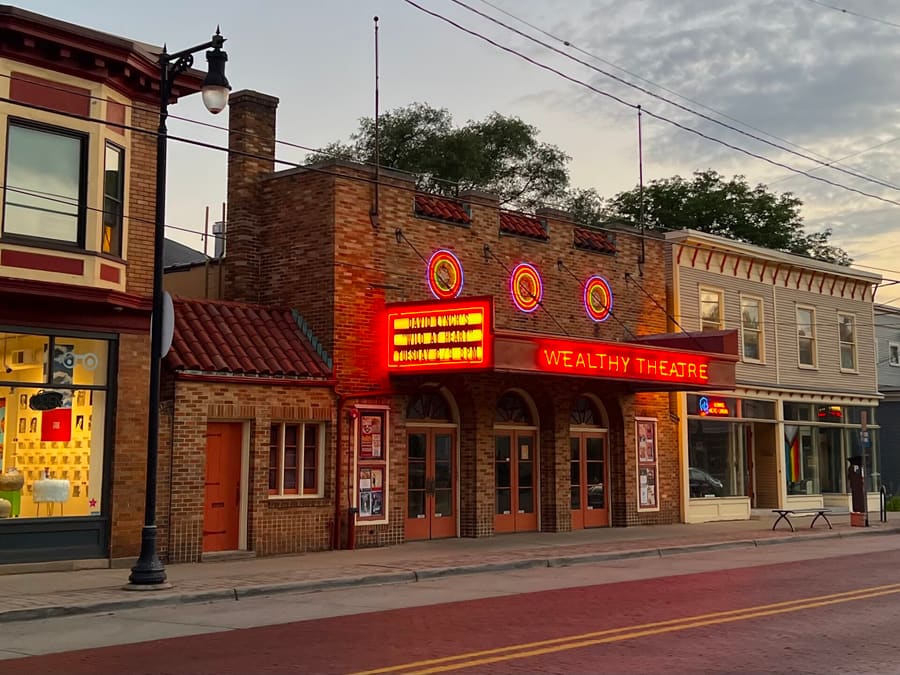
Easttown — Low-rise residential corridor focused on Wealthy Street, packed with independent bakeries and retail.
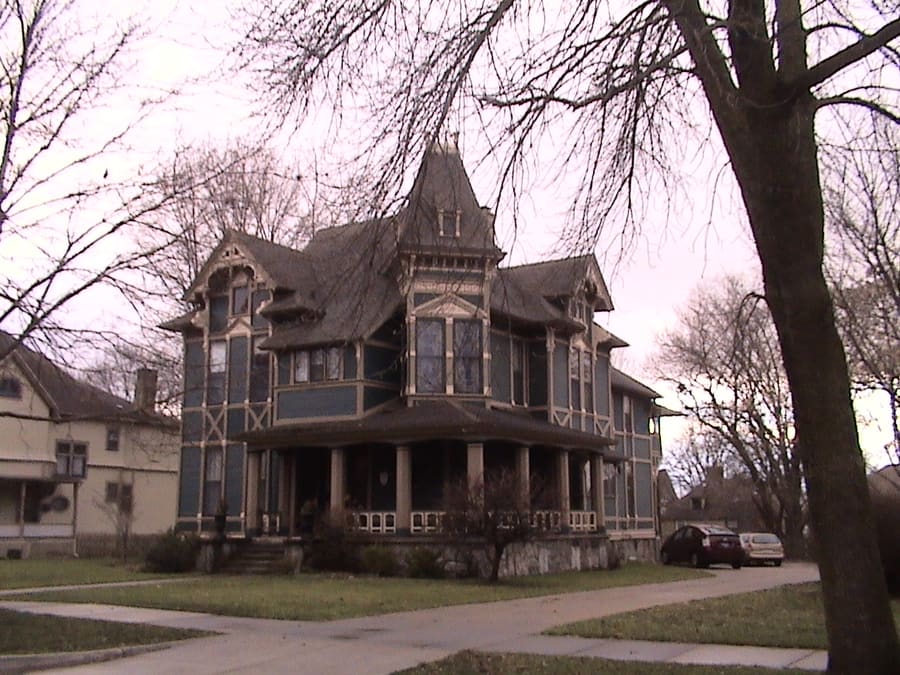
Heritage Hill — Quiet residential avenues lined with restored Gilded Age mansions and mature oak canopies.
Monroe North — Former industrial riverside zone converted into apartments, microbreweries, and park space.
The Downtown Market houses local butchers, fishmongers, and prepared food stalls.
01
landmark
A 158-acre campus housing works by Rodin, Serra, and Moore. Buy tickets online to skip the main entrance line.
landmark
The world's first LEED Gold-certified museum building houses notable collections of 19th-century design and modern art.
landmark
A dual-level hall housing twenty local food producers, greenhouse spaces, and teaching kitchens under one roof.
landmark
A fully restored 1909 Frank Lloyd Wright Prairie school residence. Free guided tours require advance reservation.
landmark
One of America's largest urban historic districts, featuring 1,300 homes spanning 60 distinct architectural styles.
landmark
The anchor of the city's brewing sector. The taproom serves experimental facility-only pours alongside core stouts.
02
03
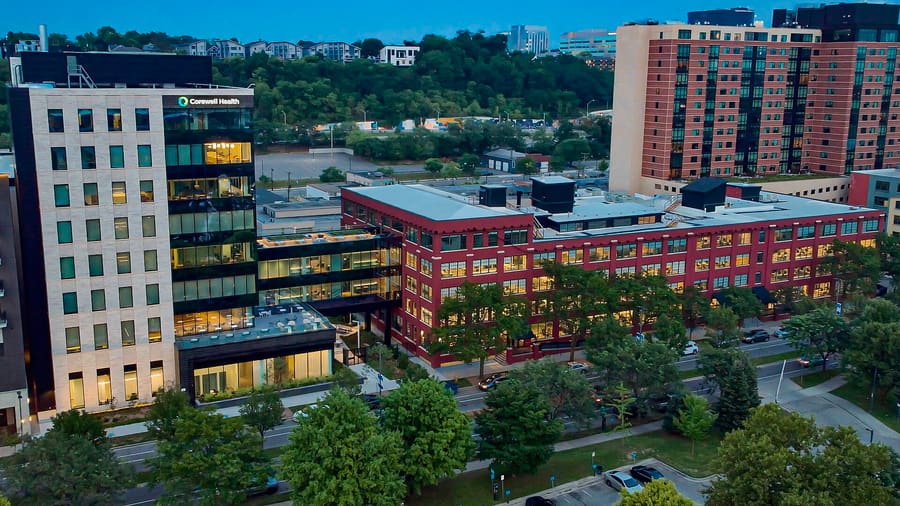
High-density grid of converted furniture warehouses, corporate towers, and major civic venues.
NearbyDirectly adjacent to the Grand River and Rosa Parks Circle.
Ask ParleyLow-rise residential corridor focused on Wealthy Street, packed with independent bakeries and retail.
NearbyBordered by East Grand Rapids and Reeds Lake.
Ask ParleyQuiet residential avenues lined with restored Gilded Age mansions and mature oak canopies.
NearbySits immediately east of downtown's commercial edge.
Ask ParleyFormer industrial riverside zone converted into apartments, microbreweries, and park space.
NearbyConnects directly to the Riverbank Trail network heading north.
Ask Parley04
Grand Rapids culinary habits reflect both Scandinavian-Dutch settling patterns and industrial working-class roots. Heavy winter meals dominate traditional menus, exemplified by the regional wet burrito—a flour tortilla filled with beef and beans, smothered in red chili sauce and melted cheese. Polish halls across the West Side serve kielbasa, pierogi, and golabki in social venues open to the general public on designated nights.The craft brewing concentration forces local restaurants to maintain high culinary standards to compete for beer-focused foot traffic. Modern kitchens along Wealthy Street focus on regional agricultural supply chains from surrounding Kent County farms, emphasizing root vegetables, pork, and orchard fruits.
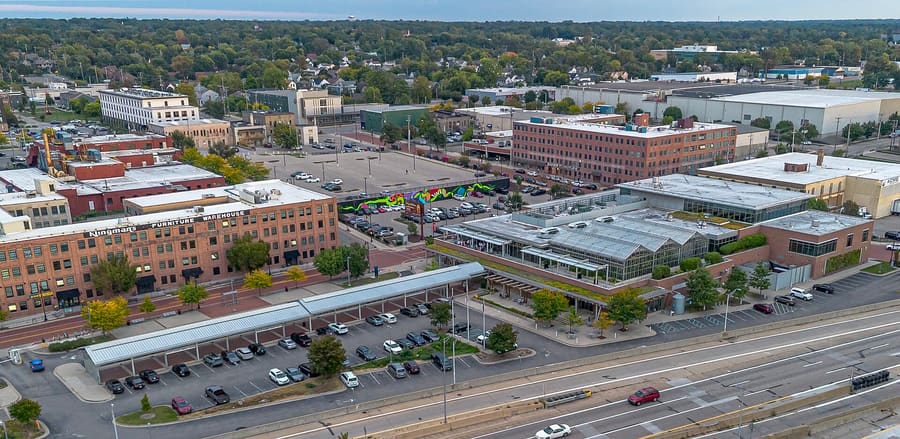
The Downtown Market houses local butchers, fishmongers, and prepared food stalls.
Venues like Saint Adalbert Aid Society host public dinner nights offering authentic pierogi and smoked sausage plates for low prices.
Downtown kitchens frequently close by 21:00 on weeknights, even in establishments where the bar remains open later.
Smaller local taprooms without full kitchens encourage customers to bring outside food or order delivery directly to their table.
05
The Grand River valley was long inhabited by the Hopewell and later Ottawa nations before French-Canadian fur trader Louis Campau established a trading post here in 1827. The city incorporated in 1850 as logs floating down the river fed dozens of sawmills along the rapids.By the late nineteenth century, cabinetmakers and timber supplies transformed the city into the furniture capital of the United States. While mass production later shifted elsewhere, high-end office furniture giants like Steelcase and Herman Miller retained their global headquarters and research centers in the immediate metropolitan area.
Trading post founded
Louis Campau purchases land along the Grand River rapids to trade furs with local Ottawa bands.
Philadelphia Centennial
Grand Rapids furniture makers display products nationally, establishing the city's reputation for quality woodworking.
Water fluoridation pioneer
Grand Rapids becomes the first city in the world to add fluoride to its public water supply to adjust dental health.
Founders opens
Founders Brewing Co. launches, sparking the region's craft beverage manufacturing boom.
06
Select your base based on whether you prefer walking to central concert halls or stepping directly into residential neighborhood dining strips. Downtown provides maximum density and high-rise chain properties connected via skywalks. Neighborhood bases on the east or north offer boutique properties and lower overnight parking charges.
Highly rated hotels in Grand Rapids.


07
Downtown Grand Rapids is compact and easily walked, but regional trips require transit planning. The Rapid operates public buses across the urban core. The free DASH shuttle loops around central parking lots and key attractions, running every 15 minutes during business hours.
From Gerald R. Ford International Airport (GRR)
Available directly outside door 7 of the main terminal.
Pickup zone designated at the north end of the baggage claim curb.
Route 28 departs airport terminal hourly to central station.
The Downtown Area Shuttle (DASH) costs nothing to ride and runs a continuous circuit past main hotels and venues.
The Rapid uses contactless Wave cards or mobile passes; exact change is required if paying cash onboard.
Public bus routes operate on reduced schedules on Sundays, ending service earlier in the evening.
Enclosed climate-controlled skywalks connect main downtown hotels directly to DeVos Place and Van Andel Arena.
08
Grand Rapids costs align with mid-sized Midwestern markets. Food and drink remain reasonably priced compared to coastal hubs, though hotel rates rise sharply during major regional events and summer weekends.
Standard taproom pours for local IPAs and stouts across downtown and West Side venues.
Standard adult entry for major cultural institutions like GRAM and Meijer Gardens.
Daily valet or garage fees at central downtown hotel properties.
One-way ride on The Rapid regular route network.
09
DEC – FEB
Lake-effect snow brings heavy snowfall. Indoor museums and heated brewery taprooms stay active.
MAR – MAY
Spring temperatures emerge slowly. Frederik Meijer Gardens hosts its annual butterfly exhibit.
JUN – AUG
Warm weather brings outdoor dining, river sports, and heavy weekend traffic toward Lake Michigan.
SEP – NOV
ArtPrize event spikes autumn crowds. Fall foliage peaks along the Grand River valley in October.
10
Grand Rapids operates on Eastern Standard Time and observes Daylight Saving Time.
Positioned on the western edge of the Eastern time zone, daylight lasts past 21:30 in June.
Van Andel Arena and major downtown event spaces operate strictly cashless payment points.
Many independent neighborhood shops in Easttown remain closed on Mondays and close early Sundays.
Weather conditions change rapidly due to moisture off Lake Michigan, located 30 miles west.
Contents
Your trip
Going to Grand Rapids?
Tell Parley when you’re going and what you enjoy, and it plans the days around this guide.
Plan with Parley


