landmark
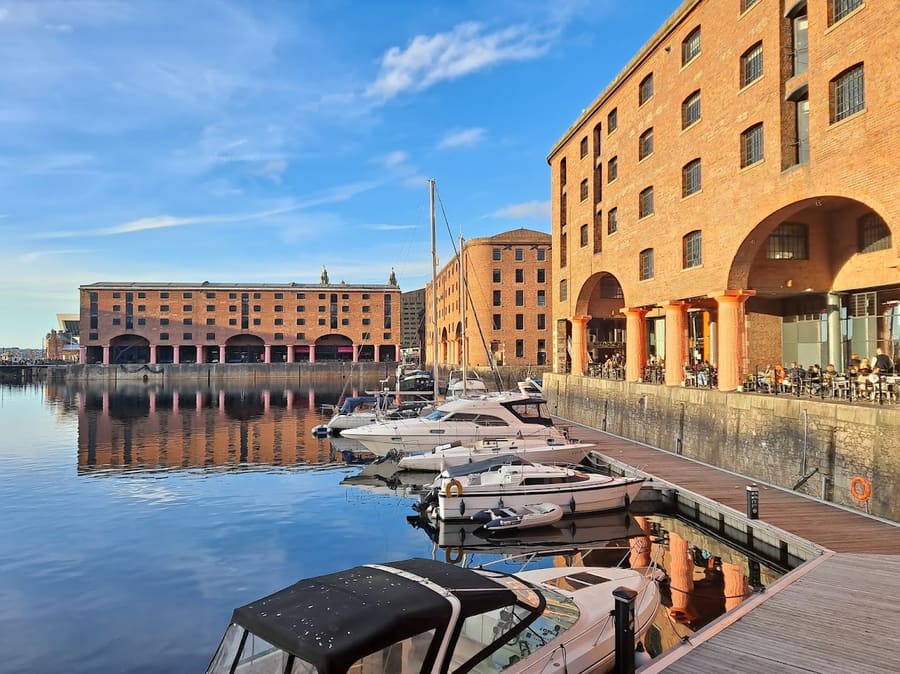
Royal Albert Dock
Grade I-listed cast-iron docks housing museums and eateries. Visit early morning before tour groups crowd the colonnades.
Ask ParleyUnited Kingdom
A maritime powerhouse defined by music, docks, and character.
introduction
Liverpool built its wealth on global maritime trade before transforming into a powerhouse of music, art, and sport. The city centre is compact, allowing you to walk between dockland warehouses, grand neo-classical halls, and narrow red-brick streets. Expect sharp local wit, distinct architectural contrasts, and a strong sense of civic identity. Navigating the central grid is straightforward, with Merseyrail trains running subterranean loops beneath the core.
Airport bus link
Fly into John Lennon Airport or arrive via Lime Street. Bus 500 links the airport to the city centre in 30 minutes.
Waterfront status
Liverpool lost its UNESCO status in 2021 following waterfront redevelopment. The original dock structures remain intact and accessible.
Local train pass
Buy a Merseyrail Day Saver ticket for unlimited local rail travel. It costs less than two single peak fares across the network.
Liverpool
Brit in Seoul · CC BY-SA 4.0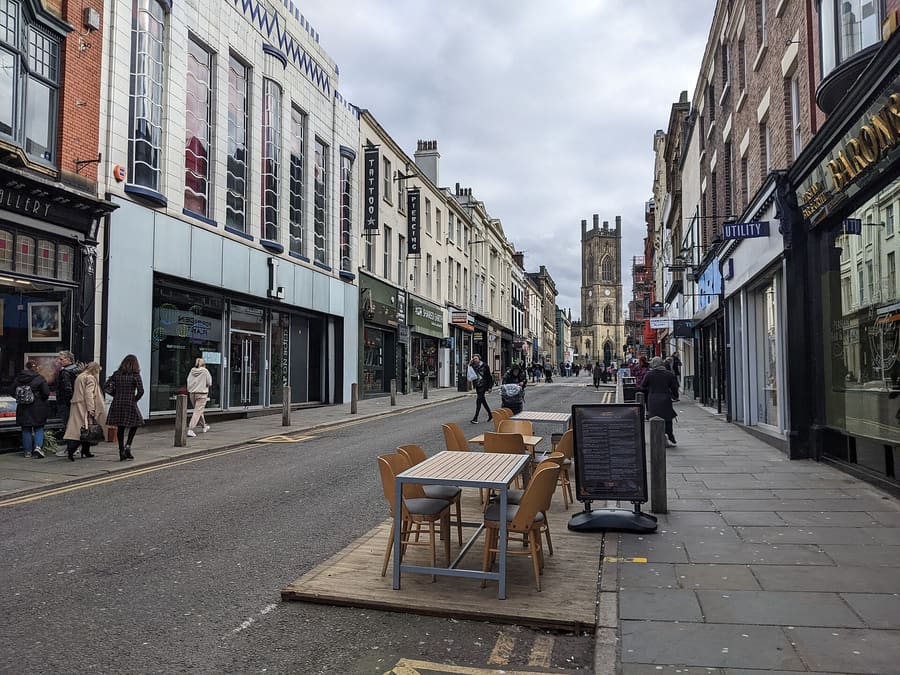
Ropewalks — Independent coffee shops, vintage stores, and nightlife centered around Bold Street.
Daniel from Glasgow, United Kingdom · CC BY 2.0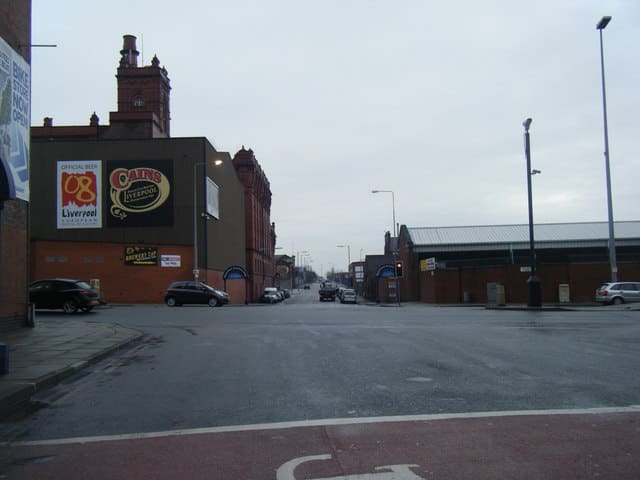
Baltic Triangle — Former warehouse zone converted into digital studios, street food markets, and venues.
Colin Pyle · CC BY-SA 2.0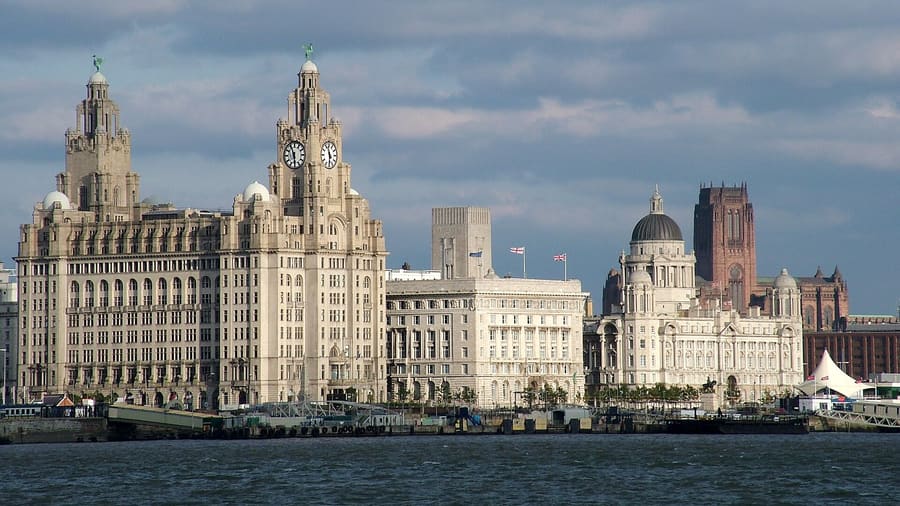
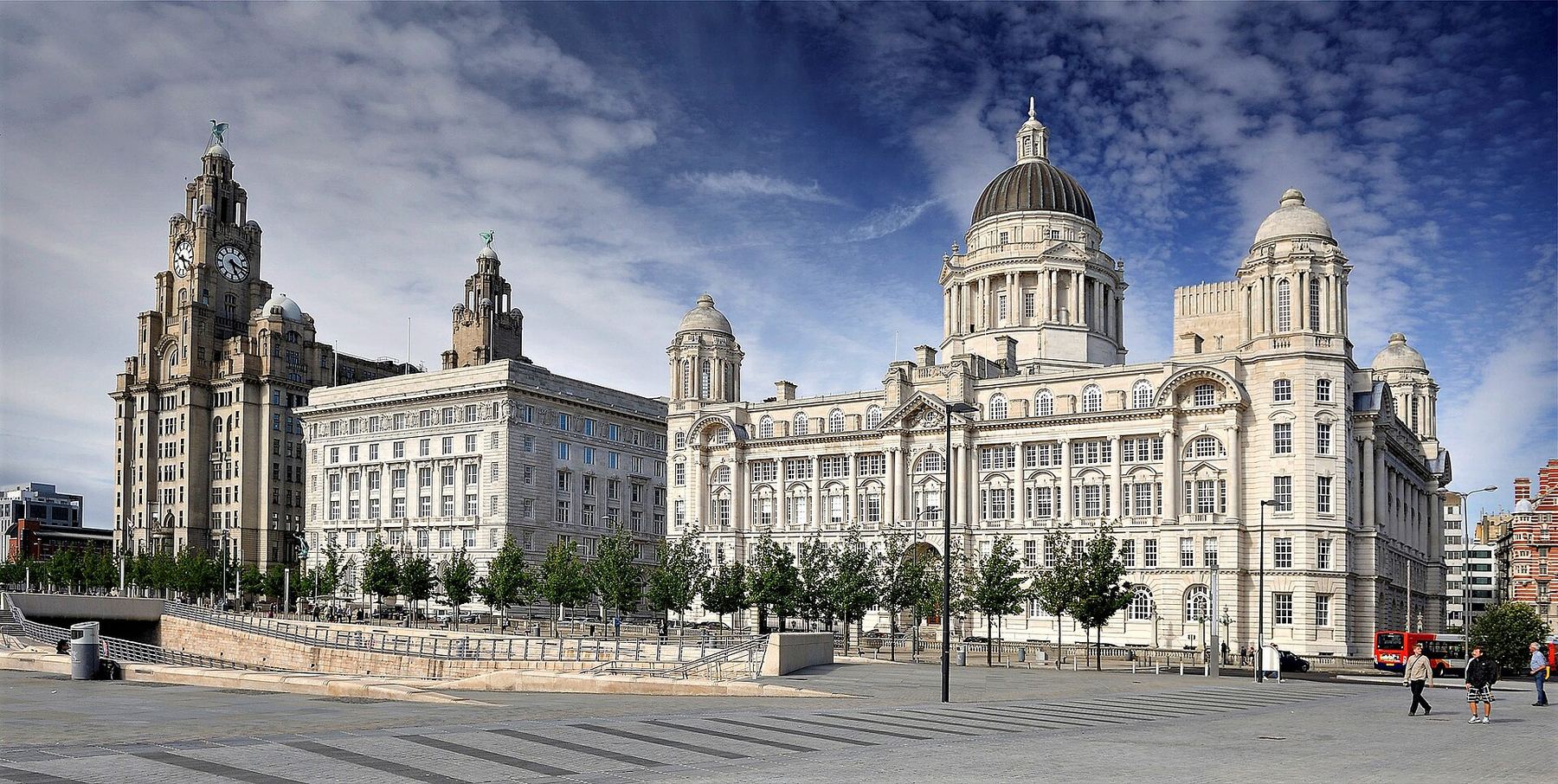
Waterfront — Paved promenades, mercantile monuments, and dockside museum spaces along the Mersey.
The original uploader was Chowells at English Wikipedia. · CC BY-SA 3.0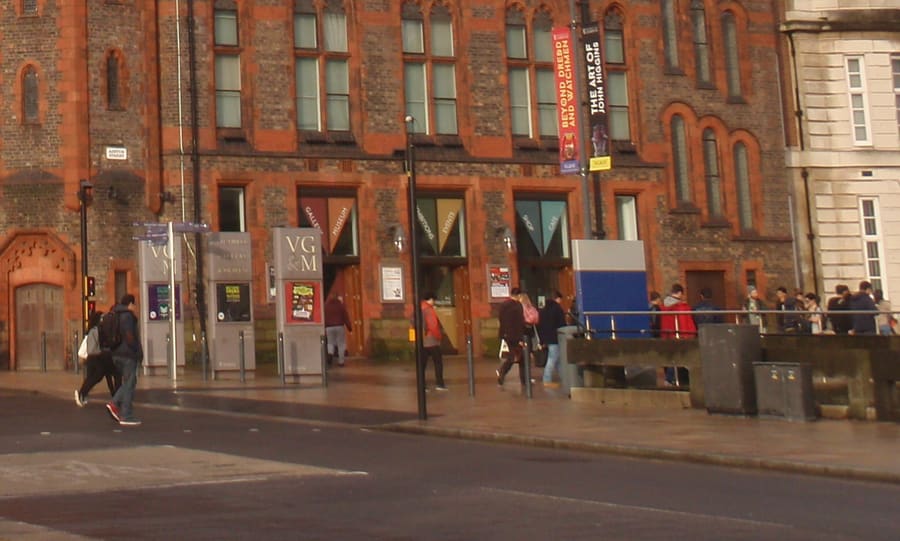
Knowledge Quarter — Academic hub anchored by two universities and modern science facilities.
XeresNelro · CC BY-SA 4.0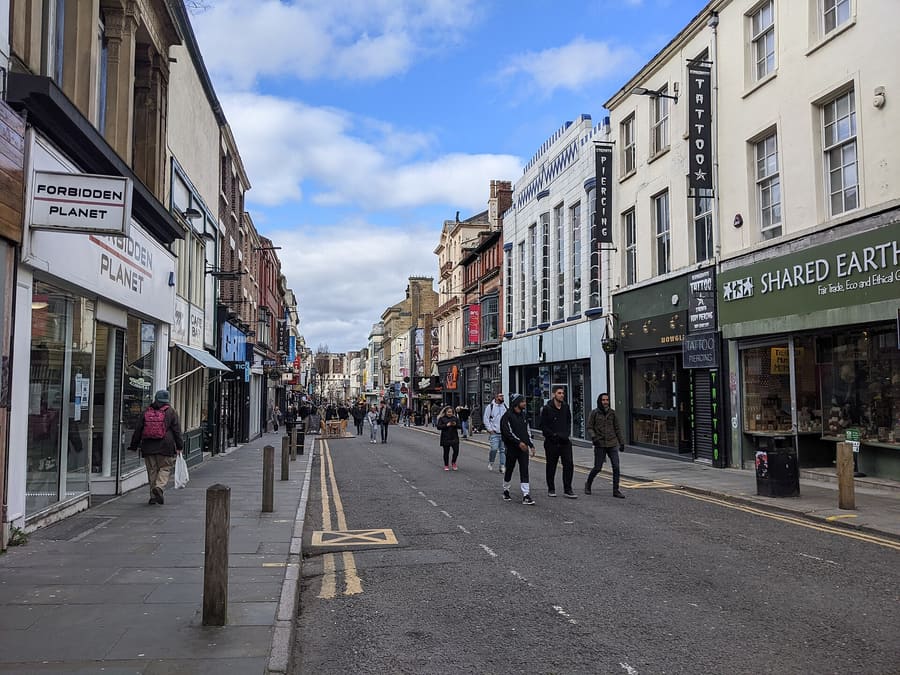
Bold Street is Liverpool's culinary spine, packed with global eateries and cafes.
Daniel from Glasgow, United Kingdom · CC BY 2.0highlights
landmark
Grade I-listed cast-iron docks housing museums and eateries. Visit early morning before tour groups crowd the colonnades.
Ask Parley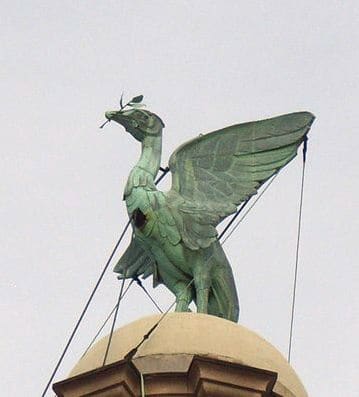
landmark
The city's landmark waterfront towers crowned by liver birds. Book the tower tour in advance for panoramic Mersey views.
Ask Parley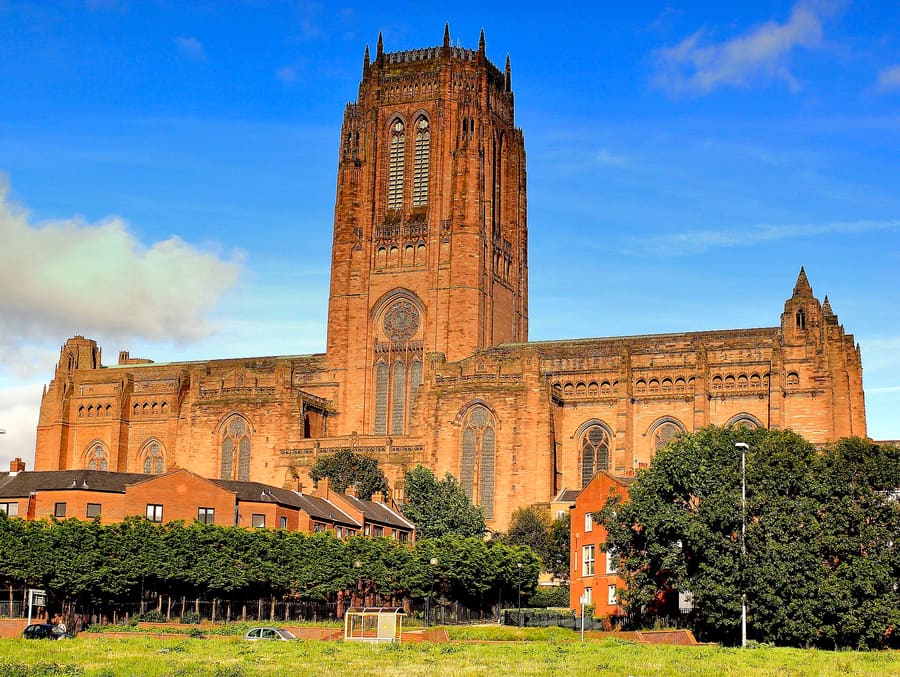
landmark
Britain's largest Anglican cathedral with massive Gothic arches. Climb the Vestey Tower for sweeping views over the estuary.
Ask Parley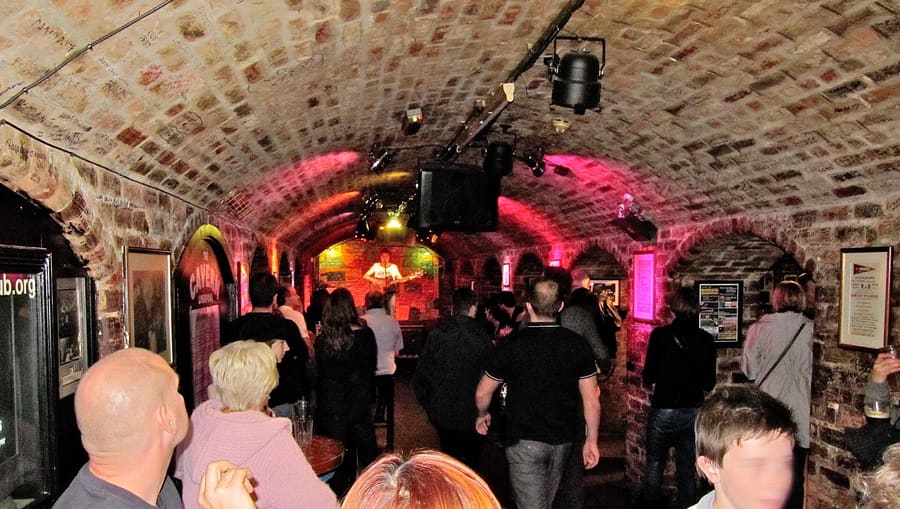
landmark
Reconstructed cellar venue where The Beatles played 292 times. Pay entry at the door; afternoon sets are less crowded.
Ask Parley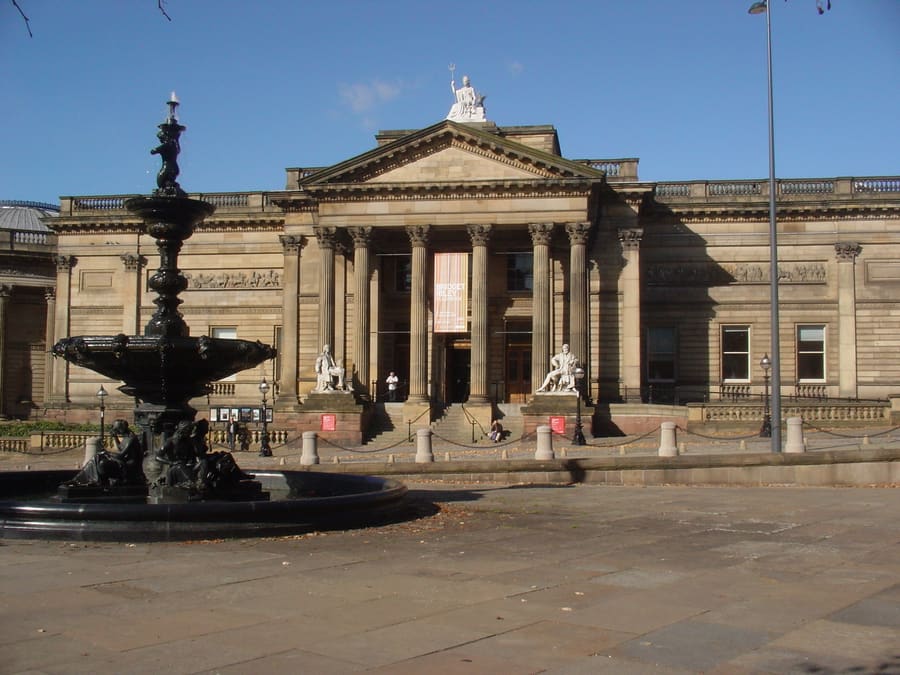
landmark
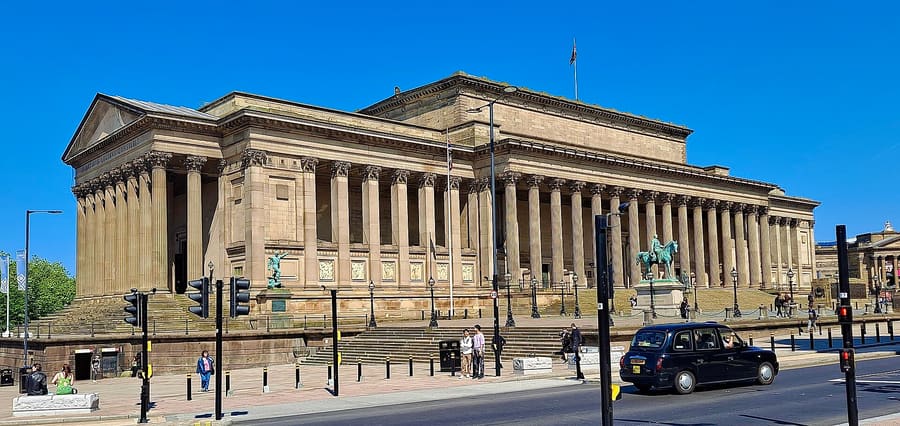
National collection featuring Victorian masterpieces and modern art. Free admission makes it ideal for a quick hour visit.
Ask Parleyattractions
areas
Independent coffee shops, vintage stores, and nightlife centered around Bold Street.
NearbyLiverpool Central station and Chinatown.
Ask ParleyFormer warehouse zone converted into digital studios, street food markets, and venues.
NearbyRoyal Albert Dock and Cains Brewery Village.
Ask ParleyPaved promenades, mercantile monuments, and dockside museum spaces along the Mersey.
NearbyLiverpool ONE shopping district and Royal Albert Dock.
Ask ParleyAcademic hub anchored by two universities and modern science facilities.
NearbyLiverpool Lime Street station and Metropolitan Cathedral.
Ask Parleyfood
Liverpool eats well without taking itself too seriously. The local staple is Scouse, a thick lamb or beef stew served with pickled beetroot and crusty bread. You will find standard versions at traditional pubs, while modern cafes offer refined variations.Bold Street forms the culinary spine of the city centre. It concentrates Middle Eastern bakeries, Indian street food, and independent specialty coffee bars into a single walkable stretch. Rent stays lower here than in commercial shopping malls, allowing independent kitchens to flourish.For evening drinks, Liverpool maintains a strong pub culture alongside small-batch breweries in the Baltic Triangle. Ordering at the bar remains standard practice everywhere except formal dining rooms.
Bold Street is Liverpool's culinary spine, packed with global eateries and cafes.
Daniel from Glasgow, United Kingdom · CC BY 2.0Order a bowl at Maggie May's on Bold Street or Ma Egerton's near Lime Street for the traditional local recipe.
Visit Cains Brewery Village on Thursday evening to avoid peak weekend queues for food stalls.
Head to Duke Street Market early for coffee and bakery items before the lunch crowds fill the hall.
history
Liverpool evolved from a small fishing village into the British Empire's primary western port. Its position on the Mersey estuary made it the primary hub for transatlantic shipping, global migration, and industrial trade.The twentieth century brought severe industrial decline alongside an explosion of cultural influence. Pop music and football rebuilt the city's global identity during times of economic transition.
Royal Charter
King John grants a charter establishing Liverpool as a borough, using it as a port for dispatching troops to Ireland.
First Wet Dock
Opening of the world's first commercial enclosed wet dock, initiating Liverpool's growth into a global trading port.
Royal Liver Building
Completion of the 90-metre skyscraper, symbolising the city's zenith as a maritime trade capital.
The Cavern Era
The Beatles perform regularly at The Cavern Club, launching the Merseybeat movement that transforms pop culture.
Capital of Culture
Liverpool holds the European Capital of Culture title, driving extensive urban regeneration across the waterfront.
where to stay
Choose your base depending on whether you value proximity to major rail links or late-night entertainment. The city centre is compact enough that walking between districts takes under twenty minutes.
Live rates, matched to the areas above.
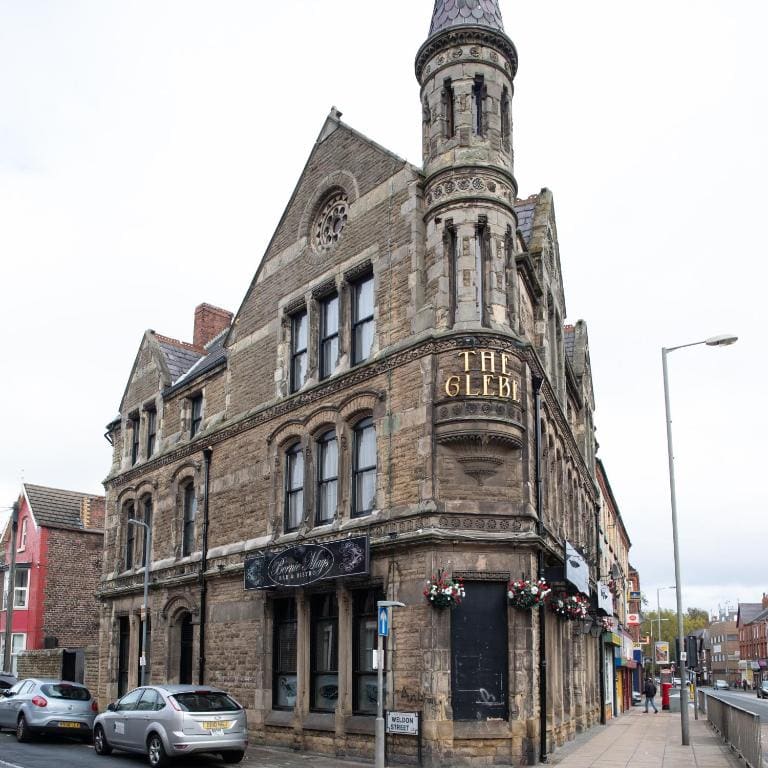
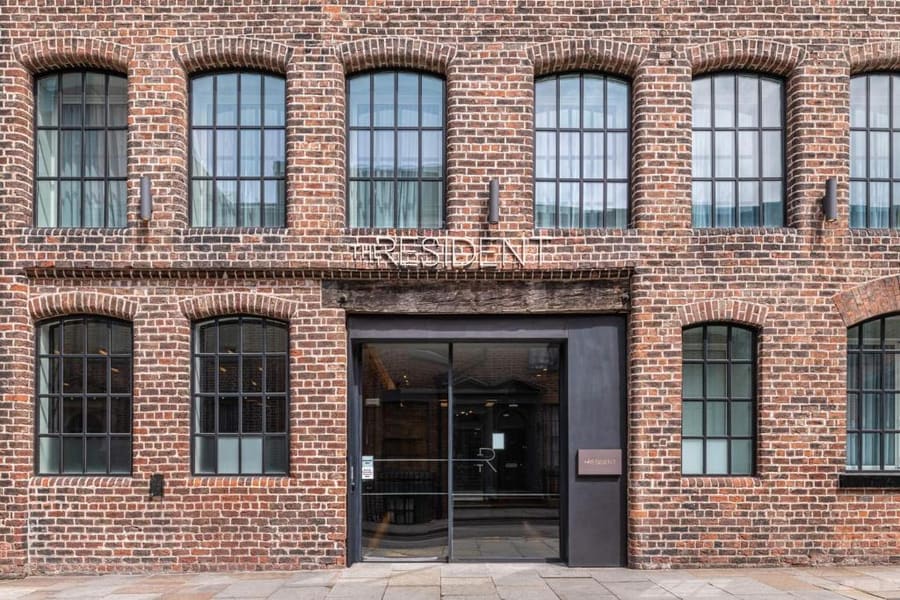
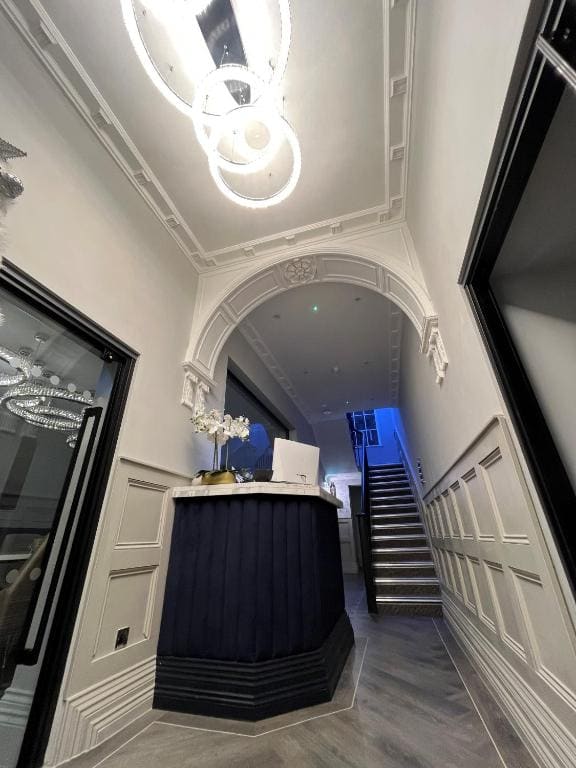
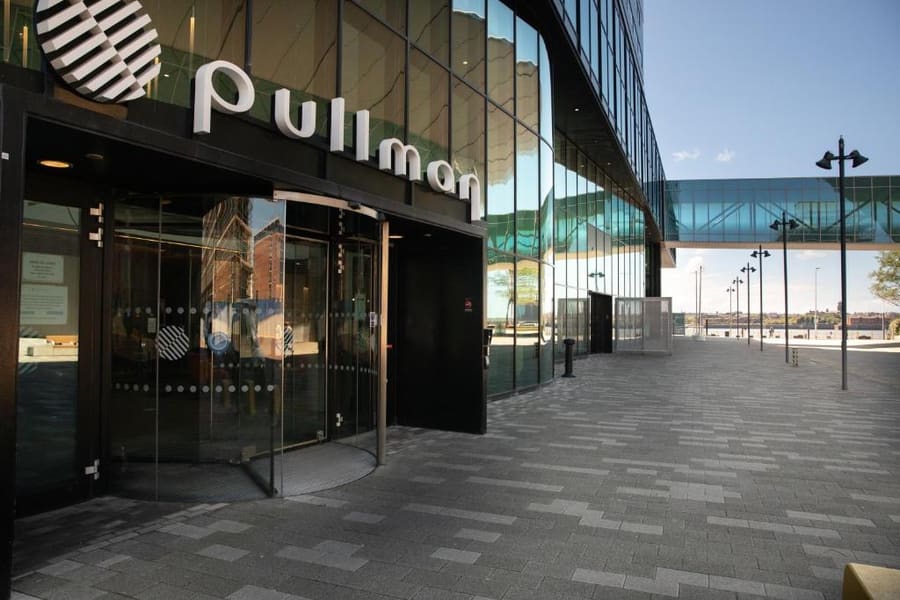
transport
Liverpool central district is easily covered on foot. For journeys outside the core, the Merseyrail network acts as an underground loop within the city centre before heading out to sub-urban stops.
From Liverpool John Lennon Airport (LPL) / Lime Street Station
Arriva 500 express bus links John Lennon Airport to Liverpool ONE bus station.
Black cabs line up outside arrivals; rideshares pick up in designated parking bays.
Lime Street, Central, Moorfields, and James Street stations form an underground central loop.
Contactless payment is accepted on all Arriva and Stagecoach buses across Merseyside.
Merseyrail services end around midnight. Plan night journeys via local taxi or bus services after 00:00.
cost
Liverpool offers good value compared to London, with cheap public transit caps and free admission to all major civic museums.
Expect higher prices along the waterfront and lower prices in traditional pubs off Lime Street.
Standard price for a filling lunch served with pickled red cabbage and bread.
Grants unlimited off-peak travel on the rail network for a single day.
Government fare cap applies to standard single journeys on local bus routes.
seasonality
MAR – MAY
Milder weather and moderate crowds. Ideal for walking tours before summer tour groups arrive.
JUN – AUG
Longer daylight hours and outdoor events, but hotel prices reach peak levels.
SEP – NOV
Crisp autumn weather along the waterfront. University terms reactivate local venues.
DEC – FEB
Cold estuary winds and short daylight hours. Hotel rates drop sharply outside event dates.
practicalities
The waterfront corridor gets strong gusts off the Mersey estuary even on sunny days.
Most civic galleries open at 10:00 and close at 17:00, with last entry usually at 16:30.
Most venues rely on card transactions; keep a small amount of cash for minor purchases.
The Mersey has one of the highest tidal ranges in Britain; water levels shift dramatically throughout the day.