landmark
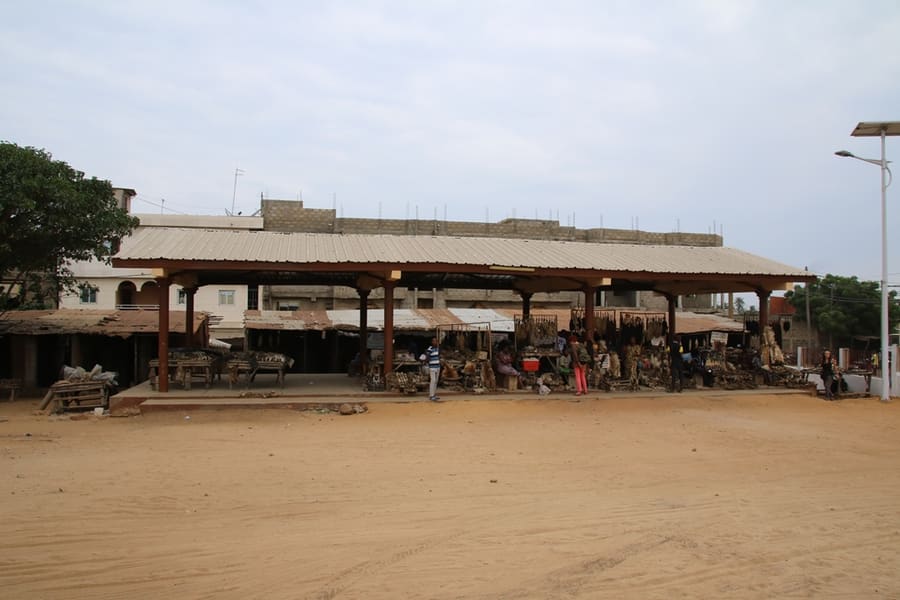
Akodessewa Fetish Market
The world's largest Vodou supply yard. Pay the entry fee upfront to avoid pushy photography demands.
Ask ParleyTogo
Salt air, West African trade routes, and palm-lined avenues.
introduction
Lomé sits directly on the Gulf of Guinea at the border with Ghana. The capital moves to the rhythm of motorcycle taxis, ocean trade, and textile commerce. You get around faster on two wheels than four in the central grid. Expect intense Atlantic humidity, straightforward street food, and clear physical transitions between districts.
Airport arrival
Negotiate taxi fares before stepping into the vehicle at LFW. Drivers quote double to unprompted arrivals.
Sunday quiet
Commercial Lomé shuts down on Sunday. Plan coastal walks or hotel dining when market districts close.
Lomé
Adoscam · CC0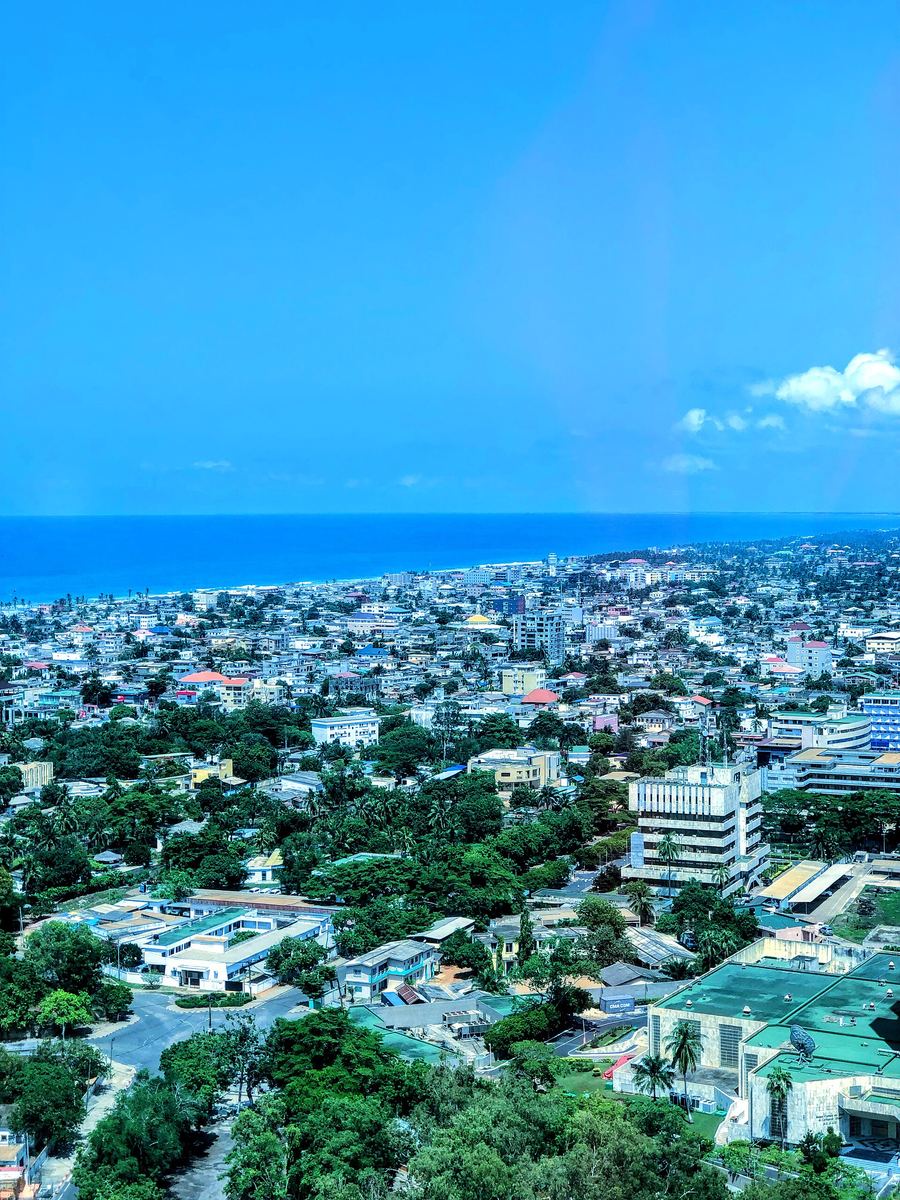
Kodjoviakopé — Low-rise coastal sector touching the Ghanaian border fence.
Reich geck · CC BY 4.0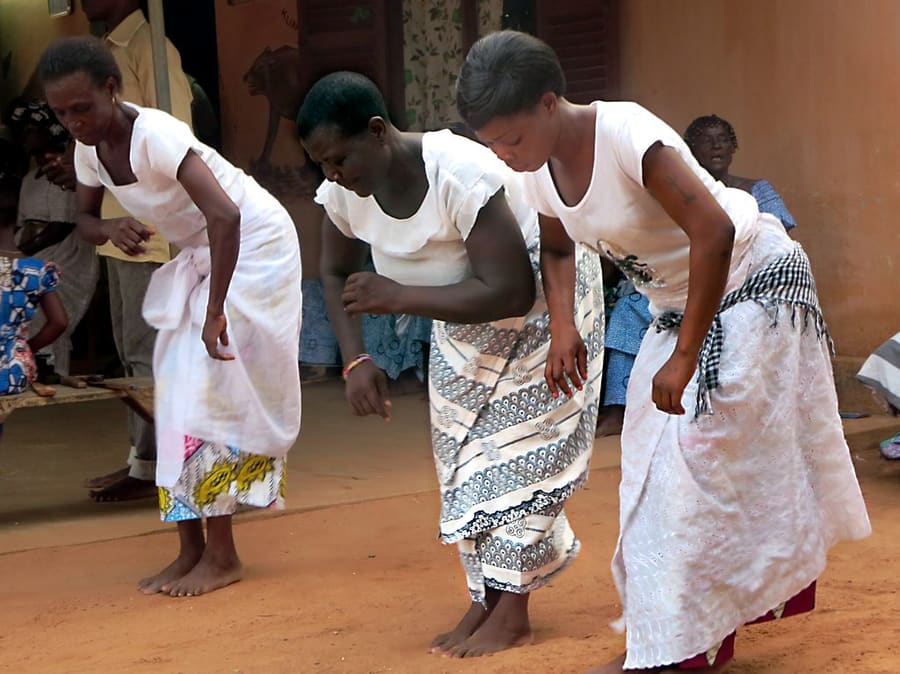
Bè — Old lagoon settlement known for traditional shrines and local nightlife.
David Stanley from Nanaimo, Canada · CC BY 2.0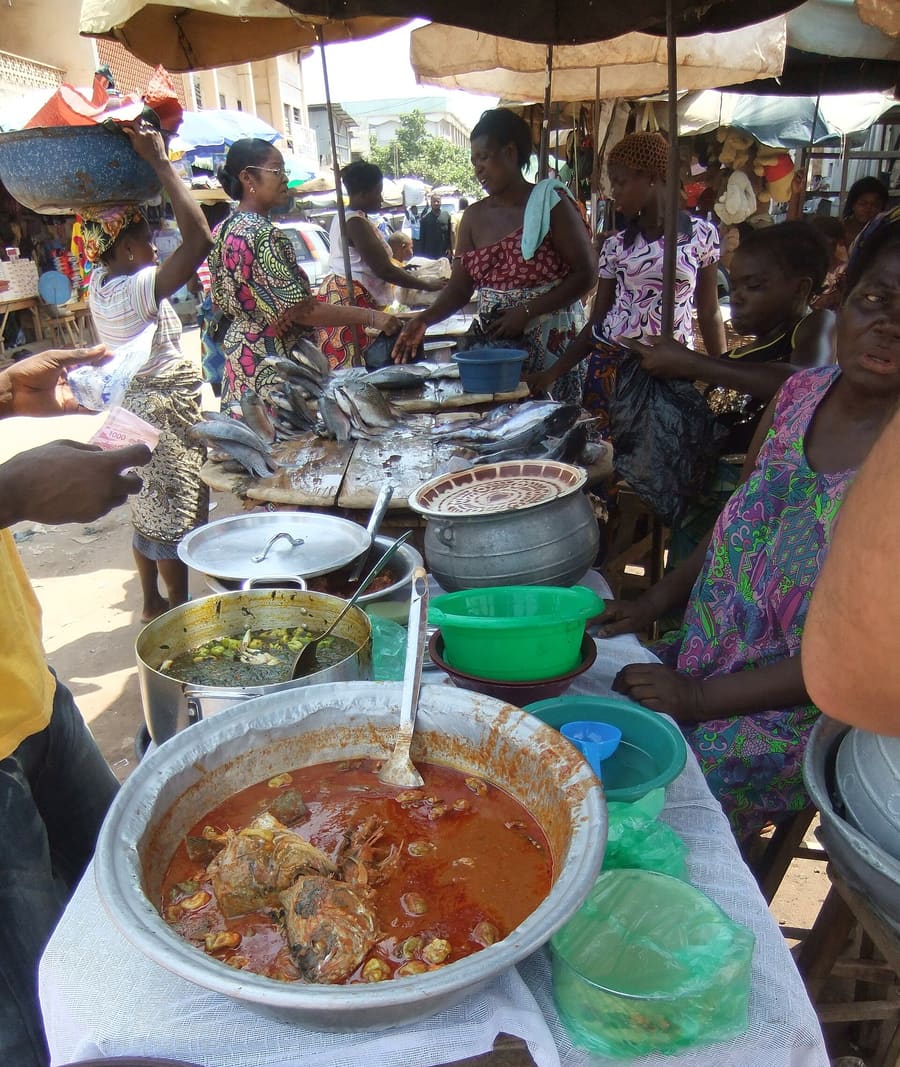
Grilled ocean fish served alongside fresh spicy sauce and corn dough.
PGskot · CC BY-SA 4.0highlights
landmark
The world's largest Vodou supply yard. Pay the entry fee upfront to avoid pushy photography demands.
Ask Parley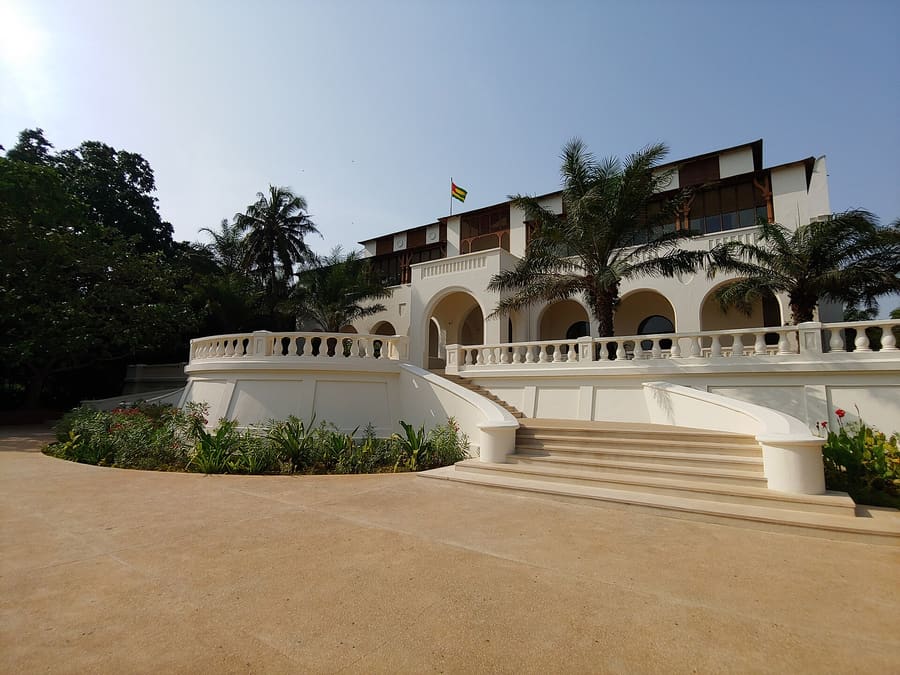
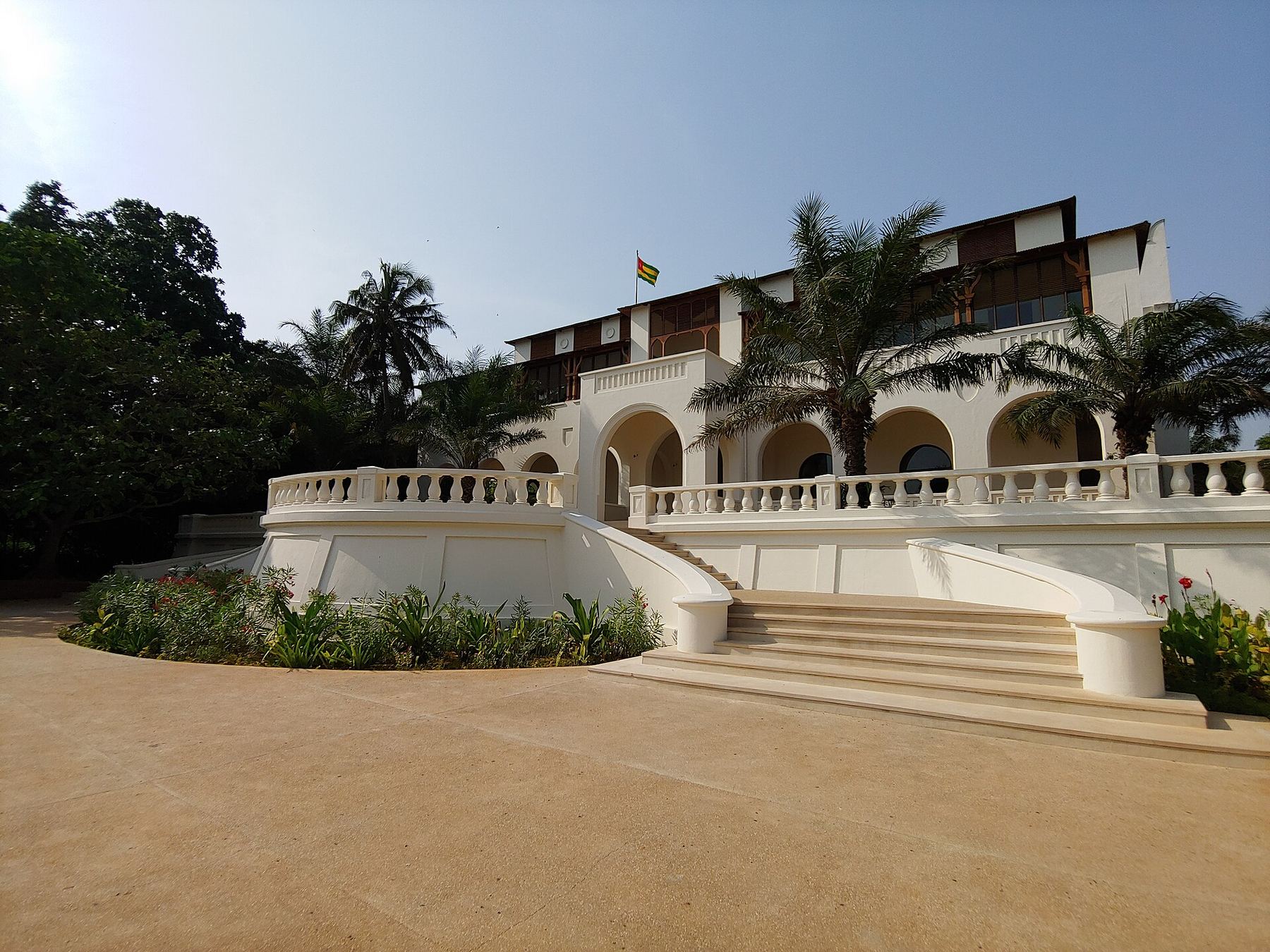
landmark
Former colonial governor's residence turned art museum. The surrounding park offers reliable walking paths.
Ask Parley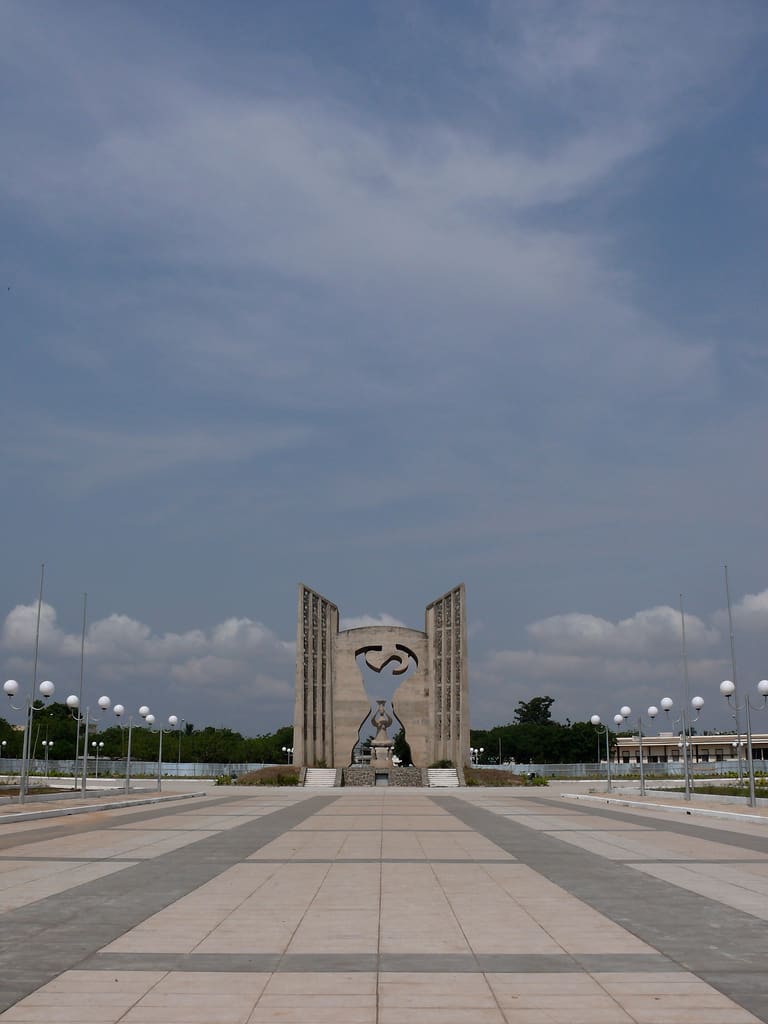
landmark
A carved concrete figure celebrating 1960 autonomy. Visit at dusk when traffic slows around the plaza.
Ask Parley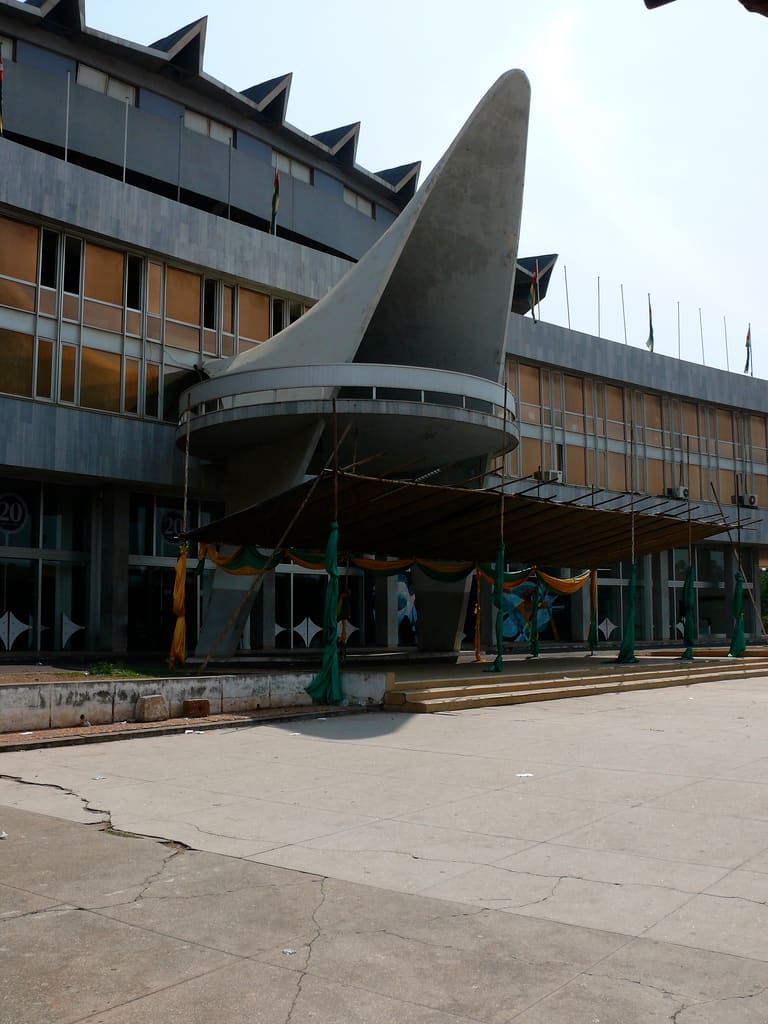
landmark
Compact collection of musical instruments and traditional wood carvings. Cash only for entry tickets.
Ask Parleyattractions
areas
Low-rise coastal sector touching the Ghanaian border fence.
NearbyAflao border, Palais de Lomé
Ask ParleyOld lagoon settlement known for traditional shrines and local nightlife.
NearbyAkodessewa, Lagoon drive
Ask ParleyShaded grid filled with embassies, quiet bakeries, and expat bistros.
NearbyIndependence Square, French Embassy
Ask Parleyfood
Lomé food revolves around fermented corn, fresh Atlantic catches, and spicy pepper pastes. You order main starches by weight at roadside counters before picking your sauce and protein. Seafood costs less near the fishing port east of the centre.
Grilled ocean fish served alongside fresh spicy sauce and corn dough.
PGskot · CC BY-SA 4.0Order Akume, a warm fermented corn dough served alongside Gboma spinach sauce and grilled tilapia.
Head to Port de Pêche around 17:00. Fishing boats unload catches directly into roadside grill stalls.
Eat Ayimolou for breakfast. Street vendors mix rice and beans with spicy dark pepper sauce called Shito.
history
Lomé developed from a quiet Ewe fishing village into an international trade terminal. German colonial authorities selected it as their capital in 1897 due to coastal access. British and French forces later partitioned the territory, leaving Lomé sitting directly on a national border.
German Capital
German colonial officers transfer the administrative center from Sebe to Lomé, laying out the grid street system.
Anglo-French Control
British troops occupy Lomé at the start of World War I before France takes over administrative control.
Independence
Togo declares independence from France. Lomé remains the national capital and economic hub.
Deep-Water Port
Opening of the deep-water harbor transforms Lomé into a maritime transshipment engine for West Africa.
where to stay
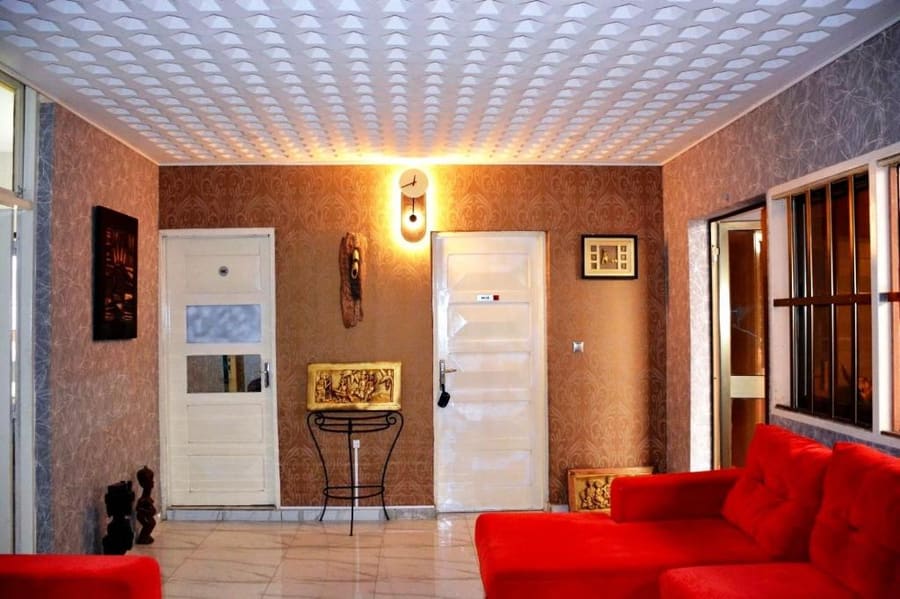
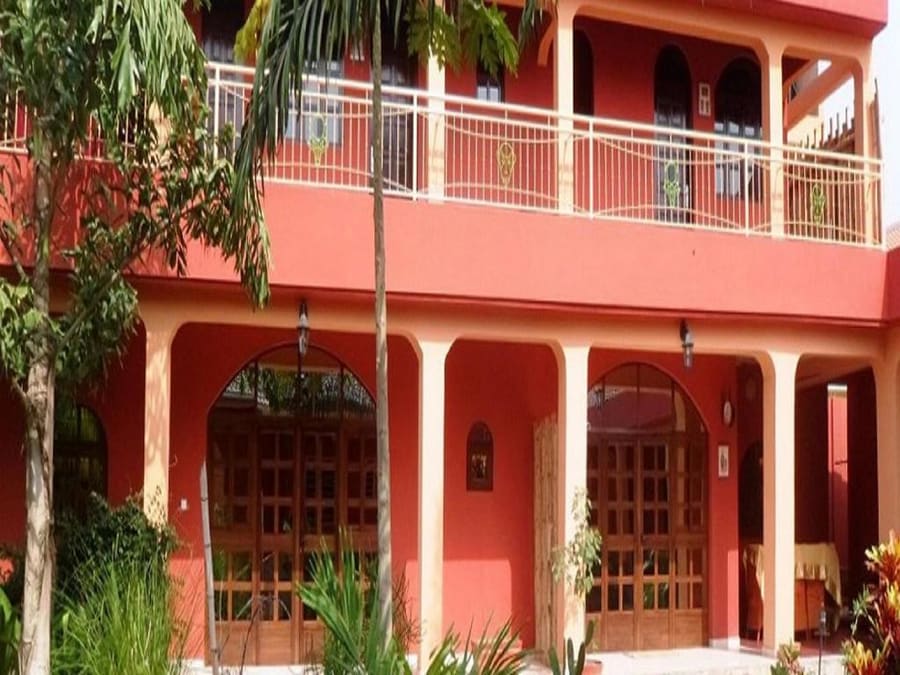
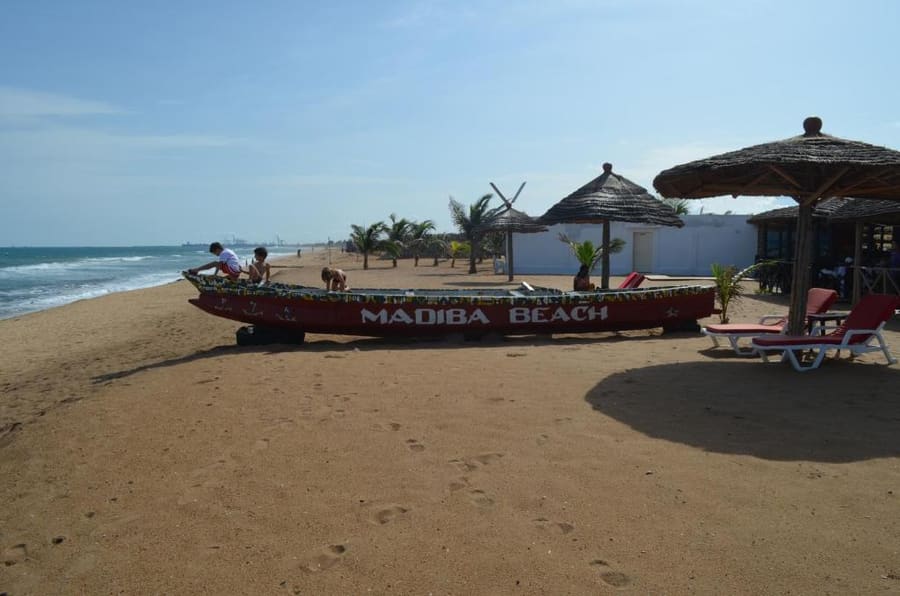
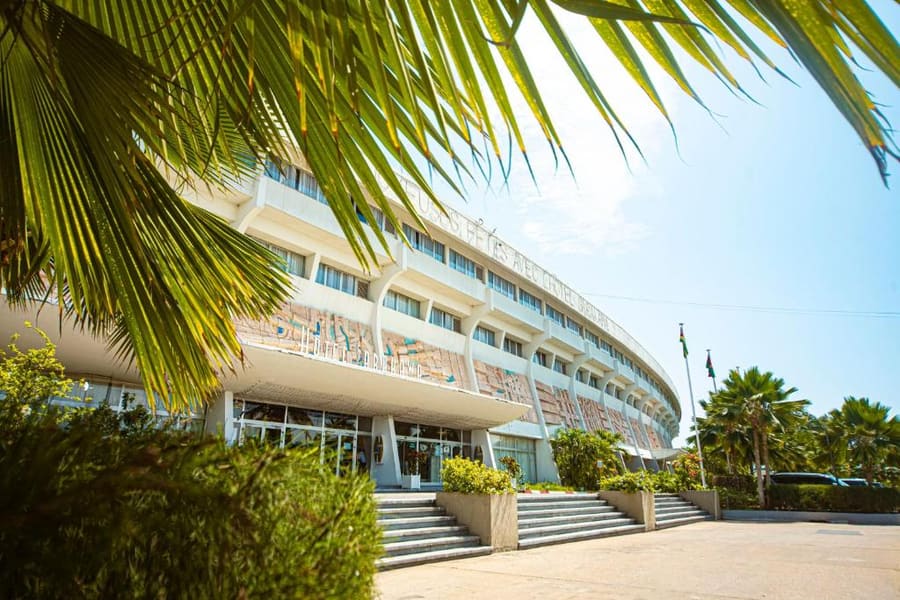
Choose your base based on transport preferences and noise tolerance. Coastal hotels offer breezes but high room prices. Central residential neighborhoods keep you within walking distance of reliable dining options.
Live rates, matched to the areas above.
transport
Motorcycle taxis dominate urban movement across Lomé. Taxis lack meters, so every trip requires price negotiation before boarding. The city road network runs parallel to the Atlantic shoreline.
From LFW
Agree on the destination price before luggage goes in the trunk.
Local ride apps offer fixed prices when drivers accept the request.
Hail yellow-shirted motorcycle drivers for quick cross-town hops.
Shared taxis follow fixed main avenues. Wave them down and state your destination quarter.
Boulevard du 13 Janvier jams completely between 17:00 and 19:00.
Passenger passenger trains no longer run through Lomé urban track lines.
cost
Lomé operates almost entirely on cash in West African CFA francs (XOF). Carry small banknotes, as market traders rarely have change for 10,000 XOF bills.
Standard daytime rate for trips within central neighbourhood zones.
Covers rice, grilled fish, and vegetable sauce at local counters.
Price for local Pils or Awooyo at neighborhood bars.
Main course and drink at seated French or Togolese bistros.
seasonality
NOV – FEB
Dry Harmattan season. Dust drops visibility, but humidity stays lower than in summer.
MAR – MAY
Peak heat period before rains start. Temperatures routinely exceed 32°C.
JUN – JUL
Heavy rain season. Streets in low-lying quarters flood quickly during downpours.
AUG – OCT
Minor dry spell followed by light rains. Coastal ocean breezes temper afternoon warmth.
practicalities
Use Visa cards at Ecobank or Orabank ATMs. Mastercard acceptance remains spotty.
Do not swim in the ocean off central Lomé beaches. Dangerous undertows hit the shore.
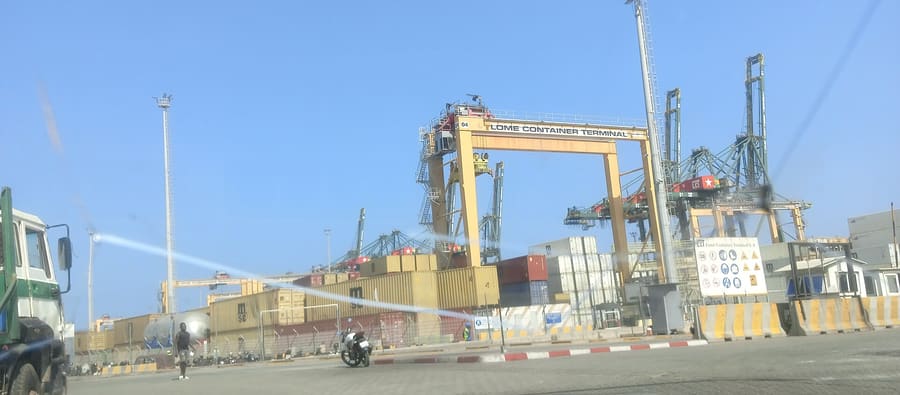
Never photograph port facilities, military posts, or border border infrastructure.
French is used for business, while Ewe serves as the daily commercial language.
Togo uses Type C and E European two-pin plugs running at 220V.