landmark
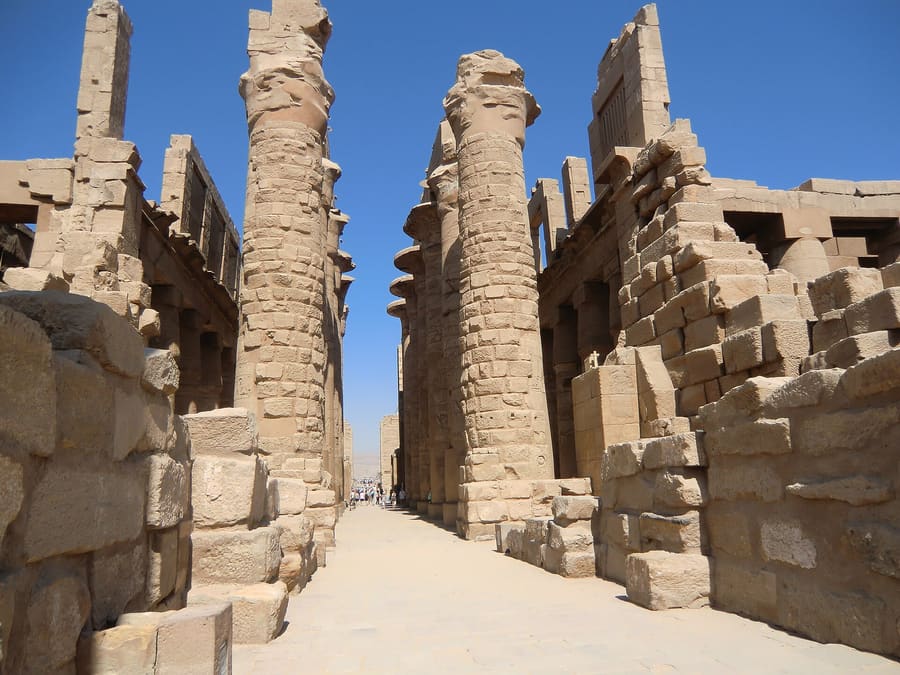
Karnak Temple
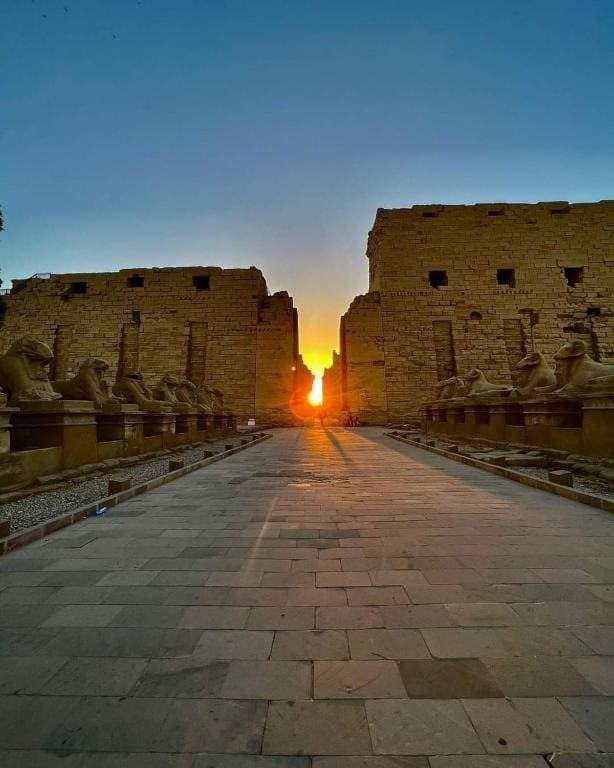
A sprawling 200-acre temple complex. Arrive at 06:00 opening to walk through the 134 massive Great Hypostyle columns alone.
Ask ParleyEgypt
An open-air museum divided by the Nile.
introduction
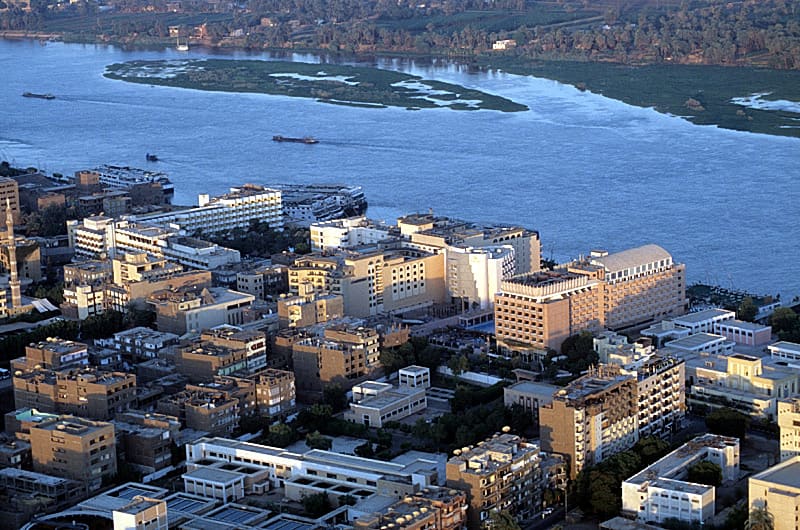
Luxor functions as two distinct towns split by the Nile. The East Bank holds modern commerce alongside massive urban temples. The West Bank contains agrarian villages and ancient royal tombs carved into limestone cliffs. You navigate between them by public ferry or private motorboat.
Airport transport trick
Agree on a fixed price before putting luggage in the trunk at LXR. Drivers ask 300 EGP for the 15-minute ride.
UNESCO recognition
Ancient Thebes and its Necropolis gained UNESCO status in 1979. The listing covers both riverbanks.
Luxor
Marc Ryckaert (MJJR) · CC BY 3.0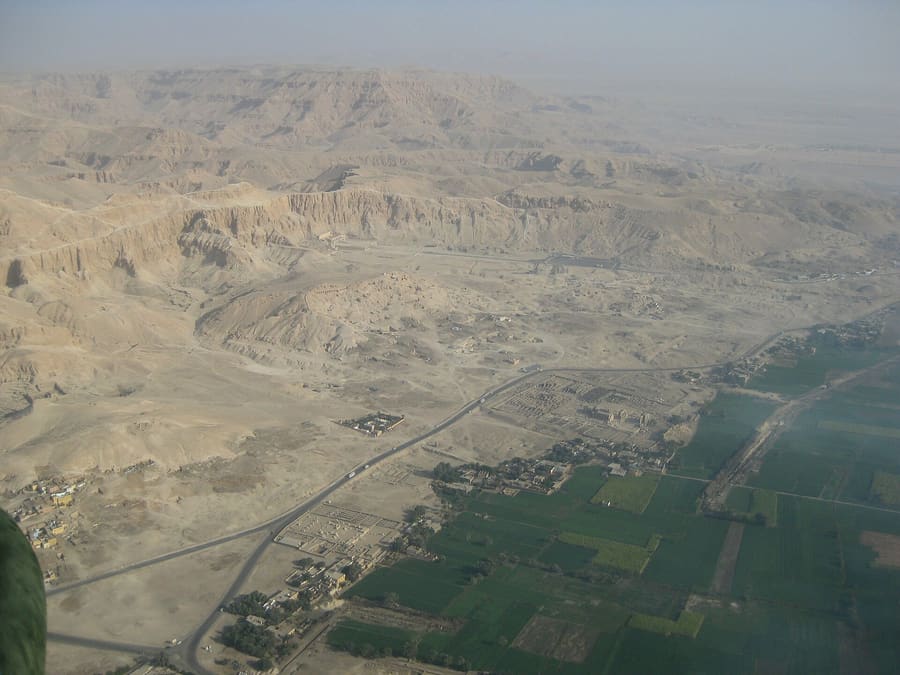
West Bank (Al Bairat) — Rural farmland, low-rise guesthouses, and quiet roads leading to tomb complexes.
Steve F-E-Cameron · CC BY 3.0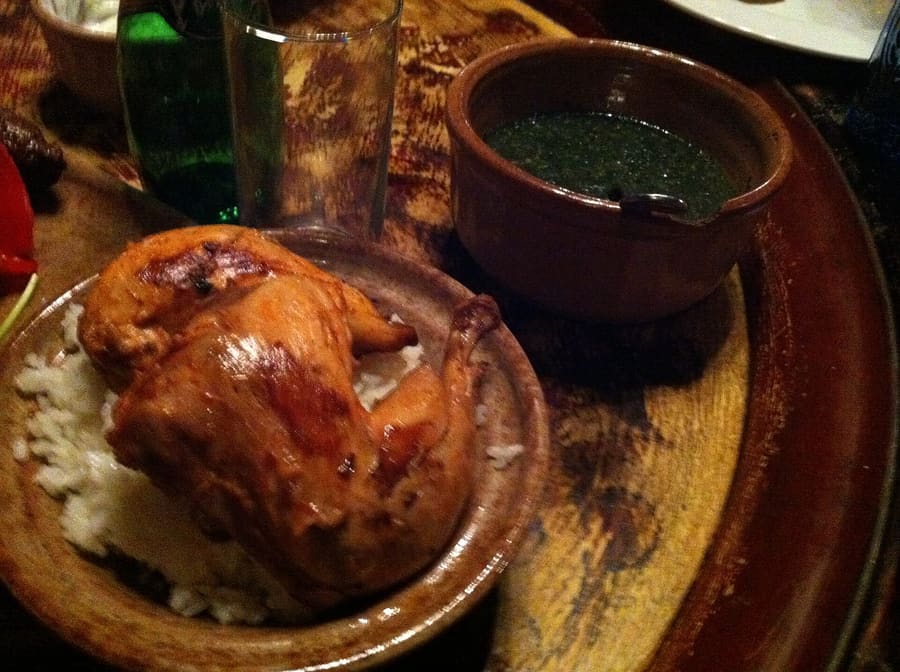
Freshly baked fiteer pastry served alongside tahina and dips.
Habib M'henni · CC BY-SA 3.0highlights
landmark
A sprawling 200-acre temple complex. Arrive at 06:00 opening to walk through the 134 massive Great Hypostyle columns alone.
Ask Parley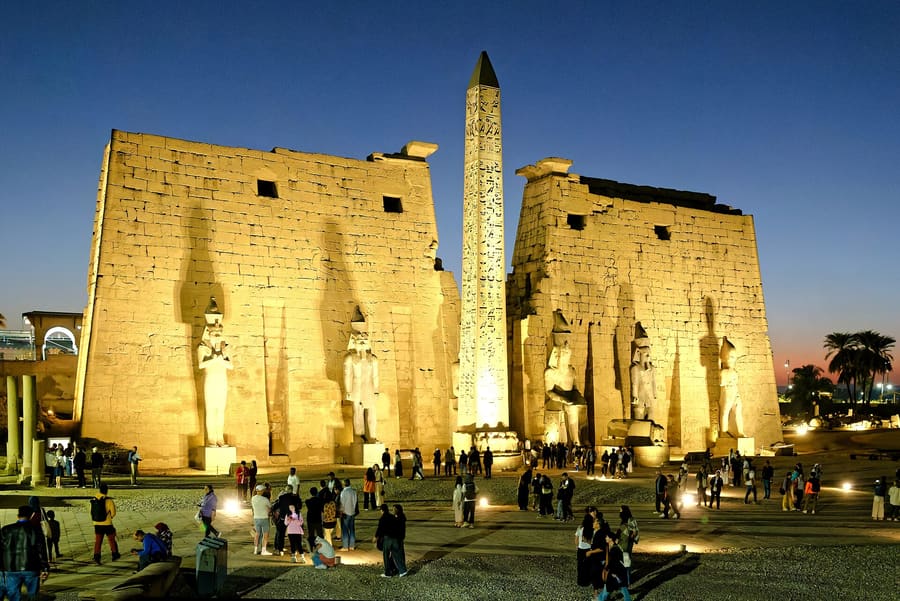
landmark
Positioned directly in the city center. Visit after dark when floodlights illuminate the relief carvings and obelisk.
Ask Parley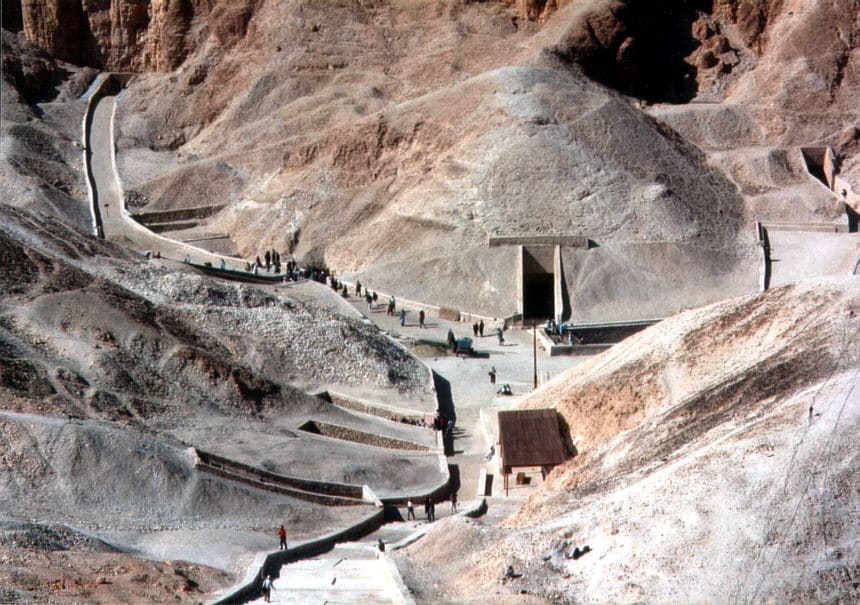
landmark
The royal burial ground for New Kingdom pharaohs. Your base ticket covers three tombs; Tutankhamun requires an extra pass.
Ask Parley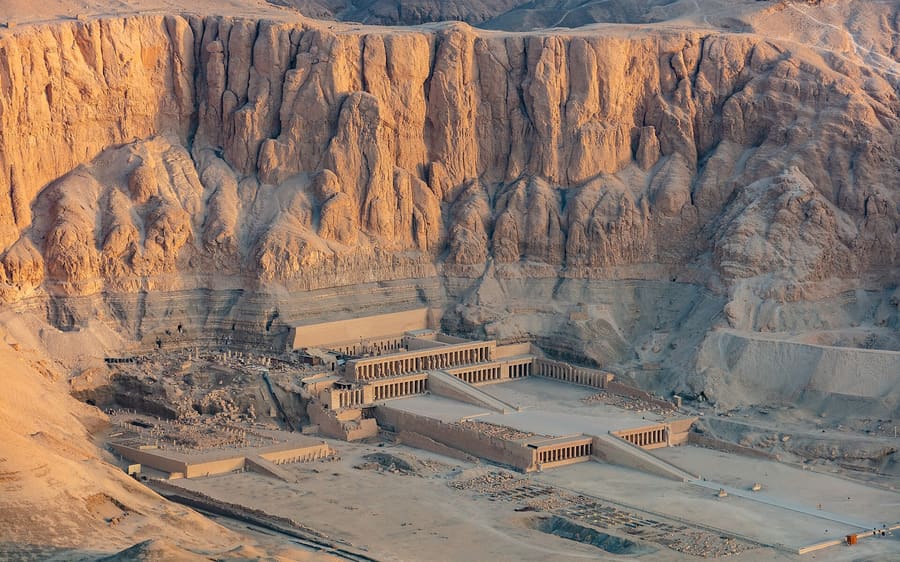
landmark
A terraced stone structure set directly into limestone cliffs. Morning light yields the sharpest architectural photos.
Ask Parley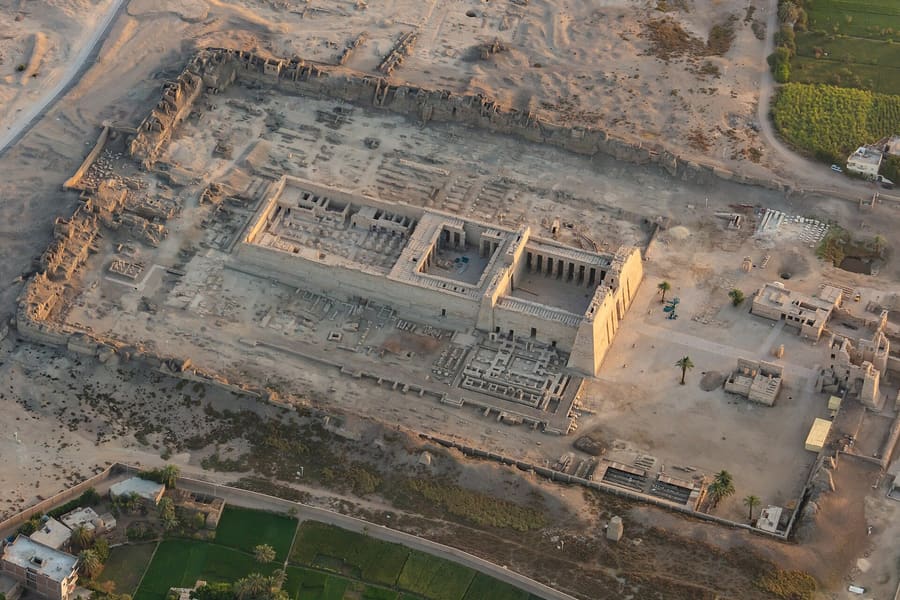
landmark
Ramses III mortuary temple with deeply incised relief carvings that retain original paint pigments.
Ask Parley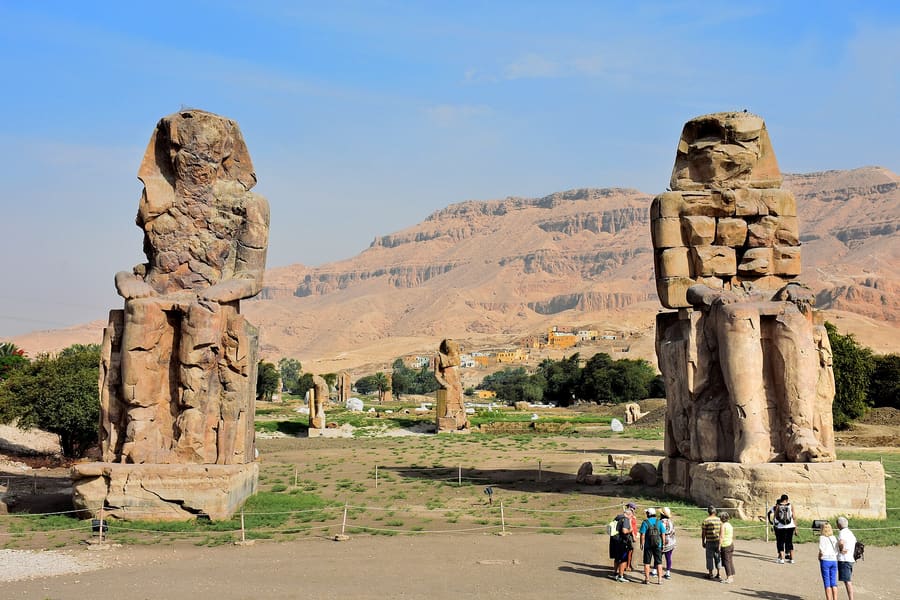
landmark
Two 18-meter stone seated figures guarding the plain. Free to view alongside the main West Bank road.
Ask Parleyattractions
areas
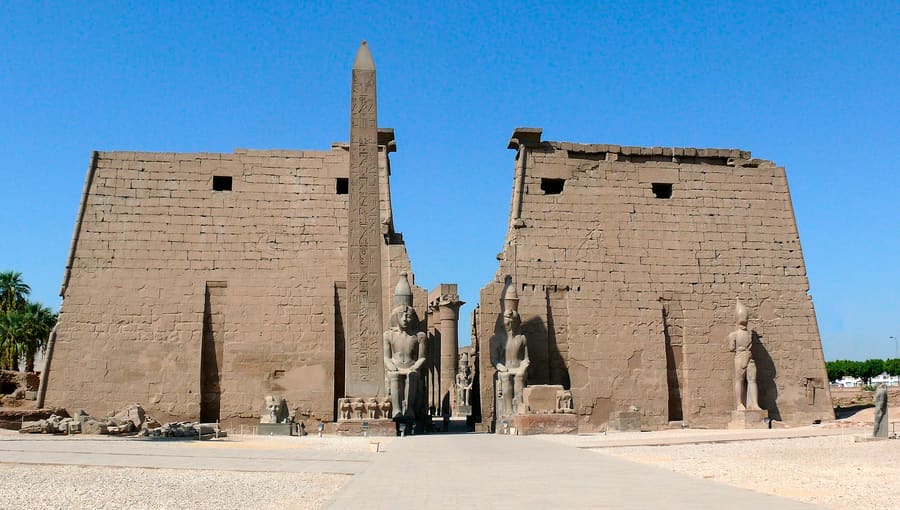
Urban center with hotels, restaurants, train station, and evening pedestrian activity along the Nile.
NearbyLuxor Temple and the main bazaar.
Ask ParleyRural farmland, low-rise guesthouses, and quiet roads leading to tomb complexes.
NearbyValley of the Kings and Medinet Habu.
Ask ParleySouthern riverfront district with international resort hotels and residential lanes.
NearbySouthern Corniche and cruise docks.
Ask ParleyThe West Bank ferry landing zone with small cafes, bakeries, and water taxi hubs.
NearbyNational Public Ferry pier.
Ask Parleyfood
Luxor food leans on Upper Egyptian home cooking and slow-baked dishes. Ta'ameya here uses fava beans mixed with wild cilantro. You eat fiteer meshaltet, a layered flaky pastry, served with local dark honey or salty cheese. Fresh sugarcane juice stands operate across the East Bank market district.
Freshly baked fiteer pastry served alongside tahina and dips.
Habib M'henni · CC BY-SA 3.0Sofra on Mohamed Farid Street serves duck with molasses sauce and traditional clay-pot tagines.
Local cafes steep hibscus flowers into cold karkadeh. It acts as an effective cooler in midday temperatures.
Small eateries and juice shops accept cash Egyptian Pounds only. Carry small bills under 100 EGP.
history
Luxor developed as Waset, capital of New Kingdom Egypt. The name Thebes was used by Greeks centuries before Greek rulers came to power in Egypt. Pharaonic power concentrated here between 1550 BC and 1069 BC. Construction slowed as political authority shifted north to ancient capitals such as Memphis, Tanis, Sais, and eventually Alexandria.
Rise of New Kingdom
Thebes becomes the political and religious center of Egypt under Ahmoze I.
Ramses II expansions
Ramses II constructs major temple pylons and colossal statues at Luxor and Karnak.
Tutankhamun tomb found
Howard Carter uncovers KV62 virtually intact in the Valley of the Kings.
Avenue of Sphinxes opens
The 2.7-kilometer ancient processional road linking Karnak and Luxor temples reopens to visitors.
where to stay
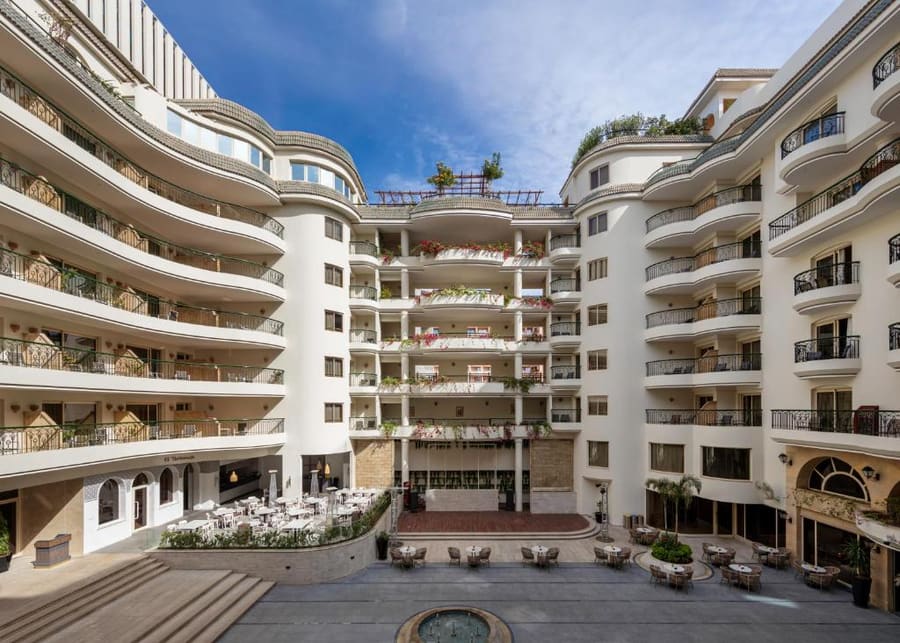
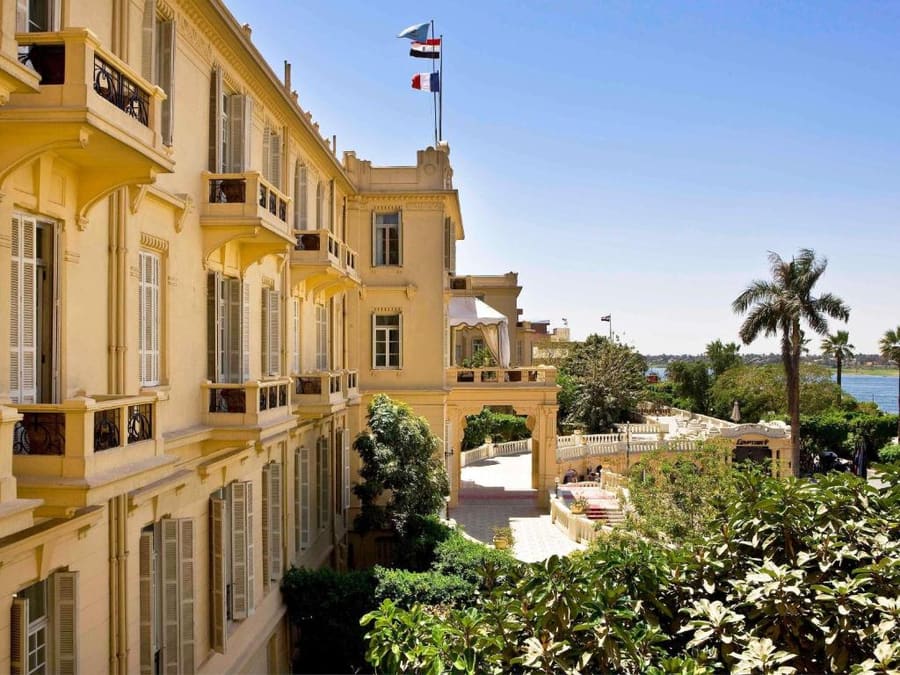
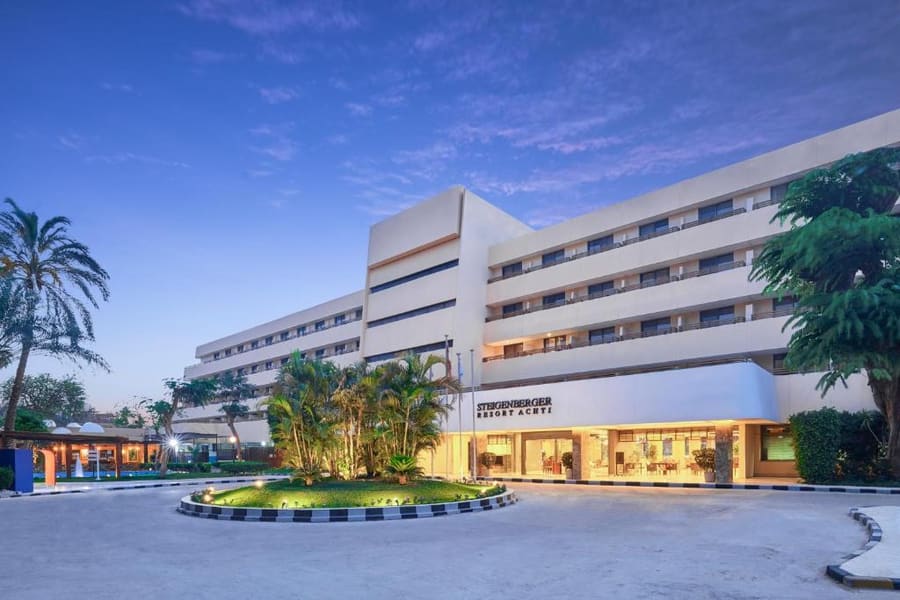
Choose your location based on your morning schedule. Staying on the West Bank places you ten minutes from the tomb sites, saving boat transfers during early mornings. Staying on the East Bank provides direct access to restaurants, banks, and nocturnal temple viewings.
Live rates, matched to the areas above.
transport
Luxor lacks an underground metro or municipal bus network. You move across the river via ferries and along the banks using taxis, microbuses, or bicycles.
From Luxor International Airport (LXR)
Set the fare prior to departure. Official airport taxi desks charge fixed rates.
Pre-booked driver waits at arrivals terminal with name sign.
The public ferry crosses between East and West banks for 10 EGP per ride. It runs continuously day and night.
Private motorboats cost 50 to 100 EGP per trip across the Nile. Negotiate before step onto the deck.
White microbuses run along major East Bank avenues for 5 EGP per ride. Flag them down from the curbside.
Taxis lack operating meters. Confirm your total price and destination in Egyptian Pounds before getting inside.
cost
Luxor is affordable relative to Mediterranean destinations. Temple entrance tickets represent your largest expense item. Prices are officially set in Egyptian Pounds, though cards are mandatory at major archaeological ticket offices.
Covers entry to the main Karnak complex. Payment requires a physical credit or debit card.
Includes admittance to three standard tombs on the West Bank site.
Gets you koshary, falafel plates, or a chicken shawarma meal at standard local venues.
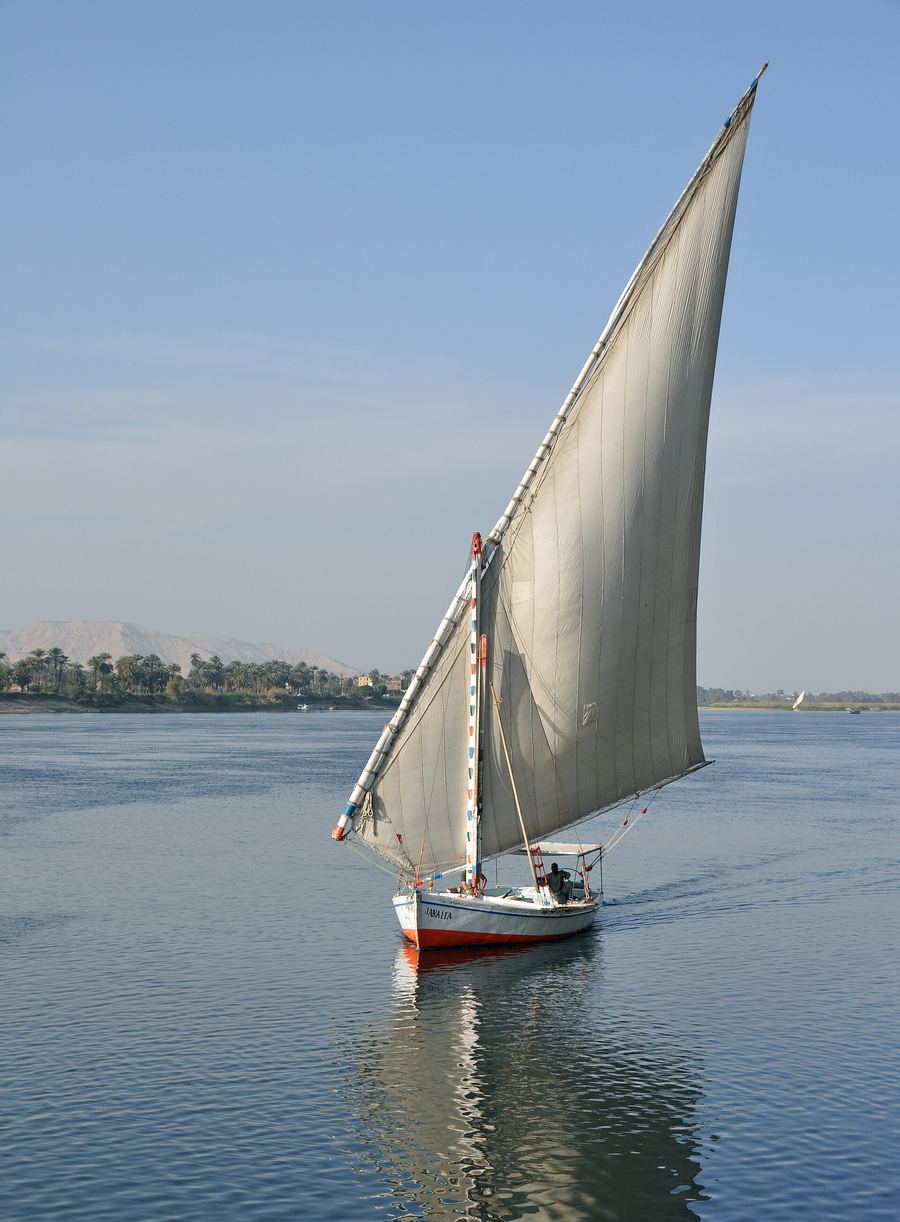
Price covers the entire sailboat charter for an afternoon river cruise.
seasonality
NOV – FEB
Daytime temperatures stay near 22-25°C. Peak visitor numbers mean long lines at popular tomb entrances.
MAR – APR
Warming weather with daytime highs around 30°C. Crowd numbers drop noticeably after Easter.
MAY – SEP
Extreme summer heat often exceeds 40°C. Sightseeing must occur between 06:00 and 09:00.
OCT
Temperatures moderate to 32°C. Good balance of daylight hours and manageable tourist traffic.
practicalities
Ministry of Tourism ticket windows at Karnak, Luxor Temple, and West Bank sites accept credit cards only.
Shade is minimal at archaeological sites. Bring broad-spectrum sun protection and a wide-brimmed hat.
Most West Bank archaeological sites open at 06:00. Start at dawn to complete tomb visits before midday.
Carriage drivers and boat captains ask for business repeatedly along the Corniche. A firm 'La, Shukran' works best.
Carry at least two liters of water during site visits. Tap water is unpalatable; buy sealed bottled water.