landmark
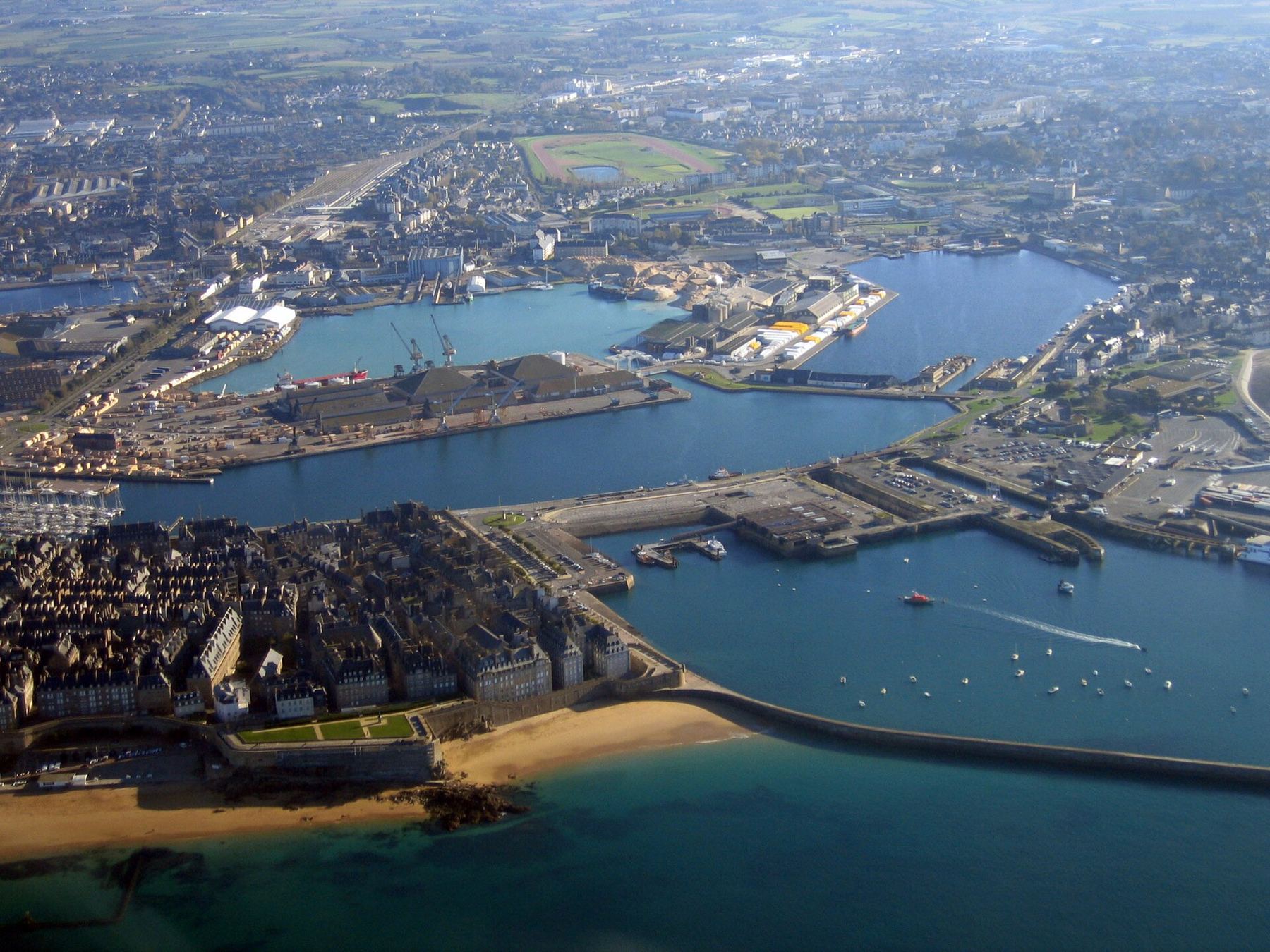
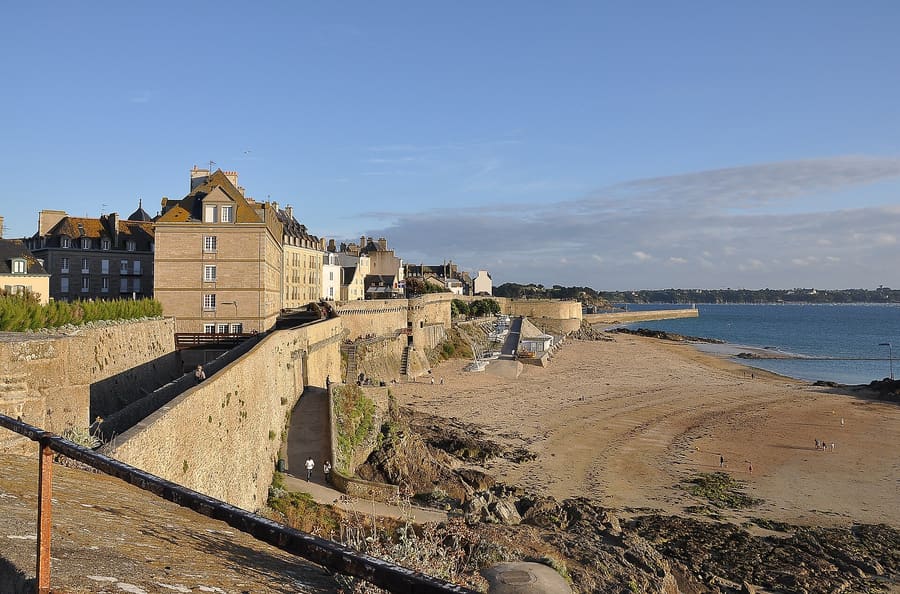
Intra-Muros Ramparts
A continuous two-kilometre loop atop the city walls. Walk early in the morning to beat tour groups.
Ask ParleyFrance
Granite ramparts, tidal fortresses, and Atlantic tides.
introduction
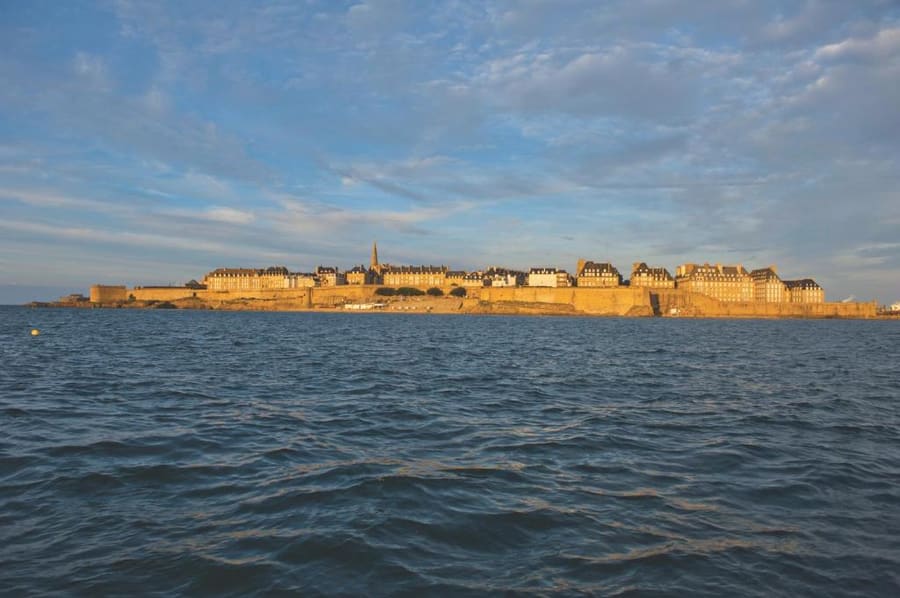
Saint-Malo sits on Brittany's northern coast, bound by granite walls and the English Channel. You navigate the historic centre on foot along elevated ramparts or through narrow stone lanes rebuilt after 1944. Tidal swings here are among the highest in Europe, radically reshaping the waterfront every six hours. Expect damp sea winds, rich buckwheat crepes, and strict schedules dictated by the ocean.
Direct train connection
Direct TGV trains run from Paris Montparnasse to Saint-Malo in under three hours. In summer, book seats weeks ahead to secure standard fares.
Post-war reconstruction
The historic core within the ramparts was rebuilt stone-by-stone after eighty percent destruction in 1944. The reconstruction preserved the 17th-century granite aesthetic.
Tidal planning
High tides cut off Grand Bé and Fort National twice daily. Consult the municipal tide table at Port Saint-Vincent before walking across the sands.
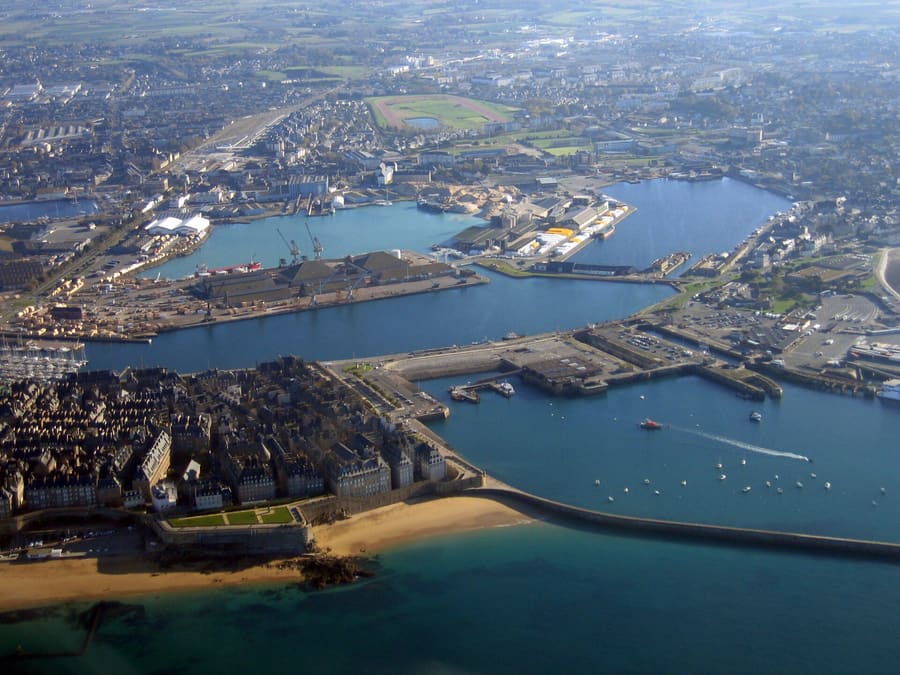
Saint-Malo
Fabos · Public domain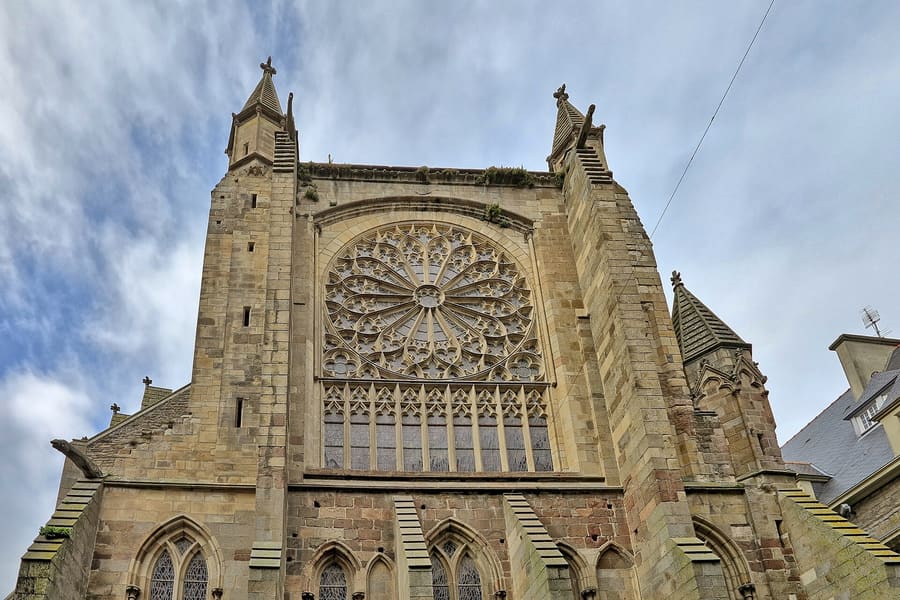
Intra-Muros — High granite walls, stone lanes, heavy foot traffic, and dense creperies.
JGS25 · CC BY-SA 4.0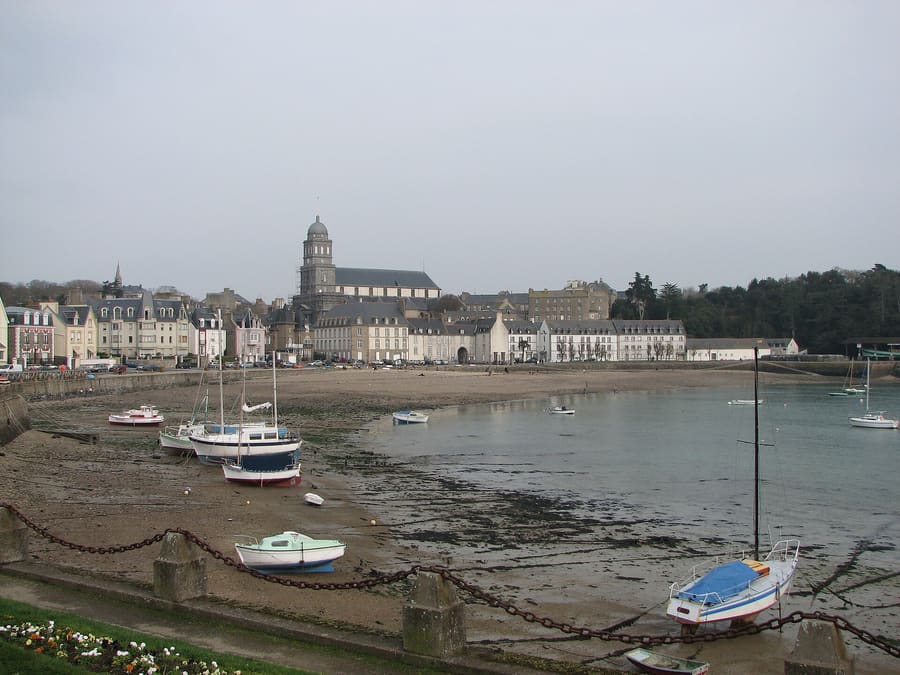
Saint-Servan — Former independent municipality with local markets and a working harbour.
TCY · CC BY-SA 2.5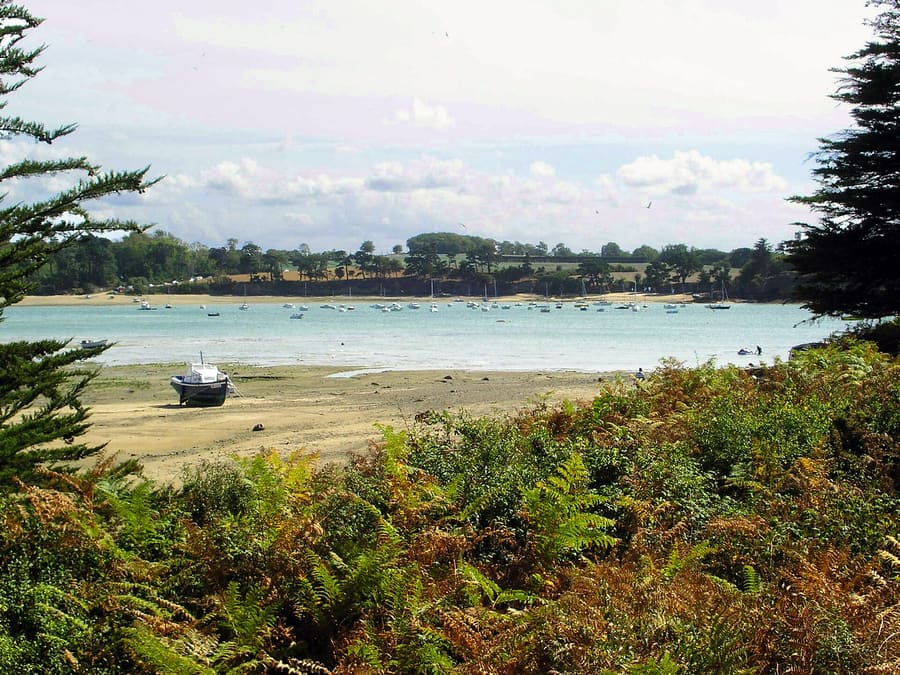
Rothéneuf — Outer coastal village known for rugged coves and granite headlands.
Plyd & Arnaud Chauvière · CC BY-SA 3.0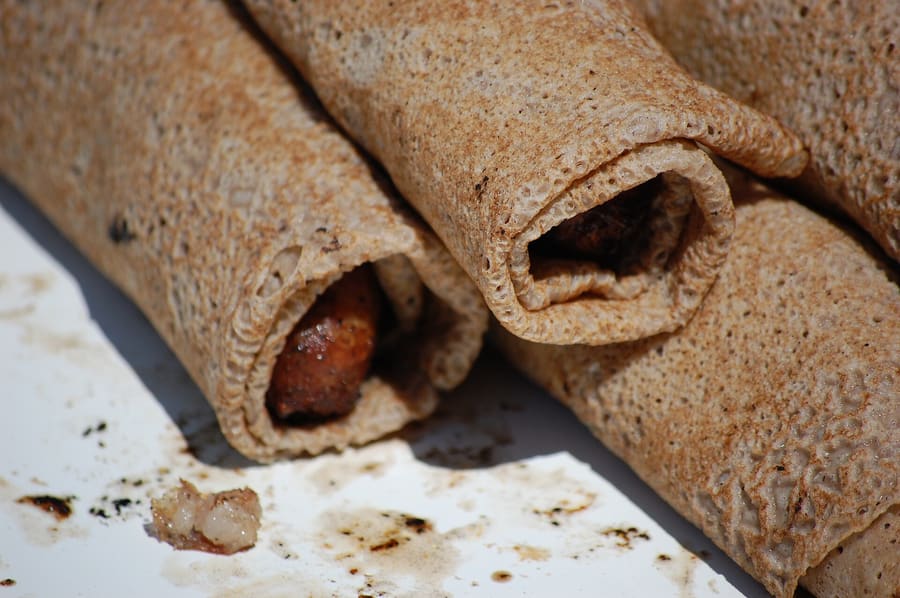
A classic savoury galette de sarrasin served alongside dry Breton cider.
Trizek · CC BY-SA 3.0highlights
landmark
A continuous two-kilometre loop atop the city walls. Walk early in the morning to beat tour groups.
Ask Parley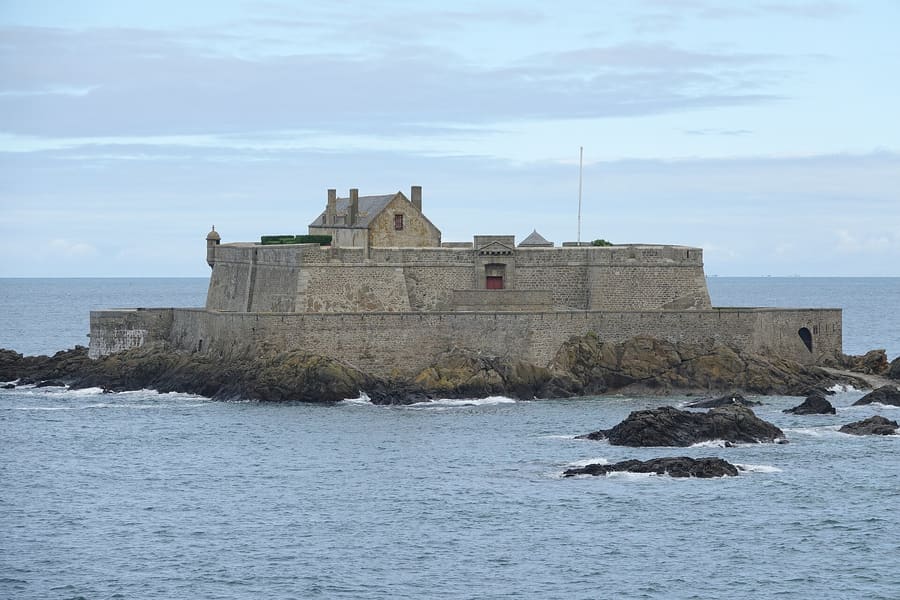
landmark
Designed by Vauban in 1689. Accessible on foot only during low tide when the French flag is raised.
Ask Parley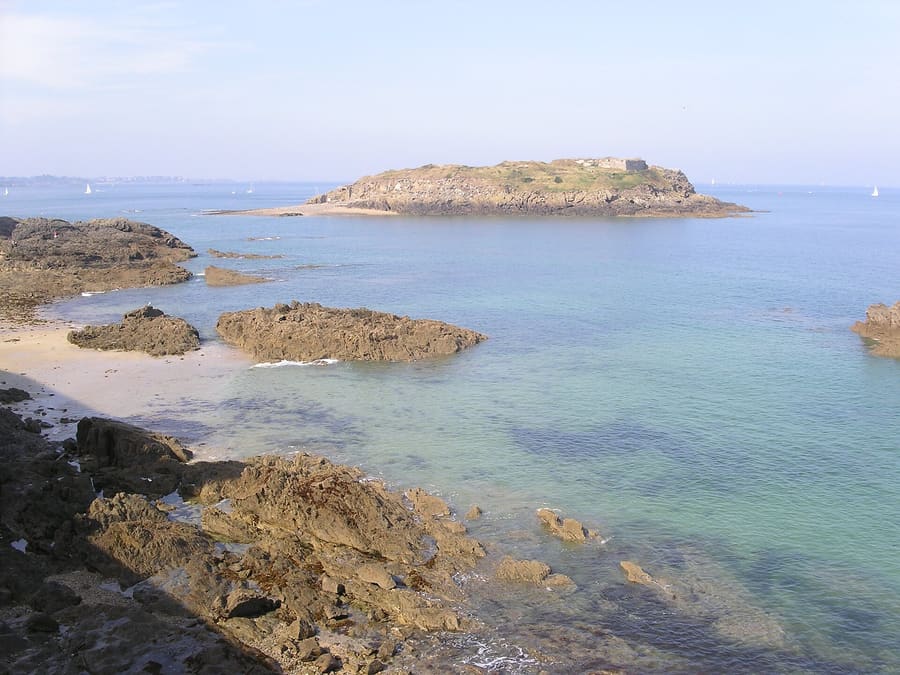
landmark
Uninhabited islet holding writer Chateaubriand's grave. Monitor tide times carefully to avoid getting stranded.
Ask Parley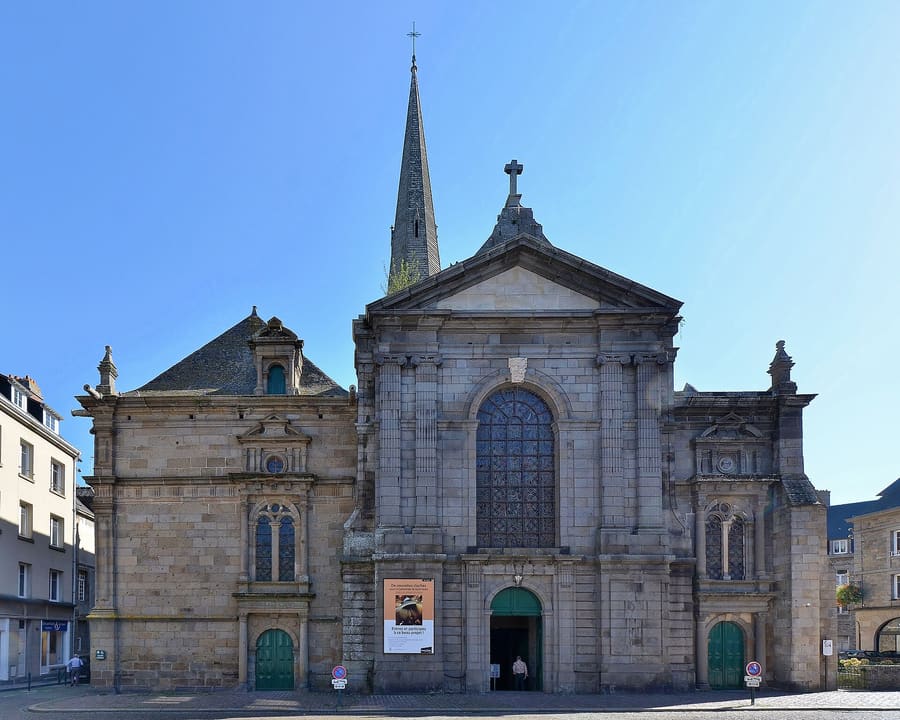
landmark
Mixes Romanesque and Gothic architecture. Look for modern stained-glass windows framing the nave.
Ask Parley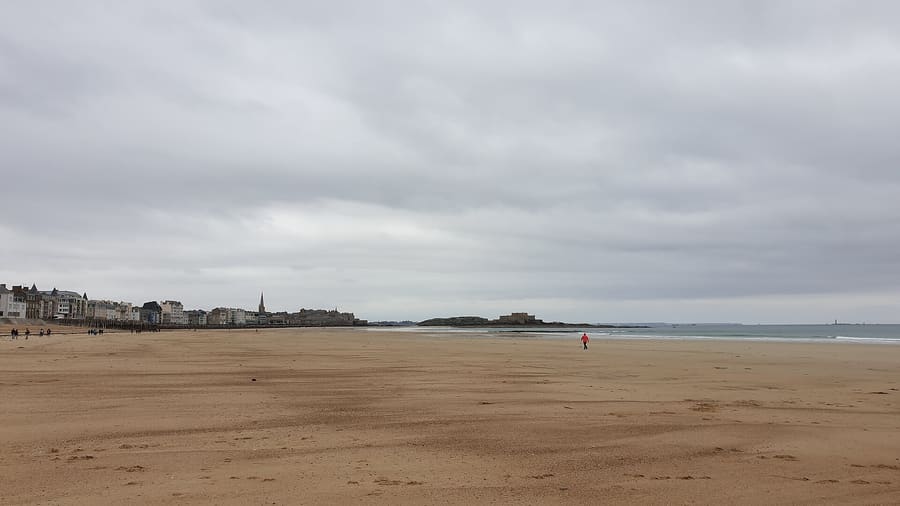
landmark
Three kilometres of sand anchored by oak wooden breakwaters that absorb Atlantic waves.
Ask Parley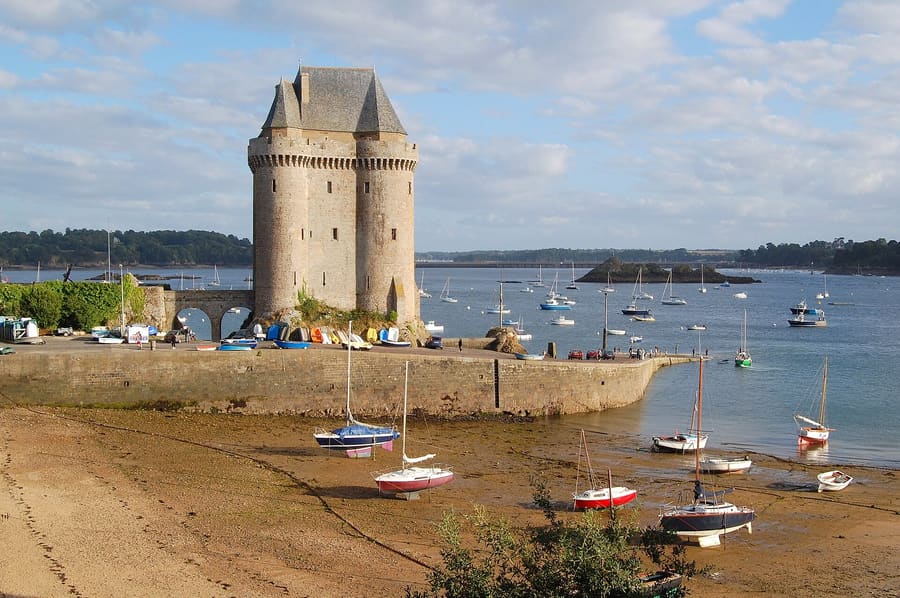
landmark
14th-century stronghold overlooking the Rance estuary in the quiet district of Saint-Servan.
Ask Parleyattractions
areas
High granite walls, stone lanes, heavy foot traffic, and dense creperies.
NearbyRamparts, Bon-Secours beach, Port Saint-Vincent
Ask ParleyFormer independent municipality with local markets and a working harbour.
NearbyTour Solidor, Cité d'Alet, Bas-Sablons beach
Ask ParleyOuter coastal village known for rugged coves and granite headlands.
NearbyRochers Sculptés, Havre de Rothéneuf
Ask ParleyBroad beach promenade lined with Belle Époque villas and spa facilities.
NearbyPlage du Sillon, Thermes Marins
Ask Parleyfood
Breton dining relies on local staples executed precisely. Buckwheat galettes form the core lunch item, filled with salted butter, ham, egg, and local Gruyère or Emmental cheese. Pair these with dry artisanal Breton cider served traditionally in ceramic bowls.Seafood reflects the surrounding Channel waters. Local oysters from nearby Cancale, spider crabs, and fresh mussels appear on most menus within Intra-Muros and along the port. Bakeries prioritize salted butter pastries, most notably Kouign-amann, a layered dough cake cooked until caramelized.
A classic savoury galette de sarrasin served alongside dry Breton cider.
Trizek · CC BY-SA 3.0Top creperies like La Bergamote or Le Breizh Café take dinner reservations in two strict seatings. Walk-ins face long queues after 19:00.
Order galettes made from dark buckwheat flour for savoury courses. Sweet crepes use wheat flour and belong to dessert.
history
Saint-Malo developed as an island stronghold guarding the Rance estuary. In the 16th century, its mariners and privateers established wealth through state-sanctioned raiding of enemy merchant ships. This strategic position generated independence, giving rise to the local motto: 'Neither French, nor Breton, I am Malouin.'The city fortress expanded under military architect Vauban in the late 17th century. During World War II, Allied shelling in August 1944 destroyed eighty percent of the historic centre. Citizens voted to rebuild Intra-Muros using original granite blocks, officially completing the reconstruction in 1966.
The Republic of Saint-Malo
Local residents declare an independent republic for four years, refusing loyalty to King Henry IV.
Vauban fortification
Engineer Vauban designs island fortresses to shield the port from English and Dutch naval fleets.
Wartime destruction
Heavy bombardment during liberation battles destroys most structures within the city walls.
Granite reconstruction
Architects rebuild the city following the original street grid using salvaged native stone.
where to stay
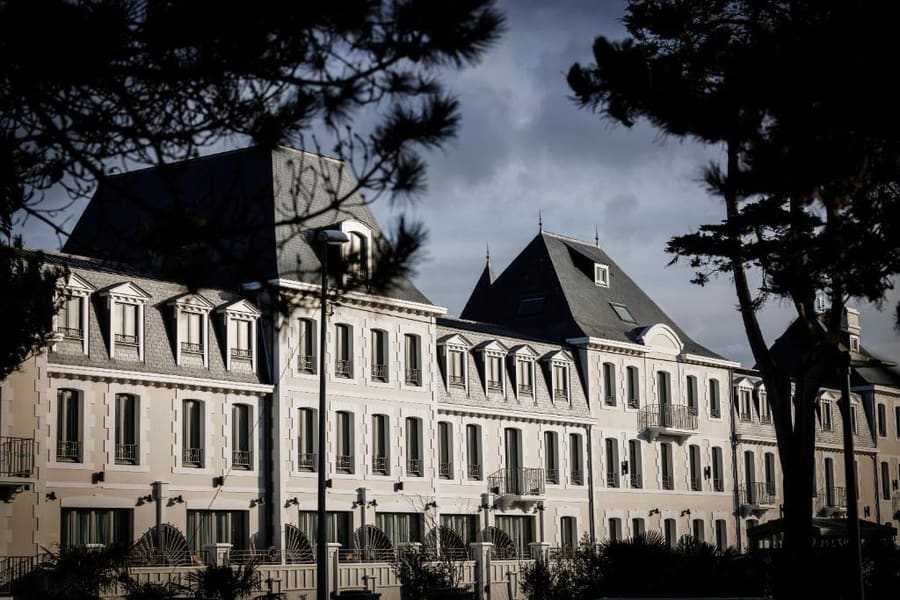
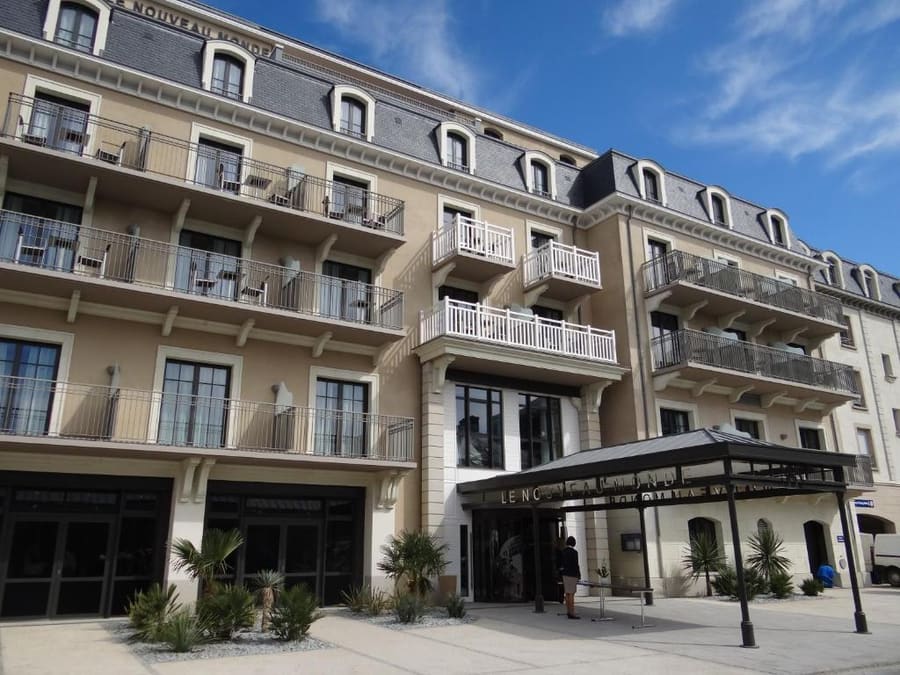
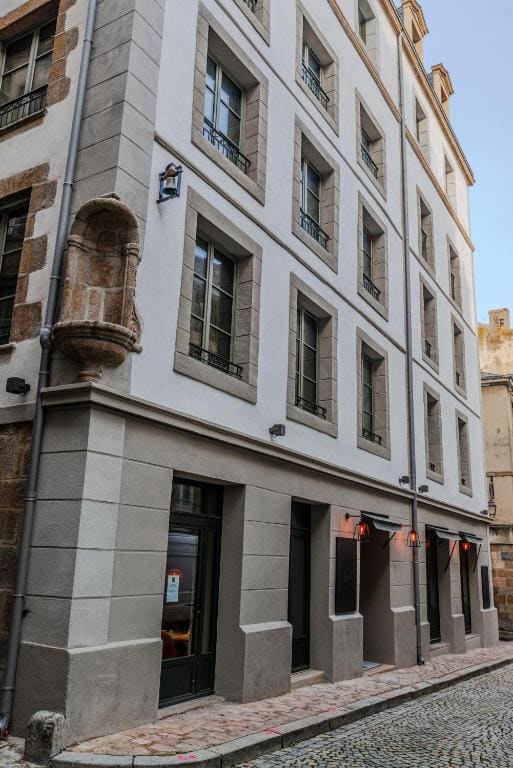
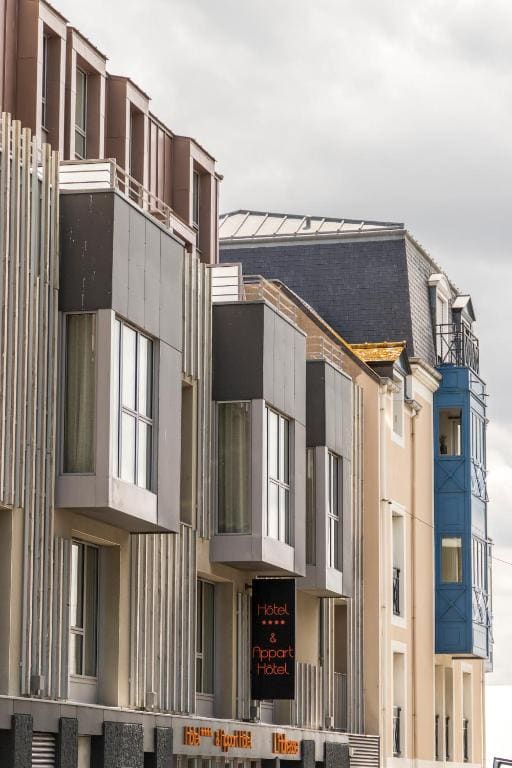
Choose your base based on your transit plans and tolerance for noise. Staying inside Intra-Muros offers atmosphere, but hotel rooms run small and luggage transfers require walking from perimeter drop-off points. Courtoisville suits travellers seeking ocean views and quiet nights along the beach.
Live rates, matched to the areas above.
transport
Intra-Muros is strictly pedestrianized; cars are impractical inside the gates. The local network MAT operates buses connecting Gare de Saint-Malo with Intra-Muros, Saint-Servan, and Rothéneuf. Walking along the flat coastal promenade remains the standard way to navigate between the main beaches.
From Gare de Saint-Malo
Take MAT Line 1 or 2 from the station forecourt directly to Porte Saint-Vincent.
Ranks sit outside the main rail exit. Useful if carrying heavy luggage onto cobblestones.
Buy single tickets directly from the driver using contactless card payments or exact cash.
The full wall circuit takes roughly 45 minutes. Expect multiple stone staircases without ramps.
During autumn spring tides, wave splash over Sillon promenade can close pedestrian paths briefly.
Small passenger ferries link Saint-Malo to Dinard across the estuary during summer months.
cost
Saint-Malo prices reflect its standing as a major coastal destination. Dining inside Intra-Muros carries a premium compared to Saint-Servan. Value is best found in fixed lunch menus at neighbourhood creperies.
Includes one savoury galette, one sweet crepe, and a bowl of local cider.
Access to walk the entire perimeter of the city walls is open daily without charge.
Includes access to the interior court and guided commentary at low tide.
Valid for one hour across all urban bus routes including transfers.
seasonality
MAR – MAY
Cool sea winds with moderate rainfall. Comfortable for coastal walking before summer crowds arrive.
JUN – AUG
Warmest weather and active beaches. Expect crowded ramparts and higher accommodation rates.
SEP – OCT
Warm waters and high autumn tides. Ideal season for observing dramatic ocean surges from safety.
NOV – FEB
Cold, grey, and windy conditions. Many seasonal creperies close for winter maintenance.
practicalities
Tides with a coefficient over 100 cover beach access ramps completely and create powerful currents.
City cobblestones and tidal seaweed rocks become slippery when wet. Wear rubber-soled shoes.
The ramparts offer no shelter from Atlantic gales. Pack a windproof jacket in all seasons.