
landmark
Fushimi Inari-taisha
Thousands of vermilion gates line the trail up Mount Inari. Arrive before 07:30 to hike without crowd congestion.
Япония
Japan's former imperial capital of temples, gardens, and gridlock.
Kyoto spreads across a flat basin surrounded by mountains on three sides. Grid streets date to the eighth century, but narrow side lanes dictate daily life. You navigate the city best by combining underground rail with rental bicycles, avoiding crowded surface buses.
Higashiyama — Steep stone lanes lined with craft vendors and traditional pottery shops.
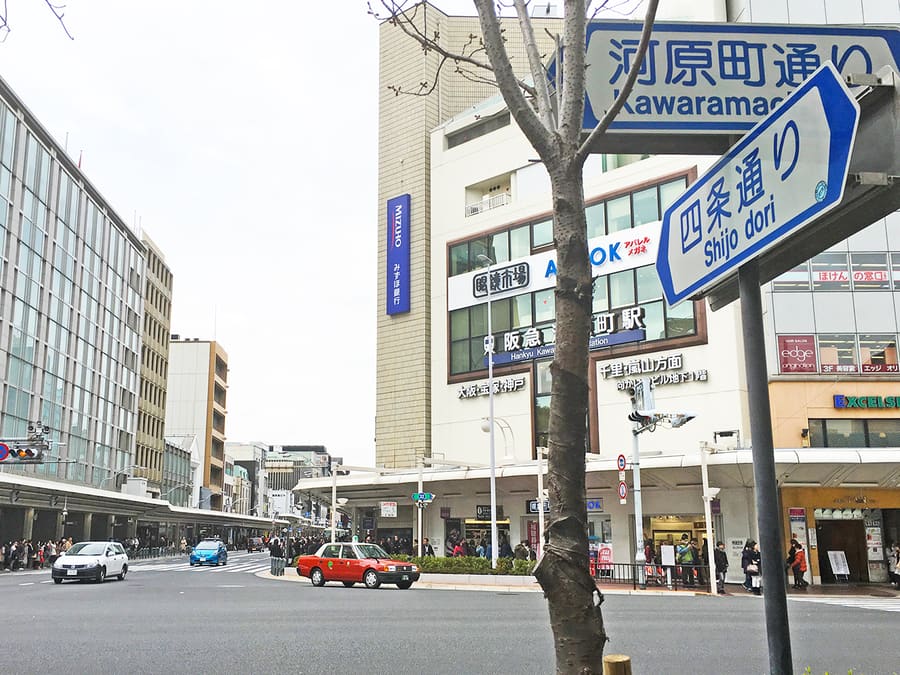
Kawaramachi — Central commercial corridor packed with retail malls and transit hubs.
Yudofu consists of fresh tofu simmered in kombu broth, eaten near Nanzen-ji.
01
landmark
Thousands of vermilion gates line the trail up Mount Inari. Arrive before 07:30 to hike without crowd congestion.
landmark
Historic temple built into the eastern hills with a massive wooden veranda. Entrance costs ¥400 cash.
landmark
Top two floors are covered in pure gold leaf over a reflecting pond. Expect strict one-way walking routes.
landmark
Towering bamboo forest in Western Kyoto. High tour bus traffic hits by 09:00 daily.
landmark
Narrow five-block food hall trading since 1310. Eating while walking is banned; eat at individual stalls.
landmark
Silver Pavilion featuring meticulously raked dry sand gardens. Far quieter than its golden counterpart.
02
03
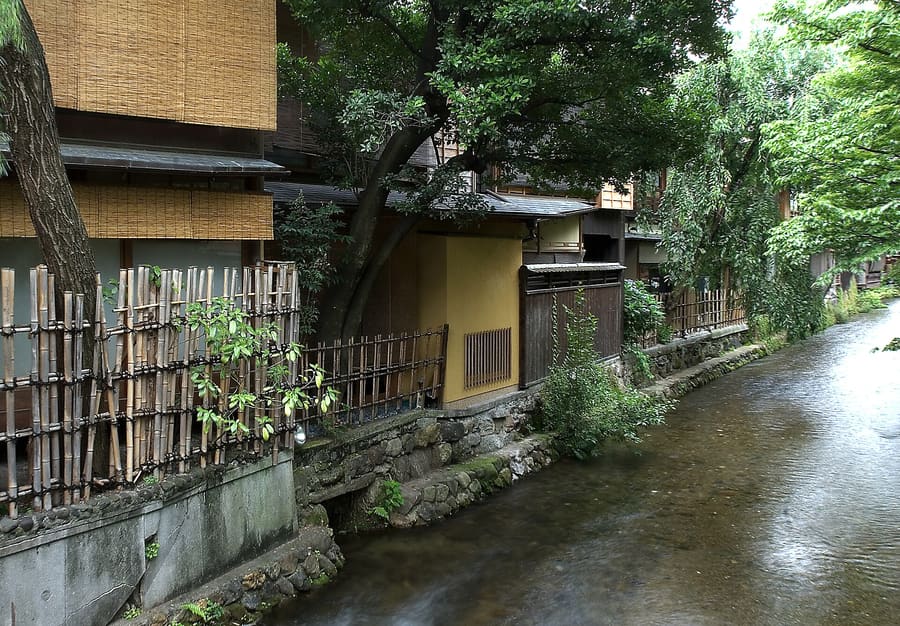
Preserved geiko district with wooden tea houses and lanterns.
РядомPontocho and Yasaka Shrine
Спросить ParleySteep stone lanes lined with craft vendors and traditional pottery shops.
РядомKiyomizu-dera and Kodai-ji
Спросить ParleyCentral commercial corridor packed with retail malls and transit hubs.
РядомNishiki Market and Kamo River
Спросить Parley04
Kyoto cooking relies on soft groundwater that extracts deep umami from kombu kelp without mineral bitterness. Local cuisine prioritizes seasonal vegetables, delicate broths, and soy products rather than heavy sauces. Traditional meals follow precise seasonal rules that dictate ingredients down to the week.
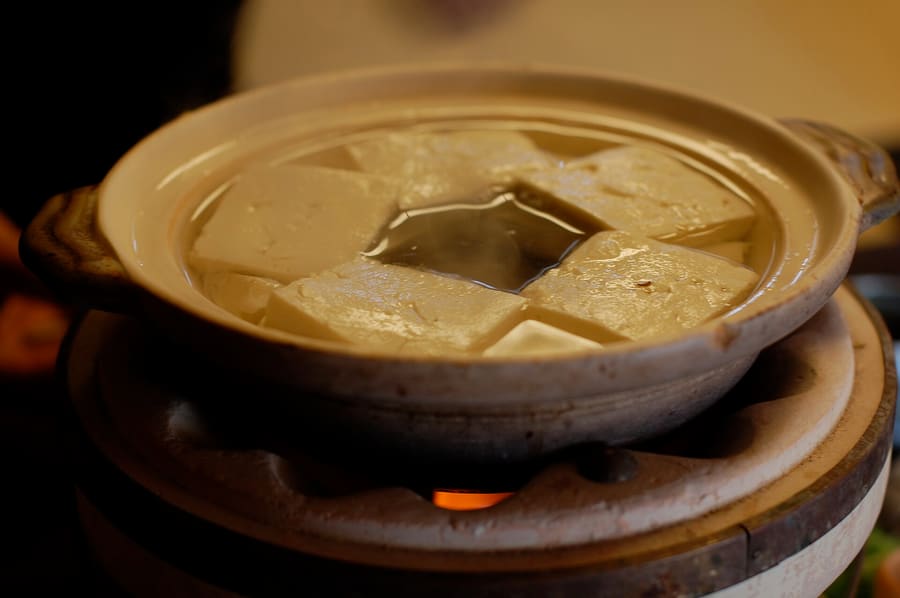
Yudofu consists of fresh tofu simmered in kombu broth, eaten near Nanzen-ji.
Silken tofu is simmered at your table in seasoned kelp broth. Traditional temples in Nanzen-ji served this dish to monks for centuries.
Kyoto home-style cooking uses seasonal local vegetables in small side dishes. Ordering lunch sets costs half the price of dinner service.
Multi-course imperial dining requires advanced reservations through hotel concierges. Cancelation fees apply within 48 hours.
05
Kyoto became Japan's imperial capital in 794 under the name Heian-kyo. The grid layout was modeled directly after the Tang Dynasty capital of Chang'an. Though political power shifted to Kamakura and later Edo, the Emperor remained in Kyoto until 1868, preserving its status as the nation's cultural center.
Capital established
Emperor Kanmu moves the capital to Heian-kyo, establishing the grid street system used today.
Onin War begins
Decade-long civil war destroys much of the original city architecture and temple complexes.
Capital moves to Tokyo
The Meiji Emperor shifts the imperial court to Tokyo, ending Kyoto's 1,000-year reign as capital.
Spared from air raids
Kyoto is removed from the atomic target list, preserving its historic wooden architecture.
06
Choose your base by transit access and evening atmosphere. Staying east of the river gives you walking access to temples before crowds arrive, but limits dining after 21:00. Staying near Kyoto Station trades charm for direct bullet train and bus links.
Отели с высокими оценками: Kyoto.
Смотреть больше отелей: Kyoto07
Surface traffic paralyzes central Kyoto during peak morning and evening hours. Combining rail lines with rental bicycles is faster than relying on municipal buses.
Из Kansai International Airport (KIX)
JR Haruka Limited Express goes direct to Kyoto Station, bypassing surface traffic. IC cards accepted.
Direct Airport Limousine Bus to Kyoto Station; surface traffic causes delays during peak hours.
Nankai Line to Osaka/Namba, transfer to Osaka Metro/Hankyu line using IC card. Cheaper multi-transfer route.
Shared door-to-door shuttle (e.g., MK Skygate). Requires advance reservation; includes luggage allowance.
Private taxi direct to destination. Flat-rate highway options available; subject to peak-hour road delays.
Cuts east-west across the city underground, bypassing street traffic entirely between Sanjo and Uzumasa.
Tap-to-pay IC cards operate on all Kyoto subways, city buses, and private Keihan and Hankyu rail lines.
Kyoto's last streetcar operates from Shijo-Omiya directly to Arashiyama for a flat ¥250 fare.
Central Kyoto is flat and easy to navigate on two wheels. Use dedicated bike parks; illegal parking gets impounded.
08
Kyoto entry fees and transit prices remain strictly fixed. Carrying physical cash is necessary because major temples and traditional markets do not accept credit cards.
Individual temple sites charge flat adult admission at the gate. Cash is mandatory.
Midday dining offers high value with obanzai or ramen sets across downtown.
Grants unlimited rides on municipal subways and city buses across one calendar day.
Traditional multi-course dinners carry service charges and mandatory drink orders.
09
MAR – MAY
Cherry blossom season brings peak international crowds. Hotel rates double and temple queues form before opening.
JUN – AUG
High humidity and intense heat basin effects. July hosts the Gion Matsuri festival with major street closures.
SEP – NOV
Fall foliage peaks in late November. Evening temple illuminations draw massive domestic tour groups.
DEC – FEB
Cold weather clears out tourism congestion. Temple gardens sit quiet and hotel rates drop to annual lows.
10
International debit cards work reliably at 7-Eleven store ATMs across the city.
Temple interiors and traditional restaurants require removing footwear at the door.
Most traditional craft stores and cafes close by 17:00 or 18:00 daily.
City ordinances ban eating while walking on public streets. Eat at the stall where you buy food.
Public bins do not exist on streets. Carry personal trash back to your hotel room or convenience stores.
Содержание
Ваша поездка
Собираетесь в Kyoto?
Расскажите Parley, когда едете и что любите, и он спланирует дни вокруг этого гида.
Спланировать с Parley


